Kadikoy Istanbul Guide: Ferries, Moda, and a 1-Day Itinerary (2026)
A 2026 kadikoy istanbul guide to transit, Moda's seafront, the fish market, Yeldeğirmeni murals, food, and safety for Istanbul's Asian side.
On this page
Kadikoy Istanbul Guide: The Asian Side's Coolest District
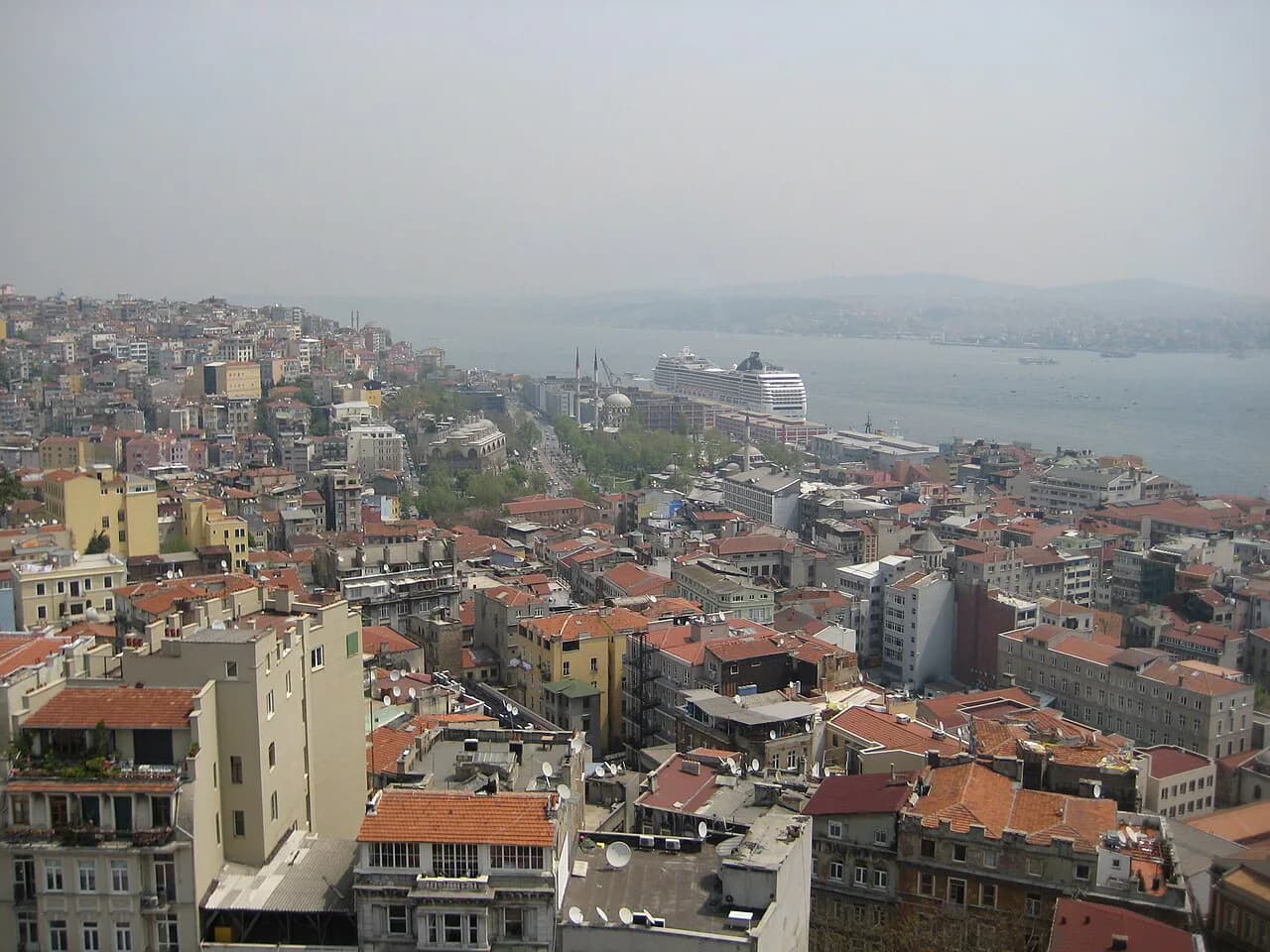
Last updated July 2026: this kadikoy istanbul guide breaks down why Istanbul's Asian-side hub has quietly become the city's coolest neighborhood, from the ferry ride that doubles as an entry ritual to the fish market lanes, Moda's seafront tea gardens, and the mural-covered backstreets of Yeldeğirmeni. Expect decision-support comparisons rather than a simple sightseeing list: how Kadikoy stacks up against Sultanahmet and Beyoğlu, which transit option fits your schedule, and a realistic one-day route for a half-day or full-day crossing.
Kadikoy Istanbul Guide: Is It Worth Visiting?
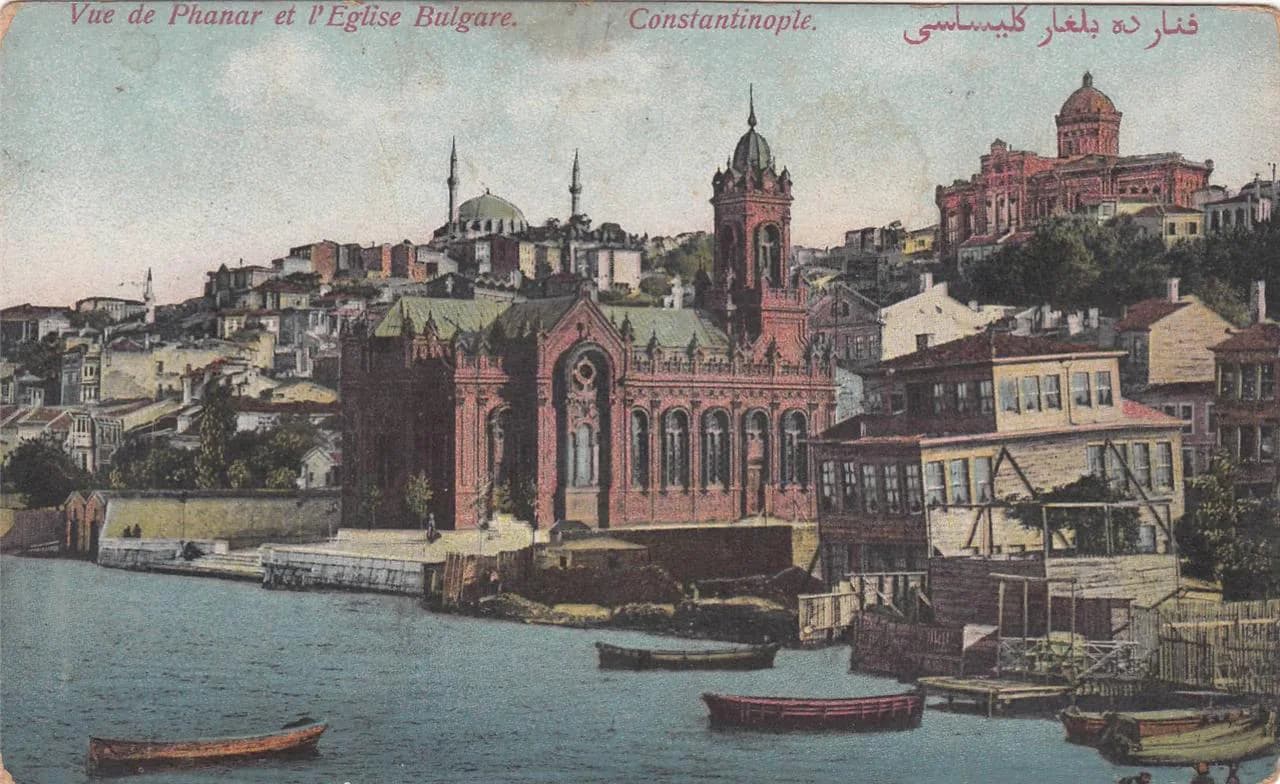
Kadikoy is Istanbul's Asian-side answer to Beyoğlu: a dense, walkable district built around a ferry terminal, a produce market, and a seafront park, and its appeal is atmosphere more than any single landmark. For visitors weighing it against the European side's Karaköy's waterfront streets or the wider Istanbul's neighborhood breakdown, it helps to see the trade-offs side by side. Repeat visitors and digital nomads tend to get the most out of Kadikoy, since its value compounds with familiarity, while first-timers with only a day or two usually treat it as a crossing rather than a base. The name itself traces to the Ottoman era: after the 1453 conquest, Fatih Sultan Mehmet granted the district to Hıdır Bey, the empire's first appointed judge, or kadı, as a retirement pension. Kadikoy's older identity as the Greek colony of Chalcedon, originally settled in the 7th century, earned it the nickname 'Land of the Blind' among early historians. By the 1882 Ottoman census, the district's roughly 7,000 residents were a genuinely mixed community: about 26 percent Greek, 26 percent Armenian, 4 percent Jewish, and 42 percent Muslim, a layering still visible in Kadikoy's churches, synagogues, and mosques today.
Kadikoy's appeal differs by visitor type: first-timers efficiently cover key highlights in a half-day (ferry, market, Moda waterfront), while repeat visitors and digital nomads benefit from staying longer and letting the district's calmer, neighborhood-focused rhythm reveal itself over time.
| Factor | Kadikoy (Asian Side) | Sultanahmet / Beyoğlu (European Side) |
|---|---|---|
| Crowds | Local-heavy, fewer tour groups | Dense tourist crowds around major landmarks |
| Dining prices | Roughly 20-30% cheaper for meals | Higher menu prices near tourist sights |
| Nightlife | Student bars and meyhanes around Kadife Sokak | Larger-scale clubs and bars in Beyoğlu |
| Historical sights | Fewer Ottoman monuments, more Greek and Armenian-era architecture | Dense concentration of Ottoman and Byzantine landmarks |
Getting to Kadikoy: Ferry, Marmaray, and Istanbulkart Basics
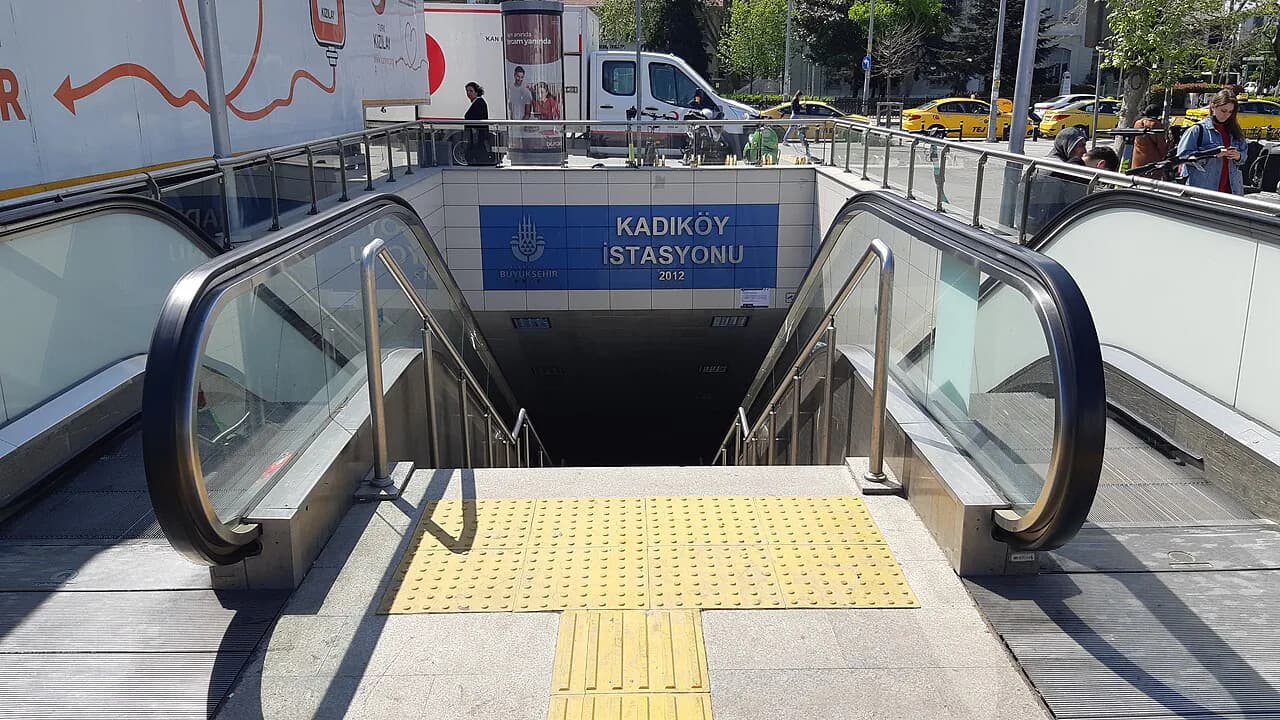
The primary way to reach Kadikoy is the ferry from Eminönü, Karaköy, or Beşiktaş, a crossing of roughly 20 to 30 minutes that most guides treat as the actual entry ritual to the district, with deck seating, tea sold on board, and open Bosphorus views on the approach. Tap in and out with an Istanbulkart, the rechargeable card used across Istanbul's ferries, Marmaray, and the metrobus network, since juggling single paper tickets across multiple transfers is far less convenient. When ferries stop running late at night, the Marmaray undersea rail line becomes the practical fallback for crossing between the European and Asian sides, trading open-air scenery for speed and a fixed schedule. The ferry terminal building itself, designed by architect Vedat Tekin in 1917, sits near Haydarpaşa Railway Station, which is currently under restoration, so expect some work continuing around the wider dock area through 2026.
| Option | Journey Time | Scenic Value | Best For |
|---|---|---|---|
| Ferry (Eminönü / Karaköy / Beşiktaş) | About 20-30 minutes | High: open-deck Bosphorus views | Daytime arrivals, the classic Kadikoy entry ritual |
| Marmaray (undersea rail) | Faster, schedule-independent of ferry hours | None: underground crossing | Late-night returns after ferries stop running |
| Metrobus | Longer, surface traffic-dependent | Low: road-level views only | Backup connections when ferry or Marmaray timing doesn't line up |
The Vibe Filter: Kadikoy vs Beyoğlu vs Sultanahmet
Istanbul's three signature districts read very differently once you're standing in them. Sultanahmet is museum-dense and monument-heavy, built around Ottoman and Byzantine landmarks that reward a checklist approach. Beyoğlu, anchored by Istiklal Avenue, is gritty and commercial, with a nightlife scene built for volume and turnover. Kadikoy is neither: it's local and student-driven, closer to residential-cool than tourist-spectacle, and most of its life happens after 2:00 PM rather than first thing in the morning. If that slower, neighborhood-first pace appeals to you, it's worth comparing Kadikoy against other low-key districts such as Balat's colorful backstreets or the quiet Kuzguncuk waterfront, both of which trade Kadikoy's market energy for an even more residential feel.
Top Things to Do in Kadikoy and Moda
Kadikoy and Moda cover enough ground that a single afternoon only scratches the surface, but a handful of stops define the area's identity.
- The Bull Statue at Altıyol: the district's best-known meeting point and the natural gateway into the market streets.
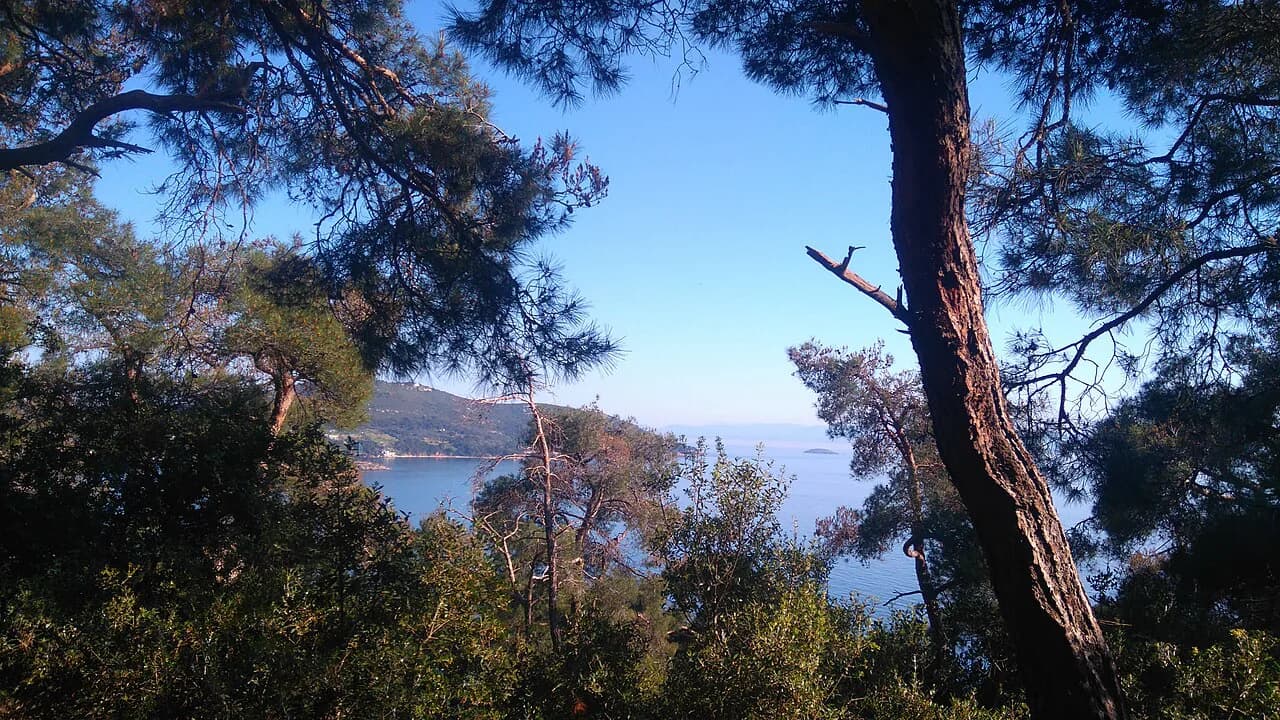
- Moda Seaside Park: the local ritual of tea or beer on the rocks along the Marmara Sea, especially around sunset.
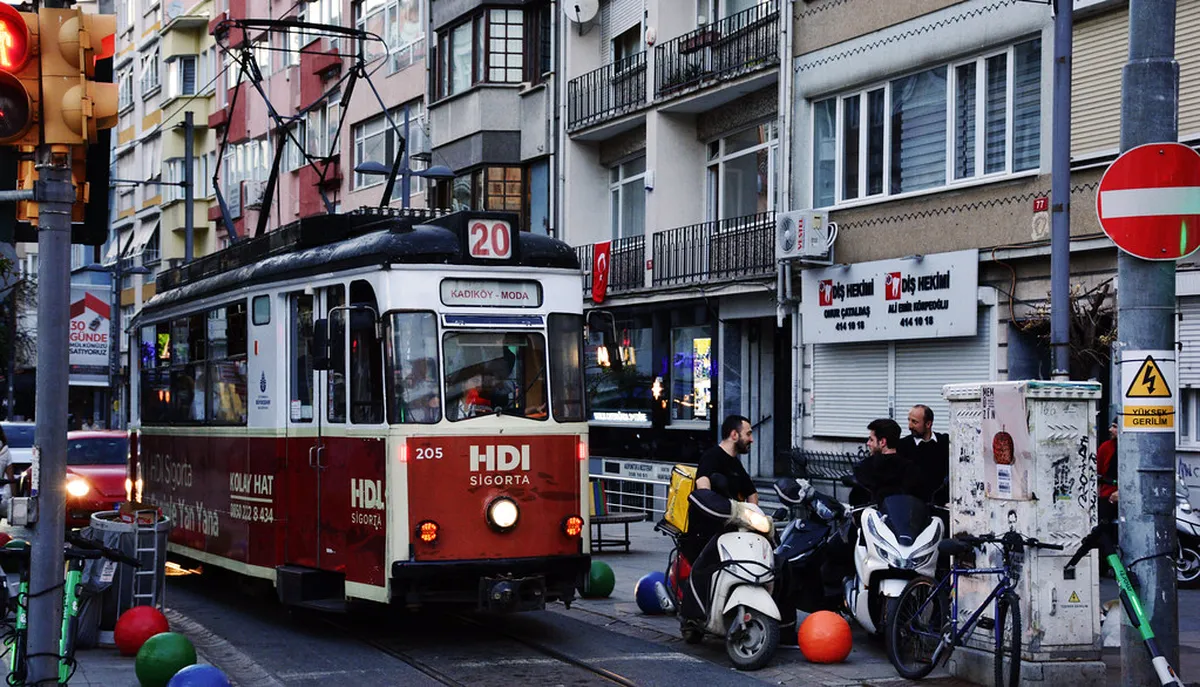
- Bahariye Street and the nostalgic tram: a pedestrian shopping strip that also passes the Süreyya Opera House.
- Barış Manço Museum: the preserved home of Turkey's best-known Anadolu rock musician, run as a house museum.
- Kadikoy Fish Market on Güneşli Bahçe Sokak: cheesemongers, pickle sellers, and the centuries-old Haci Bekir confectionery.
- Yeldeğirmeni's mural streets: covered in more detail in the street art section below.
Yeldeğirmeni: Street Art, Mural Istanbul, and Railway History
Yeldeğirmeni sits within walking distance of central Kadikoy's market streets and has shifted from a working-class railway district into one of the area's most photographed corners. Its mural-covered facades were launched through the municipality's Mural Istanbul festival, which invited street artists to paint building exteriors across the neighborhood, turning ordinary residential blocks into an open-air gallery. The architecture tells an older story too: railway workers who arrived to build the nearby Haydarpaşa line settled here, and the neighborhood's first apartment block, designed by an Italian architect, still stands as one of Istanbul's earliest examples of the building type. Treat Yeldeğirmeni as a slower, more residential counterpoint to the bazaar streets, closer in spirit to Cihangir's café culture on the European side than to Kadikoy's busiest market lanes. For more streets like it, browse the city's hidden corners and off-the-beaten-path itinerary ideas, several of which sit within reach of central Kadikoy.
The Kadikoy Fish Market and Salı Pazarı Tuesday Market
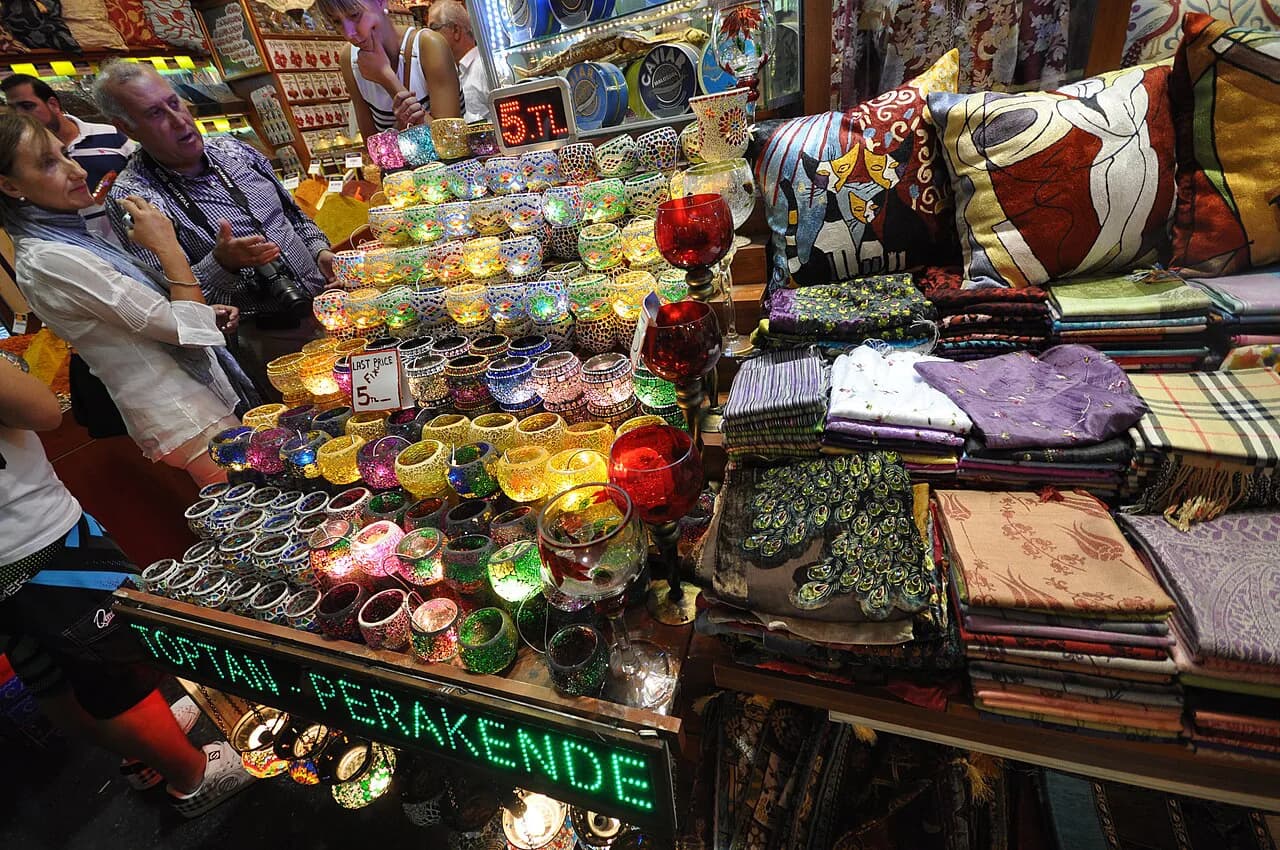
Locals call the daily produce lanes around Güneşli Bahçe Sokak the fish market, though the name undersells it: alongside fishmongers you'll find cheesemongers, pickle sellers, spice stalls, and Haci Bekir, a confectionery that has been making Turkish delight and hard candy for more than 300 years. On top of the daily market, Tuesdays bring the much larger Salı Pazarı street market, a sprawling weekly bazaar that spreads across side streets with clothing, produce, and household goods well beyond what the permanent shops stock. Between the two, the bazaar district is where Istanbul's local food scene is easiest to see up close, without the queues that build around equivalent markets on the European side.
Food and Nightlife: Rakı-Balık, Street Food, and Kadife Sokak
Street food in Kadikoy runs on midye dolma, mussels stuffed with spiced rice and sold from carts along the main pedestrian streets, and kokoreç, grilled seasoned offal served in a roll, both generally cheaper here than their equivalents near Sultanahmet's tourist zones. Sit-down dining leans on the meyhane tradition of rakı-balık, an unhurried sequence of small meze plates, grilled fish, and aniseed rakı that plays out over hours rather than a single course. For a fuller sense of where to eat by name, cross-reference the district against the citywide top local dining picks. After dinner, Kadife Sokak, known locally as Bar Street, is the district's densest strip of bars and live-music venues, historically home to long-running spots such as Arkaoda and Karga alongside newer arrivals; confirm current opening status before making a special trip, since venue lineups on this stretch turn over more often than the market stalls around it.
Suggested 1-Day Kadikoy Itinerary
A single day is enough to cover Kadikoy's highlights without rushing, provided you sequence it around when the district actually wakes up.
Timing shapes the Kadikoy experience: the district peaks after 2 PM as cafés and markets fully open. Avoid Mondays when shops close, plan at least a half-day since the ferry alone takes 20-30 minutes, and prioritize afternoon or evening arrival over early morning.
- Morning: start with a Van-style breakfast spread in Moda, the weekend ritual of small plates, cheese, and tea that locals treat as a leisurely two-hour sit-down rather than a quick stop.
- Midday: walk the fish market on Güneşli Bahçe Sokak, stopping at Haci Bekir, before continuing into Yeldeğirmeni to trace the mural streets on foot.
- Afternoon: browse Bahariye Street and ride the nostalgic tram past the Süreyya Opera House, dropping into the Barış Manço Museum if timing allows.
- Evening: watch the sunset from Moda Seaside Park, then head back into the bazaar streets for a rakı-balık dinner or a stop on Kadife Sokak.
Practical Planning: Safety, Where to Stay, and Mistakes to Avoid
Kadikoy's central streets, including Moda, Rıhtım, and Yeldeğirmeni, are generally considered safe at late hours by local standards, and the district's liberal, youth-driven atmosphere is part of its appeal for solo travelers. The exception is Kadife Sokak on weekend nights, when Bar Street gets considerably rowdier as venues fill up; extra caution applies there specifically, and in the quieter, more desolate side streets further from the market core, more than in central Kadikoy overall. Staying on the Asian side means a longer commute back to Topkapı, Sultanahmet, and the other major European-side sights, which is why first-timers with only a day or two often treat Kadikoy as a day trip rather than a base, while repeat visitors and digital nomads lean toward staying here for the calmer, more local pace of daily life. If Kadikoy's market-and-mural energy isn't quite the fit you're after, it's worth comparing it against Istanbul's other alternative-vibe districts, such as the Çukurcuma antiques quarter, before settling on a base for the trip. For timing the whole visit around quieter travel windows in Istanbul, check that guide before booking dates.
- Visiting on a Monday, when some museums and smaller shops close for the day.
- Arriving too early in the morning, since most cafés, market stalls, and bars don't fully wake up until after 2:00 PM.
- Treating Kadikoy as a quick stop: the ferry crossing alone takes 20 to 30 minutes, and the district rewards a half-day minimum.
- Skipping the Tuesday market without realizing Salı Pazarı only runs that one day a week.
Kadikoy Micro-Neighborhoods: Bazaar, Moda, and Yeldeğirmeni
Think of Kadikoy as three walkable zones rather than one sightseeing stop. The Central Bazaar around Güneşli Bahçe Sokak, Tellalzade Sokak, and the ferry approach is the practical starting point: fishmongers, pickle shops, Haci Bekir, casual lokantas, and quick street-food stops sit within a few minutes of the docks and the Bull Statue at Altıyol.
Moda is the slower western edge, best for cafés, breakfast, the Barış Manço Museum, Moda Tea Garden, and the seafront path toward Moda Pier and Moda Seaside Park. It is where to linger rather than tick off sights. Yeldeğirmeni, northeast of the ferry terminal toward Ayrılık Çeşmesi and Haydarpaşa, is quieter and more residential, with murals, older apartment blocks, and third-wave coffee shops. If you only have a half-day, do Bazaar plus Moda; add Yeldeğirmeni when you have a full afternoon or want Kadikoy's street-art and railway-history layer.
Further reading: Istanbul on Wikivoyage · Istanbul on Wikipedia
Frequently Asked Questions
Is Kadikoy worth visiting on a first trip to Istanbul?
Yes, even a half-day works: the ferry crossing from Eminönü or Karaköy takes roughly 20 to 30 minutes, and the fish market, Moda's seafront, and Yeldeğirmeni's murals are all within easy reach of the ferry terminal. First-timers with limited time typically treat Kadikoy as a day trip rather than a base, saving a longer stay for a return visit.
How do you get to Kadikoy from Sultanahmet or Taksim?
The most direct route is the ferry from Eminönü, Karaköy, or Beşiktaş, all reachable by tram or funicular from Sultanahmet and Taksim, with the sea crossing itself taking about 20 to 30 minutes. Once ferries stop running for the night, the Marmaray undersea rail line is the practical alternative for crossing back to the European side, and an Istanbulkart covers fares across both.
Is Kadikoy safe, including for solo travelers?
Central Kadikoy, meaning Moda, Rıhtım, and Yeldeğirmeni, is generally considered safe even late in the evening, and the district's liberal, youth-driven atmosphere adds to its appeal for independent travelers. Kadife Sokak's Bar Street gets noticeably rowdier on weekend nights, and the quieter side streets further from the market core call for the usual extra caution after dark.
What's the difference between Kadikoy and Beyoğlu?
Beyoğlu, centered on Istiklal Avenue, is gritty and commercial with high-volume nightlife and major landmarks. Kadikoy is quieter and more residential, built around a produce market, a seafront park in Moda, and a student-driven café scene, with most activity picking up after 2:00 PM rather than earlier in the day.
How much time should you plan for Kadikoy?
A half-day covers the market, the Bull Statue, and Moda's waterfront, while a full day allows time to add Yeldeğirmeni's street art, Bahariye Street, and a sit-down rakı-balık dinner. Avoid arriving on a Monday, when some smaller museums and shops close, and avoid arriving too early, since the district's cafés and market stalls don't fully wake up until the afternoon.
Continue exploring
More guides you'll find useful