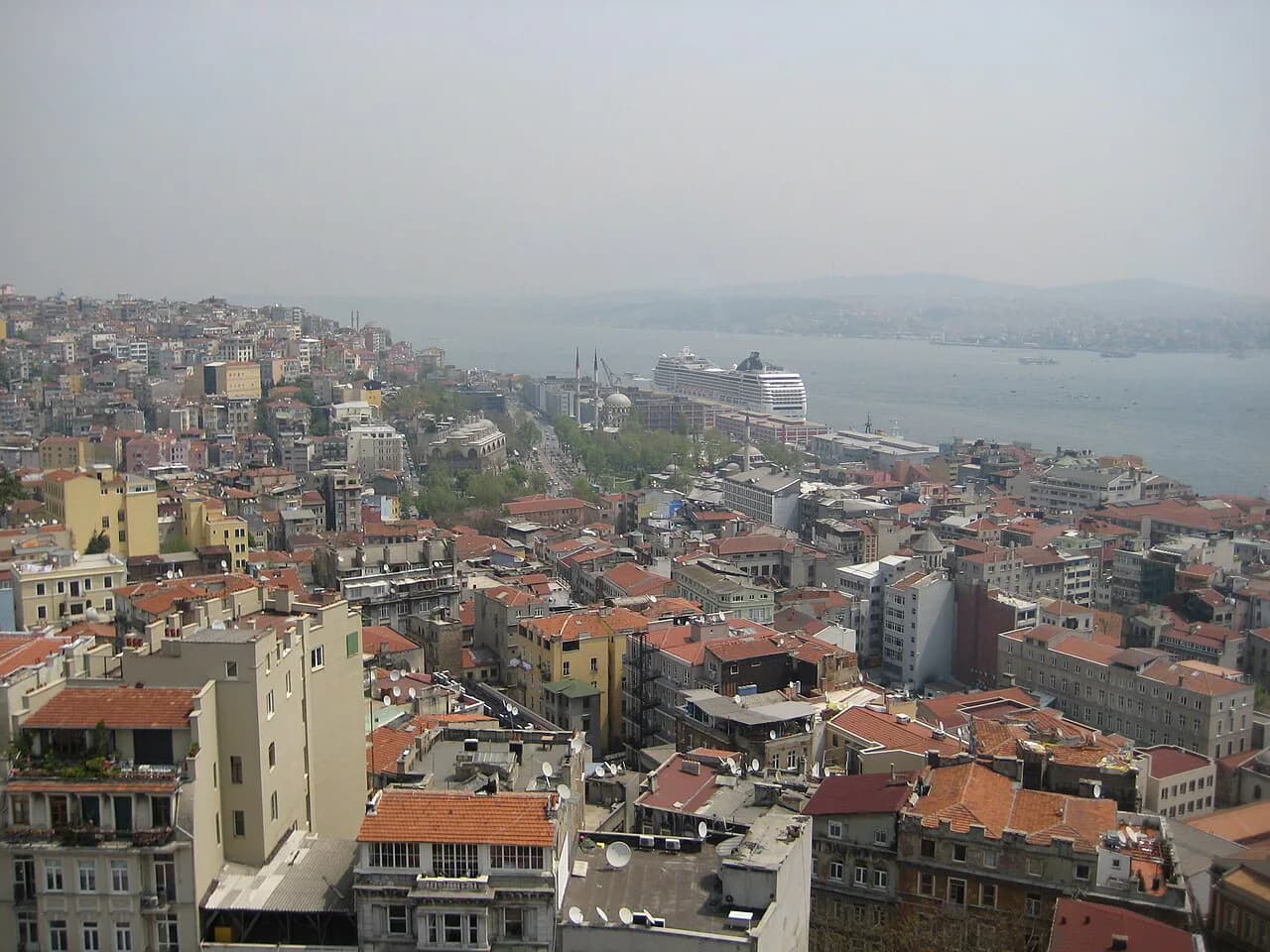
Off the Beaten Path in Istanbul: Hidden Gems & Local Neighborhoods for 2026
Escape the crowds with this guide to off the beaten path in Istanbul: hidden cisterns, colorful Balat and Kuzguncuk, and authentic local eats for 2026.
On this page
Off the Beaten Path in Istanbul: A Guide to the City's Best-Kept Secrets
Last updated July 2026, this guide to off the beaten path in Istanbul skips the Sultanahmet ticket lines and heads straight for the neighborhoods, ferries, and sensory rituals that make the city feel lived-in rather than laminated. It's built for second-time visitors, slow travelers, and digital nomads who have already seen Hagia Sophia and the Blue Mosque and want to know where locals actually spend their mornings. Every recommendation below comes with the logistics general guides skip: which ferry pier to use, which hill to expect, and which cafés serve sand-brewed coffee instead of a photo-op.
Beyond Sultanahmet: Why Go Off the Beaten Path in Istanbul
The Hagia Sophia, the Blue Mosque, and the Grand Bazaar earn their reputation, and no first visit skips them. But once those three are checked off, the more rewarding version of the city sits across the water and down side streets, in the Fatih, Kadıköy, and Beşiktaş districts where daily life continues at its own pace. For travelers short on time, the quickest answer is to prioritize three areas: Balat for its color-soaked streets and photography, Kadıköy for the food and nightlife scene locals actually use, and Kuzguncuk for a slower, almost village-like nostalgia on the Asian side. Together they cover the Golden Horn, the Bosphorus shoreline, and the calmer Asian bank, and this neighborhoods guide breaks down how each one fits into a longer stay, while this roundup of Istanbul's hidden gems covers even more under-the-radar stops.
Istanbul's Most Authentic Neighborhoods to Explore
Neighborhood depth is what separates a repeat visit from a first one, and these four areas reward slower exploration on foot or by ferry.
Balat's steep cobbled streets require sturdy shoes and a slower pace, while Kuzguncuk and Arnavutköy provide calmer, flatter alternatives. Dawn visits to any neighborhood—when crowds are sparse and locals claim their regular spots—reveal authentic daily rhythms rather than tourist schedules.
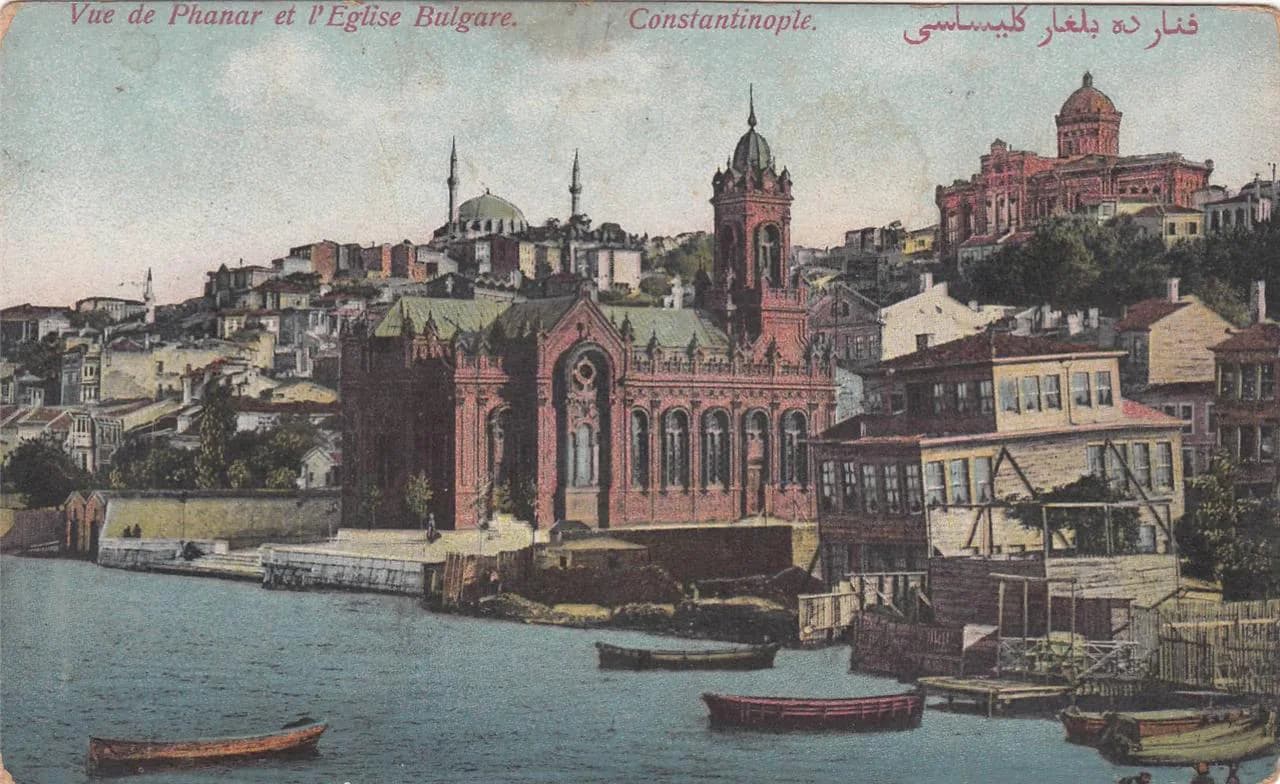
- Balat & Fener: Wander the Golden Horn shoreline that links Fener to Balat, passing the Bulgarian Iron Church along the way, then climb into Balat's grid of color-painted wooden houses, a neighborhood covered in full in this Balat neighborhood guide. The streets are cobbled and genuinely hilly, so budget extra time and wear shoes built for walking.
- Kuzguncuk (Asian Side): Cross the Bosphorus for a village feel that's rare on the European side: wooden Ottoman houses, a quiet main street, and none of the crowd noise of Sultanahmet, detailed further in this Kuzguncuk guide.
- Arnavutköy: This waterfront district is known for its ornately decorated wooden mansions and a seafood culture built around long lunches by the water, with grand mosques visible across the Bosphorus from its shoreline benches.
- Kadıköy & Moda: The pulse of the modern local scene, with market streets, coffee shops, and a waterfront promenade that Istanbul residents treat as their own, mapped out in this Kadıköy guide.
Unique Cultural and Sensory Experiences Beyond the Guidebooks
Istanbul's most memorable moments are often sensory rather than photographic, and these traditions reward a slower pace.
- Turkish Sand Coffee (Közde Kahve): Cafés in Karaköy and Kadıköy brew coffee the traditional way, resting the cezve pot in hot sand and lifting it off the heat three or four times as it nears a boil, producing a stronger, smoother cup than a stovetop brew.
- Coffee Fortune Telling (Tasseography): Once the cup is finished, a falcı reads the grounds left behind, a custom you can try at spots such as Symbol Cafe in Taksim for a genuinely local ritual rather than a tourist add-on.
- The Tünel Funicular: Running between Karaköy and İstiklal Avenue, this line is recognized as the world's second-oldest underground railway, a quick and practical way to skip the steep climb up from the Bosphorus shore.
- Fishing on Galata Bridge: Locals line the railings at almost any hour, reeling in sardines and mackerel, and waterfront stalls below grill the catch into balık durum wraps, giving you an authentic slice of daily life rather than just a sunset photo stop.
- Vintage Shopping in Çukurcuma: This antiques district has a Museum of Innocence atmosphere, with shopfronts full of Ottoman-era furniture, old cameras, and secondhand curiosities, covered in more depth in this Çukurcuma vintage shopping guide.
Architectural Gems Without the Lines
Sultanahmet's headline sights draw the queues, but Istanbul has just as much history a short walk or ferry ride away, minus the wait.
- Şerefiye (Theodosius) Cistern: Where the Basilica Cistern gets the crowds, this fifth-century cistern offers the same underground atmosphere with a modern light show and a fraction of the visitors, detailed in this Şerefiye Cistern guide.
- Fatih Mosque: While tour groups flock to Hagia Sophia and the Blue Mosque, this working neighborhood mosque offers a genuinely peaceful courtyard with benches where locals actually sit and rest, reflecting its ongoing religious significance to the surrounding Fatih district.
- St. Anthony of Padua Church: Tucked just off İstiklal Avenue, this is Istanbul's largest Catholic church and a quiet, often-missed counterpoint to the crowds on the avenue outside.
The Local Food Circuit: Where Istanbul Actually Eats
Skipping the tourist-menu restaurants near the major sights opens up a completely different, and usually cheaper, food scene.
- Turkish Breakfast in Beşiktaş: Head to the district's so-called Breakfast Street for a proper serpme kahvaltı spread of cheeses, olives, eggs, and simit, a meal built to last two unhurried hours rather than a quick coffee-and-pastry stop.
- Kumpir in Ortaköy: The ritual here is a loaded jacket potato mashed with butter and cheese, then piled with whatever toppings you point at, from olives and corn to sausage and pickles.
- Cağ Kebab and Lokantas: A tourist restaurant near the main sights and an esnaf lokantası (tradesman restaurant) are two different worlds; the lokanta serves home-style stews, meze, and cağ kebab at everyday prices to a room full of regulars rather than passersby. This local food guide and this list of best local restaurants both go deeper on where to find them.
Logistics: How to Navigate Like a Local
None of the above works without understanding how Istanbul actually moves, and the city's transit system is simpler than it looks once you have the right card.
- The Istanbulkart: This rechargeable transport card covers trams, the metro, funiculars, and ferries with a single tap, and it's worth buying on arrival rather than paying cash fares at every turnstile.
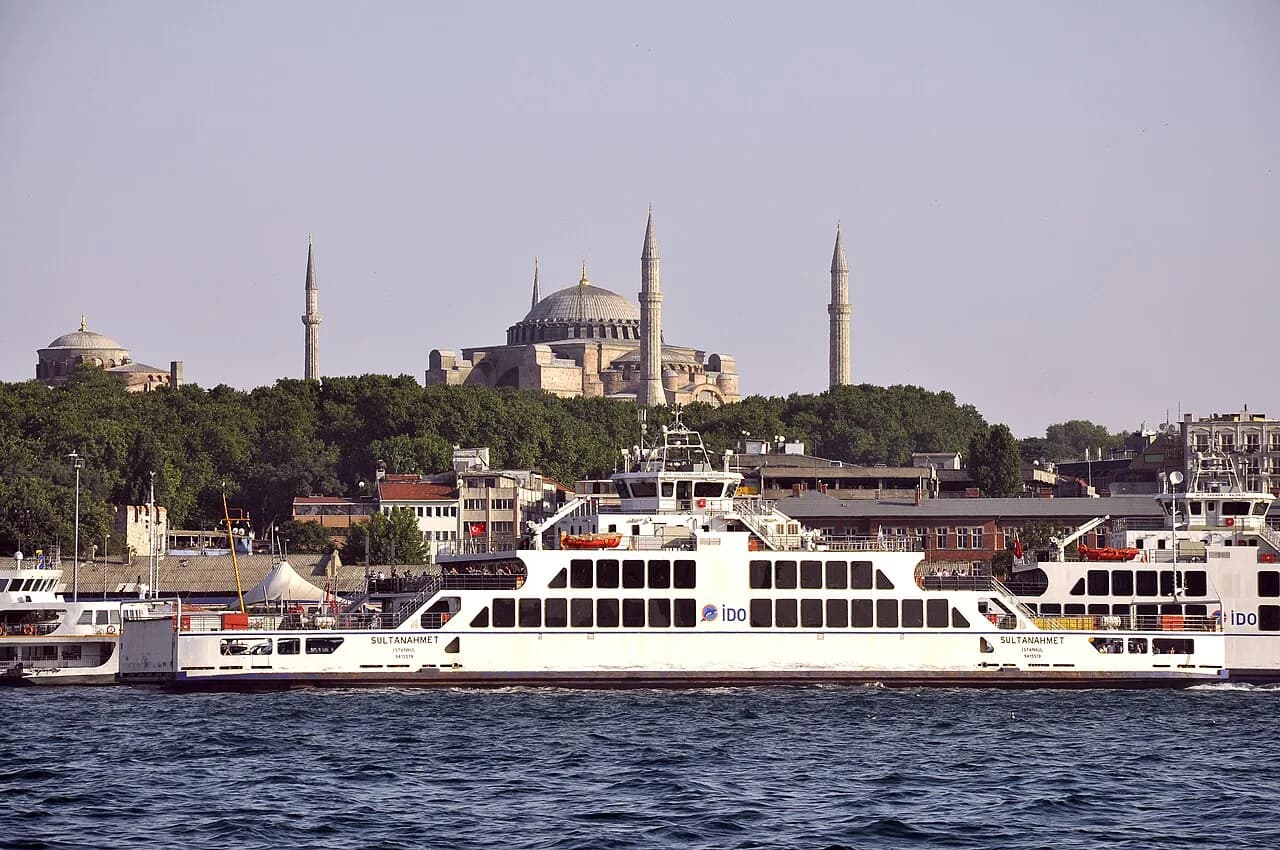
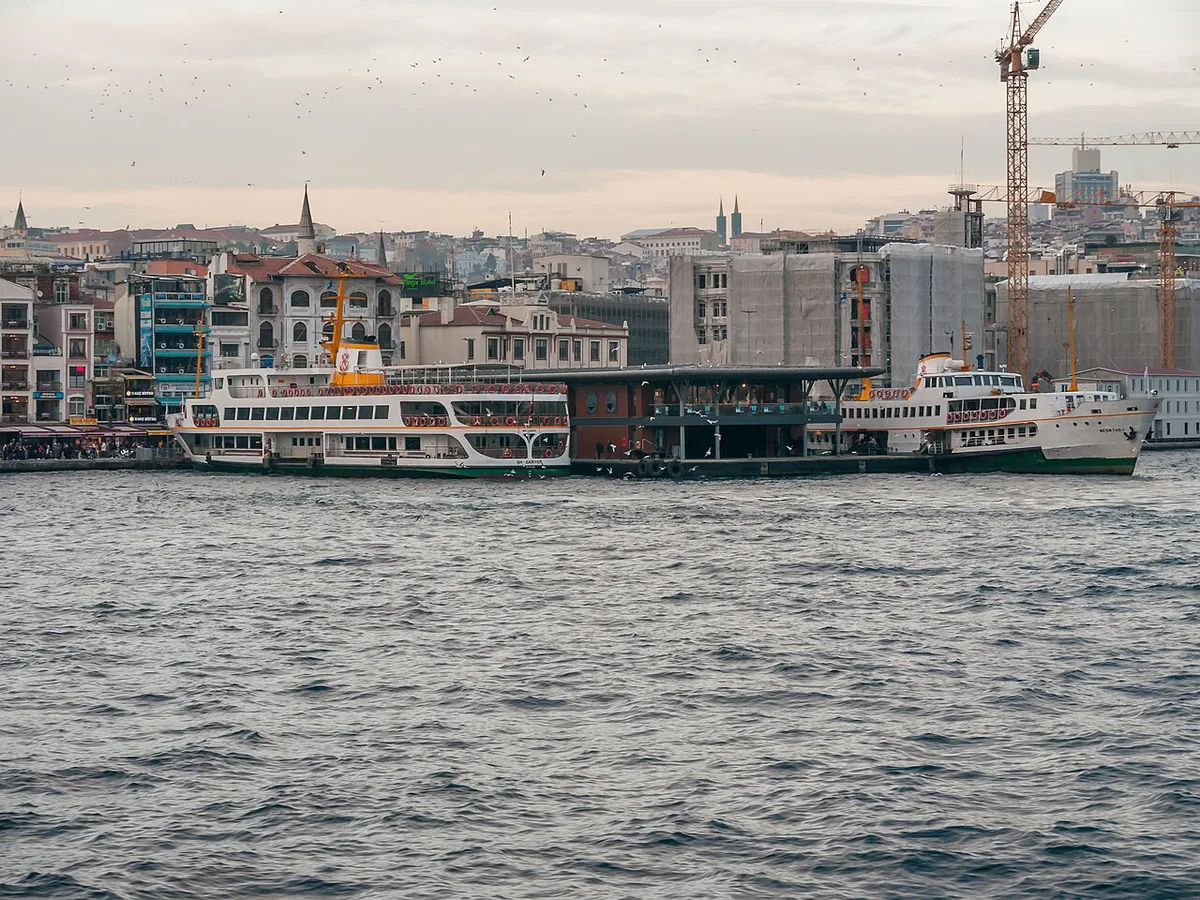
- Ferry Routes: The ferry across to Üsküdar or Kadıköy, departing from the piers near Eminönü and the Spice Bazaar, works as both transport and the city's best cheap cruise, with Bosphorus views a taxi or tram can't match.
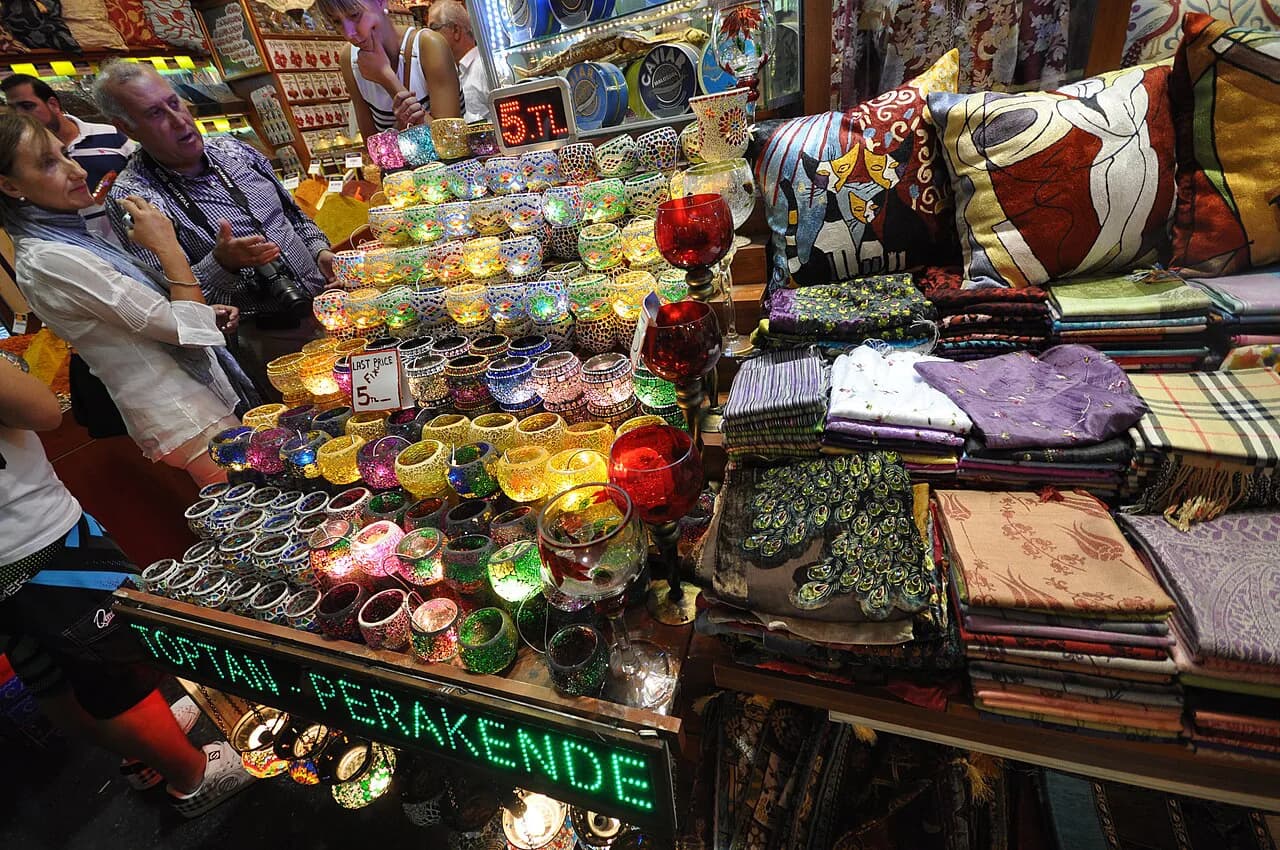
- Timing the Spice Market: Visit at dawn, before the stalls finish setting up and the tour groups arrive, for the same colorful displays without the shoulder-to-shoulder crowds; this best time to visit without crowds guide has more on seasonal timing citywide.
- Pierre Loti Hill: A cable car climbs Pierre Loti Hill above Eyüp Cemetery, an easy way to reach the hilltop café views over the Golden Horn without the steep walk up. It pairs well with a longer day out covered in this 6 Best Day Trips from Istanbul: Local Guide to Easy Escapes roundup, alongside options like the Princes' Islands, and a dedicated Pierre Loti Hill guide covers the cable car and cemetery walk in full.
A Local Morning Itinerary: Spice Bazaar to Kadıköy
For a half-day route that strings several of the above together in the right order, follow this sequence.
- 1. Arrive at the Spice Bazaar at dawn, before the vendors finish setting up stalls and the day's crowds arrive.
- 2. Walk to the ferry piers near Eminönü and tap in with an Istanbulkart.
- 3. Take the ferry across to Kadıköy, treating the crossing itself as the Bosphorus cruise most visitors pay extra for.
- 4. Spend the rest of the morning in Kadıköy's market streets and Moda, where a slower breakfast or a sand-brewed coffee replaces the usual tourist café.
- 5. Round out the day with either Kuzguncuk's quiet lanes or a return crossing to explore Karaköy's coffee scene and the Tünel funicular. For more routes built the same way, this secret spots guide and this unique things to do roundup both fill in additional stops for a longer stay.
Best Istanbul Neighborhood for Your Travel Vibe
Not every neighborhood suits every traveler, and matching the district to what you actually want out of a day makes planning far easier. For a broader sense of what costs nothing at all in each of these areas, this free things to do guide is a useful companion to the comparison below. This Cihangir neighborhood guide covers the bohemian café scene referenced in the table in more detail.
| Neighborhood | Best For | Vibe |
|---|---|---|
| Balat & Fener | Photography and history | Colorful, hilly, increasingly popular |
| Kuzguncuk | Quiet nostalgia | Village-like, Asian side |
| Kadıköy & Moda | Food and nightlife | Modern, youthful, local-first |
| Arnavutköy | Waterfront calm | Upscale, seafood-focused |
| Cihangir | Bohemian cafés | Artsy, laid-back |
Savvy Traveler Pro-Tips and Common Mistakes to Avoid
A few small planning mistakes account for most of the frustration travelers report after an Istanbul trip, and all of them are easy to avoid. In our editorial assessment, here's how the main off the beaten path stops compare for planning purposes.
Taxis stuck in bridge traffic cost more than an Istanbulkart-equipped ferry crossing, which delivers the Bosphorus views visitors often pay extra for separately. Skipping the Asian side entirely misses half the city's calmer neighborhoods where locals actually congregate.
| Spot | Time Required | Crowd Factor |
|---|---|---|
| Balat & Fener walk | Half a day | Low to medium, and rising |
| Şerefiye Cistern | 30-45 minutes | Low |
| Kuzguncuk | 2-3 hours | Low |
| Çukurcuma vintage shopping | 2 hours | Low |
| Pierre Loti Hill and Eyüp Cemetery | Half a day | Low to medium |
- Taking taxis everywhere: Traffic across the bridges gets heavy, and the tram-ferry-funicular network covered above is usually faster and dramatically cheaper once an Istanbulkart is loaded.
- Only staying on the European side: Skipping Üsküdar, Kadıköy, and Kuzguncuk means missing the calmer, more residential half of the city entirely.
- Underestimating the hills: Balat and Fener in particular involve steep, cobbled streets, so pace the walk and wear real shoes rather than sandals.
Theodosian Walls and Yedikule: Byzantine Istanbul Without the Lines
For a deeper historical detour than the usual old-city monuments, head west to the Theodosian Walls, the fifth-century land walls that once protected Constantinople from the Sea of Marmara to the Golden Horn. The most practical starting point is Yedikule, where the walls meet the Yedikule Fortress area; from there, you can trace sections north past neighborhood gates such as Belgradkapı and Silivrikapı.
This is not a polished museum-style walk, so treat it as an atmospheric neighborhood route rather than a single ticketed attraction. Some stretches are restored and easy to view from the outside, while others sit beside busy roads, vegetable gardens, and residential streets. Go in daylight, wear proper shoes, and use the Marmaray or tram plus a short walk instead of relying on taxis. It pairs well with Fatih Mosque or Balat if you want a day focused on Byzantine and Ottoman layers beyond Sultanahmet.
Frequently Asked Questions
What are the best off the beaten path neighborhoods to visit in Istanbul?
For a short visit, prioritize Balat for its color-painted streets and photography, Kadıköy and Moda for the local food and nightlife scene, and Kuzguncuk for a quieter, village-like pace on the Asian side. Together they cover the Golden Horn, the Bosphorus, and the calmer Asian bank without retreading Sultanahmet.
How do you get to the Asian side of Istanbul from the historic center?
Ferries depart from the piers near Eminönü, close to the Spice Bazaar, and cross to Kadıköy or Üsküdar. Tap in with an Istanbulkart the same way you would for a tram or the funicular, and treat the crossing itself as a scenic Bosphorus ride rather than just transport.
Is Balat difficult to walk around?
Balat's streets are cobbled and genuinely hilly, so comfortable walking shoes and a slower pace make the neighborhood far more enjoyable. Most visitors cover its main lanes and the Golden Horn shoreline walk toward Fener in about half a day.
What's the difference between a lokanta and a typical tourist restaurant in Istanbul?
An esnaf lokantası, or tradesman restaurant, serves home-style stews, meze, and dishes like cağ kebab at everyday prices to a room mostly full of local regulars. Restaurants clustered around the major sights are generally priced and menued for passing tourist traffic instead.
When should I visit the Spice Bazaar to avoid the crowds?
Arrive at dawn, before vendors finish setting up their stalls and before tour groups start arriving later in the morning. The early light through the bazaar's windows also makes for a quieter, more atmospheric visit than the midday rush.
Continue exploring
More guides you'll find useful