9 Unique Things to Do in Istanbul: Hidden Gems & Local Secrets (2026)
Skip the Sultanahmet queues: discover 9 unique things to do in Istanbul, from a 1,500-year-old cistern under glass to a cable car over Eyüp Cemetery.
On this page
9 Unique Things to Do in Istanbul Beyond the Guidebooks
Last updated July 2026, this guide moves past the Hagia Sophia, Blue Mosque, and Grand Bazaar to cover unique things to do in Istanbul that locals actually build a Tuesday around. Istanbul straddles two continents split by the Bosphorus, and its most memorable moments tend to sit a ferry ride, a cable car, or a quiet backstreet away from the postcard sights. Use this list to plan a slower, richer day beyond the checklist, from an underground Byzantine cistern to a two-minute ride over a hillside cemetery.
Beyond Sultanahmet: What Makes Istanbul Truly Unique?
Once the Hagia Sophia, Blue Mosque, and Grand Bazaar are checked off, Istanbul's hidden gems reward travelers willing to trade a checklist for local rhythm: a ferry timed to sunset, a cistern most tour groups skip, a hillside tea garden reached by cable car. The shift from bucket-list sightseeing to local life is less about finding secrets nobody else knows and more about slowing down enough to notice what residents already do daily. This guide pairs each idea below with the Secret Spots in Istanbul: A 2026 Guide to the City's Hidden Corners guide for readers who want to keep going off-script after day one.
Time investment ranges from two minutes (cable car) to half days (wall walks). Maximize these moments by lingering—morning tea after transport, slow breakfast before onward travel. The shift from checklist to local rhythm is pacing, not secrets.
9 Unique Things to Do in Istanbul You Won't Find in a Guidebook
Each idea below trades a guidebook checkbox for something more textured: a coffee ritual, a Byzantine ruin, a two-minute cable car, or a bridge full of local fishermen. None requires more than a coffee's worth of cash beyond transport, and most fit into a single afternoon once paired with the neighborhood context further down the page.
- Descend Into the 1,500-Year-Old Şerefiye Cistern
- Built under the Byzantine emperor Theodosius II, this underground water cistern now sits beneath a modern glass pavilion near Nuruosmaniye, so daylight filters down through rows of marble columns instead of leaving the space fully dark.
- The Şerefiye Cistern draws a fraction of the crowds that queue for the Basilica Cistern, leaving the vaulted brick ceiling and its quiet echo largely to independent travelers.
- Pair the visit with a walk through the Grand Bazaar's quieter side streets before the afternoon crowds move in.
- Ride the Eyüp–Pierre Loti Cable Car Over a Hilltop Cemetery
- The Eyüpsultan Teleferık is a two-minute cable car that lifts riders over the sprawling Ottoman graves of Eyüp Cemetery up to the hilltop where Pierre Loti Hill looks out across the Golden Horn.
- Tap in with an Istanbulkart like any other public transport line, then settle into one of the terraced tea gardens at the summit for a glass of çay while ferries thread the water below.
- The ride itself only takes a couple of minutes each way, but the view at the top is worth lingering over well past sunset.
- Watch Turkish Sand Coffee Brewed Table-Side
- Közde kahve, or sand coffee, uses heated sand instead of a stovetop to brew the cezve, so the heat spreads evenly around the pot and pulls the coffee to a near-boil in seconds rather than minutes.
- Karaköy and Kadıköy both have cafes that still brew this way, and watching the barista lift the pot from the sand just as it froths over is part of the ritual.
- For more café picks around the district, the Karaköy guide maps out where to sit with a cup.
- Get Your Coffee Grounds Read by a Fortune Teller
- Once the cup is empty, a falcı reads the patterns left behind in a tradition called tasseography that is still taken seriously in cafes around Taksim.
- It is a cultural ritual rather than a forecast worth planning a trip around, but sitting through a reading is a window into a custom that predates the city's tourist trail by generations.
- Cafes offering readings cluster near Istiklal Street, an easy add-on after a Tünel ride up from Karaköy.
- Walk a Stretch of the Theodosian Walls
- The Byzantine-era fortifications that once protected Constantinople run from the Golden Horn down to the Sea of Marmara, and the stretch between Edirnekapı and Yedikule covers some of the best-preserved towers and gates.
- Paths are informal rather than a marked trail, so expect to duck through back streets and climb sections of exposed wall rather than follow signage.
- Go earlier in the day, stick to sections where other visitors are around, and treat uneven, unrailed stonework with the same caution as any ruin.
- Ride the Tünel, the World's Second-Oldest Underground Funicular
- The Tünel still shuttles riders on the short underground hop between Karaköy and Beyoğlu, saving the steep climb up to Istiklal Street on foot.
- A single Istanbulkart tap covers the fare, the same card used for the ferries and the Eyüp cable car.
- The ride lasts only a couple of minutes, but riding a funicular this old is a novelty most itineraries skip entirely.
- Cross Continents on an Istanbulkart Ferry
- A public ferry makes the roughly 20-minute crossing of the Bosphorus between the European side and Kadıköy or Üsküdar on the Asian side, tapped in with the same Istanbulkart used for buses and trams.
- Skip the paid Bosphorus dinner cruises and take a regular commuter ferry near sunset instead, simit in hand, for the same skyline views the tour boats sell.
- Landing in Kadıköy puts you within walking distance of some of the Asian side's best casual eating streets.
- Wander Balat's Iron Church and Colorful Backstreets
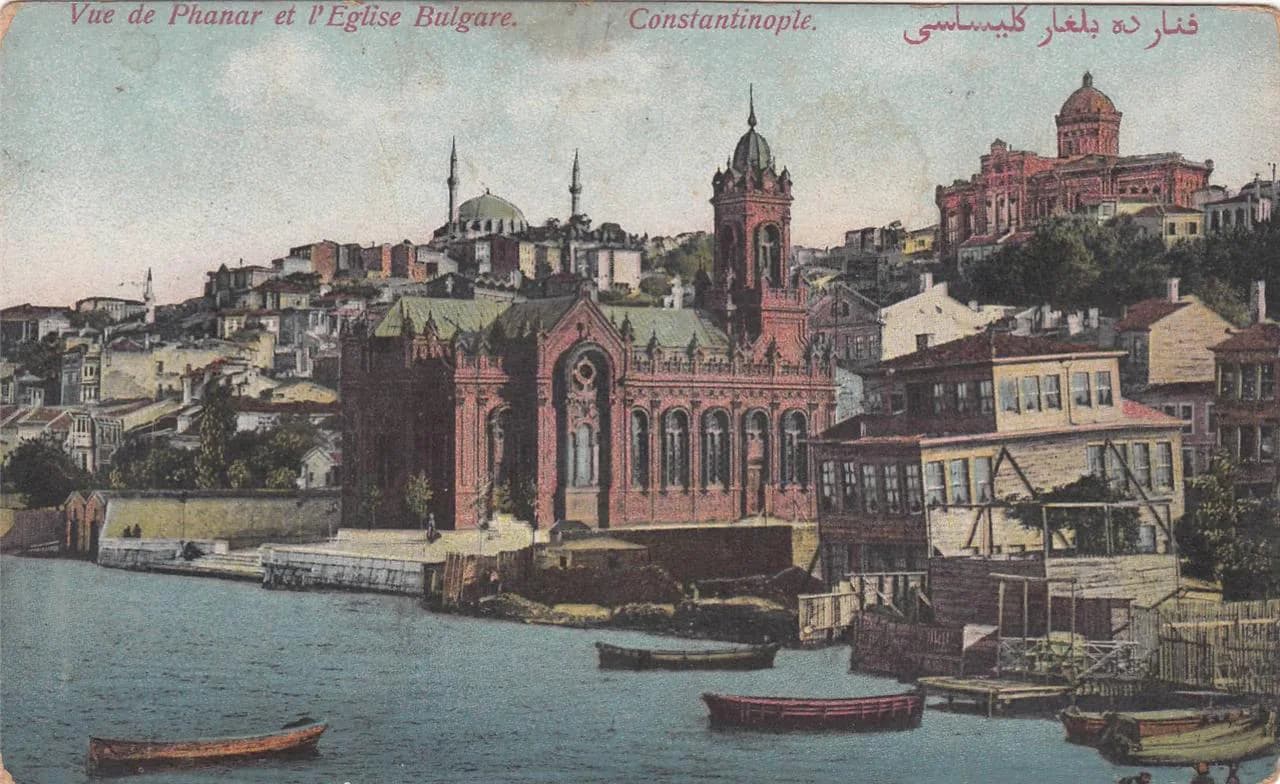
- St. Stephen of the Bulgars, known locally as the Iron Church, is a rare prefabricated cast-iron structure shipped in sections and assembled on the Golden Horn shoreline in Balat.
- The surrounding streets carry the neighborhood's Jewish and Greek heritage in converted synagogues, churches, pastel row houses, and a steady turnover of vintage stalls and small auctions.
- The Balat guide breaks down which lanes hold the best house-front photo spots without paying an entry fee.
- Join the Fishermen on Galata Bridge
- Lining up along the rail of Galata Bridge to fish for sardines and mackerel is a daily ritual for Istanbul locals, not a tourist photo op, and stalls on the bridge rent out rods to anyone who wants to join in.
- Below deck, small grills turn the day's catch into balık ekmek fish sandwiches, a quicker and cheaper stand-in for a sit-down seafood dinner.
- It costs nothing to watch, and the bridge sits an easy walk between Eminönü's Spice Bazaar and a Tünel ride up to Beyoğlu.
Where to Base These Experiences: Neighborhood Pairings
Group these ideas by district rather than crossing the city twice in one day. Balat and Karaköy sit on the European side near the Golden Horn and pair naturally with the Şerefiye Cistern and a sand coffee stop, while Kadıköy and the villagey lanes of Kuzguncuk reward an afternoon on the Asian side once the ferry lands. Antique hunters should build in time for Çukurcuma's dealer-lined streets, and the steep lanes of Cihangir connect easily to a Tünel ride down to Karaköy. For a fuller district-by-district breakdown, the Istanbul Neighborhoods Guide: Where to Stay & Explore in 2026 lays out how these areas connect, and the Off the Beaten Path in Istanbul: Hidden Gems & Local Neighborhoods for 2026 guide covers more low-crowd routes between them.
Classic Istanbul vs. the Unique Alternative
Some of Istanbul's most-hyped experiences have a quieter, equally rewarding stand-in nearby. Use this table to swap a queue for a better view or a better bite.
| Classic Pick | Unique Alternative | Why Switch |
|---|---|---|
| Galata Tower queue | Rooftop cafe in Süleymaniye | Comparable skyline views without the ticket line or the crowd |
| Grand Bazaar | Arasta Bazaar or Feriköy Antique Market | Similar trader energy with far fewer crowds and less pushy sales pitches |
| Paid Bosphorus dinner cruise | Sunset Istanbulkart ferry to Kadıköy with a simit | The same Bosphorus skyline for a fraction of the cost, on a regular commuter route |
Practical Logistics for the Unusual Path
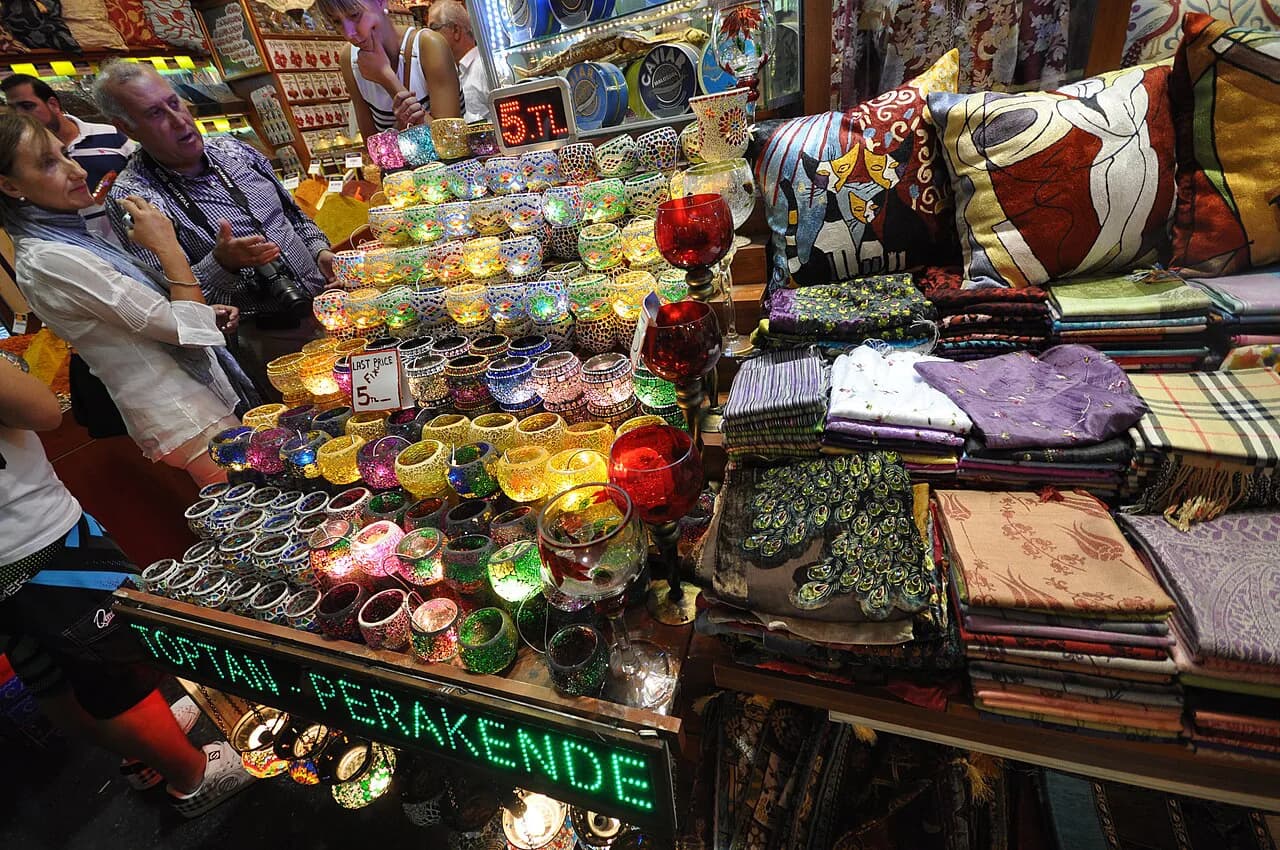
As of 2026, an Istanbulkart is still the backbone of every idea on this list: the same card taps onto ferries, the Tünel, the Eyüp cable car, and city buses, so buy one on arrival rather than paying cash fares each time. Time the Spice Bazaar for before 9am, while vendors are still setting up stalls and the morning light comes in low through the market's small windows, well ahead of the midday crowds. Walking the Theodosian Walls or climbing Cihangir's steep side streets calls for sturdy shoes and a charged phone for navigation, since neither route has a clearly marked trail. For more zero-cost ideas to fill the gaps between stops, see the Free Things to Do in Istanbul (2026 Guide): No-Cost Mosques, Neighborhoods & Views guide, and check the Best Time to Visit Istanbul Without Crowds (2026 Season Guide) guide before locking in travel dates.
Istanbulkart covers all transit (ferries, cable car, Tünel), but sand coffee, fortune readings, and street food are cash-or-card transactions at independent cafes and stalls. Plan to carry both payment methods throughout the day.
Beyond the City: Where to Go Next
Once the list above is checked off, extend the trip outward. The 6 Best Day Trips from Istanbul: Local Guide to Easy Escapes guide weighs options like the Prince's Islands for travelers deciding whether a full day away from the city is worth it. Back in town, refuel at the spots covered in the 15 Best Local Restaurants in Istanbul: Where Locals Actually Eat in 2026 guide, or work through the Istanbul Local Food Guide: What to Eat and Where Locals Actually Go for dishes worth seeking out beyond cağ kebab and balık ekmek.
Take the Ferry to Kanlıca for Bosphorus Yogurt
For a small food detour with real neighborhood texture, ride up the Asian shore of the Bosphorus to Kanlıca, a quiet waterfront district famous for thick yogurt served with powdered sugar. The classic stop is İsmailağa Kanlıca Yoğurdu near the pier, where the point is not a long tasting menu but the ritual itself: a bowl of cool, tangy yogurt, a dusting of sugar, and a seat close enough to hear ferry horns on the strait.
Kanlıca works best as a slow breakfast or late-morning stop rather than a rushed checklist item. Pair it with a walk along the water toward Mihrabat Grove for Bosphorus views, or fold it into an Asian-side day that continues south to Kuzguncuk and Üsküdar. Ferries vary by season and day, so check the current Şehir Hatları route before committing; the reward is strongest when the ride feels like part of the experience, not just transport.
Frequently Asked Questions
How much time should I set aside for these unique things to do in Istanbul?
Some, like the two-minute Eyüp cable car or a Tünel ride, take only minutes; others, like walking a stretch of the Theodosian Walls or exploring Balat's backstreets, are worth a half-day each. Grouping activities by neighborhood, as outlined above, makes it realistic to cover two or three in a single day.
Is walking the Theodosian Walls safe for solo travelers?
The route is informal rather than a signed trail, so solo walkers should stick to sections with other visitors around, avoid climbing unrailed or crumbling stonework, and go earlier in the day rather than at dusk. Pairing the walk with a charged phone for navigation is a practical safeguard given the lack of clear signage.
Do you need cash for any of these unique experiences?
An Istanbulkart covers the ferries, the Tünel, and the Eyüp–Pierre Loti cable car, but sand coffee, a tasseography reading, and street food like balık ekmek are typically cash-or-card transactions at independent cafes and stalls rather than ticketed attractions.
What's the best neighborhood base for exploring these unique things to do in Istanbul?
Karaköy or Cihangir on the European side puts the Şerefiye Cistern, Tünel, and Balat within easy reach, while a stay near Kadıköy suits travelers who want to prioritize the Asian side's ferry access and neighborhood pace.
When is the best time of day to visit the Spice Bazaar for photos?
Arrive before 9am, while vendors are still setting up stalls and low morning light comes through the market's small overhead windows, for a quieter, more photogenic version of the bazaar than the midday crowds allow.
Continue exploring
More guides you'll find useful