Balat Istanbul Guide: Colorful Houses, History & Local Secrets
Master your visit to Balat, Istanbul's most colorful neighborhood. Includes the best photo spots, T5 tram logistics, Fener history, and local cafe picks.
On this page
Balat Istanbul Guide: Colorful Houses, History, and Local Secrets
Last updated July 2026. Use this balat istanbul guide to sort out the T5 tram, ferry, and walking routes into Istanbul's most photographed quarter, and to see why locals split the neighborhood into two distinct heritage zones: Greek Orthodox Fener and Jewish Balat. Beyond the candy-colored houses on Kiremit Street, expect a cast-iron church, a functioning Greek Orthodox school, and an evening Mezat antique auction that most day-trippers walk straight past.
Balat Istanbul Guide: How to Get There by T5 Tram, Ferry, or Foot
Three routes reach this stretch of the Golden Horn, and each trades speed for scenery differently. The T5 tram runs the Eminönü–Alibeyköy line and is the fastest way in from the Old City, dropping travelers within walking distance of Balat's main lanes without a transfer. For a more scenic arrival, the Haliç ferry line calls at the Fener terminal roughly once an hour from both Kadıköy and Üsküdar, and the walk from the terminal into central Balat takes about 9 minutes. Travelers coming from Kadıköy across the water often find the ferry the more relaxed option. On foot, plan on 30 to 40 minutes from Eminönü or 40 to 50 minutes from Karaköy, a mostly flat walk until the final climb into Balat's backstreets. This under-the-radar corner is regularly grouped with Istanbul's hidden gems, and travelers riding the T5 line onward can continue to Pierre Loti in Eyüp, the logical next stop past Balat.
| Route | Approx. Journey Time | Scenic Value | Best For |
|---|---|---|---|
| T5 Tram (Eminönü–Alibeyköy line) | Single-line ride, no transfer needed from Eminönü | Low | Fastest option from the Old City |
| Haliç Ferry via Fener terminal | Hourly from Kadıköy and Üsküdar, plus a 9-minute walk from the terminal | High | Most scenic arrival |
| Walking from Eminönü | 30–40 minutes | Medium | Budget travelers who don't mind a flat walk |
| Walking from Karaköy | 40–50 minutes | Medium | Combining with a Karaköy stroll |
Fener vs Balat: Two Heritage Quarters on One Shoreline
Guides often use Fener and Balat interchangeably, but the two names describe distinct communities that happen to share a shoreline and blend into each other without a hard border. Fener was historically the city's Greek Orthodox quarter and still holds the Ecumenical Patriarchate of Constantinople, seated at St. George's Cathedral. Balat, next door, became home to a mixed Jewish, Armenian, Greek, and Muslim community, most notably the Sephardic Jews who settled here after arriving in 1492; the Ahrida Synagogue, named for the Macedonian city of Ohrid, remains one of the clearest markers of that history. Walking between the two neighborhoods costs nothing but time, and understanding the split helps make sense of Istanbul's neighborhood layout along the Golden Horn's European shore.
Top Things to Do in Balat and Fener
Balat rewards travelers who look past the first colorful facade. Beyond the photo spots, the neighborhood's religious and civic landmarks explain why this stretch of the Golden Horn carries so much layered history. Pair a Balat walk with some of the other unique Istanbul experiences across the city for a fuller picture of its heritage.
- Kiremit Street and the Merdivenli Yokuş: the candy-colored houses and the adjoining staircase, strung with rainbow umbrellas, are Balat's most photographed corner.
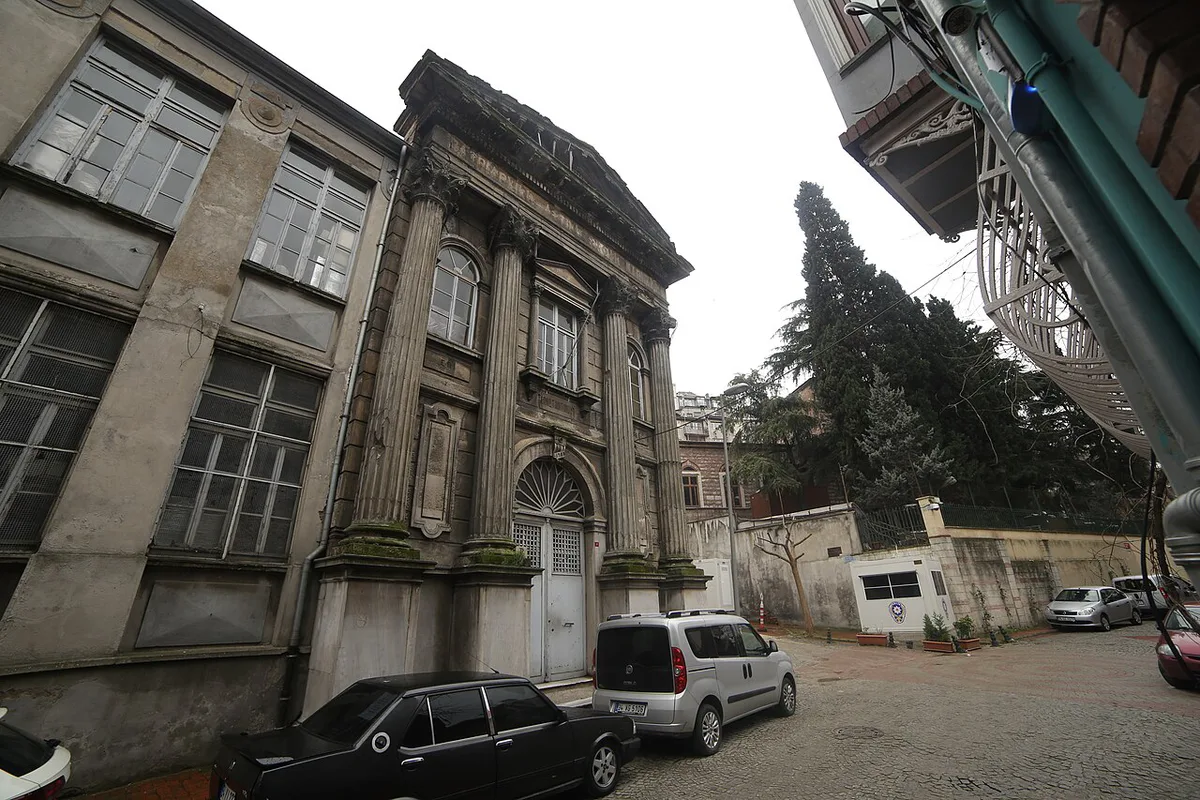
- Phanar Greek Orthodox College: nicknamed the Red Castle for its brick-red facade, it remains a functioning school, so visits are limited to admiring the exterior rather than touring inside.
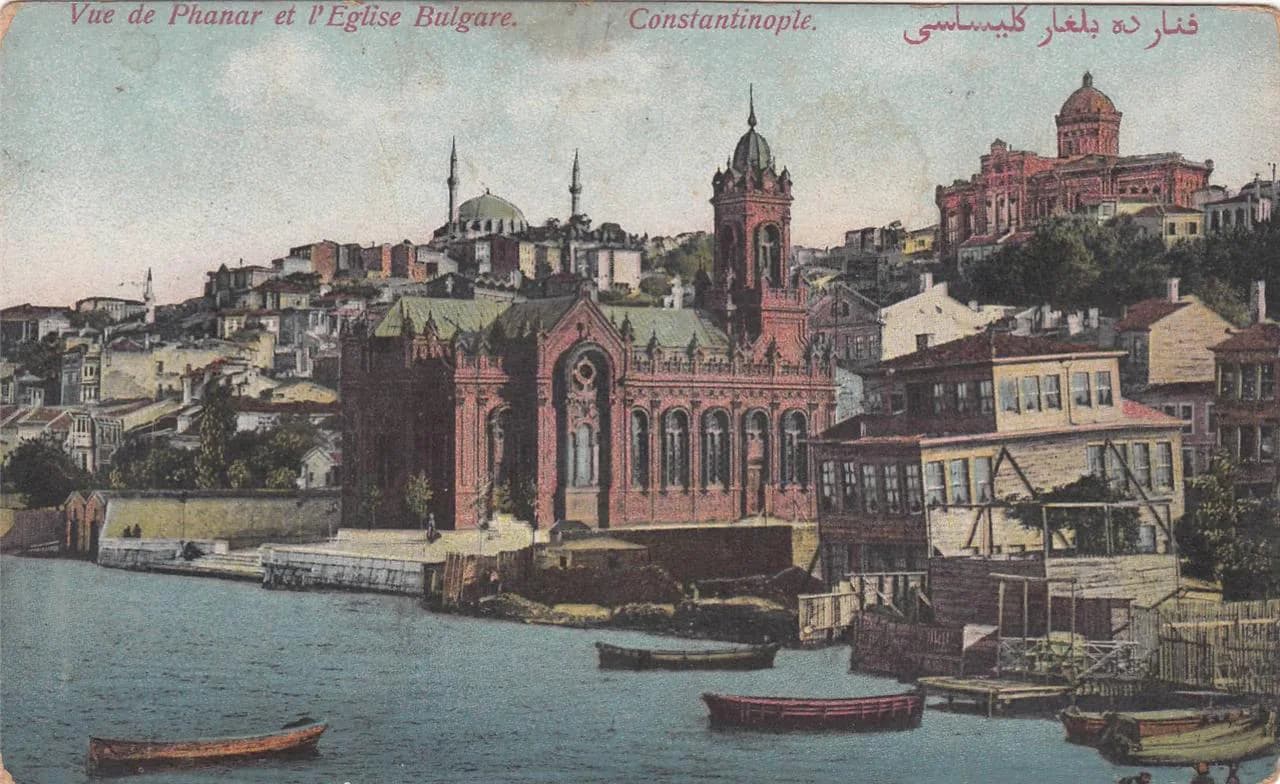
- Bulgarian Iron Church of St. Stephen: a prefabricated cast-iron structure that stands apart from Istanbul's usual stone and timber churches.
- Ecumenical Patriarchate and St. George's Cathedral: the spiritual seat of the Greek Orthodox Church, tucked into Fener's quieter lanes.
- Ahrida Synagogue: one of the oldest synagogues in Istanbul, named for the city of Ohrid in present-day North Macedonia.
Shopping and Balat's Mezat Antique Culture
Balat's shopping scene runs on nostalgia rather than souvenir stalls. Balat Sahaf, a secondhand bookstore, anchors a small cluster of antique shops selling everything from vintage furniture to old film cameras. The real local highlight, though, is the Mezat: informal evening antique auctions where dealers and collectors haggle over items pulled from house clearances across the city. It is a distinctly off-the-beaten-path Istanbul experience that most day-trip itineraries miss entirely. Shoppers who enjoy the hunt might also compare notes with Çukurcuma's antique alleys on the other side of the historic peninsula.
Where to Eat: Balat's Cafe and Bakery Scene
Balat's cafe culture is as much a draw as its architecture, and it fits naturally into any wider Istanbul local food scene itinerary.
- Naftalin K: a vintage-furnished cafe known locally as the cat cafe, popular for slow mornings among Balat's antique shops.
- Forno Balat: known for wood-fired lahmacun and sourdough pizza, a reliable lunch stop between sightseeing stretches.
- Sevda Gazozcusu: a traditional Turkish soda (gazoz) shop worth a stop for a quick, inexpensive refreshment on a hot afternoon.
Practical Planning: Safety, Timing, and Topography
A few practical details shape how comfortable a Balat visit feels, from personal safety to how the hills treat your knees. Because walking Balat's lanes is free, the neighborhood pairs naturally with a broader look at free things to do across the city, and travelers planning around crowd levels should check visiting Istanbul without crowds before locking in dates.
- Safety: Balat is generally safe to explore during the day, including for solo female travelers, provided you stick to the main cafe-lined streets; some quieter backstreets can feel isolated after dark.
- Best time to visit: arrive before 10:00 AM for close to empty shots of Kiremit Street, or come back in the late afternoon for golden-hour light and a better sense of daily local life.
- Topography: the climb from the Golden Horn shoreline up into Balat's residential lanes is steep and cobbled, a real consideration for travelers with mobility limitations, strollers, or heavy luggage.
Half-Day vs Full-Day Balat Itinerary
How much time to give Balat depends on whether the goal is photos or a fuller neighborhood experience.
- Half-day (roughly 3 to 4 hours): ride the T5 tram in, photograph Kiremit Street and the Merdivenli Yokuş before 10:00 AM, pass the Bulgarian Iron Church, then head back via the Fener ferry terminal.
- Full day (roughly 6 to 8 hours): add breakfast at Forno Balat, browse Balat Sahaf and the antique shops, view the Phanar Greek Orthodox College exterior and St. George's Cathedral, and catch a Mezat auction in the early evening if one is running.
Mistakes to Avoid in Balat
A handful of small planning missteps account for most disappointing Balat visits.
The Bulgarian Iron Church of St. Stephen, a prefabricated cast-iron structure that stands distinctly apart from Istanbul's stone and timber churches, often gets overlooked between photo-stops at Kiremit Street and the ferry exit—a common half-day itinerary mistake.
- Wearing anything other than sturdy, flat shoes: the lanes are cobblestoned and climb steeply from the shoreline.
- Visiting on a Monday: some of the smaller boutiques and antique shops keep shorter hours or close entirely.
- Only photographing the colored houses on Kiremit Street and skipping the Bulgarian Iron Church of St. Stephen, one of the neighborhood's most distinctive landmarks.
Where to Stay in Balat
Basing yourself in Balat means falling asleep in one of Istanbul's most atmospheric, local neighborhoods, though it sits further from the Blue Mosque and Topkapı Palace than hotels in Sultanahmet. Boutique options include Hotel Troya, known for its design-forward rooms, and Elele Boutique Apartments, which lean into traditional decor. Travelers who want easier access to nightlife and the Bosphorus waterfront sometimes prefer basing yourself in Karaköy instead and treating Balat as a day trip.
The hourly Haliç ferry from Kadıköy or Üsküdar arrives at Fener's terminal, just a 9-minute walk to central Balat. This accessibility makes Balat an efficient day-trip addition for travelers basing in nearby Karaköy for nightlife and Bosphorus waterfront.
Frequently Asked Questions
Is Balat safe for solo female travelers?
Balat is generally safe to explore during the day, including for solo female travelers, as long as you stick to the main cafe-lined streets around Kiremit Street and the shopping lanes. Some quieter backstreets feel more isolated after dark, so plan evening wandering around the busier, well-lit areas.
How do you get to Balat from Sultanahmet?
The T5 tram running the Eminönü–Alibeyköy line is the fastest option from the Old City. Alternatively, walk roughly 30 to 40 minutes from Eminönü, or combine a T1 tram ride to Eminönü with a connecting bus or the Haliç ferry from the Fener terminal.
What is the difference between Fener and Balat?
Fener was historically Istanbul's Greek Orthodox quarter and still holds the Ecumenical Patriarchate at St. George's Cathedral. Balat, next door, was home to a mixed Jewish, Armenian, Greek, and Muslim community, most notably Sephardic Jews who arrived after 1492. Today the two neighborhoods blend together along the same Golden Horn shoreline.
Can you go inside the Phanar Greek Orthodox College?
No. The Phanar Greek Orthodox College, nicknamed the Red Castle, remains a functioning school and is not generally open to tourists inside. Visitors admire its brick-red facade from the street.
What is the best time of day to photograph Balat's colorful houses?
Arrive before 10:00 AM for the emptiest shots of Kiremit Street. Late afternoon works better for golden-hour light and for seeing the neighborhood's regular daily life, including its cafes and gazoz shops filling up.
What is the Mezat in Balat?
The Mezat is Balat's evening antique auction culture, centered around Balat Sahaf and the neighborhood's small antique shops, where dealers and collectors trade items pulled from house clearances. It is one of the area's most distinctly local, least touristy traditions.
Continue exploring
More guides you'll find useful