Barcelona Attractions: Modernista Gems, Museums & Tickets (2026)
Guide to Barcelona's modernista landmarks and art museums — verified 2026 prices, free-entry days, Articket BCN tips and itineraries for the quieter gems.
On this page
Barcelona's architectural fame rests on Gaudí — but the city's cultural depth runs far wider than the Sagrada Família and Park Güell. This curated guide covers eight sites that most first-time visitors overlook: UNESCO-listed concert halls and the world's largest Art Nouveau hospital complex by Lluís Domènech i Montaner, Gaudí's two earliest surviving houses, a 14th-century Gothic monastery tucked into a quiet residential neighbourhood, one of Europe's great Miró collections on Montjuïc, and a science museum inside a restored Modernista building in Sarrià-Sant Gervasi. None requires the pre-dawn queueing that the Sagrada Família ticket system demands in peak season, and several charge under €10.
2026 is an unusually good year to focus on Barcelona's modernista heritage. The centenary of Antoni Gaudí's death (10 June 2026) has prompted extended programming, new interpretive exhibitions, and enhanced guided tours at Casa Vicens, Palau Güell, and sites across the Domènech i Montaner circuit. Some centenary events run through December — check individual attraction calendars before booking.
This is a curated set of lesser-known and specialist sites. It functions as a companion to the main landmark circuit — not a replacement. The sections below explain how to plan the sequence, which free-entry windows to use, and how to combine these eight sites with the famous sights across a realistic two- to three-day itinerary.
Top 8 attractions in Barcelona
Palau de la Música Catalana
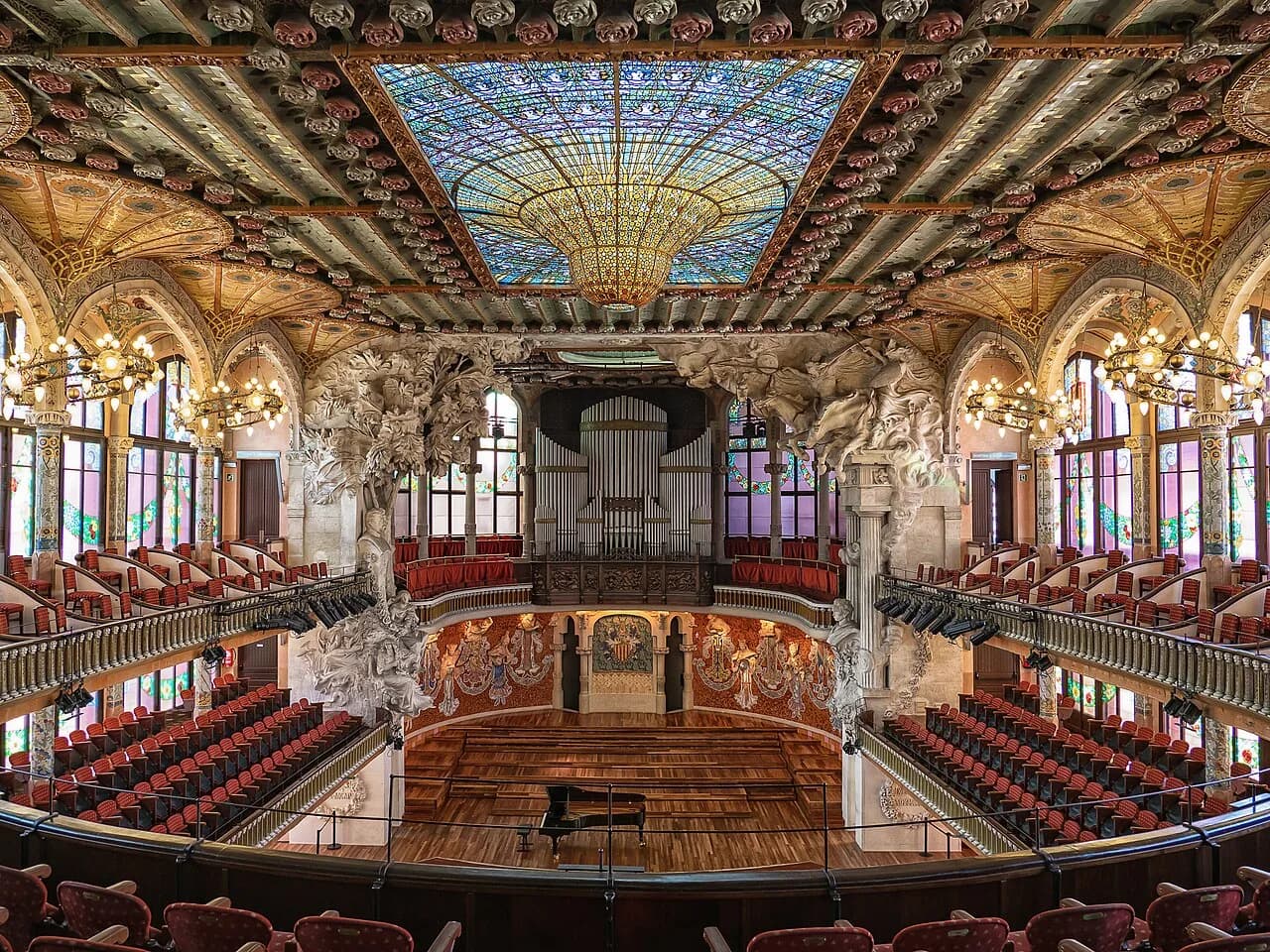
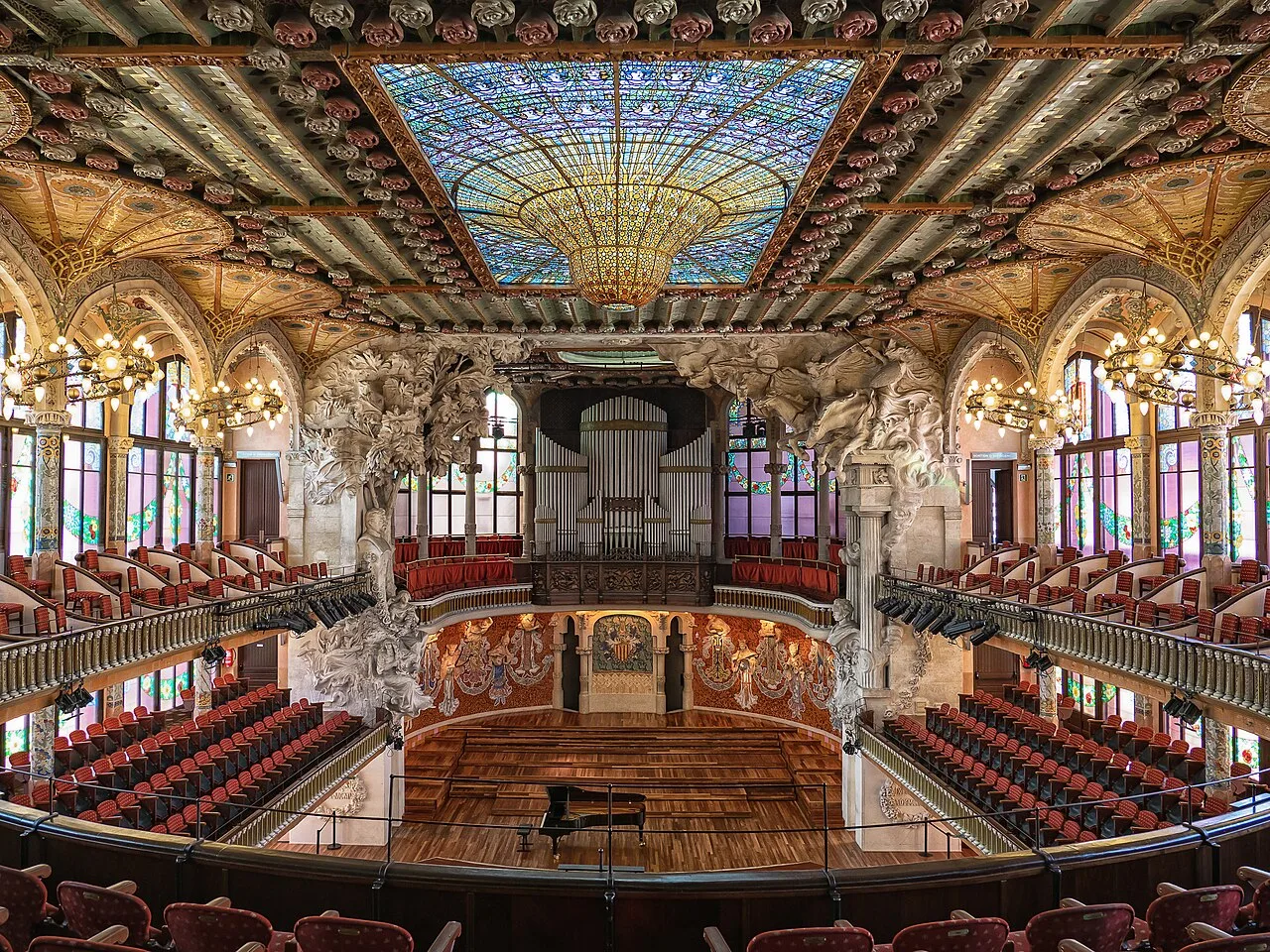
The Palau de la Música Catalana is a UNESCO-listed modernista concert hall in Barcelona's Ciutat Vella, designed by Lluís Domènech i Montaner and built 1905-1908, famous for its stained-glass dome and richly decorated auditorium.
Visitor guide →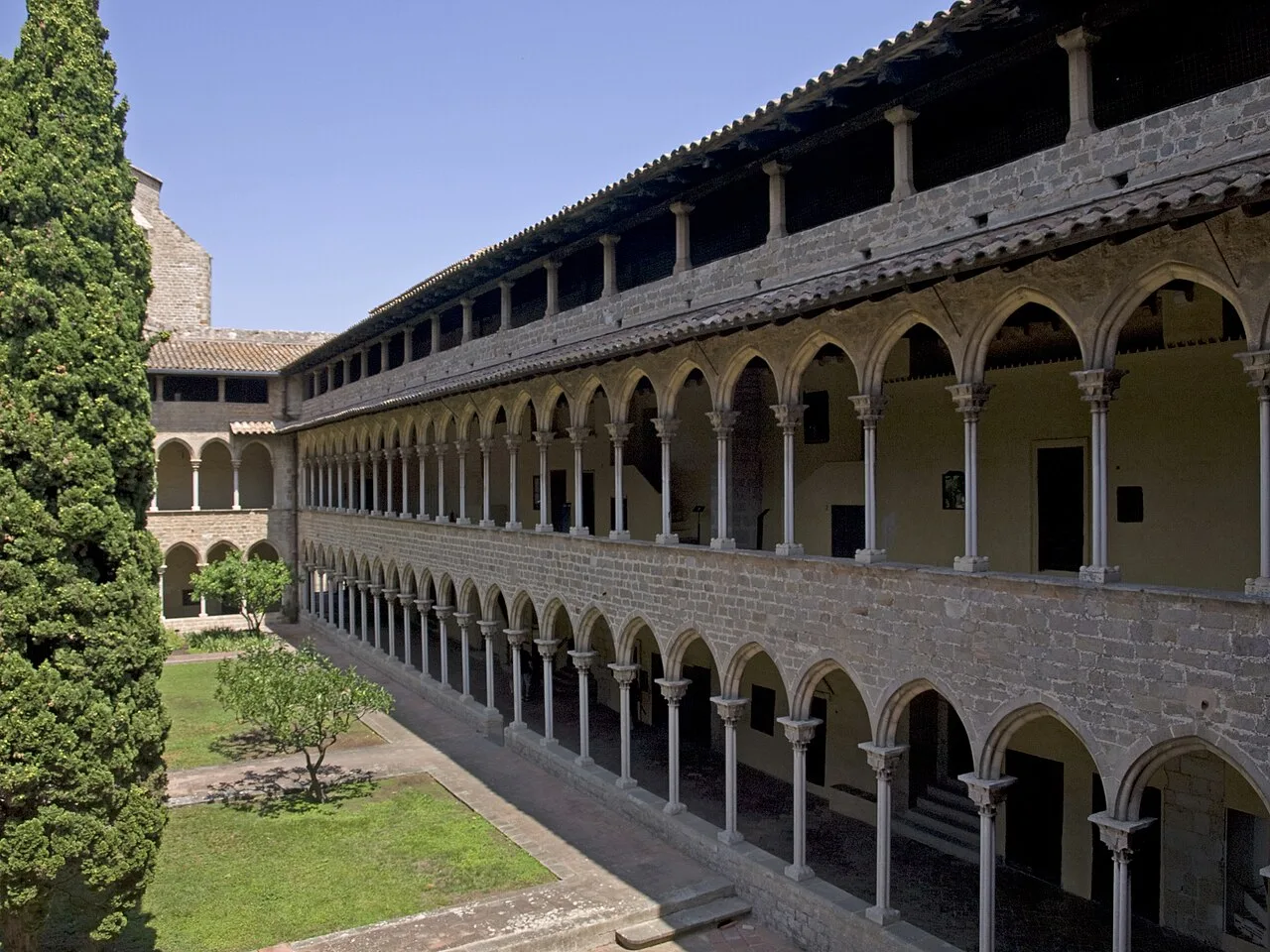
Monestir de Pedralbes
The Monestir de Pedralbes is a 14th-century Catalan Gothic monastery and museum in Barcelona's Les Corts district, founded in 1326 by Queen Elisenda de Montcada and celebrated for its three-storey cloister and Ferrer Bassa's frescoes in the Chapel of St. Michael.
Visitor guide →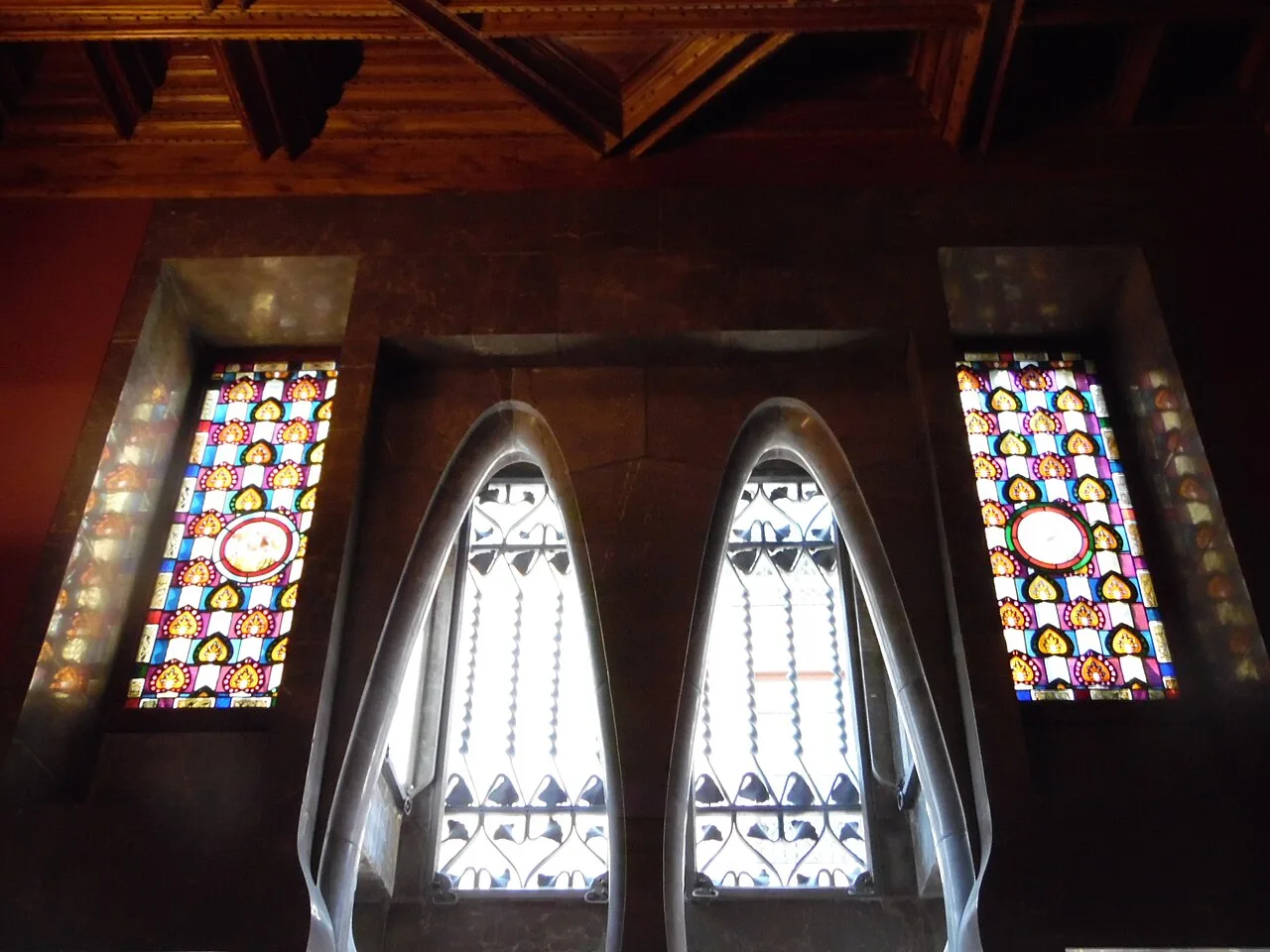
Palau Güell
Palau Güell is an early Antoni Gaudí mansion (1886-1888) on Carrer Nou de la Rambla in Barcelona's El Raval district, built for industrialist Eusebi Güell and recognised as a UNESCO World Heritage Site.
Visitor guide →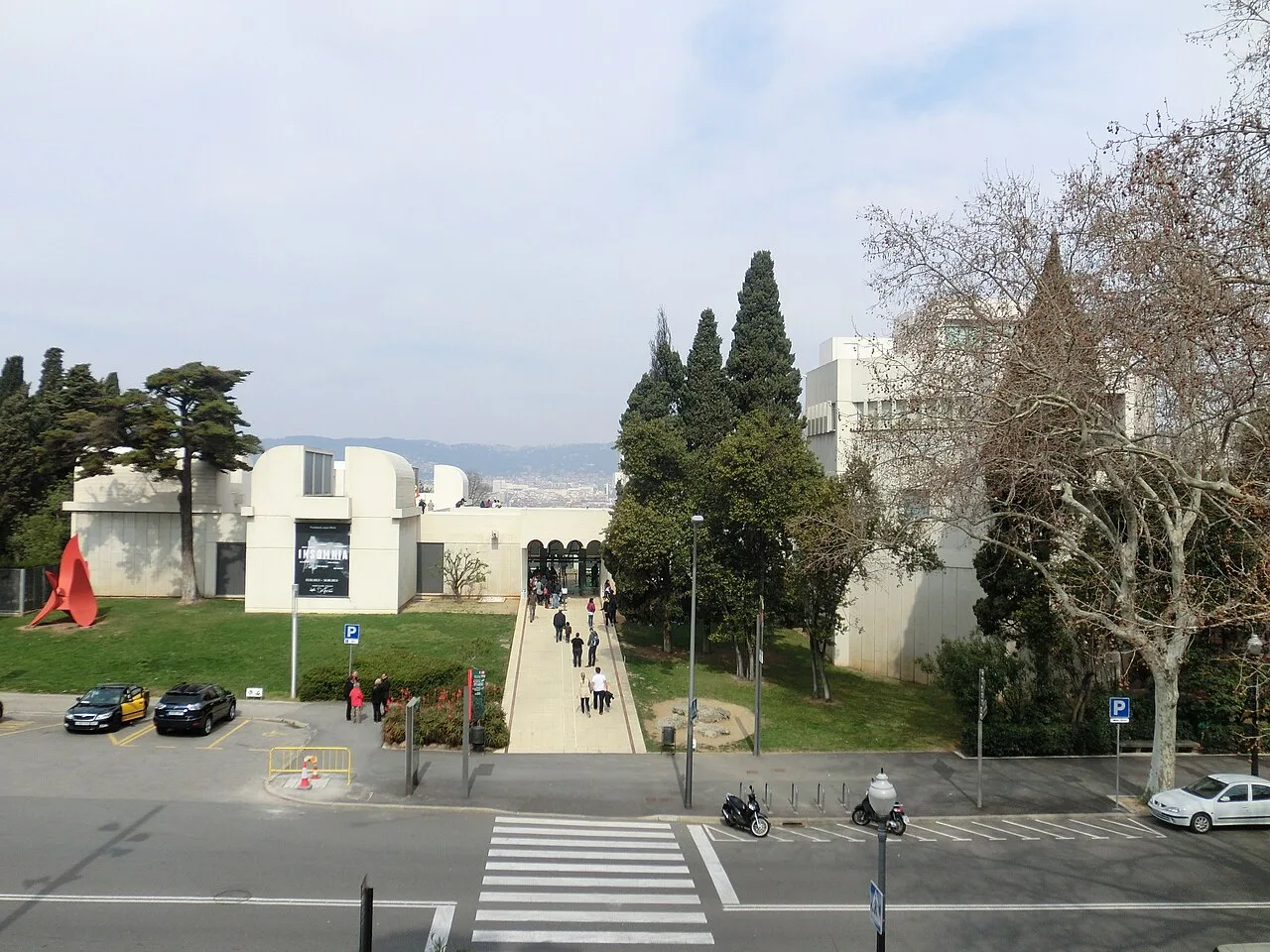
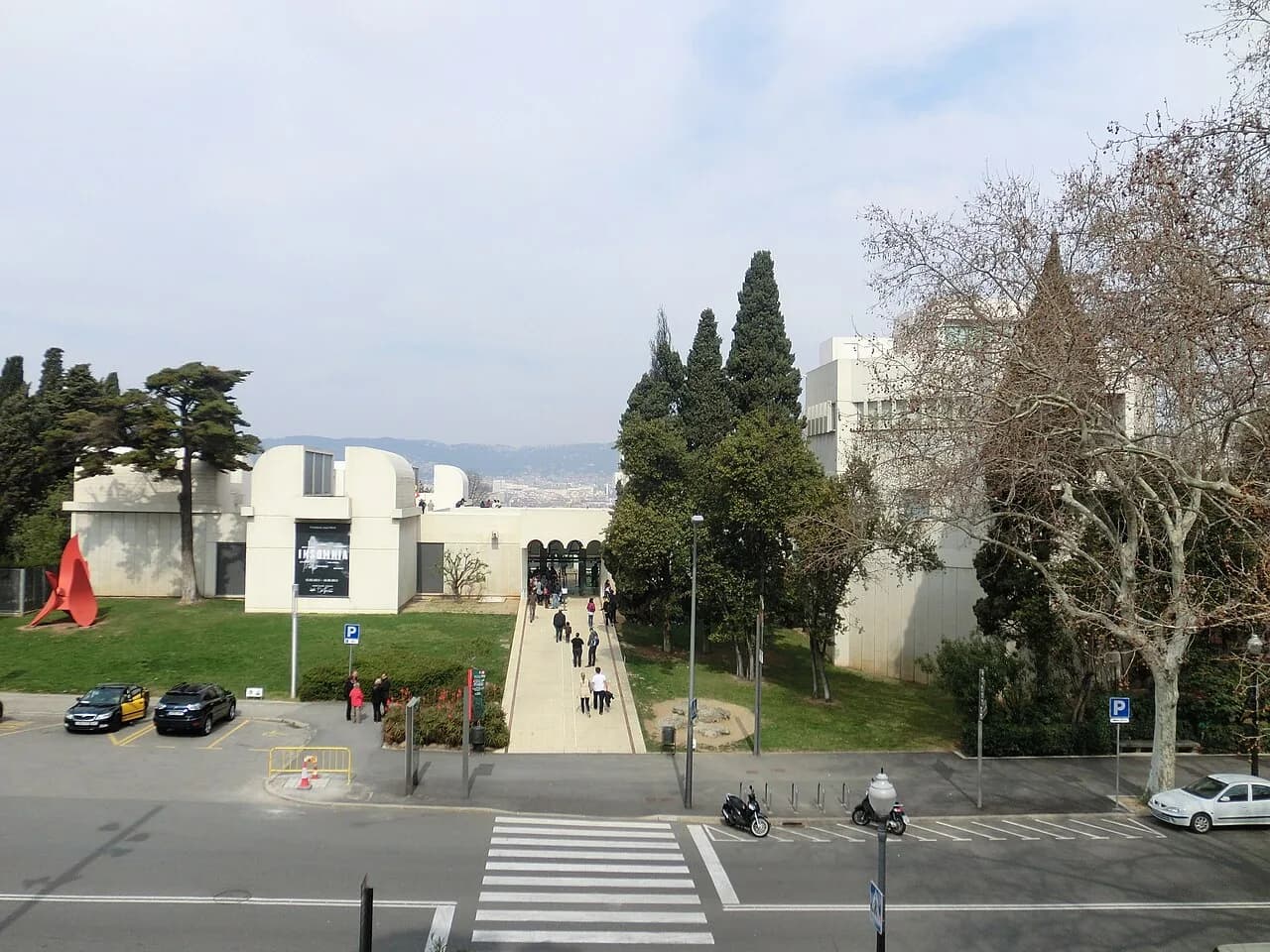
Fundació Joan Miró
The Fundació Joan Miró is a modern art museum on Montjuïc hill in Barcelona, dedicated to the work of Catalan artist Joan Miró and housed in a landmark 1975 building by Josep Lluís Sert. It holds a collection of more than 14,000 paintings, sculptures, and drawings alongside rotating temporary exhibitions.
Visitor guide →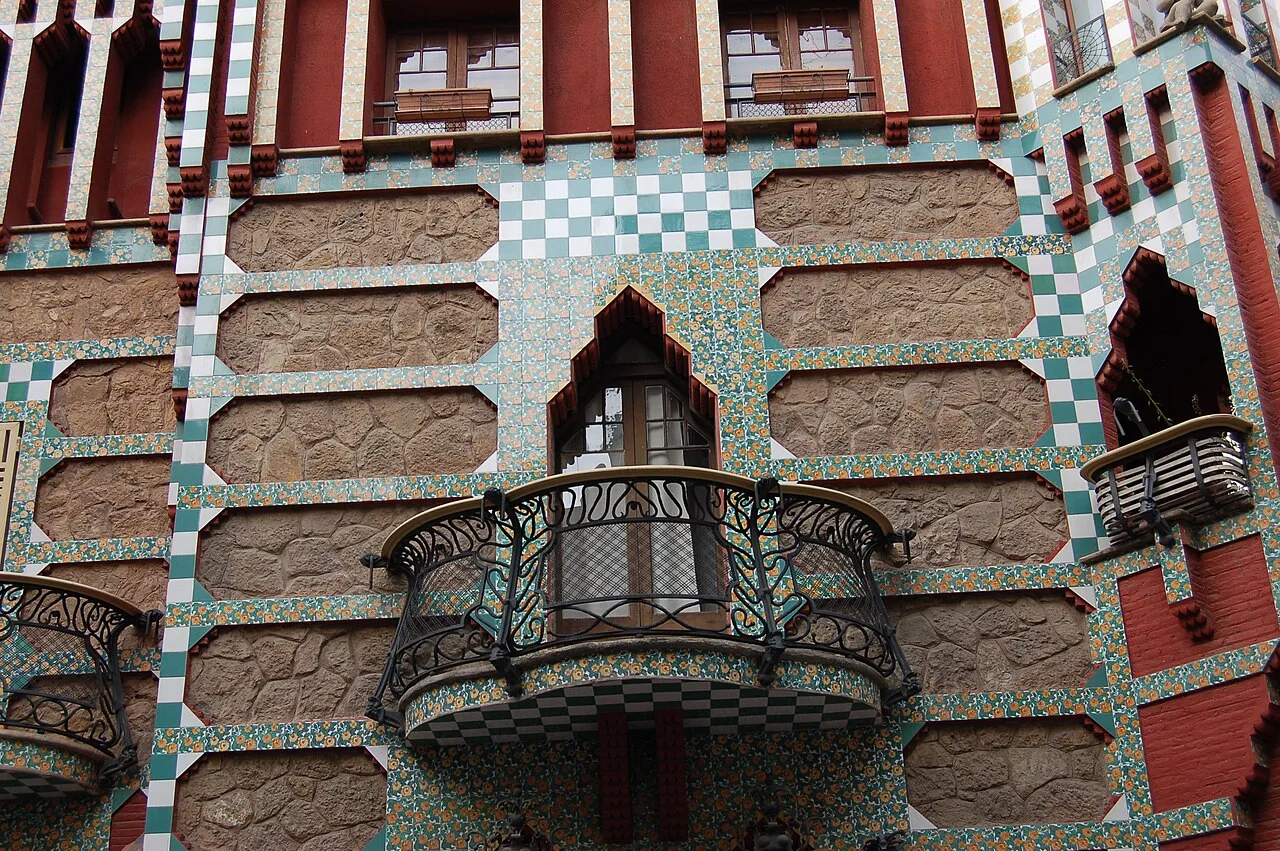
Casa Vicens
Casa Vicens is Antoni Gaudí's first major house (1883-1885) in Barcelona's Gràcia district, a colorful Catalan modernist landmark and UNESCO World Heritage Site open to visitors as a house museum.
Visitor guide →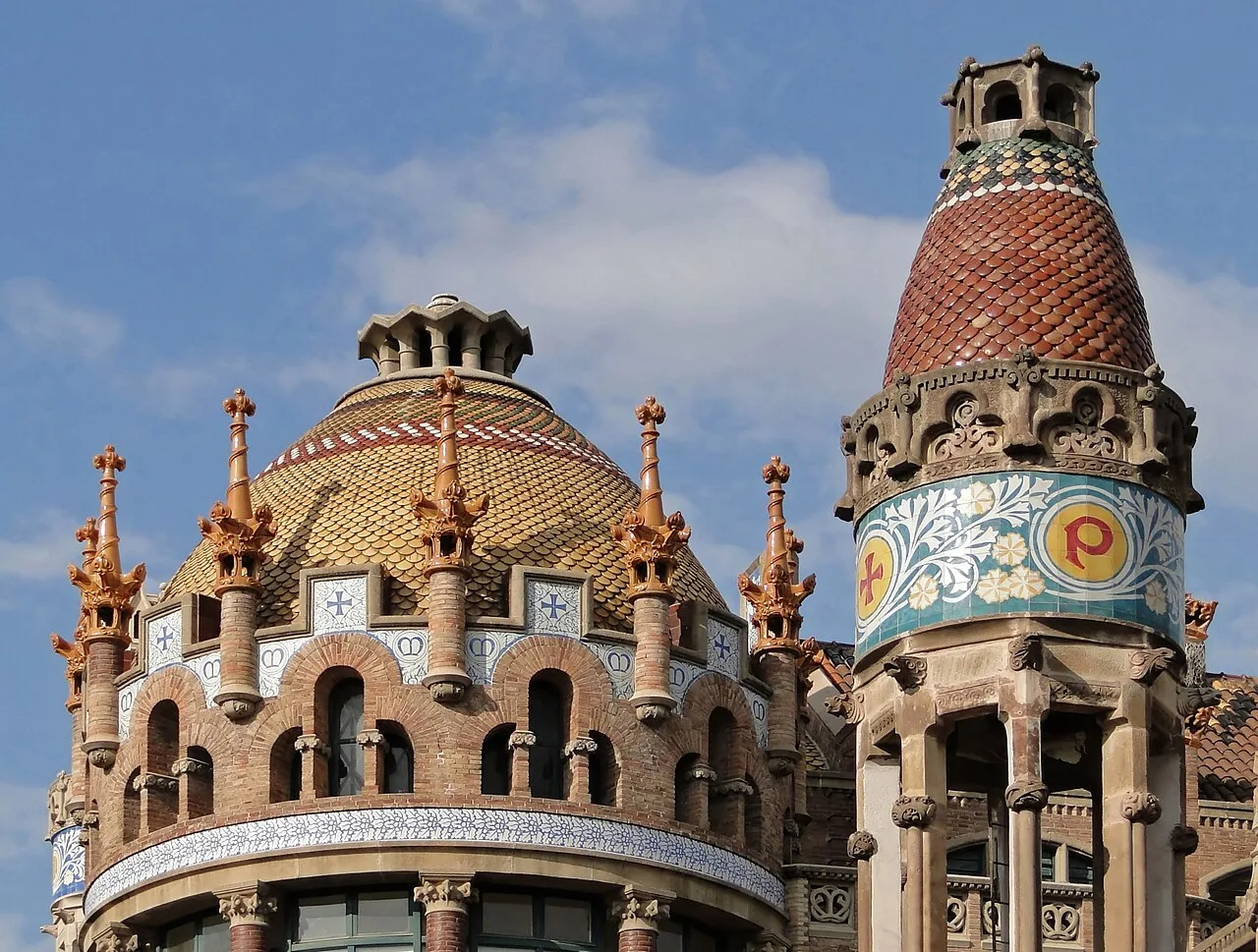
Hospital de Sant Pau
Hospital de Sant Pau (Recinte Modernista de Sant Pau) is the world's largest Art Nouveau complex, designed by Lluís Domènech i Montaner and a UNESCO World Heritage Site since 1997. Located in Barcelona's El Guinardó district, its 26 ornately decorated pavilions and gardens are open to visitors.
Visitor guide →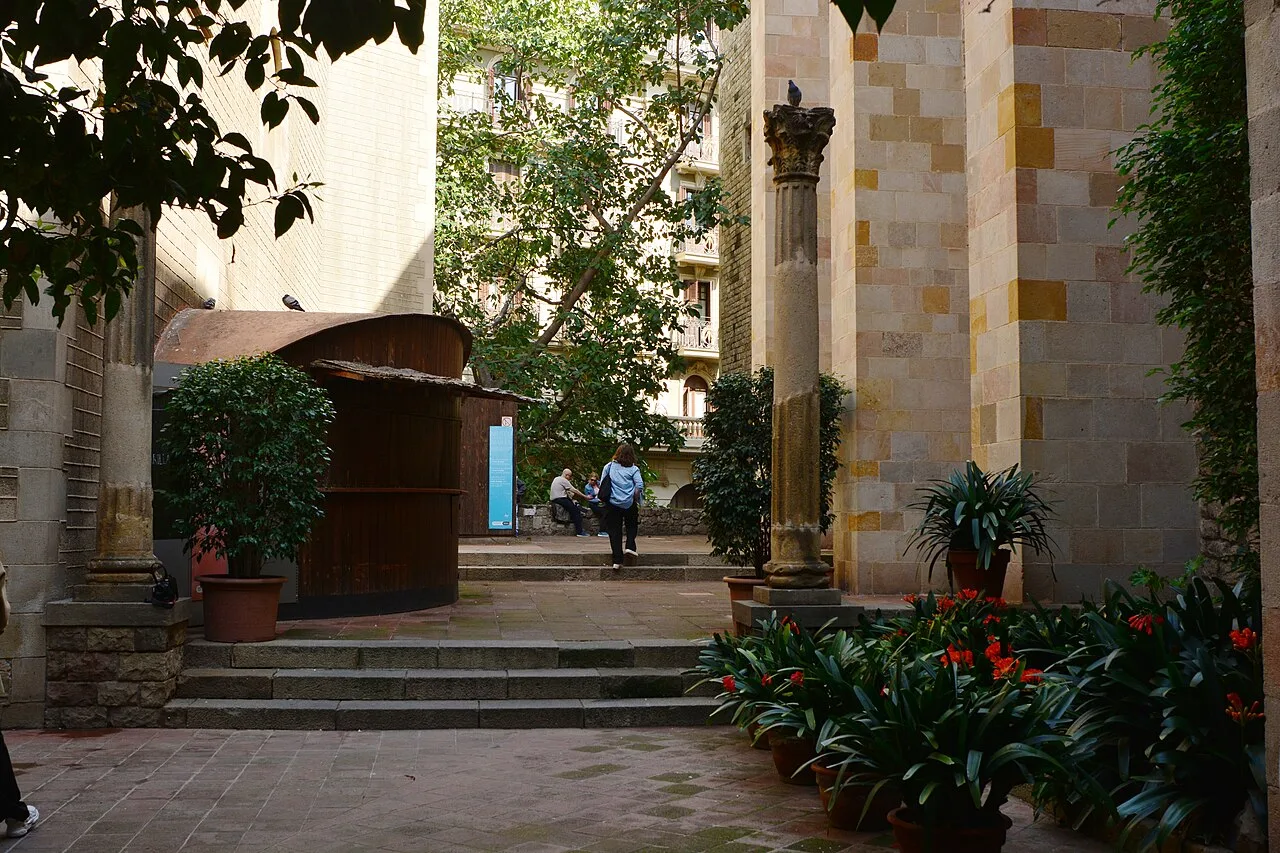
Museu Frederic Marès
The Museu Frederic Marès is a sculpture and collector's museum in Barcelona's Gothic Quarter, set in the medieval Palau Reial Major beside the cathedral, showcasing the eclectic personal collection of sculptor Frederic Marès.
Visitor guide →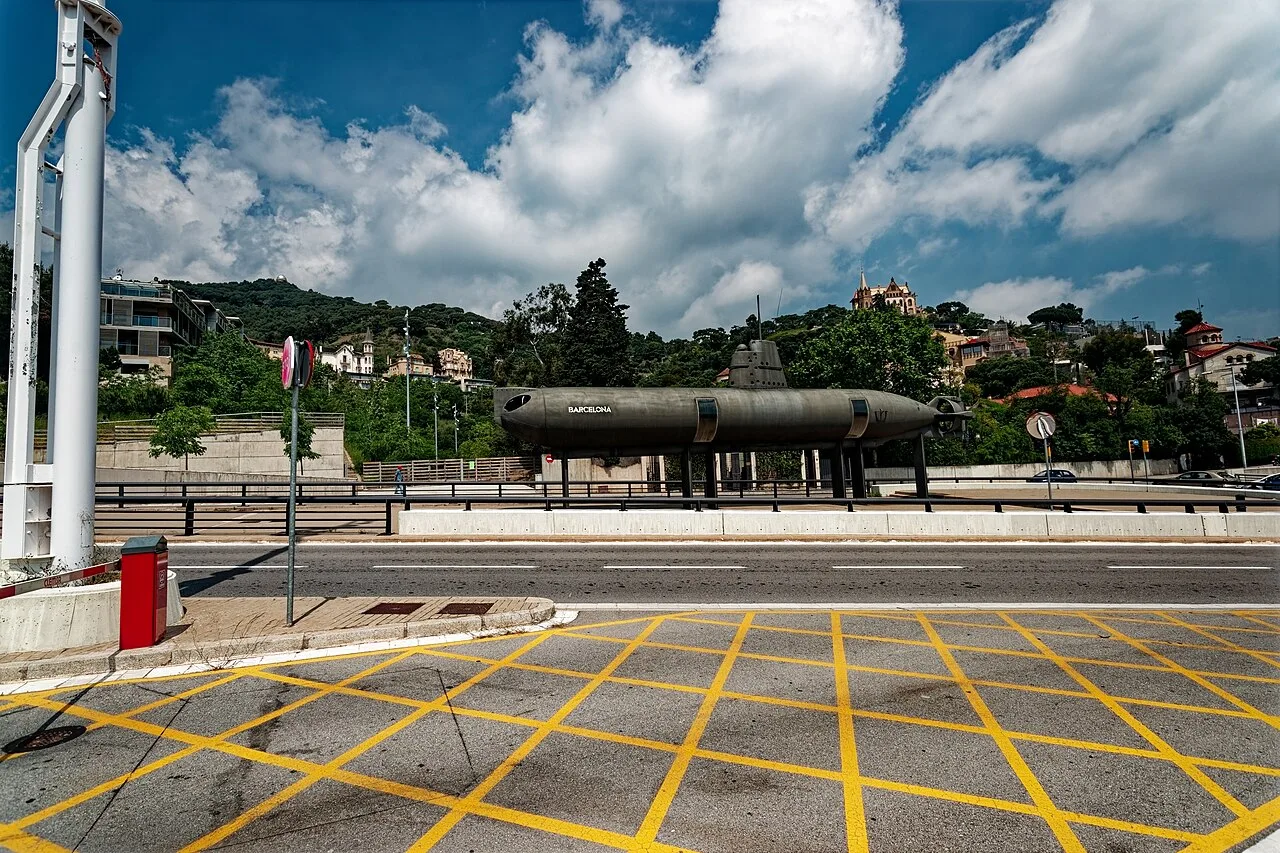
CosmoCaixa Barcelona
CosmoCaixa Barcelona is the science museum of the "la Caixa" Foundation, housed in a 1909 Modernista building in the Sarrià-Sant Gervasi district. It is best known for its recreated flooded Amazon rainforest and hands-on exhibitions on nature, science and space.
Visitor guide →Barcelona attractions by neighbourhood
The eight sites span six of Barcelona's districts. Mapping them before you plan saves the mistake of booking a morning at Monestir de Pedralbes and an afternoon at Museu Frederic Marès and then discovering they are 40 minutes apart by metro.
- Gothic Quarter and El Born (central): Museu Frederic Marès sits inside the Palau Reial Major complex beside the cathedral; Palau de la Música Catalana is a 10-minute walk east into the Sant Pere quarter. Both are reachable on foot from La Rambla.
- El Raval (central): Palau Güell stands on Carrer Nou de la Rambla, two blocks south of La Rambla. The Drassanes metro stop (L3) is a five-minute walk.
- Gràcia: Casa Vicens is in the upper Gràcia neighbourhood. The nearest metro is Fontana (L3, green line), about a 5-minute walk from the house.
- Eixample / Guinardó border: Hospital de Sant Pau occupies a 9-hectare campus at the top of Avinguda de Gaudí — the same avenue ends at the Sagrada Família, 400 metres away. Metro: Sant Pau / Dos de Maig (L5).
- Montjuïc: Fundació Joan Miró sits on the hillside above Plaça d'Espanya. Take bus 55 from the centre or walk uphill (~15 minutes) from Paral·lel metro (L2/L3).
- Les Corts and Sarrià-Sant Gervasi: Monestir de Pedralbes (FGC Reina Elisenda stop) and CosmoCaixa (FGC Avinguda del Tibidabo stop) are both on the FGC suburban rail from Plaça Catalunya — about 15 minutes apart from each other.
Barcelona attractions by category
The eight sites break cleanly into four types, which helps with day-planning if you want to group visits by interest.
Modernista architecture (4 sites): Palau de la Música Catalana and Hospital de Sant Pau are both UNESCO World Heritage Sites designed by Lluís Domènech i Montaner — the architect whose civic modernisme rivals Gaudí's in craftsmanship and ambition. Palau Güell and Casa Vicens are the two earliest surviving Gaudí buildings open to the public; together they show how his architectural language evolved in the decade before he began the Sagrada Família. For deeper context on the full movement, our guide to Barcelona's modernist movement beyond Gaudí traces Domènech i Montaner and Puig i Cadafalch alongside the lesser-documented civic projects.
Art museums (2 sites): Fundació Joan Miró holds the world's most comprehensive Miró collection — over 14,000 paintings, sculptures, and graphic works, with a strong temporary programme alongside the permanent display. Museu Frederic Marès is smaller and more personal: an eclectic accumulation of medieval Catalan sculpture and everyday objects, housed in the medieval Palau Reial Major at a fraction of the cost of the city's headline museums.
Science and family (1 site): CosmoCaixa's signature exhibit is a recreated flooded Amazon ecosystem — a genuine indoor rainforest with live plants and animals. Its hands-on science galleries suit visitors from age 6 upward and adults equally.
Medieval monastery (1 site): Monestir de Pedralbes, founded in 1326 by Queen Elisenda de Montcada, is one of Europe's best-preserved Gothic monasteries. Its three-storey cloister is quietly extraordinary, and the Ferrer Bassa frescoes in the Chapel of St Michael rank among the finest 14th-century paintings in Catalonia — visited by a fraction of the crowds that file past the Picasso Museum.
Free vs paid Barcelona attractions
Barcelona has an established free-entry culture. Most city-run museums open without charge on the first Sunday of the month (all day) and on Sunday afternoons from 15:00. Arrive by 14:30 — queues form quickly at better-known sites.
| Attraction | Regular ticket (2026) | Free entry |
|---|---|---|
| Palau Güell | €15 | First Sunday of month + special open days |
| Fundació Joan Miró | €18 (€17 online) | — (free categories only; no general free day) |
| Museu Frederic Marès | €4.40 | First Sunday; Sundays from 15:00 |
| Monestir de Pedralbes | €5 | First Sunday; Sundays from 15:00 |
| Hospital de Sant Pau | €18 (€17 after 14:00) | — |
| Palau de la Música Catalana | €24 (guided tour) | — |
| Casa Vicens | €21 | — |
| CosmoCaixa | €8 adults / free under-16s | — |
Prices reflect verified 2026 general-admission rates; reductions apply for students, seniors, and children — always confirm on the official site before visiting. For more zero-cost cultural options across the city, see our guide to places to visit in Barcelona for free.
Most city-run museums open without charge on the first Sunday of the month (all day) and on Sunday afternoons from 15:00 — arrive by 14:30 to avoid queues.
Suggested itineraries
These eight sites work best in combinations that cluster nearby stops. All itineraries can be slotted alongside Sagrada Família and Park Güell — the two headline sights that should anchor any first visit.
1 day — modernista focus: Palau de la Música Catalana (from 9:00, allow 1–1.5 hours for the guided tour) → 10-minute walk to Museu Frederic Marès in the Gothic Quarter (1 hour) → metro L5 to Hospital de Sant Pau (allow 1.5 hours) → optional: walk the 400 metres to Sagrada Família if you have a pre-booked ticket.
2 days — architecture and art:
Day 1: Palau Güell (El Raval, morning) → walk or metro to Casa Vicens (Gràcia, afternoon; ~20 minutes by L3).
Day 2: Fundació Joan Miró (Montjuïc, morning) → Hospital de Sant Pau (afternoon, metro back to centre via L5).
3 days — full curated set: Add Monestir de Pedralbes and CosmoCaixa as a combined half-day on day three — both are on the FGC line from Plaça Catalunya and sit around 15 minutes apart.
Pairing with the famous sights: Hospital de Sant Pau and Sagrada Família share an avenue (Avinguda de Gaudí, 400 metres). Palau Güell is five minutes on foot from La Rambla. Casa Vicens and Park Güell are in the same Gràcia/Guinardó corridor — around a 20-minute walk apart.
Getting around Barcelona's attractions
The metro covers most sites in this guide. The central trio — Palau Güell (Drassanes, L3), Palau de la Música Catalana (Urquinaona, L1/L4), and Museu Frederic Marès (Jaume I, L4) — are within a 20-minute walk of each other. Casa Vicens (Fontana, L3), Hospital de Sant Pau (Sant Pau / Dos de Maig, L5), and Fundació Joan Miró (bus 55 or walk from Paral·lel, L2/L3) each have convenient public-transport stops.
Monestir de Pedralbes and CosmoCaixa are served by FGC (Ferrocarrils de la Generalitat de Catalunya) suburban trains from Plaça Catalunya — these are not on the standard TMB metro network but are included in all zone 1 transport tickets.
Recommended tickets:
- T-casual (10 trips, ~€12.15): Shareable across companions; valid on metro, bus, tram, and FGC within zone 1. Best option for stays of two to three days.
- Hola Barcelona Travel Card: Unlimited zone 1 travel for 48h (~€16.40), 72h (~€23.70), 96h (~€30.80), or 120h (~€38.90). Covers FGC trains to Monestir de Pedralbes and CosmoCaixa.
- Barcelona Card: Includes unlimited transport plus discounts or free entry at many attractions; see the savings section below to weigh it against alternatives.
| Pass type | Price (€) | Duration | Coverage |
|---|---|---|---|
| T-casual | ~12.15 | 10 trips | Metro, bus, tram, FGC zone 1; shareable |
| Hola Barcelona 48h | ~16.40 | 48 hours | Unlimited metro, bus, tram, FGC zone 1 |
| Hola Barcelona 72h | ~23.70 | 72 hours | Unlimited metro, bus, tram, FGC zone 1 |
| Hola Barcelona 96h | ~30.80 | 96 hours | Unlimited metro, bus, tram, FGC zone 1 |
| Hola Barcelona 120h | ~38.90 | 120 hours | Unlimited metro, bus, tram, FGC zone 1 |
| Barcelona Card | varies | 48–120 hours | Unlimited transport plus museum discounts |
Best time to visit Barcelona's attractions
April to June is the most reliable window: temperatures are comfortable for walking between outdoor terraces and museum interiors, crowds are manageable, and all sites operate full opening hours. Advance booking for Palau de la Música Catalana tours is still recommended but rarely requires weeks of lead time outside July and August.
July and August bring Barcelona's highest visitor volumes. Indoor sites — Fundació Joan Miró, Hospital de Sant Pau, Museu Frederic Marès, CosmoCaixa — stay pleasant in air-conditioned interiors, but expect longer entry queues even with pre-booked tickets. Book Palau de la Música Catalana sessions at least two to three weeks ahead.
September and October rival spring in quality. Crowds thin noticeably from mid-September, hotel rates fall, and Montjuïc in autumn light is a particularly good backdrop for Fundació Joan Miró.
November to March is the quietest and most affordable period. Monestir de Pedralbes, with its covered Gothic cloister, is comfortable year-round. Palau de la Música Catalana programmes its richest classical and early-music season across winter months. Admission prices do not change seasonally at any of these sites.
2026 note: Gaudí centenary programming (June–December 2026) may require separate booking at Casa Vicens and Palau Güell even outside peak season. Check individual event calendars. For a full seasonal breakdown with crowd data, read best time to visit Barcelona without crowds.
Palau de la Música Catalana guided tours sell out in summer and during the 2026 centenary events — book at least one to two weeks ahead outside peak season.
How to save money on Barcelona attractions
Articket BCN (€38, valid 12 months from first use): Gives skip-the-line entry to six of Barcelona's leading art museums. Of the eight sites in this guide, Fundació Joan Miró is included. The other five Articket museums — Picasso Museum, MNAC, MACBA, CCCB, and Fundació Antoni Tàpies — fall outside this guide's scope but are worthwhile additions if you are staying four or more days. Purchase online or at any participating museum entrance. If Fundació Joan Miró is on your list alongside three or more of the other five, the pass pays for itself quickly.
Barcelona Card: The three- to five-day pass includes unlimited public transport plus discounts (and sometimes free entry) at a wider set of attractions. Best value if you are also visiting sites like the Picasso Museum, Poble Sec cable car, or Barcelona Aquarium in addition to the sites here.
Strategic free Sundays: Museu Frederic Marès and Monestir de Pedralbes are both free every Sunday from 15:00, so a Gothic-Quarter-then-Pedralbes afternoon can cover two very different sites for €0 (allow time for the cross-city FGC ride). On the first Sunday of the month the net widens considerably — Palau Güell, Frederic Marès, and Pedralbes all open free that day, so first Sundays are the single best date to stack multiple sites at no cost. (Note: the Fundació Joan Miró is a private foundation and does not offer a general free-entry day — only the under-12 and concession categories are free.)
For the full picture on free and low-cost cultural visits, see places to visit in Barcelona for free.
Frequently asked questions about Barcelona attractions
How many days do you need to see Barcelona's attractions?
Three to four days is enough to cover the famous sights (Sagrada Família, Park Güell, Casa Batlló) plus two or three sites from this guide. A full week allows a relaxed pace with day trips. If modernista architecture is your primary interest, two dedicated days for the eight sites on this page — combined with pre-booked slots at Sagrada Família — is a practical minimum.
Is the Barcelona Card worth it?
The Barcelona Card is worth it if you will use unlimited public transport every day and visit three or more paid museums. For trips focused mainly on the free-entry Sunday windows covered above, a T-casual metro card (€12.15) plus the Articket BCN (€38, six art museums) will usually cost less. Compare your specific planned museum list before buying either pass.
Are Barcelona attractions free on Sundays?
Many city-run museums offer free entry on Sunday afternoons from 15:00 and on the first Sunday of each month (all day). Sites in this guide that participate include Palau Güell, Museu Frederic Marès, and Monestir de Pedralbes. Privately operated sites — Casa Vicens, Hospital de Sant Pau, Palau de la Música Catalana, and CosmoCaixa — do not offer a Sunday free period.
Do you need to book Barcelona attractions in advance?
Palau de la Música Catalana guided tours sell out, especially in summer and during 2026 centenary events — book at least a week ahead. Hospital de Sant Pau and Casa Vicens can usually be booked a day or two ahead outside peak season. Fundació Joan Miró, CosmoCaixa, and Museu Frederic Marès rarely require advance tickets.
What is the Articket BCN and which attractions does it cover?
The Articket BCN is Barcelona's art-museum pass: €38 gives skip-the-line access to six museums for 12 months from first use. Of the sites in this guide, Fundació Joan Miró is included. The other five are the Picasso Museum, MNAC, MACBA, CCCB, and Fundació Antoni Tàpies — worthwhile if you have four or more days in the city.
What is the best time of year to visit Barcelona?
April to June and September to October give the best balance of manageable crowds, comfortable weather, and ticket availability. July and August are viable but demand earlier planning — some sites sell out days ahead in high summer. November to March is the quietest and most affordable period; indoor sites like Monestir de Pedralbes and Fundació Joan Miró are just as rewarding in winter.
How do I get between Barcelona's attractions by public transport?
The metro covers most sites in this guide. Museu Frederic Marès, Palau de la Música Catalana, and Palau Güell are within a 20-minute walk of each other in the city centre. Hospital de Sant Pau, Casa Vicens, and Fundació Joan Miró each have nearby metro or bus stops. Monestir de Pedralbes and CosmoCaixa require the FGC suburban rail from Plaça Catalunya, included in standard zone 1 transport tickets.
Plan your Barcelona trip
The eight sites above work best as part of a broader Barcelona itinerary. For neighbourhood walks and lower-crowd alternatives that complement the bigger sights, see our guide to hidden gems in Barcelona. For the full architectural context behind modernisme — tracing Domènech i Montaner, Puig i Cadafalch, and the lesser-documented civic commissions alongside Gaudí — read Barcelona's modernist movement beyond Gaudí. And for activities and districts that rarely appear in the standard guidebook lists, unique things to do in Barcelona covers the itineraries that separate repeat visitors from first-timers.
Continue exploring
More guides you'll find useful