Budapest Hidden Gems: 8 Off-the-Beaten-Path Attractions (2026)
Discover 8 Budapest hidden gems off the beaten path — from a Cold War hospital to an Ottoman bath. Verified 2026 prices, hours and local tips for every sight.

On this page
Most visitors to Budapest arrive with the same checklist: Parliament, Chain Bridge, Széchenyi Baths, Buda Castle. Those sights are genuinely worth seeing — but they are also swamped with tour groups, inflated ticket prices, and photo queues. A second Budapest exists alongside them: quieter, cheaper, and in many ways more interesting. This is the city of a Cold War bunker hospital carved into limestone, a field of toppled communist giants marooned at the city's edge, a 16th-century Ottoman dome still releasing thermal steam, and a stained-glass workshop that dressed the Hungarian Parliament but almost nobody visits. The eight attractions on this page are the entry points to that second Budapest. Together they span Cold War history, Roman antiquity, communist-era memory, Art Nouveau craft, and the kind of eccentric local obsession — 130 playable pinball machines, the childhood home of the world's greatest escape artist — that makes a city worth knowing. Each entry links to a full visitor guide with verified 2026 opening hours, current ticket prices, and the practical details that don't appear on official websites.
Top 8 attractions in Budapest
Hospital in the Rock Nuclear Bunker Museum
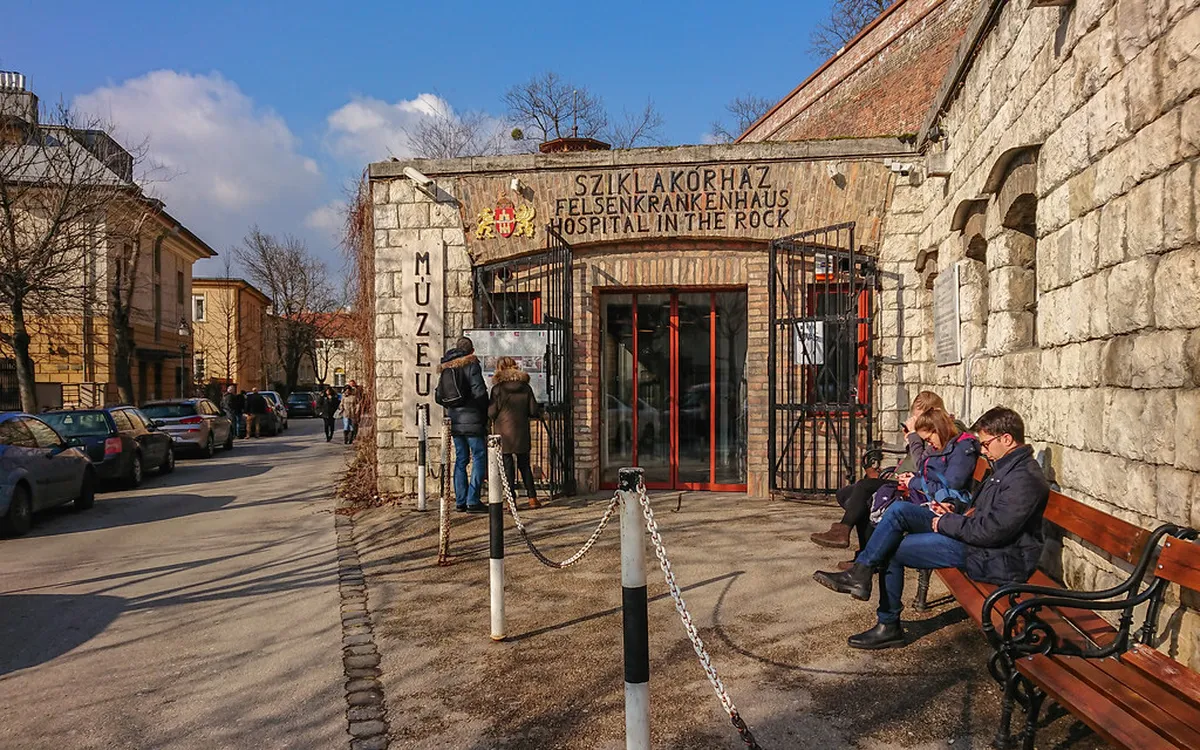
Hospital in the Rock Nuclear Bunker Museum (Sziklakórház) is a subterranean museum built inside the natural caves beneath Buda Castle, preserving a WWII field hospital and Cold War nuclear bunker in Budapest. Mandatory guided tours lasting approximately 60 minutes explore lifelike wax-figure exhibits and original equipment spanning the 1944–45 Siege of Budapest and the secret Cold War era.
Visitor guide →
Memento Park
Memento Park is an open-air museum in Budapest's District XXII that preserves more than 40 monumental Communist-era statues and sculpted plaques removed from the city's public spaces after 1989. Highlights include a replica of Stalin's tribune boots and works depicting Lenin, Marx, and Engels — making it one of Central Europe's most unique historical attractions.
Visitor guide →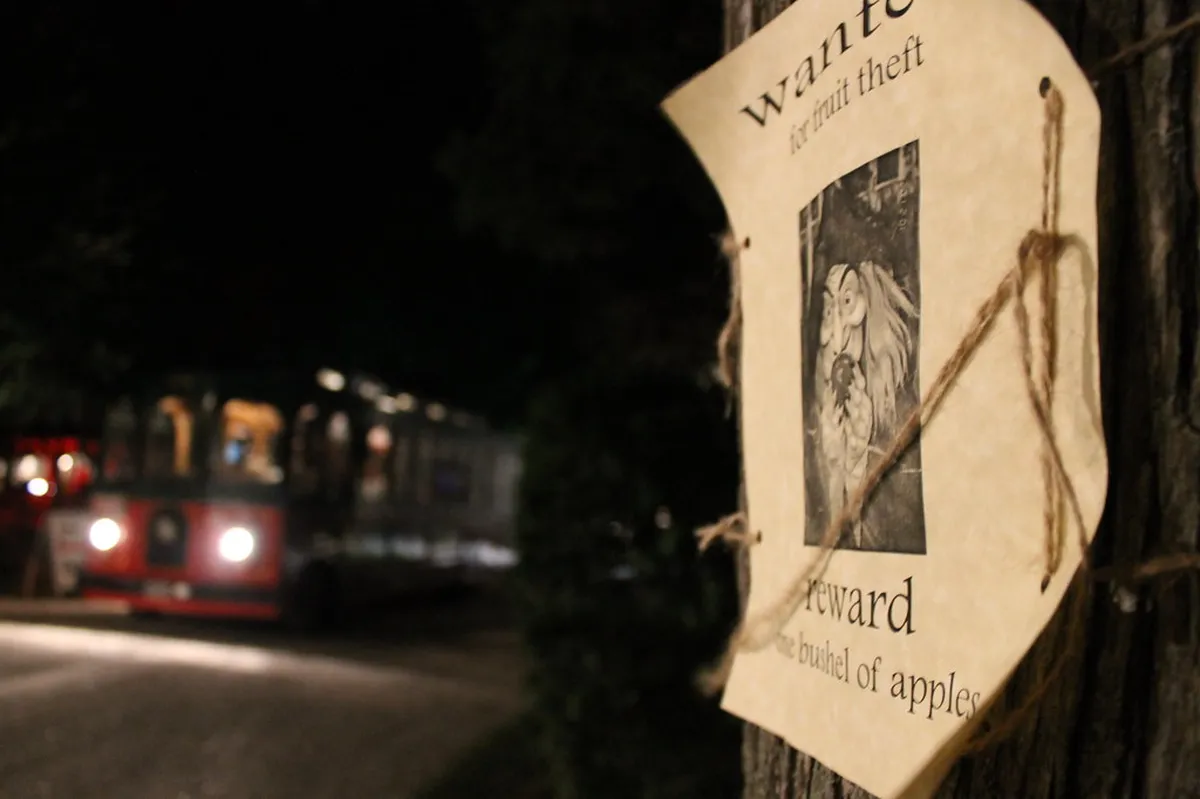
The House of Houdini
The House of Houdini at Dísz tér 11 in Budapest's UNESCO World Heritage Buda Castle District is Europe's first and only permanent Houdini exhibition, featuring original handcuffs, straitjackets, personal letters, and a live close-up magic show in its in-house Orpheum theater. Founded by Hungarian escapologist David Merlini and opened in 2016, it celebrates the Hungarian-born escape artist Harry Houdini (born Erik Weisz in Budapest in 1874) and is recognized by both the Society of American Magicians and the International Brotherhood of Magicians.
Visitor guide →
Flipper Museum (Budapest Pinball Museum)
The Flipper Museum (Flippermúzeum) at Radnóti Miklós utca 18 in Budapest's 13th district is Europe's largest interactive pinball exhibition, with 130+ playable machines from 1880s bagatelles to modern tables — all included with a single entry ticket covering unlimited free play.
Visitor guide →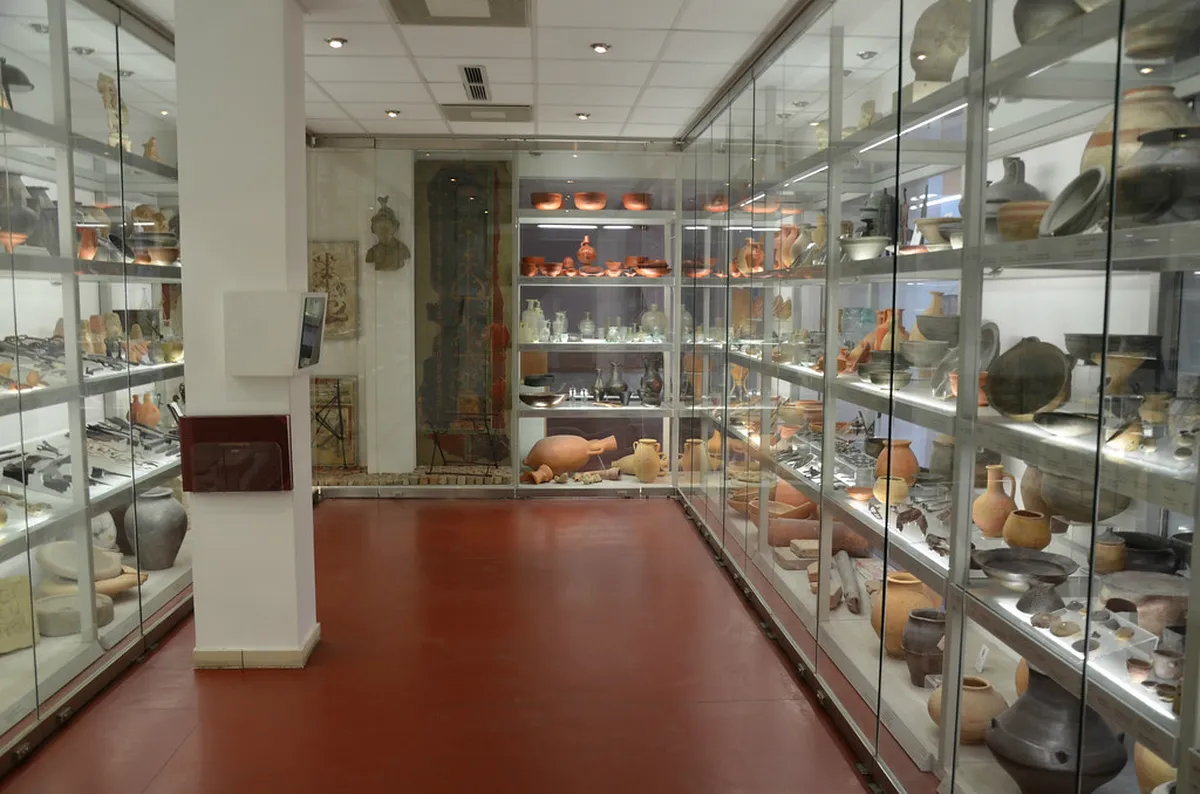
Aquincum Museum and Archaeological Park
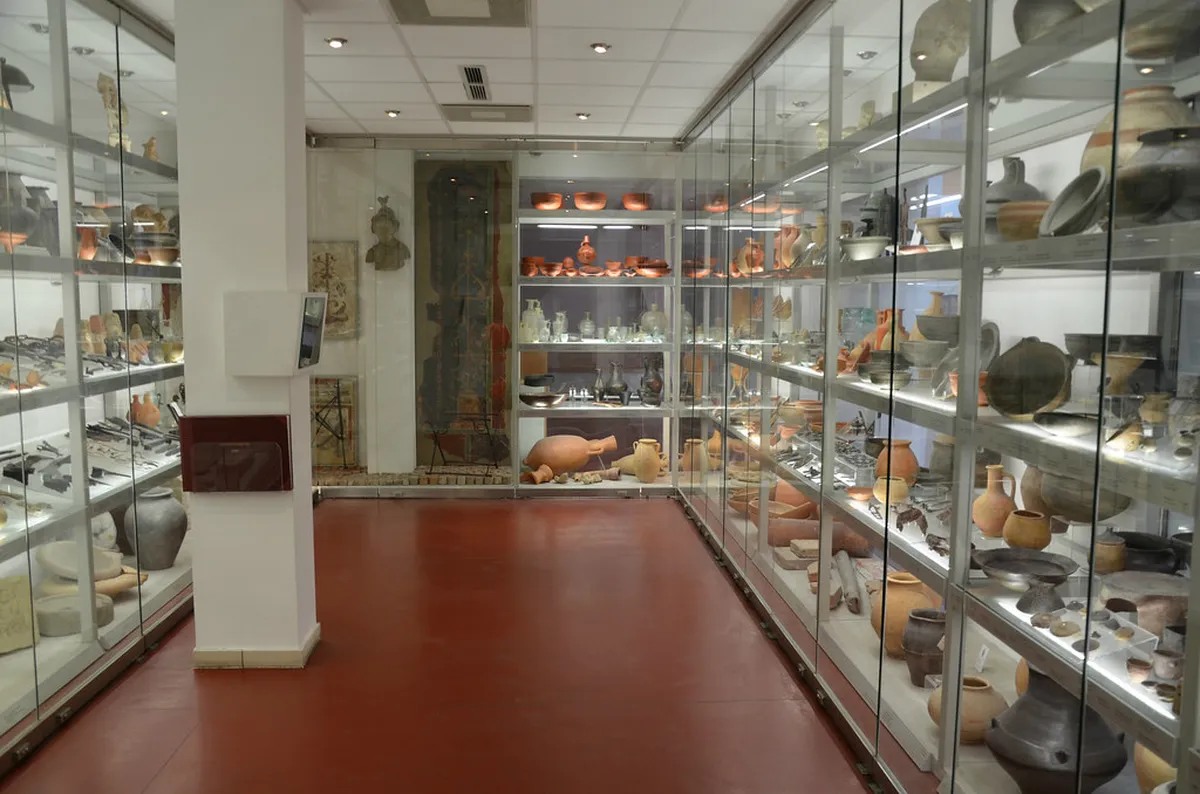
Aquincum Museum and Archaeological Park preserves the ruins of the ancient Roman civil town of Aquincum in Budapest's Óbuda (III) district, featuring excavated streets, baths, and a remarkable 3rd-century hydraulic organ reconstruction. It is one of the most significant Roman sites in Central Europe and is easily reached by HÉV suburban rail from central Budapest.
Visitor guide →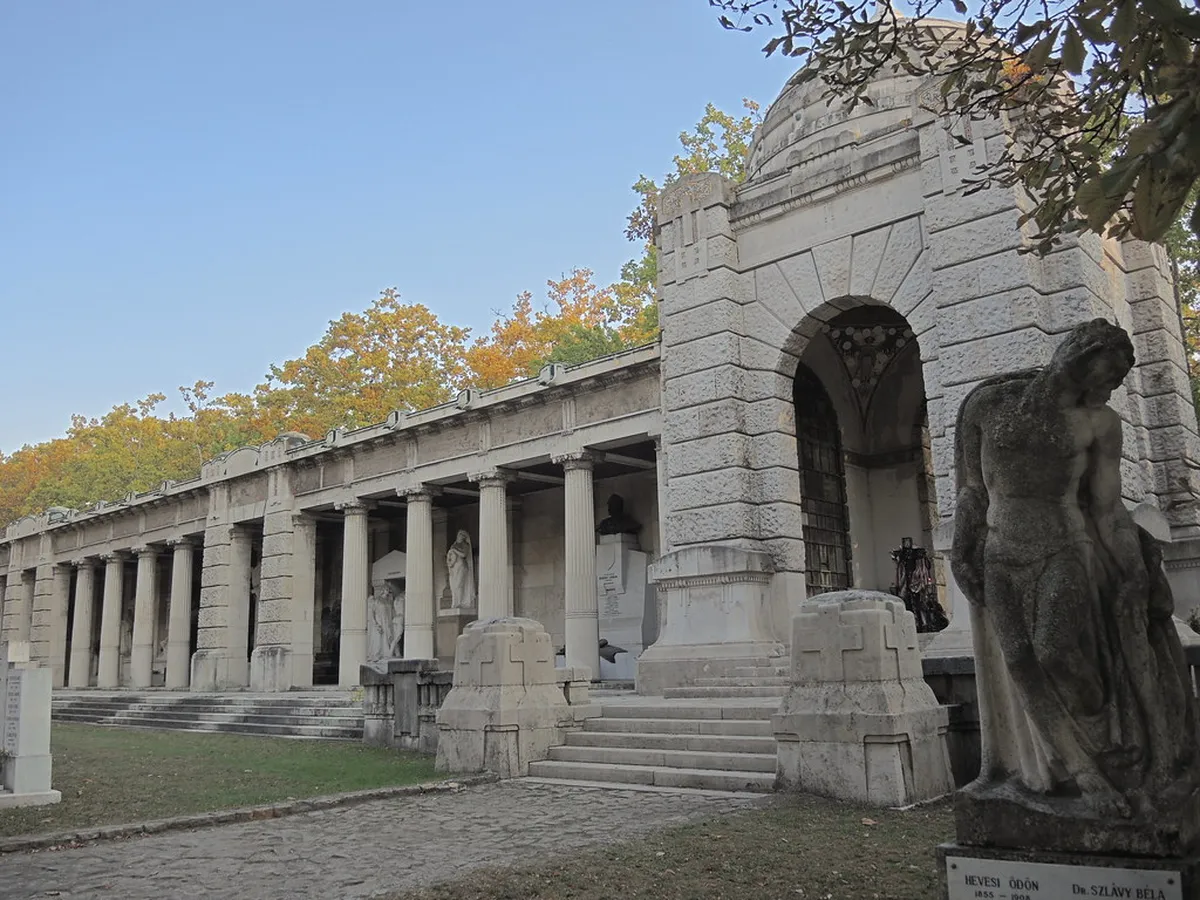
Fiumei Road Cemetery
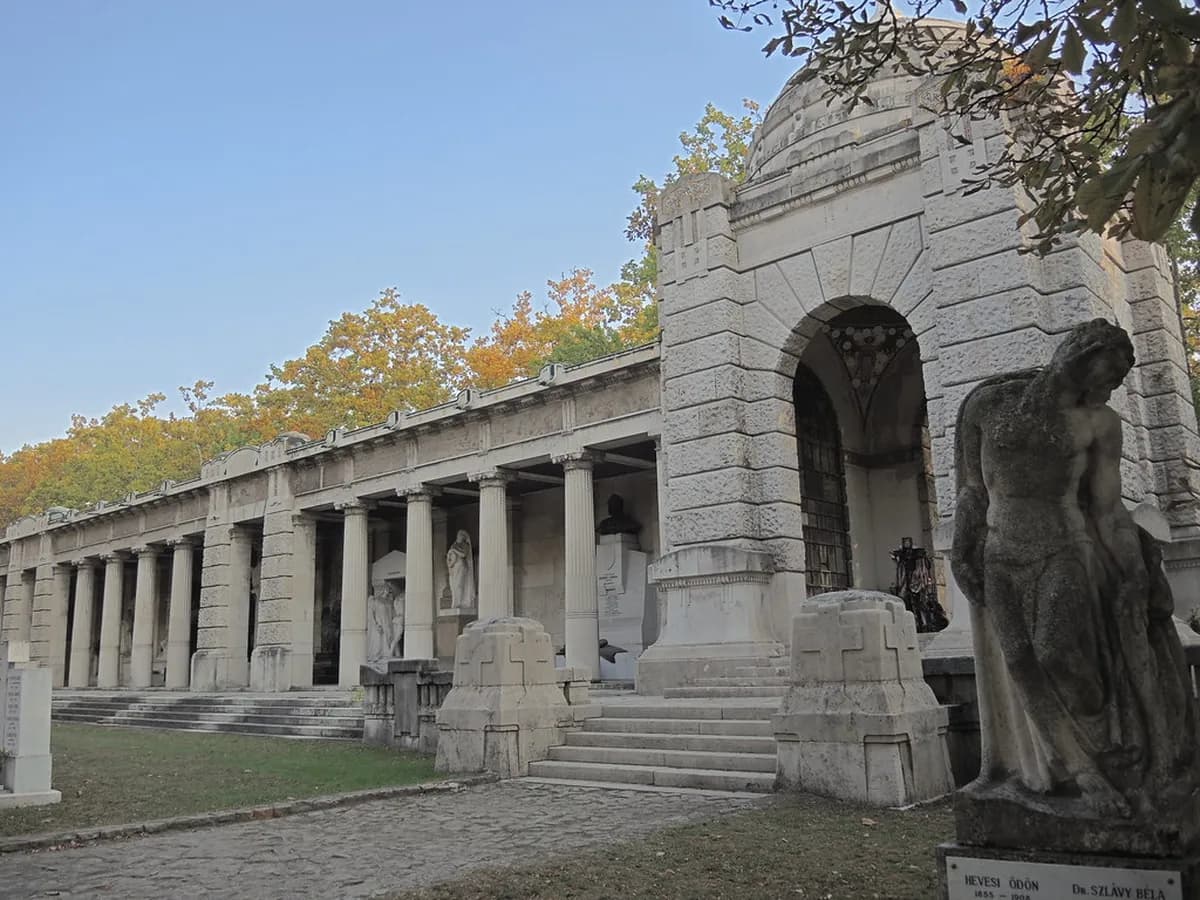
Fiumei Road Cemetery (Fiumei úti sírkert), formerly known as Kerepesi Cemetery, is Budapest's most prestigious national burial ground — a 56-hectare open-air pantheon near Keleti station where Hungary's greatest statesmen, poets, and national heroes rest beneath soaring 19th-century mausoleums. Entry is free and the cemetery is open year-round, making it one of Budapest's most rewarding and overlooked historical destinations.
Visitor guide →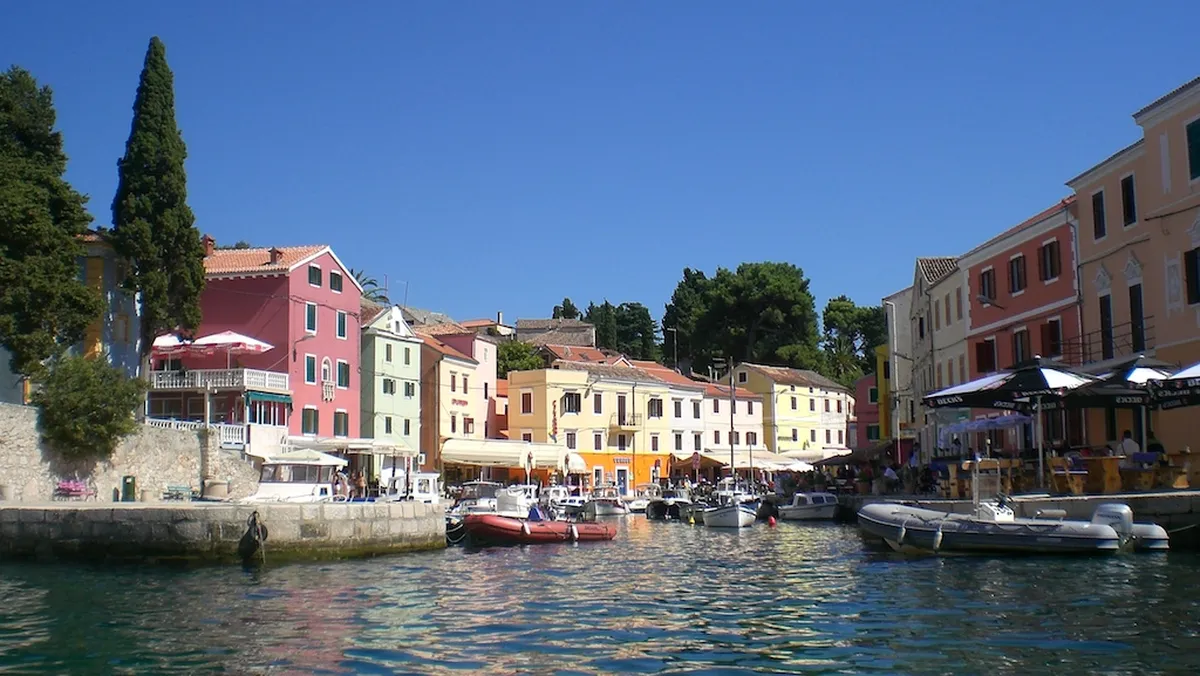
Veli Bej Bath
Veli Bej Bath is a restored 16th-century Ottoman thermal bath on the Buda side of Budapest, operated by the Hospitaller Order of St. John of God, featuring a stunning domed octagonal pool and four smaller thermal pools in an intimate, local-favourite setting limited to just 80 guests at a time.
Visitor guide →
Miksa Róth Memorial House
The Miksa Róth Memorial House in Budapest's 7th district preserves the former home and workshop of Hungary's greatest stained-glass and mosaic artist, displaying hundreds of original works, preparatory cartoons, and period tools in their authentic setting. A quiet, crowd-free alternative to Budapest's major museums, it offers an intimate encounter with Art Nouveau craftsmanship and the story of a master whose work adorns the Hungarian Parliament and landmarks across Europe.
Visitor guide →Budapest hidden gems by neighbourhood
These eight attractions are spread across the city, but they cluster naturally by district — which makes day-planning straightforward.
- Buda Castle district (District I): Hospital in the Rock sits beneath Castle Hill at Lovas út 4.5. The House of Houdini is a short walk away at Dísz tér 11. Both are comfortably combined in a single morning — Hospital in the Rock first (guided tours run on the hour), then Houdini for the live magic show in the afternoon.
- Óbuda (District III): Aquincum Museum and Archaeological Park and Veli Bej Bath are both on the Buda bank north of the centre. Aquincum is a 20-minute HÉV ride from Batthyány tér; Veli Bej is a 10-minute walk from Árpád híd tram stop. The combination makes a relaxed Óbuda day — ruins in the morning, thermal soak in the afternoon.
- Inner Pest (Districts VII–VIII): Miksa Róth Memorial House at Nefelejcs utca 26 and Fiumei Road Cemetery near Keleti station sit within walking distance of each other. The cemetery is also 10 minutes on foot from Flipper Museum in District XIII (across the Grand Boulevard).
- Outskirts (District XXII): Memento Park stands alone at the city's south-western edge. It requires a dedicated half-day trip — but the direct bus from Deák Ferenc tér makes it easy (see transport section below).
Budapest hidden gems by interest
Not everyone comes to Budapest for the same reason. Here is how the eight sights line up by travel style.
- History and Cold War buffs: Hospital in the Rock (WWII siege + nuclear bunker), Memento Park (40+ communist-era statues), Aquincum (Roman civil town, 1st–4th century AD), and Fiumei Road Cemetery (national pantheon, 19th-century mausoleums).
- Quirky and offbeat: House of Houdini (Europe's only permanent Houdini exhibition, with live magic) and Flipper Museum (130+ playable pinball machines spanning 140 years).
- Relaxation and wellness: Veli Bej Bath — a 16th-century Ottoman thermal bath capped at 80 guests, with none of the Széchenyi crowds.
- Art and design: Miksa Róth Memorial House — the workshop and home of the craftsman whose stained glass fills the Hungarian Parliament, the Gresham Palace, and churches across Europe.
Free vs paid Budapest hidden gems
One of the best things about this collection: several are genuinely cheap or free, which is a refreshing contrast to the headline tourist circuit.
- Free entry: Fiumei Road Cemetery is open year-round at no charge. Walking the avenues of 19th-century mausoleums costs nothing — this is one of Budapest's most rewarding free afternoons.
- Budget-friendly (under 3,000 HUF / ~€8): Miksa Róth Memorial House and Aquincum both fall in this range. Aquincum also offers seasonal free-entry days — check the official site before you visit.
- Mid-range (3,000–6,000 HUF / €8–16): Veli Bej Bath, Flipper Museum (unlimited play included), and House of Houdini sit here. The Flipper entry is particularly good value — there is no per-game charge.
- Premium but worth it: Hospital in the Rock and Memento Park cost more (guided tour compulsory at Hospital in the Rock; Memento Park adds transport), but both deliver experiences that cannot be replicated elsewhere in Europe. Current ticket prices are verified in each attraction's individual guide.
Fiumei Road Cemetery is open year-round at no charge, making it one of Budapest's most rewarding free afternoons with 19th-century mausoleums lining picturesque avenues.
Suggested hidden-gem itineraries
These four day-plans are sized for a real visitor schedule — transport included.
Buda Castle morning + Ottoman soak
Start at Hospital in the Rock (first guided tour at 10:00, allow 90 minutes). Walk 5 minutes to House of Houdini for the midday magic show. After lunch in the Castle district, take tram 17 or 19 north along the Buda bank to Árpád híd and walk 10 minutes to Veli Bej Bath for a late-afternoon thermal session. Book Veli Bej in advance — 80-guest cap.
Óbuda Roman ruins day
Take the HÉV suburban railway from Batthyány tér (M2) three stops to Aquincum. Spend the morning at Aquincum Museum and Archaeological Park (allow 2 hours). The open-air ruins are best in morning light. Return by HÉV and continue south to Veli Bej if you skipped the Buda Castle day above.
Pest 7th-district afternoon
Begin at Miksa Róth Memorial House (opens 14:00 Tuesday–Sunday; allow 1 hour). Walk 15 minutes or take the M2 metro one stop east toward Keleti to reach Fiumei Road Cemetery. Allow 90 minutes to walk the main avenue and the garden of artists. Then double back across the Grand Boulevard by tram 4/6 to reach Flipper Museum in District XIII — it stays open until 23:00 Thursday–Saturday.
Half-day for Memento Park
This is the one that requires planning. The direct Memento Park bus departs from Deák Ferenc tér (M1/M2/M3) — check the current timetable on the Memento Park website before you go, as it runs on a fixed schedule. Allow 3 hours on site, then return by the same bus. Pair it with a Buda Castle afternoon if you want a full day.
Getting around Budapest's lesser-known sights
Budapest's public transport (BudapestGO app for tickets and journey planning) covers all eight attractions — no car needed.
- Metro: M2 (red line) stops at Batthyány tér (Óbuda gateway) and Keleti pályaudvar (Fiumei Road Cemetery, Flipper Museum area). M1 (yellow, Europe's oldest underground metro line) runs through central Pest.
- HÉV suburban rail: The H5 line from Batthyány tér is the correct route to Aquincum — alight at the Aquincum stop. Journey time approximately 15 minutes from central Buda.
- Trams: Tram 19 and 41 run along the Buda riverbank between Kelenföldi pályaudvar and Batthyány tér, useful for combining Hospital in the Rock / Houdini with Veli Bej in one day.
- Memento Park bus: A direct bus runs from Deák Ferenc tér — this is the simplest option. Check the exact departure times on the Memento Park official website, as the schedule is seasonal.
- Walking: Hospital in the Rock, House of Houdini, and the Castle district cluster are all walkable from the Castle Hill funicular or bus 16/16A from Deák Ferenc tér.
- BudapestGO app: Download this before you arrive — it covers all BKK public transport and sells 24h/72h/7-day travel cards, which make a multi-sight day much cheaper than single tickets.
Best time to visit
For outdoor sites, spring (April–May) and autumn (September–October) are the best months: comfortable temperatures, manageable crowds, and the cemetery and Memento Park are especially photogenic with foliage.
- Aquincum is partly seasonal. The outdoor archaeological park is at its best April–October; some sections have reduced access or close during winter. Always check the museum's current schedule before visiting in November–March.
- Memento Park and Fiumei Road Cemetery are outdoor sites. Spring and autumn bring the best light and weather; summer can be hot and exposed. Both are open year-round.
- Indoor museums (Hospital in the Rock, House of Houdini, Flipper Museum, Miksa Róth Memorial House) are ideal rainy-day picks and are not affected by season. Hospital in the Rock's underground temperature stays cool year-round — bring a light layer even in summer.
- Veli Bej Bath is year-round and particularly appealing in cooler months when the thermal contrast is more dramatic. The 80-guest cap means it rarely feels crowded — but advance booking is recommended on weekends regardless of season.
Aquincum's outdoor archaeological park has reduced access or closes during winter months (November–March). Always check the museum's current schedule before visiting outside the April–October peak season.
Frequently asked questions about Budapest hidden gems
What are the best hidden gems in Budapest?
The eight sights on this page represent a strong cross-section: Hospital in the Rock for Cold War history, Memento Park for communist-era sculpture, Veli Bej Bath for a crowd-free thermal experience, and Miksa Róth Memorial House for Art Nouveau craft. All eight are substantially less crowded than Budapest's headline sights and most cost less than the Parliament or Széchenyi Baths.
Is Memento Park worth visiting?
Yes — if you have any interest in 20th-century European history. Memento Park preserves more than 40 monumental statues removed from Budapest's public spaces after the fall of communism in 1989. The collection includes a replica of Stalin's tribune boots and works depicting Lenin, Marx, and Engels. There is nothing quite like it in Central Europe. Budget 2–3 hours for the site and the journey out.
How do you get to Aquincum from central Budapest?
Take the HÉV H5 suburban railway from Batthyány tér (M2 red line interchange) and alight at the Aquincum stop — the journey takes about 15 minutes. The museum entrance is immediately adjacent to the station. A standard BKK travel card or day ticket covers the HÉV within the city limits.
Which Budapest bath is the least touristy?
Veli Bej Bath is the answer most locals give. It is a 16th-century Ottoman thermal bath on the Buda bank, operated by a religious order rather than the city, and capped at just 80 guests at a time. The domed octagonal pool and four smaller thermal pools are far removed from the Széchenyi experience. Book in advance, especially on weekends.
Are these attractions good for a rainy day in Budapest?
Several are ideal rainy-day picks: Hospital in the Rock (entirely underground), Flipper Museum (indoor, open late), House of Houdini, and Miksa Róth Memorial House are all fully covered. Veli Bej Bath is a particularly pleasant rainy-day thermal soak. Aquincum, Memento Park, and Fiumei Road Cemetery are partly or fully outdoor — save those for dry days.
How many days do you need to see Budapest off the beaten path?
Two dedicated days covers all eight sights comfortably: Day 1 in Buda (Hospital in the Rock, House of Houdini, Veli Bej), Day 2 in Pest and Óbuda (Miksa Róth, Fiumei Road Cemetery, Flipper Museum, Aquincum by HÉV). Memento Park adds a half-day and is best treated as a third session or combined with a Buda Castle afternoon. Three days total gives you breathing room and time for meals in the 7th district.
Are Budapest hidden gems suitable for families?
Flipper Museum is a standout family option — children love the playable machines, and the unlimited-play format means there is no pressure to rush. Aquincum has good interactive exhibits for older children. Hospital in the Rock is compelling for teenagers interested in history, though the wax-figure medical scenes may be intense for younger children.
Is the Flipper Museum Budapest worth it?
Yes. The single entry ticket covers unlimited play on 130+ machines spanning from 1880s bagatelles to modern digital tables — there is no per-game cost. It is one of the best-value attractions in Budapest and doubles as a genuinely absorbing museum of mechanical design. Evening sessions (the museum is open late Thursday–Saturday) have a particularly good atmosphere.
Plan your Budapest trip
These eight attractions are the starting point, not the whole story. For a deeper dive into Budapest's lesser-known side, the full hidden gems in Budapest guide covers 12 sights with neighbourhood context and insider tips. If you want to avoid the tourist trail entirely, the non-touristy things to do in Budapest guide curates experiences that locals actually use. For first-time visitors wanting to balance the icons with these off-the-beaten-path finds, the Budapest 3-day itinerary builds a practical schedule that includes both.
Continue exploring
More guides you'll find useful