Ujlipotvaros Budapest Neighborhood Guide Travel Guide
Plan ujlipotvaros budapest neighborhood guide with top picks, neighborhood context, timing tips, and practical booking advice for a smoother trip.
On this page
Ujlipotvaros Budapest Neighborhood Guide
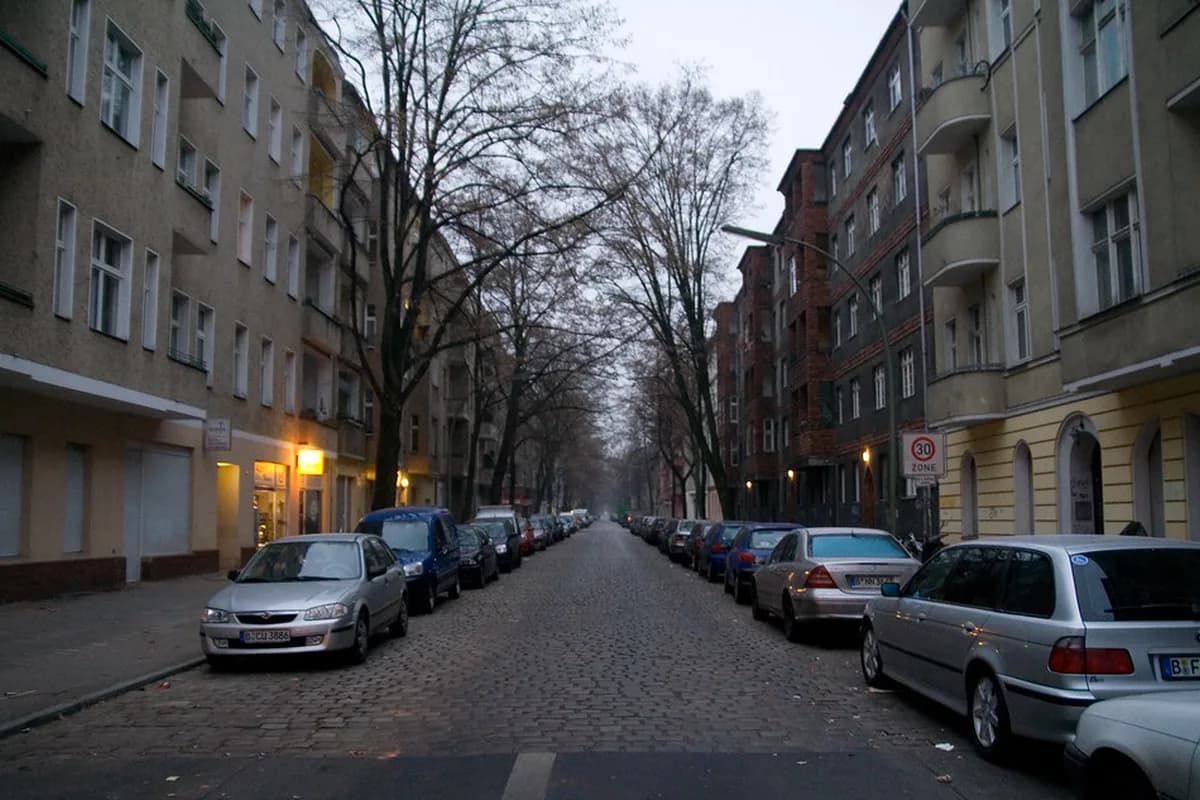
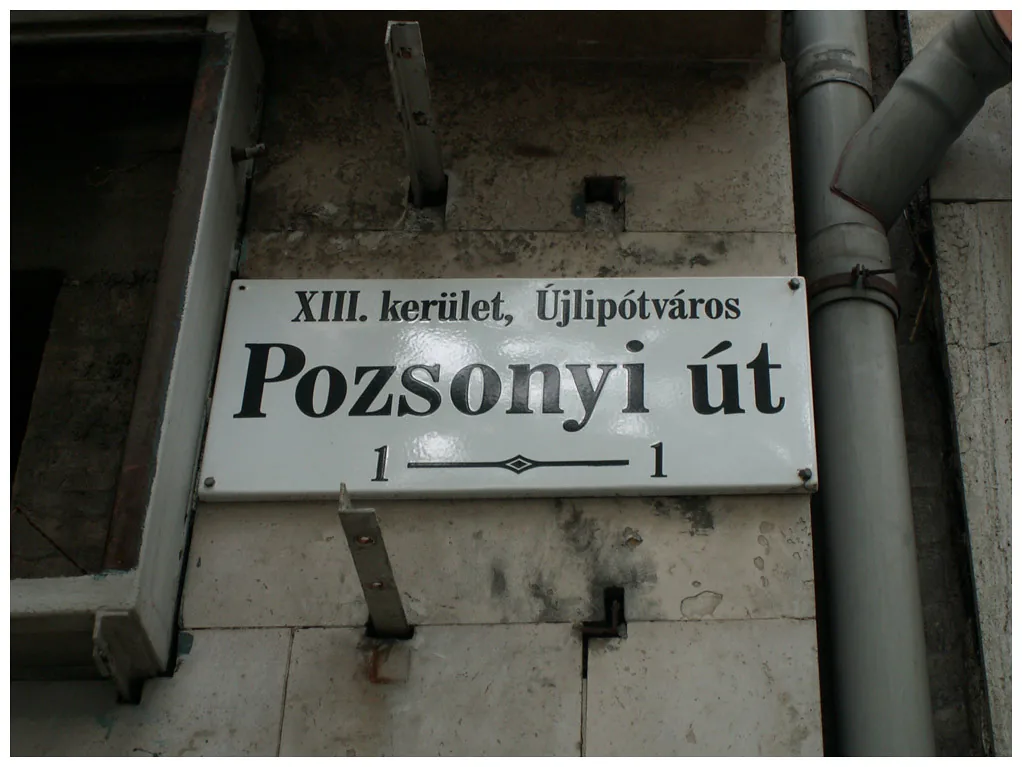
Újlipótváros is one of Budapest's most rewarding neighborhoods to explore in 2026, yet most visitors walk straight past it on their way to the Parliament building. Located in the southern pocket of District 13, a ten-minute walk north of the Parliament, it rewards those who actually stop. The streets are lined with Hungary's finest concentration of 1930s modernist architecture, the cafes on Pozsonyi út are full of locals rather than tourists, and the Danube promenade at this stretch is quieter and more atmospheric than the crowded embankments further south.
This guide covers what to see, where to eat, how the neighborhood fits among Budapest's other districts, and who it suits best as a base.
Must-See Ujlipotvaros Attractions
Falk Miksa utca's antique shops close on Sundays and many Pozsonyi út cafes don't open until 09:00. Plan an early morning visit around the park and embankment first, or aim for late morning to avoid missing your target shops.
Pozsonyi út is the main street and the logical starting point. It runs north through the heart of the neighborhood and carries everything a local high street should: bakeries, coffee shops, artisan bookstores, small galleries, and a handful of old-school bars that have been serving regulars for decades. The street feels genuinely lived-in because it is — the residents are a mix of Jewish intellectual families, young professionals, and long-term tenants who settled here when the 1930s apartment blocks were new.
Szent István Park sits at the northern end of Pozsonyi út, right on the Danube. The park is compact but well-kept, with landscaped lawns, flower beds, and a riverside promenade that faces Margaret Island. It is popular with families on weekend mornings and with joggers in the evenings. The views across to the Buda hills are excellent, particularly around sunset. There are benches facing the water, a small playground, and enough space to sit on the grass for an hour without feeling crowded.
Falk Miksa utca lies just south of the neighborhood boundary, running between the Grand Boulevard and the Parliament. The street is worth knowing about because it contains over 30 antique shops and art galleries operating side by side — porcelain, silver, prints, oil paintings, decorative furniture, and vintage textiles. Most shops are closed on Sundays. Prices reflect the quality of the stock, but browsable pieces in the 5,000–15,000 HUF range appear regularly.
The Raoul Wallenberg Memorial stands in Szent István Park and is one of the neighborhood's most significant historical markers. Wallenberg was the Swedish diplomat who, during the Nazi occupation in 1944, placed dozens of Újlipótváros apartment buildings under Swedish diplomatic protection to shield their Jewish residents. A street in the neighborhood was named after him in 1945, making it one of the earliest commemorations of his work anywhere in Europe. The memorial is modest and easy to miss if you don't know to look for it — which is exactly why it's worth seeking out.
Modernist Architecture and Living Jewish Heritage
Újlipótváros has the highest concentration of Hungarian Bauhaus and modernist architecture of any neighborhood in Budapest. The district was developed almost entirely in the 1930s under strict zoning rules that produced a remarkably coherent streetscape: limestone-clad facades, rounded corner balconies, horizontal window strips, and recessed entrances with geometric detailing. The building at 38 Pozsonyi út is the most impressive example — the street facade is understated, but the lobby contains a sweeping marble spiral staircase that feels more like a luxury liner than a residential building. The door is sometimes unlocked during business hours.
This is also a meaningful contrast to the way Jewish Budapest is typically presented to visitors. The Jewish Quarter in District VII (Erzsébetváros) is heavily touristed, centered on the Great Synagogue and the ruin bars, and carries a somewhat curated atmosphere. Újlipótváros offers something different: a neighborhood that has maintained a Jewish intellectual and commercial character for nearly a century, without being packaged for tourists. Láng-Téka Könyvesbolt on Pozsonyi út specializes in Jewish authors from around the world and carries a small selection of English titles. Házi Rétesbolt, the strudel shop a few doors down, has been a neighborhood gathering point for decades. These are functioning community businesses, not heritage attractions.
For visitors who want to understand Budapest's Jewish history beyond the Great Synagogue and the memorials on the Danube bank, spending a morning in Újlipótváros is genuinely informative. The architecture, the Wallenberg memorial, and the street-level commercial life all tell a continuous story that the more tourist-heavy sites don't quite manage.
Museums, Art, and Culture in Ujlipotvaros
Újlipótváros has no large museums of its own, but it has a working cultural infrastructure that most residential neighborhoods in Budapest lack. The Budapest Jazz Club on Hollán Ernő utca is the city's most important dedicated jazz venue, hosting regular performances by Hungarian and international musicians. Tickets typically cost 3,000–6,000 HUF for standard evenings and more for headline acts. It is worth checking the schedule before you visit — performances are most frequent Thursday through Saturday.
Independent galleries appear along the side streets off Pozsonyi út and in the ground-floor units of the modernist apartment blocks. These spaces tend to show contemporary Hungarian artists working in painting, photography, and installation. Exhibitions change monthly and admission is usually free. Several cafes on Pozsonyi út also host small literary events, informal readings, and occasional live acoustic sets — the programming is posted in the window and rarely advertised further afield.
The neighborhood's cultural scene reflects its resident demographic: educated, locally engaged, and not particularly interested in performing for tourists. That's part of what makes it interesting. If you arrive on a weekday morning, sit at a table on Pozsonyi út, and watch the street for an hour, you'll see more of how contemporary Budapest actually functions than you would in a full day at the Castle District.
Parks, Gardens, and Outdoor Spots in Ujlipotvaros
Szent István Park is the neighborhood's central outdoor space and the most practical reason to walk this far north along the Danube. The park occupies a prime position on the riverbank, with open grass, shaded benches, and direct views of Margaret Island and the Buda hills. It is smaller than City Park in District XIV but also quieter, and the quality of the light in the late afternoon — facing west across the water — is excellent for photography. The promenade along the embankment connects directly to the path that leads south past the Parliament.
Margaret Island (Margitsziget) is a 10-minute tram ride from Újlipótváros, reachable via Tram 26 from Újpest-Városkapu or on foot across the Margaret Bridge. The island is car-free, flat, and covers around 96 hectares of park space. It contains a Japanese garden, a musical fountain that runs shows at set times in summer, ruins of a medieval Dominican convent, and two large thermal bath complexes. It works well as a half-day extension after a morning in Újlipótváros. Entry to the island itself is free; the baths charge separately.
The Danube embankment running directly alongside Újlipótváros is a good walking and cycling route with considerably less foot traffic than the tourist stretch near the Chain Bridge. The path is well-surfaced and clearly marked, and connects north toward Újpest and south toward the Parliament. Renting a bike in the morning and using this route to explore between Újlipótváros and the center is an efficient and pleasant way to organize a day in this part of Budapest.
Family-Friendly and Budget-Friendly Options in Ujlipotvaros
Újlipótváros is well-suited to visitors on a budget because it is a residential neighborhood with no premium tourist markup. According to Hungary's official tourism site, districts like Újlipótváros offer authentic local value. Coffee at Három Tarka Macska or My Green Cup on Pozsonyi út costs the same as it would in any local Budapest cafe — around 600–900 HUF for a flat white. The cabinet strudels at Házi Rétesbolt are excellent and cost roughly 500–700 HUF each. The cabbage strudel in particular is worth trying if you've only encountered the sweet varieties elsewhere in the city.
Lunch options that cater to the local working population are practical and affordable. Norbi Étkezde operates as a lunch-only canteen with a short daily menu at prices that reflect a neighborhood rather than a tourist-facing business. Pozsonyi Kisvendéglő serves traditional Hungarian dishes at similarly accessible prices. Many restaurants in this area offer the standard Hungarian 'menü' — a two-course set lunch — for 2,000–3,500 HUF, which represents good value by any measure.
For families, Szent István Park has a maintained playground and enough open space for children to move freely. Margaret Island is one of the best family destinations in Budapest and is easily combined with a Újlipótváros morning. Public transport in the area is reliable: Tram 2 runs along the southern Danube embankment and connects to the center; Tram 4/6 on the Grand Boulevard provides access east and west. Children under 6 travel free, and a 24-hour travel card for adults costs around 3,300 HUF in 2026.
How to Plan a Smooth Ujlipotvaros Day
The neighborhood's magic lies in its everyday rhythm. Sit at Pozsonyi út for 30–45 minutes and watch locals meeting friends, bookstores attracting regulars, and cafes filling with working professionals. This street-level observation is what makes Újlipótváros feel authentic — don't rush through.
Start on Falk Miksa utca in the late morning — antique shops are open by 10:00 and tend to be less busy before noon. Browse the galleries heading north, then cross the Grand Boulevard into Újlipótváros proper. Walk north along Pozsonyi út, stopping for coffee at Három Tarka Macska or My Green Cup. Pick up a strudel at Házi Rétesbolt. The walk from the Grand Boulevard to the park takes around 15 minutes without stops, longer if you pause to look at the building facades.
Spend time in Szent István Park around midday. The light is good for photos and the park is pleasant without being busy on weekday afternoons. The Raoul Wallenberg Memorial is in the park and takes only a few minutes to find once you know it's there. From the park, the walk south along the Danube promenade back toward the Parliament takes around 20–25 minutes and passes the embankment stretch of the neighborhood.
For the afternoon, the Jazz Club schedule is worth checking regardless of whether you plan to attend an evening show. If you're staying, book tickets in advance — popular nights sell out. If you're heading to other parts of the city, Tram 2 from the Danube embankment is the fastest route south to the center. For more things to do on the hidden gems in Budapest trail, Újlipótváros makes a natural starting point before heading to District IX or the Palace District.
One practical note: Falk Miksa utca is closed on Sundays, and some of the smaller cafes on Pozsonyi út do not open until 09:00. If you're planning an early morning visit, stick to the park and embankment first.
How Ujlipotvaros Compares to Other Budapest Neighborhoods
Budapest's most visited neighborhoods each have a clear profile. District V (Belváros-Lipótváros) is the most central, walkable to nearly everything, and the right choice for a first visit of two or three days. District VI (Terézváros) along Andrássy Avenue is more elegant and residential in character, with better restaurants and upscale hotels — Corinthia Budapest and similar properties are in this bracket. The Jewish Quarter in District VII is lively, nightlife-focused, and tends to attract younger visitors. The Buda Castle District (District I) is quieter and historically dense, with good hotels like Hilton Budapest, but limited evening energy.
Újlipótváros sits outside this standard framework in a useful way. It is not positioned as a primary tourist base — accommodation options are mostly apartments and smaller guesthouses rather than large hotels. But it is 10–15 minutes on foot from the Parliament and tram-connected to everything else. For visitors staying three or more nights who want to experience a neighborhood that functions as a real place, rather than a backdrop, it offers something the more central districts simply don't have.
| Neighborhood | Character | Best For | Accommodation | Proximity to Center |
|---|---|---|---|---|
| Újlipótváros (XIII) | Modernist, artistic, local | Authentic, quieter experience | Apartments, guesthouses | 10–15 min walk to Parliament |
| District V (Belváros) | Historic, central | First visits, walkability | Major hotels | Heart of city |
| District VI (Terézváros) | Elegant, upscale | Fine dining, luxury | Upscale hotels | 5–10 min walk |
| District VII (Jewish Quarter) | Lively, nightlife-focused | Younger visitors, nightlife | Mid-range hotels | 5 min walk |
| District VIII (Palace) | Architecturally rich, local | Culture, museums | Apartments, budget hotels | 10 min walk |
The clearest comparison is with the Palace District (District VIII), which shares a similar profile: architecturally interesting, locally inhabited, not heavily touristed, and more affordable than the central options. The Palace District has stronger cultural infrastructure in terms of universities and libraries; Újlipótváros has the stronger food and cafe scene on Pozsonyi út and the better riverside access. For visitors who are deciding between the two, Újlipótváros edges ahead if the Danube and a quieter experience matter; the Palace District is better if proximity to the National Museum and District VII nightlife is a priority. You can also read our broader Budapest neighborhoods guide to compare all the main options.
Where to Stay In and Near Ujlipotvaros
Accommodation directly in Újlipótváros runs mostly to self-catering apartments and smaller boutique guesthouses. The neighborhood's modernist apartment blocks often have units listed on short-term rental platforms. Staying here means a quieter environment, lower prices than the center, and immediate access to the Pozsonyi út cafe and restaurant strip. The tradeoff is that you'll need public transport for most sightseeing — the tram and metro connections are reliable but add 10–20 minutes to each journey.
For visitors who want the character of this part of the city but with more hotel infrastructure, the District V and District VI corridor is the practical alternative. Properties like Hotel Aria Budapest and Prestige Hotel Budapest offer comfortable bases with easy tram access north to Újlipótváros. The journey on Tram 2 from the Chain Bridge area to the Újlipótváros embankment takes under 20 minutes.
Booking in advance matters most during the summer months (June–August) and around the Budapest Grand Prix weekend in late July. Outside those windows, the neighborhood and the surrounding District 13 tend to have good availability. Prices in this part of the city are noticeably lower than comparable apartments in Districts V or VI, which is a meaningful advantage for stays of four or more nights.
Frequently Asked Questions
Which ujlipotvaros budapest neighborhood guide options fit first-time visitors?
First-time visitors to Ujlipotvaros should focus on Szent István Park and Pozsonyi út. These areas offer a great introduction to the neighborhood's relaxed atmosphere and local charm. Exploring the Danube embankment is also highly recommended for scenic views. These spots are easy to navigate and showcase the district's best features.
How much time should you plan for ujlipotvaros budapest neighborhood guide?
Plan at least half a day to explore Ujlipotvaros thoroughly, especially if you want to enjoy a meal or coffee. A full day allows for a more relaxed pace, including a visit to nearby Falk Miksa utca or a longer stroll along the Danube. The time needed depends on your interest in local shops and cafes.
What should travelers avoid when planning ujlipotvaros budapest neighborhood guide?
Avoid expecting major tourist landmarks or a bustling party scene in Ujlipotvaros. It's a residential area, so its charm lies in its local vibe and relaxed pace. Don't rush your visit; instead, embrace the opportunity to live like a local. Also, check opening hours for specific shops or cafes, as some may close earlier.
Is ujlipotvaros budapest neighborhood guide worth including on a short itinerary?
Ujlipotvaros is worth including on a short itinerary if you seek a local, authentic Budapest experience away from the main tourist crowds. It offers a refreshing contrast to the city center. If your time is very limited, prioritize key spots like Szent István Park and Pozsonyi út for a quick but memorable visit. You can also discover non-touristy things to do in Budapest here.
Which Museums, Art, and Culture in Ujlipotvaros options fit first-time visitors?
First-time visitors interested in Ujlipotvaros's culture should seek out its independent galleries and local cafes. These often host small art exhibitions or cultural events, providing an intimate look at the local scene. Check community center listings for any performances or workshops during your stay. The neighborhood offers a more grassroots cultural experience.
Újlipótváros offers a delightful blend of local life, architectural beauty, and tranquil green spaces.
This ujlipotvaros budapest neighborhood guide equips you to explore its unique character.
From scenic riverside walks to charming cafes, it promises an authentic Budapest experience.
Discover this hidden gem and enjoy a truly memorable trip to Hungary's capital.
Continue exploring
More guides you'll find useful