Best Local Restaurants In Budapest Travel Guide
Plan best local restaurants in budapest with top picks, neighborhood context, timing tips, and practical booking advice for a smoother trip.
On this page
Best Local Restaurants In Budapest
Finding the best local restaurants in Budapest requires looking beyond the bright lights of Váci Street. This city hides its most authentic flavors in quiet side streets, covered markets, and residential neighborhoods far from the tourist drag. You will discover that Hungarian food is far more diverse than simple goulash soup. Local chefs in 2026 are blending centuries of tradition with modern culinary confidence.
The dining scene spans everything from grand coffee houses to humble basement canteens. Exploring these spots allows you to experience Budapest like a local while enjoying hearty, soulful meals. Each district brings a unique character to the table, from the Jewish Quarter on the Pest side to the hilltop neighborhoods of Buda. This guide covers the full range — from affordable market lunches to celebrated heritage restaurants — so you can eat well wherever your day takes you.
How to Eat Like a Local in Budapest
The first rule locals follow is simple: avoid the restaurants around Saint Stephen's Basilica and along District 5's main squares. These spots cater almost entirely to tourists and charge accordingly. The best value and most authentic cooking is found in Districts 6, 7, 8, 9, 11, and 13. A postal code tells you the district — the middle two digits of a Budapest postcode are the district number, so 1077 is District 7.
Lunch is the main event in everyday Hungarian restaurants. Many places offer a weekday set menu (napi menü) for €10–15 that includes soup and a main course. This is how office workers and regulars eat, and it is consistently better value than ordering à la carte. You can learn more about Budapest's dining culture from the official city guide. Dinner runs later than many visitors expect — locals typically sit down between 19:00 and 21:00.
| Restaurant | Type | Area | Avg Price |
|---|---|---|---|
| Menza | Classic Hungarian | District 6 (Liszt Ferenc tér) | €12–18 |
| Gettó Gulyás | Jewish-Hungarian | District 7 (Jewish Quarter) | €12–18 |
| Szaletly | Traditional Hungarian | District 14 (City Park) | €15–22 |
| Stand25 Bistro | Elevated Hungarian | District 1 (Buda) | €20–28 |
| Rosenstein | Hungarian-Jewish Heritage | District 8 | €15–25 |
| Óbuda Étkezde | Lunch Canteen | District 8 | €8–10 |
Advance reservations are not optional at the restaurants listed in this guide. The most popular spots fill days ahead, especially on weekends and in summer. If you arrive without a booking, your best bet is to show up right when the kitchen opens or target the lunch-only canteens that work on a first-come basis. One more thing: free tap water is not a given in Budapest. Ask specifically for tap water (csapvíz) or you will be brought bottled water and charged for it.
Kiosk and Menza: Central Pest Staples
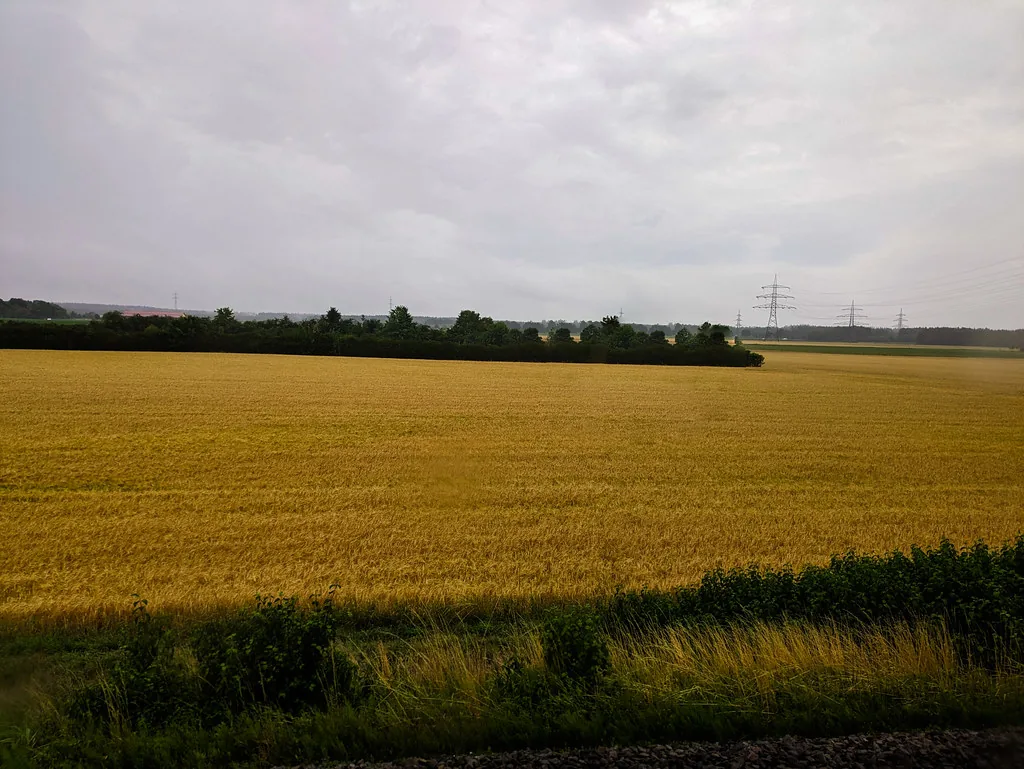
Kiosk sits on Március 15. tér in District 5, directly beside the Elisabeth Bridge, with an outdoor terrace that overlooks the Danube. The interior occupies the former gymnasium of a historic Piarist school — high ceilings, industrial fittings, and a view that few restaurants in the city can match. The menu updates Hungarian classics without losing their identity. The goulash soup is properly rich, the chicken paprikash arrives with truffle-infused egg noodles, and the mákosguba (poppy seed bread pudding) is worth ordering even if you are full. Mains run €12–16 and advance booking is essential.
Menza anchors the café-lined Liszt Ferenc tér in District 6 and has been one of the city's most consistent restaurants for two decades. The atmosphere shifts across the evening — brighter and quieter at lunch, dimmer and livelier by 21:00. Start with húsleves (meat broth soup), follow with the pork schnitzel or veal paprikash with egg dumplings, and save room for the somlói galuska or Kaiserschmarrn. Mains are €12–18. The service is attentive and genuinely informed. Reservations are non-negotiable here.
Jewish Quarter Restaurants: Gettó Gulyás and Szaletly
Gettó Gulyás on Wesselényi utca in District 7 is the go-to for Hungarian classics in the heart of the Jewish Quarter. The name references the ghetto that this neighborhood became in the winter of 1944, and the menu reflects that history with Jewish-Hungarian crossovers like "Jewish egg" spread (a Shabbat appetizer) alongside bone marrow toast and cottage cheese dumplings (túrógombóc) finished with sour cream and powdered sugar. For deeper context on the district's history, see Hungary's official tourism site. The short menu focuses tightly on paprika-forward dishes: goulash, Hortobágyi palacsinta, catfish paprikash, pörkölt with tarhonya. Same-day bookings are essentially impossible — plan ahead. After dinner, Szimpla Kert is steps away.
Szaletly on Stefánia út near City Park sits slightly outside the center but rewards the fifteen-minute tram ride. Head chef Dániel Bernát treats the menu as a serious examination of what traditional Hungarian food can be in 2026. Highlights include halászlé (fish soup), fogas pike-perch, Mangalica layered potatoes (rakott krumpli), and Stefánia vagdalt — a meatloaf named after Habsburg Crown Princess Stéphanie whose name the street still bears. Mains run €15–22. Leave room for somlói galuska or mákos guba at the end.
Stand25 Bistro and Café Kör: Two Levels of Refinement
Stand25 Bistro on Attila út in District 1 (Buda side) was opened by Szabina Szulló and Tamás Széll — the latter a European Bocuse d'Or winner — after they left their Michelin-starred restaurant to prove that traditional Hungarian fare could be elevated without losing its soul. The goulash soup arrives with perfectly crusted beef, brightened with celery root and lemon peel. The sweet noodle plates are spectacular: túrógombóc with cherry preserves, diós nudli (potato dumplings with ground walnuts), and hazelnut-cream palacsinta. Mains cost €20–28, making this the priciest entry on this list. The crowd skews corporate at lunch but it remains one of the most important restaurants in the city. Book well ahead.
Café Kör on Sas utca in District 5 has been a downtown institution since 1995 and has resisted every trend that could have diluted it. The owner Gábor Molnár is typically present, the tightly packed tables and bentwood Thonet chairs are unchanged, and the menu delivers solid classics — outsize schnitzel, seasonal főzelék with meatballs, sour cherry soup in summer. Mains run €12–18. The restaurant is closed on Sundays. Booking is by phone (+36 1 311 0053) and is required.
Fekete Holló and Kéhli Vendéglő: Castle Hill and Óbuda
Fekete Holló (Black Raven) on Országház utca in District 1 is one of the few genuinely good restaurants on tourist-heavy Castle Hill. The barrel-vaulted medieval interior sets the mood for catfish paprikash with egg dumplings, cigánypecsenye (fried pork with onions), and pörkölt. Mains are €15–20. The name references the raven on the coat of arms of King Matthias Corvinus, who commissioned the nearby Matthias Church. It is not the cheapest option on the hill but it is reliably honest.
Kéhli Vendéglő in Óbuda (District 3) is the place to go if you want live Romani music with dinner. The restaurant earned its reputation as the regular haunt of gourmet-writer Gyula Krúdy (1878–1933), who lived around the corner. The house specialties include stuffed cabbage, catfish paprikash with túrós csusza, and Gundel palacsinta served aflame. Music plays every evening and at Sunday lunch. Mains are €15–22 and despite the prestige, most tables are filled by local Hungarians rather than tourists. Located in Óbuda, it is a 20-minute ride from the center but worth it.
Gundel and Rosenstein: The Heritage Institutions
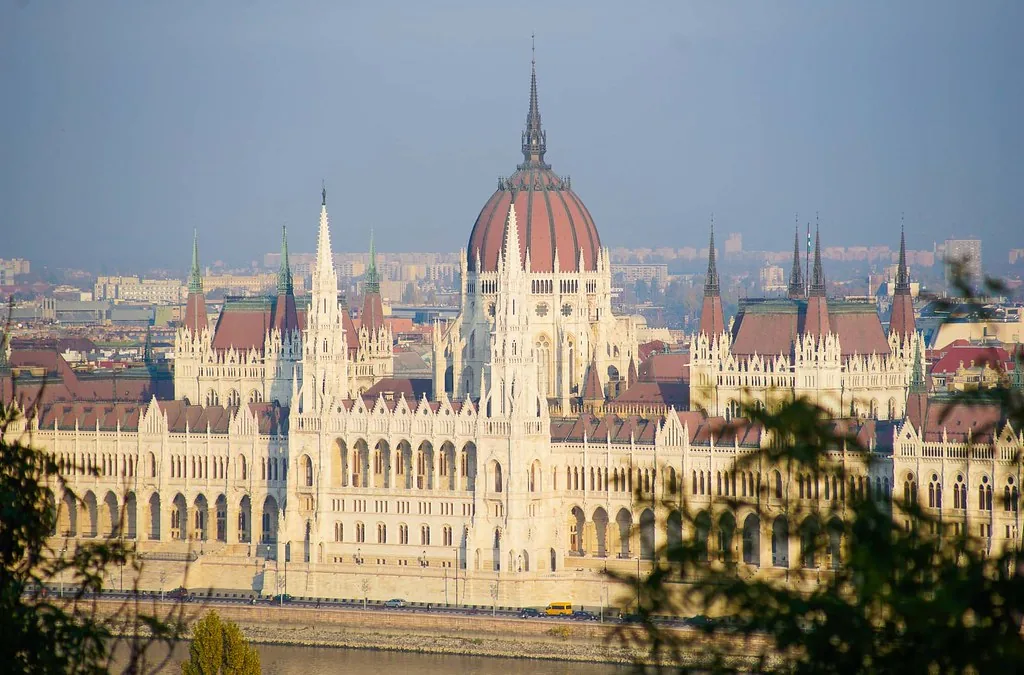
Gundel Restaurant near City Park in District 14 is the most storied name in Hungarian gastronomy. Founded in 1910, it served royalty and heads of state, was nationalized and ruined during communism, and was revived in 1991 with a $22 million restoration. The restaurant changed hands again in 2021 and the current management has stabilized the kitchen. The Gundel classics are the reason to visit: palóc soup, Kárpáti fogas (pike-perch), and the famous Gundel pancake filled with walnut and rum. Mains are €16–22. The dress code is smart-casual for dinner; the garden is one of the city's finest places to eat in summer.
Rosenstein on Mosonyi utca in District 8 occupies a more modest address near Keleti railway station, but it is widely considered one of the most important restaurants in the city. Tibor Rosenstein started the family operation in 1996; his son Róbert now helms the kitchen. The menu bridges traditional Hungarian fare (goulash, pörkölt, stuffed cabbage) and Hungarian-Jewish cooking. The catfish paprikash with crispy pork fat bits is a standout. On Fridays, the kitchen serves cholent — the slow-cooked Shabbat dish of beans, pearl barley, and brisket — alongside Judit Vámos's flódni, a layered Purim cake. Mains run €15–25. Book ahead and consider a taxi from the center.
Étkezde Culture: The Lunch Canteens Tourists Overlook
One category that almost no travel guide covers properly is the étkezde — Budapest's surviving neighborhood lunch canteens. These are no-frills, lunch-only spots that operate Monday through Friday and close once the food runs out. They are not restaurants in the conventional sense: there is no evening service, no wine list, and often no menu in English. What they offer instead is genuinely home-cooked Hungarian food at prices that can be under 2,000 HUF for a full meal.
Most étkezde canteens operate cash-only and close by early afternoon when the kitchen runs out of stock. Arrive before 13:00 with forint in hand — these are the most authentic, least touristy meals in Budapest and worth planning your lunch schedule around.
Öcsi Étkezde on Bérkocsis utca in District 8 is the closest thing to a functioning time capsule. Erzsi cooks everything herself — the schnitzel variations (frissensültek), főzelék, and meatballs are consistently excellent. Her husband Feri takes orders and knows most customers by name. The crowd on any given weekday includes longtime regulars, local office workers, and the occasional tourist who found their way here. It is open Monday through Thursday only. Balla-Hús (Tamás Kifőzdéje) on Városház utca in District 5 is the downtown equivalent: a butcher-shop-turned-eatery that has operated since 1951. Breakfast is scrambled eggs with sausage and paprika; lunch is a steam-table spread of goulash, roasted meats, and főzelék. Arrive before 13:00.
Róma Ételbár on Csalogány utca in District 1 was revived in 2020 after the original owner retired. A young team brought back the classic étkezde format: goulash soup, pörkölt, layered cabbage, rice pilaf, and cottage cheese dumplings, all for around €8–10. The crowd is diverse and the service quick. These three spots collectively represent the most honest and least touristy dining experiences in the city. None of them accept reservations — just show up early.
Buja Disznó(k) and the Buda Market Lunch
For a quick and very good lunch on the Buda side, Buja Disznó(k) inside the Fény utca market in District 2 is the top choice. Chef Lajos Bíró has several locations across the city but this market spot is the most atmospheric. The signature is sour lungs with bread dumplings (beuschel), alongside fried duck liver, roasted pork liver, and a giant schnitzel. On Fridays the kitchen serves cholent and flódni. After your meal, cross the street to Auguszt pastry shop for a Dobos torte or krémes. The market has its own hours — check them before making the trip, as it closes earlier than a standard restaurant.
The Fény utca market visit pairs well with an afternoon in the Budapest neighborhoods guide for the Buda side. The neighborhood around the market has a residential, unhurried feel that contrasts sharply with the tourist density across the river. You will find locals shopping for produce, butchers at work, and a food culture that feels genuinely separate from what most visitors see of the city.
Practical Tips for Dining in Budapest in 2026
Always book your table 7–10 days in advance at mid-range and fine-dining restaurants; same-day reservations are almost impossible at popular spots like Gettó Gulyás or Menza on weekends. For étkezde canteens, no reservation is needed — just arrive early.
Tipping is expected at 10% in most Budapest restaurants and bars, rising to 15% for exceptional service. An increasing number of places add an automatic service charge of 10–12% to the bill — your server may or may not mention this, so always check before you add a separate tip. Hungary still uses the forint rather than the euro, and prices frequently run into the thousands, so double-check the zeros on your bill before paying.
Card payments are legally required at all Hungarian cafés and restaurants since 2021, so every establishment on this list must accept cards. However, carry some forint for market stalls and smaller canteens where the card reader may be slow or awkward. Main dishes in mid-range restaurants run €10–17; for more details on fine-dining options, check official Hungarian tourism guides. Tasting menus at the handful of Michelin-starred establishments start at €65 and climb to €150 per person excluding wine.
Many restaurants across the city are closed on Sundays and fine-dining spots often close on both Sunday and Monday. If you are planning a Sunday dinner, confirm the hours of wherever you intend to go. Smoking has been banned indoors since 2012. Late-night dining is difficult — most sit-down kitchens close by 22:00, and your options after that point narrow quickly to gyro joints and pizza. Plan your evening meals early. You can find more ideas for spending your time in the city in our guide to hidden gems in Budapest.
Hungry for more than just food? Pair this with our guide to hidden gems in Budapest for the offbeat sights between meals.
Frequently Asked Questions
Which best local restaurants in budapest options fit first-time visitors?
First-time visitors should start with Menza or Gettó Gulyás for a high-quality introduction to Hungarian flavors. These spots offer classic dishes like goulash and paprikash in a comfortable, stylish setting. They are centrally located and very welcoming to international guests. You can find more tips in our Budapest travel guide.
How much time should you plan for best local restaurants in budapest?
Plan at least 90 minutes for a standard sit-down dinner in Budapest. Hungarian service is often relaxed, allowing you to enjoy multiple courses without feeling rushed. For quick lunches at an étkezde, 30 to 45 minutes is usually sufficient. Always allow extra time for popular spots that may have a short wait.
What should travelers avoid when planning best local restaurants in budapest?
Avoid restaurants directly on Váci Street or those with staff outside waving menus at passersby. These are often overpriced and lack the quality found in local neighborhoods. Also, avoid visiting popular spots without a reservation on Friday or Saturday nights. Many authentic places also close on Sundays, so check hours in advance.
Budapest is a city that rewards travelers who eat with curiosity and an open mind. From the historic grand cafés to the humble neighborhood canteens, the flavors are consistently bold and satisfying. You will leave the city with a new appreciation for the complexity of Central European cuisine. Each meal offers a chance to connect with the local culture and history.
Remember to book your tables early and step away from the main tourist paths to find the best value. Whether you are enjoying a giant schnitzel at Buja Disznó(k) or a refined meal at Rosenstein, the quality is exceptional. We hope this guide helps you find the most delicious experiences during your stay. Enjoy every bite of your journey through the best local restaurants in Budapest.
Continue exploring
More guides you'll find useful