Munich Local Food Guide: Best Bavarian Eats 2026
Discover a complete Munich local food guide covering Bavarian dishes, beer gardens, and walking food tours. Plan a tasty 2026 Munich trip now.
On this page
Your Munich Local Food Guide To Real Bavarian Eats
A Munich local food guide should start with what is actually on your plate, not just where to sit. Bavaria's capital blends hearty classics like weisswurst and pretzels with global flavors packed into small neighborhood spots. Expect real dish prices, the best food-focused neighborhoods, and tips for booking a walking food tour. You will also find planning tips for beer gardens and evening cocktail bars worth the detour.
Munich Local Food Guide: Bavarian Dishes
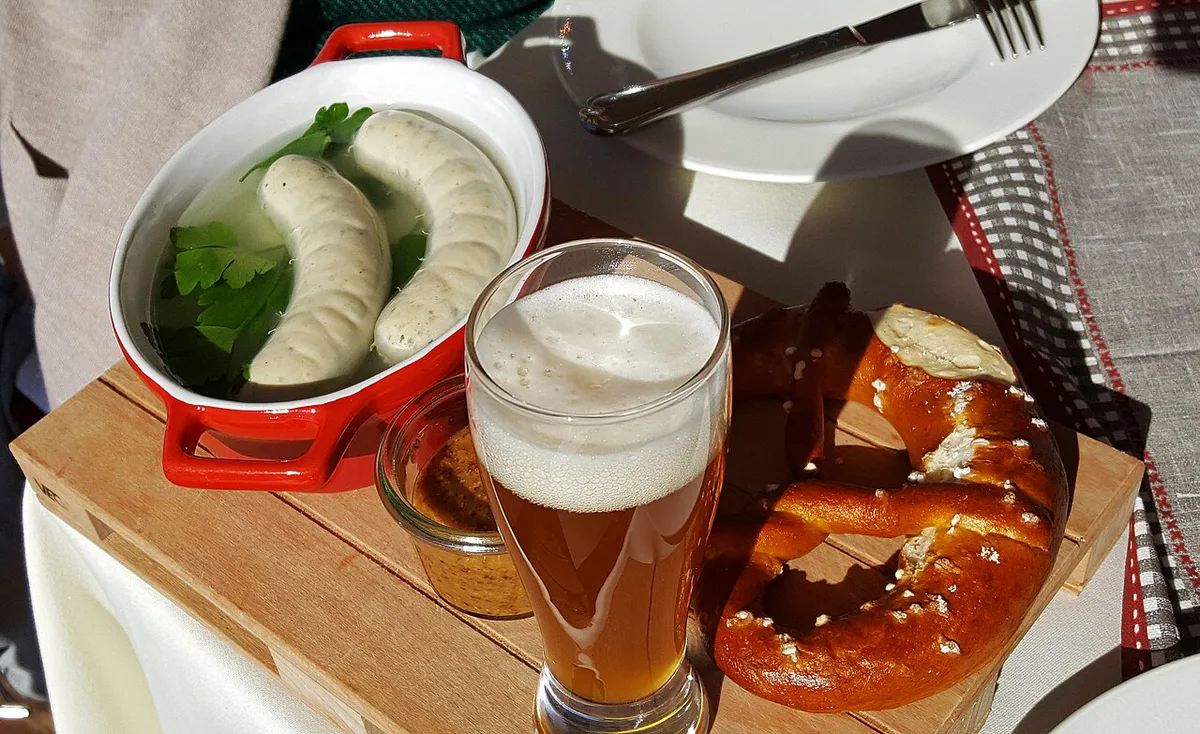
Bavarian cooking blends hearty comfort food with market-fresh produce and delicate pastries. Traditional dishes show up on nearly every menu, from beer halls to bakery counters. Knowing what to order first makes navigating a Munich menu far less overwhelming. AFAR magazine’s top list highlights a few additional local favorites worth trying.
A pretzel typically runs about 1,40 euros, while classic potato salad costs around 3,90 euros. Sausage plates and soups often land between 6 and 8 euros at traditional restaurants.
Beer usually comes in two pours, a half-liter or the full one-liter Maß. A half-liter runs close to 4,44 euros, and a full Maß costs around 9,20 euros. Pair either size with a soft pretzel for the classic Bavarian lunch combo.
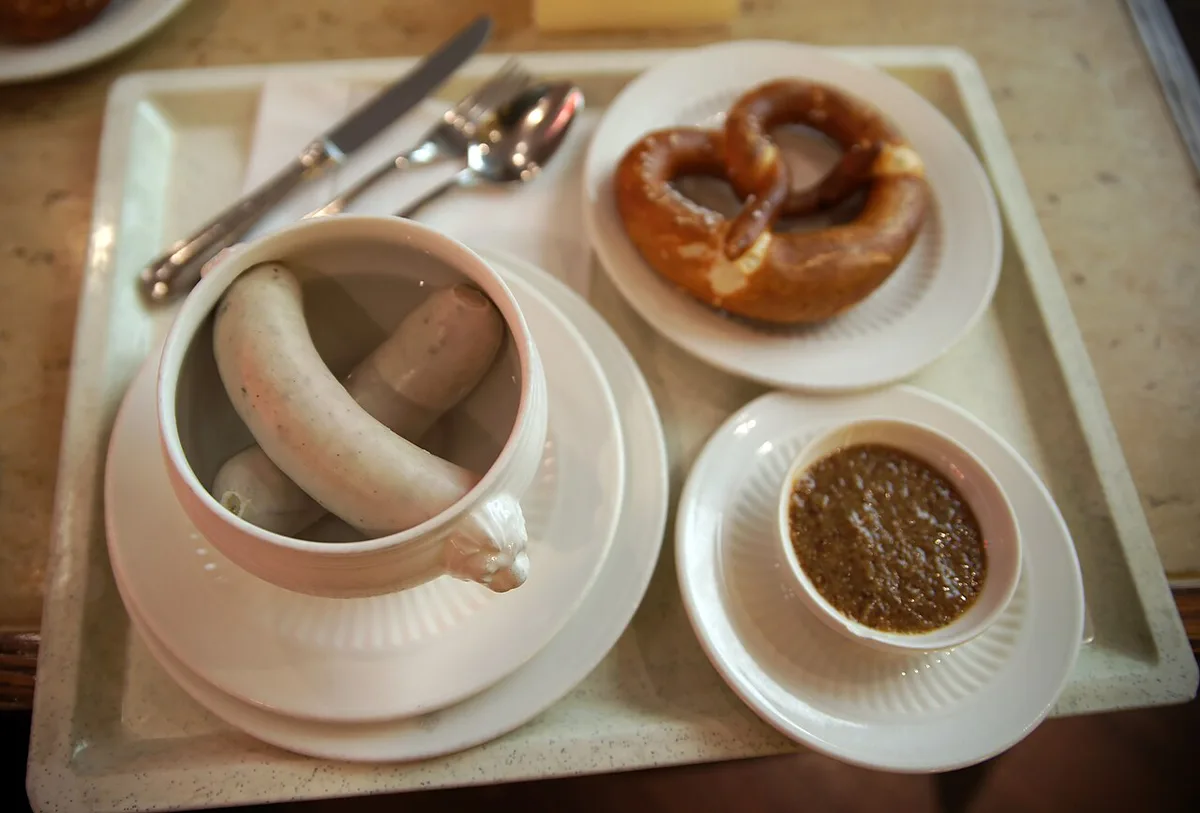
- Weisswurst, Bavaria's classic veal sausage
- Serving: two sausages per order
- Price: around 5,90 euros
- Where: beer halls and traditional Wirtshaus
- Tip: pair with sweet mustard and a pretzel
- Brezn, the soft Bavarian pretzel
- Price: about 1,40 euros
- Where: bakeries and beer garden stalls
- Tip: best eaten fresh and still warm
- Bavarian potato salad, a beer hall side
- Price: around 3,90 euros
- Style: vinegar-based, not creamy
- Pairs well with: sausages or schnitzel
- Schmalznudel, a Munich fried pastry
- Price: about 12,10 euros with two coffees
- Where: classic Munich cafes
- Best for: an afternoon coffee break
Where Locals Eat: Munich's Food Neighborhoods
Munich's food scene spreads well beyond the old town and Marienplatz. Several residential districts pack in strong local kitchens without the tourist markup. The Munich Neighborhoods Guide: Best Areas to Explore breaks down which areas suit different travel styles.
Glockenbachviertel pairs canal-side cafes with a lively bar and restaurant strip. The Glockenbachviertel guide lists specific spots worth a detour. Evenings here trend toward small plates rather than beer hall standards.
Haidhausen keeps a quieter, more residential feel east of the Isar River. The Haidhausen neighborhood guide highlights bakeries and family-run restaurants nearby. Expect shorter waits here than in the packed old town core.
For a broader restaurant shortlist, the 10 Best Local Restaurants in Munich (2026) guide covers options by budget. Booking ahead helps on weekends, since many family-run spots seat under 40 guests. Walk-ins still work well on weekday lunches at most neighborhood restaurants.
Munich Beer Gardens and Drinking Culture
Beer gardens remain central to how Munich eats and socializes outdoors. Many traditional gardens still let visitors bring their own food to shared tables. This self-service tradition dates back to old Bavarian brewing regulations.
Many traditional Munich beer gardens allow visitors to bring their own food to shared tables—a self-service tradition dating back to old Bavarian brewing regulations.
The 10 Best Beer Gardens in Munich for 2026 guide ranks options by size and shade. Large gardens can seat several thousand guests under chestnut trees. Smaller neighborhood gardens offer a calmer setting with shorter lines at the taps.
Standard beer garden hours run from late morning into the evening during warmer months. Weather can shift plans quickly, so check current hours before a longer trip across town. Locals often treat a beer garden visit as an early dinner rather than a late-night stop.
Booking a Munich Food Walking Tour
Guided walking tours group several tastings into one structured afternoon. Groups typically meet at Marienplatz, often near the Fischbrunnen fountain by the Glockenspiel. Arriving about 10 minutes early helps guides start the group on schedule.
Wear comfortable shoes for walking food tours, as most routes cover roughly three kilometers with few long pauses. Tours typically run two hours and guides adjust routes indoors during bad weather.
Most food tours run close to two hours and cover roughly three kilometers on foot. Comfortable shoes matter more than fashion, since the route rarely pauses for long. Guides typically adjust the route indoors if rain or snow interrupts an outdoor stop.
Tipping is not included in most tour prices, but it is expected for good service. A tip of around 10 euros per person is common for a well-run two-hour tour. Ask the operator directly about current pricing, since tour costs change with the season.
A guided tour suits travelers who want context alongside their food, not just a list of addresses. Independent eaters who prefer flexible timing may get more value from a self-planned neighborhood crawl instead. Either approach works well paired with the Best Time to Visit Munich Without Crowds (2026) guide for scheduling.
Cocktail Bars Worth Planning an Evening Around
Munich's cocktail scene extends well past the beer hall stereotype after dark. A short list of bars has built genuine international reputations over recent decades. Two names come up again and again among longtime regulars and visiting bartenders. Michelin’s Top Munich restaurants list adds more fine-dining options beyond the bar scene.
Schumann's Bar has ranked among the World's 50 Best Bars, known for a precise Negroni. Reservations help on weekend nights, since the bar draws both locals and visiting bartenders. Arriving earlier in the evening improves the chance of a seat at the bar.
Bar Centrale brings a Milano-style coffee counter feel to central Munich. Mornings suit a relaxed espresso stop before a day of sightseeing. Choose Bar Centrale for a daytime coffee break, and Schumann's for a dedicated cocktail evening.
More Bavarian Dishes to Try Beyond Weisswurst
Beyond weisswurst and pretzels, a few more staples turn up on nearly every traditional Munich menu and are worth knowing before you order. Käsespätzle, a specialty tracing back to the Allgäu region, is soft egg noodles baked with mountain cheese and topped with crispy fried onions — a filling vegetarian option at beer halls that otherwise lean heavily on meat and sausage. Obatzda is a soft, spiced cheese spread mixed with butter, paprika, and onion, traditionally served with a pretzel or dark bread as a beer garden snack rather than a full meal. Schweinshaxe, a roasted pork knuckle with crackling skin, is a heavier main usually paired with dumplings or sauerkraut and substantial enough to share between two people. Leberkäse, a baked meatloaf-style block served in thick slices on a bread roll, is the quickest lunch option and a common stand item near the Viktualienmarkt. Ordering one of these alongside the classic weisswurst-and-pretzel combo rounds out a first-timer's sense of Bavarian cooking beyond the basics most tourist menus stick to.
Frequently Asked Questions
What food is Munich famous for?
Munich is known for hearty Bavarian dishes like weisswurst, pretzels, and potato salad. Beer halls and outdoor beer gardens serve most of these staples alongside a cold Maß. Bakeries and cafes round out the local food scene with pastries like schmalznudel.
How much does Bavarian street food cost in 2026?
Expect around 1,40 euros for a pretzel and roughly 5,90 euros for a weisswurst order with two sausages. A half-liter beer runs close to 4,44 euros, while a full liter Maß costs about 9,20 euros. Prices can shift by venue, so treat these as a general guide.
Is a Munich food walking tour worth booking?
A walking tour suits travelers who want history and context alongside each tasting stop. Most tours run about two hours, cover roughly three kilometers, and expect a tip near 10 euros. Independent eaters short on time might prefer the Hidden Gems in Munich Travel Guide guide instead.
What is the best neighborhood in Munich for food?
Glockenbachviertel and Haidhausen both offer strong neighborhood dining without heavy tourist crowds. Glockenbachviertel leans toward small plates and wine bars, while Haidhausen keeps a quieter, family-run feel. Compare both against the wider Munich local food guide neighborhoods before booking a hotel.
When is the best time to visit Munich beer gardens?
Beer gardens run busiest from late morning through early evening in warmer months. Weekday afternoons tend to have shorter waits than weekend evenings near the city center. Check current hours locally, since seasonal weather can shift outdoor seating plans quickly.
Other Cities Where Eating Locally Takes Some Planning
Bavarian food is regional in a way that rewards knowing what to order before you sit down. The same is true of Bruges — our Bruges food guide covers where locals eat once the coach parties leave — and of Ljubljana, where the local food guide maps a cuisine that borrows from Austria, Italy and the Balkans at once.
A Munich local food guide works best when paired with a flexible day-by-day plan. Balance classic Bavarian staples like weisswurst and pretzels with a neighborhood detour or two. For more context on timing a trip, a great 36 Hours in Munich story from the NYTimes pairs well with this list. Save the beer garden and walking tour sections for whichever day fits the forecast best.
Continue exploring
More guides you'll find useful