Munich Neighborhoods Guide: Best Areas to Explore
This Munich neighborhoods guide covers Altstadt, Glockenbachviertel, and Haidhausen, with tips on timing, safety, and where to stay for 2026 trips.
On this page
Munich Neighborhoods Guide for Every Trip Style
This Munich neighborhoods guide breaks down the city's districts, from the medieval Altstadt to riverside Au. Each neighborhood has its own pace, mixing beer halls, museums, parks, and market squares. Knowing where these areas sit on the map helps you choose a smarter base for your trip.
Munich splits naturally along the Isar River and the S-Bahn ring that circles the center. Areas inside that ring stay walkable, while ones farther out trade convenience for lower prices and more space. The sections below cover the main districts, with links to deeper neighborhood guides for further planning.
Munich Neighborhoods Guide: Getting Oriented
Munich fans out from the Isar River, with the Altstadt sitting at the historic center. A ring of S-Bahn and U-Bahn lines circles the core, and most travelers stay somewhere along it. Districts inside that ring stay walkable, while areas farther out trade some convenience for lower prices.
Districts inside the S-Bahn ring stay walkable, often under 20 minutes end to end. Neighborhoods farther out trade walking convenience for lower prices and space.
| Neighborhood | Best For | Access | Vibe |
|---|---|---|---|
| Altstadt | First-time visitors | Center of MVV network | Markets and beer halls |
| Glockenbachviertel | Nightlife and food | Short walk to Isartor | Independent shops and bars |
| Haidhausen | Culture and beer gardens | Tram to Altstadt | Relaxed, local feel |
| Maxvorstadt | Art and museum days | U-Bahn to center | Student energy, galleries |
| Westend | Budget stays, festival season | U-Bahn Theresienwiese stop | Quiet outside festival dates |
The neighborhoods below cover the areas visitors ask about most, from museum-heavy Maxvorstadt to riverside Au. Use the quick reference list to match a district to your travel style before booking a place to stay.
Central districts pack in more sights per block, so short trips often work best based there. Longer stays leave room to add a quieter neighborhood across the river without losing easy transit access.
- Altstadt: historic core, most walkable
- Best for: first-time visitors
- Access: center of MVV network
- Vibe: markets and beer halls
- Glockenbachviertel: trendy bars and cafes
- Best for: nightlife and food
- Access: short walk to Isartor
- Vibe: independent shops and bars
- Haidhausen: cultural hub across the river
- Best for: culture and beer gardens
- Access: tram to Altstadt
- Vibe: relaxed, local feel
- Maxvorstadt: museum quarter near universities
- Best for: art and museum days
- Access: U-Bahn to center
- Vibe: student energy, galleries
- Westend: Oktoberfest grounds and parks
- Best for: budget stays, festival season
- Access: U-Bahn Theresienwiese stop
- Vibe: quiet outside festival dates
Central Neighborhoods: Altstadt to Lehel
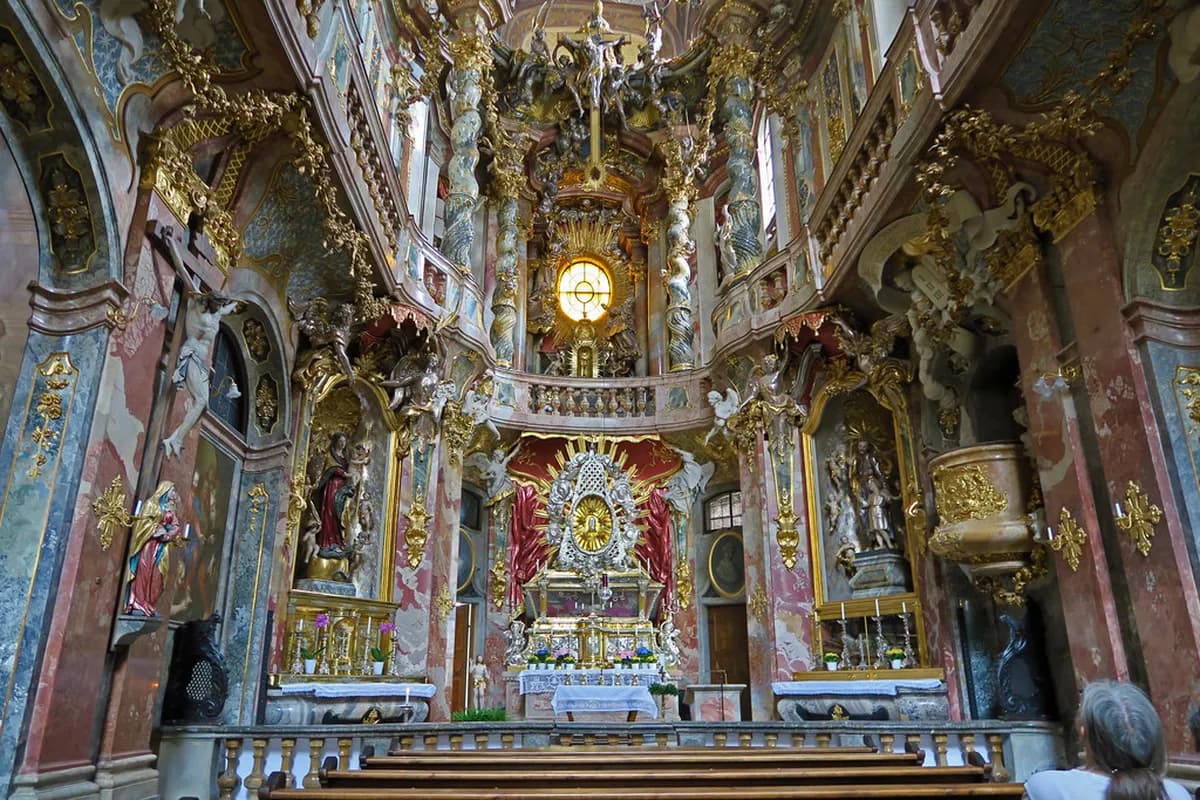
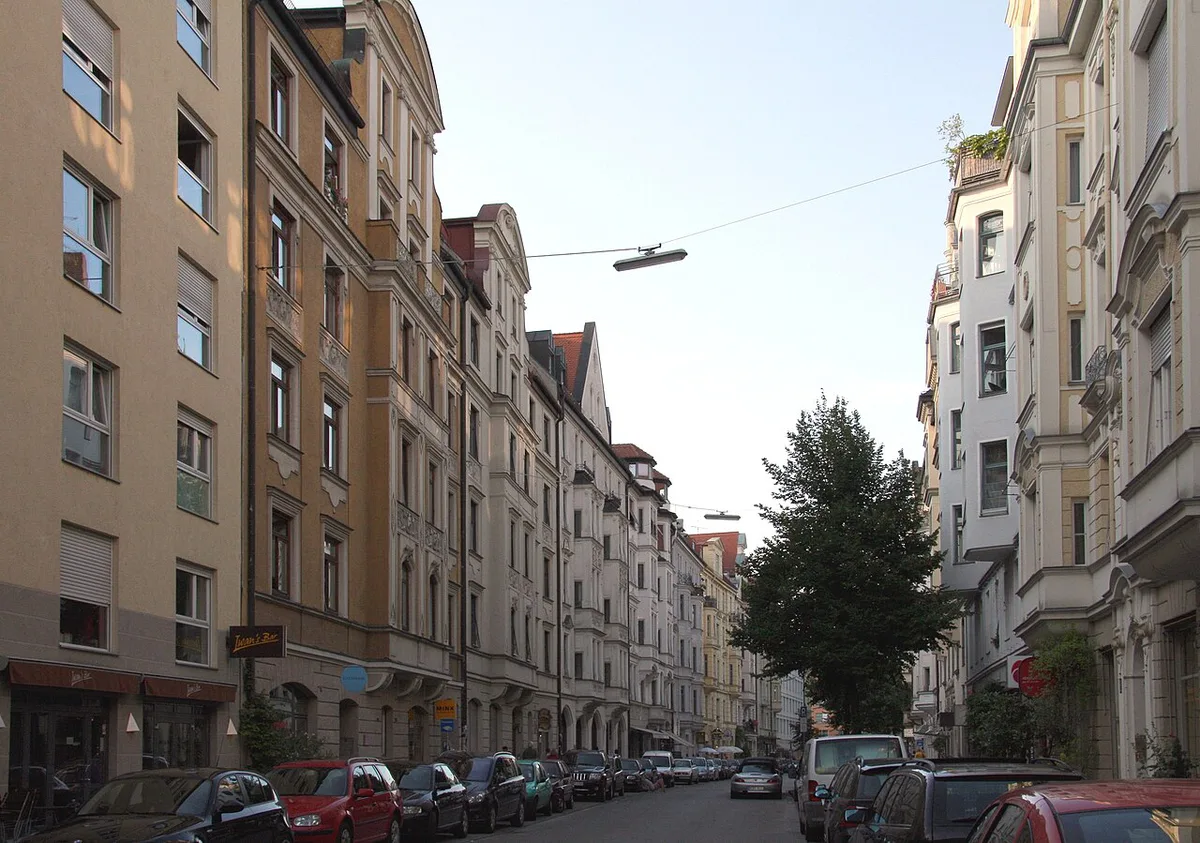
Altstadt is Munich's medieval walled center, packed with squares, markets, and the twin-towered Frauenkirche. Its compact size means you can walk between major sights in under 20 minutes. The baroque Asamkirche sits on Sendlinger Strasse, a short detour from the main shopping streets.
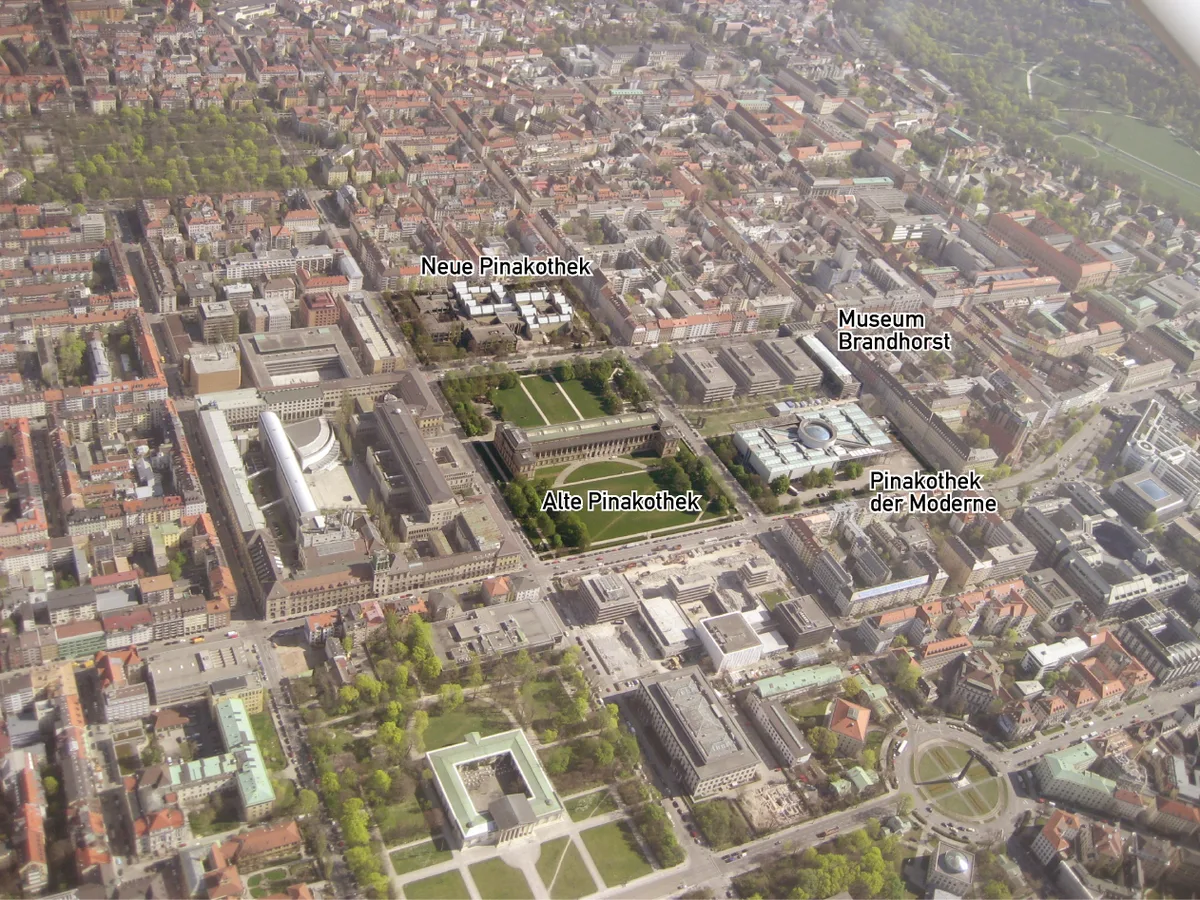
North of Altstadt, Maxvorstadt earns its nickname as the museum quarter. The Pinakothek galleries and university crowd give the district a livelier, younger feel. Near Königsplatz, the Adina Apartment Hotel Munich offers apartment-style rooms within walking distance of the museums.
East of Altstadt, Lehel feels quieter and more residential, with leafy streets near the English Garden. It suits travelers who want a central base without the busiest foot traffic. The Lehel neighborhood guide covers its museums, cafes, and closest transit stops in more depth.
South Munich: Glockenbachviertel & Westend
South of Altstadt, Glockenbachviertel centers on the lively Gärtnerplatz square. Independent shops, cocktail bars, and casual restaurants line its side streets. The Glockenbachviertel guide breaks down where to eat and how the area shifts after dark.
This district works well for travelers who want nightlife within walking distance of the center. Families or early risers may prefer a quieter base like Lehel or Au instead.
West of Altstadt, Westend is best known for Theresienwiese, the open field that hosts Oktoberfest. Outside festival dates, the area stays calm, with Bavariapark and the Verkehrszentrum transport museum nearby. The Westend guide has more on visiting when the festival grounds sit empty.
East of the Isar: Haidhausen and Au
Across the river from Altstadt, Haidhausen has a distinct, cafe-lined feel once you cross the bridge. The Gasteig cultural center and the historic Wiener Platz square anchor the district. The Haidhausen guide covers its beer gardens and the daily food stalls at Wiener Platz.
Just south of Haidhausen, Au feels more residential, with cobbled backstreets and older houses. It suits travelers who want lower rates without giving up a short tram ride into the center. The Au neighborhood guide has details on getting between the two districts on foot.
This side of the city also works well for longer stays or business trips. The Residence Inn by Marriott Munich City East sits on this side of town with easy access back to the center.
Where to Stay and Get Around Munich
Choosing a base comes down to trip length and how much walking you want to do. Short trips of two or three days usually work best from Altstadt or Lehel. Longer stays give you room to add Haidhausen, Au, or Westend without losing easy transit links.
Book accommodation early during Oktoberfest, as rooms across the entire city fill quickly. Westend and Altstadt prices climb the most during festival season, so reserve ahead.
The Pullman Munich is another option worth comparing if central rooms are booked up. Rooms across the city fill quickly during Oktoberfest, so book well ahead if your dates overlap. Prices in Westend and Altstadt tend to climb the most during those weeks.
Munich's MVV network links every district with S-Bahn, U-Bahn, and tram lines. Check current fares and schedules on the official MVV site before your trip, since prices update yearly.
For the wider city context, see our complete Munich tourism attractions guide.
North Munich: Schwabing and Nymphenburg
North of the Altstadt, Schwabing is Munich's historic bohemian quarter, once home to artists like Wassily Kandinsky and still anchored by the Ludwig-Maximilians University campus. Leopoldstraße, its main boulevard, is lined with cafes, boutiques, and bars that stay busy into the evening, and the district borders the English Garden's northern reaches for an easy park walk. It suits travelers who want a livelier, younger base with quick U-Bahn access (U3/U6) back to Marienplatz in a few stops.
Further west, Nymphenburg centers on Schloss Nymphenburg, the Wittelsbach family's Baroque summer palace, set inside a large landscaped park with canals, pavilions, and a botanical garden. The area is quieter and more residential, better suited to travelers prioritizing the palace grounds over nightlife. Tram 17 connects Nymphenburg directly to the Hauptbahnhof and Karlsplatz, making it workable as a slightly farther-out base without losing a direct transit link to the center.
- Schwabing: university energy, Leopoldstraße cafes, English Garden access, U3/U6
- Nymphenburg: palace and gardens, quieter pace, Tram 17 to Hauptbahnhof
Frequently Asked Questions
Which Munich neighborhood is best for first-time visitors?
Altstadt is the easiest base for a first visit, with major sights inside a compact walking core. It puts Marienplatz, the Residenz, and the Viktualienmarkt within a short stroll of each other. Expect higher room rates here than in outer districts, especially during peak travel months.
Is Munich walkable, or do travelers need public transit?
Central districts like Altstadt and Lehel work well on foot, often in under 20 minutes end to end. Neighborhoods farther from the core, such as Haidhausen or Westend, rely more on the U-Bahn and tram network. Most visitors mix walking with transit for longer trips across town.
Are there Munich neighborhoods travelers should avoid?
Munich is generally considered safe, and no central district carries a strong reputation to avoid. Some outer areas feel quieter after dark simply because they are more residential and less lit. Sticking to well-reviewed accommodation and staying aware at night covers most practical concerns.
How much time should travelers plan for exploring Munich's neighborhoods?
Three to four full days let you cover Altstadt, Glockenbachviertel, and one or two neighborhoods farther out. A week allows time for day trips plus a slower pace through Haidhausen or Au. Matching stay length to a few districts beats rushing through all of them at once.
What is one thing to explore beyond Munich's main neighborhoods?
Beyond the central districts, Munich has quieter corners worth a slower look on a longer stay. This Off the Beaten Path in Munich: 2026 Travel Guide guide rounds up spots that skip the busiest tourist routes. It pairs well with a neighborhood-by-neighborhood itinerary.
How Other European Cities Divide Up
If you plan trips by neighbourhood rather than by sight, the same approach works elsewhere. Kraków's neighbourhood guide splits the city between the Old Town, Kazimierz and Podgórze; Brussels's districts are genuinely distinct communes rather than quarters; and Bruges's quarters matter mostly for how far you are from the day-trip crowds.
Munich's neighborhoods each offer a different pace, from the historic core to riverside districts across the Isar. Matching your base to your travel style makes the city easier to enjoy. Altstadt suits short trips, while Haidhausen or Au reward travelers with more time to spare.
Use this overview to narrow down a first choice, then dig into the linked neighborhood guides for details. Munich rewards a bit of planning, especially around Oktoberfest dates when rooms fill fast. A few extra days spent across two or three districts usually beats trying to see everything at once.
Continue exploring
More guides you'll find useful