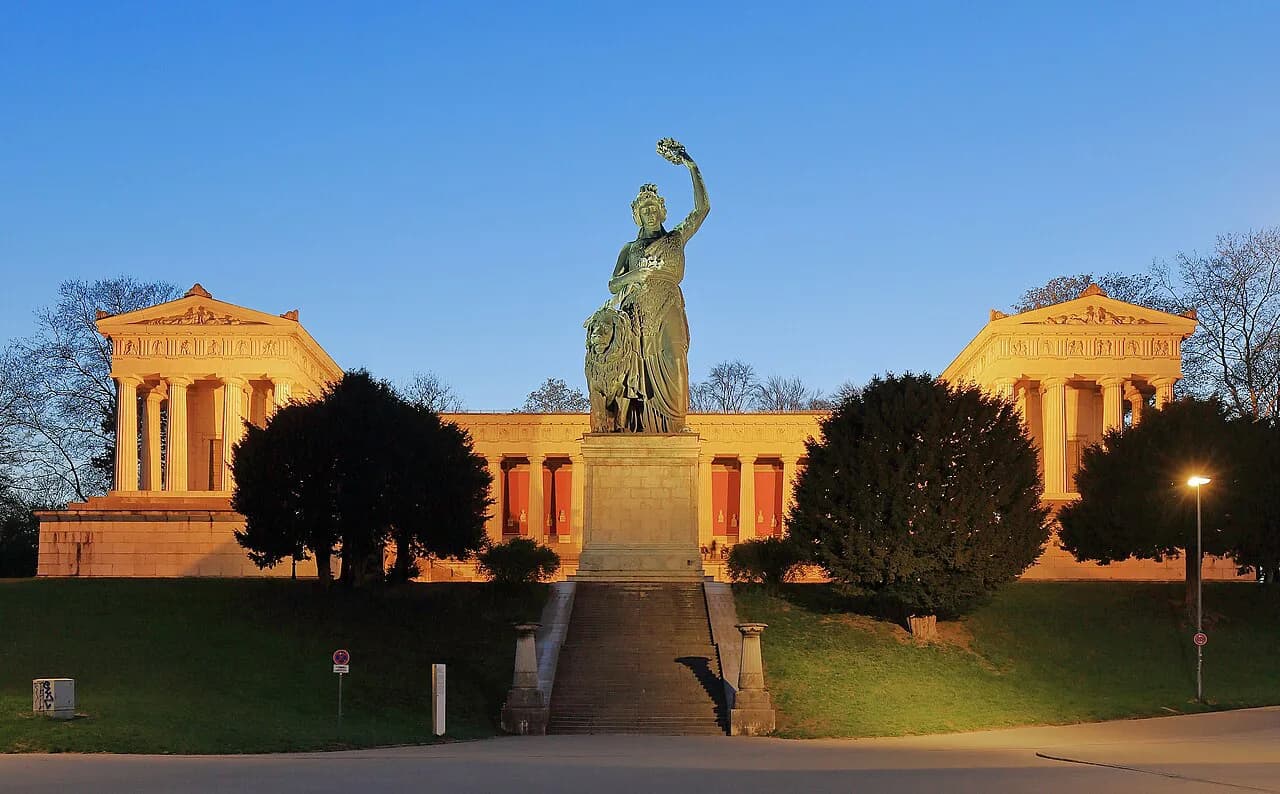
Haidhausen Munich Travel Guide
Explore Haidhausen Munich with local history, top sights, parks, and museums. Get practical tips on timing, transport, and budget-friendly stops today.
On this page
Haidhausen Munich: Complete Neighborhood Guide
Haidhausen sits on Munich's eastern riverbank, a short walk from the city center. Locals sometimes call it the French Quarter, thanks to streets named after the 1870-71 war. This Haidhausen Munich guide blends quiet residential charm with concerts, museums, and riverside parks.
This guide fits into the broader Munich Neighborhoods Guide: Best Areas to Explore for context on nearby districts. Expect notes on historic sights, the Müller'sche Volksbad, and family-friendly outdoor spots. Timing tips and nearby districts round out the plan for a smoother visit.
Haidhausen Munich: Location in Borough 5
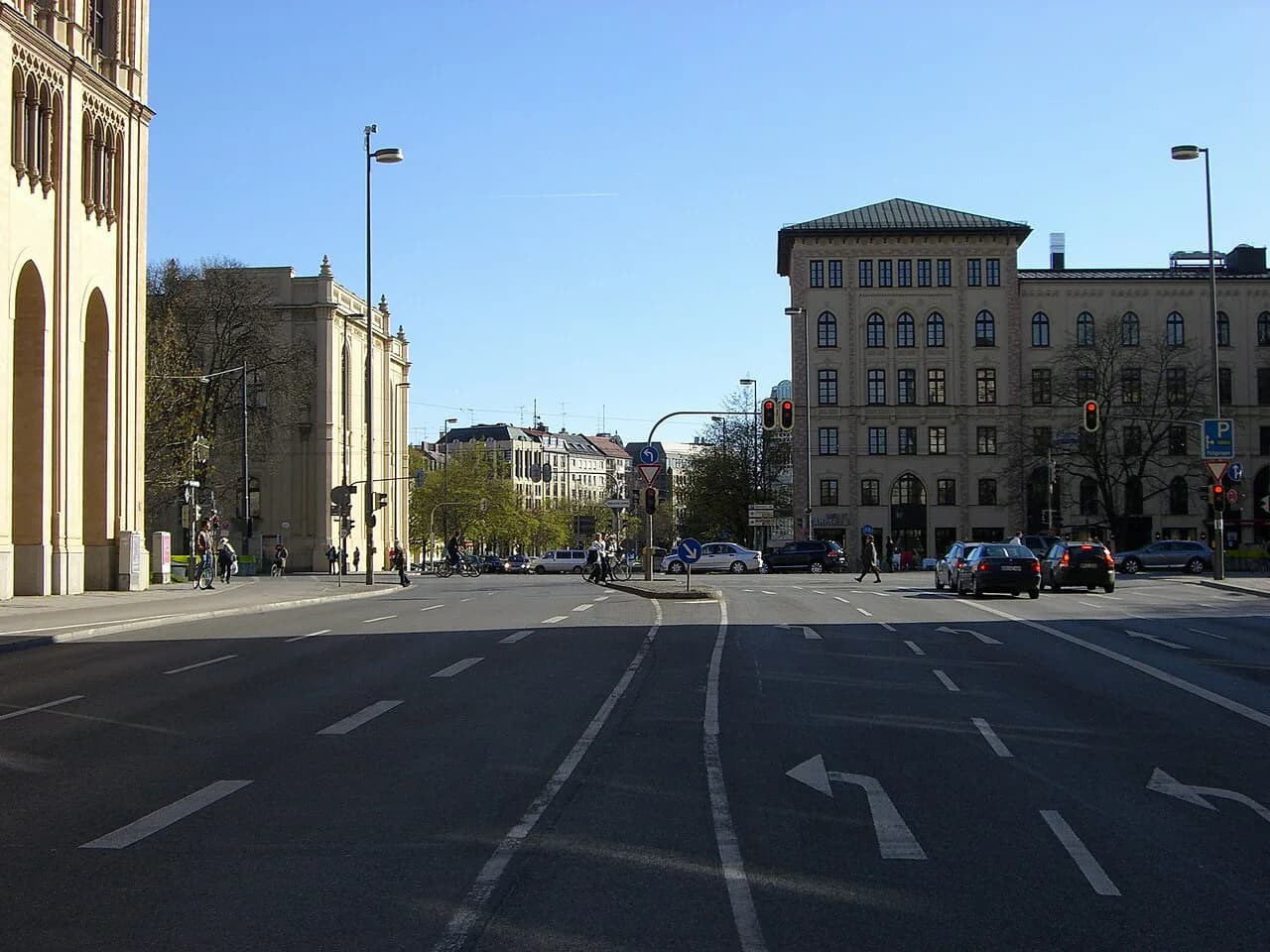
Haidhausen forms part of Munich's Borough 5, officially called Au-Haidhausen. The district sits on the eastern high bank of the Isar, just across from the old town. Locals often pair it with neighboring Au when discussing the borough's full boundaries.
Across the river sits Lehel, a smaller district sharing the same riverside access. Haidhausen stretches roughly from the Gasteig cultural complex north toward Bogenhausen. Its French Quarter core sits closer to Ostbahnhof, an easy tram or S-Bahn ride from Marienplatz.
Roughly two-thirds of Haidhausen's residential buildings predate 1914, a rare survival for wartime Munich. Many locals choose the district for its historic architecture and easy center access. The mix of quiet side streets and lively squares makes it one of Munich's more livable central areas.
Borough boundaries and local services can shift, so verify current details with the Munich city administration. This official channel covers administrative updates across all of Munich's boroughs. Checking before a visit helps confirm any recent changes to district services or contacts.
From Brickmaking Village to French Quarter
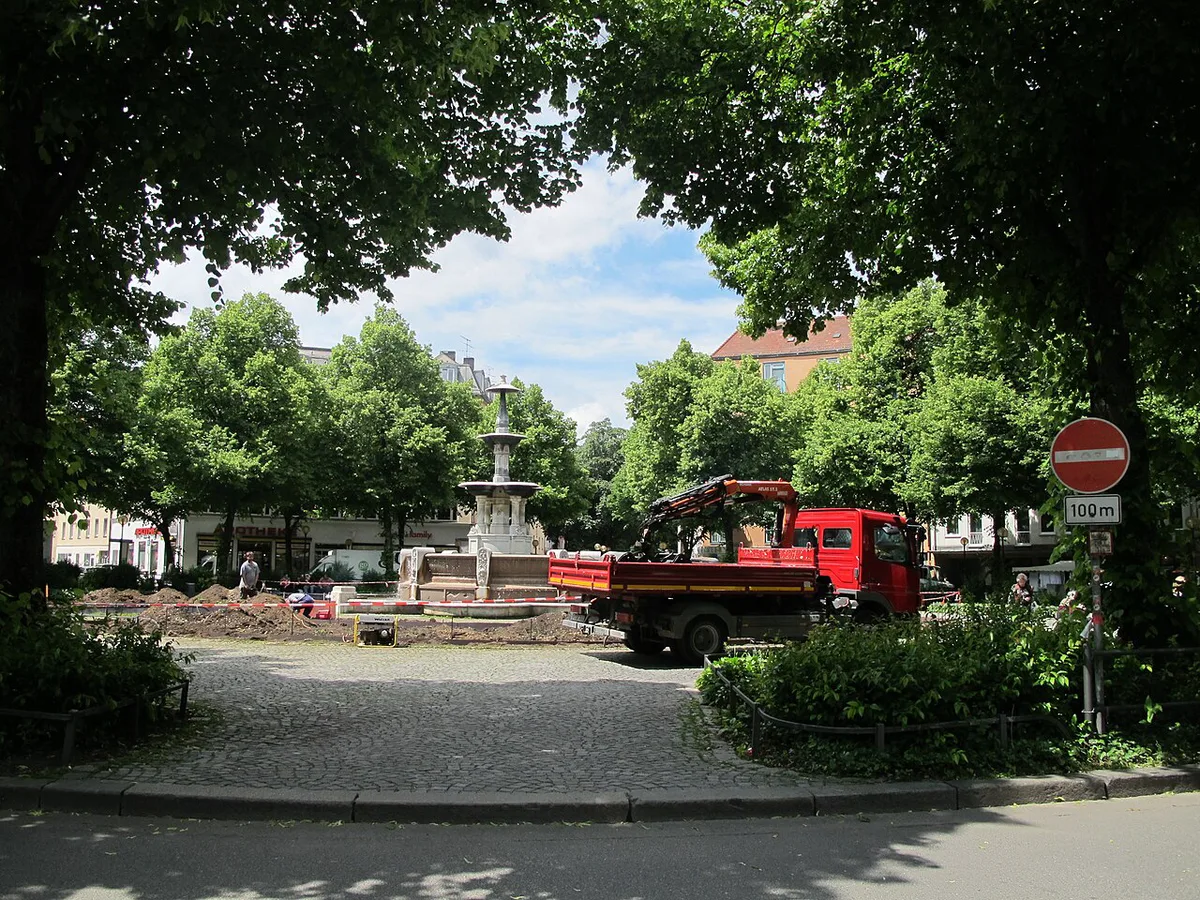
The name Haidhausen first appears in the year 808 as Heidhusir, meaning houses on the heath. Clay-rich soil around the settlement supported an early brick industry for the growing city. Workers here fired bricks later used in landmarks like the Frauenkirche and the Munich Residenz.
Like the neighboring Au district, Haidhausen began as a Herbergsviertel, a lodging quarter outside the walls. Craftsmen, small traders, and day laborers lived here in tight, modest hostel houses. A few of these old hostel buildings still stand near Wiener Platz and the eastern end of Preysingstrasse.
Munich annexed the village of Haidhausen in 1854, folding it into the growing city. Around 1800, more than fifty breweries had cooled beer in cellars along the Isar's high bank here. That history lives on in the name Kellerstrasse, meaning cellar street.
After the war against France in 1870 and 1871, Haidhausen expanded quickly during Germany's founder-era boom. The new district earned the nickname Franzosenviertel, or French Quarter, from streets like Pariser and Wiener Platz. Unlike much of central Munich, Haidhausen's historic core survived the Second World War largely intact.
Museums, Concerts, and the Maximilianeum
Museum Villa Stuck sits at Haidhausen's northern edge, in the former home of painter Franz von Stuck. Visitors can see period rooms alongside a rotating selection of his paintings and sculptures. The building itself, designed by the artist, doubles as an example of Art Nouveau style.
Near Pariser Platz, the Lothringer13 space shows contemporary art from emerging and established artists. The city's Kulturreferat runs this venue, focusing on group shows tied to social themes. Exhibitions rotate regularly, so a repeat visit often means seeing something new.
The Muffatwerk concert hall anchors Haidhausen's live music scene, in a brick building on Rosenheimer Strasse. Its program spans electronic sets, live bands, and cultural events through the year. Nearby, the Gasteig building is currently used on a temporary basis by the Fat Cat venue.
The Maximilianeum has housed the Bavarian state parliament, the Landtag, since 1949. It also hosts the older Maximilianeum Foundation, founded in 1852 by King Max II. The foundation funds scholarships and housing for gifted students, a tradition running since 1876. Past scholars include writer Carl Amery, physicist Werner Heisenberg, and former premier Franz Josef Strauss.
Parks, Pools, and Free Things to Do
The Maximiliansanlagen park runs along the Isar's right bank from the Gasteig toward Bogenhausen. Shaded paths make it a comfortable spot for jogging, picnics, or a slow riverside walk. Entry costs nothing, which fits well with this guide to free things to do in Munich. Families often bring kids to the playgrounds tucked along the park's footpaths.
Small riverside kiosks serve casual drinks but don't accept cards—bring cash. Several larger beer gardens sit within easy walking distance for a fuller experience.
Small kiosks dot the park paths, serving a casual beer for an easygoing evening. For a fuller Munich beer garden experience, several larger gardens sit within a short walk. Bring cash, since many riverside kiosks do not accept cards.
The Müller'sche Volksbad opened in 1901 as the world's largest and priciest indoor pool at the time. It remains one of Germany's few working Jugendstil bathhouses, with swimming and sauna facilities. Inside, a barrel-vaulted ceiling, murals, stucco work, and bronze statues recall its original grandeur. Check the official schedule before visiting, since hours can shift around public holidays.
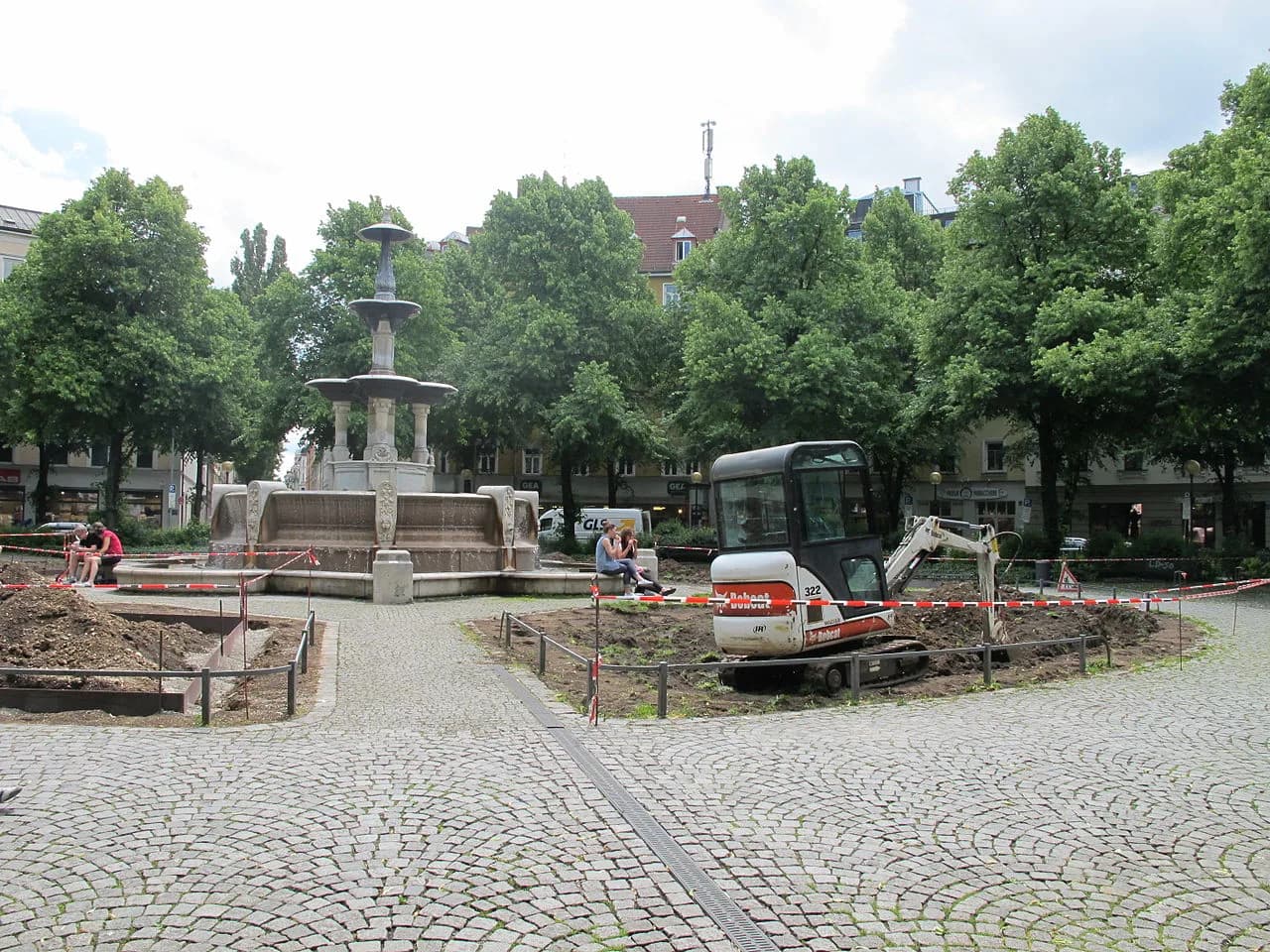
Weissenburger Platz and Wiener Platz cost nothing to enjoy and stay lively through the seasons. Cafes ring both squares, making them easy stops for a coffee break between sights. Both squares sit within easy walking distance of the Ostbahnhof transit hub.
- Maximiliansanlagen riverside park along the Isar
- Cost: free entry
- Best for: jogging and picnics
- Access: paths from Gasteig to Bogenhausen
- Müller'sches Volksbad historic swimming hall
- Type: Jugendstil public pool
- Opened: 1901
- Features: barrel vault and murals
- Weissenburger Platz and Wiener Platz squares
- Cost: free public squares
- Best for: cafes and people-watching
- Isar riverside kiosks for casual drinks
- Cost: pay per drink
- Tip: bring cash for kiosks
How to Plan a Smooth Day in Haidhausen
Weekday mornings bring the calmest version of Haidhausen, before cafe terraces fill up. For a wider view of seasonal crowd patterns, see this guide to visiting Munich without crowds. Weekends around Wiener Platz and Pariser Platz tend to draw the biggest local crowds.
Plan at least a half-day visit rather than treating Haidhausen as a quick stop. Combining one museum, a park walk, and a square visit requires unhurried pacing.
Ostbahnhof connects Haidhausen to the wider S-Bahn and U-Bahn network in just a few minutes. Trams also link the district directly to Marienplatz and the old town center. Walking across an Isar bridge from Lehel or the old town takes under twenty minutes.
Haidhausen's cafes and small restaurants cluster around its three main squares. Budget travelers can find affordable lunch spots near Ostbahnhof and along Preysingstrasse. Evenings bring a livelier crowd, especially around Muffatwerk on concert nights.
A common mistake is treating Haidhausen as a quick stop instead of a half-day visit. Pair the Maximiliansanlagen walk with one museum and a square for a balanced pace. Save the Müller'sche Volksbad for a slower afternoon, since swimming needs extra time.
Pair this with our broader Munich tourism attractions guide for the full city overview.
Where to Eat in Haidhausen: Cafés and Beer Gardens
Haidhausen's food scene rewards seeking out specific spots beyond the three main squares. Hofbräukeller am Wiener Platz, a traditional beer hall with an attached beer garden, sits directly on Wiener Platz and has served the neighborhood for generations, offering Bavarian classics alongside seasonal beer garden seating under chestnut trees. Café Größenwahn on Lautensackstrasse is a long-running bohemian café known for weekend brunch, coffee, and a relaxed late-evening crowd, popular with locals rather than tourists. Preysingstrasse and Wörthstrasse host a denser mix of restaurants than the squares alone, including Vietnamese, Italian, and Turkish kitchens tucked between residential buildings. For a quieter meal, side streets off Weissenburger Platz offer smaller neighborhood restaurants with less turnover than the square-facing cafés.
- Hofbräukeller am Wiener Platz — traditional beer hall and beer garden right on Wiener Platz
- Café Größenwahn — bohemian café on Lautensackstrasse, known for brunch
- Preysingstrasse and Wörthstrasse — wider restaurant mix beyond the main squares
Frequently Asked Questions
What does Haidhausen mean?
The name traces to Heidhusir, first recorded in 808, meaning houses on the heath. Clay soil in the area later supported a brick industry that supplied bricks for landmarks like the Frauenkirche. The name has stuck through centuries of growth into today's lively district.
Is Au-Haidhausen a good place to stay in Munich?
Au-Haidhausen suits travelers who want central access without constant tourist crowds nearby. Roughly two-thirds of its residential buildings predate 1914, giving the streets a historic, lived-in feel. Trams and S-Bahn connections from Ostbahnhof reach Marienplatz within just a few minutes.
What is there to see in Haidhausen?
Highlights include the Maximiliansanlagen park, the Müller'sche Volksbad, and Museum Villa Stuck. The Maximilianeum, seat of the Bavarian state parliament, sits at the district's western edge. Weissenburger Platz and Wiener Platz add lively, free spots for people-watching.
What is the coolest neighborhood in Munich?
Preference varies by traveler, but Haidhausen ranks high for its mix of culture, parks, and history. Other districts offer a faster nightlife pace, while Haidhausen stays calmer and more residential. Comparing a few neighborhoods helps match the trip to personal travel style.
How much time should you plan for Haidhausen?
A focused visit takes about half a day, covering one museum, a park walk, and a square. A full day allows time to add the Müller'sche Volksbad or a Muffatwerk event. Early starts help you beat weekend crowds around Wiener Platz.
Comparable Quiet Districts in Other Cities
Haidhausen is the residential counterweight to Munich's centre — nineteenth-century blocks, courtyards and a market square that still functions as one. Berlin's Prenzlauer Berg went through the same arc a decade earlier. Ljubljana's Trnovo is the small-city equivalent, low houses and a river a few minutes from the middle.
Haidhausen rewards a slower pace, from quiet pre-1914 streets to lively squares. Its brickmaking origins, French Quarter nickname, and riverside parks each tell a different part of the story. A single afternoon covers the highlights, though a full day allows time for the Volksbad too.
For more low-key corners nearby, this off-the-beaten-path Munich guide pairs well with a Haidhausen visit. Share this guide with travel companions via WhatsApp before setting out. Planning ahead makes it easier to fit Haidhausen into a broader Munich itinerary.
Continue exploring
More guides you'll find useful