Off the Beaten Path in Munich: 2026 Travel Guide
Discover off the beaten path in Munich: quiet neighborhoods, unique art, day trips, and local beer gardens with practical 2026 planning tips.
On this page
Off the Beaten Path in Munich: Local Picks
Going off the beaten path in Munich means trading the packed Marienplatz clock crowd for quieter streets. Locals split their time between riverside parks, small breweries, and neighborhoods that rarely make a first-time itinerary. This guide points toward those quieter corners, from hidden courtyards to unusual evening tours.
Munich draws around 18 million overnight stays a year, yet most itineraries repeat the same five attractions. Slowing down means picking a neighborhood, choosing a quieter season, and staying curious about smaller sights. The sections below cover neighborhoods, art, day trips, beer gardens, and a few experiences most visitors skip. Start with a few Hidden Gems in Munich Travel Guide before mapping out a full day.
Alternative Neighborhoods Off the Beaten Path in Munich
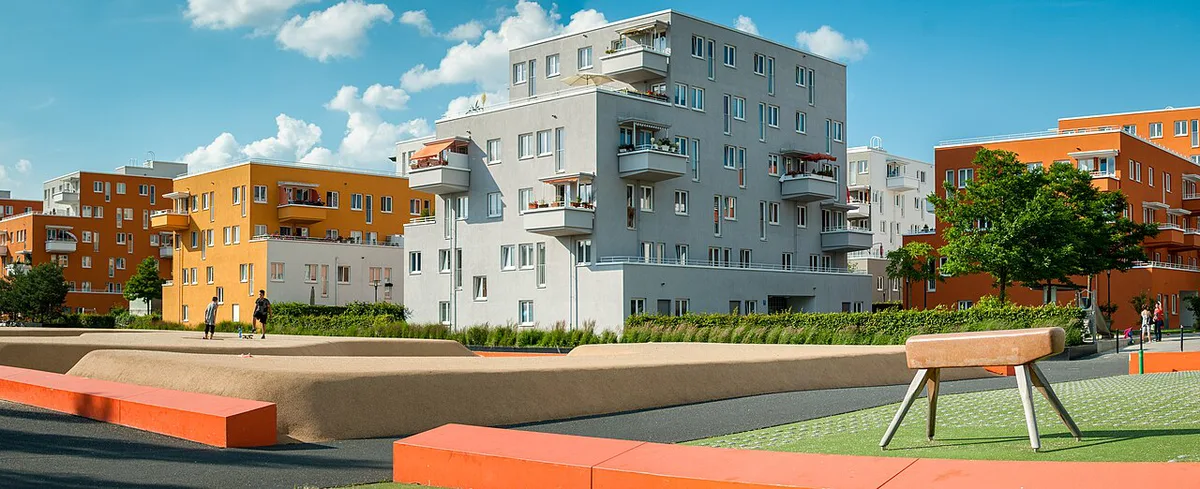
Munich's most interesting neighborhoods sit just outside the tourist core. Areas like Haidhausen, Lehel, Westend, and Au each carry a distinct character shaped by longtime residents. Wandering these streets shows a slower, more residential side of the city.
Weekday visits to alternative neighborhoods like Glockenbachviertel yield shorter waits at cafes and quieter streets than weekends. Evenings along side streets near Gärtnerplatz consistently feel more local than touristy.
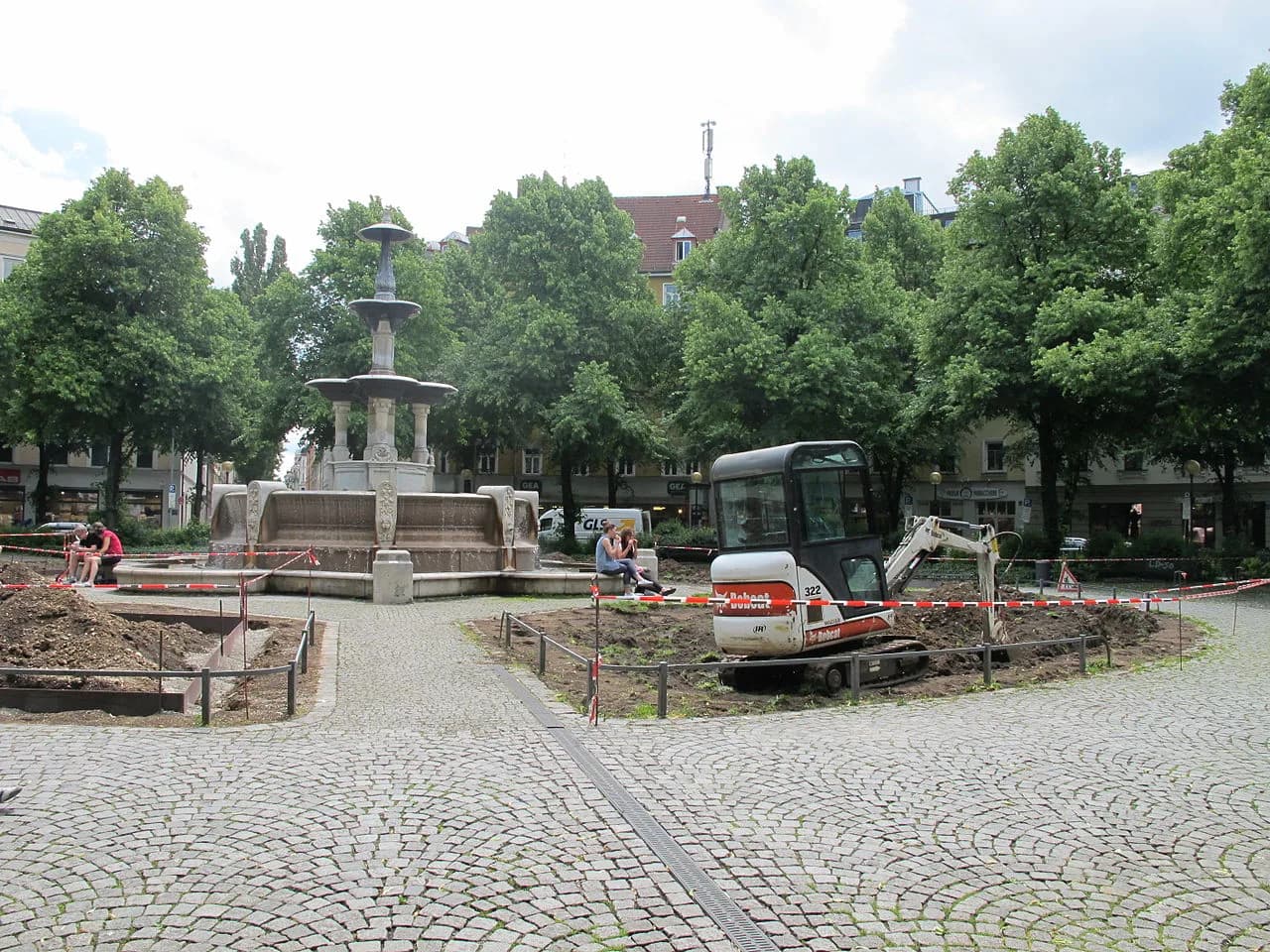
Glockenbachviertel stands out for small boutiques, casual wine bars, and a strong LGBTQ+ social scene. Evenings there feel more local than touristy, especially along the side streets near Gärtnerplatz. Visiting on a weekday, rather than a weekend, usually means shorter waits at the best cafes.
For a full breakdown, the Munich Neighborhoods Guide: Best Areas to Explore maps out where each area sits. Renting a bike works well here, since most alternative neighborhoods sit within a 20 to 30 minute ride of the center. Public transport also reaches all of them easily through the U-Bahn or tram network.
Munich's Unique Art and Quiet Historic Corners
Beyond the well-known museums, Munich hides smaller pockets of art and history that rarely appear on group tours. Courtyard chapels, painted facades, and quiet cemeteries offer a different pace than the busier Kunstareal district. These spots suit travelers who prefer slow looking over ticking off a checklist.
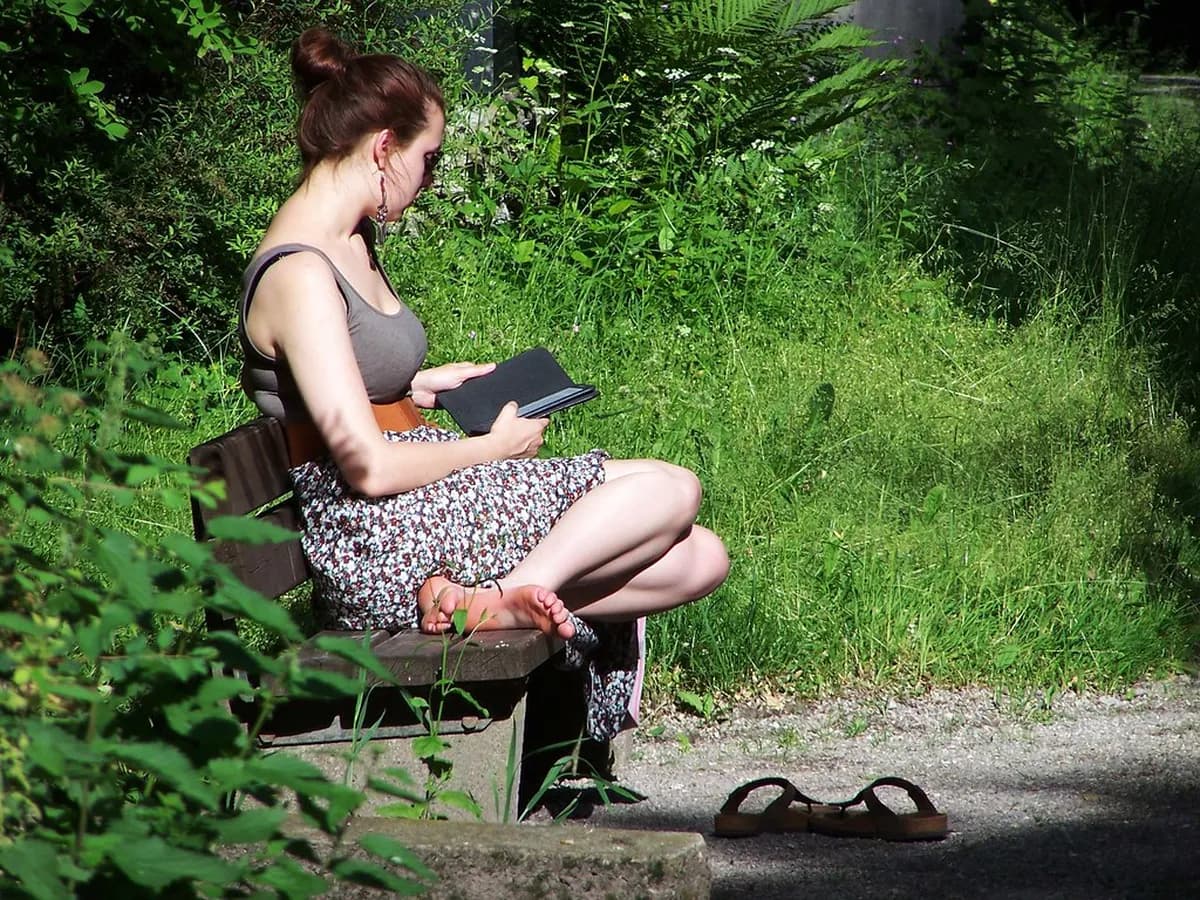
Alter Südfriedhof offers a shaded, quiet alternative to Munich's busier parks and squares. Paths wind between old trees and weathered gravestones, and benches make it easy to sit and read for an hour. Check the Alter Südfriedhof guide for the best entrances and quietest times to visit.
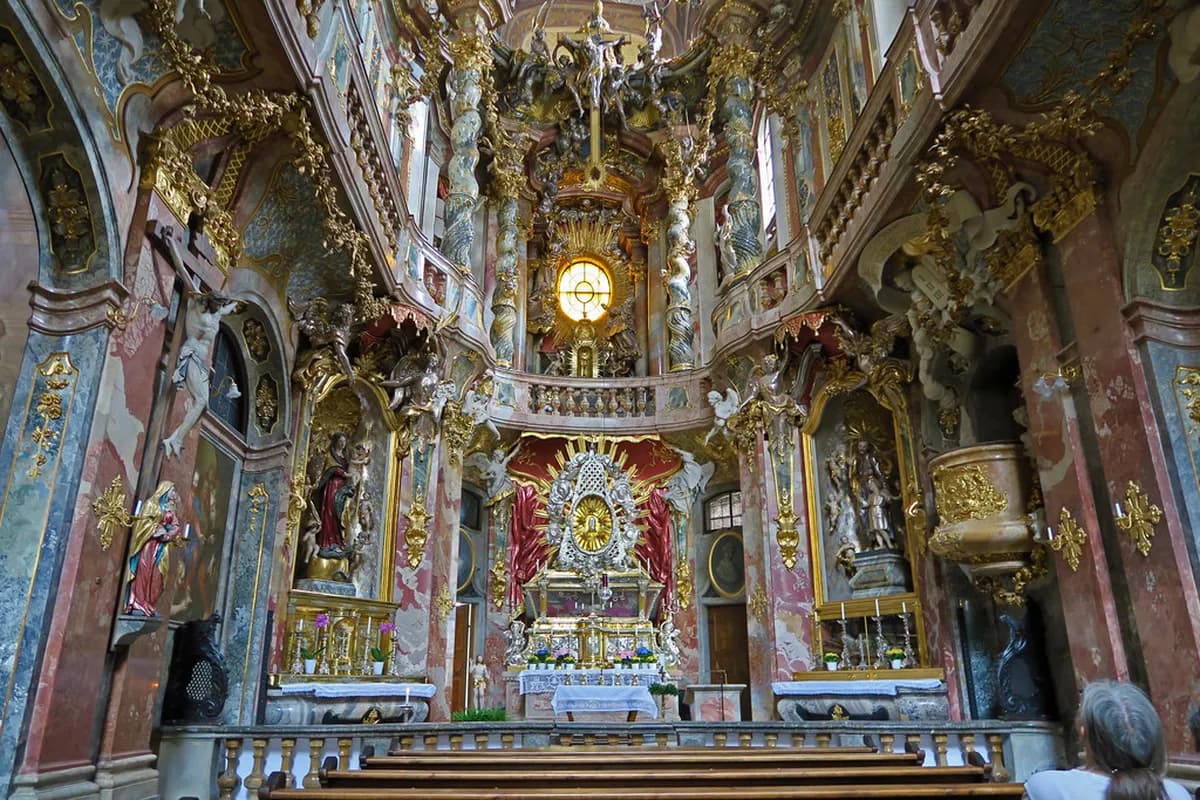
Asamkirche, a small baroque church tucked into a narrow street, rewards a five-minute stop with an ornate ceiling and gold detailing. Because it is easy to walk past without noticing, many visitors miss it completely. Pairing a stop here with a nearby cemetery walk makes a calm, low-cost afternoon.
Unique Day Trips Away From the Crowds
Munich's location makes it a strong base for day trips that skip the biggest tour-bus stops. Several worthwhile towns and landscapes sit under two hours away by car or regional train. A single day usually covers the highlights without needing an overnight stay.
Planning ahead matters more than expected, since regional trains run less often on weekends. Checking timetables the night before avoids a long wait at a small station platform. Packing a light lunch also helps, since smaller towns often keep limited restaurant hours.
For a fuller list of options with travel times and seasonal notes, see the 9 Best Day Trips from Munich in 2026 guide. Trips built around lakes, alpine foothills, or smaller historic centers tend to draw fewer crowds than the busiest castle routes. Choosing one of these over the most famous option often means shorter lines and a calmer pace.
Local Beer Gardens Beyond the Tourist Halls
Munich's biggest beer halls draw steady crowds, but its beer gardens spread that experience across dozens of smaller, local spots. Many locals prefer a shaded garden table over a packed hall bench, especially on warm afternoons. Bringing your own food is often allowed at traditional beer gardens, a detail many visitors never learn.
Bringing your own food to traditional Munich beer gardens is often allowed, a practice many travelers overlook. Arriving before 5 pm at gardens like Gasthof Hinterbrühl typically ensures easier table access and a more relaxed atmosphere.
Gasthof Hinterbrühl beer garden offers a smaller, community feel compared to the city's largest halls. Locals treat it as a regular stop rather than a tourist destination, which keeps the atmosphere relaxed. Arriving before 5 pm usually means an easier time finding a free table.
For a wider list of gardens with seating and access notes, the 10 Best Beer Gardens in Munich for 2026 guide helps. Travelers who want a guided introduction can join a Munich's Beer Halls and Breweries tour instead.
Unusual Munich Experiences Locals Actually Try
Some of Munich's most memorable experiences never make the standard highlight list. They tend to reward curiosity, flexible timing, and comfort with slightly unusual activities. The options below range from free winter fun to evening tours with a darker theme.
Each one fits a different kind of traveler, budget, and amount of free time. The English Garden alone spans roughly 80 kilometers of paths, making it easy to combine surf-watching with a longer walk. For a full explainer on how the standing wave works, see the Eisbach surfing guide. Weigh the trade-offs below before choosing what fits a single afternoon or evening.
| Experience | Type | Best For | Cost |
|---|---|---|---|
| Watch Eisbach standing wave surfers | Free spectator activity | Quick stops | Free |
| Evening Nightwatchman or ghost tour | Guided walking tour | History and legend fans | Paid, book ahead |
| Winter ice skating in the city | Seasonal outdoor activity | Budget-conscious winter visits | Often free |
| Private local-led tour | Private local-led tour | First-time visitors wanting context | Paid, varies by group |
Travelers drawn to ghost stories can book the Munich: Night Watchman Tour for an evening old-town walk. It runs after dark and follows narrow lanes through the historic core.
A related option, the Munich: Witches and Executioners Guided Tour, covers darker local history in more depth. Both tours run in the evening and pair well with an early dinner beforehand.
- Watch surfers ride the Eisbach standing wave
- Type: free spectator activity
- Best for: a quick stop
- Where: Prinzregentenstraße bridge area
- Cost: free to watch
- Join an evening Nightwatchman or ghost tour
- Type: guided walking tour
- Best for: history and legend fans
- Time: evening start only
- Cost: paid, book ahead
- Try free winter ice skating in the city
- Type: seasonal outdoor activity
- Best for: budget-conscious winter visits
- Season: winter months only
- Cost: often free, confirm locally
- Book a private guide who lives locally
- Type: private local-led tour
- Best for: first-time visitors wanting context
- Access: book in advance online
- Cost: paid, varies by group
Alternative Bars and Nightlife Beyond the Beer Halls
Munich's nightlife beyond the beer halls clusters in a handful of neighborhoods that rarely appear in first-time itineraries. Gärtnerplatzviertel and neighboring Isarvorstadt hold a dense run of small bars and late-opening cafes that fill up with locals rather than tour groups. Schwabing, historically the city's bohemian quarter, still carries a student-bar scene near Ludwig Maximilian University, with long-running spots that favor conversation over crowds.
- Alter Simpl in Schwabing — a century-old literary pub tied to the old Simplicissimus magazine scene, popular with students and regulars
- Registratur in Isarvorstadt — a low-key, industrial-style bar tucked off the street, known among locals rather than visitors
- Bahnwärter Thiel near the old railway yards — a converted outdoor space with food trucks and DJ sets on warmer evenings
These spots work well after a beer garden dinner or a Nightwatchman tour, since most fill up later in the evening. Checking current opening days matters, since several smaller bars close one or two nights a week rather than running a full weekly schedule.
Frequently Asked Questions
What does off the beaten path in Munich actually mean?
It means choosing quieter neighborhoods, smaller museums, and local hangouts over the five most-photographed stops. Instead of only visiting Marienplatz, travelers explore areas like Glockenbachviertel or Haidhausen. It also means timing visits around quieter hours and seasons rather than peak weekends.
How much time should travelers plan for exploring Munich's alternative side?
Two to three days works well for combining one alternative neighborhood, one quiet historic stop, and one unusual evening activity. A single extra day is enough to add a day trip under two hours away. Rushing fewer than two days usually means skipping most of these spots.
Which Munich neighborhoods work best for a slower, local pace?
Glockenbachviertel, Haidhausen, Lehel, Westend, and Au all offer a calmer pace than the tourist core. Each has its own mix of cafes, small shops, and residential streets worth a slow walk. Weekday visits usually mean shorter waits than weekends.
What should travelers avoid when planning an alternative Munich itinerary?
Avoid packing too many stops into one day, since alternative spots reward slower visits. Skip peak summer weekends at popular beer gardens if a quieter table matters more than atmosphere. Always confirm current hours for smaller museums and seasonal activities before heading out.
Is Munich's off the beaten path scene good for first-time visitors?
Yes, though pairing it with one or two classic sights first gives useful context. Seeing Marienplatz briefly before exploring Glockenbachviertel or Haidhausen helps travelers understand the contrast. First-time visitors often enjoy this mix more than an itinerary built only around famous landmarks.
Off the beaten path in Munich looks different depending on the season and the traveler. Neighborhoods like Glockenbachviertel and Haidhausen offer a slower pace any day of the week. Quiet spots like Alter Südfriedhof and Asamkirche add a cultural detour most itineraries skip.
Pairing one alternative neighborhood, one quiet historic stop, and one unusual evening activity makes a well-rounded day. Building in flexible time also helps, since the best discoveries often happen between planned stops. For more ideas on stretching a Munich itinerary further, the unique things to do in Munich guide rounds out the list.
Continue exploring
More guides you'll find useful