Brussels Local Food Guide: Top Bites for 2026
Discover a practical Brussels local food guide with top dishes, neighborhood picks, budget tips, and timing advice for a smoother 2026 trip.

On this page
Brussels Local Food Guide: Where to Eat and Drink
Brussels rewards food lovers with waffles, fries, chocolate, and Belgian beer around nearly every corner. This Brussels local food guide breaks down where locals actually eat, not just where tour groups gather. You will find neighborhood picks, budget options, and timing tips for a smoother visit.
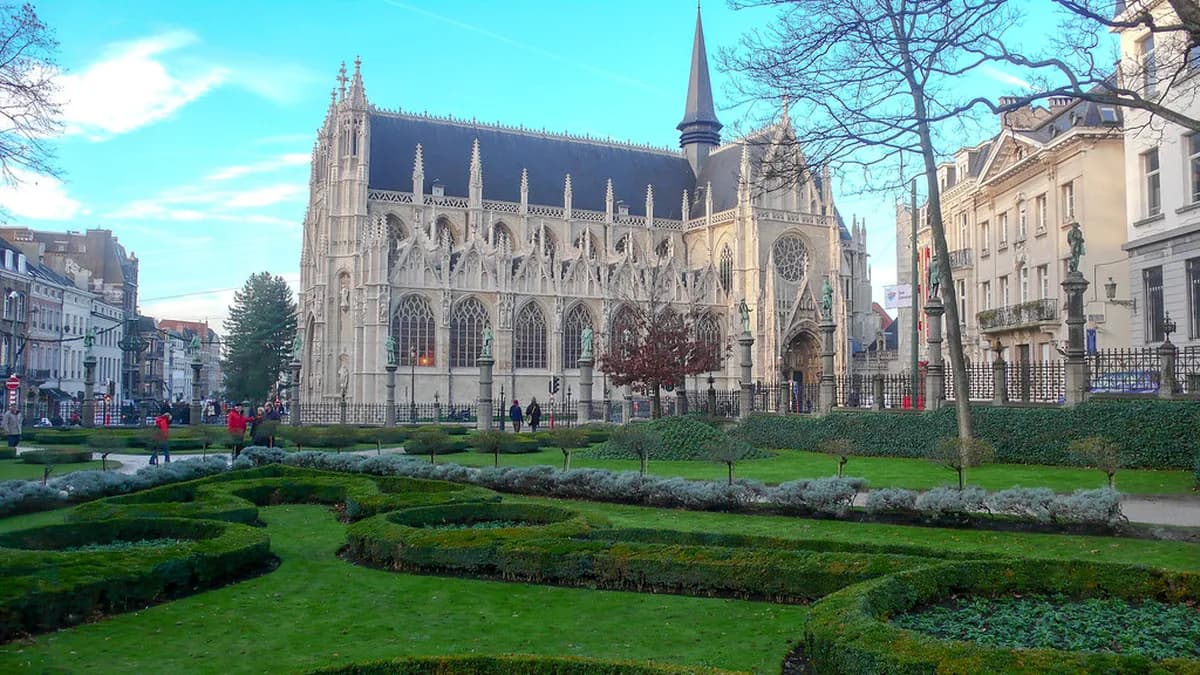
Old Town gets crowded fast, so many of the best bites sit a few streets beyond Grand Place. Neighborhoods like Sablon, Marolles, and Sainte-Catherine hold quieter bakeries, beer halls, and markets. Use this guide to plan a food-focused day that mixes classic dishes with local, less touristy stops.
Brussels Local Food Guide: Top Dishes to Try
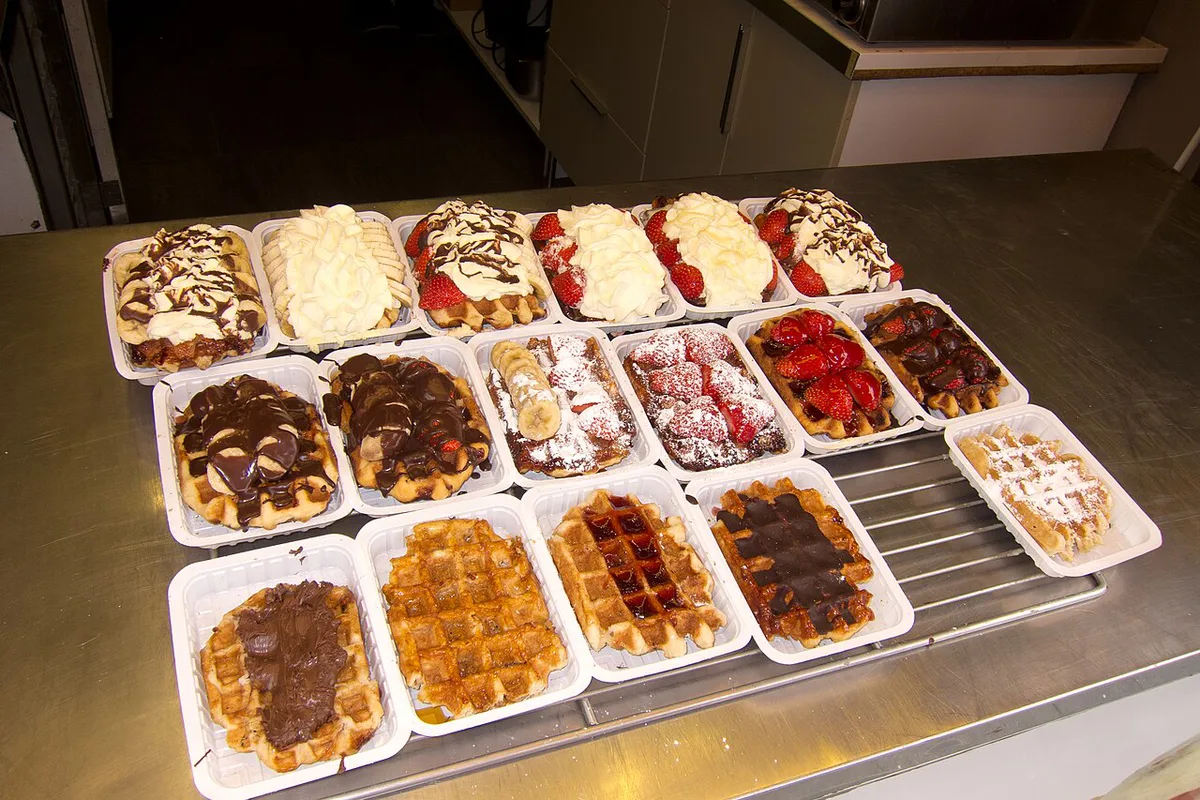
Belgian waffles and crisp fries appear on nearly every corner of central Brussels. Vendors top waffles with classics like Nutella, whipped cream, or fresh fruit. Fries usually come with a sauce bar, and curry ketchup or samurai sauce are local favorites.
Old Town kitchens serve heartier plates like Carbonnades a la Flamande, a beef stew simmered in beer. Veal meatballs, known locally as Boulettes de Veau a la Gantoise, show up on many traditional menus. A Croque Kombi, a Croque Monsieur topped with bolognese, has become a modern Brussels twist on comfort food.
Chocolate shops and beer halls round out the local food scene beyond meals. Au Bon Vieux Temps, a beer hall tucked into an Old Town alley, has poured drinks since 1695. For a curated list of proven kitchens, check this roundup of 10 Best Local Restaurants in Brussels (2026).
- Belgian waffles with sweet toppings
- Type: street food dessert
- Best for: quick snacks
- Where: stands citywide
- Tip: try fruit and chocolate combos
- Twice-fried Belgian fries with sauce
- Type: savory street food
- Best for: budget meals
- Where: fry stands and chains
- Tip: ask for curry ketchup
- Carbonnades a la Flamande beef stew
- Type: hearty main dish
- Best for: cold-weather meals
- Where: Old Town taverns
- Tip: pairs well with dark beer
- Fresh mussels served with fries
- Type: classic Belgian seafood
- Best for: sit-down dinners
- Where: brasseries near Grand Place
- Tip: order a pot to share
- Belgian chocolate and pralines
- Type: sweet souvenir and snack
- Best for: gifts and treats
- Where: Sablon chocolate shops
- Tip: sample before buying a box
Best Neighborhoods for Brussels Food
Brussels food culture shifts noticeably from one neighborhood to the next. Sablon leans toward chocolate and refined bites, while Marolles feels more relaxed and affordable. This Brussels Neighborhoods Guide: Best Areas to Stay breaks down each area in more depth.
Sablon sits just south of Old Town and draws chocolate lovers and sushi fans alike. Small popcorn shops and sushi counters share the same steep, cobbled streets here. Read this Sablon Brussels Guide: 2026 Neighborhood Tips for specific shop names and walking routes.
| Neighborhood | Food Character | Best For | Key Features |
|---|---|---|---|
| Sablon | Chocolate and refined bites, sushi | Chocolate lovers | Small shops on steep, cobbled streets |
| Marolles | Lower prices, relaxed, less polished | Budget travelers | Daily flea market near Place du Jeu de Balle with food stalls |
| Sainte-Catherine & Dansaert | Seafood, design-forward cafes | Seafood enthusiasts | Fish stalls near old fish market |
| Saint-Gilles & Ixelles | Organic lunchrooms, seasonal vegetables | Health-conscious diners | Daily-changing menus, seasonal focus |
Marolles keeps prices lower and feels less polished than the tourist core. Its flea market runs daily near Place du Jeu de Balle and mixes food stalls with antique stands. Check this Marolles Brussels Guide: Flea Market & Local Charm before wandering the market for the first time.
Sainte-Catherine and the Dansaert district cover seafood counters and newer, design-forward cafes. Fish stalls near the old fish market still shape the neighborhood's food identity. This Dansaert Brussels Guide: Shops, Food & Walks covers where locals actually shop and eat there.
Saint-Gilles and Ixelles lean toward organic lunchrooms and living-food kitchens. Menus in this area change daily and favor seasonal vegetables over set dishes. The Saint-Gilles Brussels guide lists more lunch spots in this part of the city.
Markets and Street Food Spots
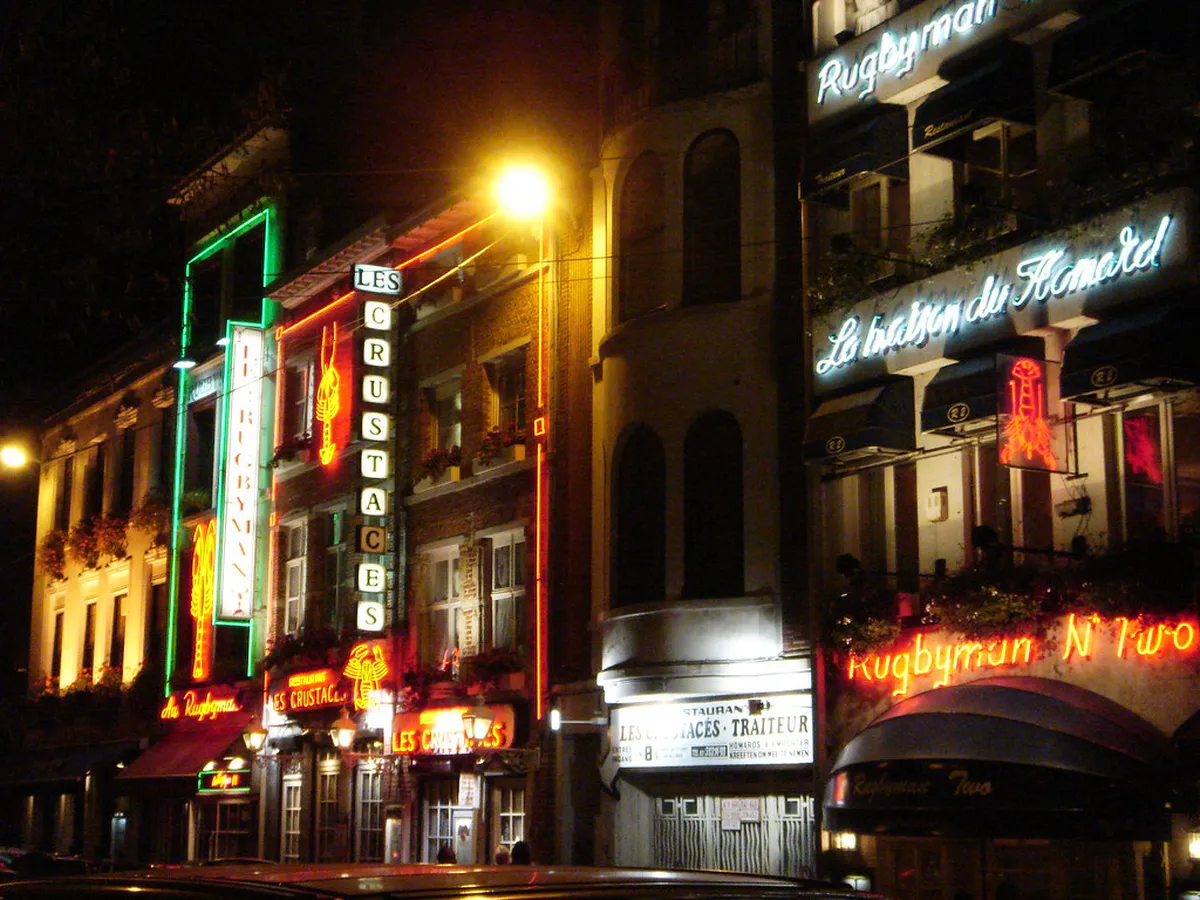
Street food stands cluster around major sights like the Manneken-Pis statue. Waffle vendors work fast here, since the area gets heavy foot traffic all day. Prices stay reasonable, though quality can vary more than in a sit-down cafe.
Markets run on cash, get crowded by mid-morning, and close before most restaurants open. Visit markets before lunch rather than as a dinner substitute to find open stalls.
Fry stands operate as informal chains scattered across the city center. Fries arrive hot and twice-fried, with a sauce counter for toppings. Samurai sauce, a spicy mayonnaise blend, tends to sell out fastest at busy stands.
The Marolles flea market doubles as an informal food market on weekend mornings. Vendors sell coffee, pastries, and simple sandwiches alongside secondhand goods. Arrive before midday, since stalls start closing as the crowd thins in early afternoon.
Side streets directly off Grand Place often mean higher prices and lower quality. Local food reporting on the area consistently steers diners a few blocks farther out. Walking two or three extra blocks usually finds fresher food at a fairer price.
Family-Friendly and Budget Food Options
Waffles and fries make easy, budget-friendly stops for families traveling with kids. Both dishes come ready in minutes, with no reservation or sit-down wait required. Portions tend to be generous enough for sharing between two people.
Canteen-style lunchrooms offer set daily menus at lower, predictable prices. Self-service formats let diners take smaller portions, which helps with picky eaters. These spots work well for a mid-day break between sightseeing stops.
Sit-down brasseries near Grand Place tend to cost more than neighborhood spots. Families on a tighter budget often do better a few streets away from the main square. Bakeries and street stands remain some of the most reliable low-cost options citywide.
How to Plan a Smooth Brussels Food Day
Morning visits mean shorter lines at popular waffle and fry stands. Weekday mornings before noon tend to feel noticeably calmer than weekend afternoons. This guide to the Best Time to Visit Brussels Without Crowds Guide can help with broader trip timing.
Weekday mornings before noon see notably shorter lines at waffle and fry stands than weekend afternoons. Morning visits mean faster service with less crowding.
Some of the most recommended kitchens skip reservations entirely. Nüetnigenough, a small Old Town restaurant, seats walk-ins only and fills up fast. Arrive right at opening or plan to wait outside with a beer in hand.
Even a two-day visit leaves enough time to cover several neighborhoods and dish types. Pace the trip by pairing one heavier meal, like stew or mussels, with lighter street food. Balancing rich and light meals across 48 hours helps avoid feeling overly full by day two.
A self-guided walking route can help link food stops with nearby sights efficiently. For a ready-made route through the city center, click here for a self-guided GPS tour.
Hotel dining rooms offer a lower-effort option after a long day of walking. The Hilton Bien Belge Living Lounge serves Belgian classics inside a central hotel setting. It works well for travelers who prefer to end the day without another reservation search.
Brussels Food Markets Worth a Visit
Beyond the Marolles flea market, Brussels runs several dedicated food markets that don't overlap with the neighborhood picks above. Marche du Midi (Midi Market) sets up every Sunday from roughly 6am to 1pm around Gare du Midi, spilling across dozens of stalls into Saint-Gilles and Anderlecht. It's often called one of the largest open-air markets in Europe, with a strong Mediterranean and North African lineup: olives, spices, flatbreads, cheap produce, and grilled snacks eaten standing up. Place Flagey hosts a smaller Tuesday and Saturday morning market geared toward local shoppers rather than tourists, with cheese counters, fresh fish, and seasonal vegetables from regional producers.
- Marche du Midi: Sundays, near Gare du Midi, Mediterranean and North African food stalls
- Place Flagey market: Tuesday and Saturday mornings, cheese and produce
- Vismet (old fish market area): weekday mornings, seafood counters near Sainte-Catherine
Markets run on cash, get crowded by mid-morning, and close earlier than most sit-down restaurants open, so plan a market visit before lunch rather than as a dinner substitute.
Pair this with our broader Brussels tourism attractions guide for the full city overview.
Frequently Asked Questions
What local dishes should you try first in Brussels?
Start with Belgian waffles, twice-fried fries, and fresh mussels, since these dishes appear on almost every menu. Chocolate and dark Belgian beer round out a first meal well. Old Town taverns also serve heartier stews like Carbonnades a la Flamande for a filling dinner option.
Which Brussels neighborhood has the best food scene for a first visit?
Sablon suits travelers who want chocolate shops and polished cafes within walking distance. Marolles works better for lower prices and a more relaxed, local pace. Many visitors split time between both areas to compare the two food scenes directly.
How much time should you plan for a Brussels food-focused day?
Plan at least half a day to cover one neighborhood without rushing between stops. A two-day visit, often framed as a 48-hour foodie itinerary by local food guides, leaves room for both quick street food and one sit-down meal daily. Longer stays simply allow more neighborhoods.
Where should travelers stay for easy access to Brussels food spots?
Central hotels near Grand Place and Sablon put most food neighborhoods within walking distance. The Hilton Brussels City sits close to Old Town dining and runs its own Belgian-focused lounge onsite. Staying centrally cuts down on transit time between meals.
What should travelers avoid when eating out in Brussels?
Avoid restaurants directly on the side streets off Grand Place, since prices often run higher for lower quality. Walking two or three extra blocks usually turns up fresher food at a fairer price. Popular spots without reservations, like some Old Town taverns, may also mean a short wait.
Other Food Guides Worth Reading First
Brussels is one of the best eating cities in Europe and one of the easiest to eat badly in, depending entirely on the street. Bruges has the same split — see the Bruges food guide — and Munich's food guide covers a regional cuisine worth learning the words for.
Brussels rewards travelers willing to step a few streets past Grand Place. Neighborhood bakeries, beer halls, and lunchrooms often deliver better meals than the crowded main square. Waffles, fries, mussels, and chocolate remain the dishes worth prioritizing on any visit.
Pace a food-focused day around quieter mornings and one or two heavier sit-down meals. Mixing neighborhoods like Sablon and Marolles keeps the day varied without excess walking. A little planning turns a short Brussels trip into a genuinely satisfying food itinerary.
Continue exploring
More guides you'll find useful