Marolles Brussels Guide: Flea Market & Local Charm
Use this Marolles Brussels guide to plan flea market hours, vintage shopping streets, local food stops, and a realistic half-day itinerary today.
On this page
The Marolles Brussels Guide to Flea Market Culture
The Marolles neighborhood sits just downhill from the Sablon, and this Marolles Brussels guide covers what makes it different. Cobbled streets, daily bargain hunting, and comic-strip murals define this working-class district near central Brussels. Locals still call it one of the most authentic corners of the city.
Expect vintage furniture stalls, honest bistros, and a slower pace than the polished streets uphill. This guide walks through the flea market, key streets, and a realistic half-day plan. Practical details on hours, prices, and getting there follow in each section below.
Marolles Brussels Guide: Why Visit This Area
Marolles occupies a triangle of streets bordered by Rue Blaes, Rue Haute, and Rue des Tanneurs. The district has stayed working-class and multicultural even as much of central Brussels gentrified around it. Locals still occasionally speak Brusseleer, a Brussels Dutch dialect tied closely to the neighborhood's history.
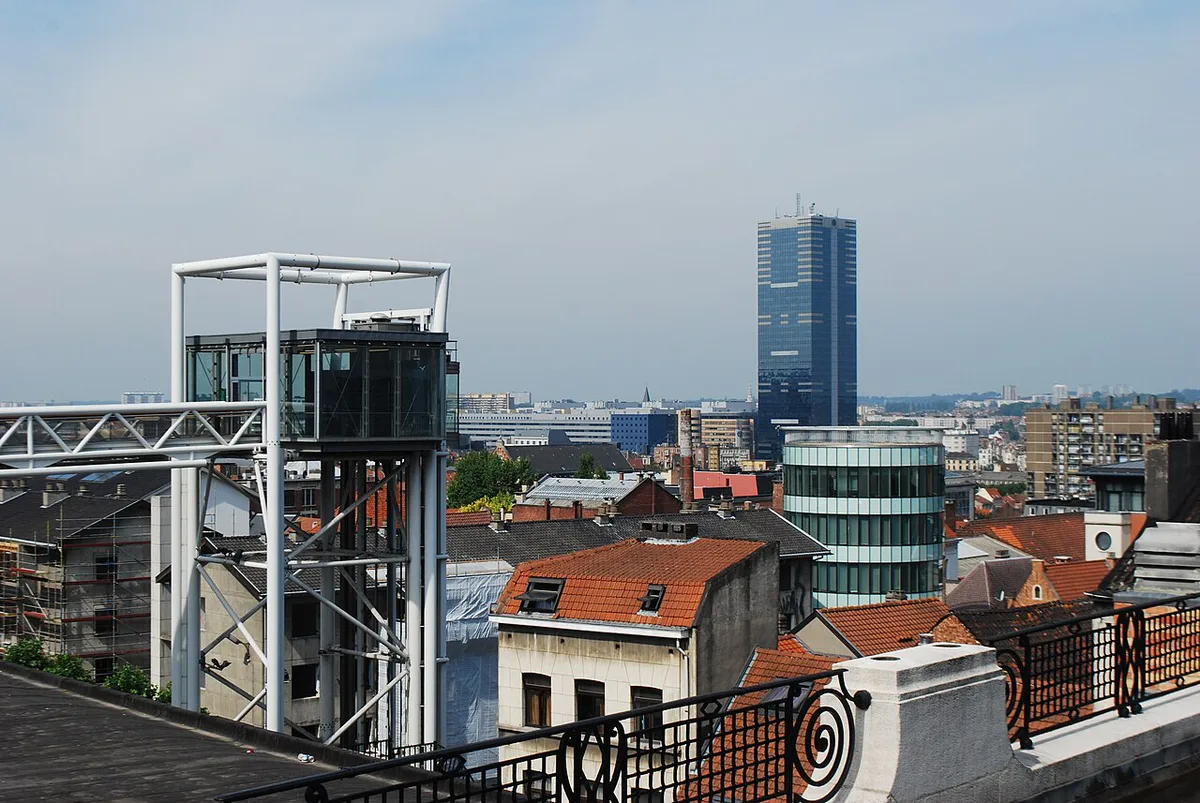
History runs deep here, starting with the Halle Gate at the edge of the district. This surviving piece of the city's second defensive wall dates back more than 600 years. Visitors can climb its 169 steps for a panoramic view over the Brussels rooftops. A family playground sits about 100 meters from the gate, useful for a break with kids.
Marolles anchors the wider network of neighborhoods covered in this Brussels Neighborhoods Guide: Best Areas to Stay. Comparing it against Ixelles or Saint-Gilles helps first-time visitors decide where to spend limited time. Most travelers pair a Marolles morning with an afternoon exploring somewhere else in the city.
The Jeu de Balle Flea Market Hours and Tips
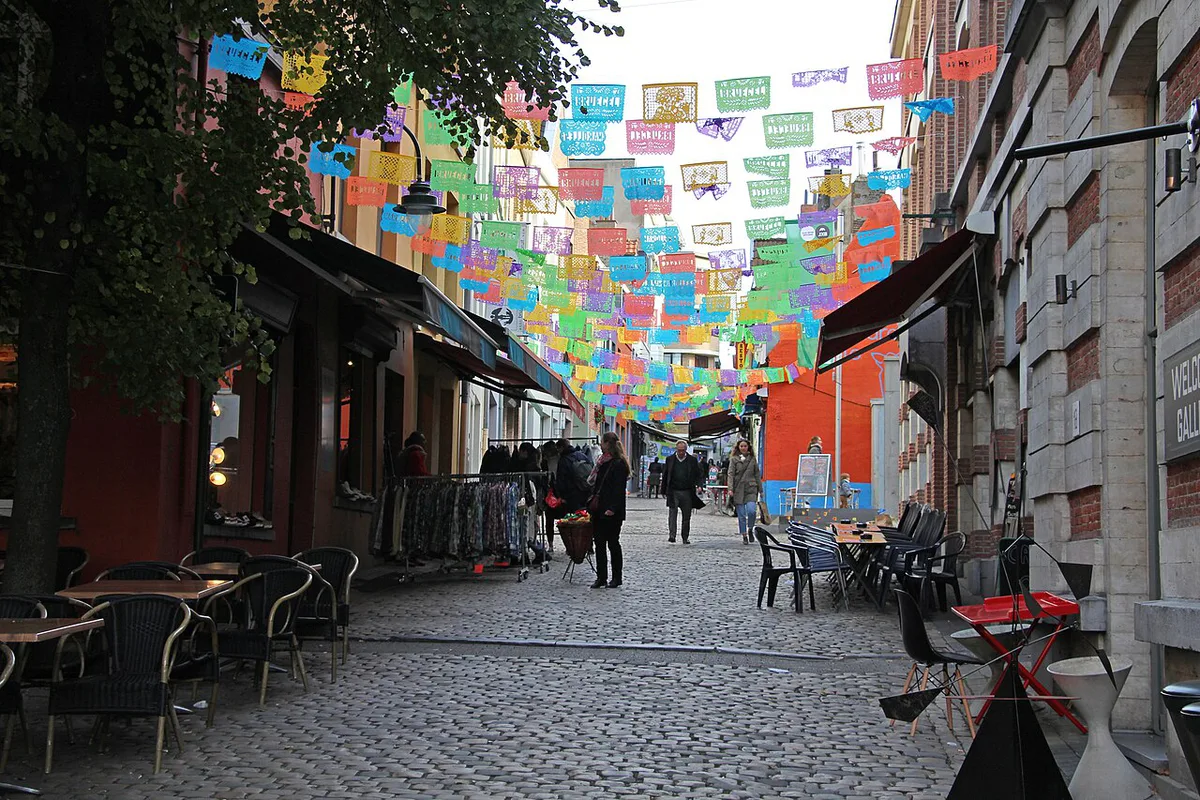
The flea market on Place du Jeu de Balle runs every day of the year, rain or shine. Hours run Monday through Friday from 9 a.m. to 2 p.m., and weekends from 9 a.m. to 3 p.m. Most stalls start packing up by 1:30 p.m., so arrive well before closing time.
Bargaining is expected at the flea market. Start with an offer around half the asking price, then aim to settle near 70 to 80 percent. Vendors treat negotiation as routine, not offensive.
Most stalls at Place du Jeu de Balle do not accept card payments. Bring cash and small bills for transactions. Coins and small notes also speed up bargaining during busy weekend hours.
More than 300 stalls fill the square in peak season with vintage furniture, vinyl, and old textiles. Ceramics, second-hand books, postcards, and costume jewelry round out the mix most weekends. The visit.brussels Flea Market page lists current opening details worth checking before a visit.
Bargaining is expected here and treated as part of the routine, not an insult to sellers. Start an offer around half the asking price, then settle somewhere near 70 to 80 percent. Bring cash for this market, since most stalls still do not accept card payments.
- Vintage furniture and mid-century pieces
- Style: Belgian and Scandinavian design
- Price: often below gallery rates
- Where: scattered across the square
- Vinyl records and old ceramics
- Era: 1960s to 1990s stock
- Type: Belgian and French pressings
- Bonus: Boch Frères ceramic ware
- Textiles, books, and postcards
- Type: linens, second-hand books
- Language: French, Dutch, English titles
- Extra: vintage Brussels postcards
Marolles vs Sablon: Two Different Worlds
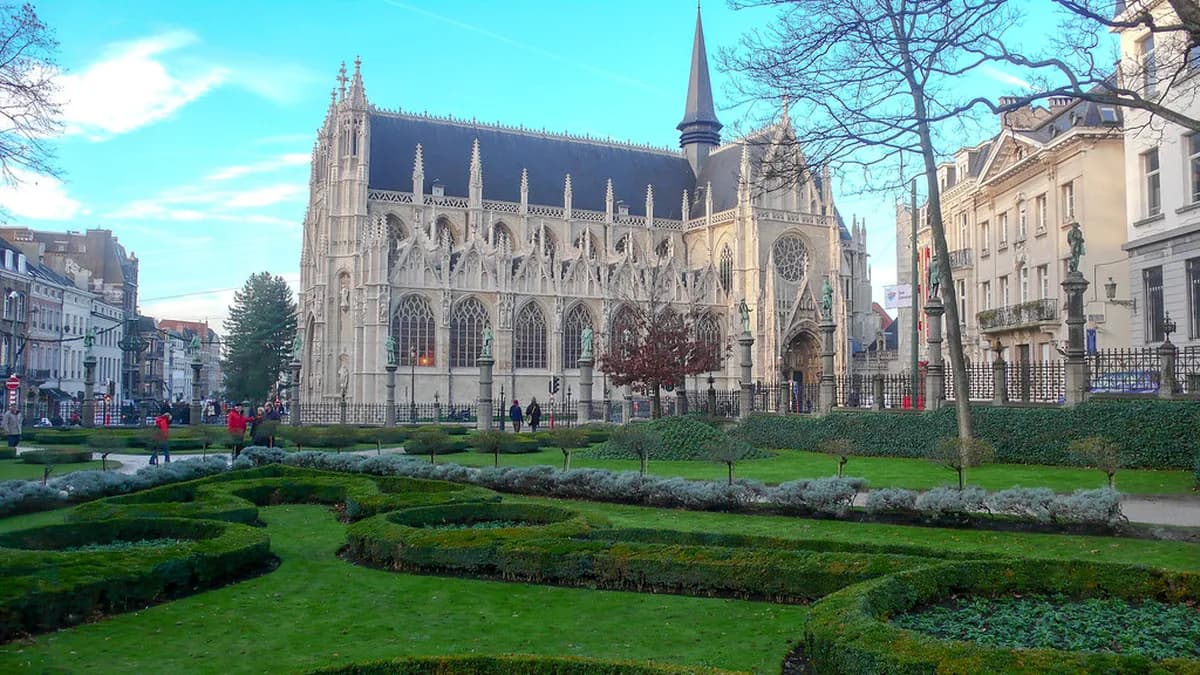
Marolles and the Sablon sit only about five minutes apart on foot, yet feel worlds apart. Sablon leans upscale, with chocolatiers, antique galleries, and a polished centuries-old church at its center. Marolles stays scrappier, built around bargain stalls and neighborhood bistros instead of boutique storefronts.
Choose Marolles first if bargain hunting and unfiltered street life matter more than polish. Choose Sablon first if chocolate shopping and antique galleries fit the day's budget better. Travelers with a full free morning can realistically combine both without feeling rushed. The walk uphill from Marolles to Sablon takes only about five minutes at an easy pace.
For a closer look at the shops and chocolatiers uphill, see this Sablon Brussels Guide: 2026 Neighborhood Tips. Reading both guides together makes it easier to plan a realistic route between the two districts.
Vintage Shops, Antiques, and Street Art
Rue Blaes and Rue Haute carry most of the neighborhood's antique shops and vintage clothing racks. Rue Blaes tends to run a bit more polished, while Rue Haute keeps a rougher, bohemian edge. Both streets reward slow browsing rather than a quick walk-through between stops.
Mid-century Belgian and Scandinavian furniture shows up often here, usually priced below gallery rates elsewhere. Vintage denim, leather jackets, and wool overcoats fill several racks along Rue Haute. Budget an hour or two if furniture or clothing hunting is the actual goal.
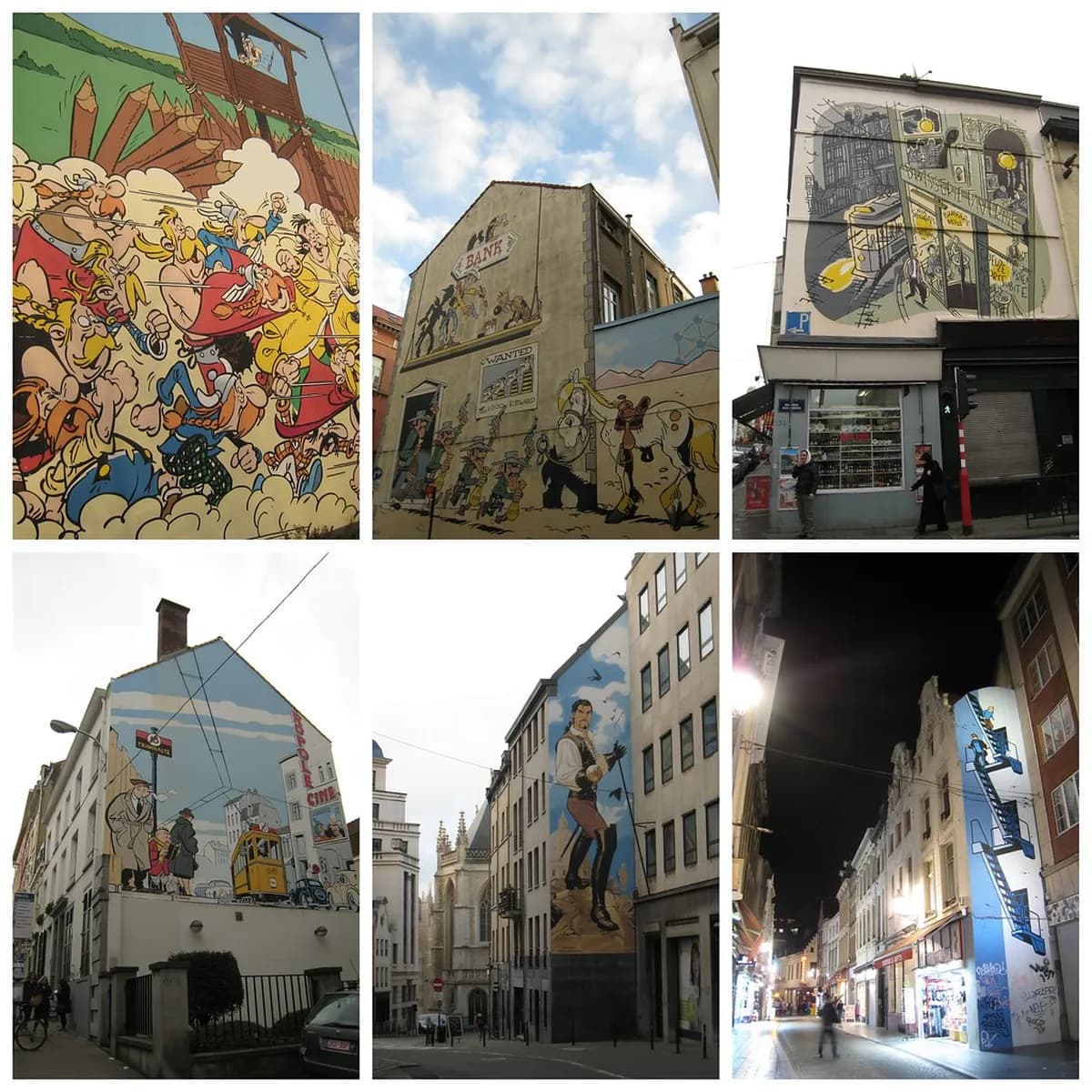
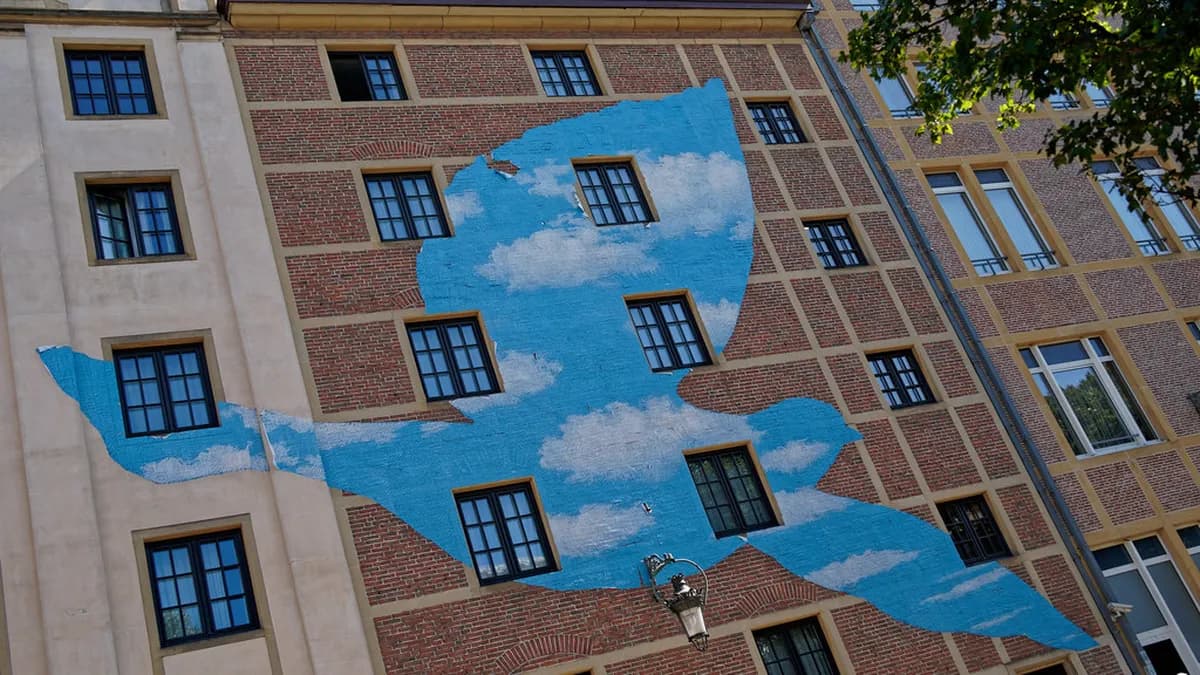
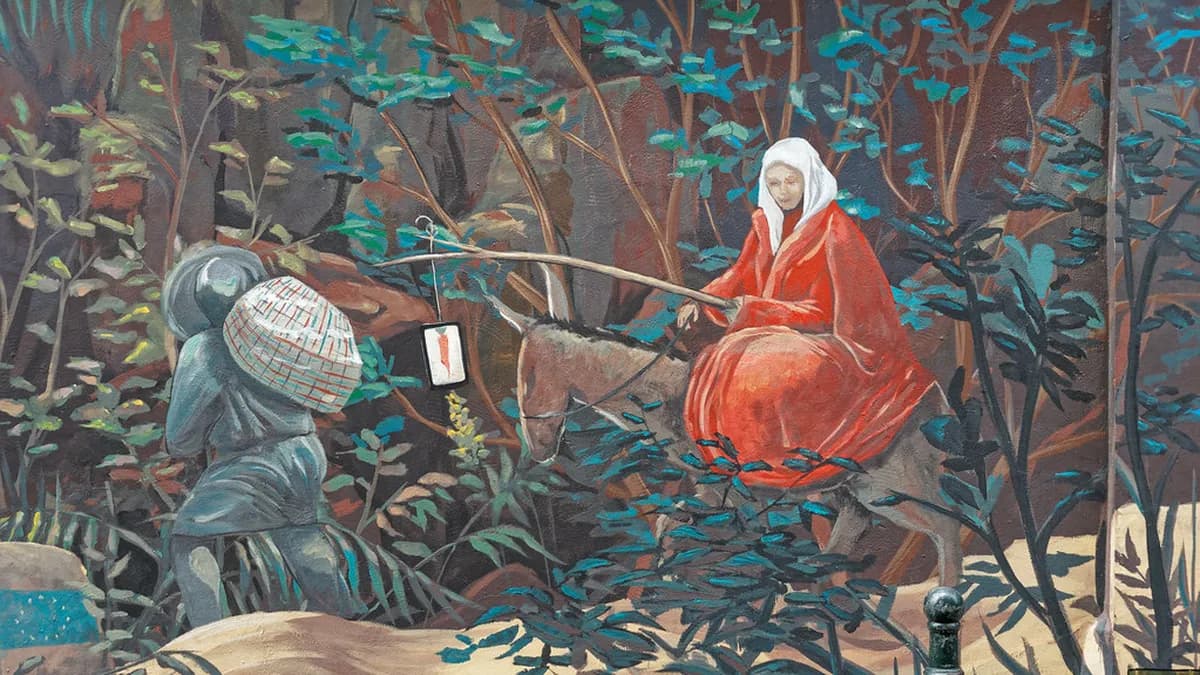
Comic-strip murals mark several building walls across the district, part of a citywide painted trail. Familiar Belgian comic characters appear at building scale, blended into ordinary residential facades. The full route is mapped in this comic strip mural route in Brussels guide. Spotting even three or four murals adds only about 20 minutes to a walking loop.
Where to Eat and a Half-Day Itinerary
Neighborhood bistros here serve Belgian classics at prices below the tourist zones near Grand Place. La Brouette serves carbonnade flamande and other honest, filling plates at a fair price. Wine Bar des Marolles skips reservations, so arriving early is the safer bet. For more options nearby, check this guide to local restaurants in Brussels.
A realistic half-day starts with coffee near Place du Jeu de Balle before the market gets busy. Browse the market from about 10 a.m., working from the center of the square outward. Walk Rue Blaes afterward for antique and vintage shopping before an early lunch stop. Finish by walking uphill toward Sablon for chocolate and gallery browsing in the early afternoon.
Marolles sits about 12 minutes on foot downhill from Grand Place via Rue de la Madeleine. Check this Grand Place Brussels Guide for orientation before starting the walk.
Visiting on a weekday morning generally means thinner crowds than the weekend market rush. For broader seasonal timing advice, see this best time to visit Brussels resource.
Bruegel's Marolles: Notre-Dame de la Chapelle and the Bruegel House
Marolles carries more history than the flea market alone suggests. Notre-Dame de la Chapelle, a Romanesque-Gothic church on Place de la Chapelle at the edge of the district, holds the tomb of Pieter Bruegel the Elder, the Flemish painter who lived and died in the neighborhood in the 16th century. The church dates back to the 13th century, and its two mismatched towers, added centuries apart, are worth a look even from outside. Entry is free during opening hours, though the church closes periodically for services and restoration work, so a quick check before detouring is worth it.
- Bruegel House, Rue Haute 132: the preserved home where Bruegel lived, marked with a small plaque; the building isn't run as a public museum, but the facade suits a short stop between flea market browsing and lunch.
Both sites sit a few minutes' walk from Place du Jeu de Balle, making them easy to fold into the half-day itinerary without adding much extra walking.
For the wider city context, see our complete Brussels tourism attractions guide.
Frequently Asked Questions
What time is the Marolles flea market open?
The flea market on Place du Jeu de Balle runs daily, with hours from 9 a.m. to 2 p.m. on weekdays and 9 a.m. to 3 p.m. on weekends. Most stalls close early, often by 1:30 p.m., so a morning visit works better than an afternoon one.
Do I need cash for the Marolles flea market?
Yes, cash is essential at the Marolles flea market. Most stalls do not accept cards, and sellers expect small bills for quick transactions. Bringing coins and small notes also makes bargaining faster during busy weekend hours.
Can I do Marolles and Sablon in one day?
Yes, Marolles and Sablon sit about five minutes apart on foot, making both easy to cover in one morning. A typical route browses the flea market first, then walks uphill toward Sablon for chocolate shops and antique galleries.
Is Marolles safe for visitors?
Marolles is generally safe during daytime hours, especially around the flea market and main shopping streets. As in any busy market area, keep an eye on bags and valuables. For quieter routes, see this off the beaten path guide to Brussels.
What should first-time visitors avoid at the Marolles market?
Skip stalls selling obviously new, mass-produced items dressed up as vintage finds. Focus on furniture, textiles, and ceramics for the best value. Arriving after 1 p.m. usually means fewer stalls and slimmer pickings for serious browsing.
Marolles rewards visitors willing to slow down and browse rather than rush through a checklist. The daily flea market, honest bistros, and comic-strip murals give the district a distinct personality. A single morning here covers the essentials without feeling packed.
Pair a Marolles visit with a walk uphill to Sablon for a fuller sense of the area. Check current market hours before visiting, since schedules can shift around holidays. This Marolles Brussels guide should make that first visit easier to plan.
Continue exploring
More guides you'll find useful