10 Off the Beaten Path Spots in Brussels (2026)
Discover off the beaten path in Brussels: 10 local-favorite spots with real 2026 prices, opening hours, and insider tips for a quieter trip.
On this page
10 Off the Beaten Path Things to Do in Brussels
Editors who return to Brussels every year keep circling back to the same conclusion: the real city starts once the souvenir shops thin out. This guide to off the beaten path in Brussels was last updated in July 2026, with current prices and hours checked against official sites. Grand Place and Manneken Pis earn their fame, but they also earn the crowds that come with it.
Head instead toward the Marolles flea market at dawn, or the quiet paths of Bois de la Cambre on a Sunday afternoon. Locals split their time between neighborhood cafes in Saint-Gilles and Art Nouveau townhouses that most tour buses skip entirely. The ten spots below pair well with a broader look at the city's quieter corners.
Expect a few honest opinions too, including which famous stops are worth skipping this year. Each entry below lists typical cost, hours, and the best way to reach it by tram or on foot.
Why Off the Beaten Path Brussels Is Worth It
Central Brussels draws heavy day-trip crowds from Bruges, Ghent, and Paris tour buses. That traffic concentrates almost entirely around Grand Place and the Mannekin Pis corner. A ten-minute walk in any direction usually clears most of that crowd.
Neighborhood spots also tend to cost less than attractions inside the historic core. A market snack in the Marolles runs a few euros, versus a sit-down cafe near Grand Place. Smaller crowds also mean shorter waits at ticketed museums and easier photos without strangers in frame.
This approach suits repeat visitors, longer stays, and anyone who dislikes queuing for photos. First-time visitors can still fit two or three of these picks around the classic sights. Nothing on this list requires skipping Grand Place entirely, just budgeting time beyond it.
10 Off the Beaten Path Spots in Brussels
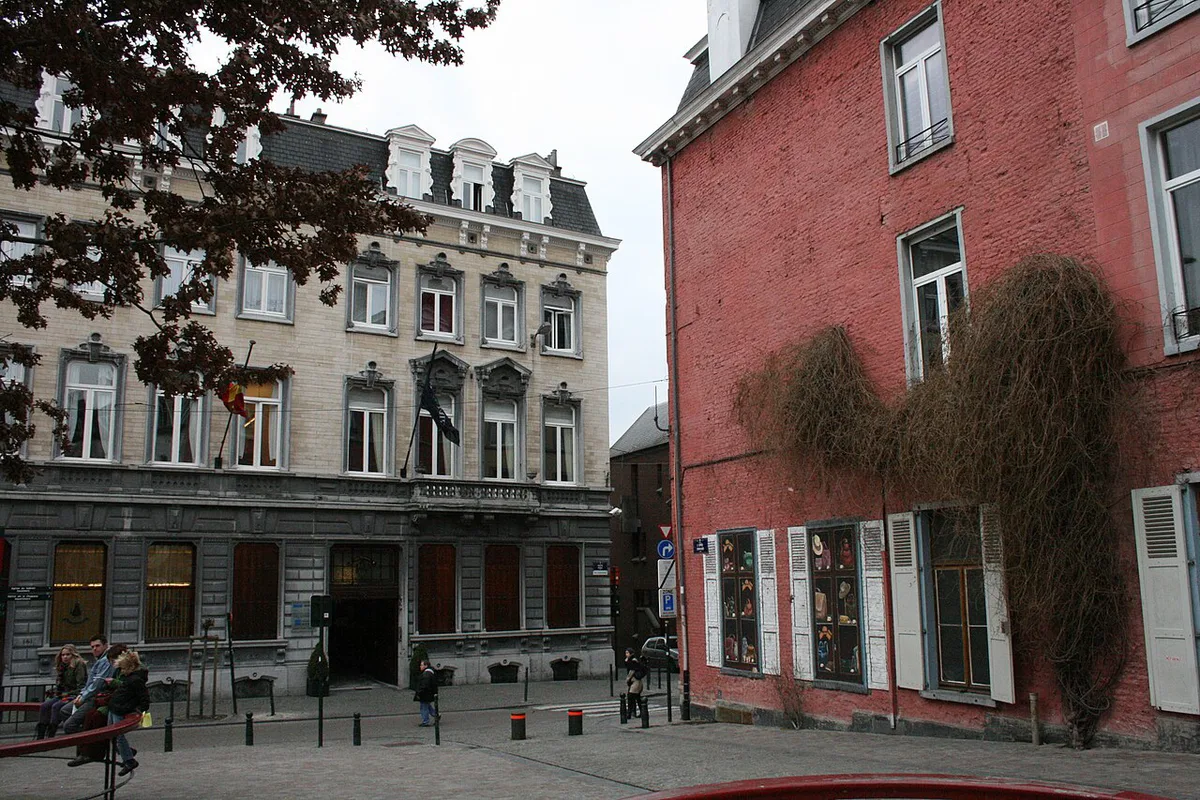
Brussels rewards visitors who wander past the main square and into its residential districts. Each entry below covers a specific address, typical cost, and the fastest way to arrive. A few, like the Brussels Beer Project, sit inside neighborhoods most guidebooks barely mention.
A single-day transit pass covers trams, buses, and the metro for about 7.50 euros. Walking between two nearby picks often beats waiting for connecting trams.
Costs range from free entry at outdoor spots to around 15 euros for the priciest museum ticket. Most sit within a twenty-minute tram or metro ride of the city center. Weekday mornings consistently offer the smallest crowds across this entire list.
The list mixes markets, museums, parks, and one working brewery, so plan around personal interest. Pair two or three nearby picks into a single afternoon to avoid backtracking across town.
- Cimetière du Dieweg's overgrown Art Nouveau graves
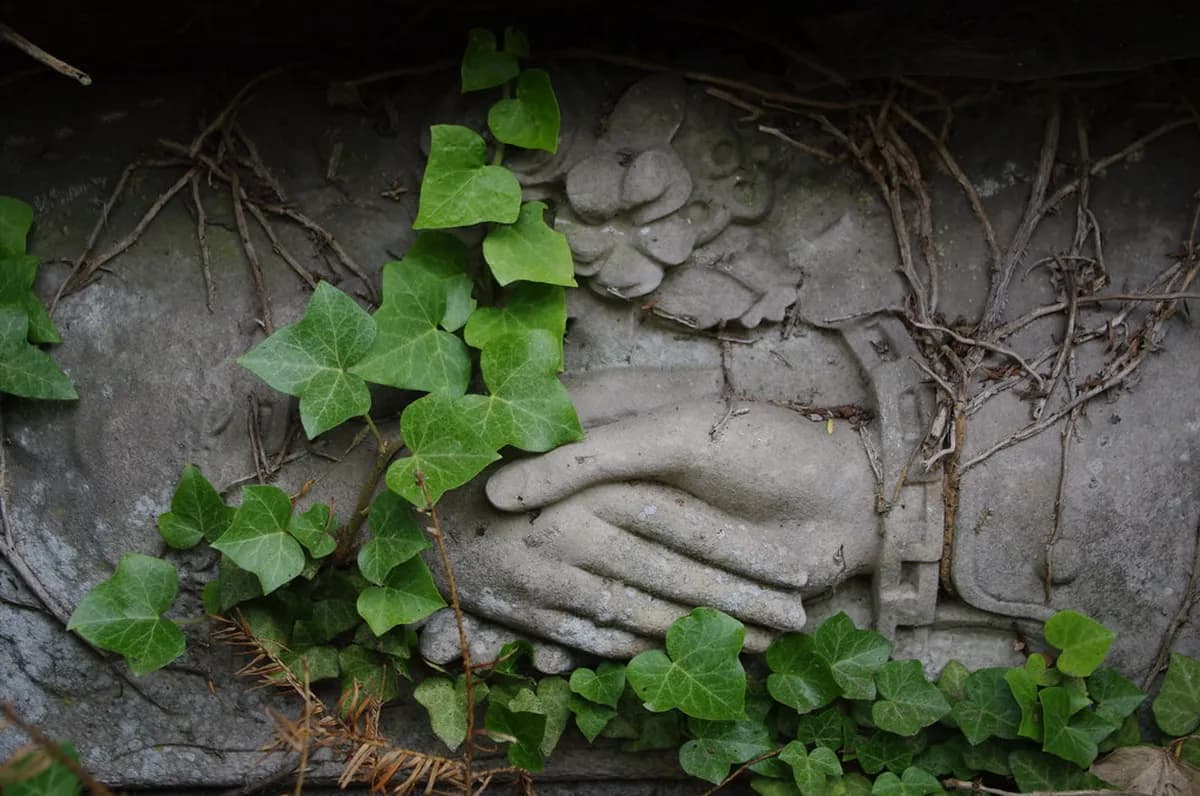
- This abandoned 19th-century cemetery in Uccle sits wild and overgrown, closed to new burials since 1958.
- Weathered Art Nouveau headstones and wildflowers make it one of the city's most atmospheric quiet corners.
- Entry is free, and it opens most mornings, though hours vary by season.
- It sits a twenty-minute tram ride south of downtown on tram lines 92 or 97 to the Dieweg stop.
- Go on a weekday morning for the best light and almost no other visitors around.
- Coudenberg's buried medieval palace beneath the city
- Coudenberg preserves the underground ruins of the medieval palace that once ruled the Low Countries.
- The site sits beneath Place des Palais, just steps from the Royal Palace and Sablon.
- Tickets run about 8 to 10 euros, and it opens Tuesday through Sunday, 10am to 5pm.
- It connects underground to the BELvue museum, so combine both on one entry ticket.
- Few tourists realize it exists, since the entrance hides beneath an ordinary museum square.
- Jeu de Balle flea market in the Marolles
- Vendors spread out daily on Place du Jeu de Balle in the working-class Marolles district.
- Stalls sell everything from vintage vinyl to chipped Delft plates, often for just a few euros.
- The market runs every morning from around 6am to 2pm, with the best bargains found early.
- It sits a short walk from Sablon, reachable on foot or tram 92 to the Jeu de Balle stop.
- Arrive before 8am on a Sunday, when dealers still sell to each other before crowds gather.
- Robinson Island inside Bois de la Cambre park
- Bois de la Cambre spreads across the south of the city, far larger than the central parks.
- A small ferry crosses to Robinson Island, where a lakeside bar serves Belgian beer by the water.
- The park is free to enter and open year-round, though the island bar closes in colder months.
- Reach it by tram 8 or 25 to the Bois de la Cambre stop at the park's edge.
- Locals cycle and picnic here on weekends, so a weekday visit feels far quieter.
- Horta Museum's Art Nouveau interiors in Saint-Gilles
- Architect Victor Horta's own house and studio in Saint-Gilles now operates as a museum.
- Curved staircases, stained glass, and wrought iron show off Art Nouveau design at its most detailed.
- Tickets cost around 12 euros for adults, and the museum opens Tuesday to Sunday, closed Mondays.
- It sits a fifteen-minute walk or a short tram ride from Parvis de Saint-Gilles.
- Photography is restricted inside, so slow down and look rather than reach for a phone.
- Musical Instrument Museum's Art Nouveau rooftop cafe
- The MIM fills a former Art Nouveau department store near the Royal Palace with instruments.
- Infrared headsets play the sound of each instrument as visitors walk past its display case.
- Admission runs about 15 euros, and the museum opens Tuesday through Sunday, 10am to 5pm.
- The top-floor cafe has one of the best skyline views in Brussels, open to non-ticket holders.
- Skip the ground-floor gift shop crowd and head straight up for the rooftop terrace instead.
- Parvis de Saint-Gilles market square and cafes
- This lively square anchors the Saint-Gilles neighborhood with cafes, bars, and a daily market.
- A produce and flea market fills the square Tuesday, Thursday, and Sunday mornings.
- Café terraces here serve Belgian beer for around 3 to 5 euros, cheaper than the center.
- Trams 81 and 97 stop right at the square, about ten minutes from downtown.
- Sunday morning draws the biggest crowd, so a weekday evening feels more local.
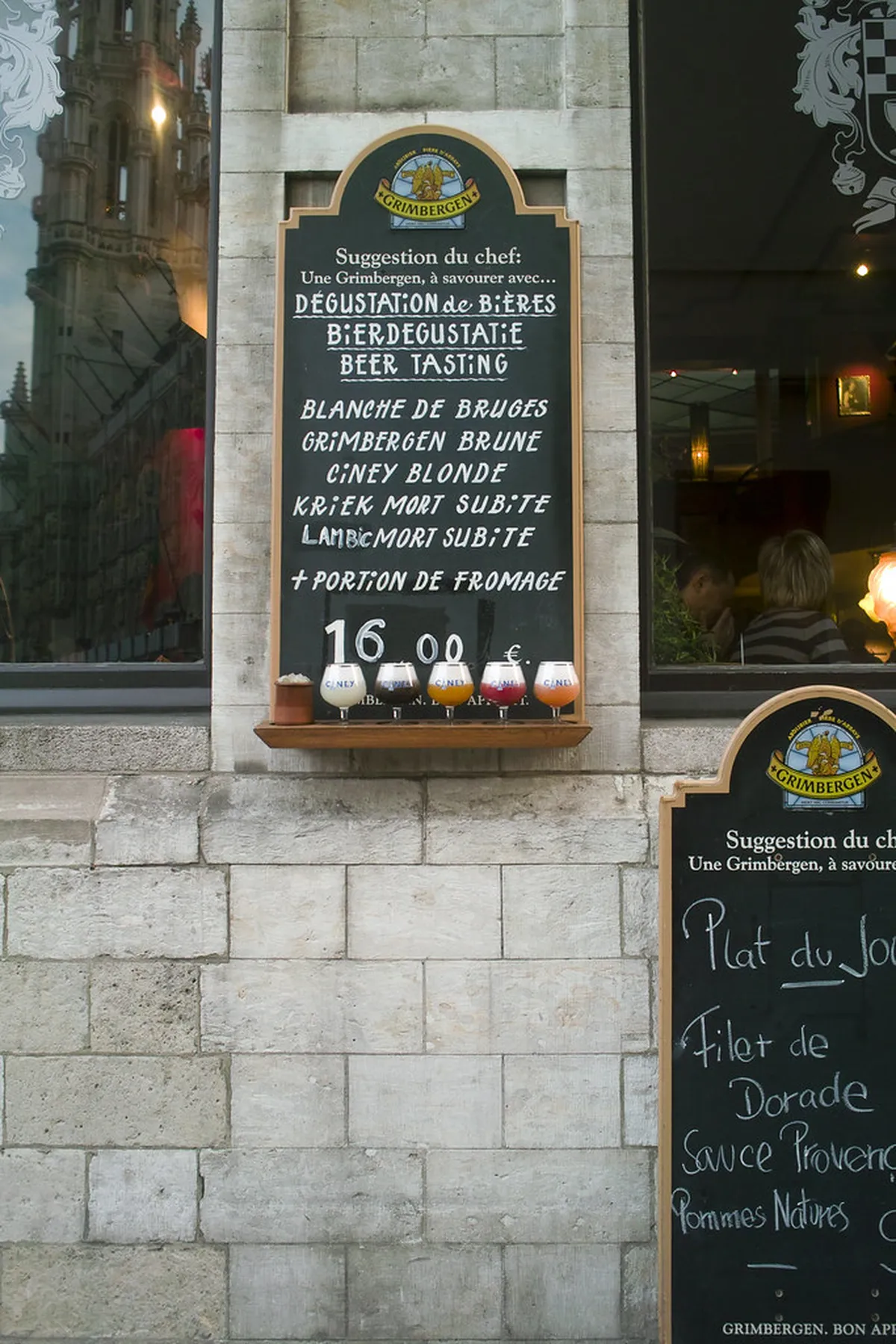
- Brussels Beer Project's crowd-brewed taproom
- This crowdfunded brewery in Dansaert lets drinkers help vote on new experimental beer recipes.
- The taproom pours flights for about 8 to 12 euros, alongside food trucks on weekends.
- It opens most afternoons and evenings, though hours shift, so check the brewery's own listing.
- It sits an easy walk from Bourse and the Dansaert design district near Sainte-Catherine.
- Ask staff which batch is newest, since the lineup rotates faster than most Brussels bars.
- Matongé's Congolese markets and record shops in Ixelles
- This Congolese-Belgian neighborhood in Ixelles centers on Galerie d'Ixelles and Chaussée de Wavre.
- Hair salons, record shops, and West African restaurants line the streets near Porte de Namur.
- A plate at a local restaurant here typically runs 10 to 15 euros, less than downtown.
- It sits a short walk from Porte de Namur metro station on lines 2 and 6.
- Evenings bring live music to small bars, especially toward the end of the week.
- Comic Strip Mural Route through downtown side streets
- More than fifty painted murals of Belgian comic characters cover walls across downtown Brussels.
- Tintin, Lucky Luke, and lesser-known heroes like Broussaille appear along the self-guided route.
- Walking the full route is free and takes roughly two to three hours at an easy pace.
- Pick up a printed map from a tourist office for about 1 euro, or follow it online.
- The murals near Rue de la Buanderie draw the fewest visitors of the whole route.
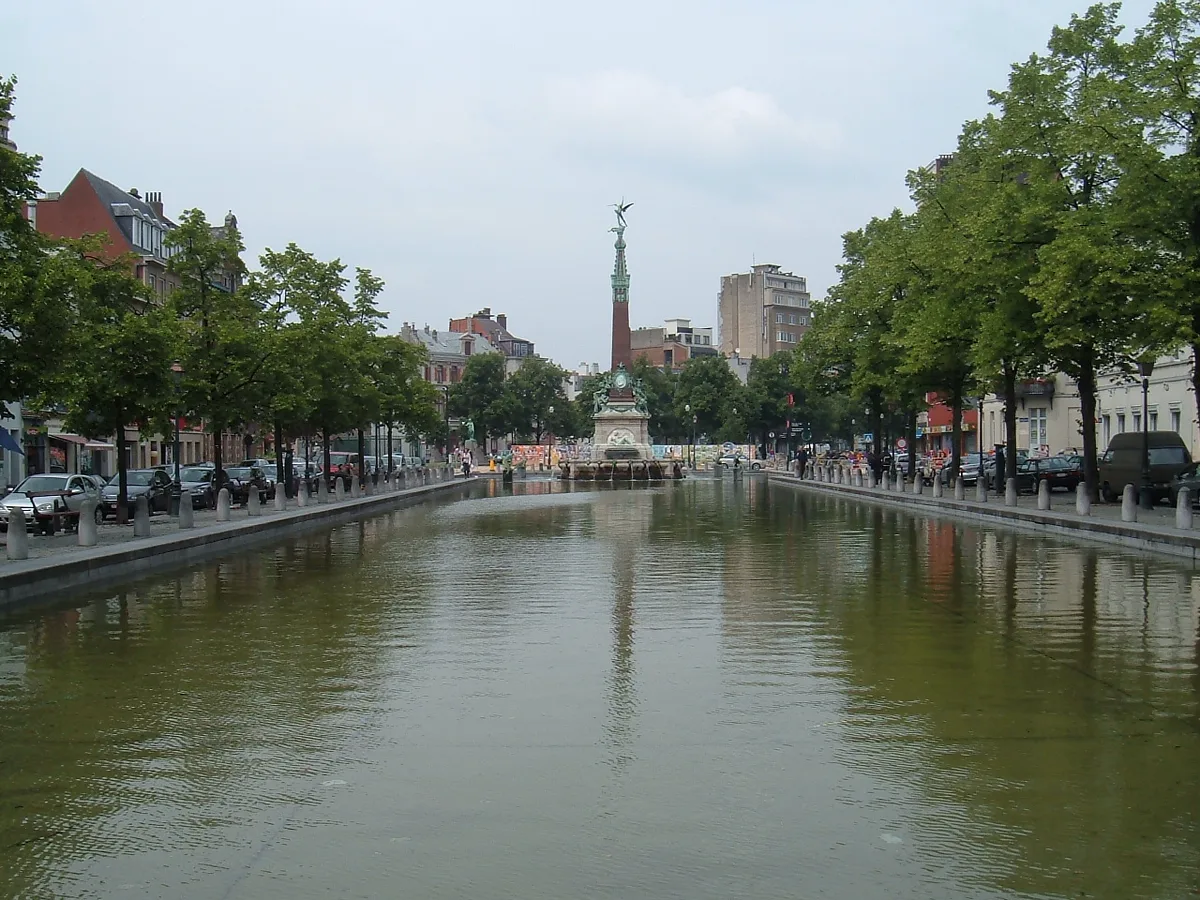
Which Brussels Neighborhoods Hide the Best Secrets?
Off the beaten path in Brussels really means picking the right neighborhood, not just the right site. A broader neighborhoods guide breaks down all nine districts in more depth. The Marolles, Saint-Gilles, and Ixelles consistently turn up fewer tourists than the historic center.
The Marolles neighborhood guide covers the flea market plus nearby bars and bakeries. Narrow streets here still show the working-class character that shaped Brussels before gentrification arrived. Rents remain lower than downtown, which keeps small shops and family-run cafes in business.
| Neighborhood | Main Attractions | Character & Vibe | Price Level vs Center |
|---|---|---|---|
| Marolles | Flea market, bars, bakeries | Working-class, narrow streets | Lower rents, cheaper meals |
| Saint-Gilles | Horta Museum, café terraces | Art Nouveau, quieter afternoons | Lower rents and menu prices |
| Ixelles | Matongé, ponds, restaurants | African, European, student culture | Meals 10–15 euros |
The Saint-Gilles guide pairs well with a Horta Museum visit, since both sit in the same district. Cafe terraces here fill up on weekend mornings, then quiet down again by mid-afternoon. Rents and menu prices both run noticeably lower than in the historic center.
Ixelles, home to Matongé, keeps its own rhythm with a mix of African, European, and student culture. An Ixelles guide lists more restaurants and ponds worth a slower afternoon. Ponds near Chasse and Flagey give the district a green core the historic center lacks.
History fans with extra time might also detour into the European Quarter, away from the main circuit. The House Of European History sits inside Parc Léopold and rarely draws a queue. Entry is free, and the museum opens Tuesday through Sunday, closed on Mondays.
How to Plan a Smooth Off the Beaten Path Day
Weekday mornings before 10am consistently offer the quietest version of every spot on this list. A guide to visiting without crowds breaks down which months and days work best. Late spring and early autumn balance mild weather against smaller tour groups.
Weekday mornings before 10am consistently offer the quietest crowds at every listed spot. Late spring and early autumn balance mild weather against smaller tour groups.
A single-day transit pass covers trams, buses, and the metro for about 7.50 euros. Most sites on this list sit within a fifteen to twenty-five minute ride of the center. Walking between two or three nearby picks often beats waiting for a connecting tram.
Evenings open up a different side of off the beaten path Brussels entirely. The Bar Le Cercueil serves drinks in coffin-shaped booths near the Bourse, a quirky detour from typical nightlife. Drinks run 6 to 10 euros, and it stays open into the late evening most nights.
Travelers with extra days sometimes pair Brussels with a quieter town nearby. A day trips guide lists options reachable by direct train in under an hour. Building in one buffer day helps absorb any weather or transit delays.
What to Skip in Off the Beaten Path Brussels
Not every popular stop deserves a spot on a tighter, more local itinerary. A few attractions draw large crowds yet deliver less than their reputation suggests. Two examples stand out for travelers chasing a quieter version of the city.
Manneken Pis remains worth a five-minute glance, but budget no more than that. The statue stands barely half a meter tall, and the surrounding street gets packed by mid-morning. Visit before 9am if the photo matters, then move on toward quieter ground.
The Brussels Comic Museum is well curated, but it rarely counts as a hidden find anymore. Entry costs around 12 euros, and it opens daily except a few public holidays. Travelers short on time get more local flavor from the free outdoor mural route instead.
DIY a Self-Guided Chocolate Tour Through Brussels
Brussels invented the praline, and a short walking loop through the historic center covers the city's best chocolatiers without needing a paid group tour. Start in the Galeries Royales Saint-Hubert, where Neuhaus still runs its original flagship near where founder Jean Neuhaus created the filled praline in 1912. From there, walk to Place du Grand Sablon for Pierre Marcolini, known for single-origin bars and seasonal ganache flavors rather than mass-market sweets. Laurent Gerbaud's atelier near Gare Centrale runs hands-on tasting workshops most afternoons, pairing chocolate with dried fruit and spices in a smaller, less touristy setting. For context on how it's made, Choco-Story Brussels near Grand Place is a small museum with live demonstrations included in the ticket price.
- Neuhaus, Galeries Royales Saint-Hubert — historic flagship, praline origin story
- Pierre Marcolini, Place du Grand Sablon — single-origin bars, seasonal ganaches
- Laurent Gerbaud, near Gare Centrale — tasting workshops, smaller crowds
- Choco-Story Brussels, near Grand Place — museum with live demonstrations
Budget a half day, go mid-morning before tour groups arrive, and save room for a final stop at a neighborhood praline shop away from Grand Place for better prices.
Frequently Asked Questions
What are the best off the beaten path things to do in Brussels?
Top picks include the buried Coudenberg palace, Bois de la Cambre's Robinson Island, and the Marolles flea market. The Comic Strip Mural Route adds a free option, while the Musical Instrument Museum works well on rainy days. Each sits within a short tram ride of the center.
Is Brussels safe for off the beaten path exploring?
Brussels is generally safe for daytime exploring, including quieter neighborhoods like the Marolles and Saint-Gilles. Standard city precautions apply, such as watching bags on trams and avoiding empty streets late at night. Locals recommend sticking to well-lit routes after dark in unfamiliar areas.
What is considered impolite in Belgium?
Arriving late without notice and skipping a greeting like bonjour or dag before a request are both seen as impolite. Belgians also value modest volume in public and expect a clear line at markets and counters. Small courtesies like these go a long way in neighborhood shops.
Where should first-time visitors avoid staying in Brussels?
Areas directly around Gare du Midi can feel unwelcoming late at night, especially for first-time visitors. Staying instead near Saint-Gilles, Ixelles, or the Dansaert district offers a calmer base with easy tram access. Both areas still sit within fifteen minutes of the main sights.
Where can you eat like a local off the beaten path in Brussels?
Matongé and Parvis de Saint-Gilles both serve full meals for 10 to 15 euros, well below center prices. A local food guide lists specific dishes and neighborhood spots worth seeking out. Weekday lunch service tends to be quieter than weekend dinner rushes.
Off the beaten path in Brussels rewards a slower pace and a short tram ride. Ten spots, four neighborhoods, and a handful of honest skips make up a fuller picture of the city. Building even two or three of these into an existing trip changes how the city feels.
Prices and hours shift year to year, so confirm details before heading out in 2026. A little planning turns a standard weekend into a genuinely local visit.
Continue exploring
More guides you'll find useful