Best Time to Visit Brussels Without Crowds Guide
Discover the best time to visit Brussels without crowds: monthly weather, prices, closures, and packing tips. Plan your 2026 trip with confidence today.
On this page
Brussels Without Crowds: The Best Time to Visit
Late April through June and mid-September through mid-October mark the best time to visit Brussels without crowds. These shoulder-season windows pair mild weather with noticeably shorter lines at the Grand-Place and Atomium. Last updated July 2026, this guide uses typical climate patterns and current event calendars to help you pick dates.
Brussels draws its heaviest crowds during the Christmas market season and peak summer, roughly late June through August. Late spring, specifically mid-May to mid-June, and early fall, from mid-September to mid-October, sit between those rushes. Hotel rates during these shoulder windows often run lower than July's festival peak, based on seasonal booking patterns. Museums stay fully open, and outdoor terraces in neighborhoods like the Sablon fill without the summer crush.
This guide breaks down weather, crowd levels, and prices across every Brussels season. It also covers which closures to expect in low season and what to pack for each stretch of the year. Read on for a month-by-month comparison plus practical picks by traveler type.
Best Time to Visit Brussels Without Crowds
Spring in Brussels runs cool at first, warming from about 8-18°C (mid-40s to mid-60s°F) by June. Crowds thin noticeably right after Easter week, once school holidays end across Belgium and neighboring countries. Late April to early June offers blooming parks like the Bois de la Cambre without peak-season lines. Fall brings similar relief, with temperatures near 7-17°C (mid-40s to low 60s°F) through October.
Grand-Place feels calmest in early morning or after dinner once tour groups depart. Late April through June and mid-September through mid-October combine mild weather with noticeably thinner crowds.
North Sea frontal systems bring frequent light rain to Brussels from October through March, per typical climate data. Visitors touring in the shoulder months should still pack a compact umbrella for scattered showers. Even so, September and early October typically log fewer rainy days than November or December. This pattern matches seasonal notes from U.S. News' Brussels timing guide.
Brussels also fills with business travelers during EU summit weeks and NATO meeting periods. These spikes can push European Quarter hotel rates higher for a few days at a time, independent of season. Checking the EU institutional calendar before booking helps travelers dodge an unexpected rate spike. This neighborhood guide to Brussels breaks down which areas sit closest to the European Quarter.
Timing single-day visits matters as much as picking a season. Grand-Place feels calmest in early morning or after dinner, once tour groups have moved on. For a deeper look at quieter corners, this hidden gems in Brussels guide covers spots most tour buses skip.
Brussels Season Comparison: Weather, Crowds, and Prices
The table below compares Brussels' four seasons across weather, crowd levels, and typical prices. Figures reflect typical seasonal patterns rather than exact forecasts, based on regional climate data. Use it alongside the event calendar to match your travel dates to your priorities.
Summer, from late June through August, brings the warmest days at 16-23°C (low 60s to low 70s°F). Brussels Summer Festival and Belgian National Day on July 21 draw large crowds to the city center. Hotel prices typically peak during this stretch, especially the first two weeks of August.
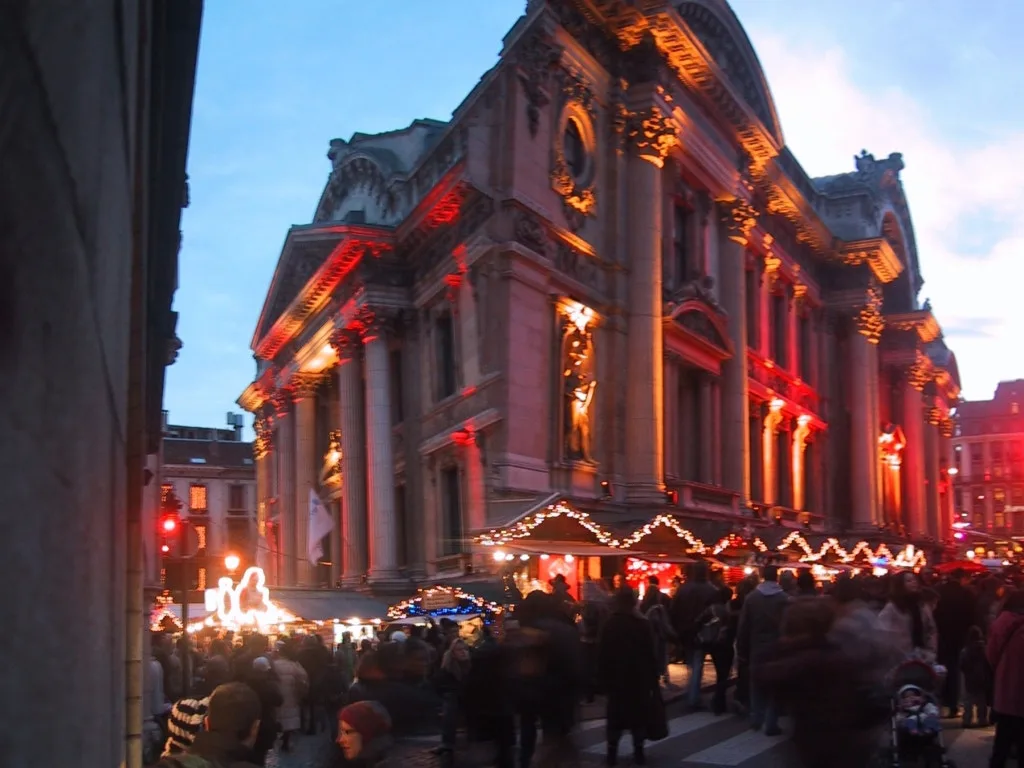
Winter dips to 1-6°C (mid-30s to low 40s°F), with the Winter Wonders Christmas market running late November into early January. That market draws dense crowds to the Grand-Place area despite the cold. Outside the market weeks, January and February offer the year's thinnest crowds and lowest hotel rates.
Shoulder months split the difference, a pattern confirmed by Intrepid Travel's seasonal breakdown of Belgium. Travelers chasing budget rates without winter cold often land on late September. For quieter side streets beyond the main sights, this off-the-beaten-path guide pairs well with shoulder-season pacing.
| Season | Weather | Crowds | Prices | Events | Best for |
|---|---|---|---|---|---|
| Late March to mid-June | 8-18°C / mid-40s to mid-60s°F, frequent light rain | Low-moderate, rising after Easter | Mid-range, lower than summer | Easter market, spring blossoms in parks | Mild weather and thinner lines |
| Late June to August | 16-23°C / low 60s to low 70s°F, occasional highs near 27°C/80°F | High, peaks around Belgian National Day | Highest of the year, especially early August | Brussels Summer Festival, Belgian National Day Jul 21 | Festivals and long daylight hours |
| September to mid-October | 7-17°C / mid-40s to low 60s°F | Low-moderate, quiet by early October | Mid-range, dropping after September | Fewer festivals, harvest-season food events | Fewer crowds and comfortable walking weather |
| Late November to February | 1-6°C / mid-30s to low 40s°F, occasional frost | Very high late Nov-early Jan, then low Jan-Feb | High during Christmas market, lowest in Jan-Feb | Winter Wonders Christmas market, late Nov-early Jan | Festive markets or rock-bottom off-season rates |

Which Season Is Right for You?
Picking a season comes down to personal priorities more than perfect weather. Some travelers value low prices over sunshine, while others want festival energy above all else. The list below matches common traveler types to their best-fit season.
Families traveling with young children often do best avoiding both peak summer heat and market-week crowds. Budget travelers, meanwhile, find January and February deliver the lowest hotel rates of the year.
Photographers chasing warm light on the Grand-Place often prefer late September's clearer skies. Museum-focused travelers should note that most Brussels museums close on Mondays, a citywide pattern worth planning around. Specialty spots such as breweries and smaller private museums often stay open that day instead.
- Pick late spring if you want
- Mild weather, thinner lines, blooming parks
- Pick early fall if you want
- Comfortable temps, quieter streets, clear light
- Pick winter after New Year if you want
- Lowest prices, thinnest crowds, festive leftovers
- Pick summer if you want
- Festivals, long days, lively terraces
- Pick early December if you want
- Markets aglow, moderate crowds, cozy cafés
What's Closed in Brussels During Low Season
Winter's quiet streets come with a trade-off: certain seasonal attractions close or scale back. Knowing these gaps in advance prevents a wasted trip to a shuttered kiosk or a paused tour.
Most Brussels museums close Mondays, but breweries and smaller private museums stay open. The Royal Palace of Brussels opens only summer months, typically late July through early September.
Outdoor guinguette-style pop-up bars and kiosks in city parks typically close by early October and reopen in spring. Open-air terraces around the Sablon and Dansaert areas thin out once temperatures drop below 10°C (50°F). Some walking tour operators reduce their schedule to weekends only between November and March.
The Royal Palace of Brussels only opens to visitors during summer months, typically late July through early September. Certain rooftop bars featured in warmer months close entirely once winter sets in. Free group tours at spots like the National Bank Museum, which normally run about one hour, may drop in winter. For a working list of what's still open, see this free things to do in Brussels guide.
The one exception is Winter Wonders, the Christmas market that runs late November into early January. That market draws some of the year's densest crowds despite otherwise sleepy winter streets. Visiting on a weekday morning before noon avoids the worst of the market crush.
What to Pack for Brussels by Season
Brussels weather shifts quickly, so packing layers matters more than picking one heavy coat. Rain gear stays useful nearly year-round, given the city's frequent light showers. The checklist below breaks down essentials season by season.
Cobblestone streets around the Grand-Place and Marolles neighborhood call for sturdy, flat-soled shoes in any season. Heels and thin soles struggle on the uneven stone surfaces common across the historic center.
Layering also helps with indoor heating, since many cafés and museums run warm even in winter. A packable tote or day bag covers museum entry rules that limit large backpacks.
- Spring in Brussels packing essentials
- Light rain jacket, layers, comfortable shoes
- Summer in Brussels packing essentials
- Sunscreen, light layers, compact umbrella
- Fall in Brussels packing essentials
- Warm layers, waterproof jacket, scarf
- Winter in Brussels packing essentials
- Insulated coat, waterproof boots, gloves
How Many Days Do You Need in Brussels?
Most travelers comfortably cover Brussels' core sights in two to three days. A single day works for a fast pass through the Grand-Place, Manneken Pis, and one museum. Three days allow time for neighborhood exploration beyond the tourist center.
A one-day visit should prioritize the Grand-Place, Manneken Pis, and a quick chocolate tasting nearby. Early morning starts help beat tour groups that arrive by mid-morning.
A second day suits museums and green space. The Royal Museums of Fine Arts and Bois de la Cambre both reward slower pacing. A third day suits neighborhood wandering in areas like the Marolles, away from the main tourist loop. Local markets and flea-market stalls there feel far less scripted than the Grand-Place souvenir shops.
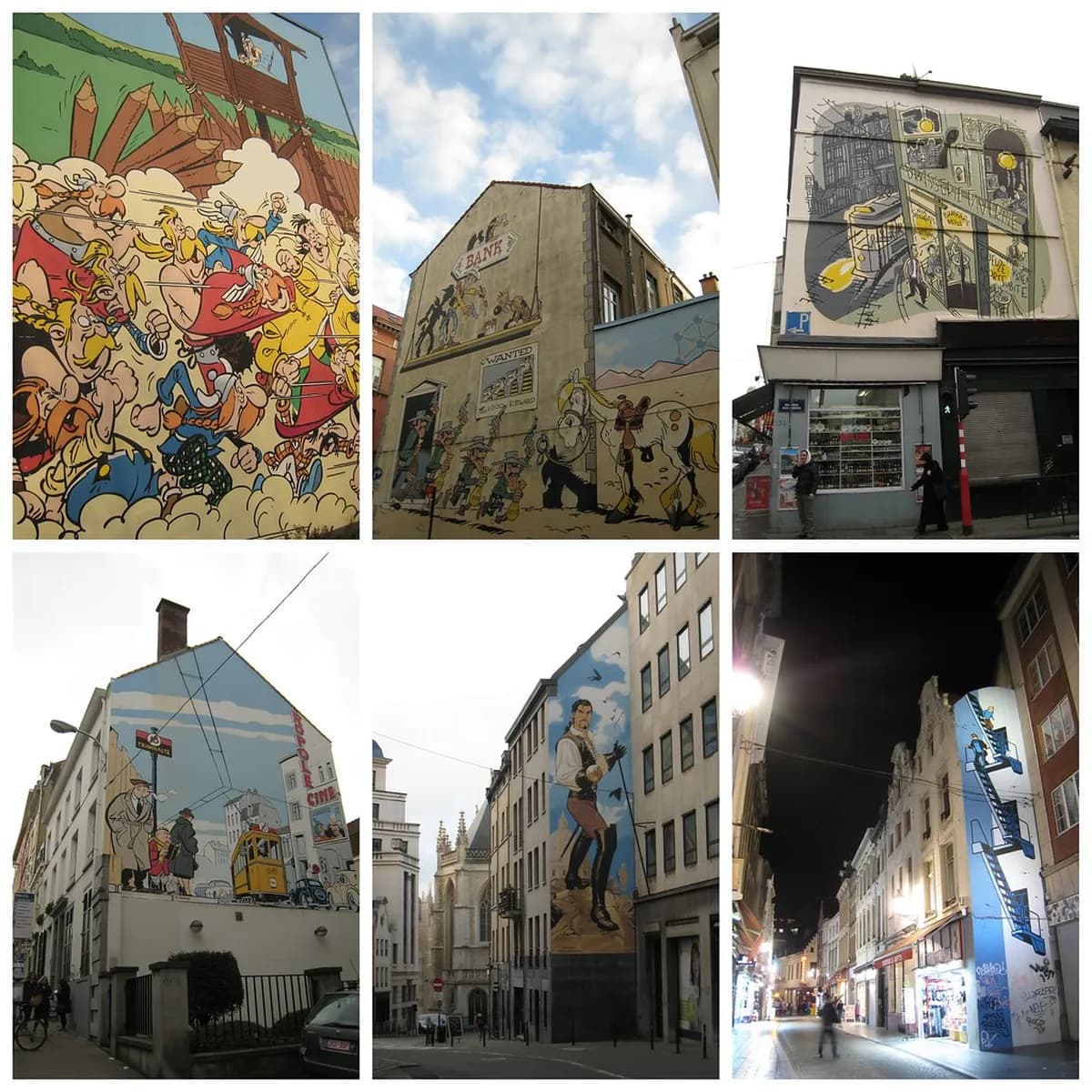
Travelers with four or more days can add a day trip to nearby cities like Bruges or Ghent. This day trips from Brussels guide covers train times and ticket costs for those routes. Longer stays also leave room for a full loop of the city's comic-strip murals.
Comic art lovers can dedicate a half-day to the comic strip mural route scattered through downtown streets. This self-guided walk pairs well with a quieter shoulder-season afternoon, away from summer's thicker foot traffic. For a broader overview of the city, this Trip.com Brussels destination guide rounds out trip planning.
Major Festivals That Can Fill Brussels Fast
Beyond the general seasonal patterns, several recurring events pack Brussels' historic core with visitors and are worth checking against travel dates before booking a "quiet" week. The Brussels Flower Carpet (Tapis de Fleurs) covers the Grand-Place in begonia patterns for four days every even-numbered year in mid-August, drawing dense crowds and long queues to view the square from the surrounding balconies. The Ommegang, a torch-lit historical pageant reenacting a 1549 royal procession, fills the Grand-Place on two evenings in late June or early July, with ticketed seating and standing crowds packing the square well before showtime. The Iris Festival in early May marks the Brussels-Capital Region's founding with concerts, parades, and open-house days at normally closed buildings, pulling extra foot traffic downtown. The Brussels Jazz Marathon, held over a late-May weekend, puts free stages on squares across the city center.
- Flower Carpet: mid-August, even years, Grand-Place
- Ommegang: late June/early July, Grand-Place
- Iris Festival: early May, citywide
- Jazz Marathon: late May weekend, city squares
Cross-checking these dates against a trip calendar avoids an unplanned crowd surge during an otherwise quiet shoulder-season visit.
Frequently Asked Questions
What is the best month to visit Brussels?
Late May and early September stand out as the best months to visit Brussels. Weather stays mild, roughly 15-20°C (60s to high 60s°F), and crowds thin out between school holidays. Hotel rates also tend to sit below summer peak pricing during these windows.
Is Brussels expensive to visit in summer?
Summer counts as Brussels' priciest season, especially the first two weeks of August. Hotel rates climb alongside demand for the Brussels Summer Festival and Belgian National Day events. Booking six to eight weeks ahead usually secures better summer rates.
How many days in Brussels is enough?
Two to three days cover Brussels' main sights comfortably for most travelers. One day works for a fast pass through the Grand-Place and Manneken Pis. A third day suits neighborhood exploration or a nearby day trip.
Which is more beautiful, Brussels or Bruges?
Beauty here comes down to taste rather than a clear winner. Bruges offers a compact, canal-lined medieval core, while Brussels blends Art Nouveau architecture with a livelier capital feel. Many travelers pair both cities in one trip using frequent direct trains.
What is the prettiest town in Belgium?
Bruges frequently tops lists for Belgium's prettiest town, thanks to its canals and preserved medieval streets. Ghent and Dinant also draw praise for scenic waterfront settings. Brussels, meanwhile, wins on culture, food, and museum variety rather than postcard charm.
Late spring and early fall remain the clearest paths to a quieter Brussels. Mid-May to mid-June and mid-September to mid-October combine mild weather with thinner crowds and steadier prices. Winter works too, once the Christmas market weeks pass, for travelers who prioritize budget over festive lights.
Whichever season fits the trip, book major museum tickets and Royal Palace visits ahead of peak weeks. Planning around EU summit calendars and market dates keeps surprises to a minimum.
Continue exploring
More guides you'll find useful