Brussels Neighborhoods Guide: Best Areas to Stay
Discover a Brussels neighborhoods guide covering Marolles, Sablon, Ixelles, and Dansaert, with costs, access tips, and best-fit stays for 2026.
On this page
Your Brussels Neighborhoods Guide for 2026
Brussels packs medieval squares, EU institutions, and quiet residential streets into one compact capital. Choosing the right neighborhood shapes how easy your trip feels once you land. This brussels neighborhoods guide breaks down six distinct districts, from antique-lined Sablon to design-forward Dansaert. Each area suits a different travel style, budget, and pace.
Some travelers want cobblestone views steps from Grand-Place, while others prefer a quieter, local-feeling street. Others plan day trips and want fast transit connections above everything else. For a broader sense of where locals spend free time, check this guide to 10 Hidden Gems in Brussels You Need to Visit (2026). The sections below cover cost, distance, and the best-fit traveler for each pick.
Marolles and Sablon: Antiques Meet Upper Town Calm
Marolles sits just below the Upper Town and feels the most working-class of Brussels' central districts. Its daily flea market at Place du Jeu de Balle draws bargain hunters most mornings. Narrow streets and unpretentious cafes give this quarter a lived-in, authentic feel.
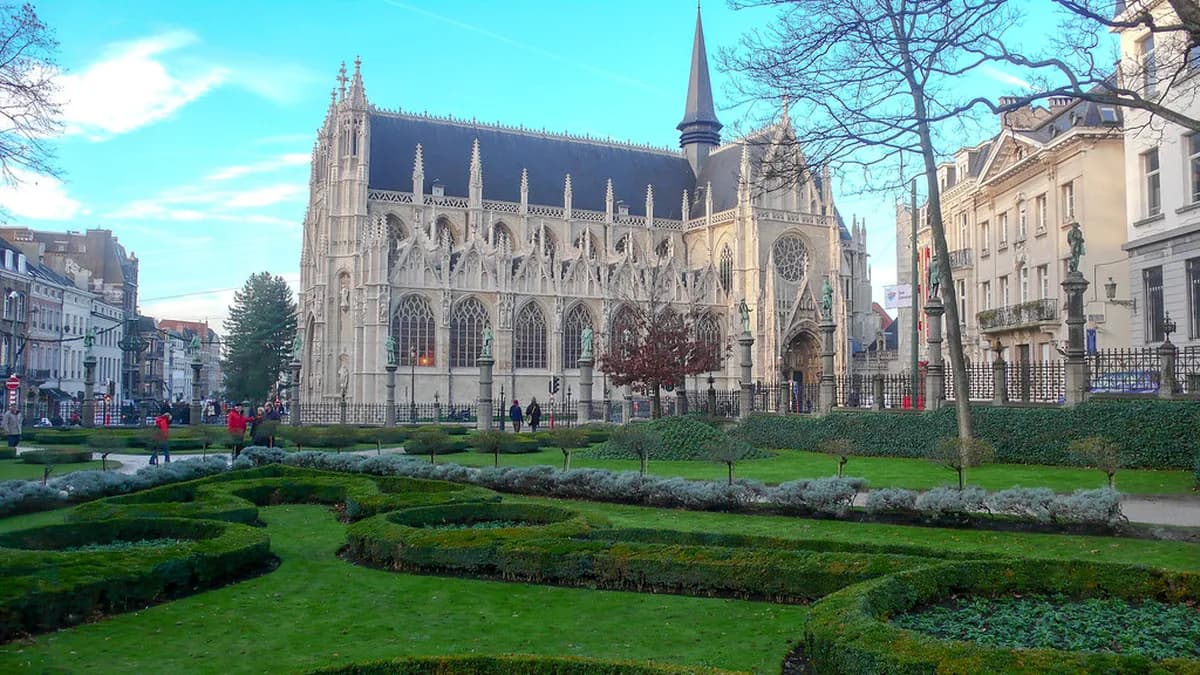
Sablon sits directly uphill from Marolles and could not feel more different. This wealthy district houses antique shops, chocolate boutiques, and some of the city's fancier restaurants. Petit Sablon square sits roughly 800 meters from many Sablon hotels, making antique browsing an easy stroll. For a closer look at the district, see this Sablon neighborhood guide before booking.
Travelers who want boutique shopping and Upper Town elegance should lean toward Sablon over Marolles. Budget-focused visitors who prefer flea-market bargains and a grittier local vibe may prefer Marolles instead. Read more in this dedicated Marolles Brussels Guide: Flea Market & Local Charm before you choose a base.
Ixelles and Saint-Gilles: Where Locals Actually Live
Ixelles borders the Upper Town and centers on two ponds, the Étangs d'Ixelles. Cafes, ethnic restaurants, and a large student population give this area a genuine local vibe. Foodies who want real neighborhood dining over tourist-menu restaurants tend to gravitate here.

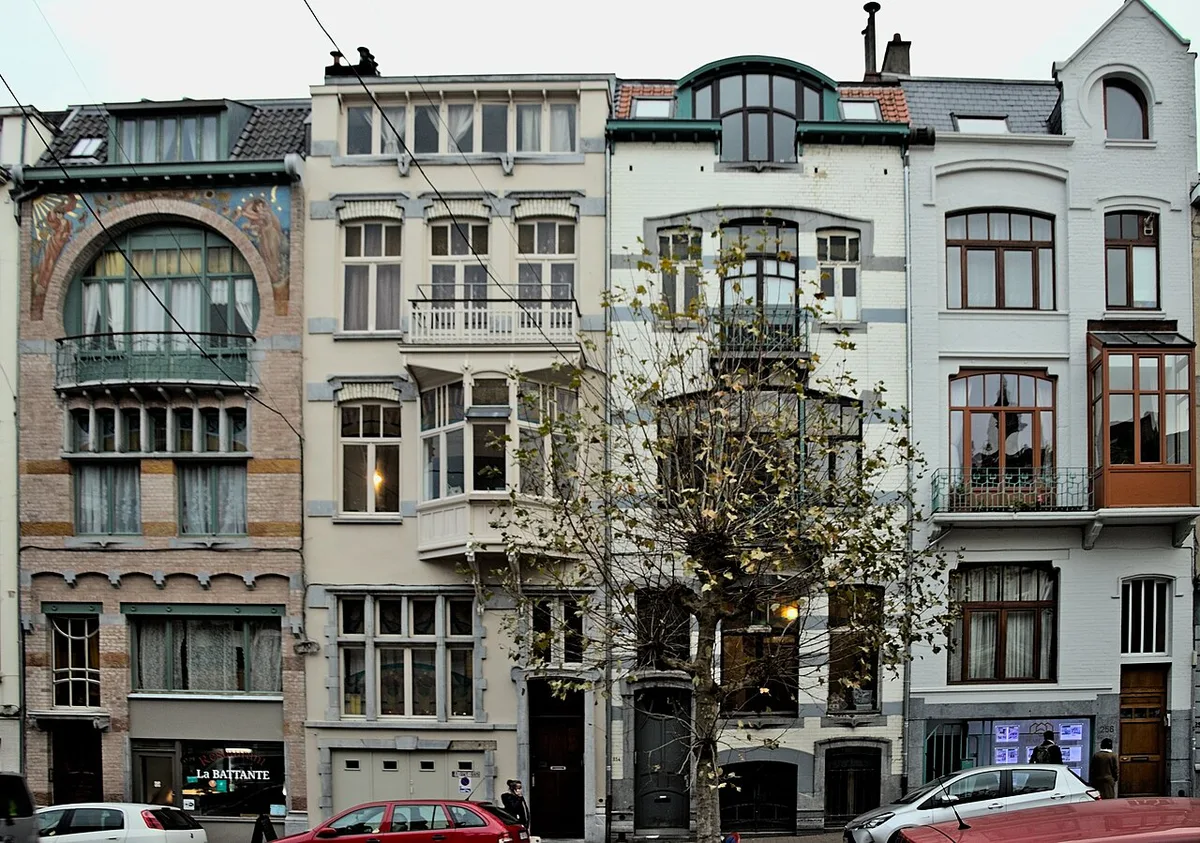
Saint-Gilles sits just southwest of the center and keeps a residential, family-friendly feel. A tram ride from Saint-Gilles to Grand-Place takes about 15 minutes, keeping the center within easy reach. Victor Horta, the architect behind Brussels' Art Nouveau movement, lived and worked in this district. Several of his Art Nouveau houses remain open to visitors today.
Families who want a quieter base with easy tram access often choose Saint-Gilles over the busier center. Both districts reward slower exploration rather than a checklist of sights. See this Ixelles Brussels Guide: Sights, Stays & Tips for restaurant picks and walking routes around the ponds.
Saint-Gilles pairs well with a day spent exploring Art Nouveau facades on foot. This Saint-Gilles Brussels guide covers architecture highlights and family-friendly streets in more depth. Either district works as a base if a short tram ride to major sights isn't a problem.
Sainte-Catherine and Dansaert: Waterfront and Design
Sainte-Catherine, sometimes called the Quays Quarter, sits on the site of Brussels' old harbor. Fish restaurants cluster around the former fish market, a nod to the area's maritime past. It stays central without feeling as touristy as the Grand-Place area.
This quarter sits about a 5-minute walk from La Bourse, the former Stock Exchange building. Grand-Place and its surrounding sights are roughly a 10-minute walk from most Sainte-Catherine hotels. That combination makes it a solid pick for visitors who want central without constant crowds.
Dansaert borders Sainte-Catherine and has grown into Brussels' design and fashion district. Independent boutiques, concept stores, and creative cafes line Rue Antoine Dansaert. Nightlife spots in this part of the city tend to stay open well past midnight on weekends. Explore specific streets and shop picks in this Dansaert Brussels Guide: Shops, Food & Walks before you plan a route.
Central Quarter and Coudenberg: The Historic Core
The Central Quarter surrounds Grand-Place, a UNESCO World Heritage square recognized worldwide. Many hotels here sit within a 3-minute walk of both Grand-Place and Central Station. This makes a convenient base for short stays focused on major sights.
Cobblestone lanes radiate out from the square, packed with chocolate shops and waffle stands. A wide panorama of the square, captured by photographer Celuici, shows its scale well. Expect this area to rank among Brussels' busiest for foot traffic, especially midday.
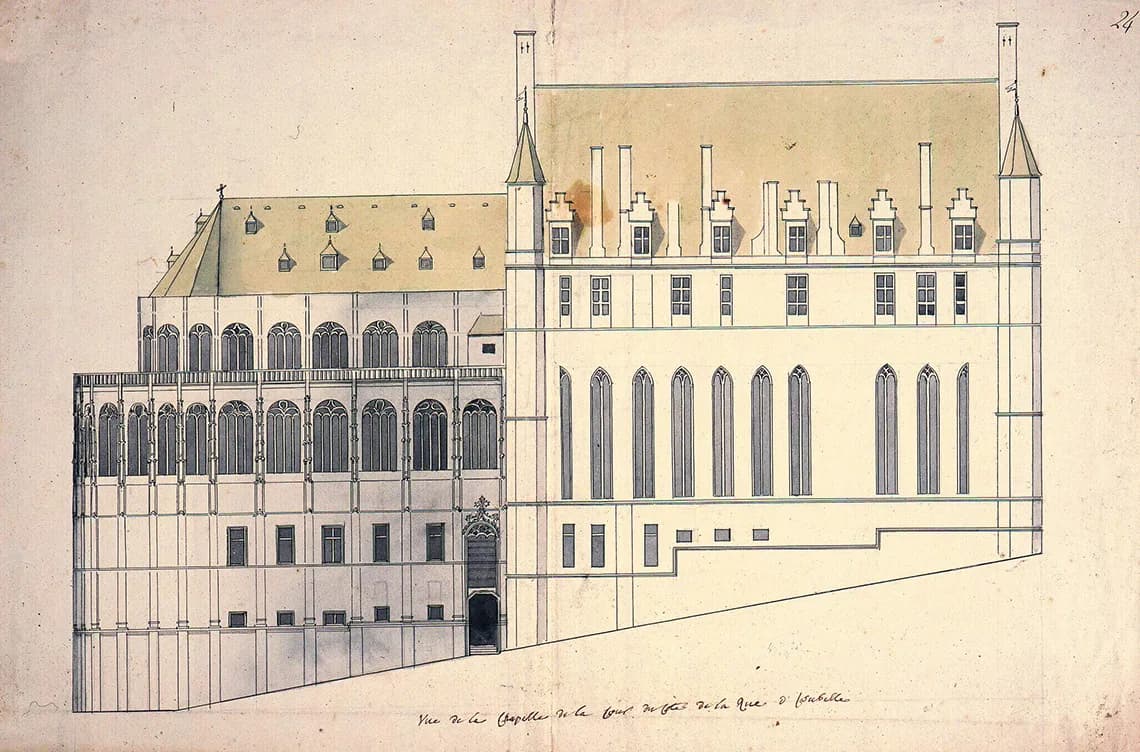
Coudenberg preserves the archaeological remains of Brussels' former royal palace, buried beneath the Upper Town. From here, sights like the Royal Palace and the Royal Museum of Fine Arts sit no more than 15 minutes away on foot. That walk includes a climb toward Royal Square, so pace yourself on a warm day.
Nearby Mont des Arts gardens add terraced views over the city's rooftops, pictured here by photographer Julian Lupyan. This cluster of sights suits travelers who want architecture and history within a short walk of each other. Check this Coudenberg Brussels guide and confirm current opening hours before visiting the underground palace site.
Brussels Neighborhoods Guide: Good to Know Before You Book
A few areas near Brussels' main stations are worth skipping for an overnight stay. The zone around Bruxelles-Midi/Brussel-Zuid station feels convenient for Eurostar arrivals but quiet and unwelcoming after dark. The area near Brussels North Station carries a similar, though milder, version of the same issue.
Match your neighborhood to your travel pace: Central Quarter and Sainte-Catherine for short sight-focused trips, Ixelles or Saint-Gilles for local experiences and families, Dansaert for design and nightlife, Sablon for shopping, Marolles for bargains.
Areas around Bruxelles-Midi and Brussels North Station feel unwelcoming after dark. Brussels Central Station provides a safer alternative for station-adjacent stays and sits closer to central neighborhoods.

Brussels Central Station makes a safer, more central alternative if you want to stay near a major rail hub. Most neighborhoods covered above sit within a short tram or walk of this station. Distance from the center matters less here than in sprawling capitals, since most areas are well connected.
None of these six areas requires a car, since Brussels' trams and metro connect them well. Pick based on pace and vibe first, then confirm walking distance to the sights on your list.
- Central Quarter: best for short visits
- Best for: first-time visitors
- Walk to Grand-Place: under 5 min
- Vibe: touristy, historic core
- Sablon: best for antiques and museums
- Best for: shopping, culture
- Walk to Royal Quarter: about 15 min
- Vibe: upscale, quiet at night
- Ixelles: best for local food scenes
- Best for: foodies, students
- Access: tram and metro links
- Vibe: relaxed, residential
- Saint-Gilles: best for families
- Best for: families, longer stays
- Tram to Grand-Place: about 15 min
- Vibe: residential, Art Nouveau
- Dansaert: best for design and nightlife
- Best for: shopping, late nights
- Access: central, walkable
- Vibe: creative, trendy
- Marolles: best for flea-market bargains
- Best for: budget browsing
- Market days: mornings mostly
- Vibe: gritty, authentic
European Quarter: Business Hub Near Cinquantenaire Park
The European Quarter, centered on Rond-Point Schuman, sits east of the center and hosts the European Commission's Berlaymont building and the European Parliament. It's a practical add to this guide because travelers researching Brussels neighborhoods often land here for conferences or EU business, not leisure. Metro lines connect Schuman and Maalbeek stations directly to Central Station in roughly 15-20 minutes, but the area empties out on evenings and weekends once office workers leave, so restaurant and shop hours run shorter than in Dansaert or Sainte-Catherine.
- Cinquantenaire Park anchors the district, with its triumphal arch, the Art and History Museum, and Autoworld all inside the same grounds
- Hotels here skew toward business travelers, with predictable weekday pricing and quieter weekend rates
- Grand-Place sits about 20-25 minutes away by tram or metro, farther than most other central districts
Choose this base only if EU-related meetings anchor your schedule; otherwise Sainte-Catherine or the Central Quarter keep sights closer and streets livelier after dark.
Frequently Asked Questions
Which Brussels neighborhood is best for first-time visitors?
The Central Quarter around Grand-Place works well for many first-time visitors. Hotels here sit within a few minutes' walk of major sights and Central Station. Sainte-Catherine offers a similar central location with a calmer evening feel. Both areas keep you close to trams and the metro for day trips.
Are there Brussels neighborhoods to avoid at night?
The blocks around Bruxelles-Midi/Brussel-Zuid station feel unwelcoming after dark despite convenient Eurostar access. The area near Brussels North Station shares a milder version of the same issue. Brussels Central Station makes a safer alternative for a station-adjacent stay. Confirm current local safety guidance if arriving late.
How far is Sablon from Ixelles and Saint-Gilles?
Sablon sits roughly a 10 to 15 minute walk from both Ixelles and Saint-Gilles, depending on your starting point. Trams also connect all three districts directly, so a car is not necessary. Confirm exact routes and travel times before planning a same-day visit to all three.
Which Brussels neighborhood works best for a family trip?
Saint-Gilles tends to work well for families thanks to its residential streets and Art Nouveau architecture. A roughly 15-minute tram ride connects it to Grand-Place and the main sights. Ixelles is a solid second option for families who prioritize parks and casual dining.
Do you need a car to get between Brussels neighborhoods?
No, a car is not necessary for any of the districts covered in this brussels neighborhoods guide. Trams, buses, and the metro connect Marolles, Sablon, Ixelles, Saint-Gilles, Dansaert, and the Central Quarter directly. Walking also works well for most trips within the center.
How Other Cities Are Actually Divided
Brussels is nineteen communes rather than a set of quarters, which is why the guide matters more here than most places. Bruges's quarters are a walkable alternative, Kraków's districts are divided by history, and Munich's neighbourhoods by property prices.
Brussels rewards travelers willing to pick a neighborhood on purpose rather than by default. Central Quarter and Sainte-Catherine suit short, sight-focused trips best. Ixelles, Saint-Gilles, and Dansaert fit longer stays built around local food, architecture, and design.
Sablon and Marolles round things out for travelers who want either polish or a bargain-hunting morning. Match your pick to your pace, confirm walking distance to your must-see sights, and book early during peak season. Whichever district you choose, Brussels' compact center keeps every option within easy reach.
Continue exploring
More guides you'll find useful