Coudenberg Palace Brussels Travel Guide
Plan a visit to Coudenberg Palace in Brussels with history, ticket tips, and nearby sights for a smoother day exploring the royal quarter today.
On this page
Exploring Coudenberg Palace in Brussels
Coudenberg Palace sits beneath the busy streets of central Brussels, hidden in plain sight for over two centuries. Once a royal residence for dukes and emperors, this palace burned down in 1731 and was later buried under a new city district. Today, visitors can walk through its excavated foundations and see traces of a court once linked to major European rulers, including Charles V.
This guide covers what remains of Coudenberg Palace, the story behind its dramatic fall, and how to plan a visit. You will find practical notes on tickets, timing, and nearby spots worth pairing with an underground tour. Whether interest leans toward medieval history or a quiet afternoon exploring Brussels' old royal quarter, this guide keeps it practical.
Must-See Sights at Coudenberg Palace Brussels
The archaeological site preserves cellars, foundations, and passageways from the original palace of the Dukes of Brabant. Construction began in the 13th century, when Brabant's rulers made Brussels a political and diplomatic hub. By the following century, the fortress-turned-palace had become a magnet for visiting diplomats and nobility.
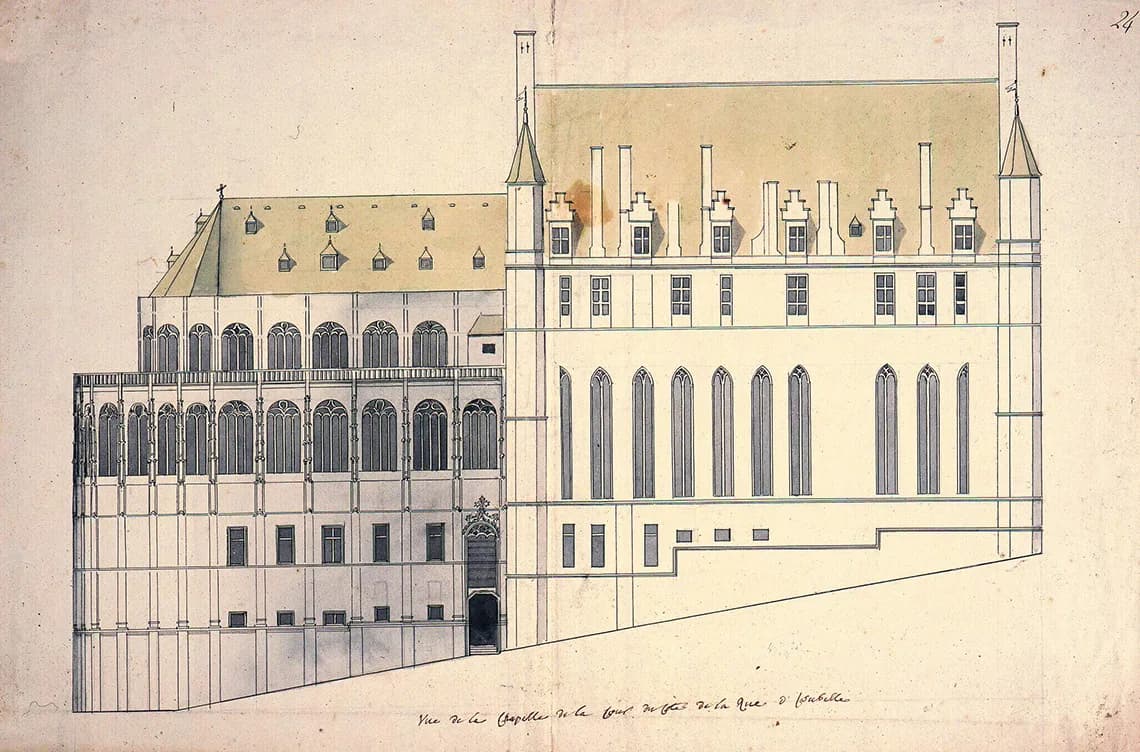
Philip the Good, Duke of Burgundy, added the Aula Magna, a grand banqueting hall built between 1452 and 1460. Emperor Charles V personally guided further expansion in the first half of the 16th century, including a Gothic-style chapel. Rooms once displayed tapestries, silver and gold objects, illuminated books, and paintings attributed to Titian, Rubens, and Brueghel.
Several early palace elements survive underground, giving a rare look at four centuries of Brabantian, Burgundian, Spanish, and Austrian design. Coudenberg ranks among the more layered 10 Hidden Gems in Brussels You Need to Visit (2026) since most of it sits underground rather than on a skyline. Guided routes typically move through the vaulted chambers before surfacing near Place Royale above.
- Aula Magna banqueting hall ruins
- Built: 1452 to 1460
- Patron: Philip the Good
- Style: Burgundian state hall
- Today: excavated foundation walls
- Chapel added under Charles V
- Era: early 1500s
- Style: Gothic
- Patron: Emperor Charles V
- Statue-lined gallery ruins
- Feature: decorative sculpted gallery
- Era: 16th-century expansion
- Today: partial foundations visible
- Underground passageways and cellars
- Function: linked palace wings
- Access: guided walking route
- Location: beneath Place Royale
The Palace of the Dukes of Brabant Through the Centuries
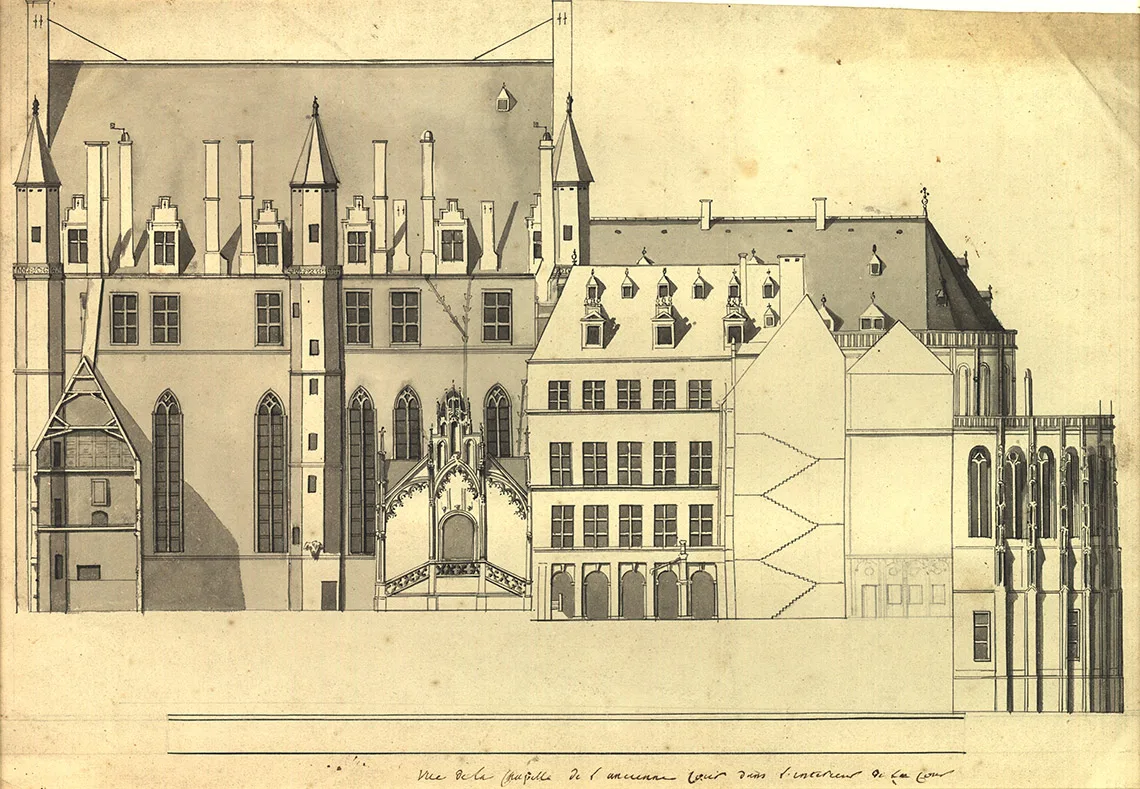
Brussels' original palace began as a defensive castle for the Dukes of Brabant in the 13th century. Its role expanded quickly, turning the fortress into a base for regional politics and diplomacy. By the 14th century, foreign envoys and nobles regularly stayed within its walls.
The palace kept evolving under new rulers, from the Dukes of Burgundy through the Spanish and Austrian periods. Each dynasty added wings, windows, and decorative details in its own architectural taste. The Coudenberg Palace entry on Wikipedia traces this layered building history for readers who want more depth.
For travelers weighing how much time to spend on history versus modern Brussels, Coudenberg offers a compact middle ground. A visit typically pairs well with a stop at the nearby Royal Palace, since both sites sit within a short walk of each other. Understanding this centuries-long build-up makes the ruins underfoot far more meaningful once inside.
The Fire That Ended Coudenberg's Royal Era
On the night of 3 February 1731, a fire broke out in the governess's private apartments. Marie-Elisabeth of Austria, sister of Emperor Charles VI, had reportedly left candles burning after a long day. Flames spread fast through wooden panelling into the surrounding rooms.
The 1731 fire started from unattended candles in the governess's private apartments. Court protocol initially blocked rescuers until a grenadier forced entry to save Marie-Elisabeth of Austria. Investigators quietly suspected the governess's maid, though no formal blame was placed.
Palace guards fought the blaze with only leather buckets and hand-pumped water sprays. Strict court protocol initially blocked rescuers from entering the governess's private chambers. A grenadier eventually broke down the doors and pulled her to safety before the fire consumed the wing.
Investigators at the time quietly suspected the governess's maid, Signora Capellini, though no formal blame was placed on her. The official report instead traced the fire to a kitchen beneath the apartments, where a banquet was being prepared that evening. That distinction matters for visitors curious why Coudenberg's story reads more like court intrigue than simple accident.
From Ruins to Place Royale: Brussels' Royal Quarter Today
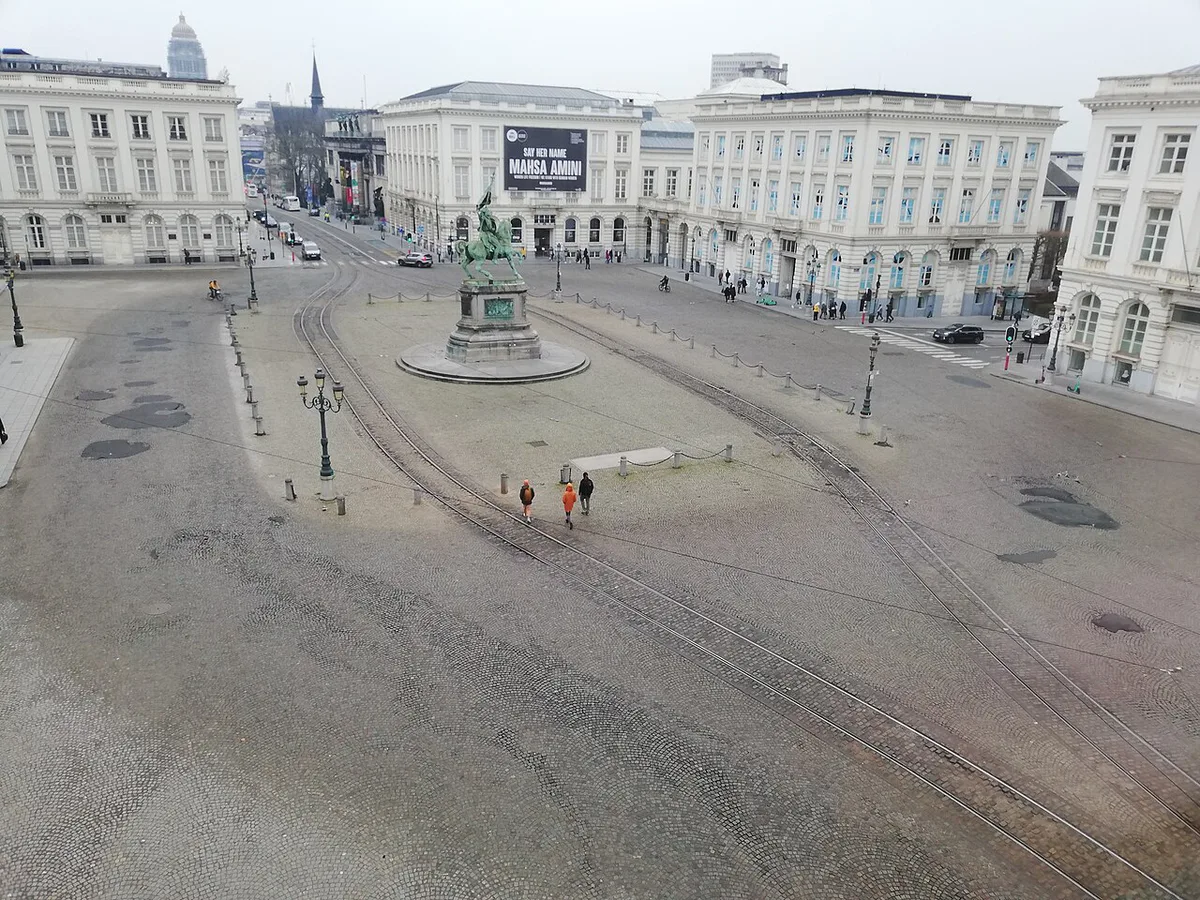
In the 1770s, city planners cleared the fire-damaged ruins to build an entirely new district. Place Royale rose in their place, ringed by neoclassical buildings that still define the square today. The palace's old gardens and sloped terrain disappeared under this flatter, more formal layout.
Some original foundations survived as cellars beneath the new construction, which is why the archaeological route exists today. The BELvue Museum, standing on part of the former grounds, covers Belgium's broader history for visitors extending their stay. Nearby, the still-functioning Royal Palace Of Brussels gives context on how the monarchy's role continued after Coudenberg's loss.
Together, the archaeological site, Place Royale, and the modern Royal Palace form a rough timeline you can walk in under half a day. Pairing the underground ruins with a look at Place Royale above ground makes the historical shift much easier to picture.
Planning a Smooth Visit: Tickets, Timing, and Access
Ticket prices, opening days, and seasonal hours for the Coudenberg site change from year to year. Check the official page to discover the hidden history of Coudenberg before finalizing a visit, since it lists current fees and schedule updates. Booking ahead is worth considering during peak summer weekends, when guided groups can fill up.
Wear sturdy, flat shoes for uneven stone floors and low ceilings. Visit on weekday mornings for smaller groups. Budget one hour for the underground route alone; add 20–30 minutes to explore Place Royale's neoclassical architecture above, which costs nothing.
Families traveling with children can expect a self-paced walking route rather than a formal guided-only format. Comfortable shoes matter, since the underground passages involve uneven stone flooring and some low ceilings. Combining the visit with a free stroll around Place Royale keeps the overall cost down for budget-minded travelers.
Visiting on a weekday morning generally means smaller groups moving through the vaulted rooms. Travelers wanting a fuller sense of low-season timing can check this guide to visiting Brussels without crowds before booking dates. Allow roughly an hour for the underground route alone, more if pairing it with Place Royale and the BELvue Museum.
- Confirm hours and pricing in advance
- Source: official Coudenberg site
- Reason: seasonal schedule changes
- Tip: check before booking a date
- Wear sturdy, flat walking shoes
- Why: uneven stone floors
- Also: some low ceilings
- Area: underground passages
- Visit on a weekday morning
- Benefit: smaller tour groups
- Trade-off: fewer weekend-only events
- Best for: quieter photos
- Pair with Place Royale above ground
- Cost: free to walk
- Time: adds 20 to 30 minutes
- Bonus: neoclassical architecture views
Parks, Gardens, and Neighborhoods Near Coudenberg Palace
Place Royale itself replaced the palace's original gardens, but green space is not far away. The Mont des Arts gardens sit just downhill, offering a formal terraced view back toward the city center. Both spots make an easy add-on walk after touring the underground ruins.
The Sablon district borders this royal quarter and mixes antique shops with quiet church squares. Travelers who enjoy this atmosphere often continue into the broader Sablon neighborhood guide for restaurant and shopping picks. It sits close enough to Coudenberg to fold into the same afternoon.
Further out, the Marolles district offers a grittier, market-driven contrast to the formal Royal Quarter. Checking a guide to the Marolles neighborhood helps decide whether that detour fits a given itinerary. Either direction works as a natural follow-up once the palace ruins and Place Royale are covered.
Accessibility at Coudenberg Palace
The Coudenberg archaeological site sits entirely underground beneath Place Royale, and the route is not fully accessible for visitors with mobility limitations. Entry is via a staircase near the BELvue Museum, and the underground passages preserve the original uneven stone flooring and low vaulted ceilings described elsewhere in this guide, rather than a flat, modern surface. Some connecting corridors narrow considerably, which can be difficult for wheelchairs, walkers, or larger strollers to navigate.
- No dedicated wheelchair route through the underground ruins; some sections require stairs
- Prams and strollers are easier left at the entrance rather than carried through narrow passages
- Handrails are provided on the main staircases, but flooring throughout stays uneven and occasionally damp
- Staff at the BELvue Museum ticket desk can advise on current accommodations and suggest which portions of the route are easiest to reach
Travelers planning a visit with limited mobility, young children in strollers, or anyone sensitive to stairs and low ceilings should contact the site in advance to confirm what parts of the route are workable, rather than assuming full access on arrival.
Frequently Asked Questions
What royal family used Coudenberg Palace in Brussels?
The Dukes of Brabant built the original fortress, and later rulers from the Dukes of Burgundy, the Habsburgs, and Austrian governors all called it home. Charles V personally expanded the palace in the 16th century. Ownership shifted with each dynasty, but the site stayed a royal seat for roughly five centuries.
How was Coudenberg Palace destroyed?
A fire broke out on 3 February 1731 in the governess's private apartments, reportedly sparked by unattended candles. Strict court protocol delayed rescuers, and a grenadier eventually broke down the doors to save Marie-Elisabeth of Austria. The blaze gutted much of the complex, and the ruins were later cleared for Place Royale.
Why is Coudenberg historically important?
Coudenberg anchored Brussels' political life for centuries, hosting Dukes of Brabant, Burgundian rulers, and Habsburg emperors including Charles V. Its Aula Magna hall and Gothic chapel reflected the wealth of rulers who hosted diplomats there. The buried ruins now offer a rare underground look at that layered history.
Is Coudenberg Palace still standing today?
The above-ground palace no longer exists, since 18th-century planners cleared its fire-damaged ruins for Place Royale. Portions of the original foundations, cellars, and passageways survive underground and remain open as an archaeological site. Visitors can walk through these preserved sections rather than see the original exterior.
What else is worth seeing near Coudenberg Palace?
Place Royale, the BELvue Museum, and the Sablon district all sit within easy walking distance of the site. Travelers with extra time often browse a wider list of 10 Unique Things to Do in Brussels (2026) to round out the same day. Most nearby stops can be combined without needing transit.
Other Cities With a Buried Layer
An entire palace demolished and built over, now walked through as basements and a covered street — Coudenberg is the best underground hour in Belgium. Rome's underground layer is the same idea two millennia deeper. Copenhagen's Cisternerne put an art programme inside a dripping Victorian reservoir.
Coudenberg Palace turns a quiet corner of central Brussels into a walk through roughly five centuries of royal history. The underground ruins, the story of the 1731 fire, and the neoclassical square built over them all connect into one clear narrative. Checking current hours and prices before arriving keeps the visit simple.
Pairing the site with nearby Place Royale, the Sablon district, or the Royal Palace makes for an easy half-day itinerary. Comfortable shoes and a bit of flexible timing go a long way underground. For a deeper sense of the surrounding royal quarter, the practical tips above should make planning straightforward.
Continue exploring
More guides you'll find useful