Sablon Brussels Guide: 2026 Neighborhood Tips
Discover this Sablon Brussels guide to antique squares, chocolate shops, museums, and gardens, plus timing tips to plan your 2026 visit today.
On this page
Your Sablon Brussels Guide to Squares and Shops
The Sablon district sits just south of Brussels Central Station, an easy ten-minute walk from the station platforms. This Sablon Brussels guide covers the square's antique dealers, chocolate shops, and its Gothic church in one practical overview. Expect cobbled streets lined with 18th-century facades, weekend antique stalls, and some of the city's most respected patisseries. Use this guide to plan a smooth half-day visit, from Grand Sablon's main square to the quieter paths of Marolles.
Sablon sits between the Marolles and the Coudenberg area, bridging antique elegance with working-class history. For broader context, see the Brussels Neighborhoods Guide: Best Areas to Stay before diving into Sablon specifics. Most visitors pair a Sablon stroll with nearby museums, a coffee stop, and a walk toward the Marolles flea market. This guide breaks the neighborhood into attractions, culture, green space, and a practical day-planning checklist.
Must-See Sablon Attractions
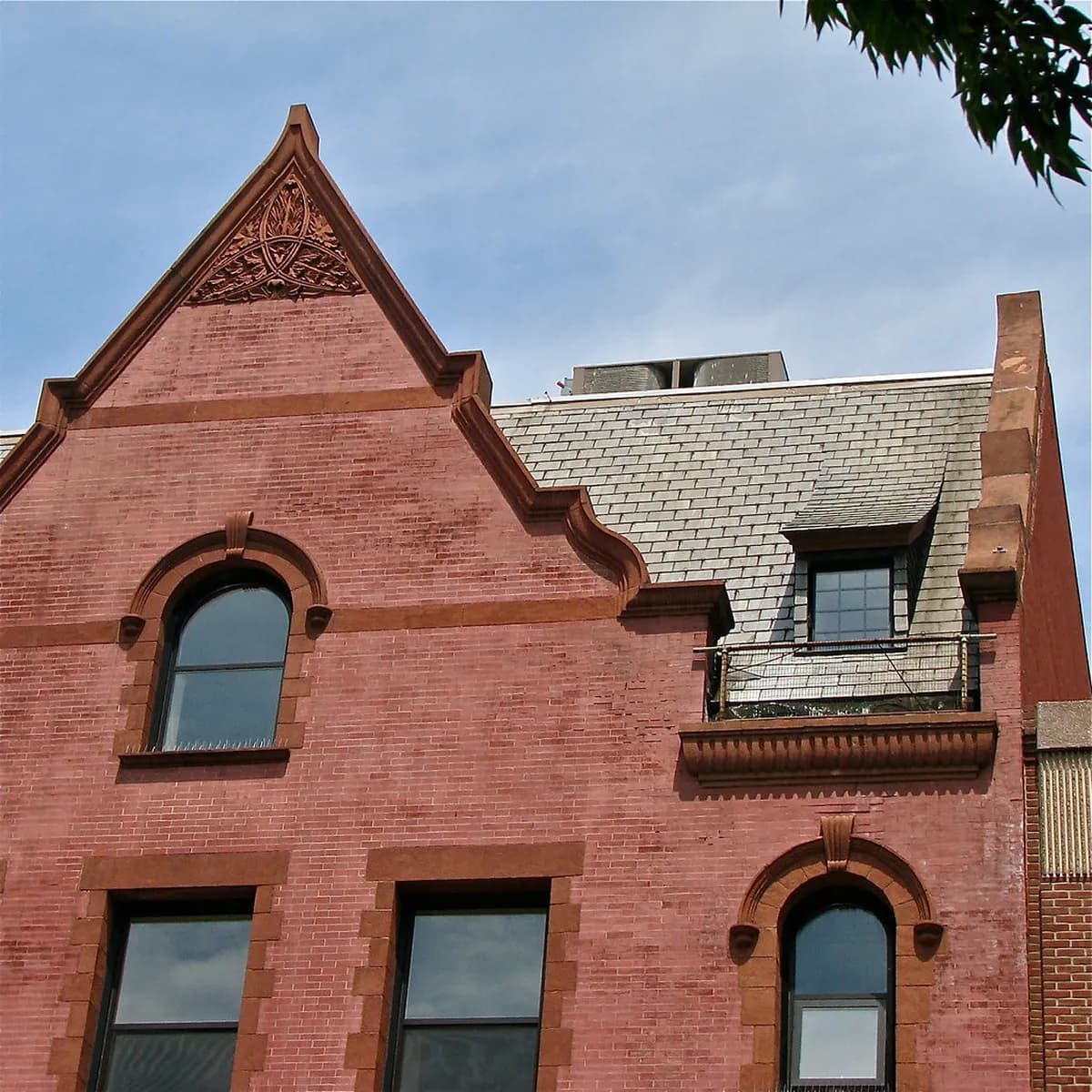
Place du Grand Sablon anchors the neighborhood, a sloped 18th-century square framed by gabled townhouses. Antique dealers line the upper end, while cafes and chocolate shops fill the lower half near the fountain. Weekend mornings bring an antiques market to the square, drawing collectors and casual browsers alike.
Comfortable shoes are essential for Sablon's cobblestones and gentle slopes. Cars and vans still cross the square, and narrow sidewalks mean staying alert. The terrain takes getting used to.
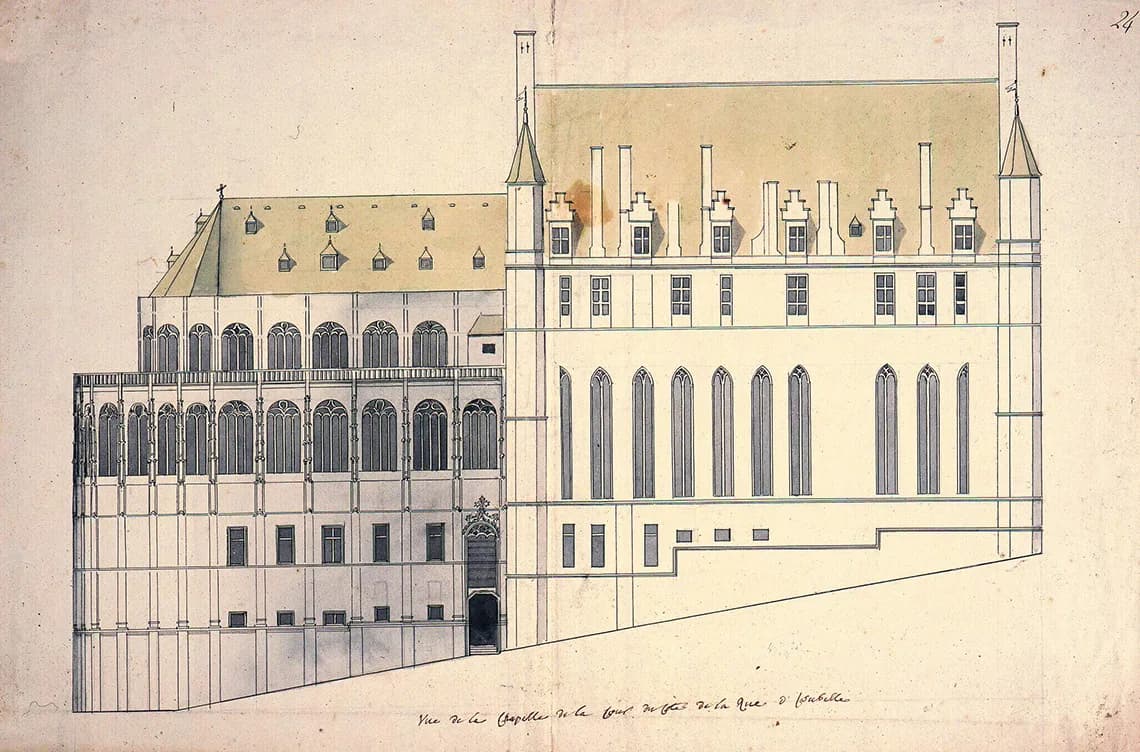
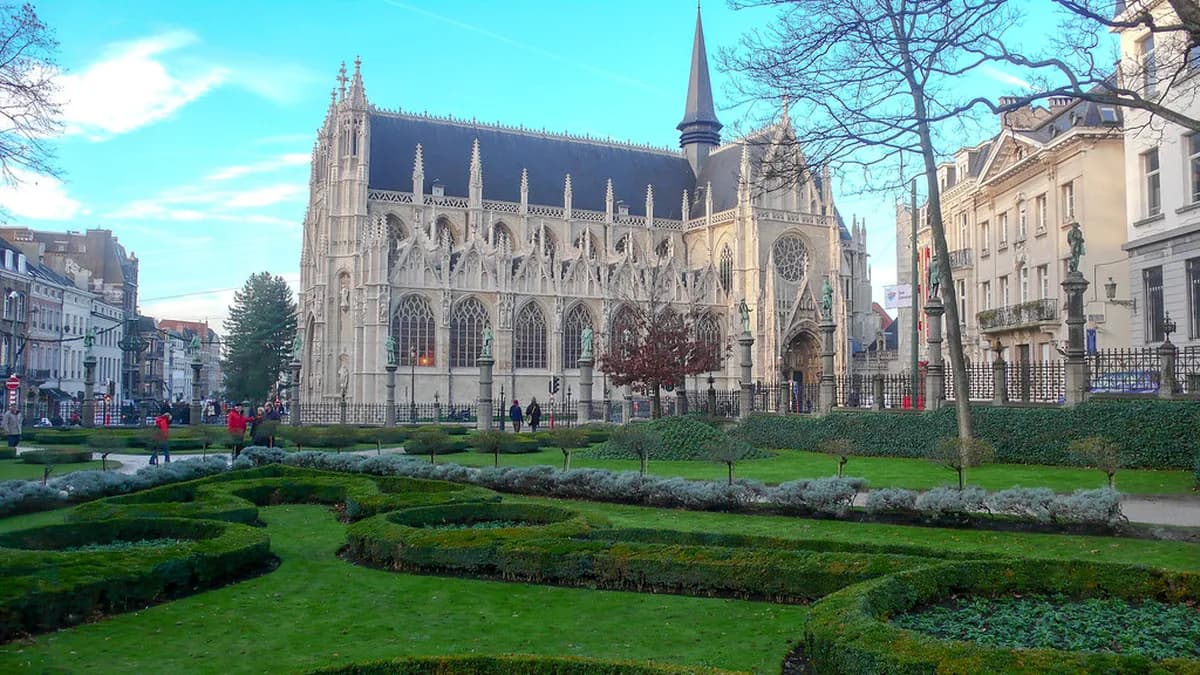
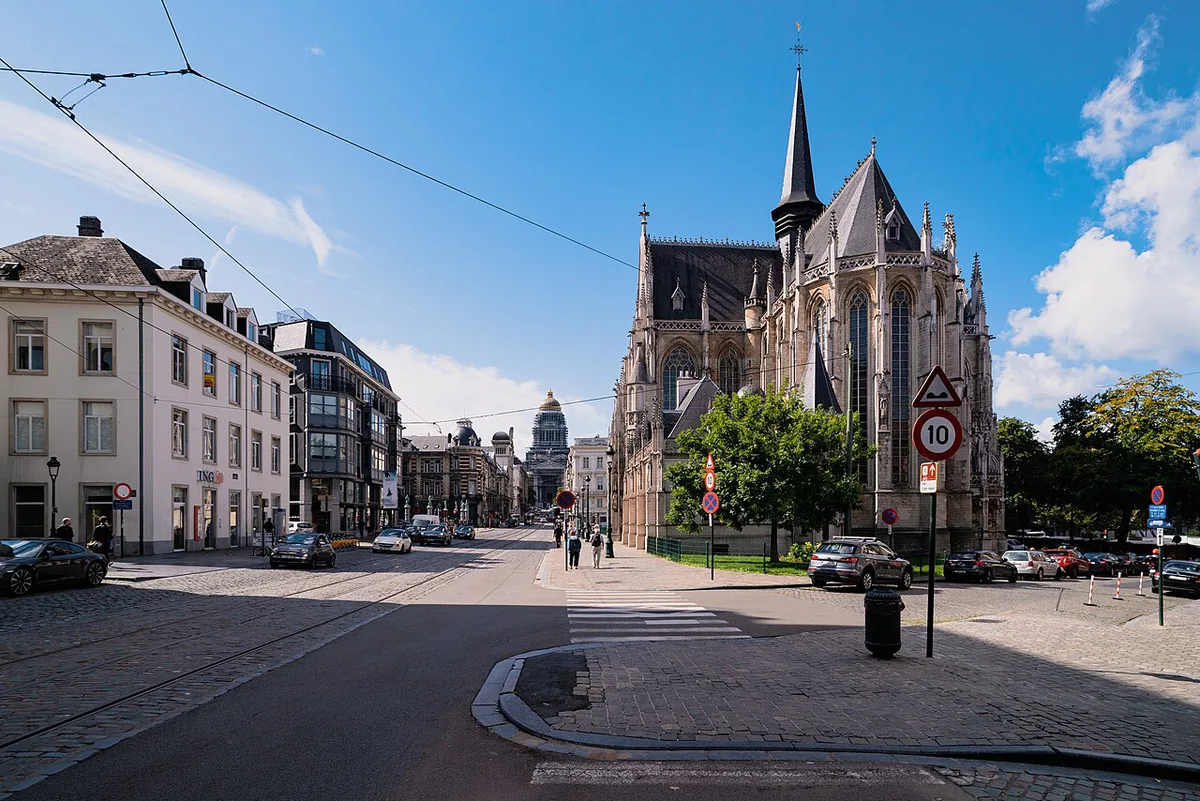
The Church of Our Lady of the Sablon rises over the square with soaring Gothic windows and detailed stonework. Built in the 15th century, the church holds stained glass and a quiet nave worth a slow walk-through. Entry is free, though a small donation helps maintain the building and its artwork.
Just downhill, the Marolles neighborhood offers a grittier contrast with its daily flea market. The two districts connect easily on foot, making a combined walk a popular half-day plan. For a self-guided route linking both areas, Discover our Sablon and Marolles walk before setting out. Comfortable shoes help, since the cobblestones and gentle slopes take some getting used to.
One common mistake is expecting a fully pedestrian square, since cars and delivery vans still cross the cobblestones regularly. Locals have pushed for a car-free Sablon, but for now sidewalks stay narrow in spots. Stay alert near the church steps, where cars sometimes park close to pedestrian paths.
- Place du Grand Sablon square
- Type: 18th-century square
- Best for: antiques, photos
- Where: Rue de la Régence
- Cost: free to browse
- Church of Our Lady of the Sablon
- Type: 15th-century Gothic church
- Best for: architecture, stained glass
- Where: Rue de la Régence 3B
- Cost: free, donations welcome
- Sablon weekend antiques market
- Type: outdoor antiques market
- Best for: collectors, browsing
- When: Saturday and Sunday mornings
- Cost: free entry
- Marolles flea market nearby
- Type: daily flea market
- Best for: bargain hunting
- Where: Place du Jeu de Balle
- Cost: free entry
Museums, Art, and Culture in Sablon
Sablon's cultural scene extends beyond the church, with several small museums within a short walk. The ADAM Brussels Design Museum showcases design objects and vintage pieces in a compact, walkable format. It suits travelers who want culture without committing an entire afternoon.
The BELvue Museum, near Place Royale, traces Belgian history through personal artifacts and archival displays. It sits close enough to Sablon to fold into the same outing without extra transit time. Combine it with a stop at Mont des Arts for skyline views over the lower town.
| Museum | Focus | Best For | Location |
|---|---|---|---|
| ADAM Brussels Design Museum | Design objects and vintage pieces | Art and design fans | Within short walk of Sablon |
| BELvue Museum | Belgian history and artifacts | History-focused visitors | Near Place Royale, close to Sablon |
| Fondation Frison Horta | Traditional Belgian art and crafts | Heritage craft enthusiasts | Near the church |
Choosing between these stops depends on time and interest, not just proximity. Art and design fans get more value from ADAM, while history-focused visitors lean toward BELvue. Travelers with only an hour should skip both and focus on the church and square instead. Those with a half day can comfortably fit one museum plus a coffee break.
The Fondation Frison Horta, tucked near the church, preserves traditional Belgian art and craft techniques in a small exhibit space. It suits visitors curious about heritage crafts rather than large-scale collections. Check current opening days before visiting, since small foundations often keep limited public hours.
Parks, Gardens, and Outdoor Spots in Sablon
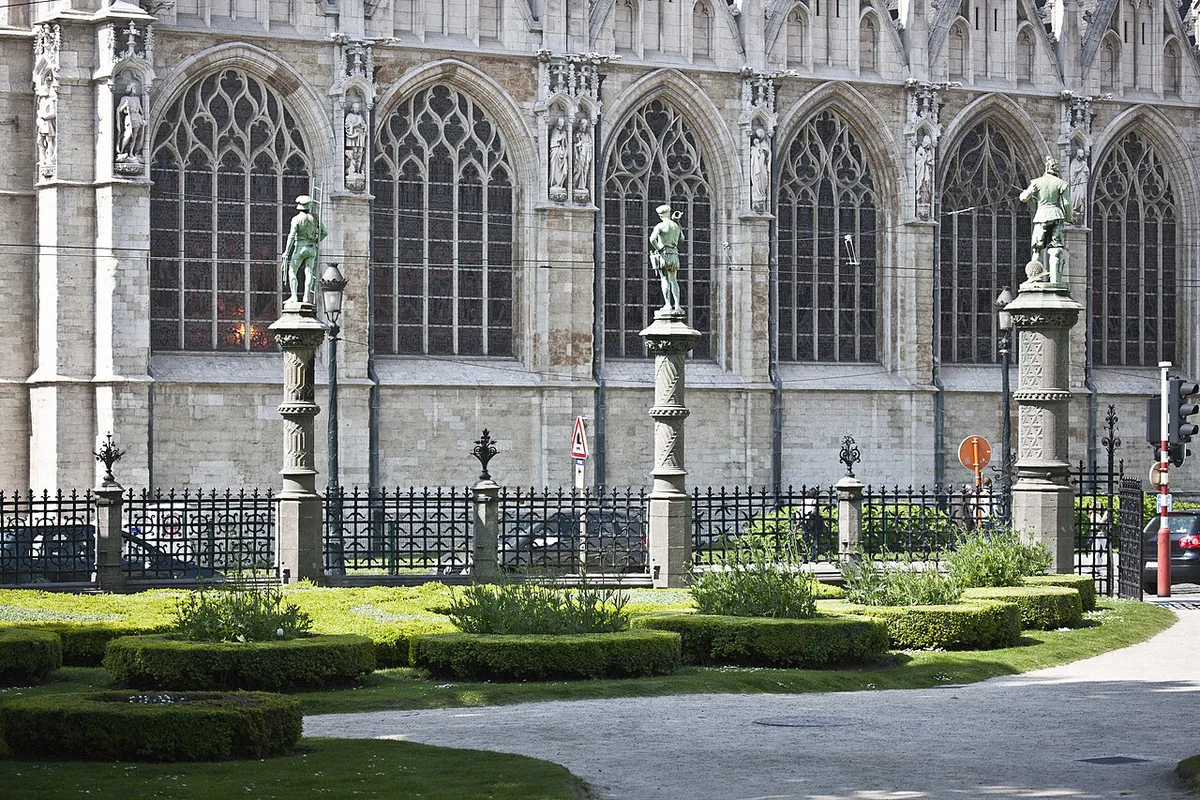
Square du Petit Sablon sits directly across from the church, a compact garden enclosed by iron railings. Forty-eight small statues top the fence posts, each representing a historic Brussels guild. A central fountain and manicured beds make it a popular five-minute rest stop.
Entry is free, and the garden rarely feels crowded even during peak tourist hours. For more no-cost stops nearby, check the free things to do in Brussels guide before you plan your route. Benches around the garden edge offer shaded seating in warmer months.
Beyond Petit Sablon, the wider Coudenberg area holds green pockets tied to the old palace grounds. These spots suit travelers who want a quiet pause between museum visits or shopping stops. None require tickets, so they work well for tight budgets or short layovers in the city.
Family-Friendly and Budget-Friendly Options in Sablon
Sablon works well for budget-conscious travelers, since its main sights cost nothing to visit. Window shopping past antique dealers and chocolatiers costs nothing, even if the goods inside do not. Families can treat a walk through the square as a free outdoor activity in itself.
Kids often enjoy spotting the guild statues atop Petit Sablon's railings, turning the garden into a small scavenger hunt. Chocolate shops like Pierre Marcolini and biscuit maker Maison Dandoy offer small, affordable tastes of Belgian tradition. A shared pastry or praline sample costs far less than a sit-down meal.
For a fuller budget meal plan, the Brussels Local Food Guide: Top Bites for 2026 lists affordable options citywide. Sablon itself leans upscale for dining, so families on a tight budget may prefer a picnic in Petit Sablon. Bakeries near the square sell sandwiches and pastries for a lighter, cheaper lunch option.
Bargain hunters can walk downhill to the Marolles flea market for lower-cost antiques and secondhand finds. Compared to Sablon's boutique prices, Marolles offers a far more budget-friendly shopping trade-off. This makes the two districts a natural pairing for travelers balancing browsing with buying.
How to Plan a Smooth Sablon Attractions Day
Start early, since antique shops and boutiques typically open from Wednesday to Saturday, around 11 a.m. to 7 p.m. Arriving before 11 a.m. means the church and gardens sit quiet, but many shops stay shuttered. Mid-morning to early afternoon offers the best balance of open shops and manageable foot traffic.
Antique shops typically open Wednesday–Saturday, 11 a.m.–7 p.m. Arriving before 11 a.m. or on Monday means many stores stay shuttered. Weekday mornings avoid both tour groups and weekend market crowds.
Weekends bring the antiques market plus more visitors overall, so plan accordingly for crowd levels. Travelers who prefer fewer crowds should check the best time to visit Brussels without crowds guide for broader seasonal timing. A weekday morning visit generally avoids both tour groups and market crowds.
From Brussels Central Station, the walk to Grand Sablon takes about ten minutes on foot. A popular route passes Mont des Arts, Place Royale, and Petit Sablon before reaching the main square. Confirm the exact address, Place du Grand Sablon, 1000 Bruxelles, Belgium, before setting out. Pair the visit with a day trip from Brussels if time allows on either side.
Budget roughly two to three hours for the square, church, and garden without rushing. Add another hour if a museum stop or a sit-down lunch is part of the plan. Avoid scheduling Sablon on a Monday, when several boutiques and smaller museums tend to close.
Pair this with our broader Brussels tourism attractions guide for the full city overview.
Frequently Asked Questions
Is Sablon worth visiting in Brussels?
Yes, Sablon rewards a visit for its 18th-century square, Gothic church, and antique shops packed into a compact area. The neighborhood suits travelers who enjoy slow browsing over checklist sightseeing. For nearby quieter spots, see the secret spots in Brussels guide for a fuller itinerary.
What is a must-eat dish or treat in Brussels near Sablon?
Belgian chocolate and biscuits top the list, with Pierre Marcolini pralines and Maison Dandoy speculoos both sold steps from the square. Seafood fans should try a classic Belgian shrimp croquette at a Sablon terrace. Pair either with a coffee stop for a full local taste.
Where should travelers avoid staying near Brussels Sablon?
Sablon itself sits safely within central Brussels, so lodging directly in the district works well for most travelers. Areas farther from transit links or poorly lit at night deserve extra caution after dark, as in any large city. Staying near Central Station or Sablon keeps logistics simple.
Are there good chocolate shops in Sablon?
Yes, Sablon holds some of Brussels' most established chocolatiers, including Pierre Marcolini's flagship boutique near the square. Maison Dandoy adds biscuit specialties like speculoos alongside its chocolate offerings. Both shops make an easy stop between the church and the antique stalls.
How much time should travelers plan for a Sablon visit?
Plan two to three hours to cover the square, church, and Petit Sablon garden at a relaxed pace. Add an hour for a museum stop or a sit-down lunch at one of the district's restaurants. Weekday mornings offer the smoothest visit with fewer crowds.
Sablon rewards travelers willing to slow down and wander its cobbled streets and quiet garden. The square's antique shops, chocolate boutiques, and Gothic church fit neatly into a half-day plan. Pair it with a stop in Marolles or a nearby museum for a fuller afternoon.
Timing matters more than most guides admit, since shop hours and weekend markets shift the experience. Visit on a weekday morning for quieter streets, or a weekend for the antiques market atmosphere. Either way, comfortable shoes and a flexible afternoon make the most of this compact Brussels neighborhood.
Continue exploring
More guides you'll find useful