12 Best Free Things to Do in Brussels (2026)
Discover 12 free things to do in Brussels in 2026, from Grand-Place at sunset to hidden museums, murals, and markets. Plan a budget day now.
On this page
12 Free Things to Do in Brussels This Year
Our editors have researched Brussels across multiple visits, tracking which attractions truly cost nothing. Free things to do in Brussels turn out to be the city's best-kept secret. Grand-Place costs nothing to admire, most churches welcome visitors without a ticket, and the Comic Strip Route is a self-guided stroll. Belgium's capital rewards patient walkers more than big spenders.
This guide groups twelve genuinely free attractions into four easy clusters for smoother planning. Expect real 2026 details on hours, seasonal quirks, and which paid attractions are worth skipping. Last updated July 2026, with prices and hours checked against official sources where available.
Brussels also runs on an under-rated food and beer culture that costs little beyond a coffee. Neighborhoods like the Marolles and Sablon add market browsing and people-watching to the free list. Pair this guide with a neighborhood walk and a packed lunch for a day that costs almost nothing.
12 Best Free Things to Do in Brussels
The dozen picks below split into four clusters: iconic landmarks, free culture, green escapes, and neighborhood markets. Each entry lists typical hours, area, and a practical tip based on current visitor information. Together they cover a genuinely free two-day itinerary without buying a single ticket.
Start at sunset, when Grand-Place puts on a free light-and-sound show. The display runs on the hour for five to ten minutes most evenings, based on the city's seasonal schedule. Arriving early secures a spot near the Town Hall steps before the square fills with visitors.
Not every famous Brussels sight belongs on a free-day itinerary. The Atomium and Mini-Europe are memorable, but both charge full admission and can eat half a day. Skip them on a free-focused visit and save that budget for a museum ticket or a day trip instead.
The Brussels Comic Strip Mural Route rounds out the free-culture cluster with self-guided wandering. It sits within fifteen minutes of Grand-Place on foot, making it easy to combine with other stops. Pace yourself, since the murals alone cover several kilometers of downtown streets.
The Coudenberg Square and the overgrown cemetery in Uccle complete the quieter half of this list. Neither costs anything to visit, and both reward an unhurried, camera-ready walk. Confirm cemetery gate hours before a winter visit, since daylight closes earlier in that season.
- Grand-Place and Its Guild Houses
- Brussels' UNESCO-listed square is free to enter any hour, day or night.
- Baroque guild houses, the Gothic Town Hall, and the former Bread House ring the cobbled square.
- It sits a five-minute walk from Central Station, right in the historic center.
- Visit near dusk on weekends for the free light-and-sound show without the midday tour groups.
- Cafes right on the square charge tourist prices, so grab coffee a block away instead.
- Manneken Pis and Its Two Companion Statues
- This tiny bronze fountain of a peeing boy is Brussels' most photographed free sight.
- The current statue is a replica; the 1619 original stays protected inside the Brussels City Museum.
- Find it a five-minute walk south of Grand-Place on Rue de l'Étuve.
- Two lesser-known siblings, Jeanneke Pis and Het Zinneke, sit within a ten-minute walk and draw far smaller crowds.
- Costumes rotate several times a week, so the little statue rarely looks the same twice.
- Cathedral of St Michael and St Gudula
- Brussels' Gothic cathedral has welcomed free visitors for services and quiet viewing since the 13th century.
- Entry to the nave is free daily, typically 7:30am to 6pm, though the crypt and treasury charge a small fee.
- It stands roughly a ten-minute walk northeast of Grand-Place near the Mont des Arts steps.
- Stained-glass windows glow brightest on sunny mornings before tour buses arrive.
- Check the schedule before visiting, since services can close sections to sightseers.
- Free Skyline Views from Mont des Arts
- This terraced garden delivers one of Brussels' best free skyline views over the Lower Town.
- It costs nothing to walk the gardens and stairs connecting the Upper and Lower Town.
- The viewpoint sits between the Royal Library and Place Royale, an eight-minute walk from Grand-Place.
- Arrive right after sunrise for empty photo angles before school groups fill the steps.
- The gardens stay open around the clock, though the fountains look best after dark in winter.
- BELvue Museum on Belgian History
- This permanent museum on Belgian history and monarchy has free general admission year-round.
- Exhibits cover independence, the World Wars, and daily life across three centuries.
- It sits on Place des Palais, next to the Royal Palace, an eight-minute walk from Central Station.
- Open Tuesday through Sunday, typically 10am to 5pm, and closed Mondays.
- The attached Coudenberg archaeological site next door charges a separate paid ticket.
- Brussels Comic Strip Mural Route
- Dozens of building-sized murals across downtown celebrate Tintin, Lucky Luke, and other Belgian comics.
- Walking the full route costs nothing and takes about two to three hours at an easy pace.
- Maps start near the Belgian Comic Strip Center and wind through the city center streets.
- A printed itinerary map costs about one euro at tourist information points.
- Early morning light works best for photographing the murals before street traffic picks up.
- Coudenberg Square and Place Royale
- This neoclassical square marks the site of the vanished medieval Coudenberg Palace.
- Standing in the square and admiring its statues and facades is completely free.
- It sits a short walk from Mont des Arts, on the edge of the Sablon district.
- The underground archaeological ruins beneath the square require a separate paid ticket.
- Weekday mornings are quiet, making it easy to photograph the symmetrical facades without crowds.
- Parc du Cinquantenaire and Its Arcade
- This sprawling park anchors the European Quarter around a triumphal arch and long lawns.
- The park and its surrounding gardens are free and open daily from early morning to dusk.
- It sits a fifteen-minute metro ride from Central Station via the Merode station.
- Weekend picnics and jogging loops draw locals more than tourists, especially in early evening.
- The museums ringing the park charge admission, but the grounds themselves never do.
- Cimetière du Dieweg Overgrown Cemetery
- This 19th-century cemetery has been left semi-wild, with ivy and moss reclaiming old tombs.
- Walking its quiet paths costs nothing and takes under an hour for most visitors.
- It sits in Uccle, roughly a twenty-minute tram ride south of the city center.
- Gates typically open daily from around 8am until dusk, with shorter winter hours.
- Go on a weekday afternoon, since weekends bring more joggers and dog walkers.
- Galeries Royales Saint-Hubert Shopping Arcade
- Europe's oldest glazed shopping arcade is free to wander, rain or shine.
- Glass-roofed halls hold chocolate shops, cafes, and a historic cinema dating to 1847.
- It links Grand-Place to Rue des Bouchers, about a four-minute walk from the square.
- Doors stay open daily, though individual shops close earlier on Sundays.
- Step inside on a rainy afternoon for shelter and window-shopping without spending anything.
- Sablon Antiques Market and Church Square
- This upscale neighborhood centers on a weekend antiques market held outdoors on the square.
- Browsing the stalls is free, though most vintage finds carry a real price tag.
- The market runs Saturday and Sunday mornings, weather permitting, near Notre-Dame du Sablon church.
- It sits about a ten-minute walk south of Grand-Place, uphill toward the Marolles.
- Arrive before 10am for the best browsing before dealers pack away fragile items.
- Marolles Flea Market at Place du Jeu de Balle
- This daily flea market fills a working-class square with secondhand furniture, records, and oddities.
- Entry and browsing cost nothing, and haggling is expected on anything you buy.
- The market runs every morning, with the biggest selection on weekend mornings.
- It sits in the Marolles district, about a fifteen-minute walk from Grand-Place.
- Go early for the widest selection, since dealers start packing up by early afternoon.
Free Museums and Culture Passes in Brussels
Beyond the twelve stops above, Brussels has bonus museum-free options worth knowing about. The House Of European History offers free general admission covering EU history across three floors. It sits inside Parc Léopold, a short walk from the Cinquantenaire cluster mentioned earlier.
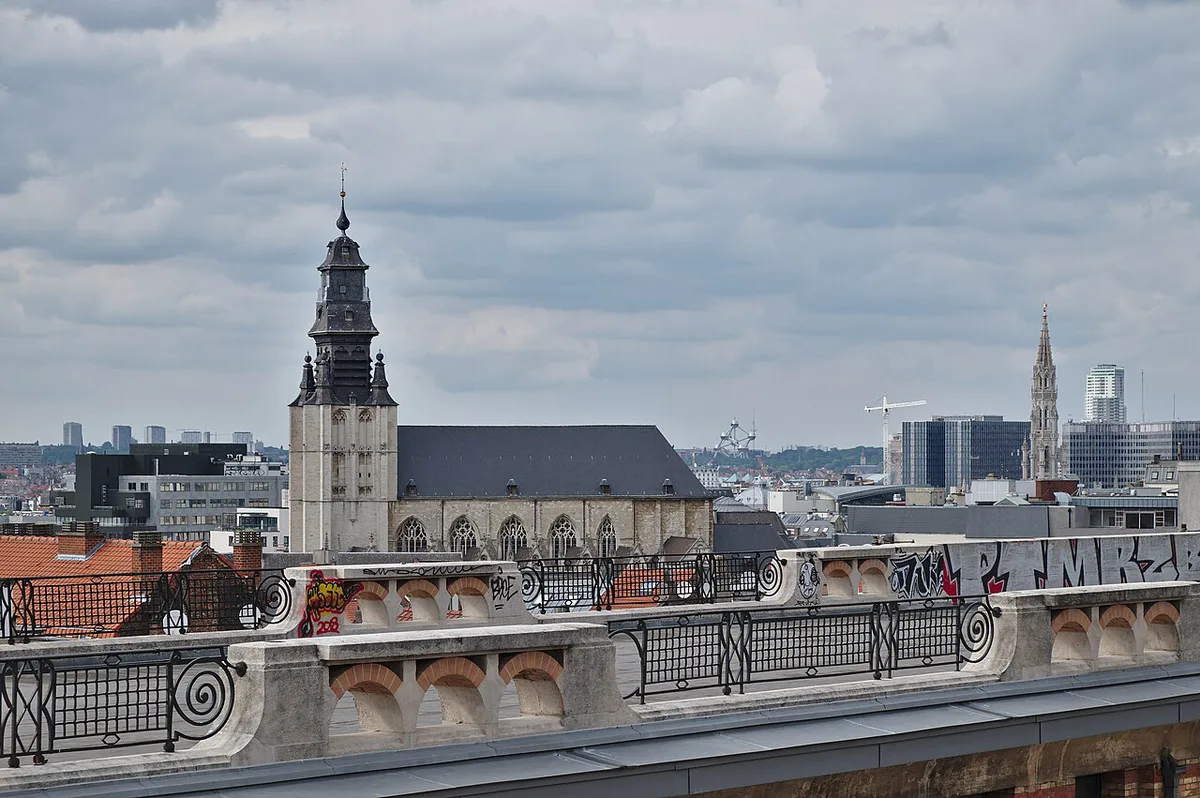
Several federal museums run a discounted or free afternoon on the first Wednesday of the month, though the exact day varies. Hours and free-entry windows shift year to year, so confirm dates on each museum's official site before building a day around one. The Musical Instrument Museum's Art Nouveau building also has a rooftop cafe with skyline views open to non-ticket-holders.
Travelers planning several paid museums might still find a Brussels City Card worth the cost, since it bundles transit and entry fees. For a free-only visit, though, skip the card entirely and stick to the attractions in this guide. Most state-run museums also waive admission for visitors under eighteen, a detail families should confirm ahead of time.
Free museum days draw bigger crowds than a normal weekday morning. Arrive at opening time if visiting on a promotional free day to avoid long entry lines. Otherwise, weekday mornings remain the quietest time to see any Brussels museum, free or paid.
How Many Days Do You Need for Free Sightseeing?
Most of the free attractions above fit comfortably into one full day of walking. A relaxed pace covering Grand-Place, Manneken Pis, the Cathedral, and Mont des Arts takes roughly four to five hours. Add the comic murals or Coudenberg Square and the day stretches to a full eight hours.
Spring and early autumn mornings tend to have the thinnest crowds at Grand-Place and Manneken Pis. Summer weekends bring the heaviest foot traffic, especially around the Sablon antiques market.
A second day works well for the Marolles, Sablon, and Parc du Cinquantenaire, spaced further apart. The overgrown Cimetière du Dieweg pairs naturally with an Uccle-area afternoon if time allows. Walking shoes matter more than a transit pass, since most stops sit within a twenty-minute walk of each other.
Timing a visit around the quieter shoulder-season months makes every free stop feel less crowded. Spring and early autumn mornings tend to have the thinnest crowds at Grand-Place and Manneken Pis. Summer weekends bring the heaviest foot traffic, especially around the Sablon antiques market.
Travelers with three or more days can pair the free city sights with a getaway before heading home. Several easy day trips from Brussels reach Bruges, Ghent, or Antwerp in under an hour by train. Building in a rest morning after two packed sightseeing days keeps the trip from feeling rushed.
Practical Tips: What to Skip and Where to Save More
Free sightseeing pairs naturally with budget eating, and Brussels makes that easy outside tourist rows. Rue des Bouchers near Grand-Place looks charming but overcharges for mediocre mussels and fries. Wander a few streets into the Marolles or Saint-Gilles for the same dishes at local prices.
Rue des Bouchers near Grand-Place charges tourist prices for mediocre mussels and fries. Wander into the Marolles or Saint-Gilles for the same dishes at local prices.
A single Belgian beer rarely costs more than five euros away from the main tourist squares. Brussels Beer Project runs an affordable taproom where a flight costs less than a typical restaurant sampler. The quirky Bar Le Cercueil serves drinks in coffin-shaped glasses for a memorable, low-cost night out.
The Sablon district mixes chocolate shops and antique dealers with plenty of free window-shopping. A coffee at a Grand-Place cafe rarely runs past five euros, making it a cheap way to people-watch. Staying near a metro line keeps transit costs low while exploring the free attractions above.
The Marolles neighborhood stays one of the most affordable areas for a meal or a coffee break. Pickpocketing is a real concern around Grand-Place and on crowded trams during peak hours. Keep bags zipped and phones out of back pockets in the busiest squares.
Brussels Flower Carpet at Grand-Place
Every even-numbered year in mid-August, Grand-Place hosts the Brussels Flower Carpet (Tapis de Fleurs), a temporary floral mosaic laid directly on the cobblestones in front of the Town Hall. Local growers and volunteers arrange roughly 500,000 to 600,000 begonias into a massive geometric or thematic design covering about 1,800 square meters — one of the largest living carpets in Europe. Viewing the carpet at ground level costs nothing, and the display typically stays in place for three to four days before the flowers are cleared. For the best overview, look toward the balcony of the Town Hall or the upper floors of the Maison du Roi, since a raised paid viewing platform is sometimes set up nearby for photographers who want the full aerial pattern. Because the event only runs in even years and dates shift, confirm the current schedule with Visit Brussels before planning a trip around it. Evenings during the carpet's run often add a light-and-sound projection over the flowers, layering onto the square's usual free sunset show.
Frequently Asked Questions
What should you not miss in Brussels?
Grand-Place, Manneken Pis, and the Comic Strip Route top most free itineraries, and all three cost nothing to see. Aim for a sunset visit to Grand-Place for the free light show. Pair these with the Cathedral of St Michael and St Gudula for a full free morning.
Is the Brussels Botanical Garden free?
The old Botanical Garden near Rue Royale is a public park with free daily access. Its greenhouse building now hosts a cultural center with separate ticketed events. The park grounds themselves stay open and free from early morning until dusk.
Which museums are free in Brussels?
BELvue Museum and the House of European History both offer free general admission year-round. Several federal museums also add a discounted or free afternoon once a month, though the exact day varies. Confirm current dates on each museum's official site before building a visit around one.
What to do in Brussels cheaply?
Beyond the twelve free sights above, budget travelers can eat well for under fifteen euros away from Rue des Bouchers. A Grand-Place coffee costs about five euros and buys a prime people-watching seat. Public transit day tickets keep hopping between neighborhoods affordable too.
How many free things are there to do in Brussels?
This guide covers twelve verified free attractions, grouped into landmarks, culture, parks, and markets. Most travelers can see six to eight of them comfortably in one full day. Spreading the list across two days allows time to also explore neighborhood markets.
Brussels rewards visitors willing to walk more than shop, and every attraction on this list proves it. Twelve genuinely free stops, split across two easy days, cover the city's best squares, murals, and quiet corners. None require a ticket, though a few sit beside paid add-ons worth considering later.
Save the Atomium or a museum ticket for a future trip and let this visit stay budget-friendly. Bring comfortable shoes, check hours before Sunday visits, and let the free light show close out the evening.
Continue exploring
More guides you'll find useful