Cimetière du Dieweg, Brussels: A Visitor Guide
Explore Cimetière du Dieweg in Brussels, Belgium: discover its history, notable graves, eerie beauty, and tips for planning a smooth, respectful visit.
On this page
Discovering Brussels' Cimetière du Dieweg
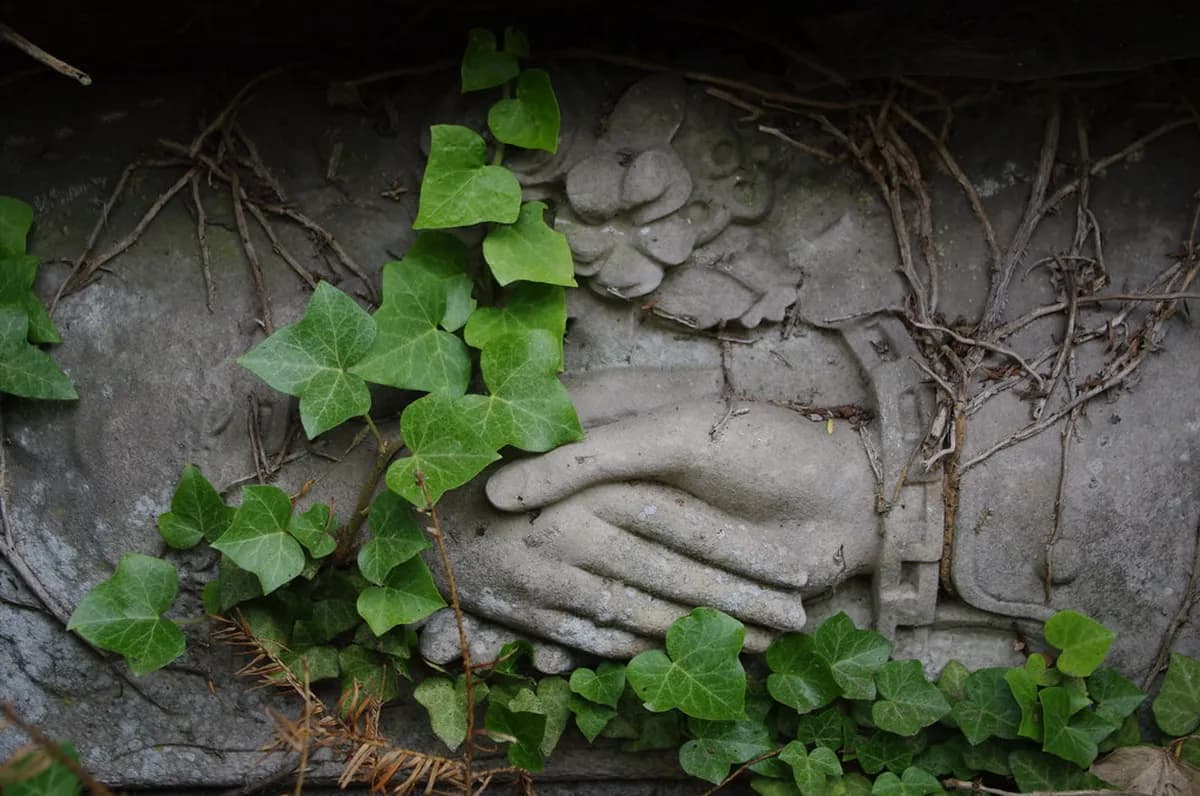
Cimetière du Dieweg sits in Uccle, a quiet commune south of central Brussels. Opened in 1866 during a cholera epidemic and closed to new burials in 1958, it has slowly gone wild. Ivy-wrapped tombs, tilted headstones, and thick greenery now cover much of the old necropolis. A visit to Cimetière du Dieweg, Brussels, feels less like sightseeing and more like stepping into a secret garden.
This guide walks through the cemetery's history, its best-known graves, and its unusual mood. It also covers practical details for timing a visit and staying respectful on site. Pair the stop with other off-the-beaten-path spots in Brussels for a full day away from the usual tourist trail.
History and Origins of Cimetière du Dieweg
Uccle opened Cimetière du Dieweg in 1866, right after a serious cholera outbreak strained the city's older graveyards. The new cemetery quickly filled up as local families needed fresh burial ground. By 1958, authorities closed it to new burials, though a few commemorative ceremonies still happen there today.
The site never fully closed its gates to visitors or historians. According to fr.Wikipedia.org, the cemetery documents more than a century of Brussels funerary customs. Walking its paths feels like flipping through a book on local architectural taste, from neo-Gothic chapels to early modernist markers. Recent preservation efforts have started protecting some of the more fragile monuments.
Some compare the site to a miniature, wilder version of Paris' famous Père Lachaise cemetery. That comparison captures why Cimetière du Dieweg, Brussels, draws photographers and history fans alike. Few other sites in the city blend forgotten history with untamed nature so directly.
Notable Graves and Funerary Art to Discover
Cimetière du Dieweg holds the graves of several notable Brussels figures, alongside many forgotten names. The best known is Hergé, the illustrator behind the beloved comic character Tintin. His resting place draws comic-strip fans who want to pay quiet respects.
Architect Paul Hankar rests here too, a key figure in early Brussels Art Nouveau design. His grave sits among sculpted angels, weathered crosses, and crumbling stone chapels. Records for many burials, including Hankar's, appear on Findagrave.com for anyone researching family or local history.
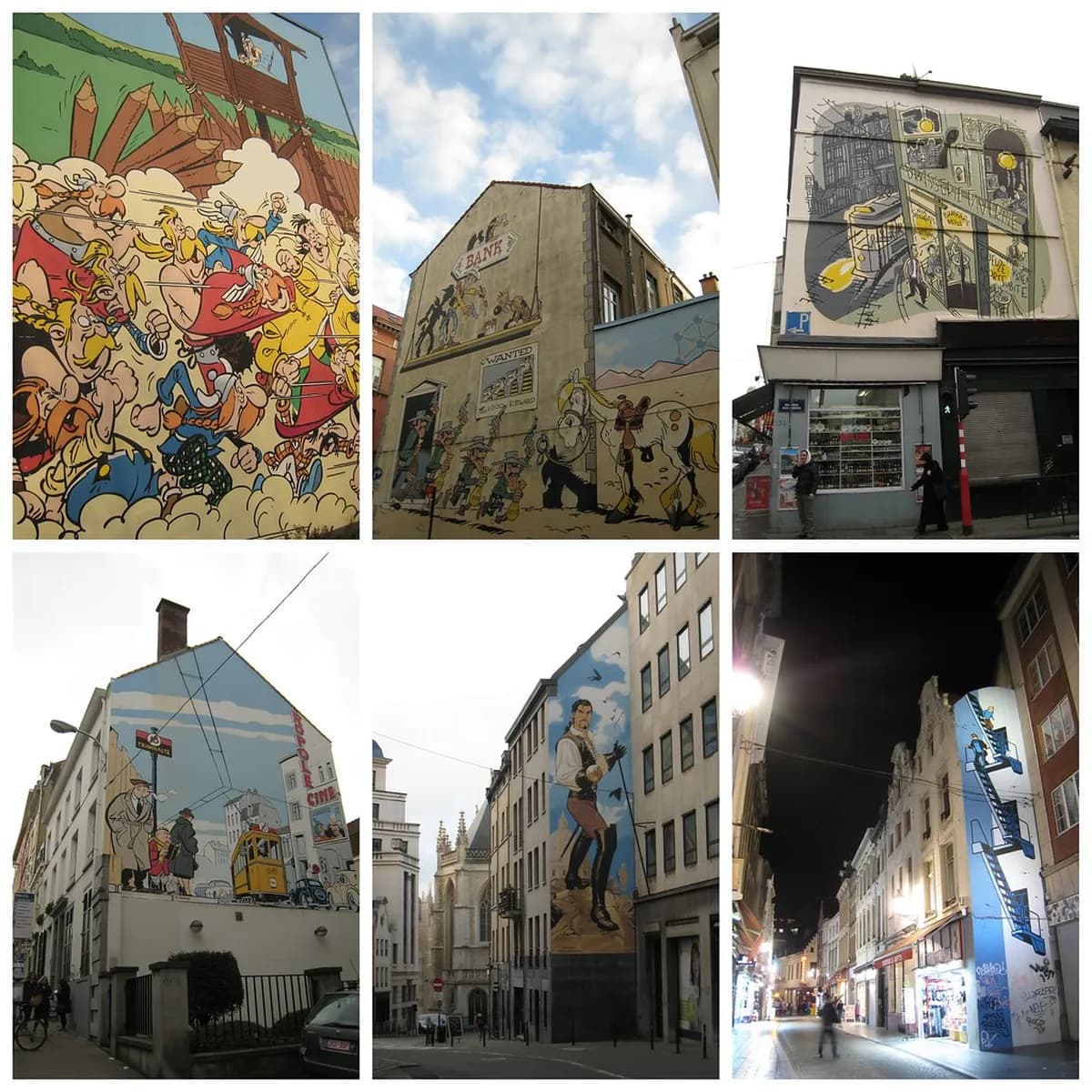
Hergé's grave links this quiet cemetery to a much livelier side of Brussels culture. Fans who enjoy the citywide comic strip mural route in Brussels often add Dieweg as a final, reflective stop. The contrast between painted murals downtown and a single modest grave here feels striking.
- Hergé, creator of Tintin
- Real name: Georges Remi
- Known for: Tintin comics
- Grave style: modest family plot
- Paul Hankar, Art Nouveau architect
- Profession: architect and designer
- Era: early Art Nouveau
- Legacy: shaped Brussels architecture
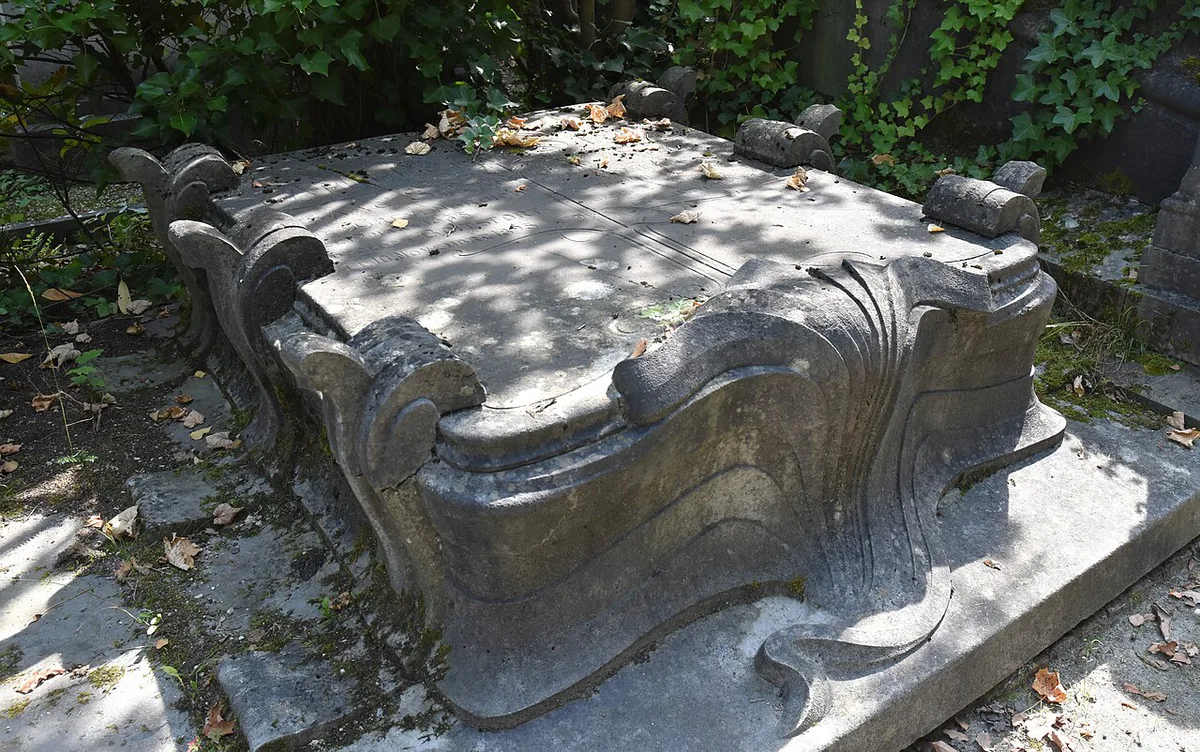
- Neo-Gothic chapels and sculpted memorials
- Style: neo-Gothic to modernist
- Condition: ivy-covered, weathered
- Note: some tombs under restoration
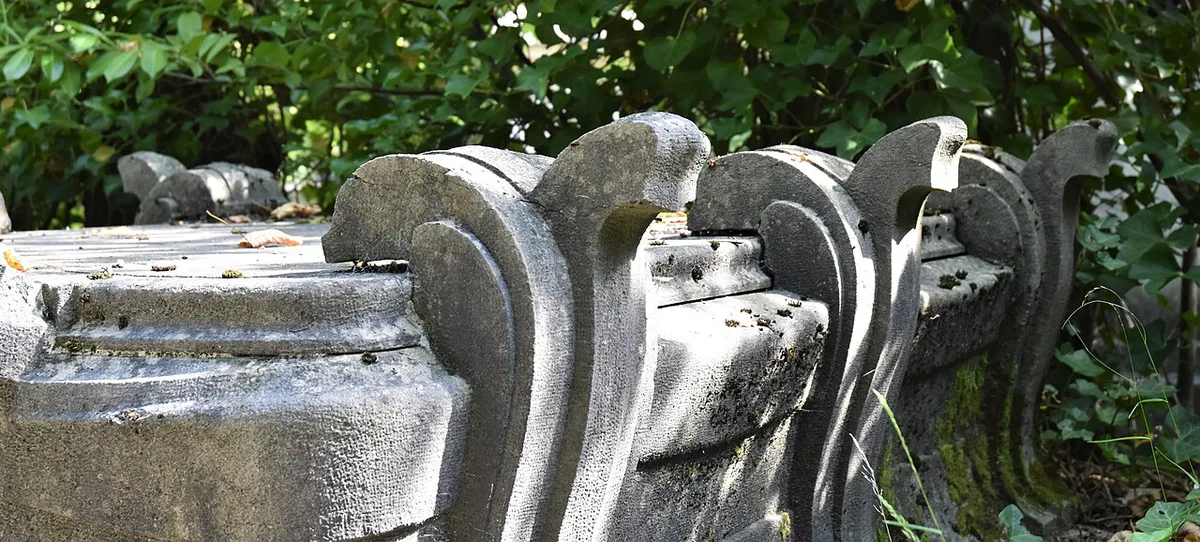
A Wild, Atmospheric Landscape South of Brussels
Nature has reclaimed most of Cimetière du Dieweg since regular burials stopped in 1958. Brambles, ivy, and self-seeded trees now wrap around headstones and stone crosses. It's little surprise the site turns up on many 10 Hidden Gems in Brussels You Need to Visit (2026) lists.
Writers at Atlasobscura.com describe the cemetery as one of Brussels' more unusual, atmospheric corners. On a grey day, empty paths can feel almost eerie and still. Sunlight through the trees gives the same spot a softer, more poetic mood. Weather changes the entire character of a visit here.
This shifting mood is part of why the site rewards slow, quiet exploration. Photographers, in particular, return across seasons to capture different lighting and overgrowth. Visitors should still move carefully and treat the grounds as the burial site it remains.
Practical Tips for Visiting Cimetière du Dieweg
Cimetière du Dieweg sits at Dieweg 95, in the 1180 Uccle postal area of Brussels. Public cemeteries in Belgium are typically free to enter, and Dieweg follows that pattern. That makes it an easy addition to a low-budget day exploring southern Brussels.
Wear closed, sturdy shoes on the gravel and dirt paths throughout the grounds. Overgrown sections become especially uneven after rain or during peak summer growth when ivy and brambles are at their thickest.
Entry to Cimetière du Dieweg is free. Opening hours vary seasonally, so confirm times beforehand on Visit.brussels. Weekday mornings provide quieter paths and softer light for exploring the overgrown grounds.
Opening hours can shift with the season, so confirm current times before heading over. The official listing on Visit.brussels is the most reliable place to check. Gates typically close by early evening, as with most municipal cemeteries in the region.
Comfortable, closed shoes help on the gravel and dirt paths throughout the grounds. Overgrown sections can feel uneven, especially after rain or during peak summer growth. Visiting on a weekday morning usually means quieter paths and softer light for photos.
- Check opening hours before you go
- Hours: vary by season
- Source: confirm via official site
- Tip: cemeteries often close at dusk
- Plan a weekday or early visit
- Best for: quiet, uncrowded paths
- Avoid: weekend afternoon crowds
- Bonus: better light for photos
- Dress for uneven, overgrown terrain
- Footwear: closed, sturdy shoes
- Ground: gravel and dirt paths
- Season: ivy grows thicker in summer
- Respect the site as active heritage
- Rule: no loud behavior
- Rule: stay on marked paths
- Reason: occasional ceremonies still occur
Exploring Uccle and Nearby Brussels Highlights
Uccle offers a calmer, greener side of Brussels compared to the busy city center. The commune mixes leafy residential streets with small parks and quiet local cafes. Cimetière du Dieweg works well as an anchor for a slower, exploratory day nearby.
Travelers building a longer offbeat itinerary can add other 10 Secret Spots in Brussels Locals Love (2026) around the same day. Many of these lesser-known sites share the same uncrowded, local feel as Dieweg. Combining a few stops keeps the day interesting without doubling back across the city.
Since entry costs nothing, the cemetery pairs naturally with other 12 Best Free Things to Do in Brussels (2026). Budget-conscious travelers can build a full, low-cost day around Uccle and its surroundings.
For the calmest visit, time the trip using tips from the guide on the Best Time to Visit Brussels Without Crowds Guide. Early mornings or shoulder-season weekdays tend to work best for a quiet walk.
Frequently Asked Questions
Where is the creator of Tintin buried?
Hergé, the illustrator behind Tintin, is buried at Cimetière du Dieweg in Uccle, south of Brussels. His grave sits among the cemetery's overgrown paths, close to other notable 19th and 20th-century Brussels residents. Many visitors treat the short walk there as a quiet tribute.
Is Cimetière du Dieweg free to visit?
Yes, entry to Cimetière du Dieweg is free, in line with most public cemeteries in Belgium. There is no ticket booth or paid entrance at the gate. Seasonal opening hours can shift, so confirm current times on the official Brussels tourism site before visiting.
What is the history behind Cimetière du Dieweg?
Uccle opened Cimetière du Dieweg in 1866, shortly after a serious cholera epidemic strained the city's older graveyards. The cemetery closed to new burials in 1958, though a few commemorative ceremonies still take place there. Decades of neglect have since let ivy, brambles, and trees reclaim much of the grounds.
Who else is buried at Cimetière du Dieweg besides Hergé?
Architect Paul Hankar, an early figure in Brussels Art Nouveau design, also rests at Cimetière du Dieweg. The cemetery holds many other 19th and 20th-century Uccle residents, along with neo-Gothic chapels and sculpted memorials. Family history researchers can find burial records for some of these graves online.
What should visitors know before visiting Cimetière du Dieweg?
Wear closed, sturdy shoes, since the paths turn gravelly and uneven in overgrown sections. Visit on a weekday morning for quieter paths and softer light. Treat the site respectfully, since it remains an active burial ground with occasional ceremonies.
Other Overgrown Cemeteries in Europe
Dieweg closed in 1958 and was left to the woods, which is why it now reads as a nature reserve with monuments in it. Munich's Alter Südfriedhof went the same way in the middle of a city. Ljubljana's Žale is the deliberate opposite — a cemetery designed as architecture from the start.
Cimetière du Dieweg rewards travelers looking for something quieter than Brussels' main landmarks. Its mix of history, notable graves, and reclaimed nature makes for a memorable stop. A short visit here adds real depth to any Brussels itinerary.
Combine the visit with a wider look at nearby areas using the Brussels Neighborhoods Guide: Best Areas to Stay. Together, these stops paint a fuller picture of the city beyond its famous squares. Plan ahead, move respectfully, and Cimetière du Dieweg will likely become a highlight of the trip.
Continue exploring
More guides you'll find useful