10 Secret Spots in Brussels Locals Love (2026)
Uncover secret spots in Brussels most guides skip, from a forgotten cemetery to a hidden island. Get insider tips, prices, and hours for 2026.
On this page
10 Hidden Secret Spots in Brussels Worth Finding
Grand Place gets the postcards, but our editors keep finding better stories a few streets away. Secret spots in Brussels reward travelers willing to wander past the souvenir shops near Manneken Pis. This guide gathers ten of them, each checked for current hours and prices.
This guide was last updated in July 2026, with prices and hours checked at publication. Belgium's museum tickets and market hours shift often, so treat these figures as a solid starting point rather than fixed facts.
The picks below span quiet cemeteries, working markets, an Art Nouveau museum, and one island reached only by rowboat. A short section further down also flags a couple of famous stops that rarely live up to the hype.
10 Secret Spots in Brussels Worth Seeking Out
Brussels rewards travelers who step off Rue des Bouchers and into its side streets. The ten picks below mix quiet cemeteries, working-class markets, and one genuinely hidden island. Each one sits within reach of the tram or metro network, so a car is never required.
A few entries pair naturally, like the Horta Museum's ironwork and the Art Nouveau facades scattered through Saint-Gilles. Others sit further out, including a genuinely hidden island reached only by rowboat. The full comic strip mural route connects several downtown stops into one free afternoon walk. Check each attraction's hours before visiting, since several close on Mondays or shift with the season.
| Spot | Entry Cost | Time Needed | Best Time to Visit |
|---|---|---|---|
| Jeanneke & Zinneke Pis Statues | Free | Under 15 mins | Before 10am |
| Dieweg Cemetery | Free | 1-2 hours | Weekday afternoon |
| Comic Strip Mural Route | Free (map ~€1) | 2 hours | Weekday morning |
| Musical Instrument Museum | €12-15 | 1-2 hours | Closed Mondays |
| Parvis de Saint-Gilles Market | Free (beer €3-5) | 1-2 hours | Sunday morning by 10am |
| Les Marolles Flea Market | Free to browse | 1-2 hours | Opening (6am), weekends |
| Robinson Island | €10-15 per half hour | 1-2 hours | Weekday afternoon |
| Horta Museum | €12 | 1-2 hours | Tuesday-Sunday 2pm+ |
| Delirium Café | €4-7 per pint | 1+ hours | Weeknight before 9pm |
| Coudenberg Palace | €8-10 | 1-2 hours | At opening |
First-time visitors short on time might focus on the mural route and the Marolles flea market, both free and close together. Repeat visitors chasing something quieter should prioritize the Dieweg Cemetery and Robinson Island instead. Budget travelers can see six of the ten picks without paying an entry fee.
- Jeanneke Pis and Zinneke Pis Statues
- These two statues complete Brussels' trio of cheeky bronze figures, alongside the famous Manneken Pis.
- Jeanneke Pis squats in a narrow alley off Rue des Bouchers, a short walk from De Brouckère metro.
- Zinneke Pis, a small bronze dog, sits at Rue des Chartreux, a five-minute walk away.
- Both statues are free to see and take under fifteen minutes together on foot.
- Visit before 10am to skip the Rue des Bouchers restaurant touts nearby.
- Cimetière du Dieweg's Overgrown Graves
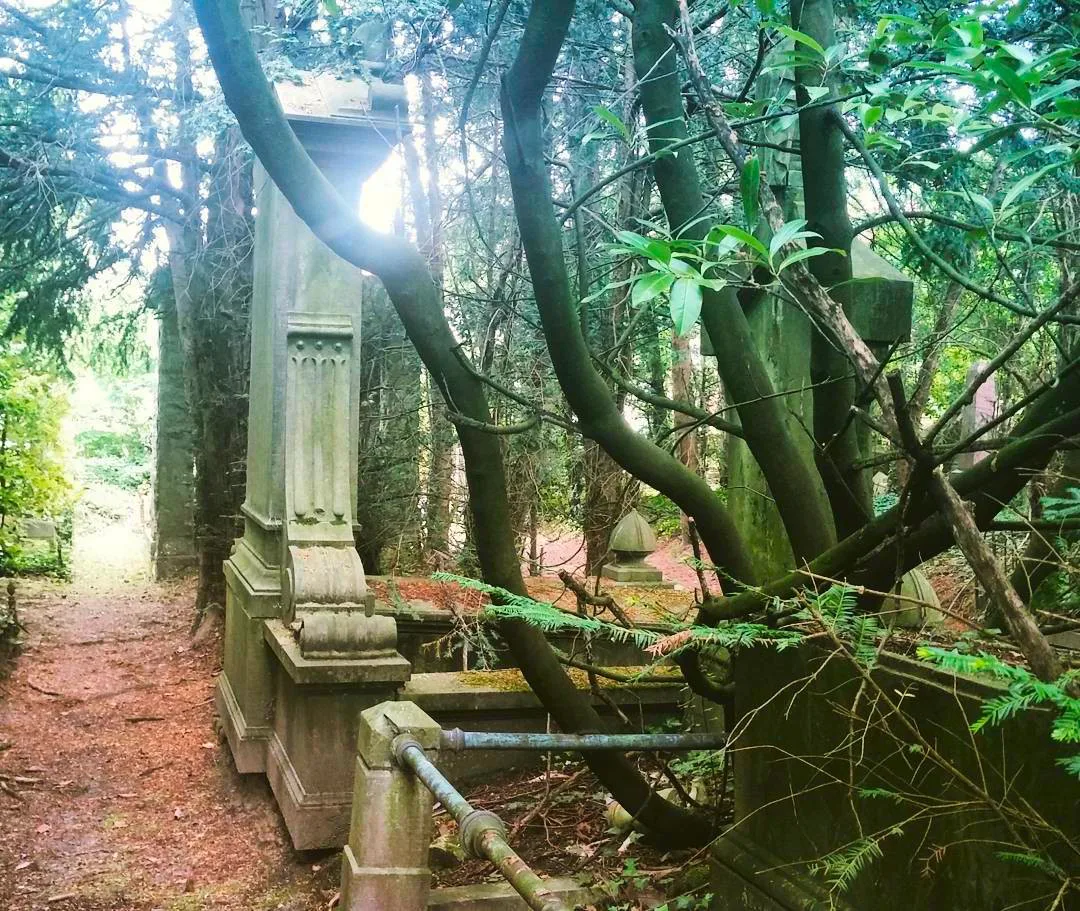
- This disused 19th-century cemetery in Uccle closed to burials in 1958 and now sits wild and quiet.
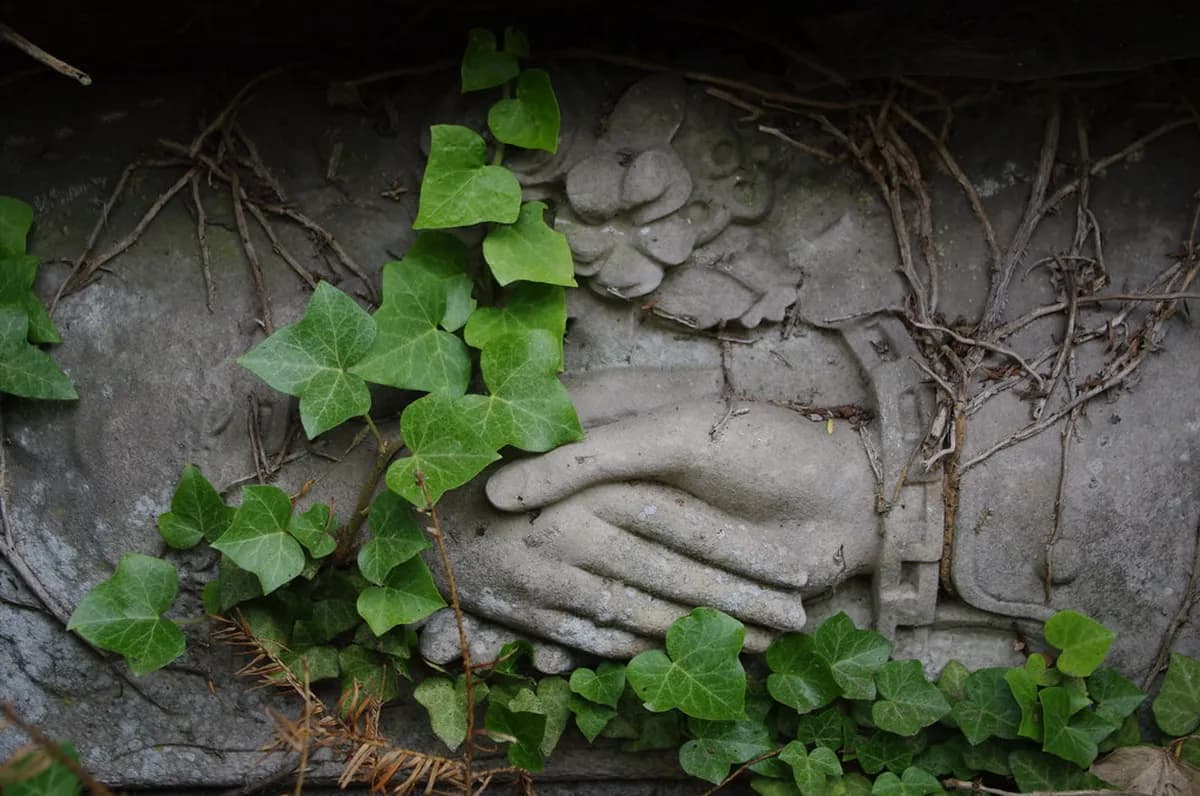
- Ivy and wildflowers cover Art Nouveau tombstones, drawing photographers more than mourners.
- Entry is free, and the gates open daily but close earlier in winter months.
- Take tram 51 or 92 toward Churchill and walk roughly ten minutes to the entrance.
- Go on a weekday afternoon, since weekend hours can be unpredictable and gates sometimes lock early.
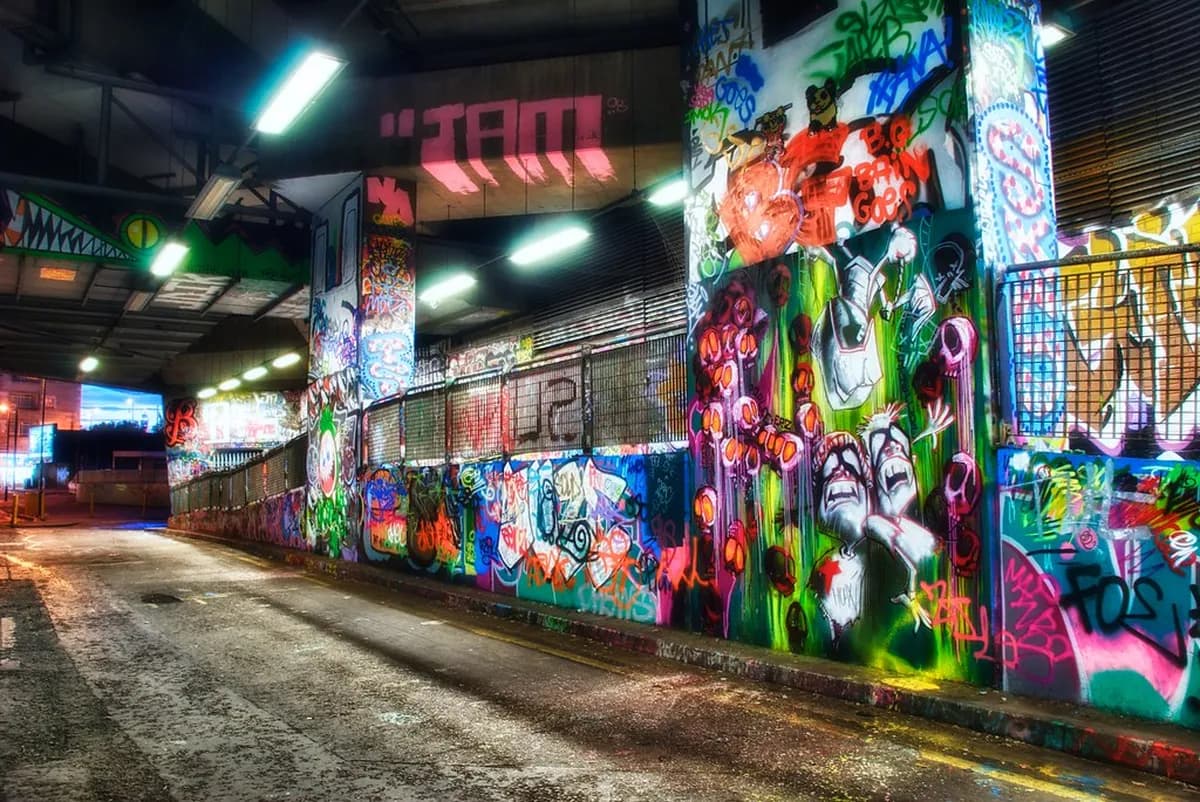
- Brussels Comic Strip Mural Route
- More than 60 building-sized murals scattered across downtown celebrate Belgian comic artists like Hergé and Peyo.
- The self-guided walk costs nothing and takes roughly two hours if you follow the full loop.
- Pick up a printed map from a Brussels tourist office for about one euro.
- Central Station and De Brouckère metro both sit within a few minutes of the first murals.
- Weekday mornings give the emptiest streets for photographing the murals without pedestrians in frame.
- Musical Instrument Museum's Art Nouveau Building
- Housed in the former Old England department store, this museum holds a sprawling collection of instruments.
- Wireless infrared headsets play sample sounds as you approach each display case.
- Tickets cost around 12 to 15 euros for adults, with reduced rates for students and seniors.
- The building's Art Nouveau ironwork facade and rooftop cafe view over Brussels are reasons alone to visit.
- It sits near the Royal Palace, a short walk from Gare Centrale, and closes on Mondays.
- Parvis de Saint-Gilles Market Square
- This lively square outside Saint-Gilles town hall hosts a farmers market every Sunday morning.
- Cafes ringing the square pour Belgian beers for around three to five euros a glass.
- Art Nouveau townhouses line the surrounding streets, a quieter rival to the Sablon's antique shops.
- Tram 97 or 81 stops right on the square, about fifteen minutes from central Brussels.
- Arrive by 10am on Sunday before the market stalls sell out of the best produce.
- Les Marolles Flea Market at Vossenplein
- Vendors spread vintage furniture, old vinyl, and secondhand curiosities across Place du Jeu de Balle daily.
- The market runs every morning from around 6am to 2pm, with the widest selection on weekends.
- Bargaining is expected here, unlike in the pricier antique shops up the hill in the Sablon.
- The Marolles neighborhood sits a short walk south of Gare du Midi and the Palais de Justice.
- Go right at opening for the rare finds, since regular dealers clear out the best stock fast.
- Robinson Island on the Bois de la Cambre Lake
- A small rowboat ferries visitors to this wooded island hidden in the middle of a city park lake.
- Rowboat rentals cost roughly ten to fifteen euros per half hour, cash usually preferred.
- The island's cafe operates seasonally, mainly from spring through early autumn on fair-weather afternoons.
- Tram 8 or 25 reaches the park entrance, about twenty minutes from the city center.
- Weekday afternoons are far quieter than weekend visits, when local families crowd the boat dock.
- Horta Museum's Art Nouveau Interior
- Architect Victor Horta's own house and studio in Saint-Gilles shows off his sweeping Art Nouveau style.
- The museum opens Tuesday to Sunday from 2pm, and tickets are best bought online in advance.
- Entry costs around 12 euros for adults, with a lower rate for students.
- Every Saturday, a free two-hour Art Nouveau walking tour departs nearby for those who plan ahead.
- Photography is restricted inside, so go slow and study the ironwork and stained glass by eye.
- Delirium Café's Beer Cellar
- This cellar bar near the Bourse claims one of the largest beer menus in the country.
- Expect a pint to run about four to seven euros, more for rare bottled brews.
- The narrow alley entrance is easy to miss, tucked behind a row of ordinary shopfronts.
- Doors open daily from around 10am, with the cellar filling up fast after 8pm.
- Weeknight visits before 9pm skip the queue that regularly forms at the door on weekends.
- Coudenberg's Underground Medieval Palace
- Beneath the Place Royale lie the buried foundations of Brussels' original royal palace.
- An audio-guided walk leads through vaulted cellars and stone passages rarely mentioned in guidebooks.
- Tickets run about eight to ten euros, and the site closes on Mondays.
- It connects underground to the BELvue Museum, so a combined ticket saves a few euros.
- Come right at opening to walk the passages without another visitor in sight.
Which Brussels Neighborhoods Hide the Best Secrets?
Brussels splits into distinct neighborhoods, each with its own pace and its own secrets. The Marolles keeps its working-class character despite creeping gentrification near the antique shops. Saint-Gilles blends grand Art Nouveau houses with some of the city's best-value beer terraces.
For a deeper dive into flea markets, chocolate shops, and back-alley bars, the Marolles neighborhood guide covers the district street by street. It also flags which streets feel touristy by midday versus which stay local all week.
The Saint-Gilles guide maps out the Parvis market square alongside nearby Art Nouveau landmarks. Both districts connect easily by tram, so pairing them into one afternoon is straightforward.
The Art Nouveau movement, documented in detail on Art Nouveau reference pages, shaped whole streets beyond the Horta Museum. Dansaert and Ixelles carry their own flavor too, from indie boutiques to lively student bars. Each neighborhood rewards at least half a day of unhurried walking rather than a rushed checklist stop.
What to Skip When Chasing Secret Spots in Brussels
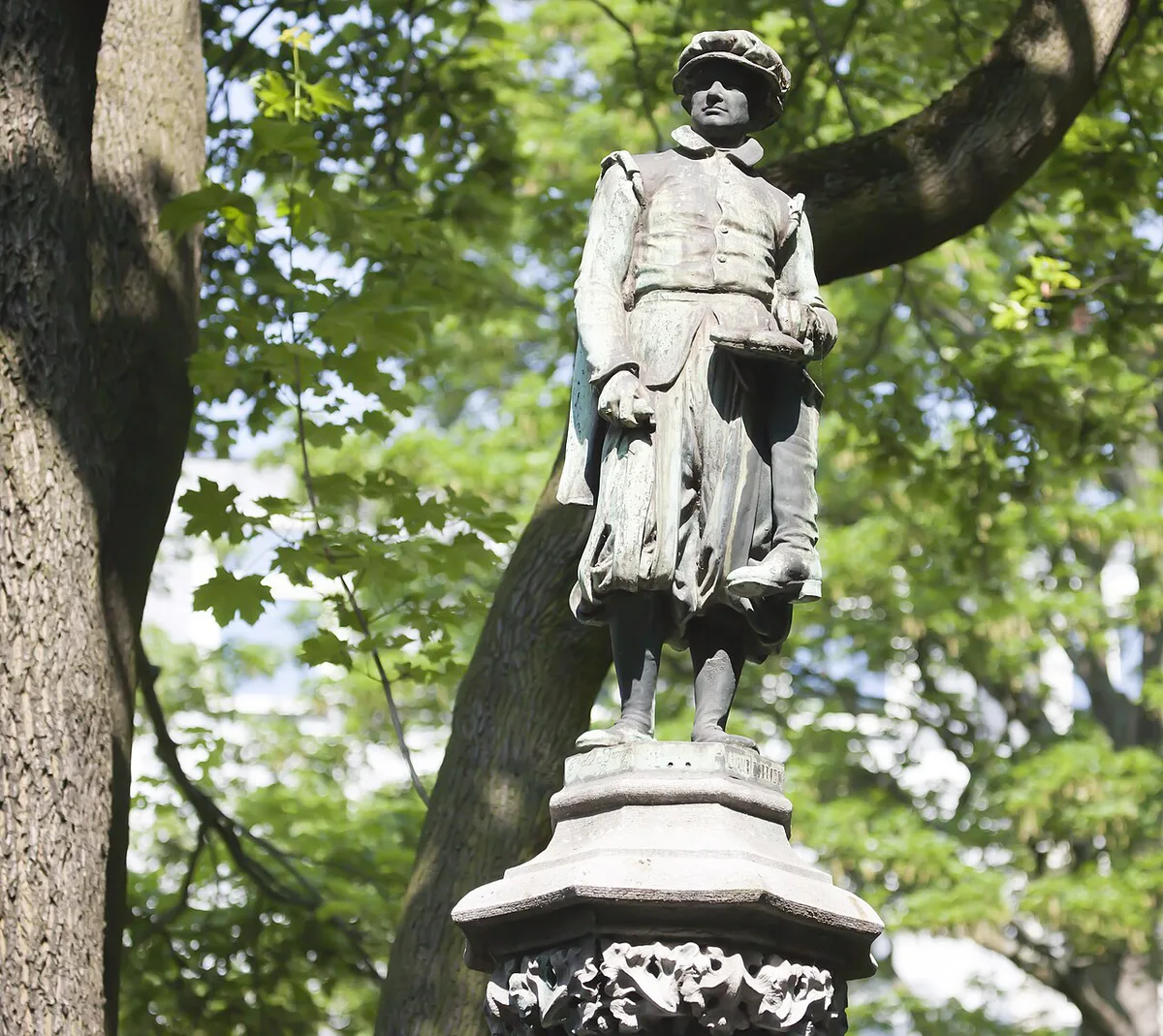
Manneken Pis draws crowds for a reason that rarely matches the hype in person. The statue stands just 55.5 centimeters tall, tucked behind barriers a five-minute walk from Grand Place. We'd treat it as a two-minute photo stop, not a reason to build a morning around.
The Atomium and Mini-Europe pull in tour buses by the dozen and rarely feel undiscovered. Both are enjoyable, but neither fits a search for secret spots in Brussels since every guidebook already features them. Save that visit for a separate day trip rather than squeezing it between quieter stops.
Swap a crowded landmark for the Dieweg Cemetery instead, since it delivers a similarly photogenic mood without the queues. Overrated picks are not bad attractions, just poor uses of limited time for this specific goal. Budget an hour for genuine landmarks, then spend the rest of the day on quieter finds.
How Many Days Do You Need to Explore Hidden Brussels?
Two full days cover the ten spots above at a comfortable, unhurried pace. One day works if a visitor sticks to downtown picks like the mural route, Delirium Café, and Coudenberg. A second day suits the outer picks, including Robinson Island, the Dieweg Cemetery, and the Saint-Gilles market.
Weekday mornings consistently beat weekend afternoons for smaller crowds at nearly every spot on this list. For a fuller seasonal breakdown, the guide to visiting Brussels without crowds lays out month-by-month patterns. Spring and early autumn generally bring milder weather for the Bois de la Cambre and outdoor markets.
Book Horta Museum tickets online ahead of a weekend visit, since walk-up lines form by early afternoon. The Marolles flea market and Saint-Gilles Parvis both peak on Sunday mornings, so arrive early for the best stalls. Museums close on varying days, so confirm hours before building a tight schedule around any single stop.
Practical Tips for Visiting Brussels' Hidden Corners
Brussels' public transport network of trams, buses, and metro lines reaches nearly every spot on this list. A single ticket covers all three modes, making transfers between neighborhoods simple and cheap. Google Maps handles route planning reliably, since STIB timetables feed directly into it.
Six of the ten spots offer free entry, including the entire comic strip mural route and Les Marolles flea market. Budget travelers should plan thirty to fifty euros daily for food, transit, and remaining museum tickets combined.
Weekday mornings deliver smaller crowds than weekend afternoons at nearly every spot. Weekday visits before 9pm skip Delirium Café queues. Always confirm specific hours before visiting, since many attractions close on Mondays or shift seasonally.
Near the Coudenberg underground palace, the European Quarter also holds the House Of European History, free to enter. It makes sense to pair the two on one European Quarter afternoon. Trams and the metro both stop within a few minutes' walk of either building.
Craft beer culture runs deep here, and the Brussels Beer Project brewery offers tours and tastings beyond the classic cafes. Brussels is generally safe for walking after dark in the neighborhoods covered here, though normal city caution still applies. Budget roughly 30 to 50 euros a day for food, transit, and entry fees across most of these stops.
DIY Your Own Chocolate Tour Around Brussels
Brussels is one of the chocolate capitals of Europe, and a self-guided tasting walk costs far less than a organized chocolate tour while covering the same ground. Start near Grand Place at Neuhaus, the brand credited with inventing the praline in 1912, then walk to Galeries Royales Saint-Hubert for Mary Chocolatier, a royal warrant holder since 1919. From there, head toward Sablon for Pierre Marcolini, known for single-origin bean-to-bar bars and seasonal pralines, and Wittamer, a Sablon institution since 1910. For a quieter, less touristy stop, Laurent Gerbaud near the Cathedral of St. Michael and St. Gudula sells low-sugar chocolates paired with dried fruit and nuts, with a small tasting room attached.
- Best done on a weekday morning before shops fill with tour groups
- Most boutiques offer small tasting samples for free, though bags typically run a few euros per 100 grams
- Pair the walk with the nearby Comic Strip Mural Route to cover both in one downtown loop
Budget two to three hours on foot, since the shops sit within a fifteen-minute walk of each other around the historic center.
Frequently Asked Questions
What are the best secret spots in Brussels for first-time visitors?
The comic strip mural route and Les Marolles flea market suit first-time visitors best, since both are free and centrally located near Grand Place. Add the Horta Museum for Art Nouveau architecture, and Coudenberg for an easy underground detour near Place Royale.
Is Brussels safe to explore off the beaten path?
Brussels is generally safe for walking through the neighborhoods covered here, including after dark in central districts. Standard city precautions apply, like watching belongings in crowded markets and avoiding empty streets late at night in unfamiliar areas. Trams and the metro run late into the evening, making it easy to leave a neighborhood after dark.
How much time should travelers plan for secret spots in Brussels?
Two full days cover the ten picks in this guide at a relaxed pace, with time for meals in between. A single day works for downtown-only stops like the mural route and Delirium Café. Add a half day more for outer picks such as Robinson Island and the Dieweg Cemetery.
What should travelers avoid when looking for secret spots in Brussels?
Skip building a whole day around Manneken Pis, since the statue takes only a couple of minutes to see. Avoid peak weekend afternoons at popular markets, when the Marolles and Saint-Gilles squares get crowded fast. Weekday mornings almost always work better for photos and shorter lines.
Which Brussels neighborhoods should travelers explore beyond downtown?
The Marolles, Saint-Gilles, and Ixelles each hold distinct hidden spots beyond the tourist core downtown. The Brussels Neighborhoods Guide: Best Areas to Stay breaks down all nineteen districts for deeper planning. Each neighborhood has its own market days and quiet hours worth checking beforehand.
These ten spots prove Brussels holds far more than waffles and a peeing statue. Every pick above comes with a free or low-cost option, and none needs more than a short tram ride. Pair a morning at the mural route with an afternoon at Coudenberg, or spend a full day in the Marolles and Saint-Gilles.
Prices and hours shift, so confirm details before a visit, especially around holidays and museum off-seasons. Whichever three or four make the final list, expect fewer crowds and a clearer sense of how Brussels actually lives.
Continue exploring
More guides you'll find useful