13 Secret Spots in Krakow Locals Love (2026)
Discover 13 secret spots in Krakow beyond Wawel Castle, with 2026 prices, opening hours, and insider tips to plan your own hidden-gem day out.
On this page
13 Secret Spots in Krakow Most Visitors Miss
Wawel Castle and the Main Market Square get all the postcards, but Krakow's real character hides a few streets further out. Our editors have combed the city's districts to map the secret spots in Krakow that locals actually return to. Last updated July 2026, this guide reflects current admission prices and opening hours.
This list moves past the obvious icons to reach quieter courtyards, converted quarries, and a rooftop few tourists notice. Expect a mix of free viewpoints, small museums, and one riverside abbey worth the detour. A few widely repeated hidden gems actually draw a crowd now, and we flag those honestly below.
Most of these spots sit in Podgórze, Kazimierz, or a short tram ride beyond the Planty ring. A day or two easily covers the core cluster on foot and by tram. Budget roughly 20 zł to 60 zł per stop, since several highlights cost nothing at all. Comfortable shoes matter, since quarry paths and mound trails stay uneven underfoot.
13 Secret Spots in Krakow Worth Seeking Out
These picks fall into five loose clusters: landmarks tourists miss, green escapes, and small museums. The rest cover Podgórze's wartime layers plus a few neighborhood and riverside finds. Each entry lists a typical cost, opening pattern, and how to reach it from the Main Square.
For an even deeper dive into the city's lesser-known corners, our hidden gems in Krakow guide pairs well with this list. Together they cover almost every quiet courtyard worth a detour.
Early mornings before 10am keep even the popular stops quiet, especially at Zakrzówek and Krakus Mound. Weekends bring day-trippers from Warsaw, so weekday visits reward you with genuine solitude.
1. Saint Joseph's Church, a Neo-Gothic Landmark in Podgórze
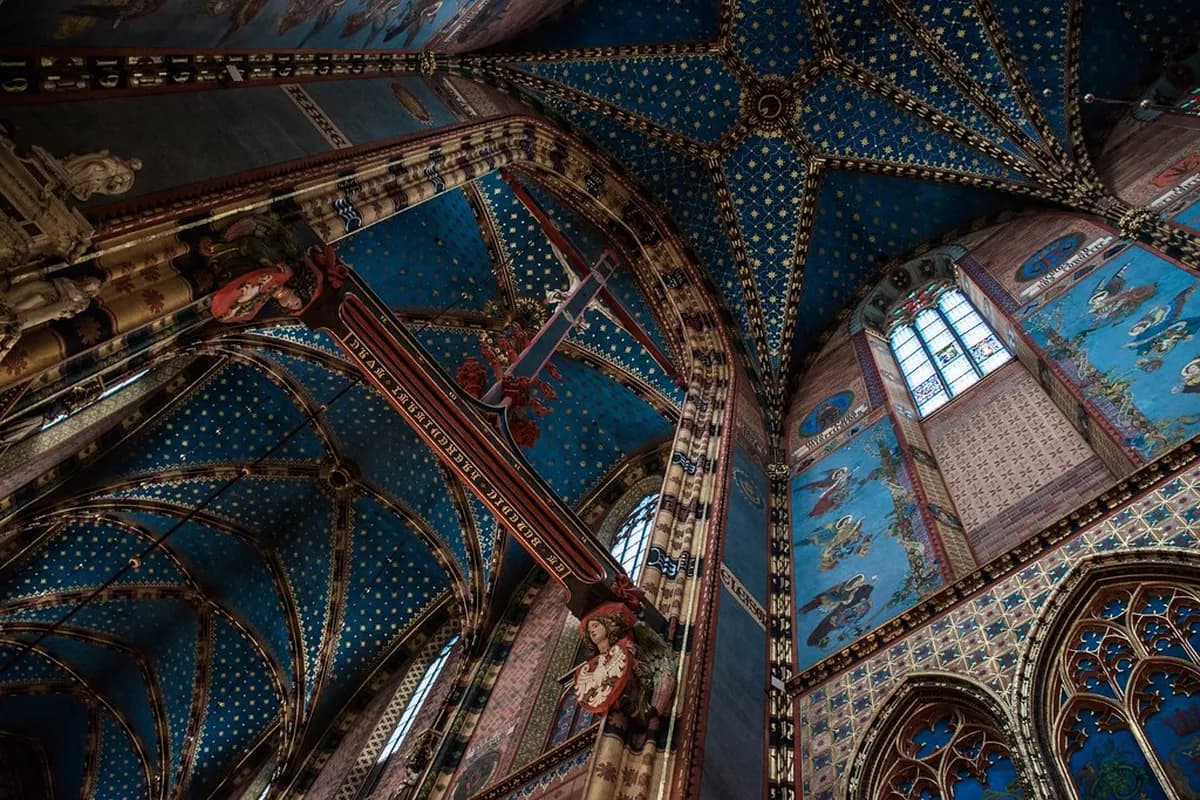
This neo-Gothic parish church rises above Podgórze's market square with spires most Old Town visitors never see. Stained glass and soaring arches fill the quiet interior, a striking contrast to the crowded Main Square churches. Entry is free, and the church usually stays open from around 9am to 6pm outside Mass times.
It sits a 15-minute walk from Kazimierz across the Bernatek footbridge, or a short tram ride from the Old Town. Visit late afternoon on a weekday, when the low sun lights the stained glass from inside.
2. Metrum Restobistro, a Rooftop View Above the Academy of Music
Set on the Academy of Music's rooftop, this restobistro delivers one of Krakow's best low-key panoramas. The terrace looks straight across the Vistula to Wawel Castle and the Old Town's church spires. It opens daily from morning until around 6pm, though school-holiday hours can shift, so check ahead.
A coffee or light plate runs roughly 20 zł to 45 zł, about $5 to $11. It sits near Basztowa street on the Old Town's northern edge, an easy walk from the train station. Enter through the main building doors and take the lift on the left to reach the terrace.
3. Krakus Mound, an Ancient Earthwork Above Podgórze
This grass-covered mound has watched over Podgórze since pre-medieval times, long before Wawel's towers rose. According to local historians, its exact origin remains debated, though legends tie it to Krakow's founding. The climb takes about 20 minutes round trip and rewards you with a 360-degree view of the city.
Access is free and the mound stays open from dawn to dusk every day of the year. Reach it by a 10-minute walk from the Krakus Mound tram stop or a longer stroll from Liban Quarry. Weekday mornings keep the summit nearly empty, unlike the more famous Kościuszko Mound across town.
4. Zakrzówek Park & Lake, a Former Quarry Turned Blue Lagoon
A flooded limestone quarry gives this park its startling turquoise water and steep limestone cliffs. Floating wooden docks connect several enclosed swimming zones, added in recent years to manage crowds safely. Entry to the park is free, and trails stay open year-round from early morning to dusk.
Summer weekends draw sunbathers, so an early swim before 9am keeps the shoreline nearly empty. It sits in the Dębniki district, about 20 minutes by bus or bike from the Old Town. No lifeguards patrol the swimming zones, so treat the cliffs and deep water with real caution.
5. Jagiellonian University Botanical Garden, Poland's Oldest Green Refuge
Founded in 1783, this is Poland's oldest botanical garden, according to the university's own history pages. Over 5,000 plant species fill the grounds, including a palm house with rare sago palm specimens. Adult tickets run about 10 zł to 18 zł, roughly $3 to $5, with free days announced seasonally.
It typically opens April through October, daily from around 9am to 6pm, and hours shift by season. Walk 15 minutes east from the Main Square, past the Planty ring, to reach the entrance. The on-site café makes a quiet spot to rest between the Old Town and Kazimierz.
6. muWi Stained Glass Museum, a Working Kazimierz Workshop
This small museum sits inside a working stained-glass workshop, one of the last of its kind in Poland. Glassmakers still restore church windows here, so tours double as a peek into a living craft. Guided visits cost around 20 zł, about $5 per person, and usually run on a fixed schedule.
Book ahead, since group sizes stay small and weekday afternoon slots fill first. It sits on the Kazimierz side of the district, a 10-minute walk from Plac Nowy. Ask about seeing an active restoration piece, since not every slot includes one.
7. Ethnographic Museum in Podgórze's Old Town Hall
Housed in Podgórze's former town hall on Plac Wolnica, this museum traces rural Polish life and craft. Displays cover folk costume, wooden architecture, and seasonal customs from across southern Poland. Tickets cost about 20 zł, roughly $5, and cover the full building's exhibitions.
It typically opens Tuesday through Sunday, closing Mondays, so plan around that gap. A 10-minute walk from Kazimierz's Plac Nowy puts you right at the entrance. Budget about an hour, longer if the temporary exhibition on the top floor interests you.
8. Galeria LueLue, an Independent Art Space in Kazimierz
This compact gallery-shop showcases local illustrators and designers rarely found in Old Town souvenir stores. Rotating exhibitions mean the walls look different every few months, worth a repeat visit. Browsing is free, though most visitors leave with a print or a small handmade item.
Hours run shorter than typical shops, often afternoons only from Wednesday to Sunday. It sits deep in Kazimierz, a few streets back from the district's busier main square. Check its social media before visiting, since opening hours shift with the season.
9. Liban Quarry & Płaszów, a Filming Site Turned Memorial
This former limestone quarry once served as a Schindler's List filming location and a wartime camp site. Rusted machinery and quarry walls still stand, left largely untouched since the war ended. Access is free and open-air, with no fixed hours beyond daylight.
Paths are uneven and unmarked in places, so sturdy shoes matter here more than most stops. It borders Krakus Mound in Podgórze, about a 15-minute walk between the two sites. Treat the site with the same quiet respect you would show at Ghetto Heroes Square.
10. Remains of the Ghetto Wall on Lwowska Street
A short surviving fragment of the wartime ghetto wall stands quietly on a Podgórze side street. Its arched top was shaped to resemble Jewish gravestones, a detail easy to miss without knowing it. Viewing is free and the fragment sits outdoors, accessible at any hour.
Pair it with nearby Ghetto Heroes Square, about a 10-minute walk away, for full context. Few tour groups stop here, so you will likely have the quiet street to yourself. Read the small plaque carefully, since it is easy to walk past without noticing.
11. Stary Kleparz Market, a Working Market North of Old Town
This open-air market has traded produce, flowers, and street food since the 14th century. Local vendors sell pierogi, oscypek cheese, and seasonal fruit at prices below Old Town cafes. Browsing is free, and a snack or two typically costs 15 zł to 40 zł, about $4 to $10.
It generally trades daily from early morning into early evening, though exact vendor hours vary. It sits just north of the Old Town, a five-minute walk past the Barbican. Go before 10am for the freshest produce and the smallest crowds.
12. Nowa Huta, a Planned Socialist-Realist District
Built from scratch in the 1950s, Nowa Huta was designed as a model socialist industrial town. Wide boulevards, monumental facades, and Plac Centralny give the district a look unlike the rest of Krakow. Walking the streets costs nothing, and the small Nowa Huta Museum charges about 10 zł, roughly $3.
The museum typically opens Tuesday through Sunday, closing Mondays like most city museums. A tram from the center reaches Nowa Huta in about 25 to 30 minutes. Combine it with the nearby steelworks viewing point for a fuller sense of the district's scale.
13. Tyniec Benedictine Abbey, a Cliffside Retreat on the Vistula
Perched on a limestone cliff above the Vistula, this Romanesque abbey has stood since the 11th century. Monks still live and work on site, producing beer and other goods sold in the abbey shop. Grounds and church access are free, while the museum and cellars cost about 15 zł to 20 zł.
It typically opens Tuesday through Sunday, with shorter hours in winter months. Reach it by river cruise, bike path, or bus 112, roughly 30 to 40 minutes from the center. Combine the visit with a day-trip mindset, since the round trip fills half a day easily.
Where to Eat Near Krakow's Hidden Corners
Kazimierz holds Krakow's most interesting food scene, and HEVRE Bar & Restaurant is a good anchor for a hidden-corners evening. Its menu leans into modern Jewish and Polish flavors, with mains typically running 40 zł to 70 zł, about $10 to $18. The dining room fills fast after 7pm, so an earlier reservation helps.
Stary Kleparz and Plac Nowy both serve excellent budget food, including zapiekanka, a toasted open bread with cheese and toppings. Expect to pay 12 zł to 20 zł, about $3 to $5, for a filling street snack. Pierogi bars around Kazimierz charge closer to 25 zł to 40 zł for a full plate.
For a fuller list of sit-down options, our local restaurants guide covers Krakow's best tables by neighborhood. Save it for evenings when Kazimierz feels too crowded for a walk-in.
Vegetarian travelers do well at Kazimierz's cafes, since most menus list at least two or three meat-free mains. If time is tight, stick to Stary Kleparz for a fast, cheap lunch between attractions. Save HEVRE or a similar sit-down spot for one slower evening meal instead of every night.

How to Plan a Smooth Secret Spots Day in Krakow
Group the Podgórze sites together first. Saint Joseph's Church, Krakus Mound, Liban Quarry, and the ghetto wall fragment all sit within a 20-minute walk of each other. Our Podgórze neighborhood guide maps the full walking route if you want more context before you go. Start early, since this cluster works best before the midday sun hits the quarry and mound trails.
Avoid Zakrzówek's cliffs and swimming zones without checking conditions first, since no lifeguards patrol the water. Skip Liban Quarry and the mound trails right after rain, when paths turn slick and muddy.
Kazimierz clusters just as neatly around muWi Stained Glass Museum, Galeria LueLue, and Metrum's rooftop across the river. Our Kazimierz guide breaks the district into a short walking loop with cafe stops built in. Afternoons work well here, since several small venues open later than the Old Town's main attractions.
Nowa Huta and Tyniec Abbey sit further out, so treat them as half-day add-ons. A tram east reaches Nowa Huta in about 25 minutes from the center. Bus 112 or a river cruise reaches Tyniec Abbey in 30 to 40 minutes. Our day trips from Krakow guide covers both routes plus a few farther options.
Not every widely shared secret spot still feels secret. Kościuszko Mound draws large weekend crowds now, and the climb rarely delivers the solitude older blog posts promise. Floriańska Street's souvenir strip gets recommended constantly, but prices run higher than Stary Kleparz for the same magnets and amber jewelry. Skip both on a tight schedule and spend that time at Krakus Mound or Zakrzówek instead.
Is Krakow Worth Visiting for Its Secret Spots?
Krakow earns its reputation, but the secret spots matter for a specific kind of traveler. If your goal is quiet courtyards and low ticket prices, this city delivers better value than Prague or Vienna right now. First-time visitors chasing only Wawel Castle and the Cloth Hall will still leave satisfied, just with less texture.
A weekend covers the highlights, but three or four days let you add Podgórze's wartime sites and a Tyniec day trip without rushing. Budget travelers do especially well here, since half the list above costs nothing and the rest rarely tops 60 zł. Travelers with only a few hours should skip the outer clusters and focus on Kazimierz and Podgórze instead.
Podgórze's wartime layer adds weight that few other European hidden-gem lists carry. Pairing the ghetto wall fragment with Ghetto Heroes Square gives the fuller memorial context in under an hour. This pairing suits travelers who already plan an Auschwitz-Birkenau day trip and want the Krakow-side history first.
Nature lovers, history buffs, and budget-conscious travelers get the most from this list. Travelers who only want famous landmarks and short queues may prefer to stick with the Old Town's main circuit. Either approach works, since Krakow rewards both a rushed weekend and a slower week.
When Is the Best Time to Find Secret Spots in Krakow?
Spring and autumn keep crowds thin while still offering decent weather for mound climbs and quarry walks. Our guide to visiting Krakow without crowds breaks down month-by-month patterns in more depth. Early May and late September tend to hit the sweet spot between mild weather and thin queues.
Early mornings before 10am keep even the popular stops quiet, especially at Zakrzówek and Krakus Mound. Weekday visits reward you with genuine solitude, while weekends bring day-trippers from Warsaw.
| Season | Weather | Crowds | Best For |
|---|---|---|---|
| Spring (especially early May) | Mild | Thin crowds | Mound climbs and quarry walks |
| Summer | Warmest | Thickest crowds at every stop | Swimming at Zakrzówek |
| Autumn (especially late September) | Mild | Thin crowds | Mound climbs and quarry walks |
| Winter (November to March) | Icy and muddy | Nearly empty outdoor sites | Outdoor sites (requires sturdier shoes) |
Summer brings the warmest swimming weather at Zakrzówek, along with the thickest crowds at every stop on this list. Winter flips that trade, since Liban Quarry and Krakus Mound stay nearly empty even as the Christmas Market fills the Main Square. Pack for mud and ice if you visit the outdoor sites between November and March.
For another locals' take on Krakow's quieter corners, this roundup of Krakow hidden gems is worth a browse before your trip. It leans more toward nature spots and cafes, a useful complement to the wartime and museum picks above. Treat it as a supplement, not a replacement, since prices and hours shift year to year.
Family-Friendly and Budget-Friendly Secret Spots
For families or travelers watching costs, the easiest secret-spots route is Podgórze plus one green stop. Krakus Mound is free, open-air, and short enough for children who can manage a grassy climb, while Saint Joseph’s Church gives you a quiet indoor pause on the same side of the river. Stary Kleparz works well for a low-cost lunch: buy fruit, obwarzanek, pierogi, or oscypek from market stalls instead of sitting down near the Main Square.
Choose Zakrzówek Park when the weather is good, but keep younger children away from cliff edges and deep-water zones; the paths and swimming platforms are better for confident walkers than strollers. The Jagiellonian University Botanical Garden is a calmer pick for families who need shade, benches, and contained paths close to the Old Town. Skip Liban Quarry with small children or after rain, since the ground is rough and the memorial context requires a more careful visit.
Frequently Asked Questions
Where is Krakow, and how do you get there?
Krakow sits in southern Poland, near the Slovak and Czech borders, with its own international airport. Direct flights connect from many UK and European cities in around two to three hours. Trains from Warsaw take roughly two and a half hours and run several times daily.
How many days do you need for secret spots in Krakow?
A single day covers one cluster, such as Podgórze or Kazimierz, comfortably. Three to four days let you add Zakrzówek, Nowa Huta, and a Tyniec Abbey day trip without rushing. Budget extra time in summer, since queues and swimming spots get busier.
What should you avoid when visiting Krakow's hidden spots?
Avoid Zakrzówek's cliffs and swimming zones without checking conditions first, since no lifeguards patrol the water. Skip Liban Quarry and the mound trails right after rain, when paths turn slick and muddy. Weekend afternoons bring the largest crowds, so weekday mornings work better for a quieter visit.
Are Krakow's secret spots free to visit?
Roughly half of the thirteen spots above cost nothing, including Krakus Mound, Liban Quarry, and the ghetto wall fragment. The rest typically charge 10 zł to 40 zł, about $3 to $10, for entry or a guided visit. Very few sites in this list top $12.
What is the best time of year to explore secret spots in Krakow?
Spring and autumn balance mild weather with thinner crowds at most sites. Summer suits swimming at Zakrzówek but brings the busiest queues everywhere else. Winter keeps outdoor sites quiet, though icy paths call for sturdier shoes and shorter museum hours.
Wawel Castle and the Main Square earn their fame, but Krakow's real depth lives a few streets beyond them. Podgórze's quarries and wartime memorials, Kazimierz's small museums, and Zakrzówek's blue lagoon each reward a slower pace. Pick two or three clusters that match your time budget rather than rushing all thirteen stops in one day.
Bring comfortable shoes, a little cash in zloty, and a loose schedule, since several stops reward lingering rather than checking off a list. Come back in a different season and the same thirteen spots will feel like a new city again.
Continue exploring
More guides you'll find useful