12 Unique Things to Do in Krakow (2026)
Discover 12 unique things to do in Krakow, from a dragon's cave to a stained-glass workshop. Get 2026 prices, hours, and neighborhood tips inside.
On this page
12 Unique Things to Do in Krakow, Poland
Local guides in Krakow tend to steer repeat visitors away from the postcard shots and toward a handful of stranger, more memorable stops. A dragon's cave, a stained-glass workshop, and a lakeside quarry rarely make the standard tourist checklist, yet they define the city's character. Last updated July 2026, this guide gathers 12 unique things to do in Krakow, complete with current prices, hours, and neighborhood context.
Krakow's Old Town square gets busy by mid-morning, especially between May and September. Beyond the Cloth Hall and Saint Mary's Church, the city holds burial mounds, communist-era districts, and museums that rarely make a first pass. Each pick below sits in a real neighborhood, not a marketing brochure, and the details include how to actually get there.
This guide groups the picks into four clusters, so travelers can match choices to the time they have. Legends and landmarks, museums and culture, green escapes, and neighborhood life each get their own set of picks. Later sections cover whether Krakow is worth the trip, how to plan a smooth day, where to eat, and how many days to budget. Every price below uses 2026 rates in Polish złoty, since hours and admission fees shift with the season.
12 Unique Things to Do in Krakow Right Now
The picks below group into four clusters, so it's easier to build a route around whatever pace of day feels right. Every entry lists what the spot actually is, roughly what it costs, and how to reach it from the Old Town. Prices are listed in Polish złoty (zł) with rough dollar conversions, since most tickets are still sold in local currency. Hours shift with the season at several spots, so a quick check of the official page before visiting is worth the two minutes.
Legends and landmarks make up the first cluster, covering the myths Krakow tells about itself. These three sit within a 15-minute walk of each other near Wawel Hill and the Main Square. For more under-the-radar spots nearby, this guide to Krakow's quieter sights covers a few extra stops worth a look.
Museums and culture form the second cluster, and these three go far beyond typical souvenir-shop history. Expect hands-on exhibits, an actual university library used since the 1400s, and a workshop where artisans still cut glass by hand. Each takes roughly 60 to 90 minutes and works well as an indoor break from Krakow's changeable weather.
Green escapes cover the third cluster, both a short tram or walk from the center. One is a flooded limestone quarry with cliffs and turquoise water, the other a tree-lined ring park circling downtown. Both are free to enter and popular with locals on weekend mornings, well before the tour groups arrive.
Neighborhood life rounds out the list, moving past the Old Town into districts most first-time visitors skip. Kazimierz, Podgórze, and Nowa Huta each carry a distinct chapter of Krakow's 20th-century story. The Kazimierz neighborhood guide goes deeper on the Jewish Quarter's cafes, synagogues, and courtyards. A themed art cafe rounds out the cluster for anyone wanting a slower, local pace between sights.
1. Smocza Jama, the Wawel Dragon's Den and Statue
This limestone cave beneath Wawel Hill marks the legendary lair of Krakow's fire-breathing dragon, according to the city's founding myth. A spiral staircase winds down through the rock, and the exit sits right next to the bronze dragon statue outside. The statue breathes fire roughly every five minutes, though regular visitors often clock it closer to two or three.
Cave entry costs only a few złoty and opens seasonally, roughly April through October, 10am to 5pm; the statue itself is free to watch. Reach it on foot from the Main Square in about 15 minutes, or ride tram 6 or 8 to the Wawel stop.
2. Krakus Mound, an Ancient Burial Site With Skyline Views
Kopiec Kraka is a grass-covered earthen mound in Podgórze, believed by local historians to predate Krakow's Christian era. Local legend ties the mound to Krak, the city's mythical founder, though its exact origin remains debated. The climb takes about 10 minutes and rewards visitors with one of the widest open views over the city.
Admission is free, and the surrounding park stays open from early morning until dusk year-round. It sits a 20-minute walk or short bus ride from Podgórze's main square, and sunset draws the biggest crowds, so mornings stay quieter.
3. Rynek Underground Museum Beneath the Main Square
Beneath the Cloth Hall sits this museum, showing the original medieval marketplace excavated from under the square. Interactive displays and preserved foundations trace Krakow's trade routes back to the 13th century. Tickets run around 40 zł (about $10), and entry is free on Tuesdays with a same-day ticket.
It generally opens daily from 10am to 10pm, though hours shorten off-season, so check ahead. The entrance sits inside Rynek Główny itself, so arrive right at opening to beat the crowd at the turnstile.
4. Oskar Schindler's Enamel Factory in Podgórze
Housed inside the former factory building, this museum covers Krakow under Nazi occupation, centered on Oskar Schindler's list of workers. Recreated offices, photographs, and survivor testimony walk visitors through the ghetto years room by room. Standard tickets run about 40 zł (roughly $10), and entry is free on Mondays, with lines forming early.
It sits in Podgórze, across the Vistula from the Old Town, about a 25-minute walk or short tram ride. Plan on 90 minutes minimum and book a timed slot online in summer, when same-day tickets often sell out.
5. Collegium Maius, Europe's Oldest University Museum
Founded in 1364, the Jagiellonian University still owns this Gothic courtyard building, among the oldest academic sites in Europe. Guided tours move through old lecture halls, astronomical instruments, and a library once used by Nicolaus Copernicus. General admission runs around 16 zł (about $4), with guided tours priced higher and worth booking a day ahead.
It typically opens Monday through Saturday, mornings into late afternoon, with shorter Saturday hours. It sits just off the Main Square, an easy 5-minute walk from the Cloth Hall. Tour groups stay small, so afternoon slots book out fastest during summer.
6. Zakrzówek Lake and Park, a Flooded Limestone Quarry
A former limestone quarry now holds a turquoise lake ringed by steep cliffs, a short tram ride south of the center. Locals swim, sunbathe, and cliff-jump here in summer, while walking paths circle the water year-round. Entry is free, and the site stays open from morning to evening with no fixed gate hours.
Reach it by tram toward Podgórze or Dębniki, then a 10-minute walk from the nearest stop. Swimming is unofficial and unsupervised, so treat the deep, cold water with caution rather than diving straight in.
7. Kazimierz, Krakow's Historic Jewish Quarter
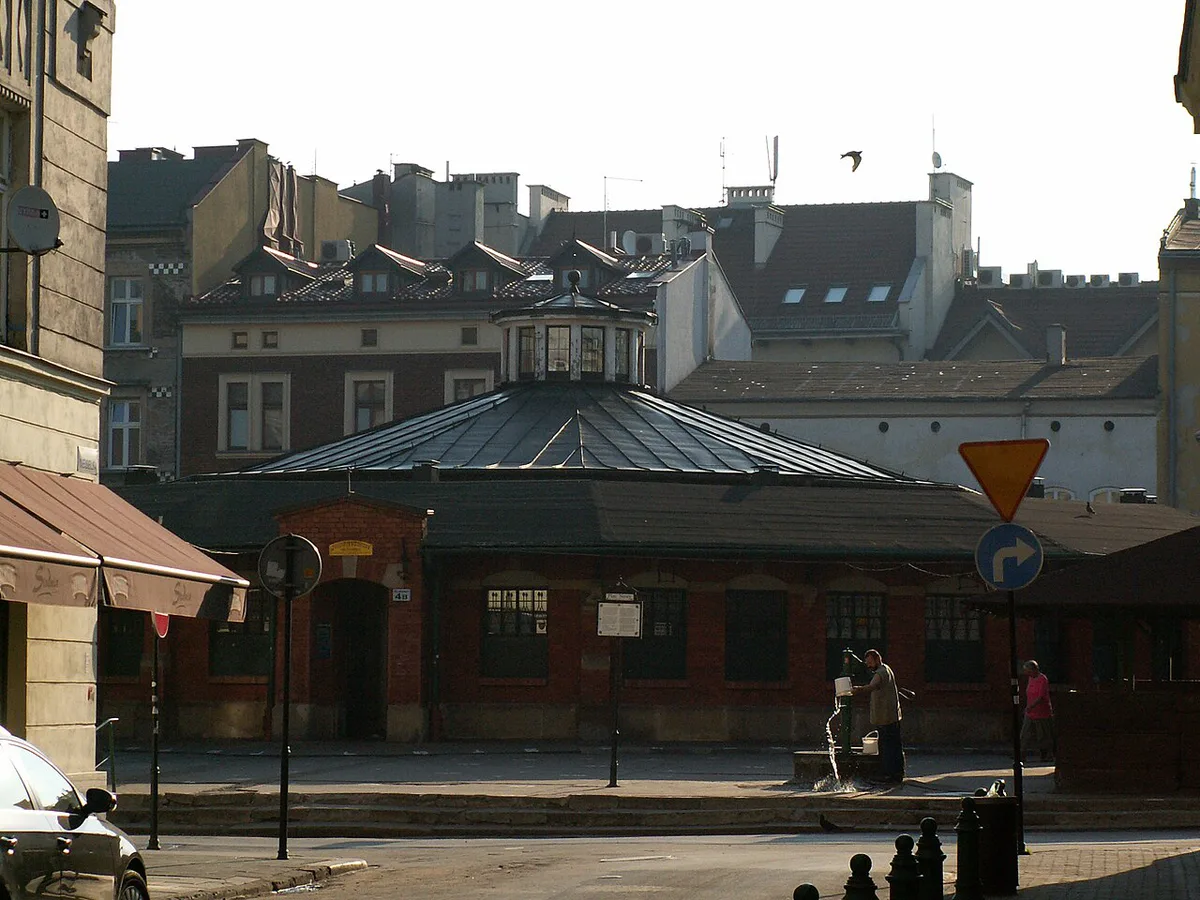
South of the Old Town, this district holds seven historic synagogues, a walkable Jewish cemetery, and streets lined with bars and galleries. Plac Nowy square anchors the neighborhood, known for its round market hall selling zapiekanka, a Polish open-faced sandwich. Most synagogues charge a small entrance fee, roughly 10-14 zł, and close on Saturdays for the Sabbath.
It's about a 15-minute walk south from the Main Square, or a few stops on tram 3 or 24. Visiting on a weekday morning gives a quieter look at the synagogues before afternoon tour groups arrive.
8. Planty Park, the Green Ring Around Old Town
Looping entirely around the Old Town, this narrow, tree-lined park traces the footprint of medieval walls torn down in the 1820s. Benches, fountains, and small monuments line the path, making it a natural walking route between sights. The full loop runs about 4 kilometers and takes roughly an hour at a relaxed pace.
Entry is free and the park never closes, though paths are busiest and best lit before dusk. It connects directly to the Vistula boulevards near Wawel, making an easy add-on to a riverside walk.
9. Ghetto Heroes Square and Podgórze's Wartime Streets
Once the center of the Krakow Ghetto, this plaza now holds rows of oversized bronze chairs as a memorial to deported residents. Each chair represents roughly a thousand people forced from their homes here between 1941 and 1943, per city memorial signage. The square is free and open around the clock, with plaques posted along its edges.
It sits in Podgórze, across the river from Kazimierz, about a 20-minute walk over the footbridge. A fragment of the original ghetto wall still stands a few streets away, shaped like tombstones. Pair it with a quiet walk through Podgórze, since most visitors head straight back to Kazimierz.
10. muWi Stained Glass Museum and Workshop
Tracing a craft tradition that supplied church windows across Poland, this working stained-glass workshop and museum spans over a century. Visitors watch artisans cut, paint, and fire glass panels by hand in the same studio space. Entry runs around 20 zł (about $5), and short tours typically last 45 minutes to an hour.
It generally opens Tuesday through Sunday, mornings through late afternoon, closed on Mondays. The studio sits near Kazimierz, about a 15-minute walk from Plac Nowy, and booking a day ahead helps since tours stay small.
11. Teatr Barakah Art Cafe, a Bohemian Hangout
Tucked into a Kazimierz courtyard, this cluttered, candlelit cafe doubles as an independent theater and gallery space. Mismatched furniture, local art, and a small stage give it a lived-in feel unlike the polished Old Town cafes. Coffee and tea run roughly 10-15 zł, with no cover charge unless a performance is scheduled that night.
It typically opens afternoons into late evening, with exact hours shifting around scheduled shows. Find it a few minutes' walk from Plac Nowy, and check the venue's social pages before heading over.
12. Nowa Huta, Krakow's Communist-Era Planned District
Built in the 1950s around a massive steelworks, Nowa Huta is a planned socialist-realist district unlike anywhere else in Krakow. Wide boulevards, monumental apartment blocks, and a sunburst-shaped central square reveal the era's ambitions. Guided tours in restored Trabant and Nysa vans run roughly 100-150 zł per person.
The district sits about 30 minutes from the Old Town by tram, with no entry fee to walk it. A retro milk bar near the central square still serves cheap Polish lunches, like pierogi, for around 15-20 zł.
Is Krakow Worth Visiting in 2026?
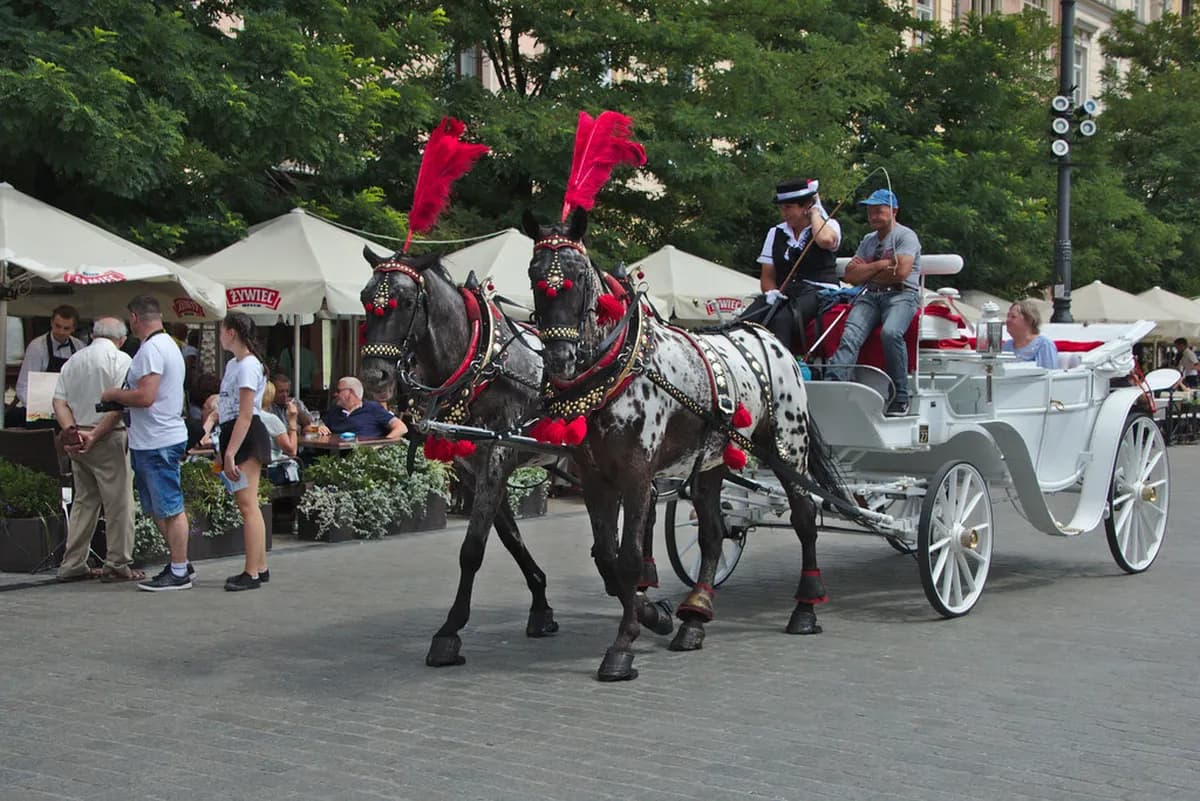
Krakow is worth visiting for the sheer density of sights packed into a compact, walkable center. Few European cities pack a medieval square, a royal castle hill, a former ghetto, and a lakeside quarry within one tram network. The city also remains noticeably cheaper than Prague, Vienna, or Berlin for food, museum tickets, and short taxi rides.
Crowds peak June to August midday at Main Square and Wawel Hill. Starting before 9am or visiting shoulder season noticeably cuts wait times at ticket counters.
The city served as Poland's royal capital for centuries before the capital moved to Warsaw in the late 16th century. World War II brought German occupation and the Krakow Ghetto, and that history is still visible in Podgórze and Kazimierz today. Decades of communist rule followed, leaving behind planned districts like Nowa Huta that read like open-air time capsules.
A couple of commonly listed stops tend to underwhelm relative to the hype, so it's worth naming them plainly. The Dragon's Den gift shop area gets crowded fast and adds little beyond photos already visible from outside. Hop-on hop-off bus tours also move slowly through Old Town traffic, covering ground that's faster and cheaper on foot or tram.
Crowds concentrate around the Main Square and Wawel Hill between June and August, especially at midday. Visiting in shoulder season, or simply starting sightseeing before 9am, noticeably cuts the wait at ticket counters. The best time to visit Krakow without crowds guide covers month-by-month patterns in more depth. Overall, the mix of affordability, walkability, and layered history makes Krakow worth a dedicated multi-day visit.
How to Plan a Smooth Krakow Sightseeing Day
Group sights by neighborhood rather than by name, since Krakow's unique spots cluster into a few distinct pockets. Wawel Hill, the Underground Museum, and the Main Square sit within the compact Old Town, all reachable on foot. Kazimierz and Podgórze sit just south, connected by a short walk over the Vistula footbridge, while Zakrzówek and Nowa Huta require a tram.
Book timed tickets a day ahead for Schindler's Factory and the Underground Museum in summer, when same-day tickets often sell out and lines form early.
A single tram or bus ticket costs around 4-6 zł, and a 24-hour pass runs about 20 zł, covering the whole network. Trams reach most listed spots directly, and Krakow's system runs frequently, roughly every 6 to 10 minutes on core lines. Ride-hailing apps like Bolt and Uber operate citywide and stay cheap for short hops between Podgórze and Kazimierz.
Podgórze rewards a slower pace, mixing Schindler's Factory, Ghetto Heroes Square, and Krakus Mound into one walkable afternoon. The Podgórze neighborhood guide maps out a fuller walking route through the district. Booking timed tickets a day ahead for Schindler's Factory and the Underground Museum avoids the longest lines in summer.
Nowa Huta sits further out and works best as a half-day add-on rather than a rushed stop. The Nowa Huta guide gives context on which sights matter most before heading out on the tram. Budget roughly two full days total to cover the Old Town cluster plus one outer neighborhood without rushing.
Comfortable shoes matter more than a guidebook, since several stops involve cobblestones, hills, or gravel paths. Carrying small złoty bills also helps, since a few smaller museums and cafes still don't accept cards.
Where to Eat Unique Krakow Food
Krakow's food scene mixes centuries-old market traditions with a newer wave of casual bistros. It's worth building meals around the day's sights rather than around a hotel restaurant. Street snacks stay cheap almost everywhere, while sit-down meals still cost less than in Western Europe.
Zapiekanka, a toasted open-faced baguette piled with mushrooms and cheese, originated at Plac Nowy's round market hall and still costs around 12-18 zł. Obwarzanek, a ring-shaped bread similar to a bagel, sells from street carts across the Old Town for roughly 3-5 zł. Milk bars, government-subsidized canteens from the communist era, still serve full Polish lunches, like pierogi or żurek soup, for around 15-20 zł.
Kazimierz holds the highest concentration of interesting kitchens, from Jewish-style bakeries to modern vegan bistros. The Krakow Local Food Guide: Best Eats for 2026 breaks down dishes and neighborhoods in more depth. Reservations rarely matter outside peak dinner hours, though popular milk bars can mean a short line at lunch.
Most restaurants list prices in złoty only, and English menus are common near tourist areas but rarer further out. Tipping runs roughly 10 percent at sit-down restaurants and isn't expected at milk bars or street stalls. Card payment is standard almost everywhere, though a few of the oldest milk bars still prefer cash.
How Many Days Do You Need in Krakow?
Two to three full days cover the highlights on this list comfortably, without feeling rushed between neighborhoods. A single day only fits the Old Town cluster, meaning Wawel Hill, the Underground Museum, and Kazimierz.
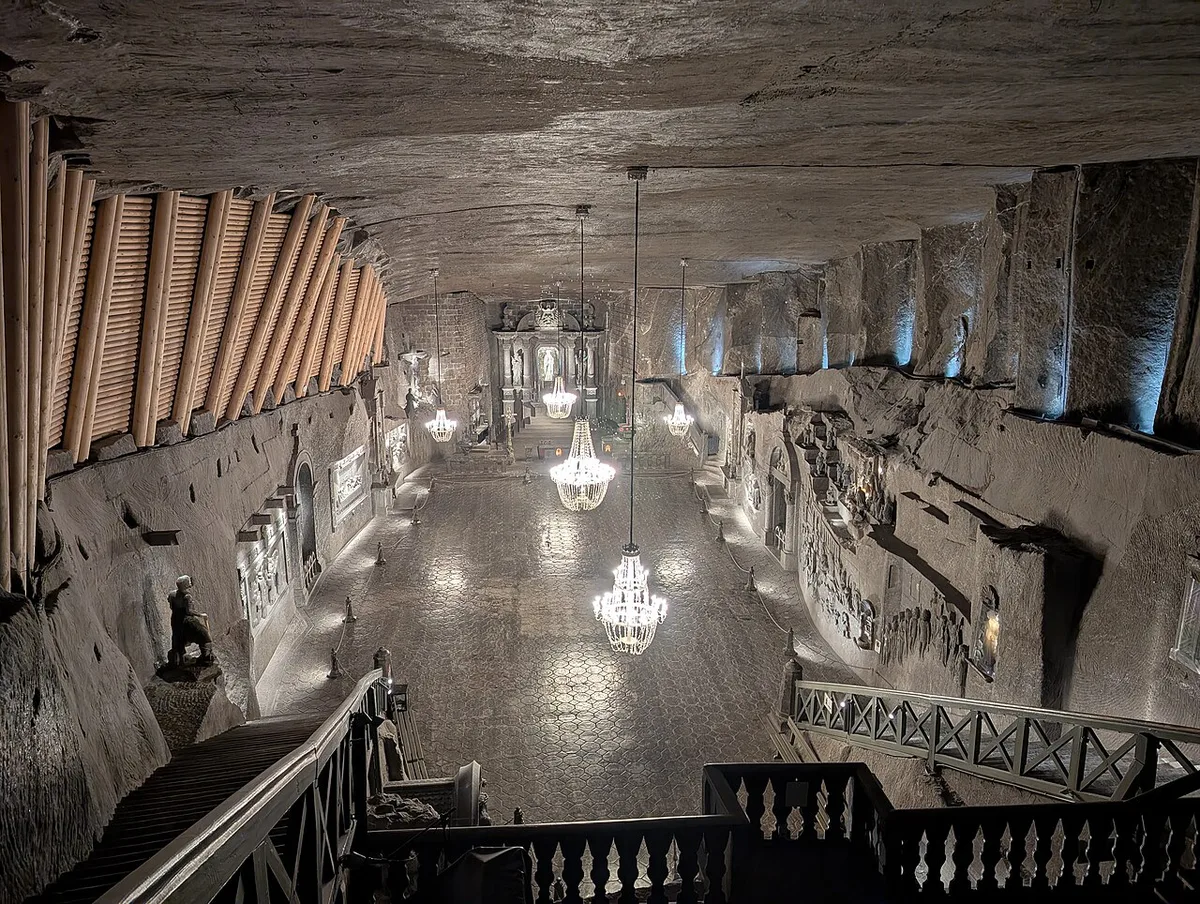
Four or more days leaves room for Nowa Huta, Zakrzówek, and a day trip beyond the city limits. Auschwitz-Birkenau and the Wieliczka Salt Mine both sit within roughly 90 minutes of Krakow and are common longer-stay add-ons. Both work best as a separate half or full day rather than squeezed into an already full sightseeing day.
| Duration | What Fits | Best Approach |
|---|---|---|
| Single day | Old Town cluster: Wawel Hill, Underground Museum, Kazimierz | Prioritize legends-and-landmarks cluster plus one neighborhood walk |
| Two to three days | Highlights comfortably without feeling rushed | Pair two major sights with one meal stop per day |
| Four or more days | All clusters plus Nowa Huta, Zakrzówek, and day trips to Auschwitz-Birkenau or Wieliczka Salt Mine | Spread clusters across separate days with relaxed pace |
Winter visits move slower, since shorter daylight hours mean packing fewer stops into each day. Summer days run long, letting a fast-paced traveler fold in an extra neighborhood or an evening at a local art cafe. Pairing two major sights with one meal stop per day tends to work better than cramming in four or five attractions.
Travelers with only a weekend should prioritize the legends-and-landmarks cluster plus one neighborhood walk. A longer trip can spread all four clusters from this guide across separate days.
Map of Things To See in Krakow
Use the map as a route planner, not just a checklist, because Krakow’s unusual sights sit in clear clusters. Start in the Old Town with Rynek Underground beneath the Cloth Hall, then walk south through Planty toward Wawel Hill for Smocza Jama and the fire-breathing dragon statue. From there, cross into Kazimierz for Plac Nowy and Teatr Barakah, then continue over the Father Bernatek Footbridge into Podgórze for Ghetto Heroes Square, Oskar Schindler’s Enamel Factory, and Krakus Mound.
Two places work better as separate pins than as part of that walk: Zakrzówek Lake sits southwest of the center near Dębniki, while Nowa Huta is a tram ride east and needs its own half-day. The muWi Stained Glass Museum is west of Planty near Aleja Krasińskiego, so it pairs neatly with Collegium Maius or the National Museum area rather than Kazimierz.
Frequently Asked Questions
What is the most unique thing to do in Krakow?
The Wawel Dragon's Den, known locally as Smocza Jama, pairs a legendary cave with a fire-breathing statue at its exit. Entry costs only a few złoty, and the cave typically opens seasonally between April and October. The statue's fire bursts come closer to every two or three minutes than the advertised five.
Is Krakow worth visiting for a short trip?
Yes, even a two-day visit covers the Old Town, Wawel Hill, and Kazimierz comfortably on foot and tram. Krakow stays noticeably cheaper than Prague or Vienna for food and museum tickets. A longer stay simply adds neighborhoods like Podgórze and Nowa Huta.
Are there good day trips from Krakow?
Yes, Auschwitz-Birkenau and the Wieliczka Salt Mine both sit within about 90 minutes of the city and work well as half or full-day add-ons. The best day trips from Krakow guide covers routes, timing, and booking details. Plan these as separate days rather than combining them with in-city sightseeing.
What should travelers avoid when planning unique things to do in Krakow?
Skip hop-on hop-off bus tours, since Old Town traffic makes them slower than walking or the tram. Avoid cramming more than two major sights plus a meal into one day. Booking summer tickets for Schindler's Factory and the Underground Museum a day ahead also helps avoid long lines.
How much time should be budgeted for Krakow's unique attractions?
Budget two to three full days for the twelve picks in this guide, plus an extra day for any outer day trip. A single day only fits the Old Town cluster of sights. Four or more days allows a relaxed pace across every neighborhood.
Krakow rewards travelers willing to step past the Cloth Hall and into its side streets, quarries, and former industrial districts. The twelve picks above cover legends, museums, green space, and neighborhood life, giving a fuller picture than a single loop around the Main Square. Prices stay modest across nearly every stop, and most sit within a short tram ride of each other.
Start with whichever cluster matches the time available, then build outward as the schedule allows. A weekend covers the essentials, while a longer stay opens up day trips and the city's quieter outer districts.
Continue exploring
More guides you'll find useful