Nowa Huta Krakow Travel Guide 2026
Plan a Nowa Huta Krakow visit with top sights, tram times, entry prices, and a simple half-day walking route. Get local tips before you go this year.

On this page
Nowa Huta Krakow: A Local's Guide
Last updated July 2026, this Nowa Huta Krakow guide breaks down the socialist-realist district's top sights and practical logistics. Built in the late 1940s as a planned worker's city, Nowa Huta sits about 8 kilometers east of central Kraków. Wide boulevards, a monumental square, and a steelworks skyline give the district a look unlike anywhere else in Poland. Whether the goal is architecture, history, or a quieter afternoon away from the Old Town, Nowa Huta rewards a half-day visit.
This guide walks through the must-see landmarks, the neighborhood's unusual origin story, and the fastest way to get there by tram. It also covers where to eat, what things cost, and how to fit Nowa Huta into a Krakow trip using the Krakow Neighborhoods Guide: Best Areas for 2026. Expect concrete details throughout, including tram frequency, entry prices, and realistic timing for a self-guided walk.
Must-See Sights in Nowa Huta Krakow
Plac Centralny, officially Ronald Reagan Central Square, forms the historic core of Nowa Huta's socialist-realist layout. Five wide avenues radiate outward from this square, including the central Aleja Róż, or Avenue of Roses. Roses were planted along the avenue during the 1960s and 1970s, and recent restoration work has brought the flowers back. A handful of vintage businesses still operate around the square, including a Cepelia folk-art shop trading there for more than 70 years.
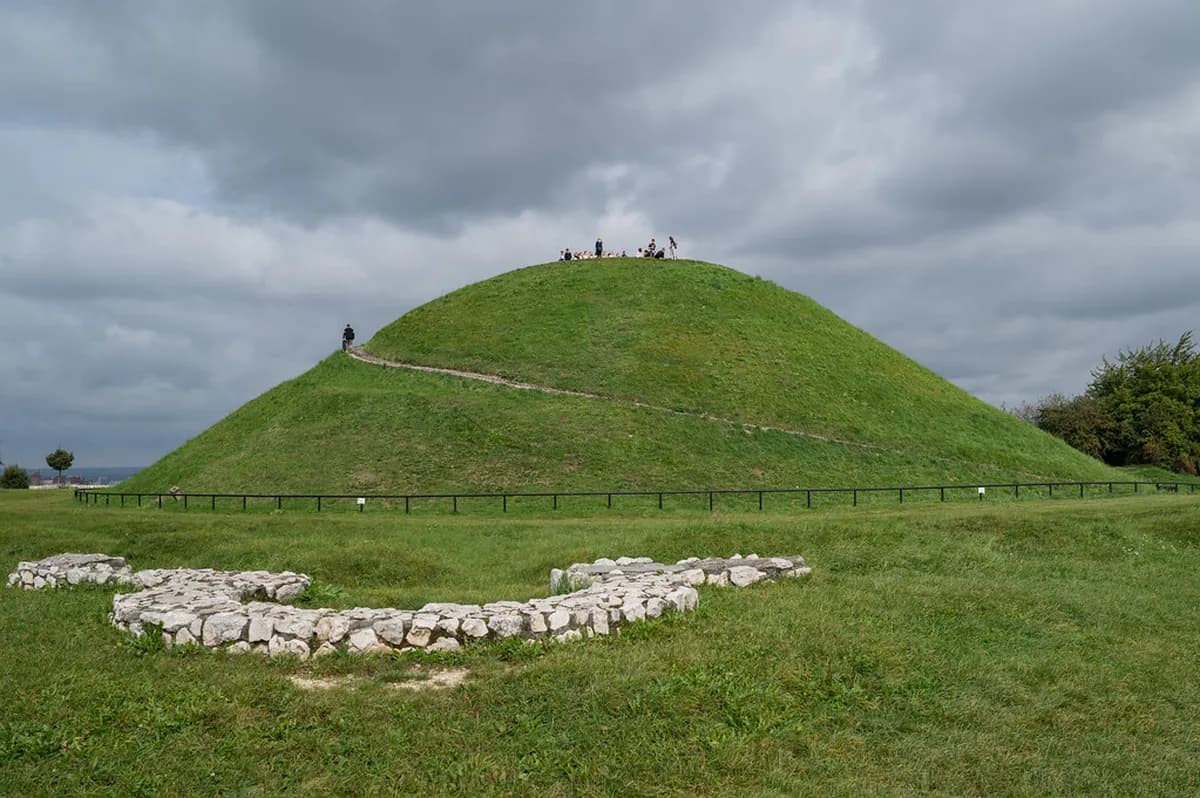
East of the square rises Wanda Mound, an artificial hillock likely dating to the 7th or 8th century. Local legend ties the mound to Wanda, a mythical Kraków princess said to be buried inside it. The mound predates the district by more than a thousand years, making it one of the oldest features in Nowa Huta. History fans who enjoy this kind of site can pair the visit with the older Krakus Mound across the city.
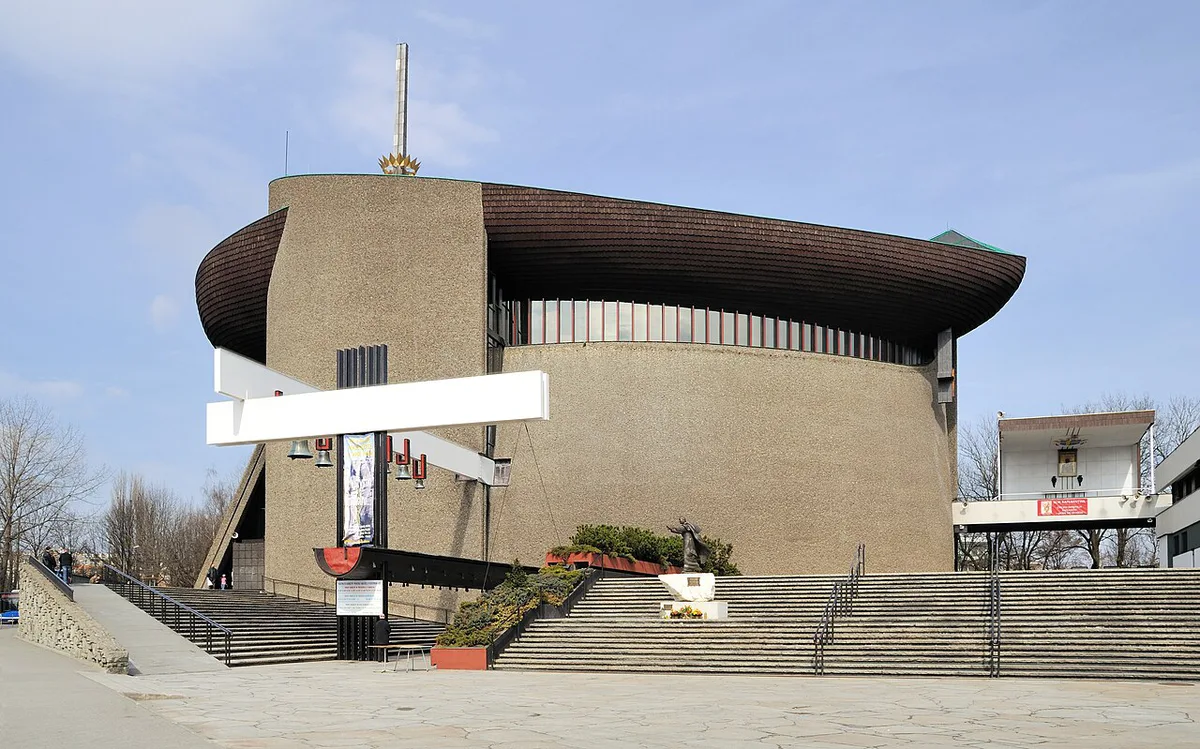
The Arka Pana church stands out as the district's most symbolic building, raised through years of grassroots community effort. Authorities initially refused permission for any church in this planned, officially atheist city, so residents organized and funded construction themselves. The finished building became a well-known symbol of local resistance to the communist government. Its modern, ark-shaped design contrasts sharply with the socialist-realist blocks that surround it.
The list below rounds up Nowa Huta's top sights alongside practical timing and cost details. Use it to prioritize stops if time is limited to a single morning or afternoon.
Photographers often get the best light on Plac Centralny in the early morning, before crowds and cars fill the square. Weekday visits tend to feel calmer than weekends, when local families fill the reservoir park nearby. A short detour toward the tram loop offers a wide-angle view of the whole square. Bringing a camera with a wide lens helps capture the scale of the surrounding architecture.
- Plac Centralny (Ronald Reagan Square)
- Type: central square
- Best for: photos and architecture
- Cost: free to visit
- Time needed: 30-45 minutes
- Aleja Róż (Avenue of Roses)
- Type: tree-lined boulevard
- Best for: a relaxed walk
- Cost: free
- Time needed: 15-20 minutes
- Wanda Mound (Ancient Burial Site)
- Type: ancient burial mound
- Best for: history and views
- Cost: free
- Time needed: 20-30 minutes
- Arka Pana Church (Modern Landmark)
- Type: modern landmark church
- Best for: local resistance history
- Cost: free entry
- Time needed: 15-20 minutes
- St. Bartholomew's Church (Oldest Wooden Church)
- Type: oldest wooden church in Krakow
- Best for: a quiet stop
- Cost: free
- Time needed: 10-15 minutes
History and Origins of Nowa Huta
After World War II, Poland's communist government prioritized steel production to satisfy demands from the Soviet Union. Planners chose the site partly for practical reasons, including rail links to Silesian coal and Ukrainian iron ore. Nearby river water also made it easier to cool the new steelworks, while Kraków's skilled workforce offered a useful staffing base. Construction on the very first residential building began on June 23, 1949, before a full city plan even existed.
The chosen land was not empty, since villages including Mogiła, Krzesławice, Grębałów, and Pleszów had stood there for centuries. Farmers lost land with little compensation, and many ended up working construction on the very project that displaced them. Some pockets of the older, more rural landscape survived past the district's administrative boundary and remain visible today. Travelers interested in that contrast can walk from the socialist-era core toward Mogiła to see the shift firsthand.
Nowa Huta carries a reputation among some Kraków locals as grey or unwelcoming, though that image has shifted over the past decade. Cafes, cultural venues, and green spaces have steadily filled in around the original socialist-realist blocks. In 2023, Nowa Huta was named a Monument of History, a status that could support a future UNESCO World Heritage bid. That official recognition reflects a broader reassessment of the district's architectural and historical value.
Nowa Huta is often compared with Kraków's other transformed working-class district, Podgórze, though the two grew under very different eras. Podgórze developed organically over centuries, while Nowa Huta was built from scratch on a strict Stalinist-era plan. Travelers who enjoy tracing a city's layered history might combine this stop with the Podgórze neighborhood guide. Together, the two districts show how Kraków expanded well beyond its medieval core during the 20th century.
The original steelworks still operates today, though under different ownership and on a smaller scale than during the communist era. Its cooling towers and factory skyline remain visible from several points around the district, including parts of Aleja Róż. That working industrial backdrop is part of what makes Nowa Huta feel different from Kraków's more polished tourist zones. Guided tours sometimes include a stop near the plant's viewing gate for a closer look.
Museums, Architecture, and Culture in Nowa Huta
The Cistercian Abbey in Mogiła anchors the district's older history, with monks arriving from Lubiąż in the 13th century. The church has been rebuilt several times after fires and shifting architectural trends, and recent conservation restored a more Gothic-Romanesque look. Inside, look for wall paintings by Jan Bukowski in the main nave and restored 16th-century floral polychromes in the presbytery. The adjoining Cistercian Museum uses modern, multimedia displays to cover the monks' history, alongside historic manuscripts and early printed books.
Entry to the Cistercian Museum has run at a modest price in past seasons, so budget a small ticket fee. Prices and hours can shift, so confirm current details on-site or with the parish office before visiting. The museum pairs well with a look inside the abbey church itself, which is usually included with a visit to the grounds. Photography is usually welcome in the main nave, though flash may be restricted near the older polychromes.
Nowa Huta Museum, a branch of the Historical Museum of Kraków, focuses on everyday life during the district's early decades. Exhibits cover housing, work culture, and the propaganda that shaped the planned city's public image. The museum works well as a companion stop to the abbey, since it explains the political backdrop behind the architecture. Rotating temporary exhibits sometimes add contemporary art or photography focused on the neighborhood's transformation.
Beyond individual buildings, Nowa Huta itself functions as an open-air museum of socialist-realist urban planning. Wide avenues, monumental facades, and generous green courtyards were designed to showcase an idealized version of working-class life. That planned, symmetrical style contrasts sharply with the dense, organic streets of Kraków's Kazimierz district. Comparing the two areas in a single trip highlights just how differently Kraków's neighborhoods developed over time.
History enthusiasts with extra time can reach the Polish Aviation Museum, roughly 19 minutes away by bus to the west. The museum displays historic aircraft across several hangars and outdoor grounds, tracing the story of Polish aviation. It sits outside Nowa Huta itself but pairs naturally with a fuller day covering Kraków's eastern districts. Combining a bus ticket with a same-day return keeps the side trip simple.
Parks, Green Spaces, and Family-Friendly Spots in Nowa Huta
Zalew Nowohucki, an artificial reservoir fed by the Dłubnia River, gives the district its main outdoor gathering spot. A recent renovation added wooden piers, a saltwater graduation tower, and a sandy beach area along the shoreline. Food trucks and small gastro spots line the walk from the water, making it an easy stop for a snack. The surrounding park includes benches and a playground, drawing both Nowa Huta residents and visiting families.
Most of Nowa Huta's outdoor highlights cost nothing beyond travel time, which suits families watching a daily budget. Walking Aleja Róż, exploring Plac Centralny, and relaxing at the reservoir all fit comfortably into a free afternoon. For more no-cost ideas across the wider city, check the 15 Best Free Things to Do in Krakow (2026) guide. Combining a couple of these free stops with one paid museum keeps a full day's spending fairly low.
Families with younger children tend to get the most value from the reservoir park and its playground. Architecture and photography fans usually prioritize Plac Centralny, Aleja Róż, and the surrounding socialist-realist blocks instead. History-focused travelers often spend more time at the abbey, the museum, and Wanda Mound. Deciding which mix fits best mostly comes down to how much walking time is available in a day.
Cycling has become an easy way to link Nowa Huta's sights, thanks to bike paths added over the past decade. Riders can pedal from Plac Centralny to the reservoir in well under 15 minutes on flat, well-marked routes. Bike rental points near the center make this option workable even without private gear. This works especially well in warmer months, when the reservoir park draws bigger weekend crowds.
Early evening light over the reservoir draws local photographers, especially during the warmer months when the water reflects the sky. Benches along the shoreline make it an easy spot to rest partway through a longer walking route. Weekend mornings before ten tend to be quieter than afternoons at the reservoir. Bringing a reusable water bottle is worth it, since kiosks near the beach can get busy.
Getting To Nowa Huta
Nowa Huta sits roughly 8 kilometers east of Kraków's main train station, forming the eastern edge of the city. Trams connect the district to the center in about 20 to 30 minutes, running roughly every 15 minutes during the day. A single tram fare has historically run around 6 zł, though it is worth confirming the current price before boarding. Lines from the Old Town and Kazimierz both run directly toward Plac Centralny, so the trip needs no transfers.
Tram fares from central Kraków run around 6 zł with roughly 15-minute frequency. Both main station and Kazimierz lines reach Plac Centralny directly without transfers. Confirm current prices before boarding, as fares may change.
| Transport Option | Time | Frequency | Cost |
|---|---|---|---|
| Tram from Kraków Główny (main station) | About 20-30 minutes | Roughly every 15 minutes | Around 6 zł |
| Tram from Kazimierz district | About 25-30 minutes | Roughly every 15 minutes | Standard single fare |
| Taxi or rideshare from center | About 15-20 minutes | On demand | Higher than tram fare |
Travelers arriving from abroad usually fly into Kraków Airport before continuing to the district by tram or taxi. Comparing flight and transfer options through a service like 12go can help with early planning. From the airport, the fastest route into central Kraków usually combines a direct train with a short tram connection east. Budget airlines and regional carriers both serve Kraków Airport, so comparing a few options before booking usually pays off.
Evening plans are easy to manage, since trams run late enough to fit in a meal before Nowa Huta's kitchens close around 10pm. That timing leaves enough of a window for a relaxed dinner without rushing back toward central Kraków. Checking the last tram departure time in advance still helps avoid an unplanned taxi ride. Night owls should double-check the last scheduled tram before heading out for dinner.
The options below compare the main ways to reach Nowa Huta from central Kraków. Pick the tram route for cost, or a taxi when traveling later in the evening.
Walking the full distance from the Old Town takes over an hour and a half, so most travelers prefer the tram. Cyclists can also make the trip using dedicated bike paths that connect central Kraków to Nowa Huta directly.
- Tram from Kraków Główny (main station)
- Time: about 20-30 minutes
- Frequency: roughly every 15 minutes
- Cost: around 6 zł, verify current fare
- Stop: Plac Centralny
- Tram from Kazimierz district
- Time: about 25-30 minutes
- Frequency: roughly every 15 minutes
- Cost: standard single fare
- Stop: Plac Centralny
- Taxi or rideshare from center
- Time: about 15-20 minutes
- Frequency: on demand
- Cost: higher than tram fare
- Best for: late evenings
Planning a Smooth Day in Nowa Huta
A logical route starts at Plac Centralny, continues down Aleja Róż, then heads toward Wanda Mound and the Arka Pana church. From there, it is a short tram ride or a longer walk to the Cistercian Abbey and Museum in Mogiła. Building the day around this loop keeps backtracking to a minimum and covers most major sights on foot or by tram. Most travelers can comfortably fit this route into three to four hours, including museum time.
Weekday mornings are quietest for Plac Centralny and Aleja Róż, with weekend crowds at the reservoir. Spring and early autumn bring comfortable walking weather. Layered clothing and comfortable shoes work better than in Kraków's sheltered Old Town streets.
Self-guided walking works well for travelers comfortable reading maps, since the major sights sit close together. A guided tour can add useful context on Stalinist-era planning and daily life under the original steelworks economy. Local operators in Kraków run half-day Nowa Huta tours that typically combine walking with a short vintage-vehicle ride. Choosing between the two options often comes down to how much historical background matters versus flexible pacing.
Bar Mleczny Centrum, a classic milk bar on the main avenue, opens from 8am on weekdays for cheap, filling meals. It suits an early breakfast or lunch stop between sightseeing legs, with simple Polish dishes at low prices. For a wider look at where to eat across the city, see the Krakow Local Food Guide: Best Eats for 2026. Reservations rarely matter at milk bars, though busier lunch hours can mean a short wait.
Travelers extending into the evening can check listings at Tauron Arena Kraków, a venue about 4 kilometers from the center. The arena hosts sports fixtures and major touring concerts, and nearby restaurants can usually take advance table bookings. Pairing an afternoon in Nowa Huta with an evening event here makes for a fuller day without much extra travel. Checking the event calendar in advance helps decide whether an evening add-on makes sense.
Weekday mornings tend to be the quietest time for Plac Centralny and Aleja Róż, since weekend crowds gather at the reservoir instead. Spring and early autumn bring comfortable walking weather without the summer heat that can make the open square feel exposed. Winter visits still work well, since most highlights sit outdoors and stay accessible through the colder months. Layered clothing and comfortable shoes matter more here than along the more sheltered Old Town streets.
Krzesławice and the Older Villages Behind Nowa Huta
For a fuller picture of Nowa Huta, add a short detour to Krzesławice, one of the older villages absorbed into the modern district. Its main stop is the Jan Matejko Manor House, linked with the 19th-century Polish painter who used the estate as a country retreat. The site gives useful contrast to Plac Centralny: instead of monumental socialist-realist planning, you get a quieter village layout, garden space, and a reminder that this area had a long rural history before the steelworks arrived.
Krzesławice pairs naturally with Mogiła rather than with the central square alone. A practical route is Plac Centralny, Mogiła’s Cistercian Abbey and St. Bartholomew’s wooden church, then Krzesławice if you still have time and energy. Public transport covers the area, but connections can be less frequent than the trams around Plac Centralny, so check live departures before committing. This detour is best for travelers interested in layered local history, not for anyone trying to keep Nowa Huta to a quick one-hour architecture stop.
Frequently Asked Questions
Is Nowa Huta worth visiting?
Yes, for travelers interested in 20th-century history and architecture. The district's socialist-realist square, avenues, and landmark church offer a side of Kraków that is different from the medieval Old Town. Most highlights are free to see, and a visit fits easily into half a day.
Was Nowa Huta once a separate town from Kraków?
Nowa Huta was built as a standalone planned city near Kraków in 1949, before being formally incorporated into Kraków a few years later. It grew up around a large steelworks rather than as an organic extension of the older city. That separate origin still shapes its distinct layout and identity today.
Is Nowa Huta safe to visit?
Nowa Huta is generally considered a safe district, despite an outdated reputation as grey or unwelcoming. Cafes, parks, and cultural venues have grown steadily around the original architecture over the past decade. Standard city precautions apply, as they would anywhere else in Kraków. Well-lit main streets and steady foot traffic make daytime visits especially comfortable.
How long do you need to see Nowa Huta?
Three to four hours covers the main square, Aleja Róż, Wanda Mound, and the Arka Pana church at a comfortable pace. Adding the Cistercian Abbey and Museum in Mogiła stretches the visit closer to a full half-day. Travelers short on time can prioritize the square and avenue alone.
Is a guided tour or self-guided walk better for Nowa Huta?
Self-guided walking suits travelers who prefer flexible pacing, since the main sights sit within easy walking distance of each other. A guided tour adds context on the district's Stalinist-era planning and daily life under the steelworks economy. For more offbeat ideas nearby, see the off-the-beaten-path Kraków guide.
Other Districts Built by an Ideology
Nowa Huta was planned as a socialist model town next to a steelworks and was meant to outweigh Kraków's bourgeois past. Prague's Žižkov carries its own working-class and Communist-era layers. Berlin's abandoned sites are what happens when the same ideology loses.
Nowa Huta rewards visitors willing to look past outdated stereotypes about the district. Wide boulevards, a genuine local history, and a growing food and culture scene now sit alongside the original socialist-realist architecture. A half-day visit comfortably covers the main square, the mound, the church, and the abbey without feeling rushed.
Getting there takes one direct tram ride, and most of the highlights cost nothing beyond that fare. Pairing Nowa Huta with a nearby district on the same trip makes for an easy way to see a different side of Kraków. Planning ahead for tram timing and museum hours keeps the day simple and low-stress.
Bringing comfortable shoes and a little flexibility in timing makes the visit easier to enjoy. Nowa Huta remains one of the clearest windows into Poland's 20th-century history found anywhere in Kraków.
Continue exploring
More guides you'll find useful