13 Best Off the Beaten Path Spots in Krakow (2026)
Discover 13 off the beaten path spots in Krakow — quarries, museums, and markets — with 2026 prices, hours, and tips for planning a smoother visit.
On this page
13 Off the Beaten Path Krakow Gems Worth the Detour
Travel editors who keep returning to Krakow build a running list of corners the big tour groups skip. This guide to off the beaten path in Krakow turns that list into one practical plan. Last updated July 2026, our picks pair each spot with current prices, hours, and access notes.
Wawel Castle and the Rynek Główny market square still deserve a visit on any first trip. Yet Krakow holds a second layer of quarries, cemeteries, and workshop galleries that reward a slower pace. Locals treat these as everyday spots, not tourist stops, which keeps them calm even in peak season.
This guide groups thirteen picks into four themes, from flooded quarries to district markets. Each entry notes typical cost, hours, and the tram or bus that gets you there. A planning section, a food detour, and a straight verdict on whether the detours are worth it follow.
Why Wander Off the Beaten Path in Krakow?
Krakow sits in southern Poland, roughly two and a half hours by direct flight from several UK cities. Kraków John Paul II International Airport handles most of that traffic, with a train and bus link into the center. The Old Town itself stays compact, so the crowds concentrate in a small radius. That leaves the rest of the city surprisingly quiet, even in July and August.
Search interest in off the beaten path in Krakow has grown alongside terms like unusual things to do in Krakow. Most visitors still spend their whole trip inside the medieval core. Stepping past Planty Park opens up quarries, cemeteries, and neighborhoods that rarely appear in a standard three-day itinerary.
Kazimierz, Podgórze, and Zwierzyniec each carry their own pace and history within the city. Kazimierz mixes Jewish heritage with a young gallery and bar scene, while Podgórze holds wartime memory sites across the river. A closer look at each district sits in this Krakow Neighborhoods Guide: Best Areas for 2026.
None of this replaces Wawel Castle or St. Mary's Basilica on a first visit. Travel blogs keep circulating their own hidden-corner roundups, including this Flip collection making the rounds. The list below answers that ongoing interest with specifics instead of vague hints.
13 Off the Beaten Path Spots in Krakow to Explore
The picks below split into four practical clusters: quarries and green escapes, memory sites, small museums, and neighborhood markets. Each entry lists typical cost, hours, and the easiest way to arrive by tram, bus, or on foot. Prices appear in złoty, Poland's currency, rounded to the nearest whole number.
Start with the green-escapes cluster if open space and photos matter most on this trip. The memory-sites cluster suits a slower, more reflective few hours away from the crowds. Save the museum cluster for a rainy afternoon, and pair the market cluster with lunch.
Krakus Mound gets a fuller standalone guide in this Krakus Mound walkthrough, useful if the short version here leaves you curious. It covers the legend behind the mound and the best light for photos.
Wolski Forest works the same way, since this list gives the quick version. A dedicated Wolski Forest guide maps out longer trails and transit access in more detail.
Rakowicki Cemetery carries heavier history, worth a slower morning rather than a quick box to tick. The full standalone Rakowicki Cemetery guide walks through its most striking graves and best entrances.
Ghetto Heroes Square deserves the same unhurried pace, especially at sunrise before tour groups arrive. A deeper look sits in the dedicated Ghetto Heroes Square guide for anyone tracing Podgórze's wartime history.
1. Zakrzówek Park & Lake, a Flooded Limestone Quarry
A retired limestone quarry now holds a turquoise lake ringed by pale cliffs and pine trees. Locals treat it as the city's unofficial summer beach, especially on hot July and August afternoons. The reserve is free and open dawn to dusk; fenced swimming platforms charge around zł15–zł20 in season.
It sits in Zwierzyniec, about a 20-minute tram ride from the Old Town plus a short walk. Diving from the cliffs is banned and patrolled, so stick to the marked docks and ladders instead.
2. Krakus Mound, an Ancient Earthwork With Skyline Views
Local legend ties this grass-covered mound to a prehistoric ruler, though its exact origin stays debated among archaeologists. A steep five-minute climb ends at a 360-degree view over Podgórze's rooftops and the Vistula bend. Entry is free and the site stays open around the clock, with best light near sunset.
It sits in Podgórze, roughly a 15-minute walk from the Podgórze tram stops or a short bus ride. Arrive on a clear morning to avoid both crowds and the haze that often blurs the skyline view.
3. Wolski Forest, Krakow's Largest Woodland Escape
Beech and oak forest blankets a large stretch of hills on the city's western edge. Marked trails wind past the Piłsudski Mound and connect toward Krakow Zoo and Pychowice. Entry is free and trails stay open year-round, dawn to dusk for the safest visibility.
Bus lines from Bronowice or a tram to Salwator connect to the forest's eastern trailheads. Weekday mornings stay nearly empty, even though weekend afternoons draw local joggers and cyclists.
4. Jagiellonian University Botanical Garden, Poland's Oldest Green Refuge
Established in 1783, this is Poland's oldest botanical garden, according to the university's own history page. Around 5,000 plant species fill the grounds, according to the garden's own guide, including rare sago palms. Entry typically runs zł10–zł16 for adults, and the garden usually opens only from April through October.
It sits an easy 15-minute walk from the Old Town, just past Kazimierz's northern edge. Check the official schedule before visiting, since winter closures and seasonal hours shift most years.
5. Liban Quarry & Płaszów, a Somber Former Camp Site
This former limestone quarry doubled as a Nazi labor camp and later a film set for Schindler's List. Rusted machinery and quarry walls still stand, left largely untouched since filming wrapped decades ago. The adjacent Płaszów Memorial site is free to enter and open at all hours, with no ticket booth.
Both sit in Podgórze, roughly a 20-minute walk from Kraków Płaszów train station or nearby bus routes. Paths are uneven and unmarked in places, so wear proper shoes and expect a quiet, somber mood.
6. Ghetto Heroes Square and the Nearby Ghetto Wall Remnant
Rows of empty bronze chairs fill this square, marking where Nazi forces gathered Kraków's Jewish residents for deportation. A short walk away on Lwowska Street, a fragment of the original ghetto wall still stands. Both sites are free, open-air, and accessible at any hour, with no ticket or booking needed.
The square sits in Podgórze, a five-minute walk from the Zabłocie or Plac Bohaterów Getta tram stop. Visit early morning for the quietest, most reflective experience before school groups pass through midday.
7. Rakowicki Cemetery, an Overgrown Art Nouveau Necropolis
Kraków's main cemetery since 1803 holds ornate Art Nouveau tombs shaded by old chestnut trees. Moss-covered angels and forgotten family crypts give the older sections an almost storybook feel. Entry is free, and gates typically stay open from early morning until early evening.
It sits north of the Old Town, a short walk from the Rakowicka tram stop. Visit around All Saints' Day in early November to see thousands of candles lit across the graves.
8. Tyniec Benedictine Abbey Above the Vistula River
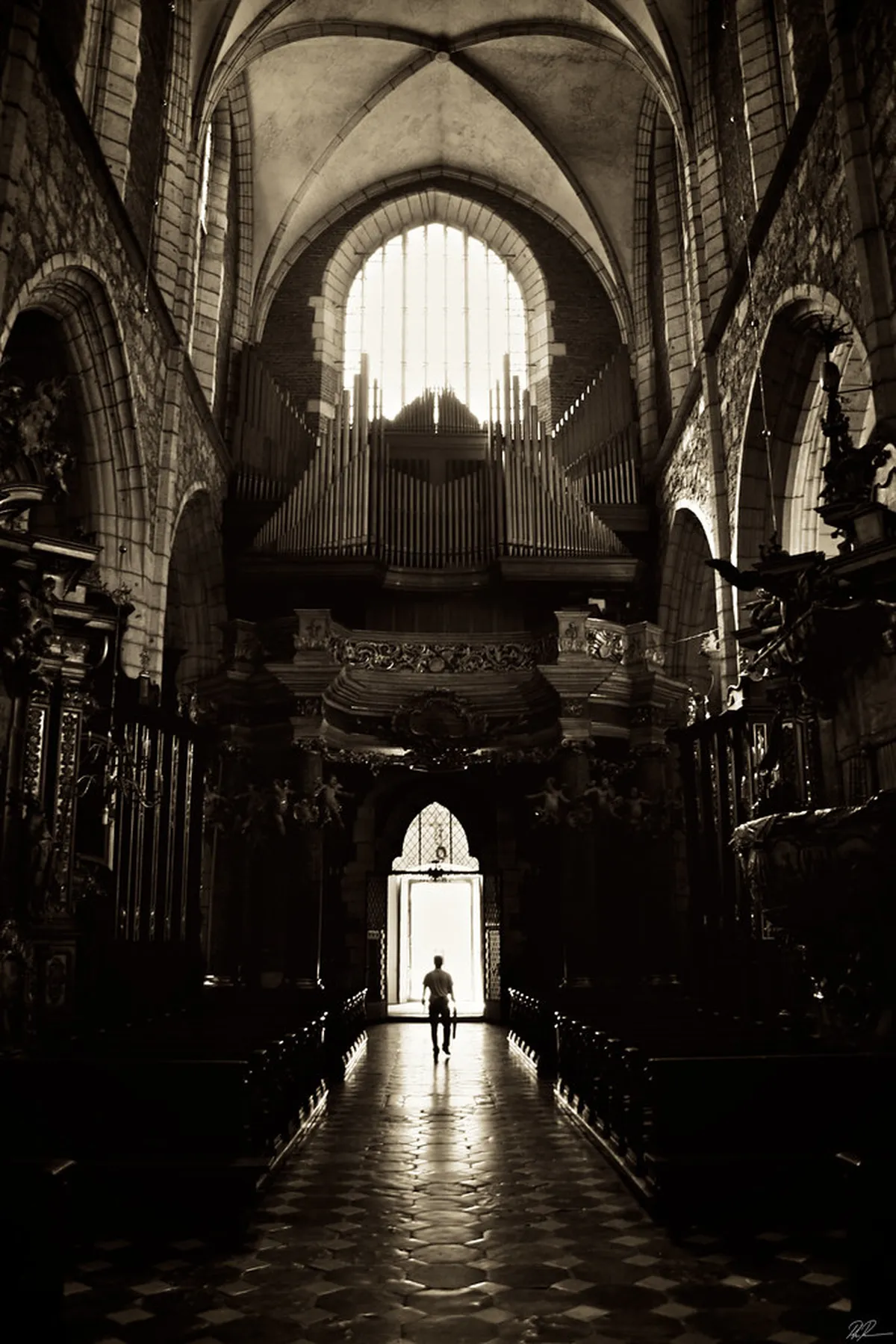
A Benedictine community has lived on this riverside cliff since the eleventh century, among Poland's oldest monasteries. The abbey church and grounds are free to enter, while the underground exhibition charges around zł15–zł20. Opening hours run roughly Tuesday through Sunday, with shorter hours outside the summer season.
Reach it by regular bus from the Old Town, or by river cruise boat in warmer months. Time the visit around a service or organ recital, since the acoustics inside are worth hearing.
9. muWi Stained Glass Museum in Kazimierz
A small private museum walks visitors through the century-old craft of Polish stained glass making. Guided tours cover the original workshop tools still used for restoration work today. Tickets run around zł20–zł25, and visits happen only through pre-booked guided slots.
It sits in Kazimierz, an easy 10-minute walk from the Old Town's southern edge. Book a slot a day or two ahead, since group sizes stay deliberately small.
10. Galeria LueLue, a Pocket-Sized Illustration Gallery
This tiny gallery-shop showcases Polish illustrators and printmakers inside a single narrow room in Kazimierz. Browsing costs nothing, though most visitors leave with an affordable print or handmade card. It typically opens afternoon hours, closed on Mondays, so check before making a special trip.
Find it a short stroll from Plac Nowy, Kazimierz's square of food stalls and market stands. Stop by after the Plac Nowy food stalls for a quiet contrast to the square's buzz.
11. Ethnographic Museum on Plac Wolnica
Housed in a former town hall, this museum traces rural Polish traditions through costumes and folk art. Exhibits cover Kraków-region weddings, harvest customs, and centuries-old wooden architecture models. Standard entry runs around zł15–zł20, with a discounted or free day typically offered midweek.
It sits on Plac Wolnica in Kazimierz, a 10-minute walk south of the main square. Confirm the current free-entry day on the museum's site, since the schedule shifts yearly.
12. Stary Kleparz, Krakow's Oldest Working Market
Traders have sold produce on this square since the fourteenth century, making it Kraków's oldest market. Stalls sell seasonal fruit, pickles, flowers, and smoked oscypek cheese from mountain producers. Browsing is free, and most vendors accept cash only, with small purchases from a few złoty up.
It sits just north of the Old Town, a five-minute walk from Kraków Główny train station. Arrive before 10am for the best produce selection, before the busiest stalls sell out.
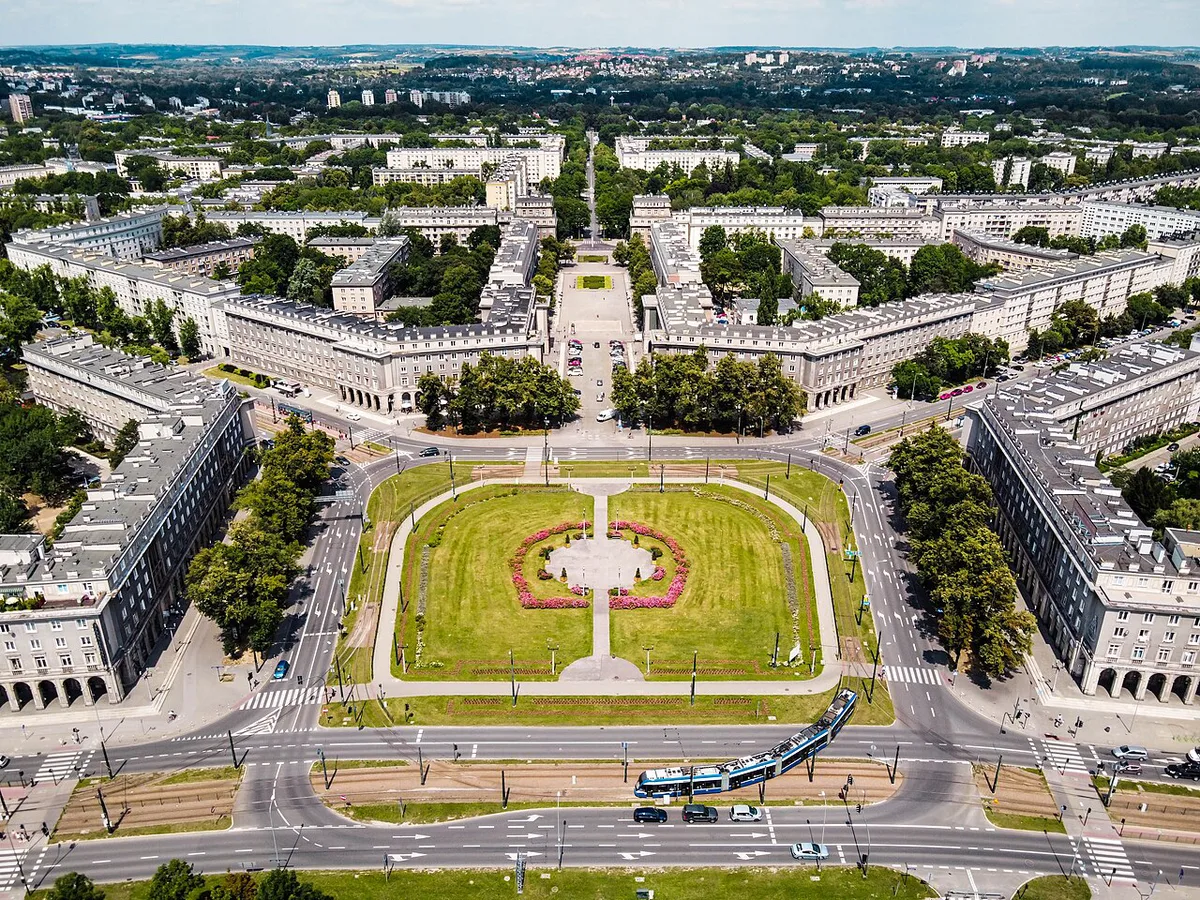
13. Nowa Huta, a Planned Socialist-Era District
Built from scratch in the 1950s as a model industrial town, Nowa Huta feels nothing like central Kraków. Wide boulevards, monumental facades, and the former steelworks reflect a very different chapter of Polish history. Walking the district is free; themed guided tours run roughly zł150–zł200 per person for a few hours.
Trams from the Old Town reach Nowa Huta's central square in about 25 minutes. Pair it with a stop at the Nowa Huta Museum branch for context before wandering the streets.
How to Plan a Smooth Off the Beaten Path Day
Spring and autumn keep both the crowds and the temperatures manageable for a full day of walking. Summer afternoons turn Zakrzówek and Wolski Forest genuinely busy with local swimmers and joggers. Winter narrows opening hours at several museums, so mornings work better than late afternoons this season.
Spring and autumn weekday mornings consistently deliver the calmest experience at nearly every stop. Summer brings heavier crowds at Zakrzówek and Wolski Forest, while winter narrows opening hours at museums. Plan outdoor visits before early afternoon in winter for best daylight.
| Season | Crowds & Conditions | Best Timing |
|---|---|---|
| Spring | Manageable crowds and temperatures | Weekday mornings quietest |
| Summer | Warmer but heavier crowds at Zakrzówek and Wolski Forest | Avoid afternoons at outdoor sites |
| Autumn | Manageable crowds and temperatures | Weekday mornings quietest |
| Winter | Fewer crowds, shorter museum hours, less outdoor daylight | Visit before early afternoon |
Public transport covers nearly every stop on this list, and a single ticket runs roughly zł4–zł6 depending on the ride length. Trams handle Zwierzyniec, Kazimierz, and the northern market squares, while buses reach Podgórze's quieter corners. Ride-hailing apps operate citywide and cost little more than a short tram trip.
Group the picks by cluster rather than crossing the river repeatedly in one day. Pair Kazimierz's small museums with Podgórze's memory sites, since a single bridge crossing links both districts. Save Nowa Huta and Wolski Forest for separate half-days, since both sit at opposite edges of the city.
Anyone building a longer stay should weigh a full day trip from Kraków against another city day. Wieliczka Salt Mine and the Tatra foothills both work well as add-ons for a longer week.
For the quietest version of this plan, check this guide to visiting Kraków without crowds before picking travel dates. Shoulder-season weekday mornings consistently deliver the calmest version of every stop on this list.
Amazing Food to Try in Krakow's Quiet Corners
Plac Nowy's round market hall turns into a late-night food hub once the flea-market stalls close for the day. Zapiekanka, a toasted baguette piled with mushrooms and cheese, costs around zł15–zł20 from the window stalls circling the square. Lines form after 9pm on weekends, so earlier evenings move faster.
Stary Kleparz market, covered earlier in this list, sells smoked oscypek cheese for roughly zł10 per piece. Milk bars, called bar mleczny locally, still serve full pierogi plates for around zł15–zł25 near the Old Town's edges. These canteens date back decades and remain some of the cheapest sit-down meals in the city.
Metrum Restobistro, set on the Academy of Music's rooftop terrace, trades budget prices for a wide view toward Wawel Castle. A coffee or light lunch there typically runs zł25–zł40, and it stays open from morning until around 6pm daily. Walk in through the main entrance and take the lift, since there is no separate street-level sign.
Street vendors sell obwarzanek, a braided ring-shaped bread, for around zł3–zł5 from carts near almost every tram stop. Pair one with a milk bar breakfast for a full morning under zł20 total. A fuller Kraków local food guide breaks down more options by neighborhood and budget.
Is Krakow Worth Visiting Beyond the Old Town?
Krakow rewards a slower pace more than almost any other Central European capital its size. The Old Town alone justifies a short trip, but the picks above turn a weekend into a fuller week. Families, first-time visitors, and repeat travelers all find something to add from this list.
Skip generic hop-on-hop-off bus tours; trams and short walks cover the same ground for less money. Queuing for the fire-breathing dragon statue often exceeds its two or three minute flame burst unless traveling with children. Use zł4–6 tram tickets instead.
A few widely-hyped attractions underdeliver once the crowds are factored in. We'd skip the fire-breathing dragon statue queue below Wawel Hill unless traveling with kids, since the flame burst lasts only two or three minutes. Visitors are often told a five-minute wait stretches to fifteen.
Generic hop-on-hop-off bus tours also add little beyond what a zł4–zł6 tram ticket and a map already cover. Most of the districts on this list sit within a twenty-minute tram ride of each other anyway. Walking or public transport gives more control over timing than a fixed bus loop.
Families do best starting with Wolski Forest, Stary Kleparz, and the Botanical Garden, since all three stay gentle and outdoor. Budget travelers can cover Rakowicki Cemetery, Ghetto Heroes Square, and Krakus Mound without spending a single złoty. Rainy days point toward muWi Stained Glass Museum or the Ethnographic Museum, both fully indoors.
Taken together, these spots make Krakow worth a return trip, not just a single weekend stop. The city's second layer holds enough variety to fill several more visits.
St. Joseph's Church in Podgórze
St. Joseph's Church anchors Rynek Podgórski, the old market square on the south side of the Vistula, yet many visitors pass nearby without stopping. Its brick Gothic Revival facade, tall central tower, and smaller corner spires make it one of Podgórze's most striking landmarks, especially when viewed from the square or from the lower slope toward Krakus Mound.
The church is free to enter, though it is best treated as an active parish rather than a sightseeing venue. Visit quietly outside Mass times, check the noticeboard at the entrance, and avoid photographing services. Inside, look for carved altars, stained glass, and the scale of the nave, which feels unexpectedly grand for a neighborhood church.
It works well as a short stop between Ghetto Heroes Square, the Lwowska Street ghetto wall remnant, and Krakus Mound. Trams stop around Rynek Podgórski and Plac Bohaterów Getta, so it adds only a small detour to a Podgórze walking route.
Frequently Asked Questions
Where is Krakow, and how do you reach it?
Krakow sits in southern Poland, closer to the Slovak border than to Warsaw. Kraków John Paul II International Airport connects to most major European cities, with direct UK flights running around two and a half hours. A train or bus links the airport to the center in about 20 minutes.
Is Krakow worth visiting beyond the Old Town?
Yes, Krakow rewards visitors who step past Rynek Główny and Wawel Castle. Districts like Kazimierz, Podgórze, and Zwierzyniec hold quarries, cemeteries, and galleries that stay quiet even in peak season. Most of these off the beaten path spots cost little or nothing to visit.
How much time should you plan for off the beaten path in Krakow?
Budget at least one full extra day beyond the standard Old Town itinerary. Two clusters, such as Kazimierz's museums and Podgórze's memory sites, fit comfortably into a single day using tram and foot travel. A longer three-day stay allows Nowa Huta and Wolski Forest as separate half-days.
What should first-time visitors avoid when exploring Krakow's quieter corners?
Skip generic hop-on-hop-off bus loops, since trams and short walks cover the same ground for less money. We'd avoid queuing long for the fire-breathing dragon statue unless traveling with kids, since the flame burst lasts only a few minutes. Check seasonal hours before visiting Tyniec Abbey or the Botanical Garden.
What is the best time of year to explore Krakow's hidden spots?
Spring and autumn weekday mornings offer the calmest version of nearly every stop on this list. Summer brings warmer weather but heavier crowds at Zakrzówek and Wolski Forest. Winter shortens hours at open-air sites like Krakus Mound and Rakowicki Cemetery, so plan visits before early afternoon.
Which off the beaten path spots fit first-time visitors best?
First-time visitors do well starting with Zakrzówek Park & Lake, Ghetto Heroes Square, and Stary Kleparz market. All three sit within an easy tram ride of the Old Town and need no advance booking. Add muWi Stained Glass Museum only if a guided slot is booked a day ahead.
Krakow's off the beaten path spots turn a standard weekend into a fuller, more textured visit. Quarries, cemeteries, small museums, and working markets sit only a short tram ride from Rynek Główny, yet feel worlds apart from the crowds there. Prices stay low across nearly every stop, and several of the best picks cost nothing at all.
Pick two or three spots from different clusters rather than rushing all thirteen into one trip. Pair that pacing with the planning notes above, and Kraków's quieter side becomes as memorable as the Old Town itself.
Continue exploring
More guides you'll find useful