Krakow Neighborhoods Guide: Best Areas for 2026
Explore this Krakow neighborhoods guide to compare Stare Miasto, Kazimierz, and Podgórze, then pick the right area before booking your 2026 stay.
On this page
Your Guide to Krakow's Best Neighborhoods
Picking the right neighborhood can make or break a Krakow trip, since each district carries its own pace and price range. This krakow neighborhoods guide breaks down Stare Miasto, Kazimierz, Podgórze, and the quieter residential areas beyond them. Last updated July 2026, it reflects current traveler feedback on which areas suit different budgets and travel styles.
Krakow spreads across 18 official districts, though only a handful matter for most visitors planning where to stay. Stare Miasto puts travelers steps from Wawel Castle, while Kazimierz suits anyone chasing food, nightlife, and street art. Families and slower-paced travelers often lean toward Zwierzyniec or Dębniki, where parks and the river replace crowds.
So many choices can make deciding where to stay feel overwhelming before a single day of sightseeing even starts. Below, find a practical breakdown of distances, price levels, and the traveler type each Krakow neighborhood tends to suit. Each section also flags a trade-off or local detail that broader guides usually skip.
This guide focuses on practical trade-offs, not just a list of hotel names to scroll through. Each section below pairs a short overview with the kind of local detail that often gets left out of shorter guides. Use the comparison table further down to shortlist two or three districts before browsing specific hotel listings.
Krakow Neighborhoods at a Glance
Krakow's 18 districts range from the tightly packed historic core to leafy, low-rise residential pockets near the ring road. Stare Miasto sits inside the old city walls and holds the bulk of the landmarks most travelers come to see. Kazimierz and Podgórze face each other across the Vistula River, connected by a short pedestrian footbridge. Further out, Zwierzyniec, Dębniki, Kleparz, Grzegórzki, and Nowa Huta each offer a calmer, more residential version of the city.
Distance from Rynek Główny, the main square, is the simplest way to compare neighborhoods at a glance. Central districts charge a premium for that convenience, while outer neighborhoods trade a longer walk for lower rates. According to a Krakow-based expat contributor, the walk from Rynek Główny to Kazimierz takes about 20 minutes on foot. Podgórze sits roughly the same 20-minute walk from Kazimierz, making the three districts easy to combine in one day.
Travelers who want a slower, local-feeling trip often head toward off-the-beaten-path spots in Krakow beyond the main square. These quieter pockets sit inside the same districts covered throughout this krakow neighborhoods guide. Knowing which district fits your travel style first makes it easier to plan attractions, meals, and day trips around your stay.
For an independent cross-check of district boundaries, Introducing Krakow's area guide maps out each area in more detail. Cross-referencing more than one source helps confirm which streets actually belong to which district, since boundaries are not always signposted.
A common mistake is booking based on a map alone, without checking which streets inside a district actually feel walkable at night. Some districts, like Podgórze, mix quiet residential blocks with busier main roads only a few streets apart. Reading a few recent traveler reviews for the exact street, not just the neighborhood name, helps avoid that surprise.

Stare Miasto: The Historic Old Town Core
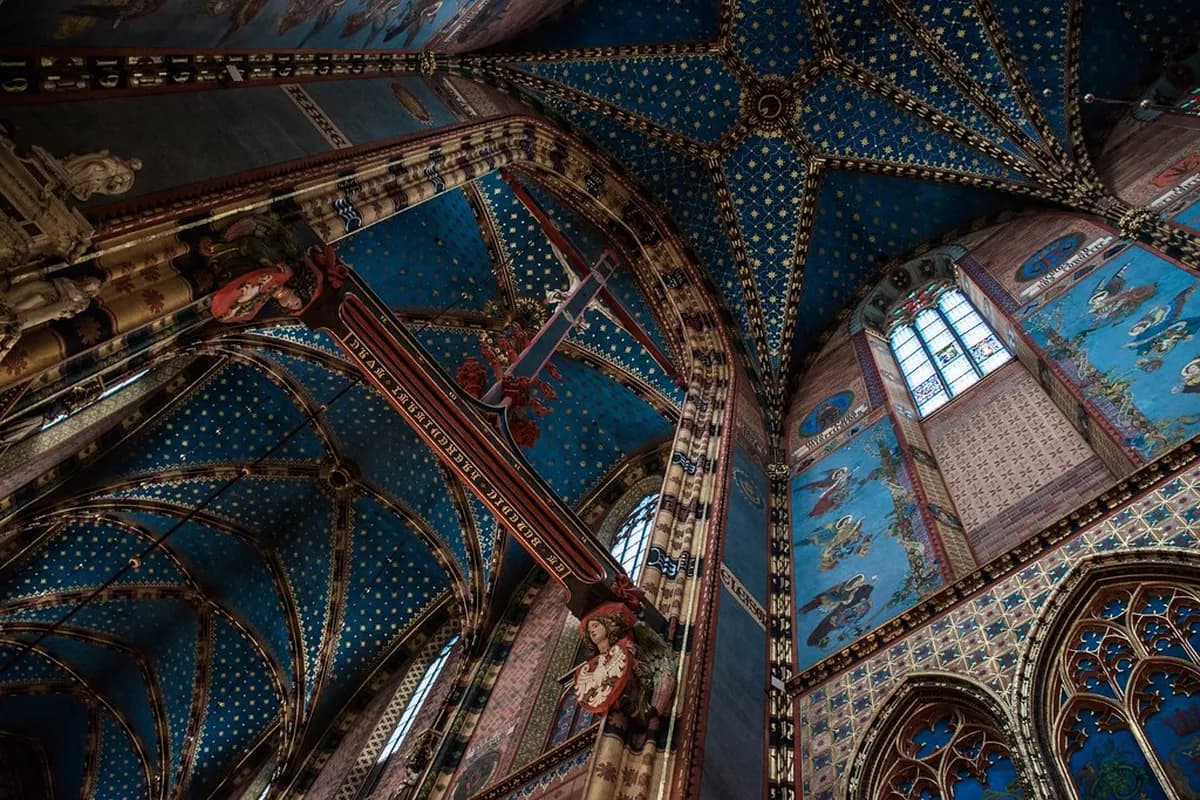
Stare Miasto, or Old Town, is the neighborhood most first-time visitors picture when they imagine Krakow. Rynek Główny, the main square, sits at its center and is regarded as the largest medieval market square in central Europe. Saint Mary's Basilica and the Cloth Hall both face the square directly, with Wawel Castle a short walk beyond the walls. Local legend even credits a dragon-slaying prince with founding the castle that still overlooks the district today.
Stare Miasto buildings often lack elevators, suitable only for travelers comfortable with stairs. Booking courtyard-facing rooms avoids noise from horse-drawn carriages and late-night bars that carry through older windows into early hours.
Staying inside Stare Miasto means skipping public transport for most sightseeing, since the old walls enclose the majority of major landmarks. That convenience comes at a cost, with hotel and apartment rates typically running higher than in surrounding districts. Restaurants directly on the square also lean toward tourist pricing, so many travelers eat a few streets back instead. An underground museum beneath the square displays medieval building foundations, worth checking before you plan your day.
For a deeper breakdown of streets and sub-areas inside the walls, The Castle's Krakow district breakdown covers block-by-block detail. Families sometimes find the square's evening crowds and weekend nightlife noise a genuine drawback. Travelers prioritizing walkability over quiet evenings still rate Stare Miasto as a convenient home base.
One trade-off broader guides rarely flag is that many Old Town buildings lack elevators, so upper-floor rooms suit only travelers comfortable with stairs. Noise from horse-drawn carriages and late-night bars can carry through older windows well into the early hours. Booking a courtyard-facing room, rather than one facing the square directly, usually solves both problems at once.
Wawel Castle and Wawel Cathedral anchor the southern edge of Stare Miasto, with the legendary Dragon's Den beneath the hill. Both sit close enough to reach on foot from most Old Town hotels, without needing a taxi or tram. Visiting early, before large tour groups arrive, makes the castle courtyard noticeably easier to enjoy.
Traditional restaurants near the square serve pierogi and Polish soups, though prices run higher than a few streets away. Souvenir shops selling amber jewelry line the square, a craft closely associated with the region. A renovated section beneath the market square displays foundations uncovered during a past excavation project.
Kazimierz and Podgórze: Culture Across the River
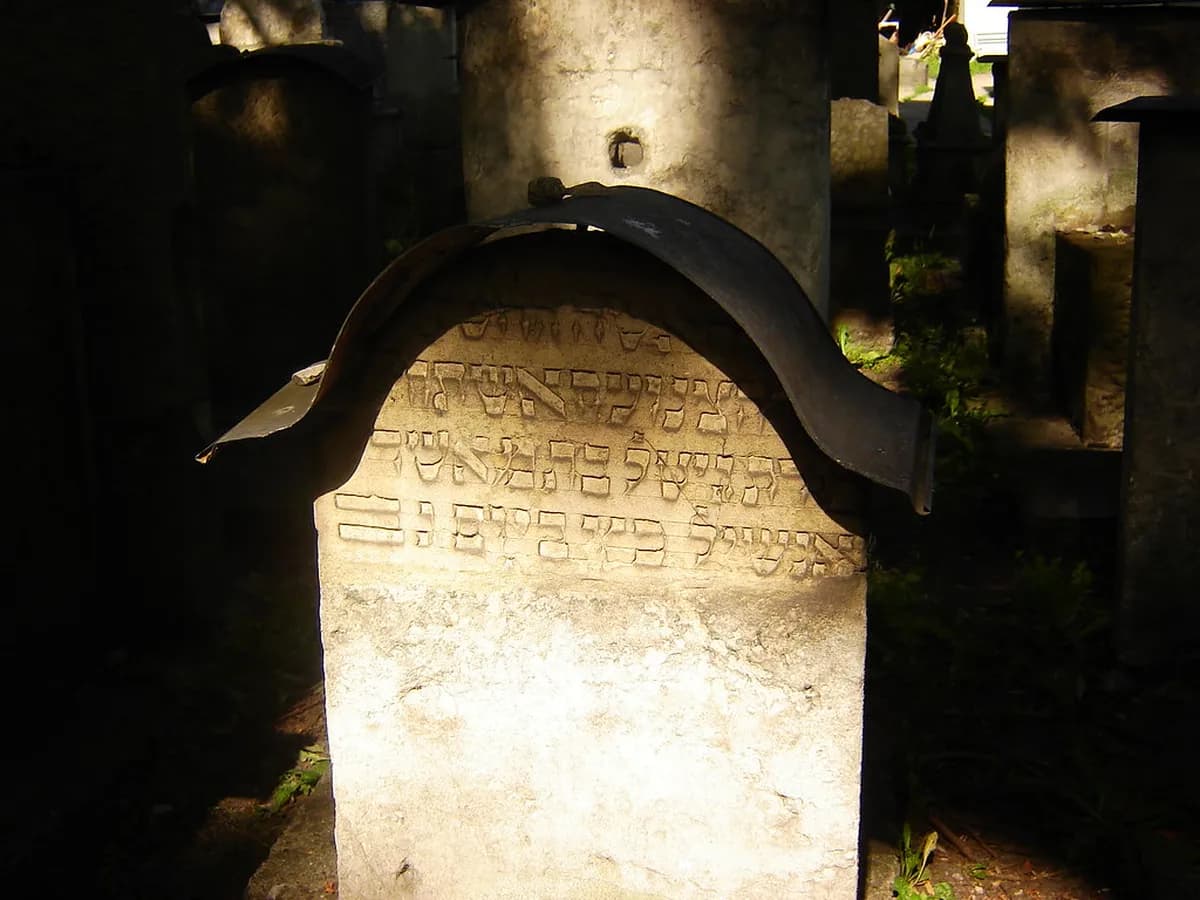
Kazimierz, the historic Jewish quarter, sits about a 20-minute walk south of Stare Miasto's main square. Synagogues, street art, and a dense café scene make it one of the more culturally layered districts in the city. Old Town and Kazimierz together made the first-ever UNESCO World Heritage List back in 1978, underscoring their shared historic weight. The Kazimierz neighborhood guide covers synagogue visiting hours and walking routes in more depth.
Food draws plenty of travelers here, from street-side zapiekanka stalls to sit-down Jewish-Polish restaurants. The local food guide for Krakow lists specific dishes worth seeking out in this district. Bar crawls and courtyard cafés keep Kazimierz lively well past dinner, unlike the quieter streets across the river.
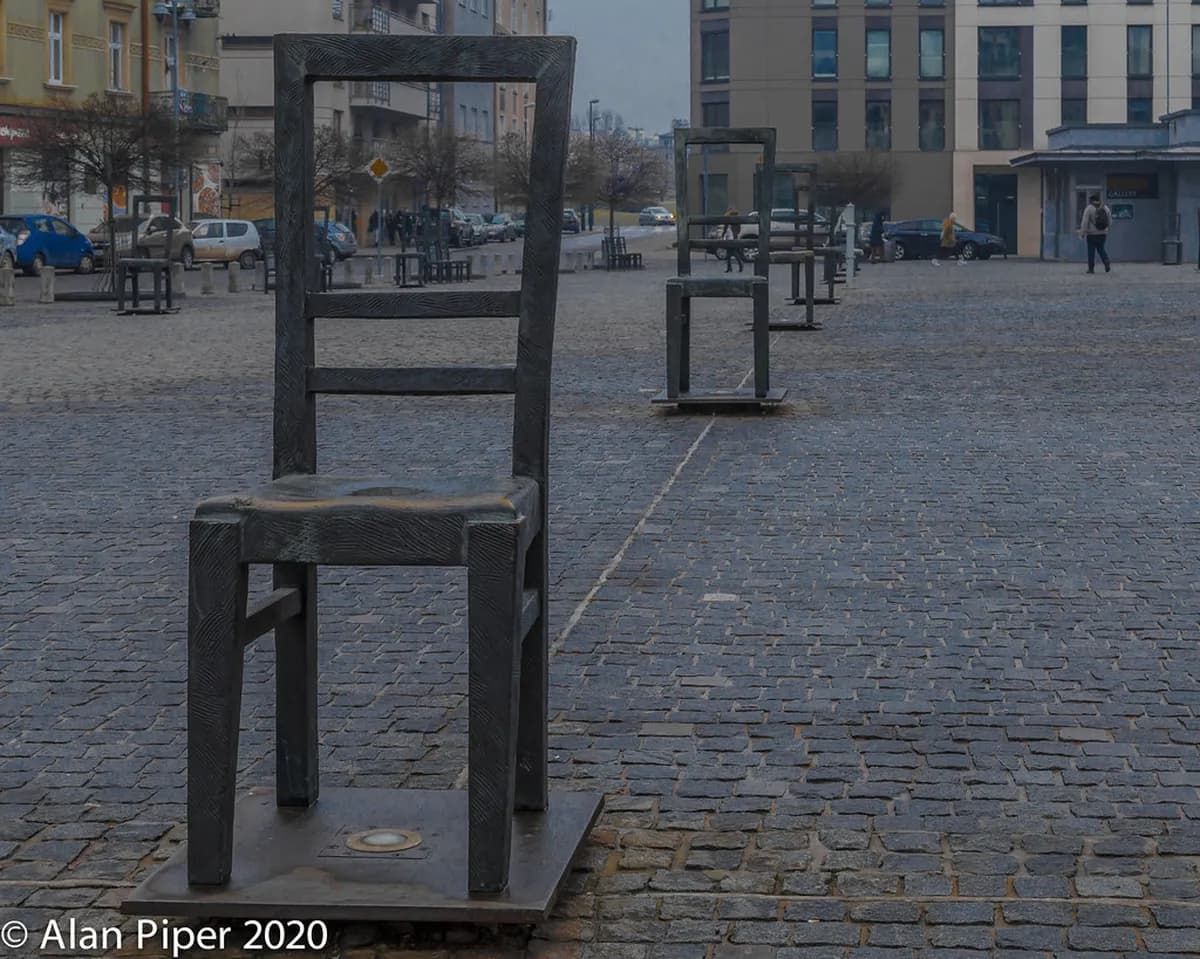
Podgórze sits directly across the Vistula from Kazimierz, connected by a pedestrian footbridge over the river. This district holds the former ghetto boundary and the Schindler's Factory museum, giving it a heavier historical weight than its neighbors. Once considered rough around the edges, Podgórze has steadily filled with cafés, co-working spaces, and renovated apartment buildings. The Podgórze neighborhood guide breaks down the museum layout and the surrounding streets worth exploring.
Choose Kazimierz for nightlife and food, and Podgórze for a calmer, more residential stay with fewer tourists. Both districts sit close enough to Stare Miasto that neither feels isolated from the main sights. Budget travelers often find better apartment rates in Podgórze than in Kazimierz's increasingly popular core streets.
Podgórze is also home to the MOCAK contemporary art museum, a short walk from the Schindler's Factory site. Kazimierz adds the Galicia Jewish Museum and several smaller galleries tucked into former workshop spaces. Together, the two districts cover more of Krakow's museum and gallery scene than Stare Miasto alone.
Zwierzyniec, Dębniki, and Krakow's Green Spaces
Zwierzyniec stretches west from Wawel Hill along the river, backing directly onto Wolski Forest. It suits travelers who want quick access to green space without leaving the city behind entirely. The Zwierzyniec neighborhood guide details the Norbertine convent and riverside paths found throughout the area.
Dębniki sits just across the river from Wawel Castle and blends student housing with quiet residential streets. Its riverside boulevard fills with joggers and cyclists on weekend mornings, giving it a noticeably local feel. Rents here tend to run lower than in Stare Miasto, appealing to travelers planning a longer stay.
Krakow's larger green spaces cluster along this side of the city, including Jordan Park and the long Vistula boulevards. Nearby Ludwinów, a small riverside pocket, is often overlooked by visitors despite its artificial beach and relaxed summer atmosphere. Families with young children often prefer this side of the river over the historic core, since playgrounds and open lawns replace cobblestones. Fewer restaurants stay open late here, so plan dinner earlier or head back toward Kazimierz for evening options.
Pick Zwierzyniec for forest access and quiet mornings, and Dębniki for a slightly more central, walkable riverside base. Both districts stay within an easy walk or short tram ride of Wawel Castle and Stare Miasto. Neither has much nightlife, so pair a stay here with evenings spent in Kazimierz or Old Town.
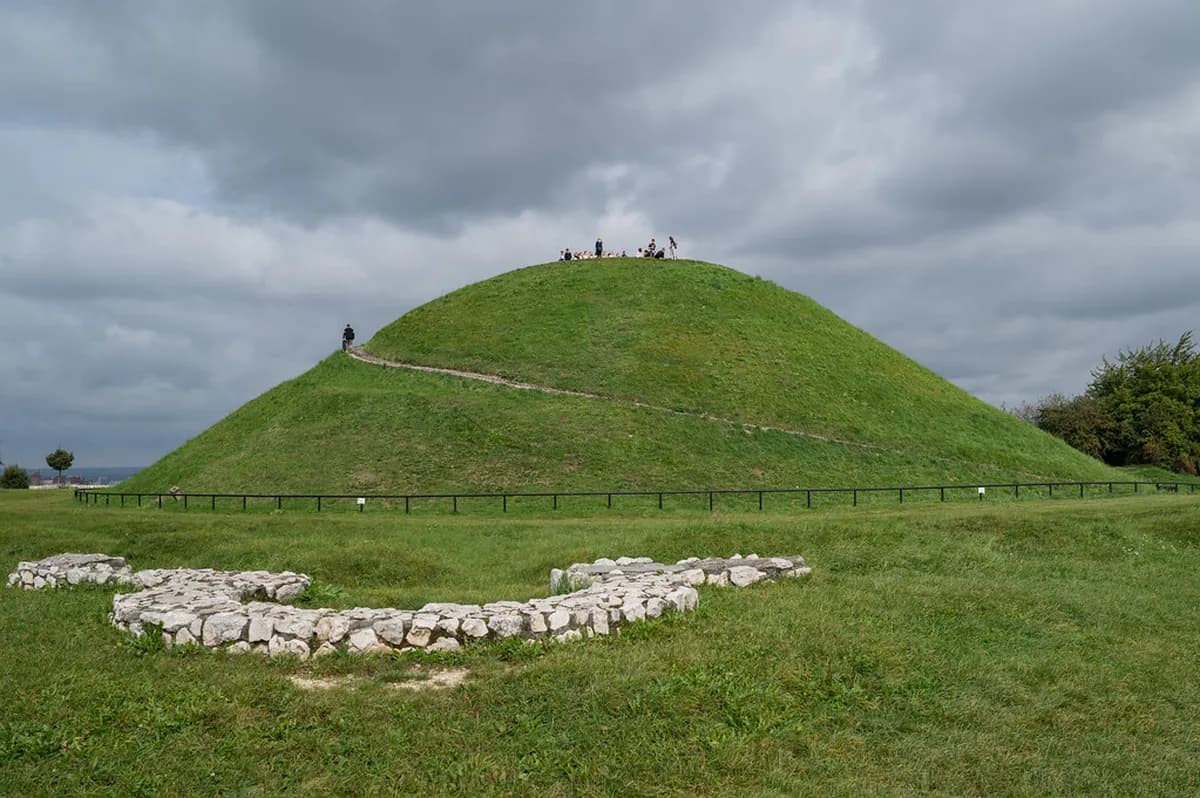
Krakow Zoo sits inside Wolski Forest on the Zwierzyniec side, making it an easy add-on to a forest walk. Piłsudski Mound, one of several historic mounds around the city, offers wide views over the surrounding hills. Both spots suit travelers basing themselves in Zwierzyniec who want a full day outdoors without leaving the district.
Nowa Huta and Budget-Friendly Family Picks
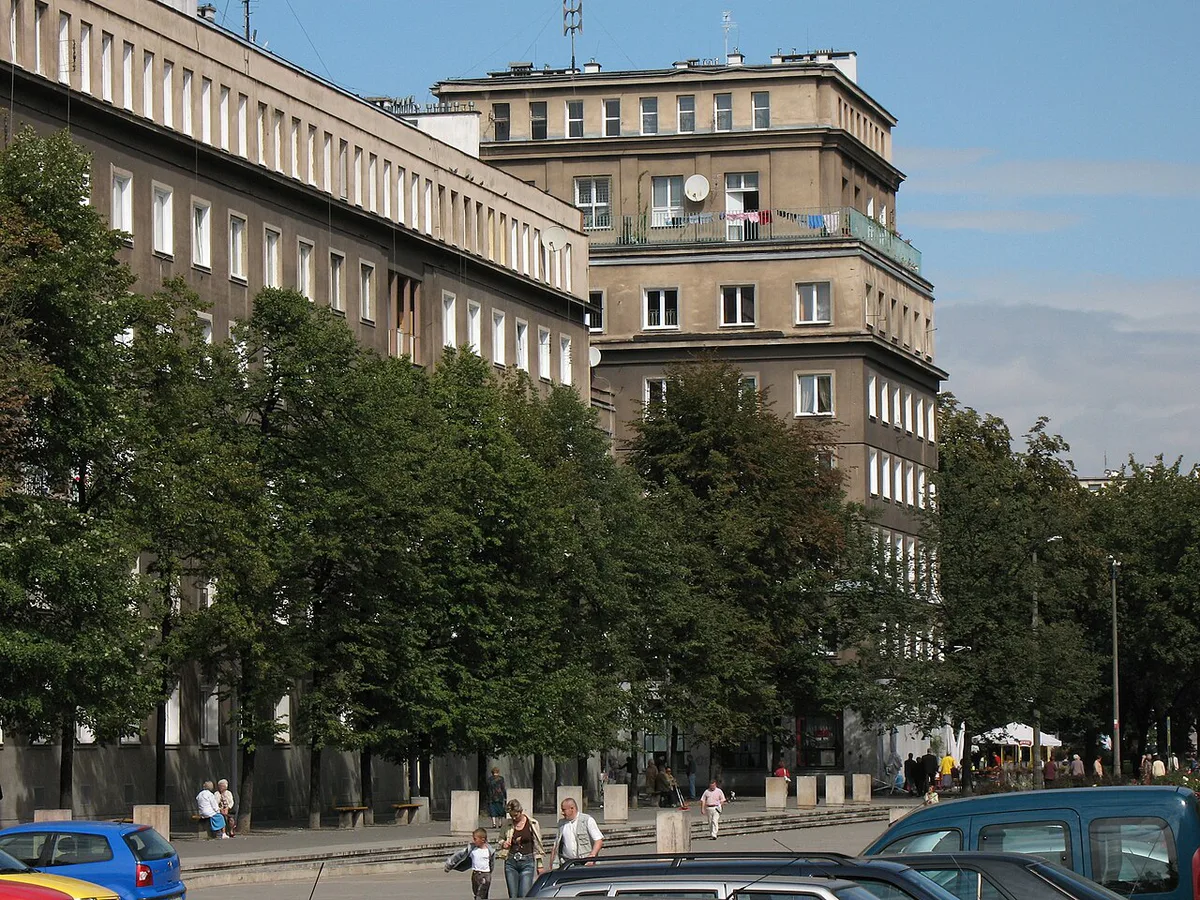
Nowa Huta sits a meaningful tram ride from central Krakow, making it a distinct day-trip district rather than a home base. Built as a planned Socialist-era steel town, its wide avenues and monumental architecture differ sharply from the medieval core. Several apartments here lean into that history directly, with at least one listing marketed around its old socialist-style decor. The Nowa Huta guide walks through the district's main square and surviving Communist-era landmarks.
History buffs and architecture fans rate this among the more distinctive day-trip additions to a Krakow itinerary. Accommodation costs here run lower than almost anywhere else on this list, though dining and nightlife thin out quickly after dark. Families traveling on a tighter budget sometimes base themselves here and commute in for daytime sightseeing.
For families weighing budget against convenience, Kleparz and Grzegórzki, just north of Old Town, split the difference well. Both districts keep hotel rates below Stare Miasto while staying an easy walk from the main sights. A flea market and a botanical garden near Grzegórzki give families an easy, low-cost afternoon activity. At first glance the area can look plain, but the mix of budget hotels and everyday local life often wins travelers over.
A common mistake is judging Nowa Huta or Grzegórzki purely by their industrial reputation without checking recent traveler reviews. Both districts have modernized steadily, and neither should be ruled out just because they sit outside the historic core.
Combining a Nowa Huta morning with an afternoon back in Kazimierz keeps transit time manageable for a single day. Hostels and budget apartments cluster more heavily in Kleparz and Grzegórzki than in any other central district. Group travelers and longer stays tend to save the most by choosing one of these two areas over Stare Miasto.
Where to Stay: 6 Best Areas for Your Trip
Matching a neighborhood to your travel style matters more in Krakow than raw distance from the square. First-time visitors chasing landmarks usually do best in Stare Miasto, despite the higher price tag. Repeat visitors or longer stays often save money by basing in Podgórze, Dębniki, or Kleparz instead.
Group each day's activities by neighborhood rather than crisscrossing the city. Pairing morning sightseeing in Stare Miasto with lunch in Kazimierz keeps walking times short and avoids backtracking.
| Neighborhood | Best For | Distance to Rynek | Price Level | Vibe | Nightlife |
|---|---|---|---|---|---|
| Stare Miasto | First-time sightseeing | Inside the walls | Highest in the city | Historic and tourist-heavy | Busy, especially weekends |
| Kazimierz | Foodies and nightlife | About 20 minutes on foot | Mid to high | Bohemian and creative | Very active |
| Podgórze | Digital nomads and locals | About 20 minutes on foot | Moderate | Residential and up-and-coming | Growing, still quiet |
| Zwierzyniec and Dębniki | Families and quiet stays | Short tram ride | Moderate to lower | Green and residential | Minimal |
| Kleparz and Grzegórzki | Budget travelers and layovers | Easy walk north | Lower than Old Town | Local, everyday Krakow | Low-key, local |
| Nowa Huta | History buffs and day trips | Meaningful tram ride | Lowest on this list | Socialist-era architecture | Limited after dark |
The comparison below breaks down six areas by walking distance, price level, and the traveler type each one suits best. Use it as a quick filter before comparing specific hotel or apartment listings for your dates. Prices shift with the season, so treat the price level shown as relative rather than fixed.
For an outside comparison of these same districts, Wandertooth's Krakow neighborhood picks profile six similar areas with specific hotel choices. Booking three to four weeks ahead typically secures better rates in Stare Miasto and Kazimierz, where demand peaks fastest. Outer districts like Podgórze and Dębniki tend to have more last-minute availability, even during busy summer weekends.
Whichever district you choose, group each day's plans by neighborhood rather than crisscrossing the city. Pairing Stare Miasto sights in the morning with a Kazimierz lunch keeps walking times short and avoids backtracking. Save Nowa Huta or Wolski Forest for a single half-day trip, since both sit further from the center.
A short-term public transport pass covers trams and buses across every district mentioned in this guide. That makes staying slightly outside the center a realistic option, even for a short trip focused on sightseeing. Confirm current transport fares and pass options on the official Krakow transport site before your trip.
Solo travelers on a short trip typically gain the most from staying inside Stare Miasto or Kazimierz. Longer stays and repeat visitors tend to prefer the quieter pace found in Podgórze, Dębniki, or Zwierzyniec. Whichever area you pick, confirm walking distance to the nearest tram stop before booking, especially outside the historic core.
- Stare Miasto — historic Old Town core
- Best for: first-time sightseeing
- Distance to Rynek: inside the walls
- Price level: highest in the city
- Vibe: historic and tourist-heavy
- Nightlife: busy, especially weekends
- Kazimierz — food and nightlife hub
- Best for: foodies and nightlife
- Distance to Rynek: about 20 minutes on foot
- Price level: mid to high
- Vibe: bohemian and creative
- Nightlife: very active
- Podgórze — quieter side of the river
- Best for: digital nomads and locals
- Distance to Rynek: about 20 minutes on foot
- Price level: moderate
- Vibe: residential and up-and-coming
- Nightlife: growing, still quiet
- Zwierzyniec and Dębniki — riverside and green
- Best for: families and quiet stays
- Distance to Rynek: short tram ride
- Price level: moderate to lower
- Vibe: green and residential
- Nightlife: minimal
- Kleparz and Grzegórzki — budget and central
- Best for: budget travelers and layovers
- Distance to Rynek: easy walk north
- Price level: lower than Old Town
- Vibe: local, everyday Krakow
- Nightlife: low-key, local
- Nowa Huta — Socialist-era district
- Best for: history buffs and day trips
- Distance to Rynek: meaningful tram ride
- Price level: lowest on this list
- Vibe: Socialist-era architecture
- Nightlife: limited after dark
Kleparz and Grzegórzki: Central Value Without Old Town Prices
Kleparz and Grzegórzki work best for travelers who want practical access to central Krakow without sleeping inside the busiest Old Town streets. Kleparz sits just north of the Planty, close to Kraków Główny train station, Galeria Krakowska, and the Stary Kleparz market, where locals buy produce, bread, flowers, and quick snacks. It is convenient for early trains, airport connections, and walking into Rynek Główny, but streets near the station can feel traffic-heavy.
Grzegórzki stretches east of the center and suits longer stays better than postcard sightseeing. Look around Rondo Grzegórzeckie, Hala Targowa, and the Jagiellonian University Botanical Garden if you want easy trams, everyday restaurants, and less tourist pressure. The trade-off is atmosphere: some blocks are plain residential or office-heavy, so check the exact street before booking. A room on a side street will usually feel calmer than one facing a major tram or road junction.
Frequently Asked Questions
Which Krakow neighborhood is best for first-time visitors?
Stare Miasto suits first-time visitors best, since Wawel Castle, Saint Mary's Basilica, and the Cloth Hall all sit within a short walk. Expect higher hotel prices for that convenience. Travelers who prefer lower rates can stay in Kleparz, just north of Old Town and still an easy walk from the same sights.
How many days should you plan for exploring Krakow's neighborhoods?
Two full days cover Stare Miasto and Kazimierz comfortably for most travelers. Add a third day for Podgórze or a Nowa Huta day trip, and a fourth if Wolski Forest or the Vistula boulevards interest you. Shorter trips should prioritize Stare Miasto and Kazimierz first.
What should travelers avoid when picking a Krakow neighborhood?
Avoid booking purely on distance to Rynek Główny without checking noise levels, since Old Town squares get loud on weekend nights. Also avoid judging Nowa Huta or Podgórze by their industrial reputation alone, since both districts have modernized considerably. Read recent traveler reviews before booking any area.
Which Krakow neighborhood works best for families?
Zwierzyniec and Dębniki work well for families, thanks to riverside paths, parks, and lower noise levels than Old Town. Kleparz and Grzegórzki also offer budget-friendly options within walking distance of the main sights. Both areas stay quieter in the evenings than Kazimierz.
When is the best time to explore Krakow's neighborhoods without crowds?
Shoulder-season months typically bring smaller crowds across Stare Miasto and Kazimierz alike. Check the Best Time To Visit Krakow Without Crowds Travel Guide for month-by-month guidance. Early mornings also work well for photographing the main square before tour groups arrive.
Neighbourhood Guides to Comparable Cities
Kraków divides unusually cleanly — Old Town, Kazimierz, Podgórze — because each was a separate town or a separate tragedy. Munich's districts divide by money instead, Ljubljana's quarters are small enough to cross on foot, and Bruges's quarters matter mainly for escaping the day crowds.
Every Krakow neighborhood offers a different trade-off between convenience, price, and atmosphere. Stare Miasto and Kazimierz reward travelers chasing landmarks and nightlife, while Podgórze, Dębniki, and Zwierzyniec suit quieter, longer stays. Nowa Huta and Kleparz round out the list for budget-conscious trips and history-focused day plans.
Match your itinerary to a district before booking, rather than picking a hotel first and working around it. Grouping each day's plans by neighborhood saves walking time and avoids repeat trips across the river. Checking recent reviews for your shortlisted area helps confirm the vibe still matches what these districts are known for.
If sightseeing dominates the itinerary, Stare Miasto or Kazimierz remain the safest choices despite higher rates. If budget or a slower pace matters more, Podgórze, Dębniki, Kleparz, or Nowa Huta each offer a solid alternative. Either way, booking early for peak months still makes the biggest difference in price and availability.
With this breakdown, choosing where to stay in Krakow should feel far less overwhelming than it did at the start. This overview should make picking a base easier before comparing specific hotel and apartment listings for your trip.
Continue exploring
More guides you'll find useful