Zwierzyniec Krakow Guide: Top Sights for 2026
Plan your Zwierzyniec Krakow guide with top sights, museums, parks, and easy day trips. Get 2026 timing tips and book a smoother Krakow visit today.

On this page
Zwierzyniec Krakow Guide
Zwierzyniec sits just west of Kraków's Old Town, hugging a quiet bend of the Vistula River. This Zwierzyniec Krakow guide covers the mounds, forest trails, and riverside corners locals favor over the crowded Rynek. Last updated July 2026, the details below reflect current access points and seasonal timing. Expect green space, modest crowds, and a slower pace than the historic center.
Kraków's neighborhoods guide breaks down each district's character, and Zwierzyniec leans toward nature and quiet history rather than nightlife. Two mounds, a royal forest, and a historic riverside convent anchor most visits here. Families, couples, and slower-paced travelers tend to enjoy this district most. The sections below cover attractions, culture, planning tips, and nearby day trips worth adding.
Zwierzyniec Krakow Guide: Must-See Attractions
Zwierzyniec packs two historic mounds and a riverside convent quarter into a compact, walkable area. Most visitors start at Kościuszko Mound, the district's best-known landmark and a clear orientation point. From there, quieter sites like Piłsudski Mound and Salwator reward a slower pace.
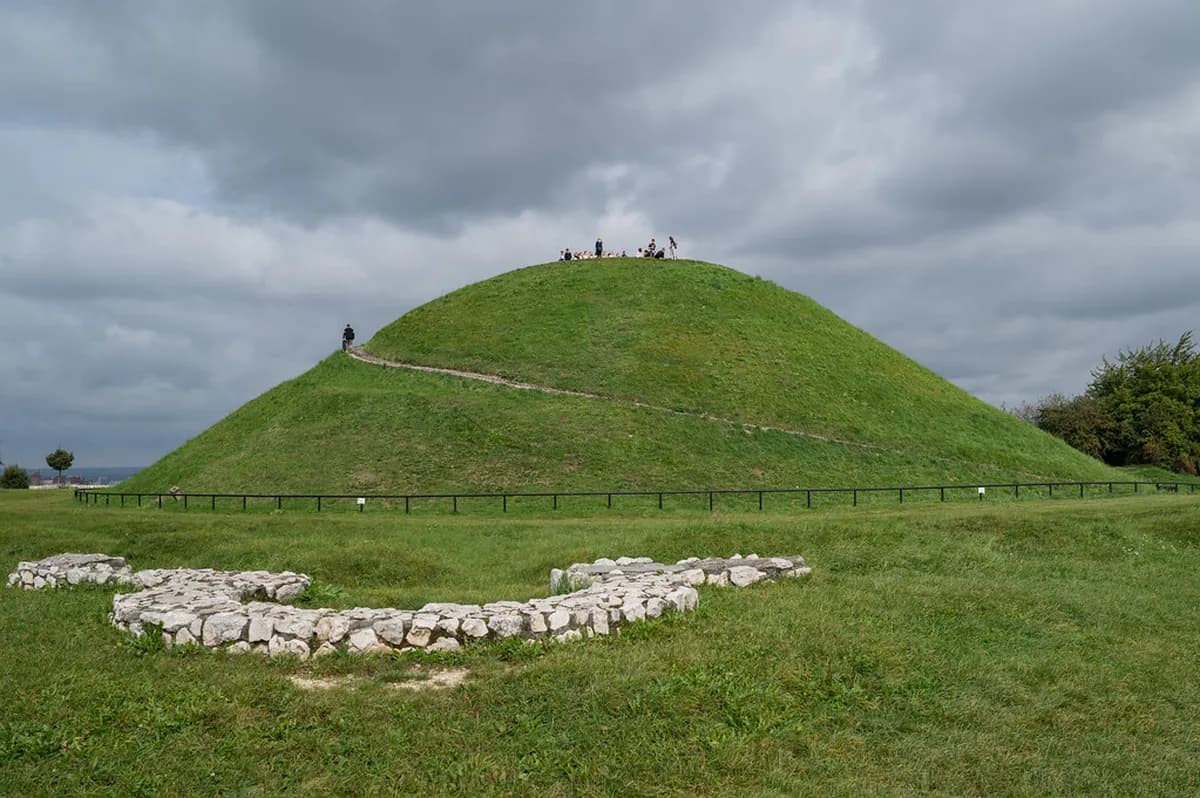
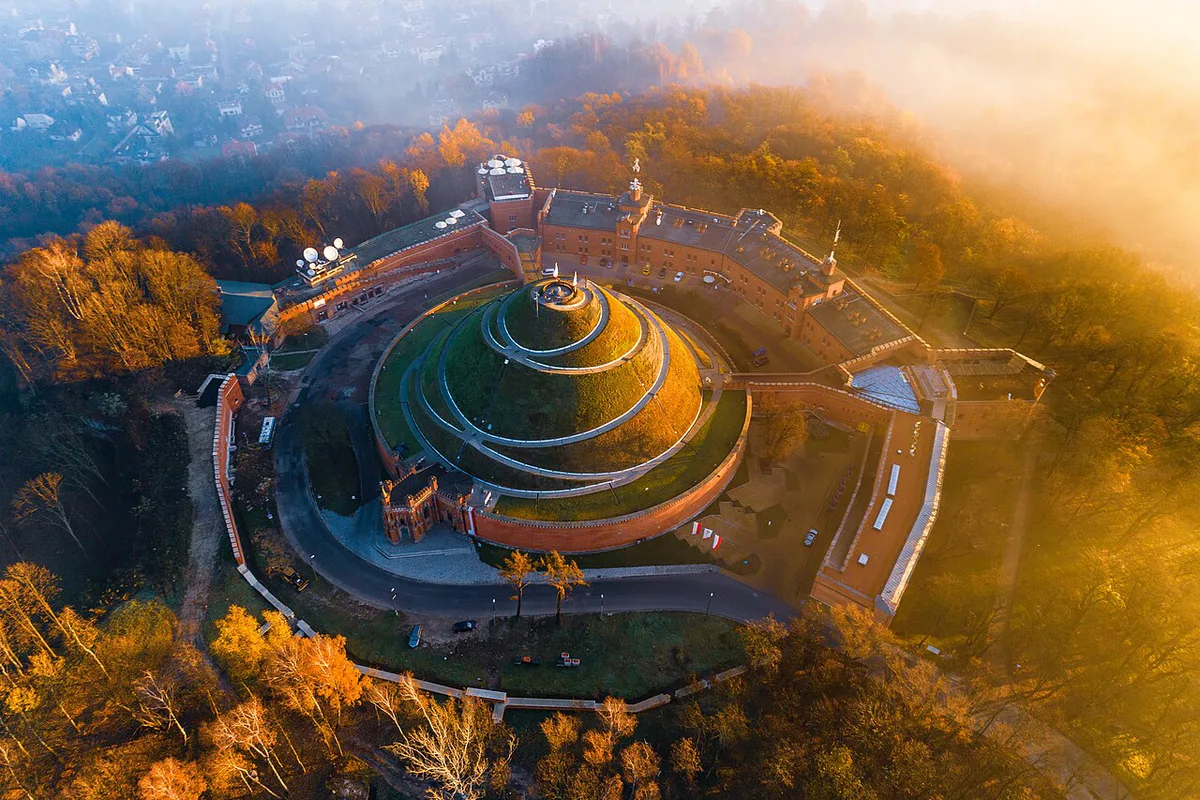
Kościuszko Mound honors Polish military leader Tadeusz Kościuszko and rewards climbers with sweeping city views. On clear days, the outlook stretches toward the distant Tatra Mountains foothills. Budget about 45 minutes for the climb, the summit, and photos, plus a small entry fee at the gate.
Piłsudski Mound offers a calmer alternative, tied to 20th-century Polish history and free to access. Fewer travelers make the trip here, so paths and viewpoints rarely feel crowded. It suits a reflective walk more than a quick photo stop.
Salwator and the nearby Norbertanki Convent quarter add a historic riverside layer to the visit. The area's low-rise architecture and quiet lanes contrast with the busier Old Town streets. Travelers comparing Kraków's mounds might also check the Krakus Mound guide across the river for a fuller picture.
Winter visits trade summer's clearer mountain views for near-empty paths and much shorter daylight hours. Trails can turn icy on the mound slopes, so proper footwear matters even more in colder months. Late spring through early autumn generally offers the most reliable combination of clear skies and dry paths.
- Kościuszko Mound
- Type: Historic mound, panoramic views
- Best for: First-time visitors, photography
- Cost: Small entry fee applies
- Time needed: About 45 minutes
- Piłsudski Mound
- Type: Quiet hilltop, modern history
- Best for: Reflective walks, fewer crowds
- Cost: Free to access
- Time needed: About 30 minutes
- Salwator and Norbertanki Convent
- Type: Historic riverside quarter
- Best for: Architecture, quiet strolls
- Cost: Free to view exterior
- Time needed: About 20 minutes
Museums, Art, and Local Culture in Zwierzyniec
Villa Decius, a Renaissance-era manor, anchors Zwierzyniec's cultural scene with talks, workshops, and a peaceful courtyard garden. The venue runs a rotating events calendar, so checking listings ahead helps travelers plan a visit around them. Its quiet grounds make a pleasant stop between the mounds and the riverside.
Kraków runs several branch museums across its districts, and confirming current hours matters before a special trip. The Historical Museum of Krakow lists branch locations, exhibits, and opening times travelers can check directly. Some Zwierzyniec-area branches keep shorter hours than the central Rynek locations.
Small galleries and artisan studios sit along Zwierzyniec's quieter side streets, away from souvenir-shop clusters. These spots rarely appear on group-tour itineraries, which keeps them calmer but also means shorter, less predictable hours. Travelers chasing street art and neighborhood culture more broadly might prefer Kraków's Kazimierz district guide, where murals and galleries cluster more densely.
Choosing Zwierzyniec's cultural sites over central museums means trading famous names for smaller crowds and lower ticket prices. English-language materials can be limited at some smaller venues, so a translation app helps. Visitors short on time should prioritize Villa Decius and skip smaller stops on a single afternoon.
Pairing Villa Decius with a museum branch on the same afternoon rarely works, since both deserve unhurried time. Choosing one cultural stop per visit keeps the pace relaxed rather than rushed between venues. Weekday mornings tend to offer the quietest galleries, before any tour groups arrive.
Parks, Gardens, and Scenic Walks in Zwierzyniec
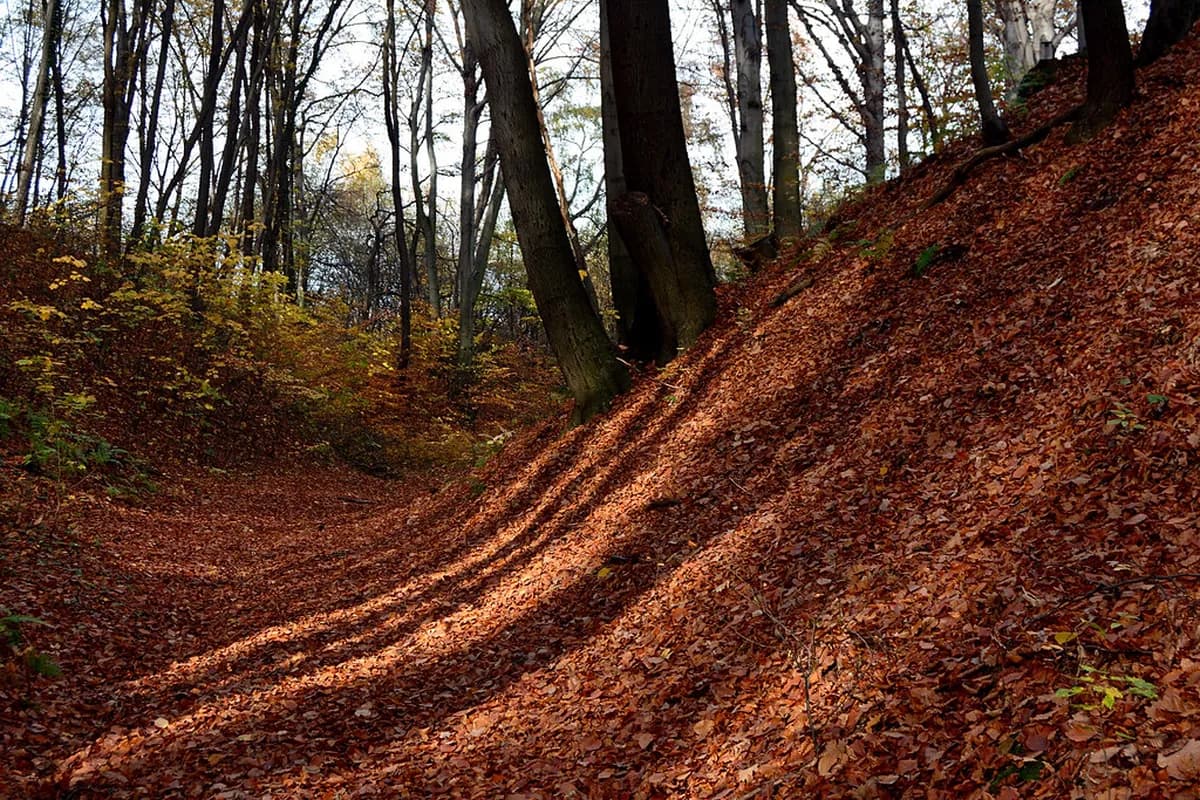
Wolski Forest covers a large wooded stretch on Zwierzyniec's western edge and holds the district's main outdoor draw. Marked trails wind past the Kraków Zoo and continue toward Przegorzały Castle's riverside terrace. The full Wolski Forest guide covers trail options and seasonal conditions in more depth.
Spring and autumn offer the most comfortable temperatures for forest walks and trail exploration. Late spring through early autumn provides reliable clear skies and dry paths. Winter trails turn icy; avoid midday summer heat without water and sun protection.
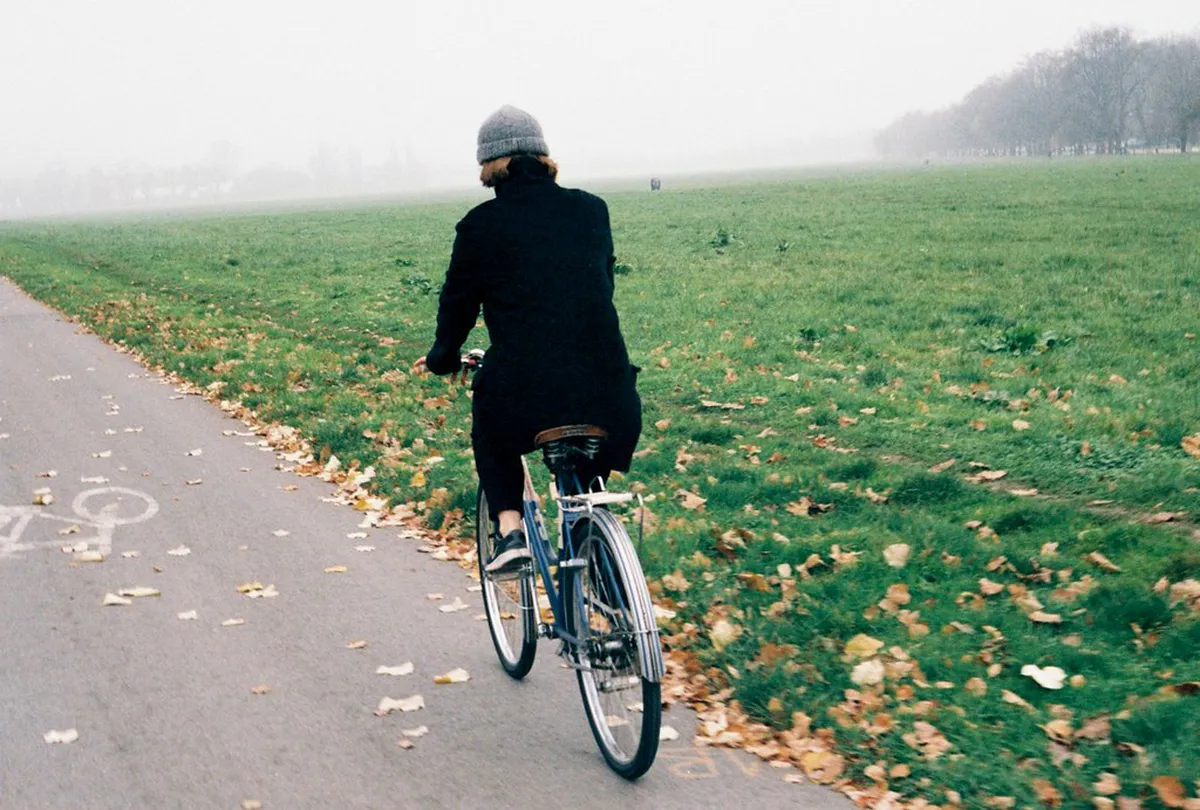
The Vistulan Boulevards trace the river through Zwierzyniec, offering flat, easy paths for walking or cycling. Locals use this stretch for jogging and picnics, and it stays free and open year-round. Benches along the path make it a comfortable rest stop between mound climbs.
Panieńskie Skały, a set of limestone cliffs, sits a short detour from the main forest trails. Casual walkers and climbers both use the area, though footing gets slick after rain. Spring and autumn bring the most comfortable temperatures for the walk.
Connecting the mounds to the forest on foot takes roughly 40 to 60 minutes at a relaxed pace. Sturdy shoes matter more than fashion here, since several paths turn to packed dirt or gravel. Carrying water helps, since kiosks thin out once trails move away from the riverside.
A common misstep is underestimating forest distances on a map that looks compact from a phone screen. Trails inside Wolski Forest wind more than they appear, adding real time to a walk between landmarks. Downloading an offline map before setting out prevents backtracking on less-marked paths.
Family-Friendly and Budget-Friendly Zwierzyniec Options
Kraków Zoo, tucked inside Wolski Forest, gives families a full half-day activity within Zwierzyniec's borders. Ticket prices and hours shift by season, so checking the zoo's official page before visiting saves a wasted trip. Stroller-friendly paths and shaded picnic areas make it manageable with young children.
Avoid rushing both mounds, forest, and zoo into one morning. Don't underestimate forest distances on a map; trails wind more than they appear, adding real walking time. Download an offline map before setting out to prevent backtracking.
Both mounds, the boulevards, and most forest trails cost nothing beyond transit fare to reach them. That makes Zwierzyniec one of the easier districts for a low-budget day in Kraków. Kraków's free things to do guide lists more no-cost options citywide for stretching a travel budget further.
A workable order starts with Kościuszko Mound in the morning, then the forest and zoo, then the boulevards for a relaxed finish. Trams and buses connect the district to the Old Town in roughly 15 to 20 minutes. Summer midday heat can make the treeless mound climbs uncomfortable, so an early start helps.
One common mistake is trying to fit both mounds, the forest, and the zoo into a single rushed morning. Splitting the district across a full day, or two half-days, keeps the pace enjoyable. Skipping water and sun protection on the open mound summits is another easy oversight.
Packing a picnic from a nearby bakery costs far less than dining near the Old Town's main square. Public transit day passes often cost less than several single tram tickets across a full Zwierzyniec day. Combining free sights with one paid stop, like the zoo, keeps a family budget predictable.
Why a Guided Tour Adds Value in Zwierzyniec
Zwierzyniec's main paths carry decent signage, so confident self-guided travelers can manage the mounds and boulevards alone. A guide adds the most value at the forest's trail junctions and around lesser-marked viewpoints. Local guides also connect the mounds and convent quarter to broader Polish history that signage rarely explains.
Choosing a guide over self-guided exploring depends mostly on time, budget, and how deep an interest in local history runs. Small-group walking tours usually run two to three hours and suit travelers wanting context without a full private booking. Private guides cost more but flex around mobility needs, pace, and specific interests like architecture or wartime history.
Some operators bundle Zwierzyniec with a nearby district, pairing mound views with Kazimierz's café and gallery scene. That combination suits travelers with a single free day who still want variety. Solo hikers who prefer flexibility often skip a tour and follow marked trail maps instead.
Booking a shoulder-season tour a few days ahead usually secures a spot without trouble. Peak summer slots fill faster, so earlier booking matters more from June through August. Confirming meeting points and group size ahead avoids confusion on the day of the walk.
Booking a guide expecting a fast-paced tour of every mound and trail in one sitting usually disappoints. Most local guides favor depth over distance, covering fewer stops with richer historical context. Setting expectations with the operator beforehand avoids a mismatched pace on the day.
Beyond Zwierzyniec: Day Trips and Nearby Discoveries
Ojcowski National Park and Pieskowa Skała Castle sit roughly 30 to 40 minutes from Kraków, making an easy half-day add-on. Dramatic limestone cliffs and the historic castle give the trip a different landscape than Zwierzyniec's forest and mounds. Public buses and organized tours both reach the park, though a car or tour cuts travel time.

The Dunajec River Gorge sits about two hours from Kraków and suits a full-day trip rather than a quick add-on. The river valley's scenery draws visitors for rafting trips during the warmer months. Travelers without a rental car generally need an organized tour to reach it comfortably.
| Destination | Distance from Kraków | Best Duration | Highlights |
|---|---|---|---|
| Ojcowski National Park & Pieskowa Skała Castle | 30–40 minutes | Half-day | Dramatic limestone cliffs, historic castle, different landscape than Zwierzyniec |
| Dunajec River Gorge | About 2 hours | Full day | River valley scenery, rafting during warmer months |
| Kalwaria Zebrzydowska | About 1 hour | Half-day (morning departure, return for dinner) | UNESCO-listed pilgrimage complex, architecture, gardens, contemplative pace |
Kalwaria Zebrzydowska, roughly an hour from Kraków, centers on a UNESCO-listed pilgrimage complex and peaceful grounds. The architecture and gardens offer a quieter, more contemplative pace than the city center. It pairs well with a morning departure and a return in time for dinner in Kraków.
Each of these trips works as a standalone day away from the city, not a Zwierzyniec extension. Kraków's best day trips guide covers transport options and timing for all three in more detail. Booking transport a few days ahead helps during the busier summer travel months.
Weather can shift day-trip plans quickly, especially for river activities near the Dunajec Gorge. Checking a same-week forecast before finalizing bookings helps avoid a rained-out rafting trip. Flexible-cancellation tours cost slightly more but reduce the risk of a wasted advance payment.
Lajkonik and Salwator’s Riverside Traditions
For a more local layer of Zwierzyniec, look beyond the mounds to Salwator and the Norbertine Sisters’ convent, closely tied to Kraków’s Lajkonik tradition. The Lajkonik procession usually takes place after Corpus Christi, when a costumed rider moves from the Zwierzyniec area toward the Old Town, accompanied by musicians and crowds. It is one of Kraków’s most distinctive folk events, but it can also make streets around Kościuszki Street, Salwator, and the Vistula busier than usual.
Even outside festival time, this riverside quarter is worth a slow walk. Start near the Norbertanki convent, continue along the Vistula Boulevards, then loop toward Salwator’s small streets and tram terminus. It works best as a cultural pause between Kościuszko Mound and the river, especially for travelers interested in Kraków traditions rather than another museum stop.
See our Krakow tourism attractions guide for the broader city overview.
Frequently Asked Questions
What is Zwierzyniec known for in Kraków?
Zwierzyniec is known for Kościuszko Mound, Piłsudski Mound, Wolski Forest, and quiet riverside walks along the Vistula. The district offers a slower, greener alternative to the busy Old Town streets. Most sites sit within easy walking or short tram distance of each other.
How much time should you plan for a Zwierzyniec visit?
Plan at least half a day to cover one mound, the boulevards, and a short forest walk comfortably. A full day allows time for both mounds, Kraków Zoo, and a cultural stop like Villa Decius. Rushing the district tends to cut short its main appeal: unhurried, low-crowd exploring.
Is Zwierzyniec worth including on a short Kraków trip?
Zwierzyniec fits best on trips of three days or longer, once the Old Town and Kazimierz are covered. On a single-day visit, prioritize the central sights first. Travelers who enjoy parks and quieter neighborhoods should still try to fit in at least one mound.
What should travelers avoid when planning a Zwierzyniec day?
Avoid climbing the open mound summits during midday summer heat without water or sun protection. Don't assume every small venue offers English-language materials or long opening hours. For more low-key districts worth pairing with Zwierzyniec, see this off-the-beaten-path Kraków guide.
Do you need a guide to see Zwierzyniec's hidden spots?
A guide isn't required for the main mounds and boulevards, since signage covers the basics well. Guides add the most value in the forest's less-marked trail junctions and for deeper historical context. Independent travelers with good trail maps can manage most of the district alone.
Other Quiet Residential Quarters Worth a Walk
Zwierzyniec sits between the river and the forest and is where Kraków goes to be left alone. Brussels's Ixelles plays a similar role around its ponds, and Ljubljana's Trnovo is the riverside version a few minutes from the centre.
Zwierzyniec rewards travelers willing to trade a few famous landmarks for quieter mounds, forest trails, and riverside calm. A single afternoon covers the highlights, while a full day adds the zoo, Villa Decius, and a longer forest walk. Either pace works well alongside Kraków's busier central districts. Checking current hours before visiting smaller venues avoids disappointment on arrival.
Pair a Zwierzyniec day with one of the nearby day trips for a fuller sense of the region beyond the city. Shoulder-season mornings tend to offer the calmest paths and the clearest mound views. With a bit of planning, this district earns a firm place on any longer Kraków itinerary.
Continue exploring
More guides you'll find useful