Best Time to Visit Copenhagen Without Crowds Guide
Find the best time to visit Copenhagen without crowds, from shoulder-season months to seasonal prices, weather, and packing tips. Plan your trip today.

On this page
The Best Time to Visit Copenhagen Without the Crowds
Late May through mid-June, plus mid-September to mid-October, mark the best time to visit Copenhagen without crowds. These shoulder-season windows pair mild weather with thinner crowds and steadier prices, based on typical Scandinavian climate patterns. Summer brings close to 18 hours of daylight, based on typical seasonal daylight data, but also the busiest crowds.
This guide was last updated in July 2026 with current seasonal patterns and pricing notes. It breaks down weather, crowd levels, and price swings across spring, summer, autumn, and winter. A season-comparison table below sets side-by-side expectations for temperature, cost, and typical events.
Travelers hunting for quieter canals and shorter lines should treat shoulder months as the default choice. For a deeper dive into calmer corners of the city, the off-the-beaten-path guide pairs well with seasonal timing. Booking lead times shift too, since shoulder hotels often stay available two to three weeks out.
Best Time to Visit Copenhagen Without Crowds by Season
Copenhagen's seasons swing dramatically, more from daylight than from raw temperature swings. Near the summer solstice, the sun rises near 4:25am and sets near 9:58pm. By contrast, the shortest day near December 21 gets barely seven hours of light. That daylight gap shapes the whole travel calendar more than the mild coastal temperatures do.

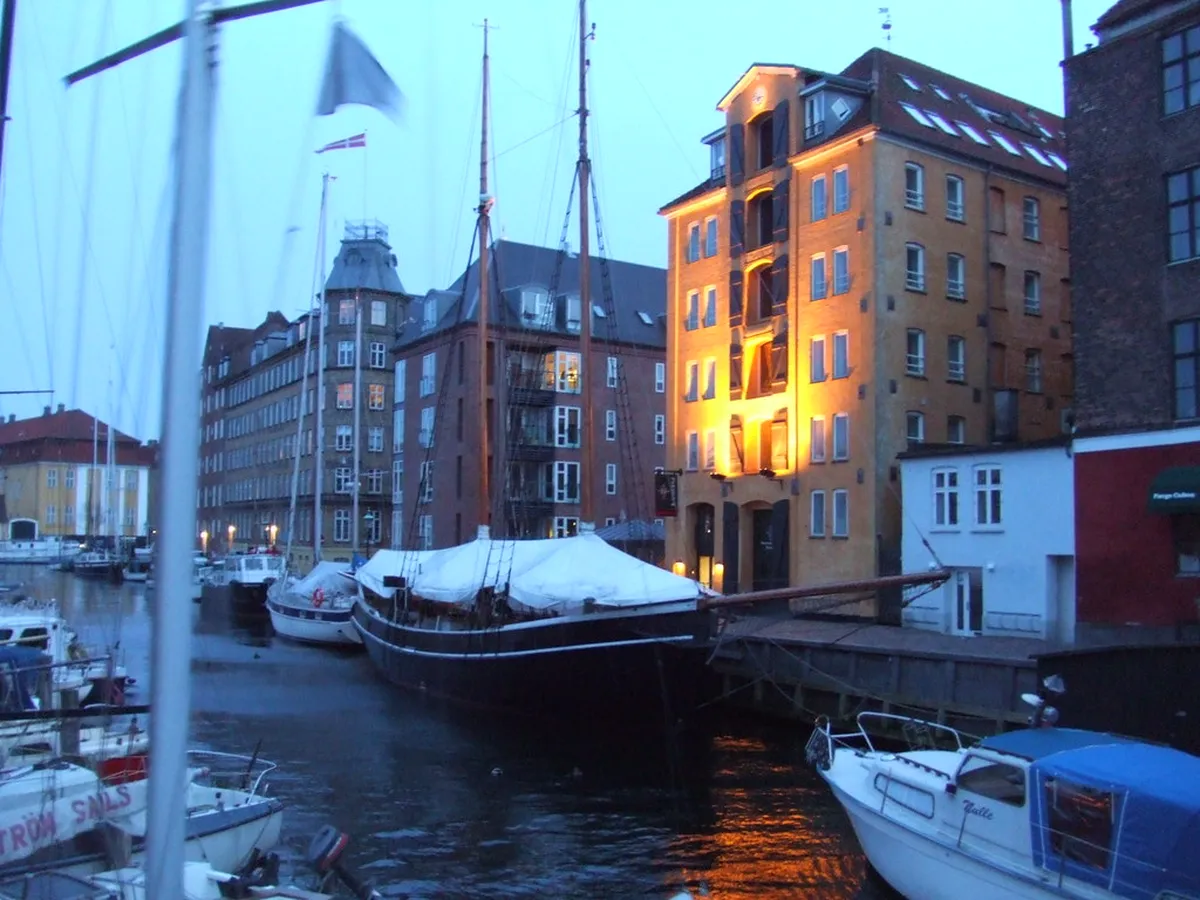
Atlantic low-pressure systems bring Copenhagen's wettest, greyest stretch from late October through December. Wind off the harbor adds a real chill, so Christianshavn's waterfront feels colder than the forecast suggests. Spring flips the mood fast: cherry blossoms typically peak in mid-to-late April along the waterfront near Kastellet. Early September still feels like summer, with 11 to 12 hours of daylight most days, based on typical daylight patterns.
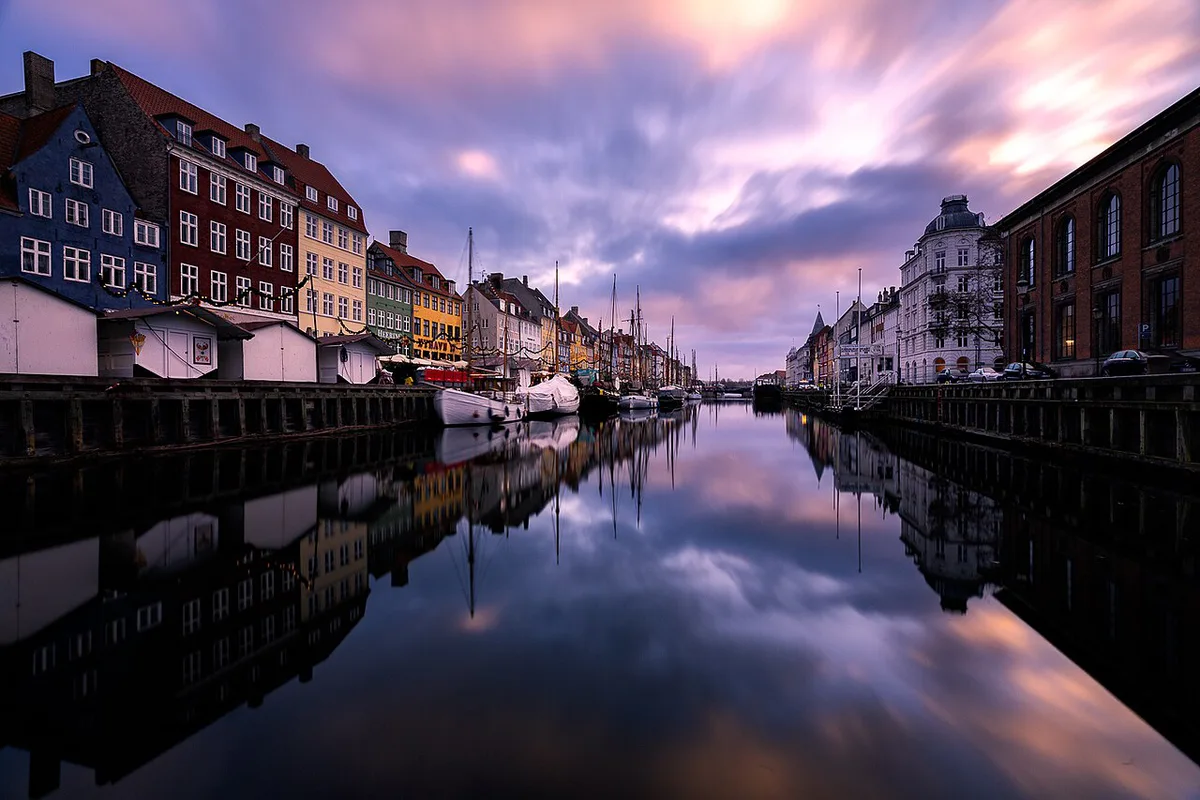
Crowd levels track daylight and festivals more closely than temperature alone. June through August draws the heaviest visitor volumes, especially around Nyhavn's canal-front bars in the evening. Late September through mid-October trims those crowds while daylight still runs 11 to 12 hours most days.
Most visitors notice harbor wind on roughly half the days between late October and December, based on typical coastal patterns. A windproof layer earns its space in the bag more than a heavy coat does. Locals lean on scarves and wind-resistant jackets rather than bulky parkas for this reason.
Late May introduces a livelier crowd as Distortion street parties spill through several neighborhoods. Travelers who prefer calm streets should aim for early May instead, before that festival begins. That single scheduling choice can change the whole feel of a spring visit.
Season Comparison: Weather, Crowds, Prices
The table below lines up typical weather, crowd levels, and price patterns across all four seasons. Ranges reflect typical climate data rather than exact forecasts, since Copenhagen weather shifts year to year. Prices follow the same curve as crowds, peaking whenever daylight and festivals overlap.
Hotel rates typically climb hardest during the last two weeks of June and all of July. December brings a second price bump around Christmas markets, even though overall winter rates run lowest. Booking four to six weeks ahead usually beats last-minute rates in both peak windows. It helps to check hotel prices in Copenhagen before locking in exact travel dates.
Choosing a season comes down to three trade-offs: daylight, crowd tolerance, and budget flexibility. Travelers who prioritize daylight over cost should lean toward June, accepting the busiest crowds of the year. Those who prioritize quiet streets over long evenings should aim for late September instead. Pairing that shoulder-season timing with the day trips guide stretches a quiet week even further.
Christmas markets typically run from mid-November through New Year's Eve at spots like Nyhavn and Tivoli Gardens. That single stretch briefly lifts winter hotel demand above the otherwise quiet December-February baseline. Visiting just after New Year's keeps the festive decorations while avoiding the market crowds.
| Season | Weather | Crowds | Prices | Events | Best for |
|---|---|---|---|---|---|
| Spring (mid-March to May) | 4-15°C / high 30s to upper 50s°F, warming fast by May | Low in March, building by mid-May | Moderate, below summer peak | Cherry blossoms mid-to-late April; Distortion late May | Budget-conscious first-timers, photography |
| Summer (June to August) | 15-22°C / high 50s to low 70s°F, near 18 hours of daylight in June-July | Highest, especially July | Peak, hotels book up early | Sankt Hans Aften June 23; Reffen street food in full swing | Long evenings, harbor swimming, festivals |
| Fall (September to mid-November) | 8-17°C / mid-40s to low 60s°F, cooling fast after mid-October | Moderate, dropping sharply after September | Moderate, dips after October | Kulturnatten in October; J-Dag first Friday of November | Quiet culture, mild layering weather |
| Winter (December to February) | 0-5°C / low 30s to low 40s°F, harbor wind chill common | Lowest outside Christmas week | Lowest overall, except Christmas market weeks | Christmas markets late Nov-Dec; Copenhagen Light Festival February | Hygge, Christmas markets, budget travel |
When Is Copenhagen Quietest, and What Closes?
Late September to mid-October delivers Copenhagen's clearest crowd relief without giving up mild weather. Queues at major sights shrink noticeably once local schools return in early September. Early mornings before 9am still help at Nyhavn, but matter less once crowds thin out. Those sensitive to cold and short days should avoid late November through early January.
Danish school holidays bring waves of domestic visitors during otherwise quiet months. Vinterferie (mid-February), Påskeferie (Easter), Sommerferie (late June–early August), and Efterårsferie (mid-October) spike crowds at family attractions even when international tourism stays low.
Winter brings real closures worth planning around, not just thinner crowds. Tivoli Gardens typically shuts for several weeks between its seasonal runs, including stretches of January through March. Harbor bath swimming areas usually close or restrict access once water temperatures drop in late autumn. Canal boat tours often cut frequency or pause entirely from November through February.
Some restaurants and small cafés close for staff holidays during peak summer weeks, a common Scandinavian pattern. Checking opening hours a day ahead avoids disappointment, especially for smaller neighborhood spots. For quieter alternatives, the secret spots guide lists options that stay uncrowded most of the year.
Ferries and boat tours to nearby islands often run on reduced winter schedules. Confirming the current schedule before planning a day trip avoids wasted travel time. Spring and early autumn strike the best balance between full operating schedules and manageable crowds.
Which Season Is Right for You?
Matching the season to travel style beats chasing a single best month. Below are simple rules of thumb for four common traveler profiles. Each pick weighs weather, crowd tolerance, and typical costs together.

Families traveling during school holidays face different trade-offs than solo travelers chasing quiet streets. Budget-focused visitors should weigh off-peak hotel rates against shorter daylight hours in winter. Photography-focused visitors often value light quality over raw temperature.
None of these picks are exclusive, since Copenhagen rewards flexible planning. Combining a shoulder-season trip with early-morning sightseeing stretches the quiet window even further. Checking event calendars before booking helps avoid accidentally landing during a busy festival week.
Solo travelers chasing quiet photos should pair early May with early-morning starts at popular sights. Couples wanting a romantic trip often prefer September for milder crowds and warm evenings. Groups on a tight budget should target January or February despite the shorter daylight hours.
- Pick late spring if you want
- Cherry blossoms, thinner crowds, mild days
- Pick summer if you want
- Long daylight, festivals, harbor swimming
- Pick early fall if you want
- Fewer lines, mild layering weather
- Pick winter if you want
- Christmas markets, lowest prices, hygge
What to Pack for Each Copenhagen Season
Packing right matters more in Copenhagen than in most cities, since weather shifts fast. Layers beat single heavy items in every season except deep winter. A packable rain layer earns its spot in the bag year-round, given the region's Atlantic weather patterns. Comparing current hotels in Copenhagen ahead of time helps confirm which packing list applies.
Wind off Copenhagen's harbor adds real chill beyond the forecast. Windproof layers and scarves work better than heavy coats. Comfortable, waterproof shoes matter more than fashion given cobblestones.
Cyclists and walkers should prioritize comfortable, waterproof shoes over fashion in any season. Sunglasses matter even in winter, since low-angle sun reflects off the harbor and canals. A reusable water bottle helps year-round, since Copenhagen's tap water is safe and widely available.
Hotel laundry access is limited outside larger properties, so pack for the full trip length. Electrical outlets in Denmark use the European two-pin standard, so bring the right adapter. Comfortable footwear matters most, since central neighborhoods reward walking over taxis.
A compact daypack works well across every season for carrying layers and a water bottle. Sturdy, broken-in shoes matter more than fashion, given the cobblestones in older neighborhoods. Packing one dressier outfit covers dinner reservations at nicer restaurants without overpacking.
- Spring packing essentials for Copenhagen
- Light rain jacket, layered sweaters
- Summer packing essentials for Copenhagen
- Sunglasses, light layers, swimwear
- Fall packing essentials for Copenhagen
- Windproof jacket, waterproof shoes
- Winter packing essentials for Copenhagen
- Thermal layers, wool hat, gloves
Which Copenhagen Attractions Stay Open Year-Round?
Several major sights operate on a normal daily schedule regardless of season. The Round Tower, Rosenborg Castle, and the National Museum typically keep consistent year-round hours. Museums like these make dependable rainy-day or winter-afternoon options when daylight runs short. Travelers wanting guided context can also discover the best tours and activities in Copenhagen for indoor-friendly options.
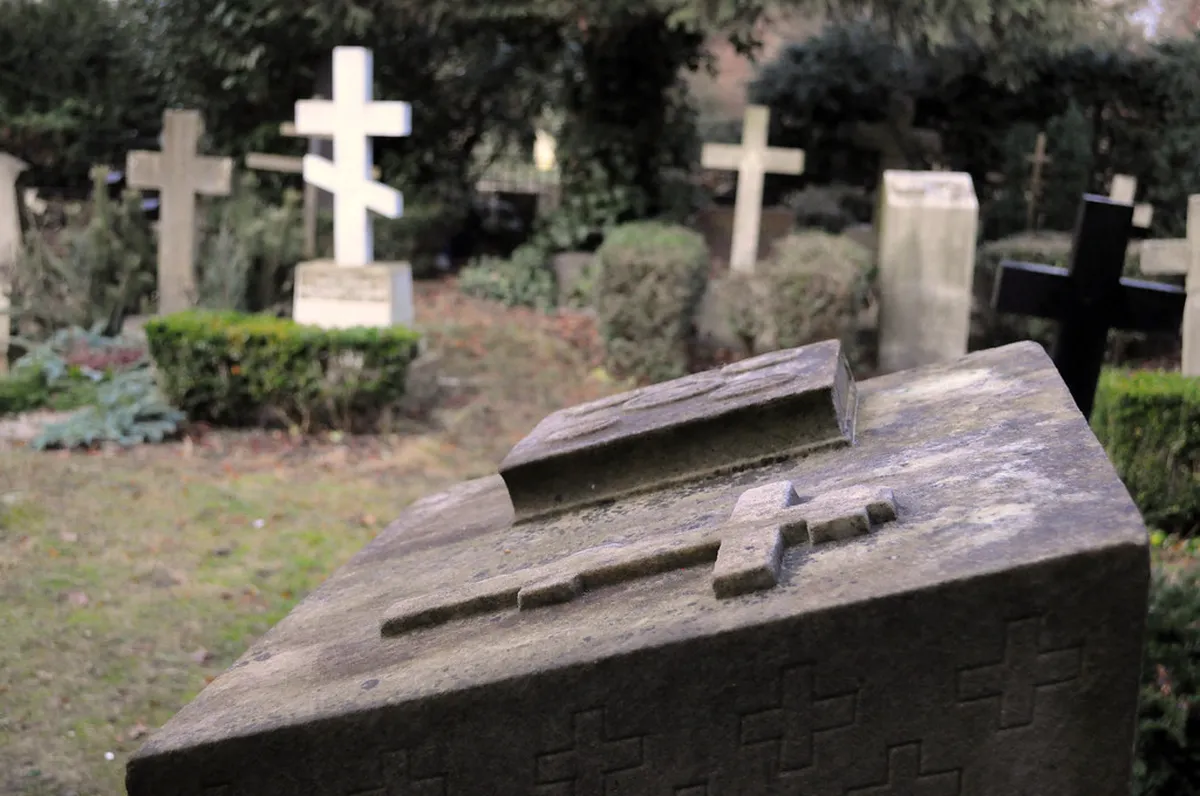
Neighborhood exploration also holds up in any season, since Copenhagen is a compact, walkable city. The Nørrebro neighborhood guide covers indoor cafés and markets that work well off-season. Cemetery parks like Assistens Cemetery stay open and peaceful in every season, including winter.
The Assistens Cemetery guide details a quiet, tree-lined space that rarely feels crowded, even in July. Indoor markets and covered food halls also stay dependable when weather turns, offering shelter without sacrificing local flavor. Planning one indoor backup per day keeps a winter itinerary flexible if rain rolls in.
Canal and harbor boat tours generally run full schedules from April through October. Outside that window, reduced sailings still operate on milder days, weather permitting. Checking same-day conditions before heading to the harbor saves a wasted trip in shoulder months.
Danish School Holidays That Spike Domestic Crowds
Beyond international tourist season, Danish school holiday weeks bring a separate wave of domestic visitors that can crowd Copenhagen's family attractions even during otherwise quiet shoulder months. Denmark's municipalities follow a shared school calendar built around fixed break weeks, and locals use them for city breaks, museum visits, and Tivoli Gardens trips.
- Vinterferie (winter break): week 7, mid-February — busy at indoor museums and the Blue Planet aquarium
- Påskeferie (Easter break): the week around Easter — a secondary bump layered on top of spring's cherry-blossom crowds
- Sommerferie (summer holiday): late June through early August — overlaps with peak international tourism
- Efterårsferie (autumn break): week 42, mid-October — briefly undercuts the shoulder-season quiet this guide recommends
Because these breaks are set at the municipal level, exact dates shift by a few days year to year, so checking the current school calendar before booking a mid-February or mid-October trip helps confirm whether a target week overlaps. Families touring Tivoli Gardens or the National Museum during these windows should expect longer queues than the surrounding weeks, even though hotel pricing rarely spikes as sharply as it does during summer or Christmas markets.
Frequently Asked Questions
What is the cheapest month to visit Copenhagen?
January and February typically bring Copenhagen's lowest hotel rates, aside from the Christmas market weeks in December. Fewer tourists visit during these cold, dark months, which pushes prices down across accommodation and flights. Booking a shoulder-season trip in September can also save money while keeping milder weather.
What is the rainiest month in Copenhagen?
Late autumn, especially October and November, brings Copenhagen's wettest stretch as Atlantic low-pressure systems move through. Rainfall tends to be steady and drizzly rather than heavy downpours, based on typical regional climate patterns. Packing a compact umbrella and waterproof shoes helps more than a heavy raincoat.
How many days are enough for Copenhagen?
Three to four days covers the main sights, canal areas, and at least one neighborhood at a relaxed pace. Adding a fifth day allows time for a day trip or a slower food-focused itinerary. Shoulder-season visits often need less queuing time, so three days can feel more spacious than in July.
Is Copenhagen crowded in summer?
Yes, June through August is Copenhagen's busiest season, with the heaviest crowds around Nyhavn and canal-front bars. Nearly 18 hours of daylight draws large evening crowds outdoors, based on typical seasonal daylight patterns. Visiting in early June or waiting for September can trim the busiest weeks.
Is October a good time to visit Copenhagen?
October suits travelers who want thinner crowds and crisp weather near 8-13°C, or mid-40s to mid-50s°F. Kulturnatten in early October opens museums and buildings after dark for one memorable evening. Rain becomes more likely by late October, so a waterproof layer is worth packing.
Late May through mid-June and late September through mid-October remain the strongest windows for a quieter Copenhagen trip. Both windows pair mild weather with thinner crowds and steadier hotel pricing. Winter still rewards travelers chasing Christmas markets and lower prices, provided they pack for real wind chill.
Locking in the season comparison table above helps match personal priorities to the right month. Comparing current hotel rates and flight options early makes shoulder-season trips easier to lock in. A little flexibility on dates goes a long way toward a calmer Copenhagen visit. Those ready to lock dates can compare flights to Copenhagen alongside the hotel search.
Continue exploring
More guides you'll find useful