Østerbro Copenhagen Guide: Parks, Food, and Tips
Use this Østerbro Copenhagen guide to explore parks, museums, food spots, and transit times, then plan your smoother neighborhood visit today.
On this page
The Østerbro Copenhagen Guide for First-Time Visitors
This Østerbro Copenhagen guide covers the green, residential district just north of the city center. Locals often compare its calm streets and leafy parks to nearby Frederiksberg. Expect historic terraced houses, Denmark's largest city park, and a cafe culture that draws locals more than tourists. Read on for the sights, food picks, and travel times worth knowing before your visit.
Østerbro Copenhagen Guide: Life in the District
Østerbro takes its name from Østerport, the old eastern gate in Copenhagen's city walls. Farmland and potato fields covered the area until the city expanded past its fortifications in the 1850s. Stricter building codes came later, giving Østerbro wide streets and well-planned architecture that still stands today.
Roughly 79,000 residents call the district home, spread across about 9.8 square kilometers. Many Copenhageners compare the atmosphere to Frederiksberg, both known for calm streets and a settled, family feel. The neighborhood also carries a nickname, the latte district, thanks to its health-conscious, well-off reputation.
Østerbrogade and Nordre Frihavnsgade meet at Trianglen, a lively junction near The Lakes. For context on how Østerbro compares with other areas, the Copenhagen Neighborhoods Guide: Best Areas for 2026 breaks down each district's character. That comparison helps decide whether Østerbro or a livelier district fits your trip better.
Top Things to Do in Østerbro
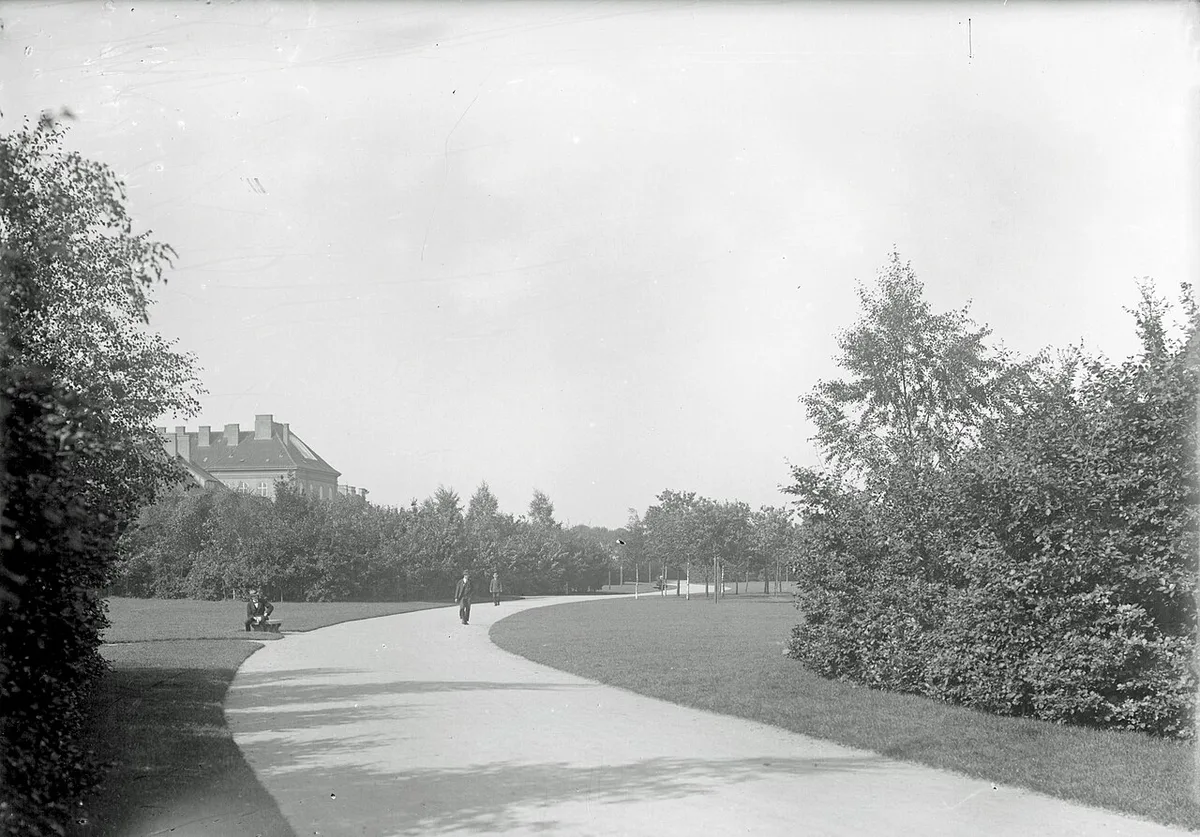
Fælledparken anchors most visits, widely known as Denmark's largest public park. Locals use it for football, picnics, and running, and kids can borrow bikes for free at its traffic playground. One of Northern Europe's larger skateparks sits inside the park too.
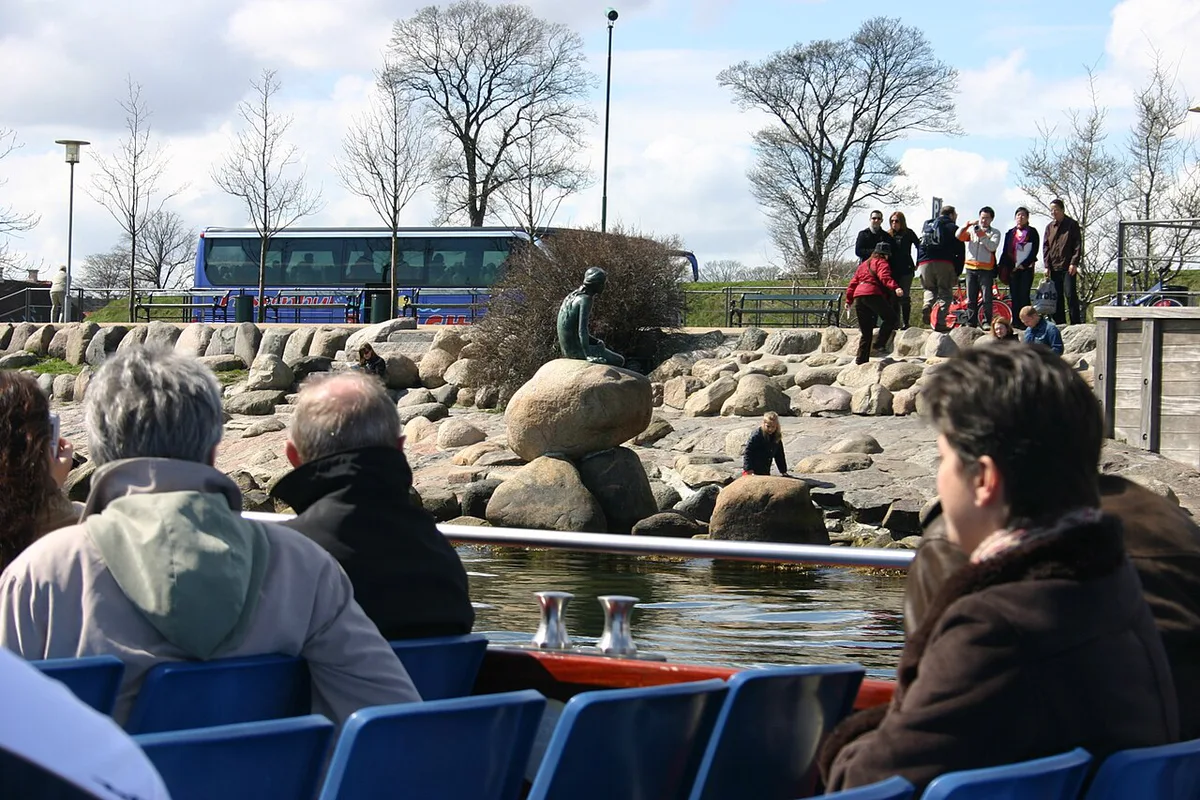
The star-shaped Kastellet fortress dates to the 17th century and stays open for walking its ramparts. Its grounds lead toward the Little Mermaid statue, a quick stop for photos along the harbor. Art lovers can also step into the Hirschsprung Collection nearby for Danish paintings.
Kartoffelrækkerne, the Potato Rows, and the Brumleby houses show off colorful, historic terraces worth a slow walk. For rooftop views, Konditaget Lüders sits atop a parking garage and looks toward the Swedish coastline. On warm days, the Copenhagen Lakes path and Svanemøllestranden beach both make an easy outdoor break. For more options beyond the park, this list of 10 Unique Things to Do in Copenhagen (2026) adds extra stops nearby.
- Fælledparken, Copenhagen's largest city park
- Type: public park
- Best for: picnics, sports, families
- Cost: free to enter
- Access: adjoins central Østerbro
- Kastellet, the star-shaped fortress
- Type: 17th-century fortress
- Best for: walking, history
- Cost: free to enter
- Nearby: Little Mermaid statue
- Kartoffelrækkerne, the colorful Potato Rows
- Type: historic terraced houses
- Best for: photos, slow walks
- Cost: free (public streets)
- Where: central Østerbro
- Konditaget Lüders rooftop activity park
- Type: rooftop activity park
- Best for: views, fitness
- Height: about 24 meters up
- Where: atop a parking garage
Hidden Gems and Local Favorites in Østerbro
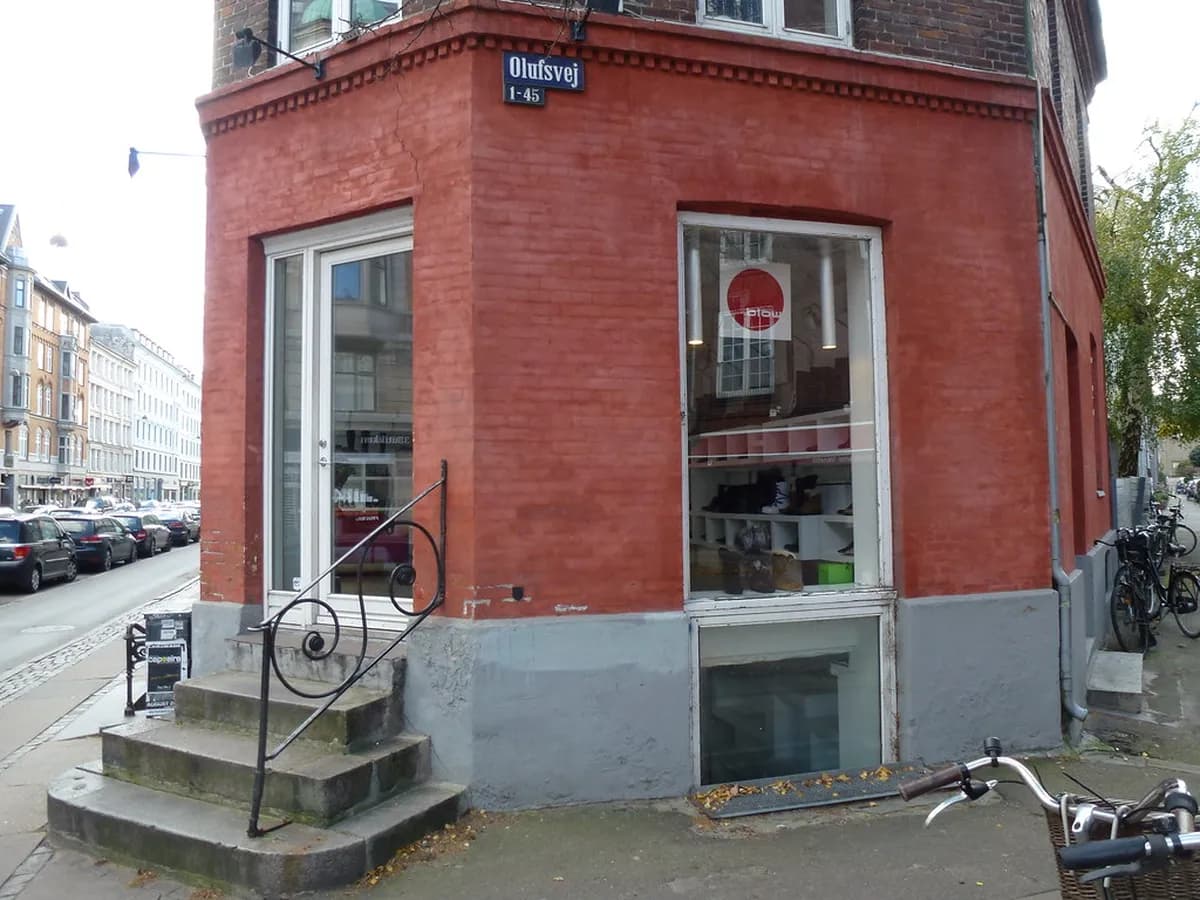
Olufsvej hides just off the main streets, a short row of houses painted in cheerful pastel shades. The street rarely appears on typical maps, which keeps foot traffic light even on busy weekends. For more spots like it, this guide to Hidden Gems in Copenhagen: Travel Guide covers similar finds across the city.
Gro Spiseri sits inside a rooftop vegetable garden on an old car auction house, serving seasonal dishes with wide views. Reservations matter here since seating stays limited and demand runs high on weekends. Behind Kastellet's church, a quiet hidden garden offers a peaceful stop most visitors walk past. For a deeper look at the district's backstory, Storyhunt's Østerbro neighborhood guide adds more local history.
Deciding whether to chase these hidden spots depends on time and travel style. Visitors with only half a day should stick to Olufsvej and the park, since both sit close together. Those with a full day can add Gro Spiseri and Konditaget Lüders, which sit farther from central Østerbro.
Where to Eat and Drink in Østerbro
Østerbro covers a wide range of budgets, from casual bars to Michelin-starred tasting menus. Geranium holds three Michelin stars and serves New Nordic tasting menus with panoramic city views. For a broader spread of options, the 11 Best Local Restaurants in Copenhagen (2026) guide lists picks across every district.
Book ahead at Gro Spiseri, a rooftop vegetable garden restaurant with limited seating and high weekend demand. Confirm hours online before visiting, as schedules shift seasonally.
For a relaxed evening, PS Bar & Grill serves casual grill dishes near the neighborhood's main streets. The menu suits groups looking for shared plates rather than a formal sit-down meal. Confirm current hours on the restaurant's official page before a visit, since schedules can shift by season.
Ramen fans can head to Ramen to Biiru Østerbro for bowls and small plates in a relaxed setting. Portions run generous, and the space fills quickly during typical dinner hours. Walk-ins are common, though checking the current wait time helps on busy nights.
Madklubben Østerbro offers a set seasonal menu that works well for groups sharing a meal. Coffee culture runs deep in the district too, with Original Coffee on Nordre Frihavnsgade a common local stop. Both spots sit within easy walking distance of Østerbrogade's main shopping stretch.
Getting to Østerbro and Planning Your Visit
Østerbro sits about 5 kilometers north of Copenhagen's city center, close enough for a short trip. A train ride from the center takes roughly 8 to 10 minutes on most connections. Cycling covers the same distance in about 10 to 15 minutes on flat, bike-friendly streets.
Østerbro lies 5 kilometers north of central Copenhagen. Train travel takes 8–10 minutes; cycling takes 10–15 minutes on flat, bike-friendly streets. Half-day itineraries cover main sights.
Once inside the district, walking or cycling works best for reaching Fælledparken and Kastellet. Buses run along Østerbrogade for longer stretches, useful when carrying luggage or traveling with kids. Bike rental stands sit near Trianglen for visitors without their own wheels.
Whether Østerbro earns a spot on a short trip depends on travel priorities. Visitors chasing nightlife or budget stays may find Vesterbro or Nørrebro a closer fit. Those wanting quiet parks, historic streets, and a slower pace gain more from an Østerbro half-day. Pairing the visit with the Best Time to Visit Copenhagen Without Crowds Guide keeps Fælledparken and Kastellet easy to enjoy.
Most Østerbro sights, including Fælledparken, Kastellet, and the neighborhood's streets, stay open with no set closing time. Restaurants and shops set their own hours, so confirming details on official sites before arrival helps avoid closed doors. Building a loose half-day or full-day plan around the park and one or two food stops keeps logistics simple.
Family-Friendly and Budget-Friendly Østerbro
Østerbro suits families and budget travelers as well as it suits food-and-history seekers, since several of its best draws cost nothing to enter. Fælledparken anchors this side of a visit: beyond the football pitches and running paths, its trafiklegeplads (traffic playground) lets kids pedal small pedal-cars and bikes around mini streets and signals, and the adjoining skatepark suits older children and teens. Kastellet's grassy ramparts are open and free to walk, with flat paths wide enough for strollers and room for kids to run without much traffic. On a rainy day, Østerbro Svømmehal, the district's public indoor swimming pool, gives families an indoor backup with lane and family swim sessions — check the current schedule before heading over. None of these need advance booking or an entrance fee, which makes them easy to string together into a loose half-day plan:
- Fælledparken playgrounds and skatepark — free, best for a morning stop
- Kastellet ramparts — free, stroller-friendly walking loop
- Østerbro Svømmehal — indoor public pool, useful for rainy days or downtime between sights
Frequently Asked Questions
What is the story behind Østerbro?
Østerbro takes its name from Østerport, the old eastern gate in Copenhagen's city walls. Farmland covered the area until the city expanded past its fortifications in the 1850s. Stricter building codes shaped its wide streets and well-preserved architecture, giving the district its settled, upscale character today.
How far is Østerbro from Copenhagen center?
Østerbro sits about 5 kilometers north of central Copenhagen. A train ride takes roughly 8 to 10 minutes, while cycling covers the same distance in about 10 to 15 minutes. Both options make the district an easy add-on to a city-center itinerary.
Is Østerbro worth visiting on a short Copenhagen trip?
Østerbro suits travelers who want quiet parks, historic streets, and a slower pace over nightlife or budget stays. Visitors chasing a livelier scene may prefer the Vesterbro Copenhagen Guide: What to Know Before You Go instead. A half-day covers Fælledparken and Kastellet comfortably, while a full day allows time for hidden gems and a sit-down meal.
Where is the best coffee in Østerbro?
Original Coffee on Nordre Frihavnsgade ranks among the district's most visited cafes, known for its espresso and relaxed seating. Several smaller cafes along Østerbrogade also draw locals for casual coffee breaks between errands. Checking a cafe's current hours online helps avoid a closed door during off-peak times.
How much time should you plan for an Østerbro visit?
A half-day works well for Fælledparken, Kastellet, and a walk through Kartoffelrækkerne. A full day allows room for Gro Spiseri, Konditaget Lüders, and a slower loop through the district's side streets. Visitors combining Østerbro with other neighborhoods should budget travel time of 10 to 15 minutes each way.
Østerbro rewards visitors willing to slow down and skip the standard tourist checklist. Between Fælledparken, Kartoffelrækkerne, and a handful of hidden courtyards, a single afternoon rarely feels like enough. Pair a park walk with one solid meal, and the neighborhood's character becomes easy to see. For more Denmark travel ideas beyond Copenhagen, browse the Denmark travel guides on Yondli before booking your next stop.
Continue exploring
More guides you'll find useful