10 Unique Things to Do in Copenhagen (2026)
Discover 10 unique things to do in Copenhagen, from a rooftop ski slope to an underground art museum, with 2026 prices and hours to plan your trip.
On this page
10 Unique Things to Do in Copenhagen Right Now
Editors who track Copenhagen's attraction scene keep returning to the same short list of favorites. This guide rounds up 10 unique things to do in Copenhagen that go beyond the postcard shots, from rooftop views to underground art. Every entry below lists a price, typical hours, and a transit note, refreshed for this July 2026 update.
Most roundups repeat the same five icons: Nyhavn, Tivoli, and a canal cruise photo. This list leans instead toward a rooftop ski slope, an underground reservoir turned art hall, and a cemetery where locals sunbathe among the graves. For even more off-script picks, pair this guide with our Hidden Gems in Copenhagen: Travel Guide roundup.
10 Unique Things to Do in Copenhagen
These ten unique things to do in Copenhagen were chosen for one reason: none of them feel like a checkbox stop. Each mixes a concrete cost, a realistic time window, and a specific neighborhood, so planning stays simple. A few sit minutes from Nørreport Station, while others need a short metro or bike ride to Refshaleøen.
Expect a spread of experience types rather than ten variations on the same theme. Rooftop views sit next to underground museums, and a historic cemetery sits next to a street-food market. For a longer detour beyond these ten, our off-the-beaten-path in Copenhagen guide adds a second layer of picks.
Prices below are per adult in 2026, and several entries cost nothing at all. Where hours or ticket rules shift with the season, a short note flags it, since Danish museums often close on Mondays. Book timed-entry slots for Cisternerne and CopenHill ahead of summer weekends, since both cap daily visitor numbers.
- Wander the Free Town of Christiania
- Christiania is a self-governed community in Christianshavn, built inside old military ramparts and moats.
- Car-free lanes, hand-painted signs, and communal gardens make it feel like a village inside the capital.
- Entry is free, though photography is banned along Pusher Street and enforced firmly by residents.
- Allow 60 to 90 minutes on foot, reachable in about 15 minutes from Christianshavn Metro.
- Arrive before noon on weekends, since afternoon crowds thicken around the main square.
- Watch the Amalienborg Changing of the Guard
- The Royal Guard marches from Rosenborg Castle's barracks to Amalienborg Palace most days near midday.
- Watching the parade is free, and no ticket or advance booking is required.
- Amalienborg sits an easy 15-minute walk from Kongens Nytorv Metro station in central Copenhagen.
- Budget about 30 minutes total, including a wait before the guards actually appear.
- Ceremony timing shifts around royal events, so confirm the schedule before building a plan around it.
- Hike or Ski the CopenHill Rooftop
- CopenHill tops a working waste-to-energy plant on Amager, with a rooftop hiking trail and an artificial ski slope.
- The hiking trail and viewing deck are free, while ski and snowboard sessions run as paid rentals.
- The summit view stretches past Refshaleøen toward the Sound on a clear afternoon.
- Allow about an hour for the hike, plus 20 minutes of transit by bus or bike.
- Weekday mornings are quietest, since weekend afternoons draw joggers and ski-school groups all at once.
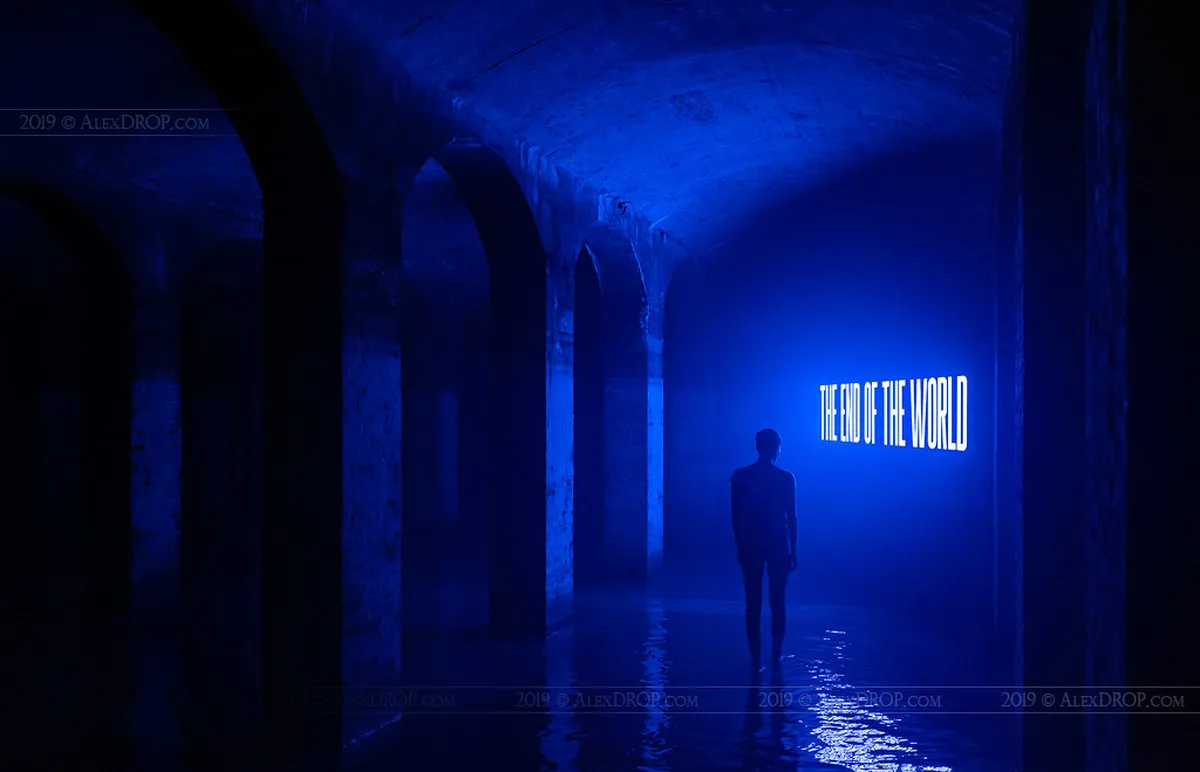
- Explore the Cisternerne Underground Art Museum
- Cisternerne fills a 19th-century underground drinking-water reservoir beneath Frederiksberg's Søndermarken park.
- Cold air, dripping ceilings, and near-total darkness turn each rotating art installation into an eerie walk.
- Tickets are inexpensive by Copenhagen museum standards, and hours change with each new exhibition.
- Plan for 45 minutes inside, reachable by a short walk from Frederiksberg Runddel bus stops.
- Check the official schedule before visiting, since the space sometimes closes completely between installations.
- Walk the World Map at Superkilen
- Superkilen is a long public park in Nørrebro, built around objects and signage gathered from dozens of countries.
- Standout pieces include neon signage, an old manhole cover from Moscow, and playground gear from Japan and Thailand.
- The park is free and open around the clock, with no gates or ticket booths anywhere.
- Allow 30 to 45 minutes to walk its full length, an easy 5-minute walk from Nørrebro station.
- Weekday early evenings bring the best light for photos, before local families take over after school.
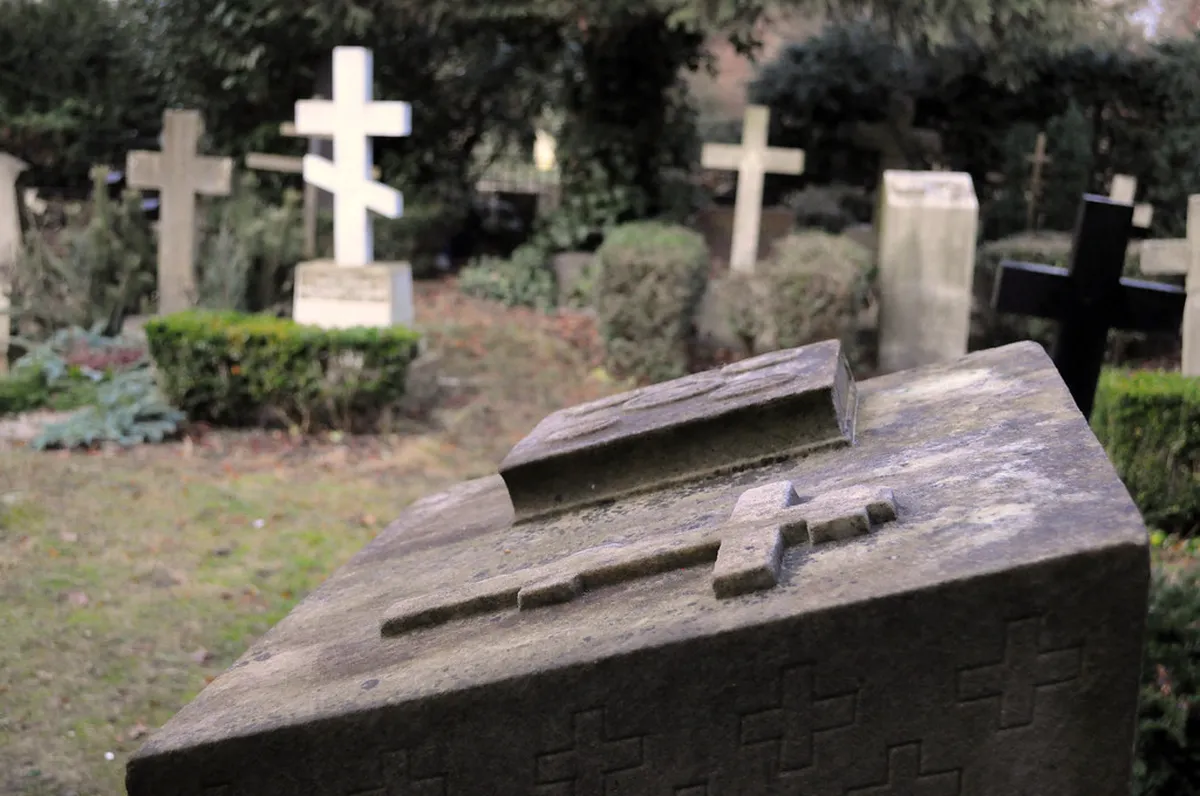
- Picnic Among the Graves at Assistens Cemetery
- Assistens Cemetery in Nørrebro doubles as a public park where Hans Christian Andersen and Søren Kierkegaard are buried.
- Locals sunbathe on the grass between headstones on warm afternoons, a habit that surprises most first-time visitors.
- Entry is free, and the gates typically stay open from early morning until dusk.
- Plan for a 45-minute wander, an easy walk or short bus ride from Nørrebro's main street.
- Paths wind past leaning 19th-century tombstones shaded by tall beech and lime trees.
- Graze the Stalls at Torvehallerne Food Hall
- Torvehallerne is a glass-roofed twin food hall near Nørreport Station, packed with stalls selling Danish and international food.
- Smørrebrød counters, a cheese shop, and a coffee roaster sit a few steps from fresh seafood stands.
- Most stalls open around 10am and close by 6 or 7pm, with shorter Sunday hours.
- A casual lunch typically costs less than a sit-down restaurant nearby, depending on the stall chosen.
- Budget 30 to 60 minutes browsing, since Nørreport Station sits right outside the doors.
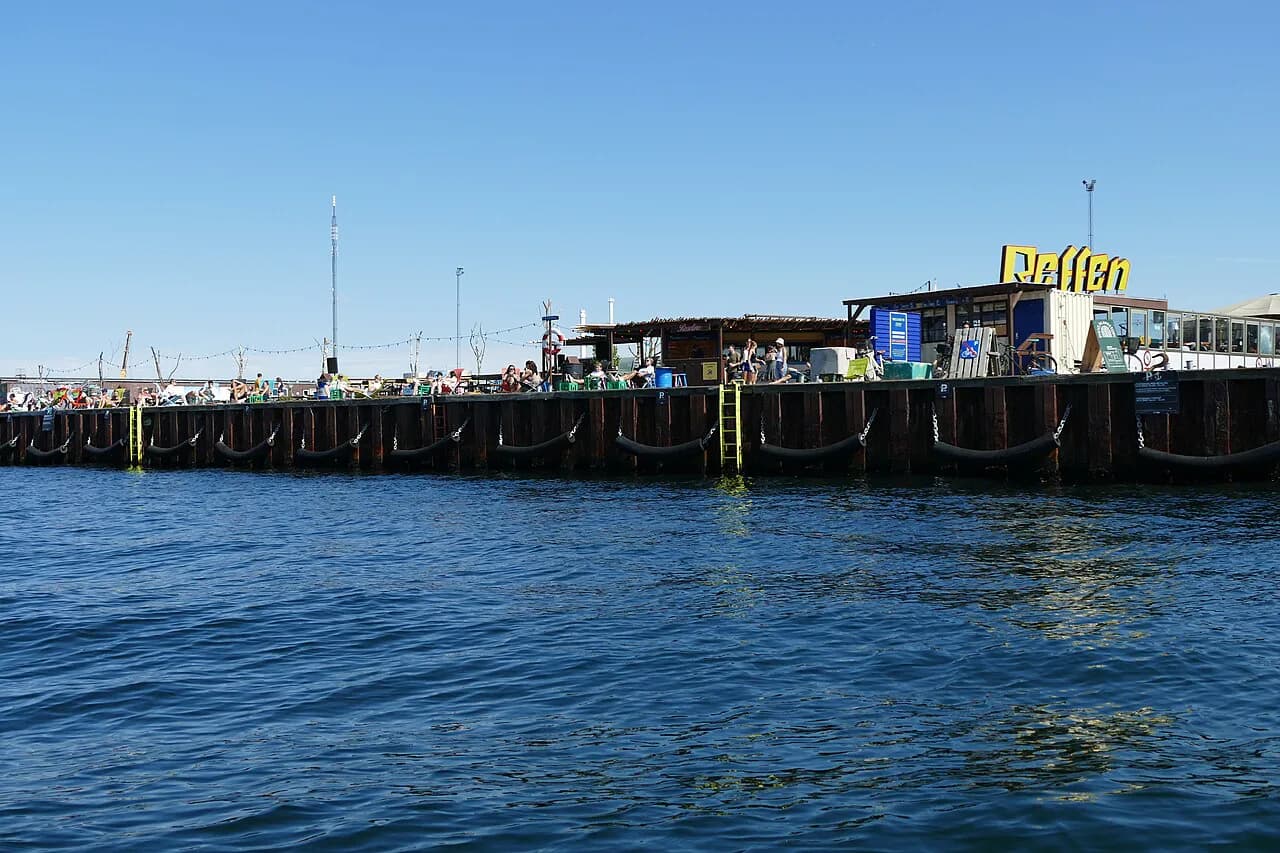
- Sample Street Food at Reffen
- Reffen is a street-food and maker market on Refshaleøen, built from repurposed shipping containers and old warehouses.
- Dozens of stalls serve everything from Danish classics to Vietnamese, Mexican, and vegan options side by side.
- The market usually runs from spring through early autumn, with reduced hours or partial closures in winter.
- Entry is free, and a meal at most stalls costs about the same as a casual restaurant plate.
- Allow at least 90 minutes, reachable by harbor bus from Nyhavn or a 20-minute ride along the water.
- Ride the Cykelslangen Bicycle Snake
- Cykelslangen is an elevated orange bike bridge linking Fisketorvet to the Islands Brygge waterfront.
- It skips a busy road-level detour, saving cyclists several minutes on the harbor crossing.
- Riding it costs nothing beyond a bike rental, and it stays open around the clock.
- The crossing itself takes barely two minutes, so pair it with a longer harbor-front ride.
- Bikes rent for about 80 DKK per 24 hours at shops like Baisikeli near the center.
- See Large-Scale Installations at Copenhagen Contemporary
- Copenhagen Contemporary occupies a former welding hall on Refshaleøen, built for room-sized contemporary art installations.
- Ceilings run several stories high, letting artists show large-scale sculpture and immersive video work.
- Adult tickets are priced per exhibition, so confirm current rates on the museum's official listing.
- Plan for about an hour inside, a 15 to 20 minute bike or bus ride from downtown.
- Exhibitions rotate a few times a year, so opening hours depend on what is currently on view.
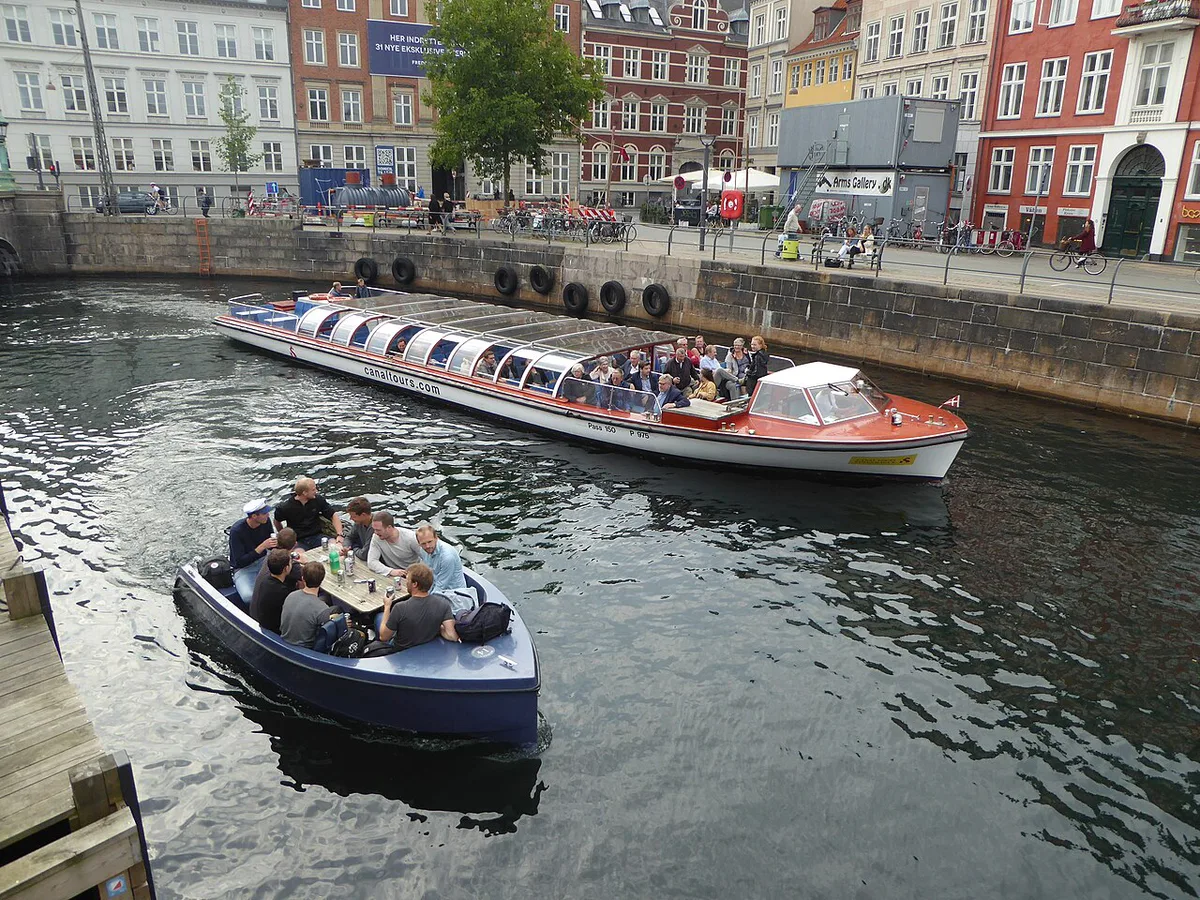
Where These Copenhagen Experiences Cluster
Nørrebro holds two of the ten stops within a ten-minute walk of each other. Superkilen's world map runs a few blocks from Assistens Cemetery's shaded paths, so pairing them saves a transit leg. For a deeper dive into the cemetery's history and layout, read the dedicated Assistens Cemetery guide. Both sit a short ride from downtown on the S-train or a 15-minute bike from the city center.
Refshaleøen groups Reffen and Copenhagen Contemporary inside the same old shipyard grounds, an easy combined visit. CopenHill sits just across the water on Amager, connected by a short bus or bike ride. The full Reffen guide breaks down current stall lineups and seasonal hours in more detail. Treat the three as a half-day loop rather than three separate trips across town.
Cisternerne sits inside Frederiksberg's Søndermarken, a quieter district west of the main tourist core. The dedicated Cisternerne guide covers current exhibitions and seasonal closures in full. Torvehallerne, Amalienborg, and the Cykelslangen bridge cluster closer to the harbor, all within walking or short-bike range of each other. Christiania sits a little further south in Christianshavn, best paired with a Torvehallerne stop on the same day.
Copenhagen Contemporary anchors the same Refshaleøen stretch, inside a former welding hall built for oversized artwork. Current exhibitions and visiting hours are listed on Copenhagen Contemporary's official site before a trip out. Combine it with Reffen for a single afternoon loop along the old shipyard's waterfront path.
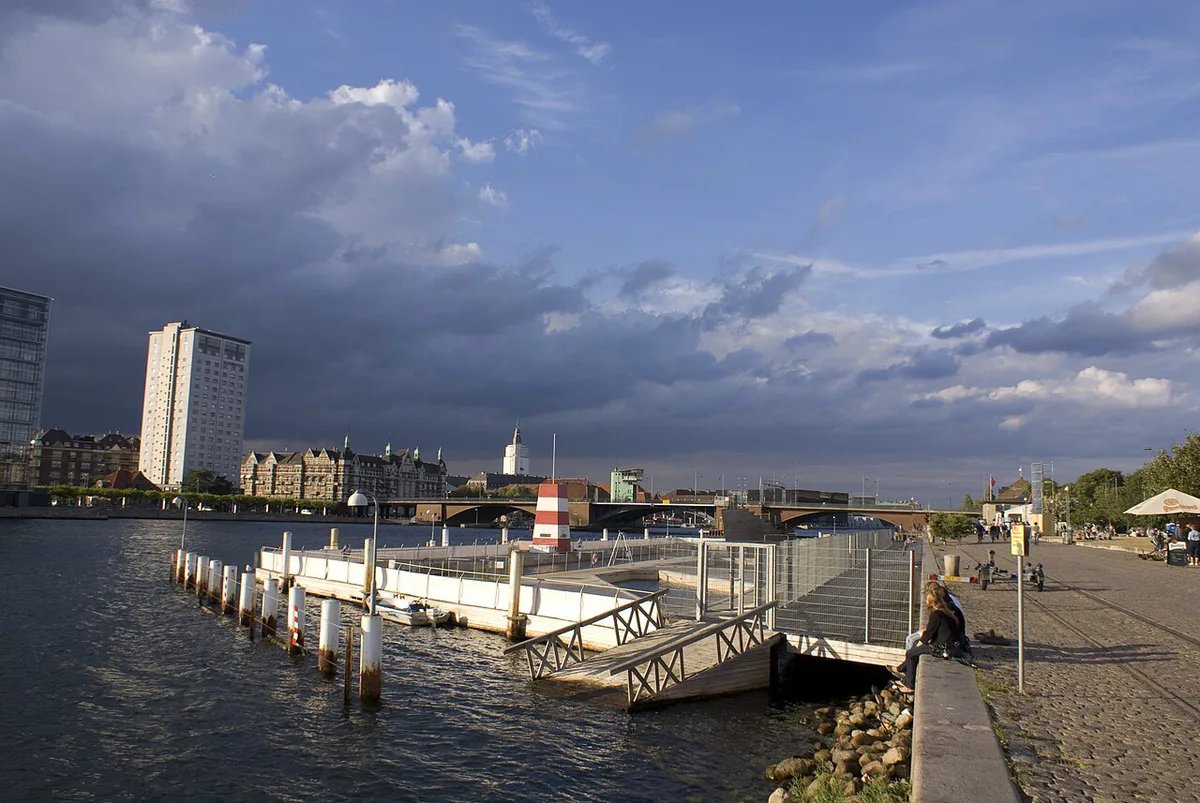
Getting Around Copenhagen for These Spots
Most of central Copenhagen is walkable, and locals often cover 10 to 20 minutes between sights on foot. Cycling covers ground faster, and most of the city sits within about 30 minutes by bike from the center. The Bicycle Snake connects Fisketorvet to Islands Brygge and stays open to riders around the clock. Rental shops cluster near Central Station and Nørreport, often with per-day discounts for multi-day rentals.
The Copenhagen Card covers unlimited transit and entry to more than 80 attractions for roughly $90 per 72-hour pass. Purchase online before arrival or at the airport to skip the ticket-counter queue.
The Metro and S-trains run frequently, often every 5 to 8 minutes during the day. A single ticket covers short hops, while the Copenhagen Card bundles unlimited transit with entry to more than 80 attractions. The card runs roughly $90 for a 72-hour pass, and pays off fastest with three or more paid sights daily. Buy it online before arrival or at the airport to skip a ticket-counter queue.
From Copenhagen Airport, the Metro reaches the city center in about 15 to 20 minutes. Taxis and rideshares typically cost 300 to 400 DKK, or about $40 to $55 USD, for the same trip. Fares and routes change occasionally, so cross-check current details on Visit Copenhagen before the trip. Ride-hailing apps work well outside peak hours, though wait times climb during Friday and Saturday nights.
When Should You Visit for These Unique Spots?
Summer brings the longest days, and Copenhagen sees up to 18 hours of daylight around the summer solstice, per regional daylight tables. That extra light stretches evenings at CopenHill, Reffen, and the Cykelslangen route well past a typical dinner hour. Spring and early autumn bring thinner crowds at Christiania and Superkilen, with mild enough weather for a full day outdoors.
Book timed-entry slots for Cisternerne and CopenHill ahead of summer weekends, since both cap daily visitor numbers. Cisternerne fills a 19th-century underground water reservoir; check the official schedule, as exhibitions close between rotations.
| Season | Daylight & Highlights | Crowds & Conditions |
|---|---|---|
| Summer | Up to 18 hours of daylight; extended evenings at CopenHill, Reffen, Cykelslangen | Book timed-entry slots ahead; weekend afternoons crowded |
| Spring & Early Autumn | Mild weather for full-day outdoor plans | Thinner crowds at Christiania and Superkilen |
| Winter | Minimal crowds throughout the city | CopenHill ski slope and outdoor sections run shorter hours |
For a fuller seasonal breakdown, see the guide to visiting Copenhagen without crowds. Weekday mornings consistently beat weekend afternoons at every stop on this list, from Assistens Cemetery to Torvehallerne. Cruise-ship days can crowd Nyhavn and the harbor front, though most of these ten spots sit far enough away to stay calm.
Warm months also open up the coastline, and Bellevue Beach north of the city draws a laid-back, mostly local crowd. It pairs well with Dyrehaven's deer park on the same S-train line, for a half-day outside downtown. Winter strips out the crowds entirely, though CopenHill's ski slope and a few outdoor sections run shorter hours.
Which Copenhagen Attractions Should You Skip?
Not every famous name on a Copenhagen list earns the detour, and a couple deserve an honest word of caution. The Little Mermaid statue tops that list: it is small, mobbed most of the day, and often reduced to a 90-second photo stop. Visit only if it fits naturally into an Amalienborg or Kastellet walk, rather than as a standalone trip.
Generic hop-on-hop-off bus tours are the other common miss, since Copenhagen's core is compact enough to walk or bike instead. The bus adds waiting time at every stop, and most of its route duplicates what a 20-minute walk already covers. A canal boat tour or a rented bike covers the same ground with better views and more flexibility.
Once these ten are covered, the 10 Best Day Trips From Copenhagen (2026 Guide) guide extends the list further outside the city. Frederiksborg Castle and Dragør both make for an easy full-day add-on by train. Either pairs naturally with a slower, locals-paced few days in the city itself.
Swim and Kitesurf the Dunes at Amager Strandpark
Amager Strandpark is a man-made beach and dune park along the Øresund coast, built in 2005 from dredged sand banked against an offshore breakwater. That breakwater splits the water into a shallow, current-free lagoon good for swimming on one side and a more open stretch favored by kitesurfers and windsurfers on the other, so the same beach covers both a calm dip and a lesson with a board. Out on the horizon, the row of turbines from the Middelgrunden wind farm lines the water, giving the beach the "windmills" look competitor roundups mention. Entry is free and the park stays open year-round, though the swimming season really runs from May through September. Amager Strand Metro station on the M2 line sits a two-minute walk from the sand, making this one of the easiest beach trips from central Copenhagen and closer than Bellevue Beach to the north. Facilities are limited to showers and toilets, so bring a towel rather than expecting rentals at the entrance. Pair it with CopenHill, a short bus ride away on the same stretch of Amager, for a half-day loop combining a rooftop hike with a swim.
Frequently Asked Questions
What are the most unique things to do in Copenhagen?
The standouts include CopenHill's rooftop ski slope, Cisternerne's underground art museum, and Freetown Christiania's self-governed streets. Superkilen and Assistens Cemetery add an unusual park-meets-public-art angle in Nørrebro. Each mixes free or low-cost entry with a distinct sense of place beyond the usual postcard sights.
Is Copenhagen worth visiting beyond the classic sights?
Yes, the city rewards a longer look past Nyhavn and Tivoli Gardens. Neighborhood spots like Reffen, Torvehallerne, and the Cykelslangen bridge reveal a more local, everyday side of the capital. Most of these unique things to do in Copenhagen cost little or nothing to experience, which helps stretch a travel budget.
How much time should travelers plan for these unique Copenhagen spots?
Budget a full long weekend, roughly three to four days, to fit all ten comfortably. Group stops by neighborhood, such as Nørrebro's Superkilen and Assistens Cemetery together, to cut down on transit time. Two or three spots per day keeps the pace relaxed rather than rushed.
What is Copenhagen best known for?
Copenhagen is best known for cycling culture, Nordic design, and a cozy hygge atmosphere in its cafes. The historic harbor at Nyhavn and Tivoli Gardens' amusement rides draw the most first-time visitors. Beyond those icons, the city's newer creative spaces add a quieter, more local layer.
What should travelers avoid when planning unique things to do in Copenhagen?
Skip generic hop-on-hop-off bus tours, since the city center is compact enough to walk or bike instead. Treating the Little Mermaid statue as a dedicated trip also wastes time better spent elsewhere. Pair it with a nearby stop, like Amalienborg, rather than visiting it alone.
Ten stops are enough for a long weekend without feeling rushed, especially if paired by neighborhood as outlined above. Mix a free stop like Christiania or Assistens Cemetery with a paid one like Cisternerne to balance the day's budget. Save the Little Mermaid photo op for a quick add-on rather than a dedicated trip.
Prices and hours shift year to year, so confirm anything time-sensitive before locking in a schedule. Treat this list as a flexible starting point, and swap in whichever three or four spots match the trip's pace.
Continue exploring
More guides you'll find useful