Cisternerne Copenhagen Travel Guide
Plan your visit to Cisternerne Copenhagen with must-see exhibits, museum history, family tips, and booking advice for a smoother, easier trip.
On this page
Cisternerne Copenhagen
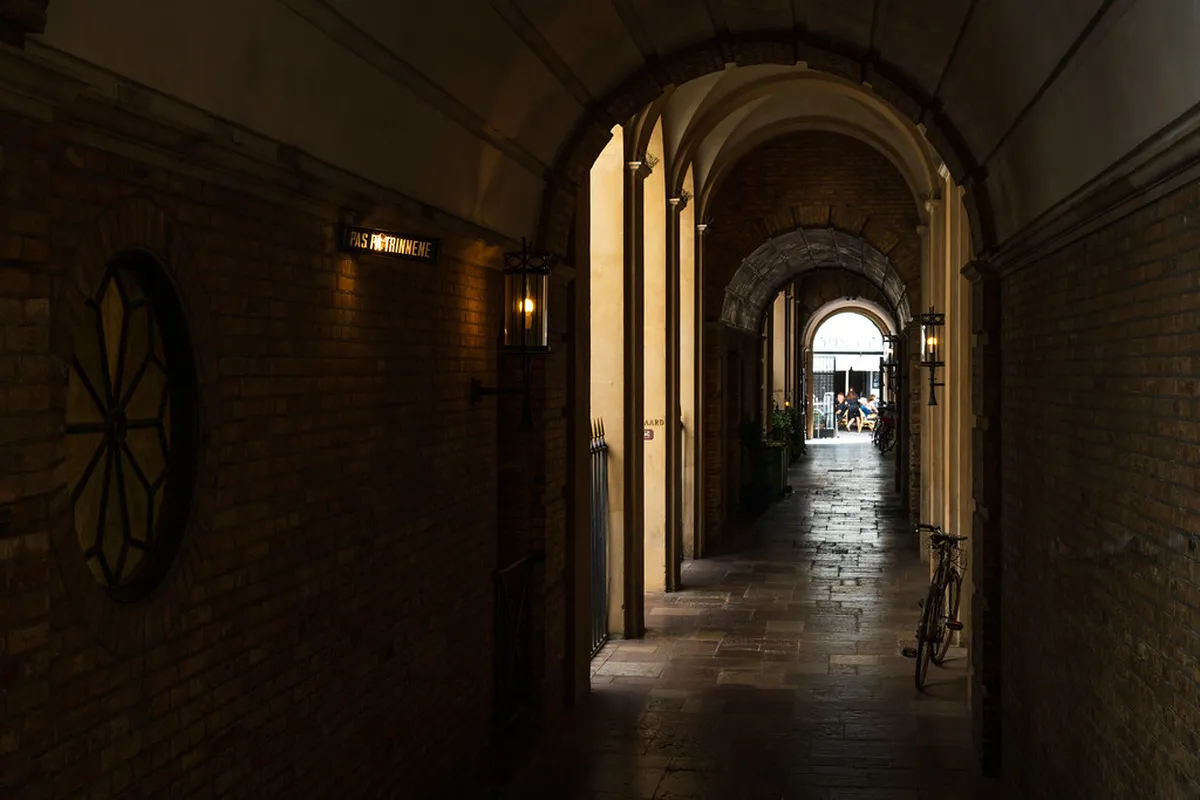
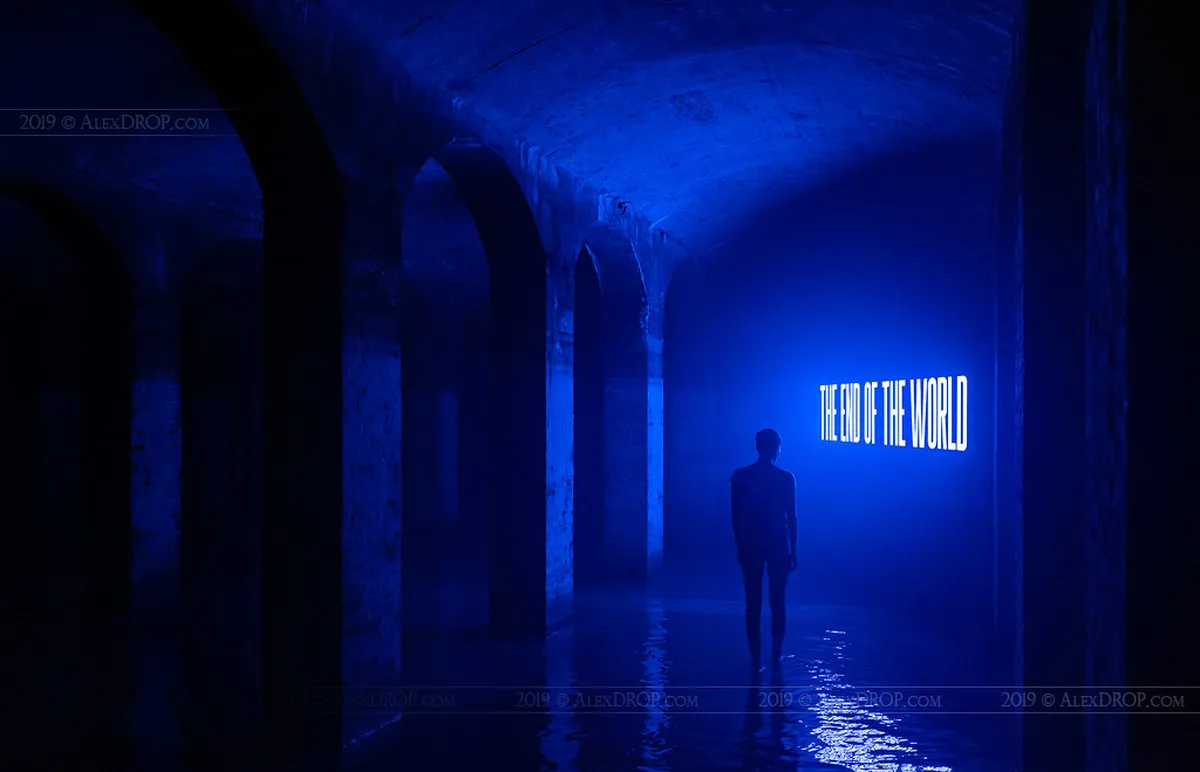
Cisternerne Copenhagen sits underground on Frederiksberg Hill, inside a former drinking-water reservoir turned art museum. Built between 1856 and 1859, the space once held millions of liters of water for the growing Danish capital. Today visitors walk or ride a boat past stalactites and rotating art installations in near-total darkness.
The museum ranks among Copenhagen's more unusual hidden gems, especially for travelers who enjoy offbeat history. This guide covers what to see inside, how the space earns its reputation, and tips for a smooth 2026 visit. Expect concrete specifics on hours, access, and the best way to plan around Copenhagen's crowds.
Must-See Cisternerne Attractions and Exhibits
Cisternerne invites a different international artist to reimagine the space nearly every year. Past exhibitions have included Tomás Saraceno's Event Horizon, a boat journey through illuminated spider webs and floating spheres. That particular installation ran for about 45 minutes and closed to the public in November 2021. Exhibits like it show why the museum draws art lovers and photographers alike.
Saraceno, an Argentine artist, trained as an architect before turning fully to large-scale installation art. He studied at NASA's International Space Studies Program and won the Calder Award that same year. Critics have compared his work to Marcel Duchamp and Leonardo da Vinci for its blend of art and science.
Because exhibits rotate, whatever art Cisternerne shows during your trip will look different from past photos online. That unpredictability is part of the appeal for repeat visitors chasing something new each year. The museum fits well alongside other 10 Unique Things to Do in Copenhagen (2026) if you want a full day of offbeat sights.
Museums, Art, and Culture Inside Cisternerne
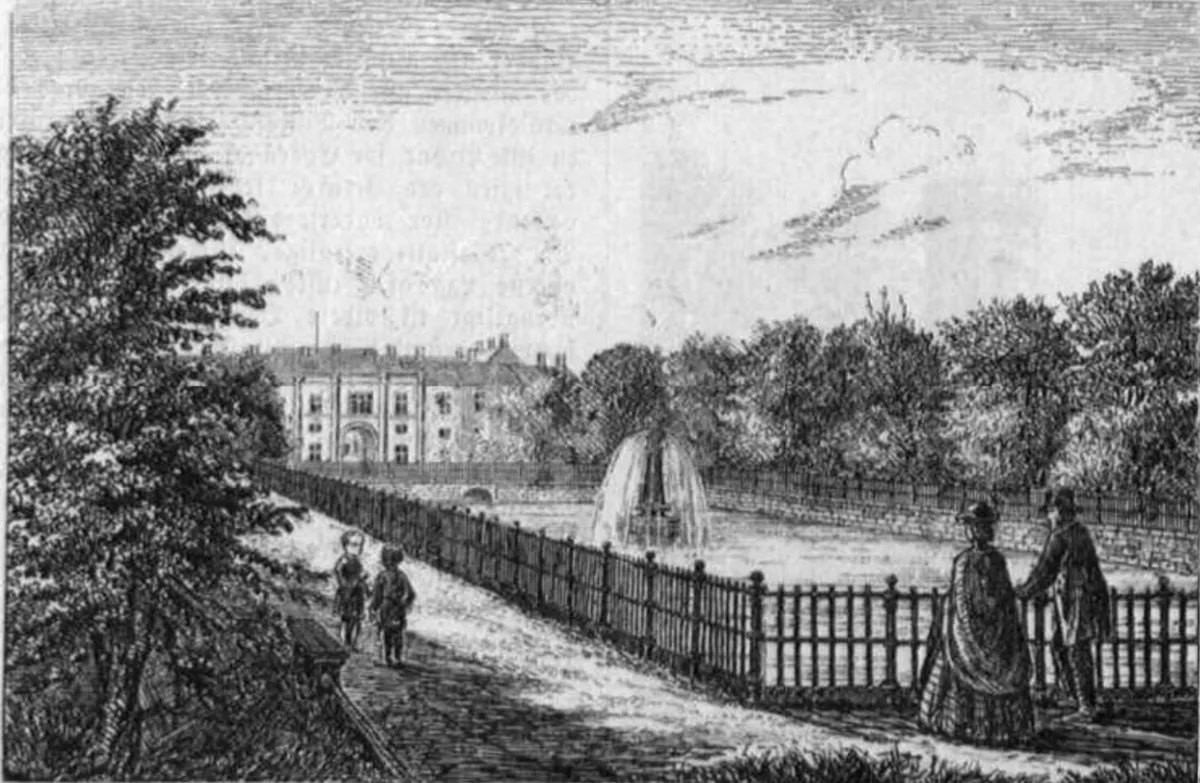
Workers began excavating the cistern in 1856, finishing construction three years later in 1859. City officials chose Frederiksberg Hill because its height let gravity push water through Copenhagen's pipes. A cholera outbreak in 1853 had killed more than 4,700 residents, pushing the city toward cleaner water storage. The reservoir could hold up to 16 million liters at full capacity.
Officials covered the open-air pool with a concrete roof toward the end of the 1880s to stop contamination. The cistern stopped serving as a water source in 1933 and stayed empty and forgotten for decades. Crews finally drained it fully in 1981, clearing the way for its next chapter.
Copenhagen's turn as European Capital of Culture in 1996 gave the cistern new life as an exhibition venue. The City of Frederiksberg partnered with gallery owner Max Seidenfaden to launch that transformation. From 2001 to 2014, the space housed the Museum of Modern Glass Art before joining The Frederiksberg Museums group in 2013.
The main chamber spans 4,320 square meters beneath a ceiling just 4.2 meters high. Stalactites and stalagmites hang from that ceiling, formed by more than a century of salt buildup from the old reservoir water. Curators left these formations untouched when they converted the space into a museum.
Family-Friendly and Budget-Friendly Visitor Tips
Cisternerne suits older kids, teens, and adults more than toddlers, since walkways stay dim and uneven in places. The air underground stays cool year-round, so bring a light jacket even in summer. Families visiting with strollers should expect some sections to be tricky to navigate.
The underground walkways are dim and uneven. Bring a light jacket—the air stays cool year-round, even in summer. Strollers are difficult to navigate; older children and adults get more from the visit.
Ticket prices shift with each new exhibition, so treat any number online as a starting estimate. Budget travelers can offset the entry fee by pairing the visit with several 10 Free Things to Do in Copenhagen (2026 Guide) the same day. Students and seniors often qualify for reduced rates, though discounts depend on the current exhibition partner.
Art and history fans get the most value, especially anyone curious about industrial-era engineering. Travelers who dislike enclosed, dim spaces or boat rides may want to skip this stop. Everyone else should plan roughly an hour, including time to view the current installation up close.
How to Plan a Smooth Visit to Cisternerne Copenhagen
Cisternerne sits inside Søndermarken Park on Frederiksberg Hill, a short ride from central Copenhagen. Public transit connects easily to Frederiksberg, so check a journey planner from your hotel before setting out. Leave extra time if you plan to combine the visit with nearby Frederiksberg sights.
Boat capacity is limited, so book ahead for your preferred departure time. Confirm opening hours and ticket prices before arriving, as both change with each new exhibition.
| Day | Hours |
|---|---|
| Monday | Closed |
| Tuesday–Wednesday | 11am to 6pm |
| Thursday | 11am to 8pm |
| Friday–Sunday | 11am to 6pm |
Opening hours vary by day, with the museum typically closed on Monday and open longer on Thursday evenings. Because schedules and ticket prices change between exhibitions, confirm current details on the official Cisternerne website before you go. Visiting on a weekday morning, and outside Danish school holidays, usually means fewer crowds inside. For broader timing advice, see the guide to the Best Time to Visit Copenhagen Without Crowds Guide.
- Location and official address
- Address: Søndermarken, 2000 Frederiksberg
- Setting: underground chamber inside Søndermarken Park
- Access: short trip from central Copenhagen
- Typical opening hours pattern
- Monday: museum closed all day
- Tuesday-Wednesday: 11am to 6pm
- Thursday: 11am to 8pm
- Friday-Sunday: 11am to 6pm
- Boat tour visit duration
- Boat tours: about 45 minutes
- Total visit: budget close to an hour
- Booking tips and cautions
- Book ahead: boat capacity is limited
- Verify: prices and hours shift by exhibition
Søndermarken Park and Nearby Copenhagen Sights
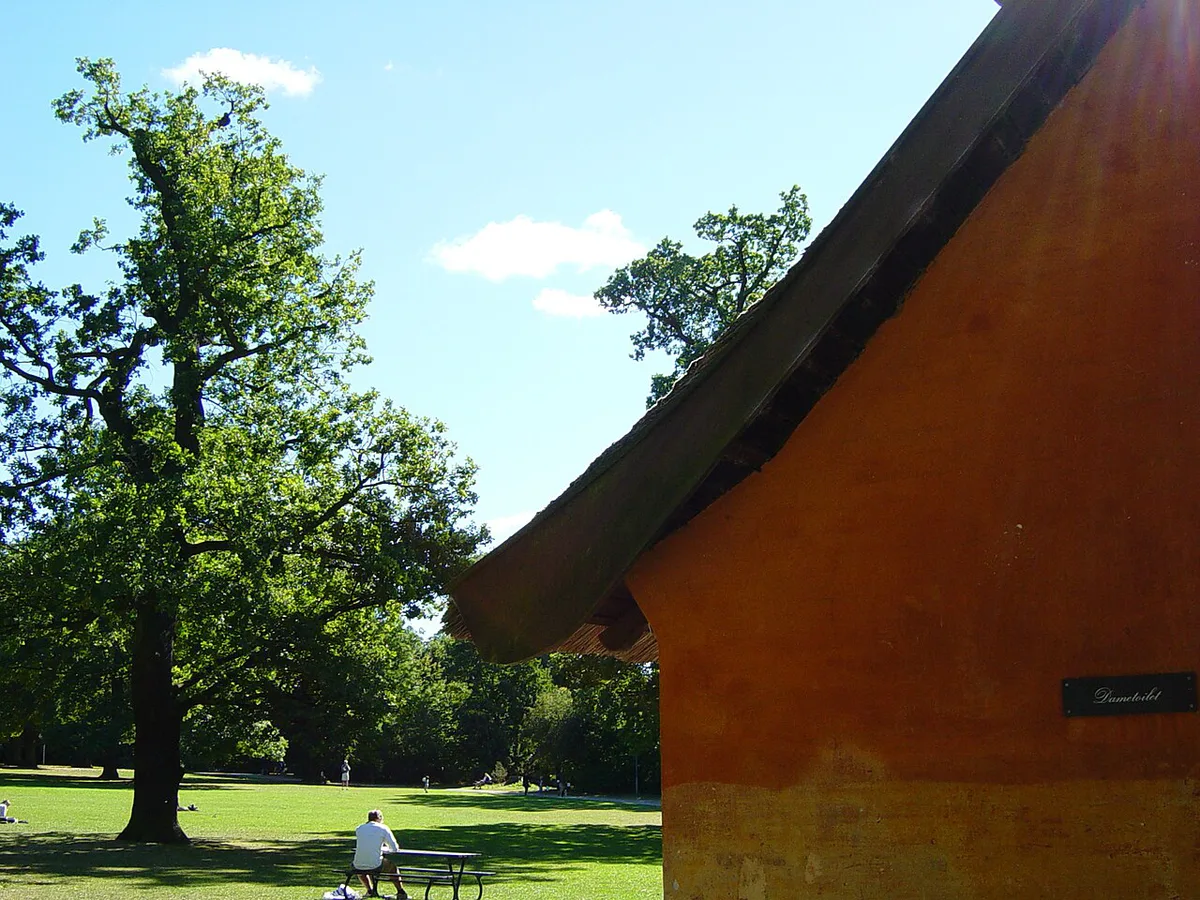
Søndermarken Park has surrounded the cistern since construction wrapped up in 1859. The park makes a pleasant spot to rest before or after the underground visit. Locals often use its lawns for picnics and quiet walks away from the busier city center.
Cisternerne sits within Frederiksberg, a district known for green space and a slower pace than downtown Copenhagen. The area's museums, gardens, and cafes reward a longer stay beyond the cistern itself. Read the full Frederiksberg neighborhood guide for restaurant and transit recommendations nearby.
Travelers with extra time often combine Cisternerne with other quiet, offbeat corners of the capital. A half-day loop through Frederiksberg and Søndermarken avoids the busiest tourist routes near Nyhavn and Strøget. That pacing suits travelers who prefer fewer crowds over checklist sightseeing.
Accessibility at Cisternerne
Cisternerne's underground setting creates accessibility challenges that go beyond stroller access. The chamber is reached via stairs down from Søndermarken Park, and the uneven, dimly lit walkways inside make navigation difficult for wheelchair users and anyone with limited mobility or low vision. The boat journey through the water adds another constraint, since boarding typically means stepping down into a moving vessel in low light without full handrails throughout the route.
- Wheelchair access: limited, due to stairs and uneven underground terrain
- Low vision or mobility concerns: dim lighting and narrow walkways throughout the chamber
- Boat tours: boarding can be difficult without assistance from staff
- Recommendation: contact Cisternerne or the Frederiksberg Museums directly before visiting to confirm current accommodations
Because the venue occupies a converted 19th-century water reservoir rather than a purpose-built museum, retrofitting full accessibility has real physical limits. Travelers with mobility, vision, or hearing needs should reach out ahead of time rather than assume standard museum accommodations apply, and should ask specifically whether an alternative route through the chamber exists if the boat tour isn't practical for their group.
Frequently Asked Questions
Is Cisternerne worth visiting in Copenhagen?
Yes, especially for travelers who enjoy unusual art spaces and industrial history. The underground setting, changing exhibitions, and stalactite-lined ceiling offer an experience unlike Copenhagen's palaces or canals. It pairs well with other Secret Spots in Copenhagen: 2026 Travel Guide for a fuller offbeat day.
What is Cisternerne in Copenhagen?
Cisternerne is a former underground drinking-water reservoir in Søndermarken Park, on Frederiksberg Hill. Built between 1856 and 1859, it once held up to 16 million liters of water for the city. Since 1996, the space has operated as an art museum with rotating exhibitions.
How much does it cost to visit Cisternerne?
Ticket prices change with each new exhibition, so treat any published number as a rough guide only. Confirm current rates and any discounts for students or seniors before booking. Combining the visit with free attractions nearby can help balance out the cost.
How do you get to Cisternerne?
Cisternerne sits inside Søndermarken Park on Frederiksberg Hill, a short trip from central Copenhagen. Copenhagen's bus and train network reaches Frederiksberg easily from most neighborhoods. Check a journey planner from your hotel to confirm the fastest route on the day of your visit.
How long does a visit to Cisternerne take?
Guided boat tours through the cistern run for about 45 minutes. Add extra time for entry, photos, and reading about the current exhibition. Most visitors should budget close to an hour for the full experience. Book ahead if you want a specific boat departure time.
Cisternerne rewards travelers looking for something different from Copenhagen's usual palace and canal tours. Its underground setting, changing art, and layered history make repeat visits genuinely worthwhile. Book ahead, dress warmly, and confirm the current exhibition before arriving at Frederiksberg Hill.
Pair the visit with a wider day of exploring, since Cisternerne sits close to several other worthwhile stops. Check the guide to 10 Best Day Trips From Copenhagen (2026 Guide) to round out a longer itinerary. A little planning turns this underground museum into a highlight, not just a quick detour.
Continue exploring
More guides you'll find useful