Frederiksberg Copenhagen Guide: Local Neighborhood Tips
Explore this Frederiksberg Copenhagen guide for top sights, food streets, park highlights, and practical tips to plan a smooth 2026 visit for travelers.
On this page
Your Guide to Frederiksberg, Copenhagen
Frederiksberg sits just west of central Copenhagen, technically its own municipality with its own mayor. Locals often describe it as a calmer, greener alternative to the city center. This Frederiksberg Copenhagen guide covers the top sights, food streets, and planning tips for a smooth visit. Whether staying a few hours or a full day, the area rewards a slower pace.
Visitors often split time between Copenhagen's historic center and its surrounding districts, and Frederiksberg offers a distinct contrast. The neighborhood blends 18th-century palace grounds with independent cafes, vinyl shops, and a low-key food scene. For broader context on how the area fits within the capital, this Copenhagen Neighborhoods Guide: Best Areas for 2026 maps out the surrounding districts. Read on for a practical breakdown of what to see, eat, and plan around in 2026.
Must-See Frederiksberg Attractions
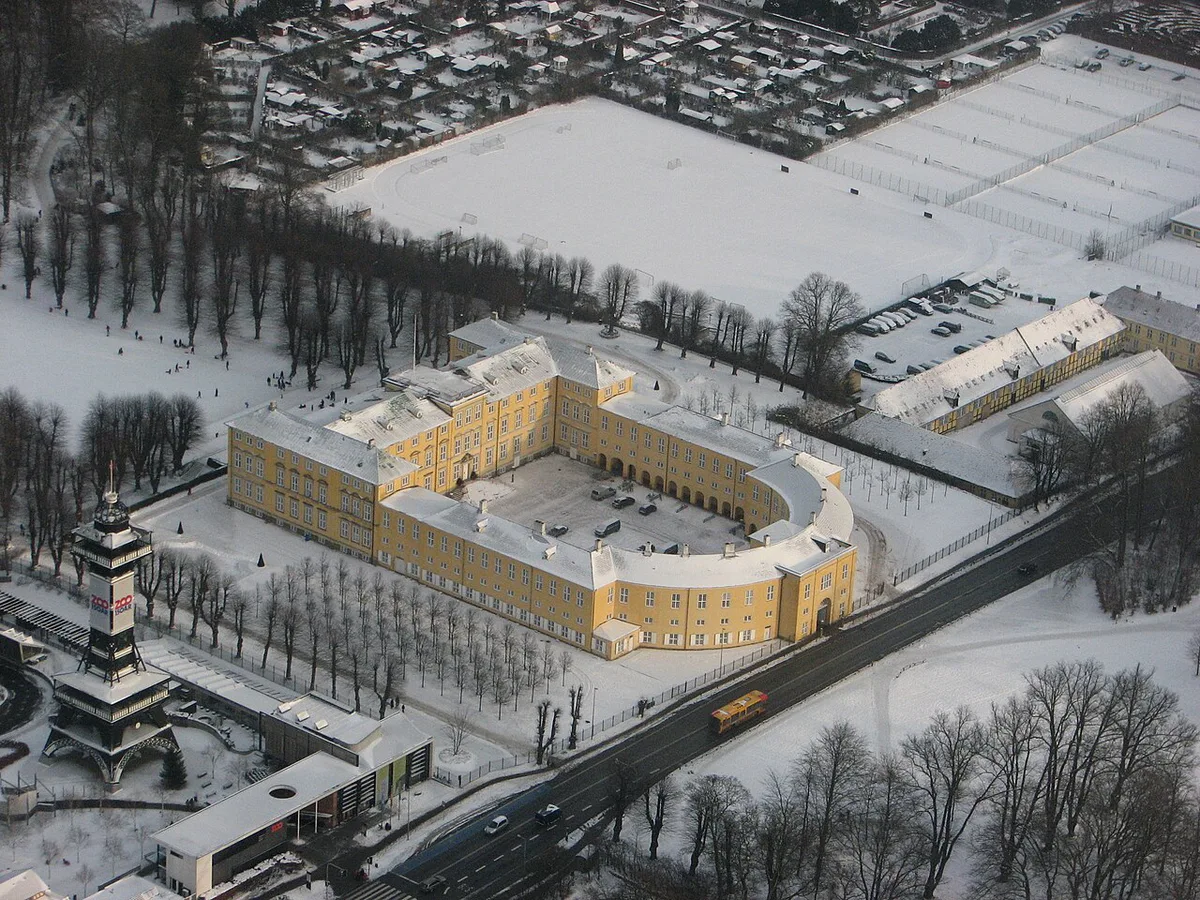
Frederiksberg grew up around a royal palace, and its attractions still reflect that layered history. King Frederik IV built the palace between 1700 and 1703, giving the area its name. The surrounding merchant town then grew from about 1,000 residents in 1770 to roughly 3,000 by 1850. For a deeper look at that backstory, unlock the local story of Frederiksberg before setting out.
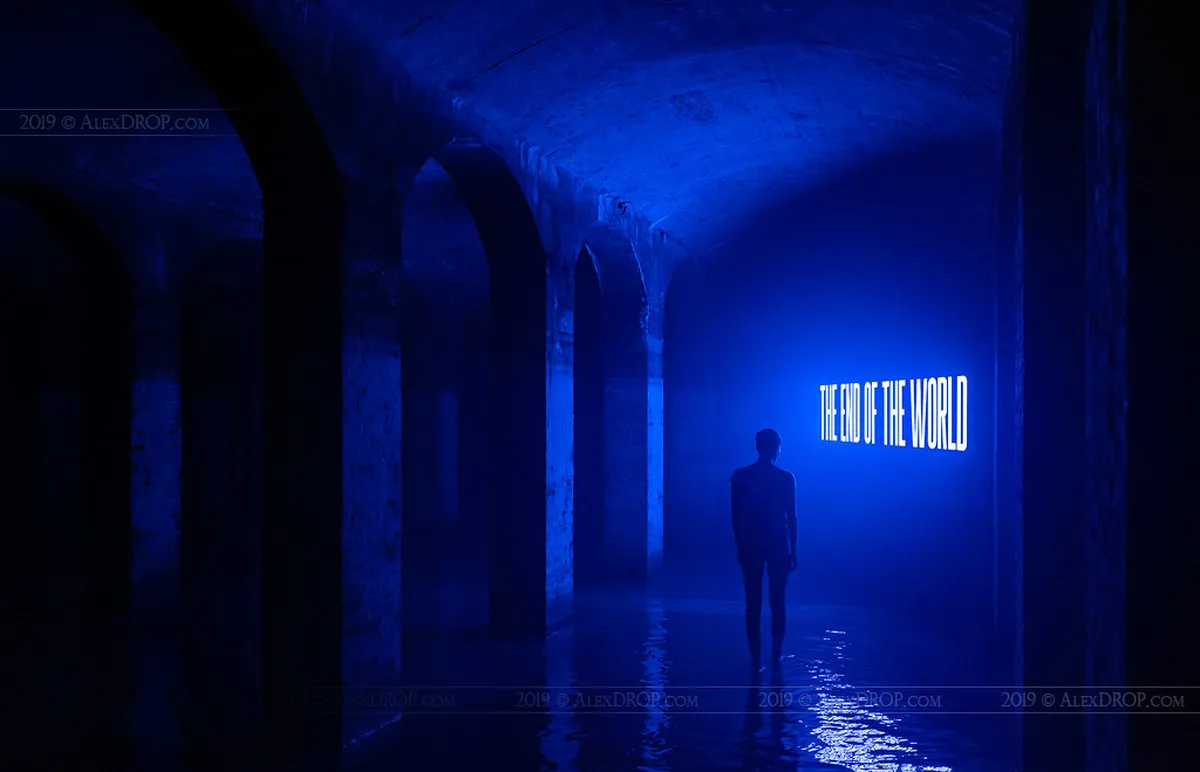
Frederiksberg Gardens forms the green heart of the district, wrapping around the palace on a hill above the city. Nearby, Cisternerne turns a former underground water reservoir into a changing art space beneath Søndermarken park. The Cisternerne Copenhagen guide has more detail on current exhibitions and access. Copenhagen Zoo sits at the western edge of the neighborhood and remains a popular stop for families.
| Attraction | Type | Best For | Cost |
|---|---|---|---|
| Frederiksberg Gardens | Landscaped royal park | Walking, picnics, palace views | Free to enter |
| Cisternerne | Underground art gallery | Art and architecture fans | Check official site |
| Copenhagen Zoo | City zoo | Families with kids | Verify hours and tickets online |
| Frederiksberg Palace | 18th-century palace | Architecture and history fans | Grounds free, interior limited |
| Bakkehuset Museum | Historic home and literary museum | Quiet cultural stop | Small entry fee applies |
Bakkehuset dates back to 1674, making it one of the oldest buildings still standing in the area. It became a museum in 1925 and once served as a meeting point for the Danish Romantic movement. A small recreated garden behind the house adds a quiet stop between the bigger sights.
- Frederiksberg Gardens, the district's green centerpiece
- Type: landscaped royal park
- Best for: walking, picnics, palace views
- Where: beside Frederiksberg Palace
- Cost: free to enter
- Cisternerne, an underground art space
- Type: former water reservoir turned gallery
- Best for: art and architecture fans
- Where: under Søndermarken park
- Cost: check official site for current pricing
- Copenhagen Zoo, a family day out
- Type: city zoo
- Best for: families with kids
- Where: Roskildevej, western Frederiksberg
- Cost: verify hours and tickets online
- Frederiksberg Palace, the neighborhood's namesake
- Type: 18th-century royal palace
- Best for: architecture and history fans
- Where: hilltop above the gardens
- Cost: grounds free, interior access limited
- Bakkehuset Museum, the area's oldest house
- Type: historic home and literary museum
- Best for: a quiet cultural stop
- Where: near Frederiksberg Palace
- Cost: small entry fee applies
A Taste of Frederiksberg: Food and Drink Guide
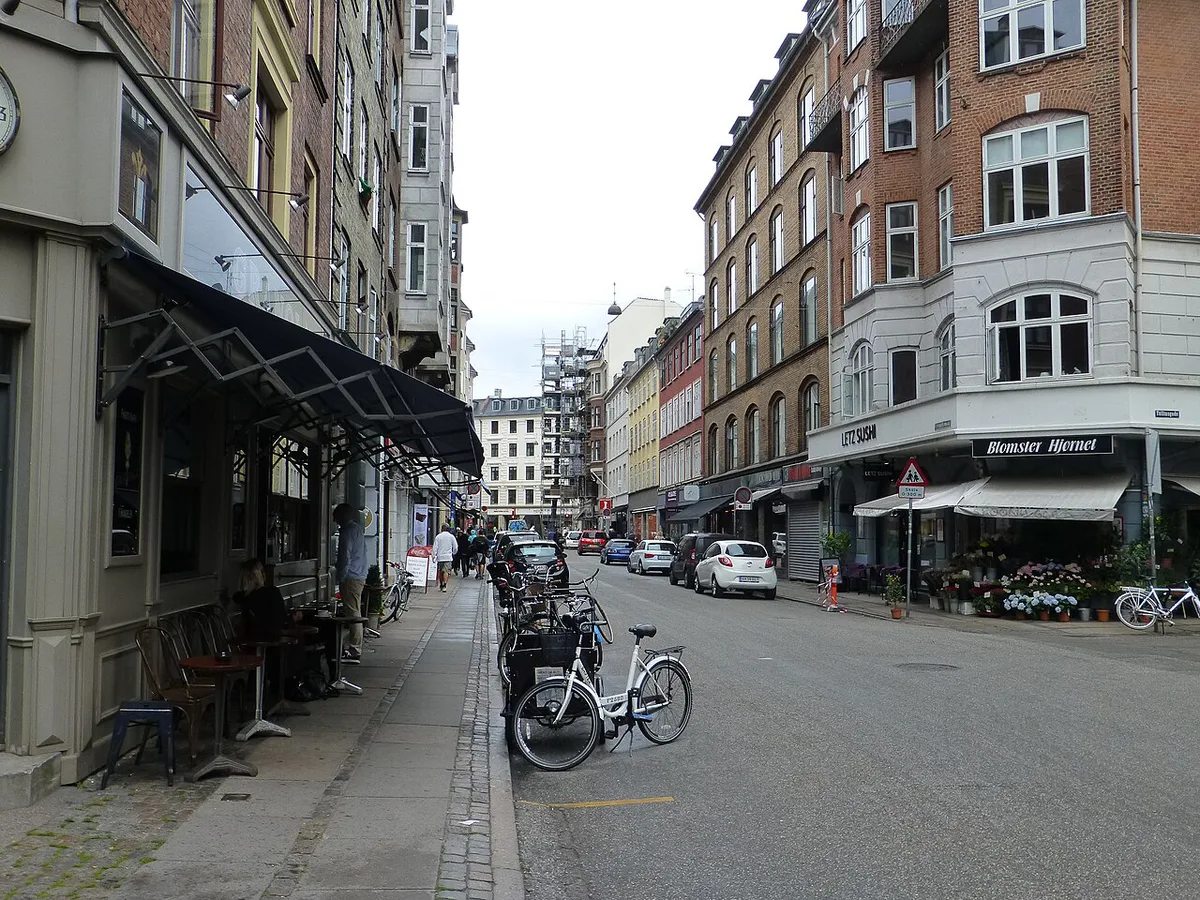
Gammel Kongevej forms the district's main boulevard, lined with cafes, bakeries, and independent shops. A few blocks away, Værnedamsvej has earned the nickname Little Paris for its cobblestones and French-style cafes. The cobbled street's cafe terraces and flower stalls photograph well, and a photo tour of the street gives a preview before visiting. Oysters, wine bars, and small grocers line the block alongside a couple of flower shops.
Anarki, open since December 2015, runs a six-course tasting menu built around small, shareable plates. Dishes have included cod croquettes, plaice crudo with olives, and grilled octopus with pea puree. The restaurant styles itself as dogma-free, mixing Nordic and international techniques on one menu. For more options nearby, this guide to Copenhagen's best local restaurants covers other neighborhood picks.
Along the tree-lined Frederiksberg Alle, Bjørnekælderen (The Bear Cellar) serves smørrebrød with an Asian twist. The cellar has kept its name for around 100 years, reportedly after a local bear-tamer once lived nearby. Its open sandwiches sit on rye bread, often paired with pickled or cured fish.
Frederiksberg Gardens and Outdoor Escapes
Frederiksberg Gardens spreads across rolling lawns, canals, and tree-lined paths around the old palace. Rowboats, small bridges, and quiet benches make it a popular spot for a slow afternoon. Landbohøjskolens Have, a smaller botanical garden nearby, adds a quieter, less-visited green space to the mix.
Just across the Frederiksberg border into Nørrebro, Superkilen Park adds a different kind of outdoor stop. The park's red and black plazas mix global street furniture with skate ramps and open lawn. It pairs well with a Frederiksberg walk, and this Nørrebro neighborhood guide covers it in more depth. Budget roughly 20 to 30 minutes on foot to cross between the two districts.
Weekday mornings tend to keep both parks quieter than weekend afternoons, especially from spring through early autumn. Bring a picnic or grab coffee nearby, since both green spaces have limited on-site food options.
Is Frederiksberg Part of Copenhagen?
Frederiksberg is not administratively part of Copenhagen, despite sitting entirely inside the city's built-up area. It has functioned as its own municipality, with a separate mayor and local council, for generations. Visitors rarely notice any hard boundary, since streets, transit, and neighborhoods flow together without a visible break.
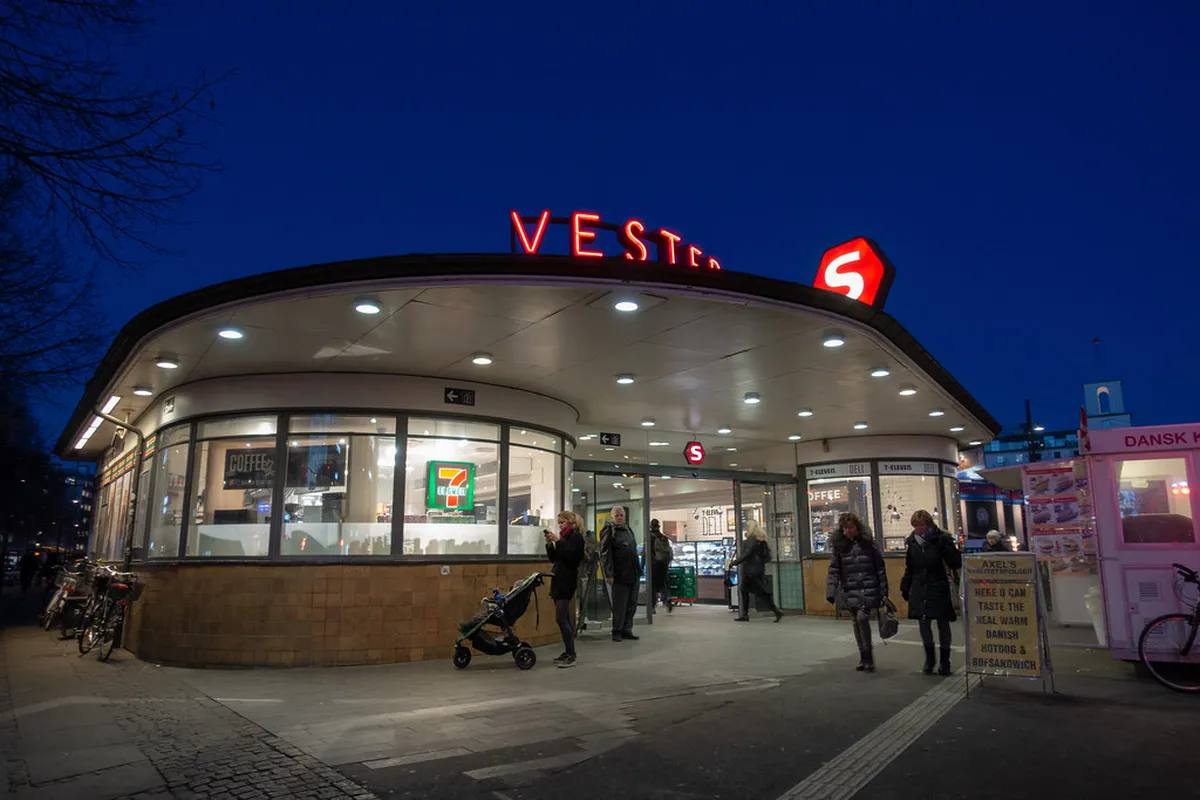
Other formerly independent-feeling districts, like Vesterbro, share a similar local identity within greater Copenhagen. This Vesterbro guide shows how that neighborhood grew a distinct character of its own. Frederiksberg keeps its own postal code and municipal services, which sets it apart on paper more than in daily life.
For travelers, the distinction rarely changes logistics, since Copenhagen's metro and bus tickets cover both areas. Maps and signage treat Frederiksberg as part of the Copenhagen area, even though city hall sits elsewhere. Knowing the municipal split mostly helps explain local pride, not travel planning.
How to Plan a Smooth Frederiksberg Day
Frederiksberg sits a few metro stops from central Copenhagen, with Frederiksberg and Fasanvej stations both inside the district. A Copenhagen travel card covers metro, bus, and local train rides across the district without extra tickets. Walking between the palace grounds, gardens, and Værnedamsvej takes about 15 to 20 minutes at an easy pace.
Visit weekday mornings before 10am for shorter lines at Cisternerne and the zoo. Spring and early autumn bring milder weather and fewer crowds around the district.
A Copenhagen travel card covers metro, bus, and local train rides across Frederiksberg without extra tickets. Walking between major sites takes 15 to 20 minutes at a comfortable pace.
Spring and early autumn tend to bring milder weather and fewer crowds around the gardens and cafes. This guide to visiting Copenhagen without crowds breaks down the quietest months in more detail. Weekday mornings before 10am usually mean shorter lines at Cisternerne and the zoo entrance.
Families on a budget can skip paid sights entirely and still fill a day with the gardens, Værnedamsvej, and Superkilen. Cafes along Gammel Kongevej tend to cost less than similar spots in the historic center. Set aside extra time if visiting with young kids, since the zoo and gardens both invite lingering.
Is Frederiksberg Worth Visiting?
Frederiksberg suits travelers who want a slower, more local feel after a few days in the historic center. Those chasing a packed sightseeing list may find fewer must-see landmarks here than in Indre By. For food-focused travelers or anyone curious about everyday Copenhagen life, the neighborhood earns a half or full day.
A half day covers the gardens, palace grounds, and a coffee stop on Værnedamsvej comfortably. A full day adds Cisternerne, the zoo, and a proper sit-down meal at a spot like Anarki. Travelers with only one day in Copenhagen may prefer to prioritize the historic center over Frederiksberg.
Overall, the neighborhood rewards travelers who value quiet streets and food over checklist landmarks. Pairing it with Vesterbro or Nørrebro on the same trip builds a fuller picture of local Copenhagen.
Museums, Art, and Culture in Frederiksberg
Beyond the palace grounds and Cisternerne, two smaller cultural stops round out a Frederiksberg walk. Møstings Hus, a neoclassical villa built in 1802 near Frederiksberg Runddel, now hosts rotating exhibitions of contemporary Danish art along with occasional talks and literary events; it's a quiet 20 to 30 minute stop that fits naturally between the gardens and Værnedamsvej. Storm P. Museet sits inside Frederiksberg Gardens near the palace and is devoted to Robert Storm Petersen, the Danish cartoonist and humorist known simply as "Storm P.," whose satirical drawings remain part of Danish popular culture. The museum's compact rooms hold original artwork, sculptures, and personal objects, making it a short add-on rather than a full-afternoon visit.
- Møstings Hus: rotating contemporary art exhibitions in a 1802 villa near Frederiksberg Runddel
- Storm P. Museet: cartoons and caricatures by Robert Storm Petersen, inside Frederiksberg Gardens
Both pair well with a gardens-and-palace itinerary and add cultural depth without requiring extra travel time.
For the wider city context, see our complete Copenhagen tourism attractions guide.
Frequently Asked Questions
Is Frederiksberg part of Copenhagen or a separate city?
Frederiksberg functions as its own municipality with a separate mayor, even though it sits fully inside Copenhagen's urban area. Locals treat the split as mostly administrative, since transit, streets, and daily life flow together without a visible border. Travelers can cross between the two areas on the same metro or bus ticket.
Is Frederiksberg worth visiting on a Copenhagen trip?
Frederiksberg is worth visiting for travelers who want a calmer, more local pace after the historic center. A half day covers the palace grounds, gardens, and a coffee stop on Værnedamsvej. Food-focused travelers or repeat visitors to Copenhagen tend to get the most value from a stop here.
Is Frederiksberg safe to visit?
Frederiksberg is widely considered a safe neighborhood, reflecting Copenhagen's reputation as one of Europe's safer capitals. Streets stay well-lit and busy through the evening around Gammel Kongevej and Værnedamsvej. As with any city, keep an eye on belongings in busy cafes and transit stations.
Where is the best food scene in Frederiksberg?
Værnedamsvej and Gammel Kongevej hold the district's strongest concentration of cafes, bakeries, and small restaurants. Anarki and Bjørnekælderen both offer sit-down options with a distinct local style. This Copenhagen Local Food Guide: Where Locals Eat covers more spots across the wider city.
Frederiksberg rewards a slower visit, mixing palace grounds, quiet parks, and an independent food scene. A half day covers the highlights, while a full day allows time for Cisternerne, the zoo, and a proper meal. Spring and early autumn tend to offer the calmest streets and shortest lines.
Pair a Frederiksberg stop with nearby Nørrebro or Vesterbro to round out a fuller picture of local Copenhagen. Confirm current hours and ticket prices for paid sights like Cisternerne and the zoo before setting out. With a bit of planning, Frederiksberg makes an easy, worthwhile add-on to any Copenhagen itinerary.
Continue exploring
More guides you'll find useful