Vesterbro Copenhagen Guide: What to Know Before You Go
This Vesterbro Copenhagen guide covers top sights, food streets, hidden gems, safety tips, and the best time to plan your neighborhood visit in 2026.
On this page
Vesterbro Copenhagen Guide to Local Life
This Vesterbro Copenhagen guide covers the district right behind Copenhagen Central Station. Once the city's red-light quarter, Vesterbro now draws visitors with converted markets, coffee bars, and quiet parks. Culture Trip has called Vesterbro a “hipster” neighborhood, and the label mostly holds up. Budget at least half a day here to see why locals rarely leave.
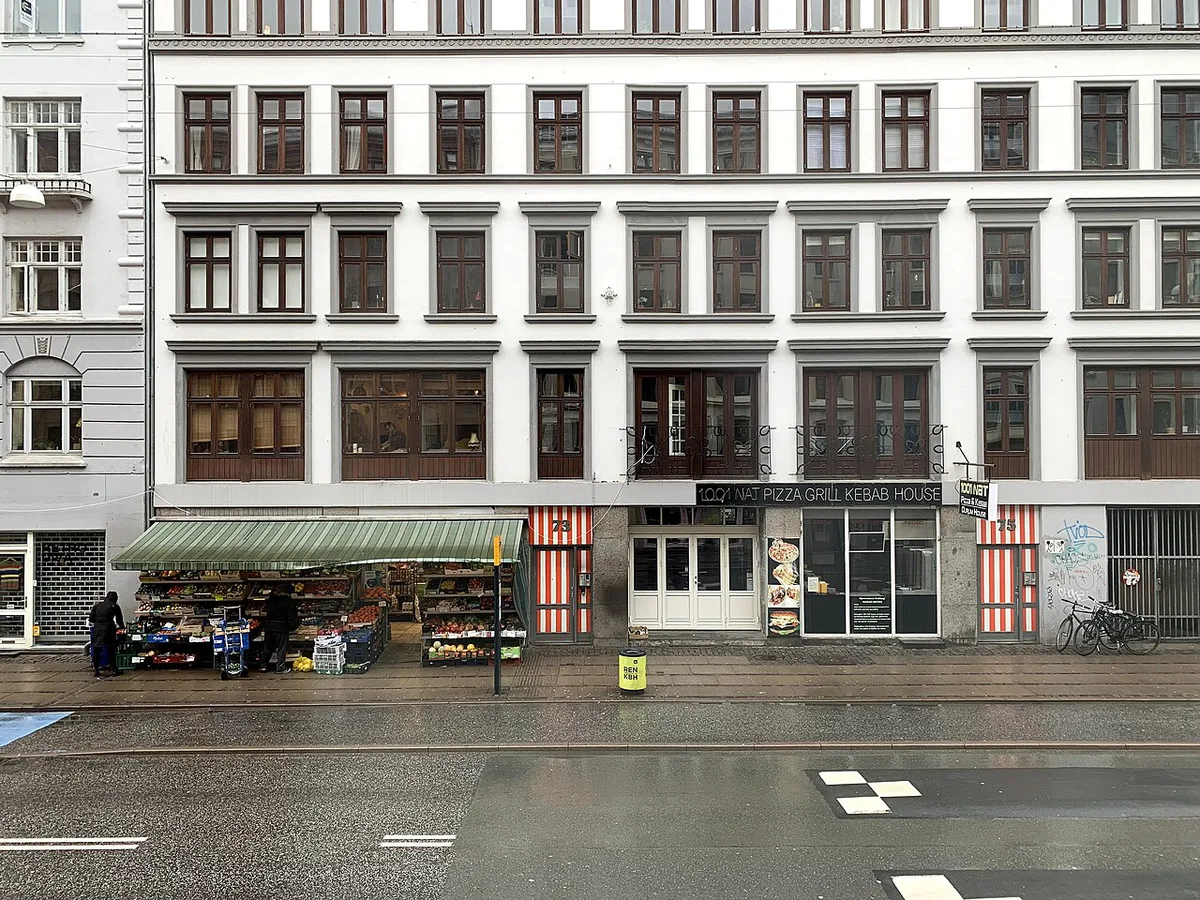
Expect winding streets, five-story apartment blocks, and a genuinely local pace once you step off Istedgade. The neighborhood blends a working-class past with a design-forward present, and both sides still show. This guide breaks down what to do, where to eat, and when it makes sense to visit.
Vesterbro Copenhagen Guide to Top Things to Do
Start at the Meatpacking District, known locally as Kødbyen, a cluster of converted slaughterhouse buildings. Working butchers still share the block with restaurants, galleries, and late-night bars. White-tiled facades and cobbled lanes give the area a rough, industrial charm that feels distinct from central Copenhagen.
Istedgade runs through the heart of Vesterbro and mixes independent shops with coffee roasters and global food stalls. Near the station, older signage still hints at the street's history, which Visit Copenhagen covers in more depth. A few blocks south, Sønder Boulevard offers a revamped strip of green space added in 2017 for walking and people-watching.
| Attraction | Type | Best For | Where | Cost |
|---|---|---|---|---|
| Kødbyen | Converted industrial food hub | Dinner and nightlife | South of Istedgade | Free to walk through |
| Istedgade | Main commercial street | Coffee and indie shops | Runs from Central Station | Free to explore |
| Sønder Boulevard | Linear park | Relaxing, people-watching | Parallel to Istedgade | Free |
| Ny Carlsberg Glyptotek | Art museum | Ancient and 19th-century art | Edge of Vesterbro | Check current ticket price online |
For culture, the Ny Carlsberg Glyptotek houses ancient and 19th-century art inside a striking domed building. Nearby, the Tycho Brahe Planetarium adds a science-focused stop for an easy half-day combination. These sights sit alongside plenty of 10 Unique Things to Do in Copenhagen (2026) beyond the neighborhood itself.
- Kødbyen, the Meatpacking District
- Type: converted industrial food hub
- Best for: dinner and nightlife
- Where: south of Istedgade
- Cost: free to walk through
- Istedgade shopping and cafe street
- Type: main commercial street
- Best for: coffee and indie shops
- Where: runs from Central Station
- Cost: free to explore
- Sønder Boulevard green strip
- Type: linear park
- Best for: relaxing, people-watching
- Where: parallel to Istedgade
- Cost: free
- Ny Carlsberg Glyptotek museum
- Type: art museum
- Best for: ancient and 19th-century art
- Where: edge of Vesterbro
- Cost: check current ticket price online
Hidden Gems and Local Favorites in Vesterbro
Folkehuset Absalon turns a former church into a community house with communal dinners and ping-pong tables. Locals gather here for affordable shared meals, and visitors are welcome to join the same tables. The atmosphere leans toward Danish hygge more than any polished restaurant nearby.
Café Dyrehaven keeps a mid-century diner look, with wood paneling that feels pulled from an older Vesterbro. A short walk away, Skydebanehaven hides behind residential buildings as a quiet pocket park. It includes a children's wading pool in summer, making it a practical stop for families needing a break.
These spots reward a slower pace rather than a checklist approach to sightseeing. Plan for detours rather than a fixed route, since the best finds sit off the main streets. For more low-key options, this Hidden Gems in Copenhagen: Travel Guide guide covers additional spots citywide.

Vesterbro Copenhagen Guide: Worth It and Safety
Vesterbro suits travelers who want food, nightlife, and design without leaving downtown Copenhagen behind. Give it a half day if time is tight, or a full day to add the Glyptotek and a proper meal. It fits couples, foodies, and design fans better than travelers chasing classic postcard sights like Nyhavn.
Vesterbro is generally considered a safe area for tourists, day or night. Istedgade near the station still carries a small red-light presence, though it is far quieter than decades ago. Standard city precautions apply: stick to lit streets late at night and keep an eye on belongings in busy bars.
Compare it against quieter picks if crowds are a concern on your trip. Sønder Boulevard already offers a calmer pace than Istedgade during peak evening hours. For an even slower alternative, this Off the Beaten Path in Copenhagen Travel Guide guide lists options away from the main crowds.
Living in Vesterbro: Food, Coffee, and Local Life
Around 70,000 residents call Vesterbro home, drawn by its mix of students, families, and longtime locals. Small winding streets and five-story apartment blocks give the area a scale that feels walkable rather than sprawling. Roughly a quarter of residents come from outside Denmark, which shows up in the range of restaurants nearby.
Værnedamsvej, often nicknamed Little Paris, packs cheese shops, wine bars, and bistros into one short block. Kødbyen adds seafood and Mexican-style spots run by chefs with backgrounds at some of the city's better-known kitchens. For a broader spread of options, check this Copenhagen Local Food Guide: Where Locals Eat before booking a table.
Coffee culture runs deep here, with roasters clustered around Kødbyen and Istedgade. Carlsberg Byen, the former brewery site, now mixes apartments, parks, and a few restaurants worth a short detour. Expect this pocket to feel quieter than central Vesterbro, since much of it is still filling in with new residents.
How to Plan Your Vesterbro Visit
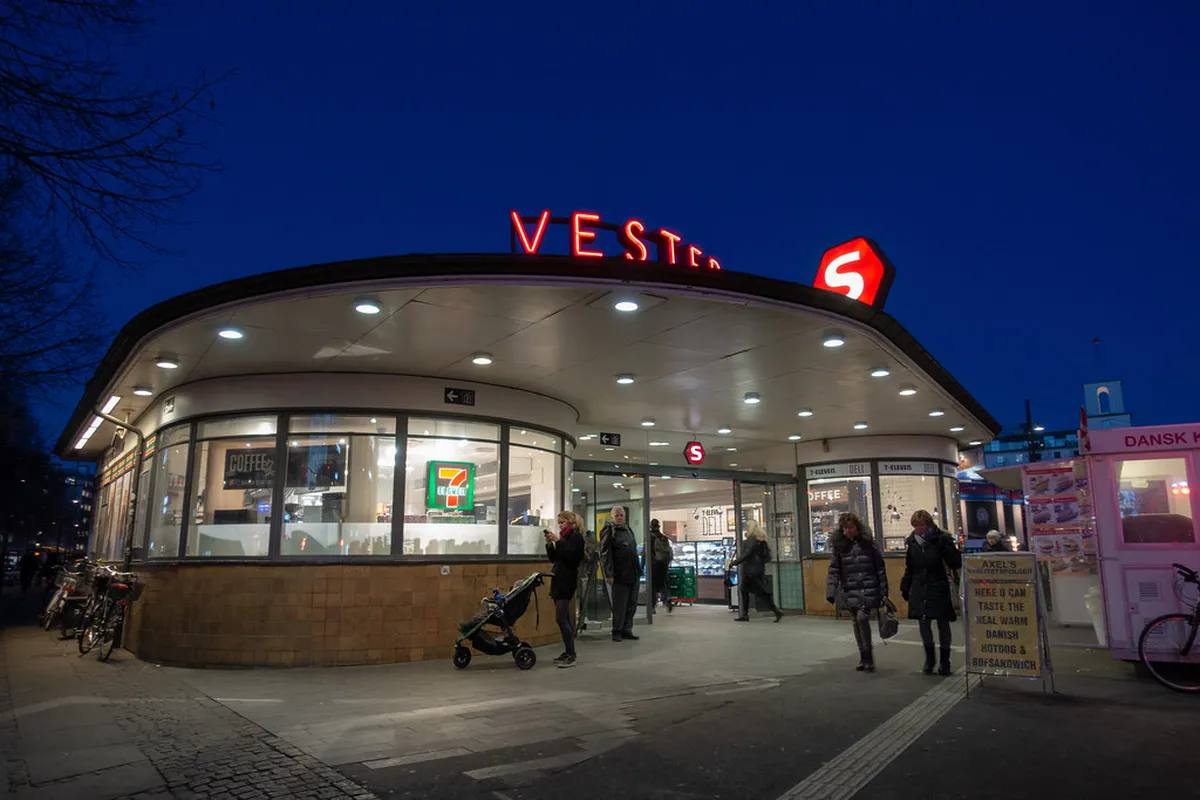
Vesterbro sits directly behind Copenhagen Central Station, so most visitors arrive on foot in minutes. Central station connects to metro, S-train, and regional lines, making the neighborhood an easy first or last stop. Biking is common too, with most of downtown Copenhagen reachable in under fifteen minutes by bike.
Sønder Boulevard and Skydebanehaven feel best in warmer months, May through September. Winter works well for museums and indoor dining, but outdoor spaces feel less appealing during colder months.
Book Kødbyen dinner at least a few days ahead on weekends, since tables fill quickly. Weekday afternoons keep Kødbyen and Istedgade calmer, with weekend evenings drawing the biggest crowds.
Weekday afternoons keep Kødbyen and Istedgade calmer, since weekend evenings draw the biggest crowds. Sønder Boulevard and Skydebanehaven feel best in warmer months, roughly May through September. If crowds matter more than weather, this Best Time to Visit Copenhagen Without Crowds Guide guide helps with broader timing.
Book dinner in Kødbyen at least a few days ahead on weekends, since tables fill quickly. Museum hours shift seasonally, so confirm the Glyptotek's schedule on its official page before visiting. A common mistake is rushing through in under an hour. Vesterbro rewards a slower, wandering pace instead.
The History of Vesterbro
Vesterbro took shape in the second half of the 19th century, when Copenhagen outgrew its old fortification walls and needed housing for a growing industrial workforce. Developers threw up dense rows of five-story tenements at speed, often with little regard for light or space, to house factory hands and brewery workers employed at Carlsberg, whose original brewery still anchors the district's western edge. That rapid, working-class build-out is why the streets still feel narrow and tightly packed compared to Copenhagen's grander boulevards.
By the mid-20th century, the area had slid into decline, and Istedgade near the station became known for prostitution, drugs, and cheap bars through the 1970s and 1980s. The turnaround began gradually in the 1990s as rents drew students and young families, then accelerated once Kødbyen's old slaughterhouse buildings were leased out to restaurants, galleries, and clubs starting in the early 2000s. Carlsberg's brewery closed its Vesterbro production in 2008, freeing the site for the Carlsberg Byen redevelopment now filling in with housing and parks.
Frequently Asked Questions
Is Vesterbro a good area to visit in Copenhagen?
Yes, Vesterbro ranks among Copenhagen's most walkable neighborhoods for food, coffee, and nightlife. It sits minutes from Central Station and mixes historic streets with newer restaurants. Compare it with the Nørrebro Copenhagen guide if you want a quieter, more residential alternative.
Is it safe to go to Vesterbro at night?
Vesterbro is generally safe at night, including around Kødbyen and Istedgade. The area's red-light history has faded, though a small presence remains near the station. Stick to well-lit streets and keep valuables secure, as in any busy nightlife district.
What is Vesterbro known for?
Vesterbro is known for Kødbyen's converted meatpacking buildings, Istedgade's shops and cafes, and its shift from red-light district to design-forward neighborhood. Sønder Boulevard and the Carlsberg Byen area add green space and history to the mix. Both areas reward an extra hour beyond the main streets.
What is the best time to visit Vesterbro?
Weekday afternoons offer the calmest visit, since weekend evenings bring the largest crowds to Kødbyen and Istedgade. Warmer months between May and September suit Sønder Boulevard and outdoor cafes best. Winter still works well for museums and indoor dining.
How do you get from Vesterbro to central Copenhagen?
Vesterbro borders central Copenhagen directly, so walking from Central Station takes only a few minutes. Metro and S-train lines run through the station for longer trips across the city. Most of downtown is also reachable by bike in under fifteen minutes.
Vesterbro rewards visitors who trade a packed checklist for a slower wander through converted markets and quiet parks. A half day covers the highlights, while a full day adds the Glyptotek and a proper Kødbyen dinner. Either way, the neighborhood shows a side of Copenhagen that postcard sights rarely capture.
Pair a Vesterbro visit with a stop next door, since the neighborhood borders Frederiksberg's parks and palace grounds. This Frederiksberg Copenhagen Guide: Local Neighborhood Tips covers that adjacent area in more detail for a combined day out. Start early, book dinner ahead on weekends, and let Vesterbro's side streets set the pace.
Continue exploring
More guides you'll find useful