Nørrebro Copenhagen Guide: Neighborhood Highlights
Explore this Nørrebro Copenhagen guide to the district's top sights, food, hidden gems, and easy transport tips for planning your visit today.

On this page
Your Nørrebro Copenhagen Neighborhood Guide
Nørrebro sits just north of central Copenhagen, across Queen Louise's Bridge from the historic center. This Nørrebro Copenhagen guide covers the district's top sights, food scene, and hidden corners. Locals call it the city's most multicultural neighborhood, and the energy shows on every block.
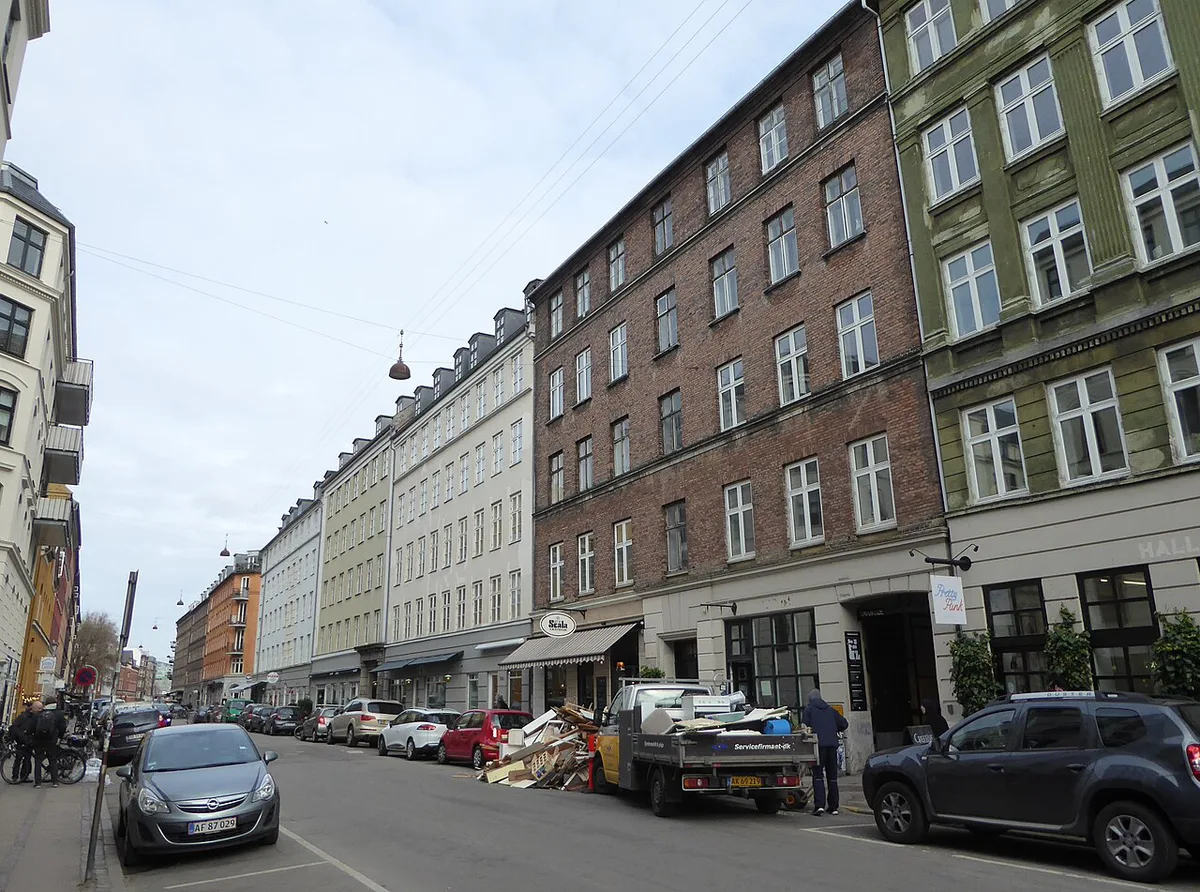
Expect brick apartment blocks, packed bike lanes, and cafes spilling onto the sidewalk in every season. Around 80,000 residents live here, making it one of Copenhagen's most densely populated districts. The sections below cover what to see, eat, and skip for a smooth visit.
Nørrebro Copenhagen Guide: Local Character
Nørrebro built its reputation as Copenhagen's most multicultural district over several decades. More than 55 nationalities live within its borders, and the mix shows in the shopfronts along Nørrebrogade. Roughly a quarter of residents trace their background outside Denmark, giving the streets a distinctly global feel.
More than 55 nationalities live within Nørrebro's borders, with roughly a quarter of residents from outside Denmark. This cultural diversity shapes shopfronts along Nørrebrogade and creates the district's distinctly global atmosphere.
Before 1852, the area was farmland outside the old city walls. Once building restrictions lifted, workers moved in fast and the population eventually peaked near 125,000. The district kept a rebellious streak through the 1980s, when squatters and police clashed repeatedly. That same spirit still shapes Nørrebro's independent shops and grassroots art scene today.
Daily life here centers on cafe culture, with patios busy year-round thanks to heated blankets and hygge habits. Young adults, students, and small families make up most of the population. For a wider view of the city's districts, the Copenhagen Neighborhoods Guide: Best Areas for 2026 compares Nørrebro against its neighbors.
Top Things to Do in Nørrebro
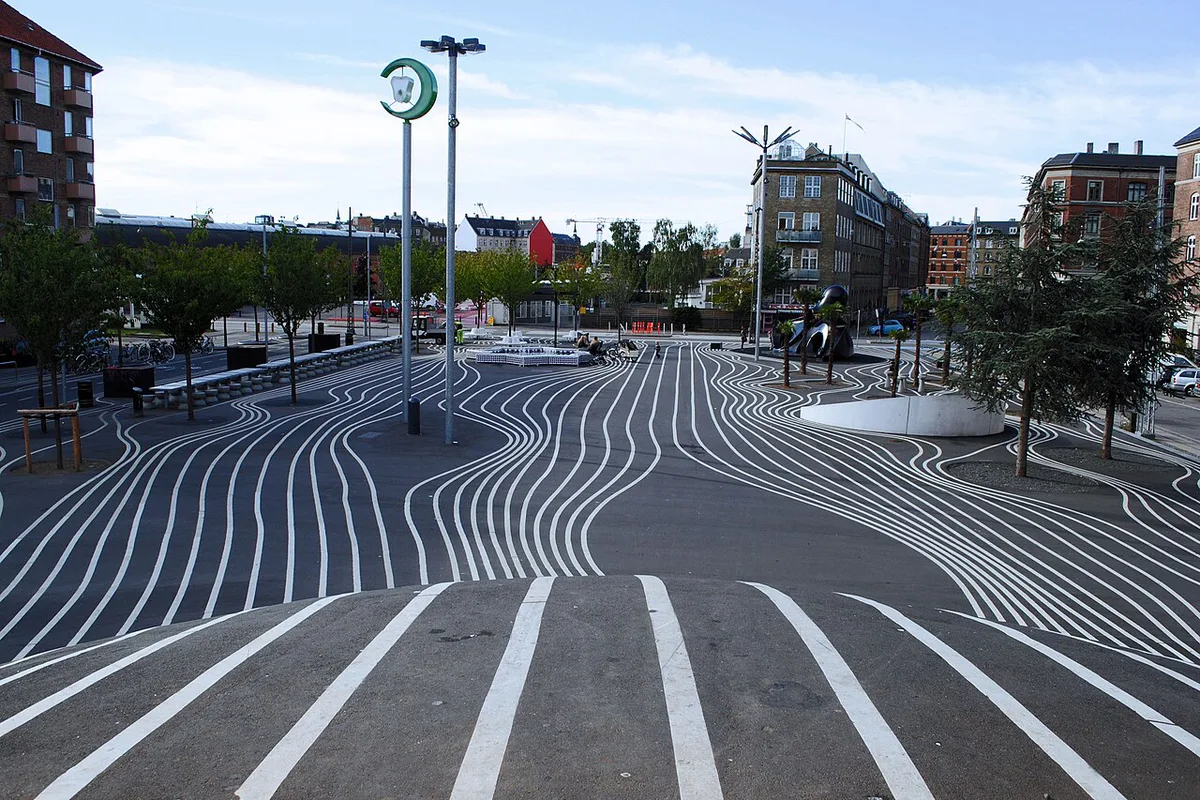
Superkilen park stretches through central Nørrebro as an open-air showcase of global design. Architects at Bjarke Ingels Group filled it with objects from more than 60 countries, including neon signs and playground gear. Expect bike paths, ping pong tables, and basketball courts spread across three color-coded zones.
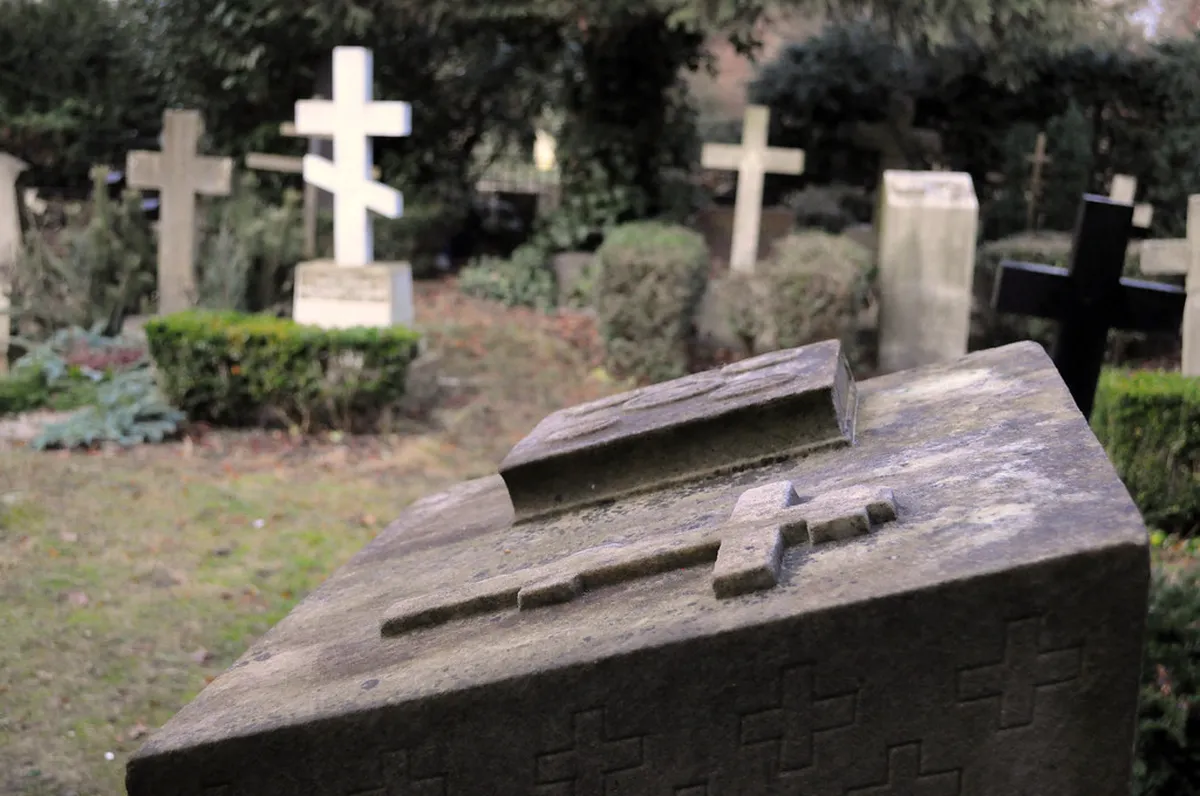
The Assistens Cemetery dates back to the 18th century and doubles as one of Nørrebro's favorite parks. Hans Christian Andersen is buried among its shaded paths, alongside other notable Danes. Locals picnic and sunbathe here on warm afternoons, so don't be surprised to see blankets spread near the headstones.
Jægersborggade packs independent shops, galleries, and coffee roasters into a few pedestrian-friendly blocks. Nearby, the Copenhagen Lakes offer a roughly 6.5-kilometer loop that's popular for a jog or an evening walk. About 40,000 cyclists cross Queen Louise's Bridge daily, making it one of the busiest bike routes in the city. Rent a bike for an hour or two to string these spots together at a relaxed pace.
Why Nørrebro Is Copenhagen's Coolest District
Time Out Magazine named Nørrebro the world's coolest neighborhood in 2021, and the honor still shapes its reputation. Judges pointed to the district's mix of cultures, independent businesses, and street-level creativity. That recognition brought more visitors, but the core character of cheap eats, loud bikes, and real neighborhoods has held steady.
Nørrebro suits travelers who want an authentic, lived-in district rather than a polished tourist strip. Budget travelers benefit most, since street food and casual cafes cost noticeably less than the city center. Visitors with only a few hours in Copenhagen may prefer Nyhavn or Tivoli instead, since Nørrebro rewards a slower pace. Plan at least half a day here to fit in a park, a meal, and a browse through the shops.
Is Nørrebro worth the detour from central Copenhagen? For travelers who enjoy food, design, and street life, the answer is yes. Those seeking postcard landmarks might stick closer to the harbor instead.
Where to Eat and Drink in Nørrebro
Nørrebro's dining scene ranges from cheap eats to Michelin-recognized tables. Kiin Kiin holds a Michelin star for modern Thai cooking, a rarity outside Thailand itself. For something lighter, Grød serves warm porridge bowls a few doors down from Jægersborggade's galleries.
Silberbauers Bistro leans into French classics and seafood, while Paesàno covers modern Italian plates. Baka d'Busk focuses on plant-based fine dining for travelers skipping meat entirely. BRUS pours craft beer in a converted brewery setting that stays busy into the evening. For a deeper dive into local dishes citywide, the Copenhagen Local Food Guide: Where Locals Eat rounds up more neighborhood picks.
Coffee runs deep here, and quality usually beats aesthetics in Nørrebro's cafes. The Coffee Collective on Jægersborggade roasts its own beans and sources them through direct trade. Andersen & Maillard pairs house-roasted coffee with pastries worth the short wait in line.
Hidden Gems and Local Spots in Nørrebro
Beyond the well-known spots, Nørrebro hides a handful of quieter corners worth seeking out. These places rarely appear in quick day-trip itineraries, which keeps them relatively calm even in peak season. For more citywide picks beyond this district, the Hidden Gems in Copenhagen: Travel Guide guide covers additional low-key spots.
Weekend flea markets appear along Assistents Cemetery walls during warmer months, from spring through early fall. Saturday mornings offer the best selection of vintage clothing and vinyl before crowds build.
Blågårdsgade stands out as a pedestrian street lined with second-hand shops and small galleries. Folkets Park carries a history of grassroots activism, and its murals change often enough to reward repeat visits. Locals treat both spots as everyday hangouts rather than attractions, so keep noise and crowds respectful.
For skyline views without the crowds, head to the viewing floor near the top of the Maersk Tower. Weekend flea markets pop up along the Assistens Cemetery walls in warmer months, usually spring through early fall. Arrive early on Saturday mornings for the best selection of vintage clothing and vinyl.
- Blågårdsgade pedestrian shopping street
- Type: quiet local street
- Known for: vintage shops, small galleries
- Best for: slow browsing, fewer tourists
- Folkets Park community green space
- Type: neighborhood park
- Known for: murals, activist history
- Best for: free afternoon downtime
- Kapelvej 44 arts community center
- Type: local arts venue
- Known for: graffiti, small exhibits
- Best for: quick cultural detour
- Maersk Tower viewing floor
- Type: rooftop viewpoint
- Location: near 15th floor
- Best for: skyline photos, fewer crowds
- Weekend flea markets near Assistens Cemetery
- Type: seasonal outdoor market
- Timing: weekends, warmer months
- Best for: vintage clothing, vinyl finds
Getting to Nørrebro and Planning Your Visit
From Copenhagen Airport, take the Metro to Nørreport Station, a ride of about 15 minutes. From there, walk across Queen Louise's Bridge to reach central Nørrebro in a few more minutes. Buses and bike-share docks also serve the district well, so a rental car is rarely necessary.
Assistens Cemetery and Superkilen stay open to the public daily, generally from early morning to dusk. Exact hours and seasonal closures can shift, so confirm current details on the official Nørrebro page before visiting. Most shops on Jægersborggade open late morning and close by early evening, with later hours for bars and restaurants.
Travelers who like a story-driven angle can try a self-guided audio walk of Nørrebro instead of a fixed itinerary. It layers local history and neighborhood trivia over a walking route through the district's main streets. For a neighboring contrast, the Vesterbro guide covers a similarly hip but different district southwest of downtown.
Østerbro sits just east of Nørrebro and trades grit for a quieter, greener pace. It suits travelers who want parks and residential calm after a busy day in Nørrebro. Check the Østerbro guide for specific parks, cafes, and family-friendly routes nearby.
Nørrebro Nightlife: Bars and Live Music
Nørrebro's nightlife centers on Elmegade, a short street lined with bars, boutiques, and cafes that shift from coffee stops by day to a busy bar strip after dark. It draws a mostly local, student-heavy crowd rather than the tourist-heavy Meatpacking District bars in Vesterbro. Rust, a live-music venue and nightclub on Guldbergsgade, hosts concerts and DJ nights across several rooms and stays one of Copenhagen's best-known spots for live acts outside the mainstream. Blågårds Plads, the square near Blågårdsgade, gets busy with an outdoor drinking crowd on warm evenings, spilling out from nearby bars.
- Elmegade: bar-hopping street, casual crowd, walk from Assistens Cemetery
- Rust: live music and club nights on Guldbergsgade
- Blågårds Plads: outdoor evening hangout near Blågårdsgade
Most bars open by early evening and get busy after 10 p.m., especially Thursday through Saturday. Nørrebro's nightlife runs quieter and cheaper than downtown, fitting the neighborhood's laid-back, residential character.
Frequently Asked Questions
Is Nørrebro a good area to visit in Copenhagen?
Yes, Nørrebro works well for travelers who want food, design, and street life over polished landmarks. Expect a multicultural, densely populated district with parks, cafes, and independent shops. Budget at least half a day to see the highlights without rushing.
What is there to see in Nørrebro, Copenhagen?
Top picks include Superkilen park, Assistens Cemetery, and the shops along Jægersborggade. Superkilen mixes design objects from over 60 countries across three color-coded zones. Assistens Cemetery doubles as a park where locals picnic near historic graves. Plan roughly two hours to cover all three at a relaxed pace.
Why is Nørrebro known as Copenhagen's coolest neighborhood?
Time Out Magazine named Nørrebro the world's coolest neighborhood in 2021, citing its cultural mix and creative energy. The district blends independent businesses, street art, and a multicultural population. That reputation has held steady even as more visitors arrive each year.
How do you get to Nørrebro from central Copenhagen?
Take the Metro to Nørreport Station, then walk across Queen Louise's Bridge into Nørrebro. The crossing takes only a few minutes on foot or by bike. Buses and bike-share docks also connect the district well, so a car is rarely needed.
Is Nørrebro worth pairing with a day trip from Copenhagen?
Nørrebro fits naturally into a city-based itinerary, and many travelers pair it with time beyond the capital. Check the 10 Best Day Trips From Copenhagen (2026 Guide) guide for options that combine well with a Nørrebro morning or afternoon. Plan transport time carefully, since some day trips take most of a day.
Nørrebro rewards travelers who want real neighborhood life instead of a checklist of landmarks. Between Superkilen's global design, Assistens Cemetery's quiet paths, and Jægersborggade's food scene, a half day here fills up fast. Pair an early metro ride with a relaxed afternoon, and the district's rhythm will do the rest.
Continue exploring
More guides you'll find useful