Copenhagen Local Food Guide: Where Locals Eat
Use this Copenhagen local food guide to find real smørrebrød, food halls, coffee culture, and Michelin picks with 2026 prices and hours before you go.

On this page
Your Copenhagen Local Food Guide to Real Eats
Copenhagen has grown into one of Northern Europe's most rewarding food cities for travelers. This copenhagen local food guide focuses on what locals actually order, not just tourist menus. Expect open-faced sandwiches, buzzing food halls, serious coffee, and a few Michelin surprises.
Prices swing widely across the city, from casual street stalls to formal tasting menus. Planning around neighborhoods, meal times, and a rough budget makes the food scene far easier to navigate. The sections below break down where to eat, what to order, and how much to expect to pay.
Does Copenhagen Have a Good Food Scene?
Copenhagen is home to more than a dozen Michelin-starred restaurants, alongside a strong casual dining scene. Danish cooking leans on seasonal, locally sourced ingredients rather than heavy sauces or elaborate plating. That approach shows up everywhere, from a rye-bread sandwich stall to a tasting menu kitchen.
Traditional dishes like smørrebrød and frikadeller sit next to modern takes from chefs trained at Noma-linked kitchens. Several well-known chefs left fine-dining kitchens to open casual taquerias, fried chicken counters, and coffee bars instead. That mix of formal and casual is part of what makes eating here feel distinctly local.
Food quality stays consistently high, but the scene rewards travelers who plan meals around neighborhoods and timing. Weekday lunch sittings and food halls tend to move faster than weekend dinner reservations at popular spots. Booking a table a few days ahead is a reasonable habit for dinner at well-reviewed restaurants. Walk-in counters and street food stalls stay far more flexible for spontaneous plans.
Must-Try Danish Foods and Street Eats
Smørrebrød remains the essential order for a first Copenhagen meal, an open-faced rye sandwich piled with toppings. Common versions include pickled herring, roast pork, or shrimp, layered with pickles, herbs, and dressings. Food markets and dedicated smørrebrød counters usually serve it fastest and freshest around midday.
Frikadeller, pan-fried pork and veal meatballs, show up on nearly every casual Danish menu. They typically come with boiled potatoes, gravy, and pickled red cabbage for a hearty, budget-friendly plate. Hot dog carts scattered around the city center offer another cheap, quick option between sightseeing stops.
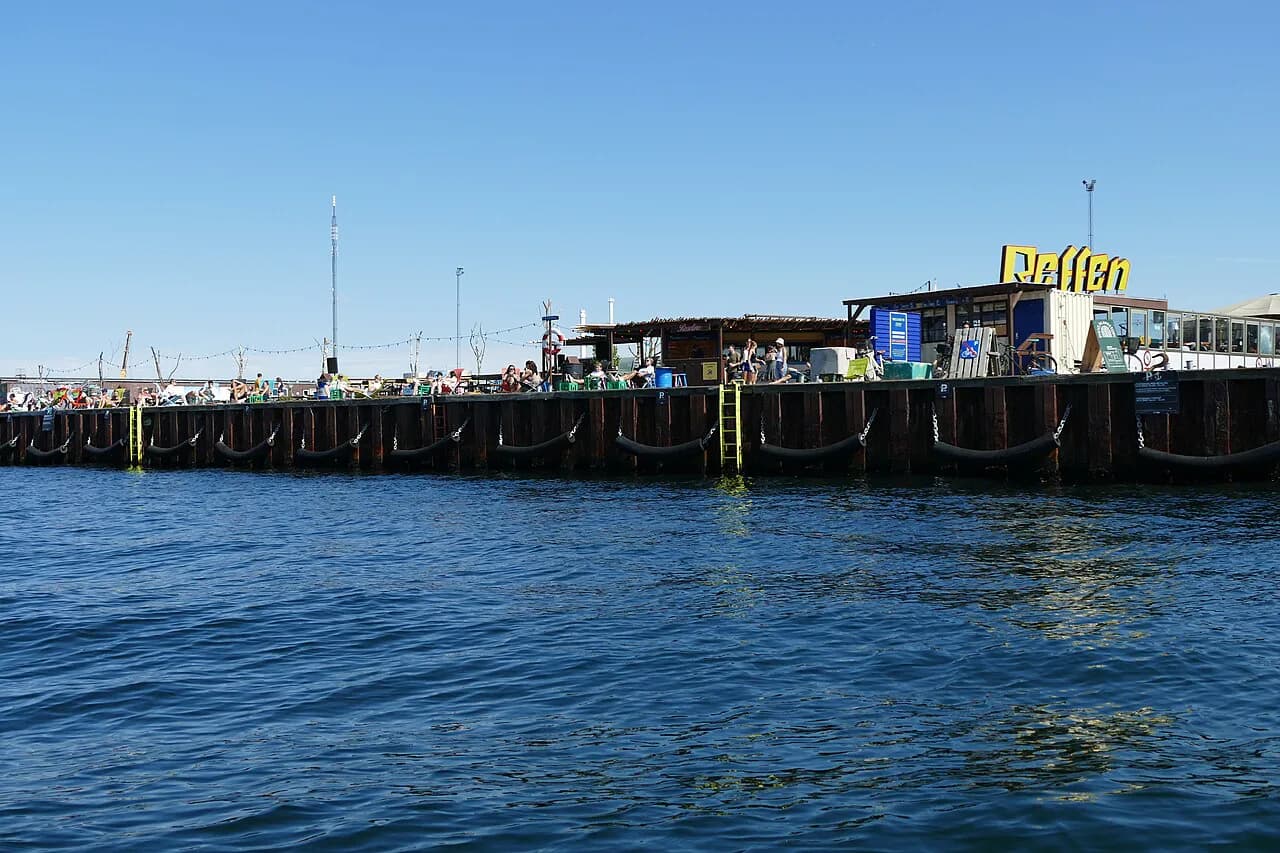
Street food halls have become a major part of how locals eat, especially in warmer months. Reffen, a harborside food market in a former shipyard, gathers dozens of stalls covering everything from Danish classics to global street food. The Reffen food market guide covers stall picks, seating, and seasonal opening months in more detail. Expect casual pricing here compared to sit-down restaurants, with most dishes sized for sharing.

Best Neighborhoods for Local Food
Nørrebro has become a favorite for chef-approved casual food, from fried chicken sandwiches to small natural wine bars. Poulette, a fried chicken counter in this neighborhood, keeps a short menu of two sandwiches served on brioche buns. The Nørrebro neighborhood guide has more spots worth walking to nearby.
Neighborhood choice shapes dining access nearly as much as restaurant selection. Nørrebro offers fried chicken counters and wine bars; Vesterbro suits evening food crawls. Comparing neighborhoods before booking can determine how much walking a food-focused trip involves.
Vesterbro pairs a lively bar scene with a growing list of casual bistros and coffee shops. The neighborhood works well for an evening food crawl that mixes small plates with a drink or two. Christianshavn, with its canals and quieter streets, suits a slower lunch or brunch pace instead.
Torvehallerne, the city's main indoor food market, brings dozens of vendors under one roof near Nørreport station. Expect fresh produce, cheese counters, seafood stalls, and prepared smørrebrød all within a short walk of each other. Comparing neighborhoods before booking a hotel can shape how much walking a food-focused trip involves. The Copenhagen Neighborhoods Guide: Best Areas for 2026 breaks down which areas suit food-focused stays best.
Winter visits pair well with hearty comfort food, since many stalls lean into warming soups and mulled wine. Cold-season trips often overlap with the citywide Copenhagen Light Festival, which adds evening atmosphere near several food halls. Checking the festival calendar before booking can turn a food-focused evening into a fuller night out.
Coffee Culture and Bakery Stops
Coffee plays a serious role in daily life here, closer to a ritual than a quick caffeine stop. Coffee Collective, with several locations around the city, focuses on carefully sourced and roasted beans. Its pour-over method highlights the more delicate, nuanced flavors in each batch of beans.
Original Coffee sits directly on the tourist route between Kastellet and Nyhavn, handy for a midday break. It offers to-go cups, which is not always common at smaller Copenhagen coffee bars. Roast, closer to the university area, tends to draw a steady line for its espresso.
Bakeries are just as central to the food scene as coffee bars, especially for breakfast. Buttery pastries and cinnamon rolls show up on nearly every corner near the city center. Pairing a bakery stop with a coffee order is a simple, inexpensive way to start the day. Most bakery counters open early, well before typical restaurant breakfast service begins.
Fine Dining, Michelin Stars, and Budgets
Copenhagen carries more Michelin recognition than most cities its size, spread across a range of price points. The Michelin-starred dining spots in Copenhagen list covers current selections and award levels for planning ahead. Booking these tables well in advance is standard practice, especially for weekend dinner slots.
Reserve Michelin-starred tables well in advance, particularly for weekend dinners. Weekday lunch sittings and food halls typically move faster than weekend dinner reservations. Walk-in counters and street-food stalls remain more flexible for spontaneous dining.
| Dining Tier | Price Range | Where to Find | Best For |
|---|---|---|---|
| Street Food & Food Halls | $5–$20 | Reffen, hot dog carts, food markets | Quick, casual bites |
| Casual Bistros | 15–40 British pounds | Neighborhood bistros, market stalls | Relaxed lunch or dinner |
| Michelin Fine Dining | 60–200 British pounds | Michelin-listed restaurants | Special splurge night |
Meal prices vary widely, similar to London, where dinner can cost anywhere from about 8 to 200 British pounds. A casual wood-fired pizza plate at a spot like Bæst typically runs around 15 to 20 US dollars. A glass of wine at a mid-range restaurant usually costs close to 10 British pounds.
Traveling with a companion helps stretch a food budget further, since sharing plates is common practice here. Splitting a few smørrebrød orders or sharing a pizza keeps costs down while still sampling more dishes. The local restaurants guide lists specific picks across these price ranges for easier planning. Confirm current menu prices directly with each restaurant, since they can shift throughout the year.
- Budget street eats and food halls
- Cost: roughly $5 to $20
- Where: Reffen, hot dog carts, food halls
- Best for: quick, casual bites
- Casual bistros and smørrebrød counters
- Cost: about 15 to 40 British pounds
- Where: neighborhood bistros, market stalls
- Best for: relaxed lunch or dinner
- Michelin-recognized fine dining tables
- Cost: roughly 60 to 200 British pounds
- Where: Michelin guide-listed restaurants
- Best for: one special splurge night
Craft Beer Bars and Where to Drink at Night
Copenhagen's drinking scene runs alongside its food culture, and a few spots are worth planning an evening around. WarPigs Brewpub, a collaboration between Danish brewery Mikkeller and Indiana's 3 Floyds Brewing, sits in the Meatpacking District (Kødbyen) in Vesterbro and pairs smoked barbecue with dozens of rotating craft beer taps. Mikkeller Bar, one of the brand's original Copenhagen locations, keeps a similarly deep tap list in a small, no-frills room nearby. Nørrebro's natural wine bars offer a quieter alternative, often just a handful of tables and a short, changing by-the-glass list rather than a full food menu.
- WarPigs Brewpub — Meatpacking District, Vesterbro; craft beer plus barbecue
- Mikkeller Bar — rotating taps, casual standing-room feel
- Nørrebro natural wine bars — small pours, short lists, low-key seating
Pairing one of these stops with dinner in the same neighborhood cuts down on cross-town travel, since Vesterbro and Nørrebro already anchor much of the city's casual food scene covered above.
For the wider city context, see our complete Copenhagen tourism attractions guide.
Frequently Asked Questions
Does Copenhagen have a good food scene for first-time visitors?
Yes, Copenhagen offers a well-regarded food scene that mixes Michelin-starred kitchens with casual street food and food halls. First-time visitors can start with smørrebrød at a market stall before trying a food hall like Reffen. The mix of casual and fine dining keeps a copenhagen local food guide useful for any budget.
What is the most iconic Danish food to try in Copenhagen?
Smørrebrød, an open-faced rye sandwich, is the most iconic dish to try first. Classic toppings include pickled herring, roast pork, or shrimp with pickles and fresh herbs. Food markets and dedicated smørrebrød counters usually serve the freshest versions around midday.
How much does an average meal cost in Copenhagen?
Meal prices vary widely, from about 8 to 200 British pounds depending on the restaurant. A casual pizza plate can cost around 15 to 20 US dollars, while a glass of wine runs close to 10 British pounds. Splitting dishes with a travel companion helps stretch a tighter food budget.
Which Copenhagen neighborhood has the best casual food scene?
Nørrebro and Vesterbro both stand out for casual, chef-approved food away from the main tourist strip. Nørrebro suits fried chicken counters and natural wine bars, while Vesterbro works well for an evening food crawl. The Vesterbro guide covers specific bars and bistros worth visiting.
Is Reffen or Torvehallerne better for a first food hall visit?
Torvehallerne works well for a shorter, weather-proof visit with produce stalls and smørrebrød counters near Nørreport station. Reffen suits a longer, warm-weather visit with more street food variety and harborside seating. Choosing between them mostly depends on the season and how much time is available.
Copenhagen rewards travelers willing to mix casual counters with a few reservation-only meals. Smørrebrød, food halls, and strong coffee culture cover most days without much advance planning. Saving one or two nights for a Michelin-recognized restaurant rounds out a well-balanced trip.
Budgeting a little extra flexibility helps, since prices swing between casual stalls and formal dining rooms. Neighborhood choice matters almost as much as restaurant choice for a food-focused visit. Use this copenhagen local food guide as a starting point, then adjust based on the season and appetite.
Continue exploring
More guides you'll find useful