Off the Beaten Path in Copenhagen Travel Guide
Plan off the beaten path in Copenhagen with local picks, neighborhood tips, timing advice, and practical booking tips for a smoother 2026 trip.
On this page
Your Guide to Off the Beaten Path in Copenhagen
Copenhagen rewards travelers who wander past Nyhavn's postcard canals and Strøget's crowded shops. Off the beaten path in Copenhagen means quiet cemetery paths, converted shipyards, and neighborhood food halls that locals actually use. These spots sit just a short bike ride or metro stop from the center.
This guide covers six areas that reward a slower, more curious visit. Each section includes practical details on timing, cost, and how to get there. Use it to build a day or two around Copenhagen's quieter corners.
Copenhagen Neighborhoods Beyond the Center
Central Copenhagen gets most of the visitor traffic, but five neighborhoods just outside it feel different. Each has its own rhythm, from creative Nørrebro to leafy Frederiksberg. A detailed Copenhagen Neighborhoods Guide: Best Areas for 2026 breaks down transit links and walking routes between them.
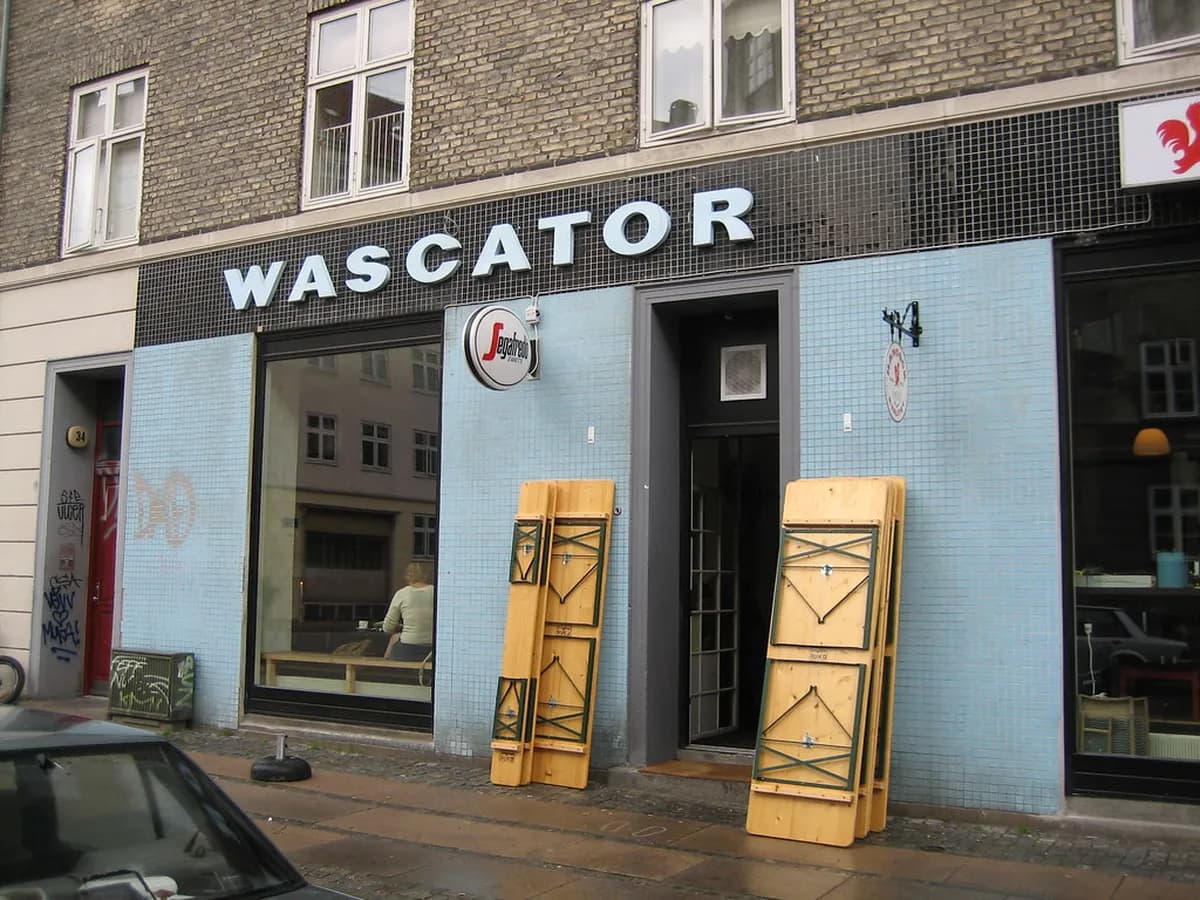
Nørrebro mixes Middle Eastern grocers, vintage shops, and Assistens Cemetery's shaded paths. Vesterbro's former meatpacking district now holds galleries, bars, and food halls inside the same brick buildings. Both neighborhoods sit within about a 15-minute bike ride of Central Station.
| Neighborhood | Vibe | Highlight | Getting There | Time Needed |
|---|---|---|---|---|
| Nørrebro | Gritty and creative | Assistens Cemetery walks | Short bike ride | Half a day |
| Vesterbro | Industrial-chic and stylish | Kødbyen food halls | Walk from Central Station | A few hours |
| Christianshavn | Quiet and historic | Narrow canal footbridges | Metro or bike | Two to three hours |
| Østerbro | Residential and relaxed | Fælledparken green space | Bus or bike | Half a day |
| Frederiksberg | Leafy and upscale | Frederiksberg Gardens paths | Two metro stops | A couple hours |
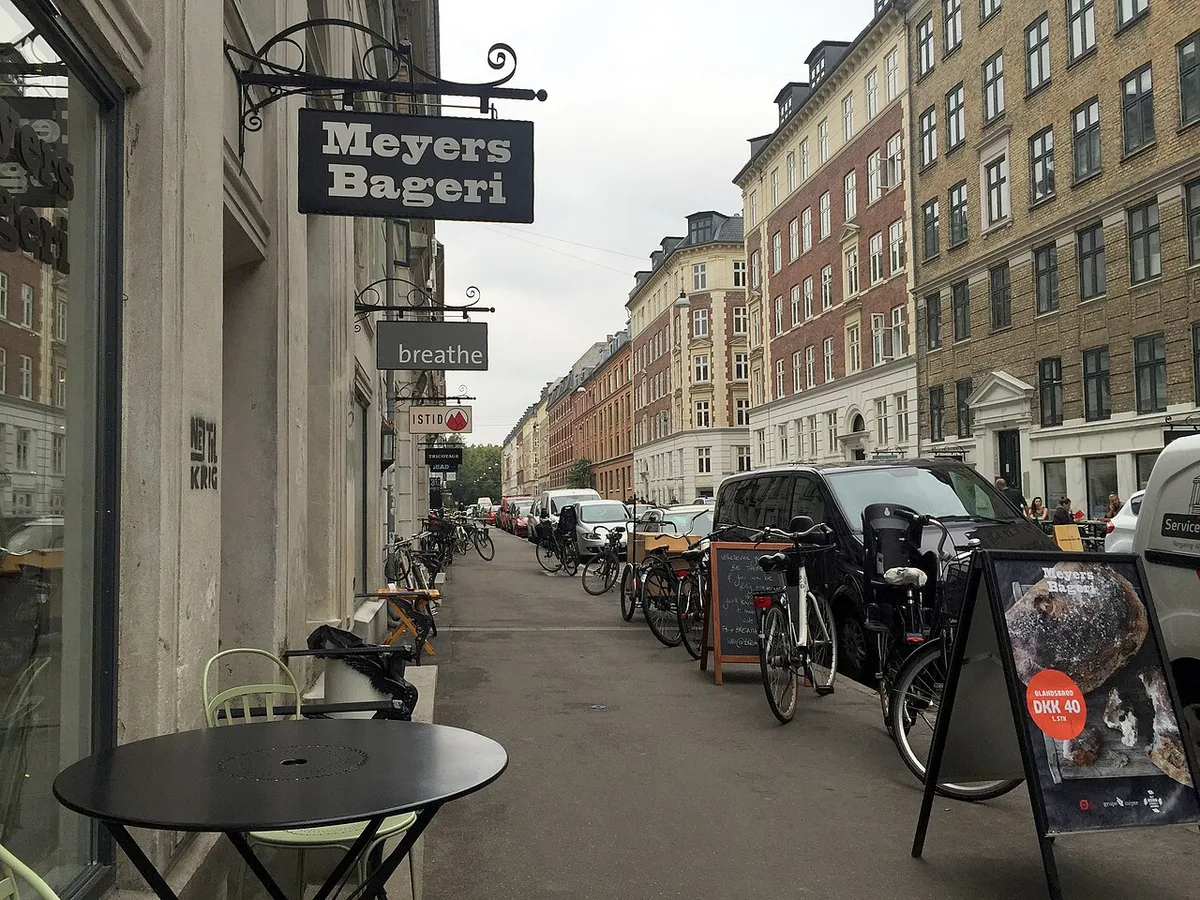
Christianshavn's canals move slower than the main harbor, with houseboats lining narrow waterways. Østerbro and Frederiksberg round out the list with parks, cafés, and residential calm. Budget at least half a day per neighborhood to explore without rushing.
- Nørrebro for markets and street art
- Vibe: gritty and creative
- Highlight: Assistens Cemetery walks
- Getting there: short bike ride
- Time needed: half a day
- Vesterbro for meatpacking-district nightlife
- Vibe: industrial-chic and stylish
- Highlight: Kødbyen food halls
- Getting there: walk from Central Station
- Time needed: a few hours
- Christianshavn for canal-side calm
- Vibe: quiet and historic
- Highlight: narrow canal footbridges
- Getting there: metro or bike
- Time needed: two to three hours
- Østerbro for parks and local cafés
- Vibe: residential and relaxed
- Highlight: Fælledparken green space
- Getting there: bus or bike
- Time needed: half a day
- Frederiksberg for gardens and quiet streets
- Vibe: leafy and upscale
- Highlight: Frederiksberg Gardens paths
- Getting there: two metro stops
- Time needed: a couple hours
Freetown Christiania's Quiet Side Streets
Freetown Christiania began in 1971 as a self-governing community inside a former military area. Its main path, Pusher Street, draws most day-trip crowds and photo stops. Turn down side lanes instead, where hand-built homes and gardens show a quieter side of the settlement.
Guided walks run daily and give context that a solo wander often misses. Local residents lead some tours, offering insight into how the community actually functions today. A broader list of secret spots in Copenhagen covers more quiet corners nearby.
A short bike ride from Christiania leads to Refshaleøen, a former shipyard turned creative district. Copenhagen Contemporary occupies a warehouse there, showing large-scale contemporary art inside industrial halls. Pair both stops in one afternoon for a fuller picture of alternative Copenhagen.
Amager Strandpark's Dunes and Windmills
Amager Strandpark stretches along Copenhagen's eastern shoreline for several kilometers. Sand dunes, grassy paths, and a row of offshore wind turbines replace the usual harbor views. The metro's M2 line stops within a short walk of the beach.
Weekday mornings stay far quieter than summer weekends, when locals fill the sand. A dedicated guide to visiting Copenhagen without crowds covers more shoulder-season timing tips. Swimming areas are marked, and lifeguards work only during peak summer months.
For an even quieter Baltic coast, Bellevue Beach sits north of the city near Klampenborg. Its Arne Jacobsen-designed pavilions and calmer crowds suit travelers avoiding peak beach traffic. Reaching it takes about 20 minutes by S-train from Central Station.
Bike and paddleboard rentals near Amager Strandpark are limited compared to the main harbor baths. Bring a towel, snacks, and water, since kiosks near the dunes close earlier outside summer's peak weeks. Cyclists short on time should treat the beach as a half-day add-on rather than a standalone trip.
Cykelslangen and Harbor Views by Bike
Cykelslangen, known officially as the Bicycle Snake, links the old and new harbor areas. The orange elevated bridge carries only cyclists and pedestrians, skipping traffic lights entirely. Riding it takes just a few minutes but frames some of the more scenic harbor views in the city.
Bike rental stations near Central Station offer both hourly and day rates. A full-day rental usually costs less than multiple one-hour rentals. Morning rides avoid the commuter rush that builds on weekdays.
Pretty much everywhere in central Copenhagen sits within about 30 minutes by bike from downtown. Rental stations are common near Central Station, with both hourly and day rates available. Renting for a full day usually works out cheaper than several short one-hour rentals.
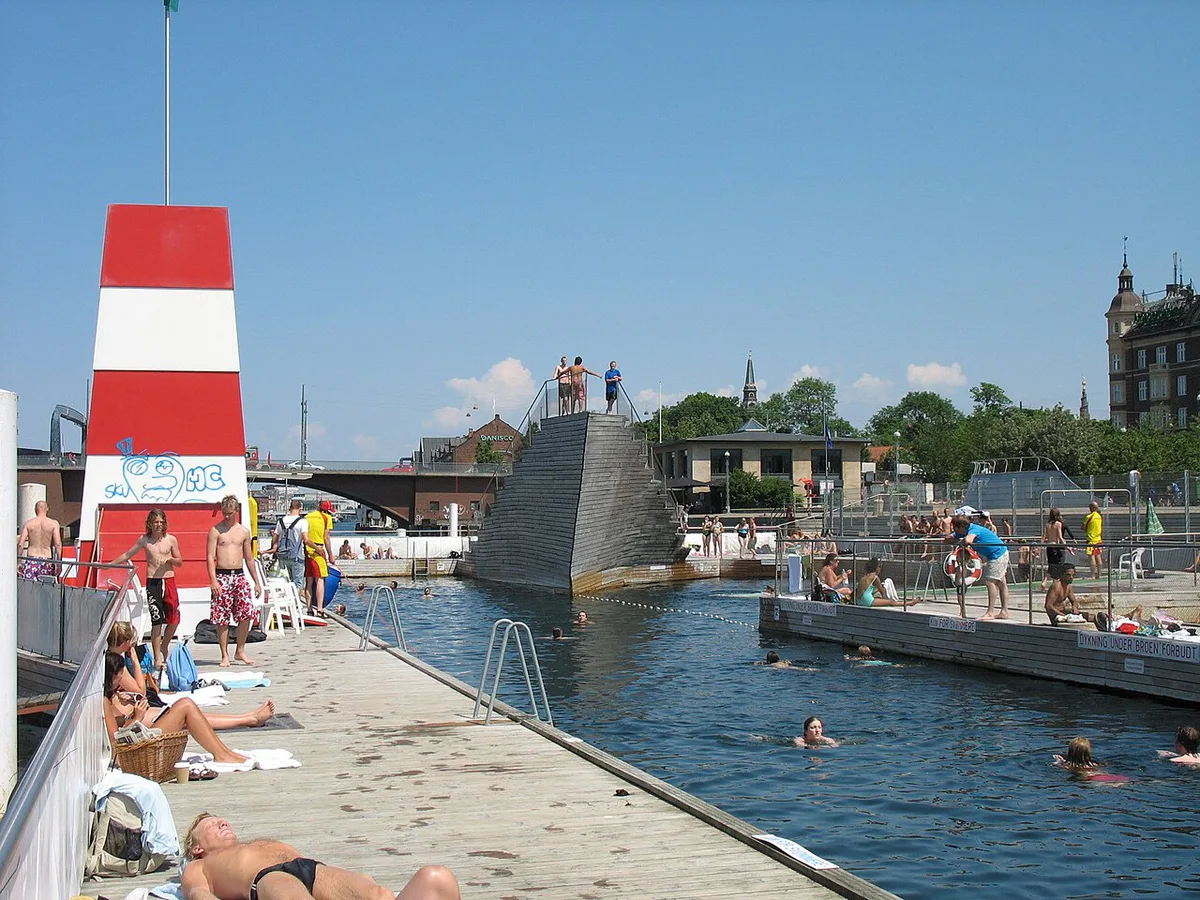
Beyond the bridge, the wider harbor path connects Islands Brygge to Christianshavn's canal district without a car crossing. Morning rides avoid the commuter rush that builds later on weekdays. A stop at Islands Brygge harbor bath adds a swimming break partway through the route.
Torvehallerne and Reffen for Local Flavors
Torvehallerne's two glass-walled halls hold dozens of stalls selling Danish cheese, fish, and baked goods. Locals shop here for weekly groceries as often as visitors stop for lunch. Vendors rotate seasonally, so a return visit rarely feels repetitive.
Arrive at Torvehallerne before noon or visit Reffen in early evening to avoid the longest lines. Both markets sit a short bike ride from Nyhavn, folding easily into a harbor day.
Reffen sits on a former industrial pier and runs as a seasonal street food market for much of the year. Dozens of stalls serve everything from Danish smørrebrød to Vietnamese and Mexican dishes. A closer look at Reffen covers stall lineups and seasonal opening dates.
Vegan and vegetarian options are easy to find at both markets, unlike some traditional Danish restaurants. Arrive before noon at Torvehallerne or early evening at Reffen to avoid the longest lines. Both markets sit a short bike ride from Nyhavn, making them easy to fold into a harbor day.
Superkilen and Assistens Cemetery Detours
Superkilen runs through central Nørrebro as a public park built from objects donated by residents. Manhole covers, benches, and signage from dozens of countries fill its red, green, and black zones. The park works as an open-air stop between Nørrebro's shops and cafés.
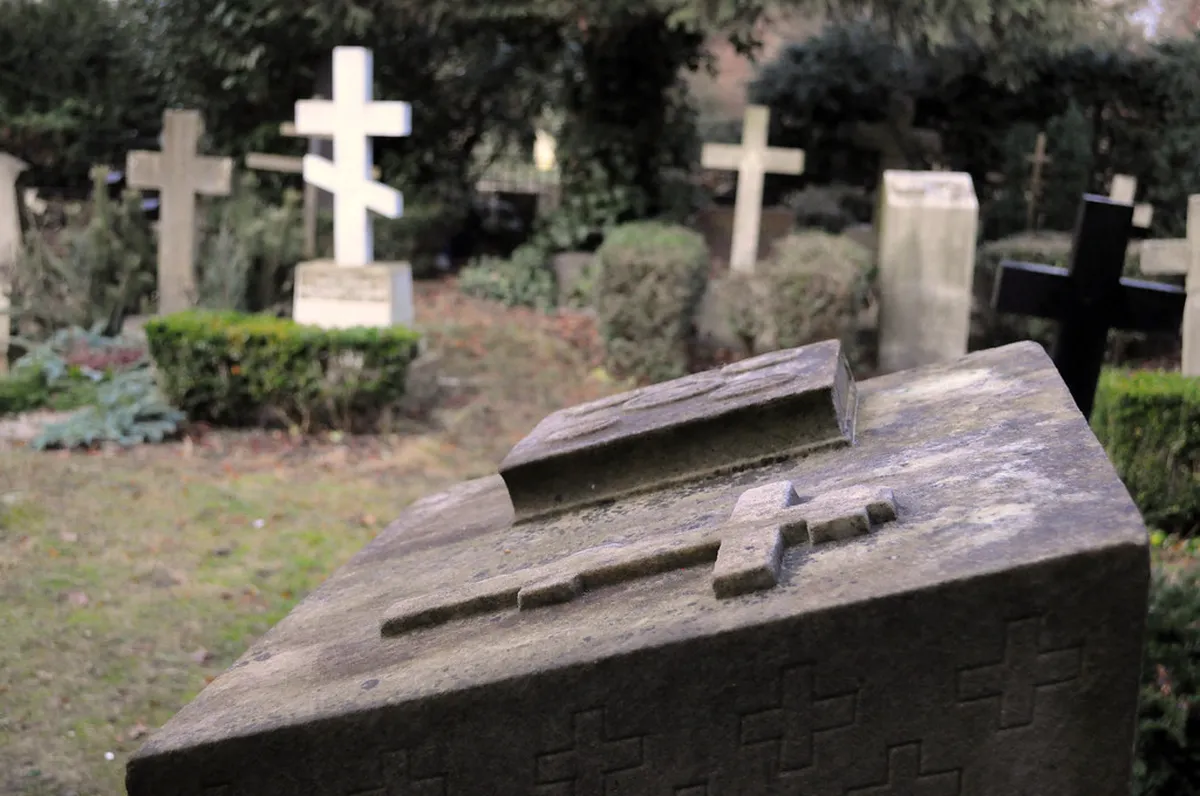
Assistens Cemetery doubles as a park where locals picnic, jog, and cycle between the gravestones. Hans Christian Andersen and physicist Niels Bohr are both buried within its grounds. A dedicated guide to Assistens Cemetery maps out the most notable graves and paths.
Both spots sit within walking distance of each other in Nørrebro, roughly 15 minutes apart on foot. Visiting early morning or late afternoon avoids the midday heat in summer months. Combine them with a coffee stop on Nørrebrogade for a slower half-day itinerary.
Dyrehaven and the Hermitage Palace: A Royal Deer Park North of the City
Jægersborg Dyrehave, a fenced royal deer park about 25 minutes north of central Copenhagen by S-train to Klampenborg station, holds roughly 2,000 free-roaming red, sika, and fallow deer inside a landscape listed as part of a UNESCO World Heritage site for its 18th-century hunting architecture. At the park's center stands Eremitageslottet, the Hermitage Palace, a small baroque hunting lodge built in 1736 for King Christian VI; it's viewed from outside rather than toured, since it still hosts royal functions. Cyclists can ride the forest trails from the city center, or rent a bike near Klampenborg station and loop through the gravel paths shared with walkers and joggers. Bakken, the world's oldest operating amusement park, sits right at the park's edge, with free entry to the grounds and rides priced separately.
- Visit on weekday mornings or during September's rutting season for the most deer activity, keeping a respectful distance from stags
- Wear sturdy shoes for uneven forest paths and bring water, since food stalls beyond Bakken are scarce
Frequently Asked Questions
What does off the beaten path mean in Copenhagen?
Off the beaten path in Copenhagen usually means neighborhoods and parks outside the Nyhavn-Strøget core, like Nørrebro, Christianshavn, and Amager Strandpark. These areas mix daily local life with fewer tour groups and shorter lines. A Hidden Gems in Copenhagen: Travel Guide roundup lists more low-key spots worth adding to an itinerary.
How much time should travelers plan for these detours?
Budget at least half a day per neighborhood or market to explore without rushing between stops. A full two-day stretch covers Christiania, Amager Strandpark, Cykelslangen, and both food markets comfortably. Renting a bike for the day, rather than by the hour, usually saves money across multiple stops.
Is off the beaten path in Copenhagen worth it on a short trip?
Even a single extra day pays off, since neighborhoods like Christianshavn and markets like Reffen sit close to central Copenhagen. Short on time, prioritize Cykelslangen and Torvehallerne, both under 20 minutes from Central Station. Check current hours on Visit Copenhagen before building a tight schedule.
What should travelers avoid when planning these visits?
Avoid visiting Amager Strandpark or Reffen only on peak summer weekends, when both fill with crowds. Skip photographing residents' homes directly in Christiania, since some areas restrict cameras. Plan bike routes before the morning rush, roughly eight to nine on weekdays, for a calmer ride.
Which neighborhoods work best for a first off-the-beaten-path visit?
Nørrebro and Christianshavn work well for a first visit, combining walkable streets with quick metro or bike access. Nørrebro suits travelers wanting food and markets, while Christianshavn suits those wanting quiet canals. Both pair naturally with a stop at Superkilen or Assistens Cemetery.
Copenhagen's quieter corners reward travelers willing to step past the main harbor and shopping streets. Nørrebro's markets, Christianshavn's canals, and Amager Strandpark's dunes each offer a different pace. None require more than a short bike ride or metro hop from the center.
Start with one or two picks from this guide rather than trying to cover everything in a single day. Check current hours and seasonal schedules before heading out, since some markets and tours run only part of the year. A slower, more local-focused visit often becomes the most memorable part of a Copenhagen trip.
Continue exploring
More guides you'll find useful