Christianshavn Copenhagen Guide: Top Things to Do
Follow this christianshavn copenhagen guide for canal walks, historic sights, and local tips on timing your visit, dining, and free things to do this year.
On this page
Christianshavn Copenhagen Guide to Canals & Culture
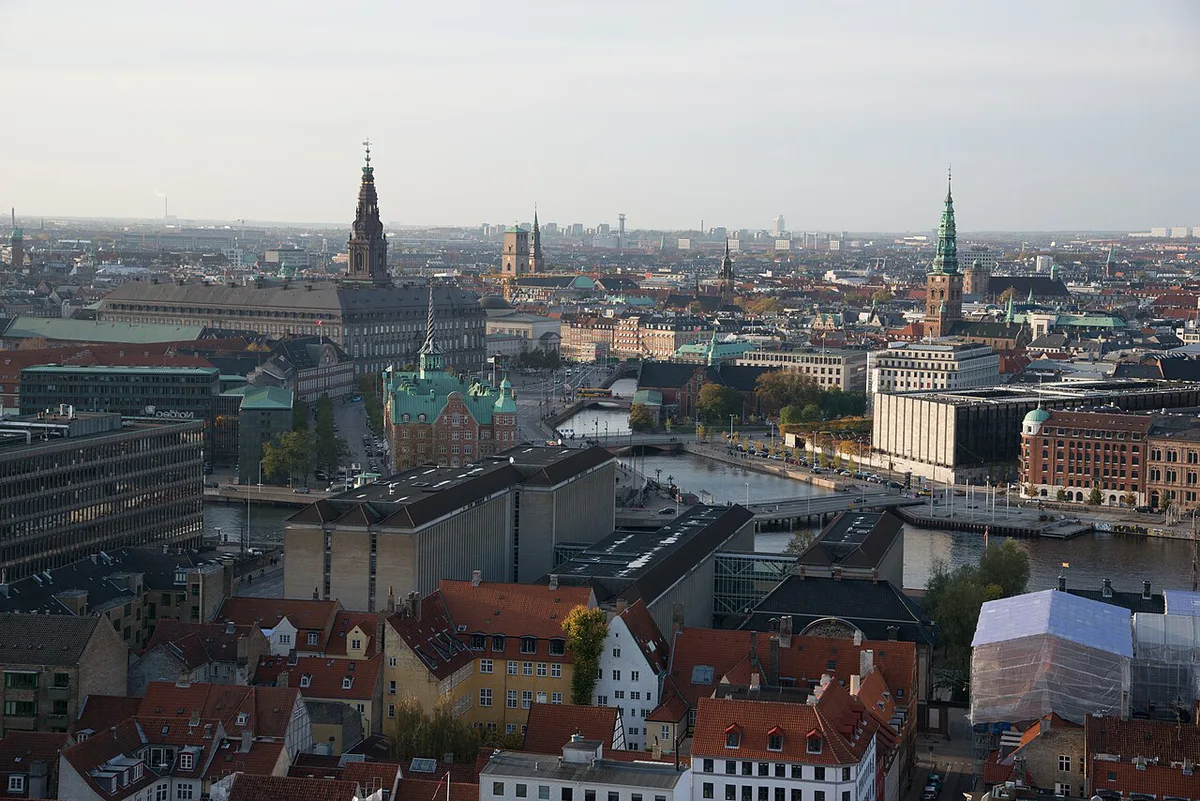
This christianshavn copenhagen guide covers the canal-side district just south of the city center. Christianshavn began in 1618 as a fortified merchant town built by King Christian IV. Dutch canal design shaped the streets, and that layout still guides visitors today. Expect colorful houses, historic churches, and a slower pace than central Copenhagen.
Locals treat Christianshavn as a place to live, not only a sightseeing stop. That everyday rhythm sets it apart from busier tourist zones nearby. Christianshavn ranks among the more distinct Copenhagen neighborhoods for a slower-paced visit. This guide covers the landmarks, culture, parks, and planning tips worth knowing before a single-day visit.
Christianshavn Copenhagen Guide to Top Attractions
Four landmarks anchor most visits to Christianshavn, each close to the main canal. Most sit within a fifteen-minute walk of each other, so a loop works well. Below are the highlights, with notes on cost, timing, and access for each.
Arrive at the Church of Our Saviour close to opening on weekends in 2026 to skip mid-morning queues. The 400-step climb covers 86 metres, with the final 150 steps winding outside the tower. The church closes in high winds.
| Landmark | Details | Access & Cost |
|---|---|---|
| Church of Our Saviour | Built 1695; 400 steps, 86 metres; final 150 steps wind outside | Book spire tickets ahead; closes in high winds |
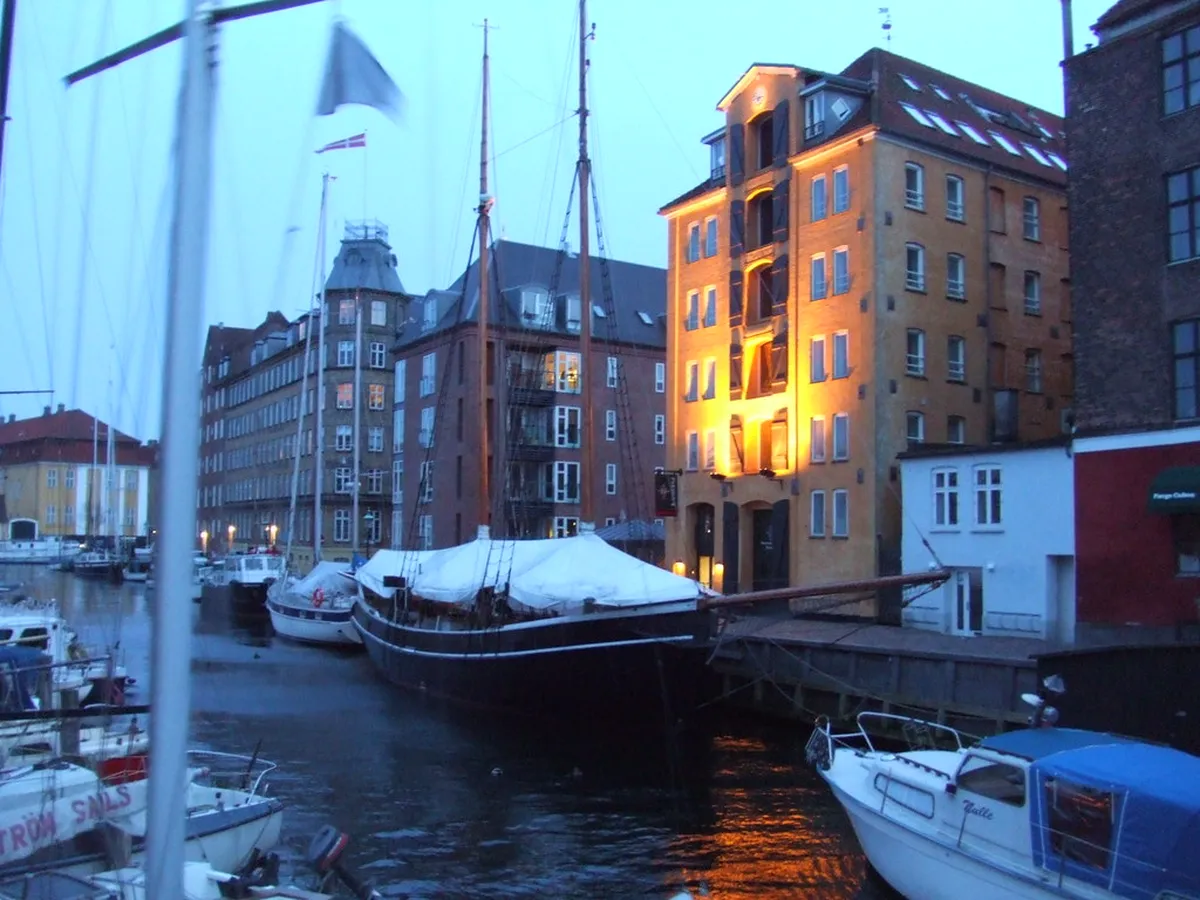
| Christianshavn Canal | Colorful houseboats and warehouses; quieter than Nyhavn | Free; walk Overgaden Oven or Neden Vandet |
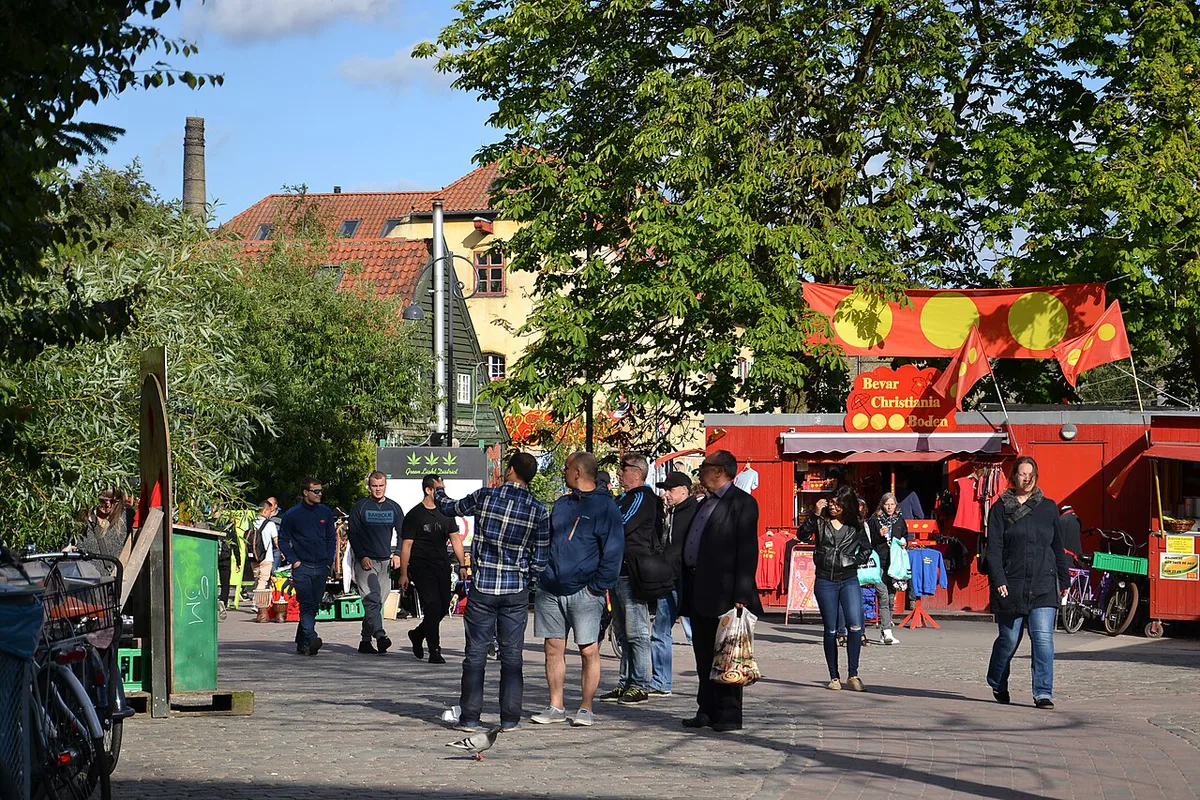
| Freetown Christiania | Self-governing since 1971; ~500k visitors yearly | Free; enter Prinsessegade; respect no-photo signs |
| Copenhagen Opera House | 105,000 gold-leaf ceiling sheets; modern architecture | Guided tours available; harbor views |
The Church of Our Saviour draws visitors for its external spiral staircase and gilded spire. The climb covers 400 steps and about 86 metres, with the final 150 winding outside the tower. Arrive close to opening on weekends in 2026 to skip the queue that builds by mid-morning. The tower carillon plays 48 bells across the neighborhood each day.
The main canal splits two historic streets lined with houseboats and old warehouses. Freetown Christiania sits just beyond, a self-governing community since 1971 with its own pace. For a quieter contrast, pair this with the city's off the beaten path spots nearby. The Opera House across the harbor rounds out the walk with striking modern architecture.
- Church of Our Saviour and its spiral spire
- Built: completed in 1695
- Climb: 400 steps, 86 metres up
- Tip: book spire tickets ahead
- Note: closes in high winds
- Christianshavn Canal and colorful houseboats
- Walk: Overgaden Oven Vandet street
- Alt: Overgaden Neden Vandet street
- Vibe: quieter than Nyhavn harbor
- Cost: free to stroll
- Freetown Christiania self-governing community
- Founded: squatters settled in 1971
- Visitors: around half a million yearly
- Rule: respect no-photo signs
- Access: enter via Prinsessegade street
- Copenhagen Opera House harbor views
- Gift: donated by a shipping magnate
- Ceiling: 105,000 sheets of gold leaf
- Tours: guided visits inside available
- View: wide harbor sightline
Museums, Art, and Culture in Christianshavn
Christianshavn's cultural scene mixes contemporary architecture with quiet public art installations. Most sits within a ten-minute walk of the main canal, making a loop easy. Budget half a day to take it all in without rushing.
The Danish Architecture Centre, known as BLOX, overlooks the harbor near Christianshavn's edge. Exhibitions inside cover Danish design and urban planning history through changing displays. The ground floor holds a cafe and bookshop with harbor views, good for a rainy afternoon. The building also houses a rooftop playground, apartments, offices, and a fitness centre.
Cirkelbroen, or the Circle Bridge, connects Christianshavn to the Applebys Plads waterfront. Artist Olafur Eliasson designed the five circular platforms, which opened to walkers in 2015. Crossing costs nothing and stays open at all hours, so evening light often works best.
For deeper context, a guided audio walk covers the merchant history and squatter era together. The StoryHunt app builds a route from your interests and narrates stories along the way. You can unlock the story behind Christianshavn with an interactive map before setting out.
Parks, Canals, and Outdoor Spots in Christianshavn
Christianshavn's Ramparts form the best-preserved stretch of Copenhagen's 17th-century fortifications. The earthworks closed as a military site in 1909 and reopened as public parkland. Paths wind above old moats, giving quiet green space away from the main streets.
Christianshavn keeps an independent streak that shows up along its quieter waterfronts. Floating saunas and small cafes serving Danish porridge sit near the canal's edges. Locals often gather at waterside picnic tables in early evening, once nearby offices close, sometimes with a bottle of organic wine. For similar low-key corners, check the Secret Spots in Copenhagen: 2026 Travel Guide guide before visiting.
CopenHill sits at the edge of Christianshavn's broader harbor district, past Refshaleøen. The site doubles as a waste management plant and an artificial ski slope, opened in 2019. A lift ticket runs about DKK 150 per hour in recent seasons. Confirm current pricing before visiting, since seasonal rates can shift.
Family and Budget Tips for Christianshavn
Several Christianshavn highlights cost nothing beyond the walk to reach them. Crossing Cirkelbroen, wandering the Ramparts, and following the canal are all free. For more no-cost ideas nearby, browse the 10 Free Things to Do in Copenhagen (2026 Guide) list.
Several highlights cost nothing: crossing Cirkelbroen, walking the Ramparts, and following the main canal. Reffen street food market on the nearby peninsula offers budget-friendly meals cheaper than harbor-view cafes. Confirm seasonal opening hours before visiting.
Families often ask whether Christiania suits children, and the main paths generally do. Galleries, workshops, and food stalls line the walkways away from Pusher Street. Skip that one lane, and the rest of the neighborhood feels calm and walkable.
Budget eating in Christianshavn usually means a food hall rather than a sit-down restaurant. Reffen, the street food market on the nearby peninsula, keeps prices lower than harbor-view cafes. Find it through the Reffen Copenhagen guide for stalls, hours, and access details. Confirm the season's opening hours before visiting, since street-food markets often run seasonally.
How to Plan a Smooth Christianshavn Day
Christianshavn sits about a ten-minute walk from Copenhagen's city center, across Knippelsbro Bridge. Metro and bus lines also stop near the canal, so driving is rarely necessary. Bikes work well too, since most streets are flat and well marked.
In 2026, weekday mornings tend to feel calmer than weekend afternoons across the main sights. For a wider view of quiet-season timing, see the Best Time to Visit Copenhagen Without Crowds Guide guide. Shoulder months bring milder weather and shorter lines at the church spire.
A full day works well: start at the church, walk the canal, then cross into Christiania. Save BLOX and Cirkelbroen for the afternoon, when harbor light suits photos best. End near Reffen or the ramparts, depending on whether food or quiet space appeals more. This order keeps walking distances short and avoids backtracking across the district.
Where to Eat and Drink in Christianshavn
Christianshavns Torv, the neighborhood's main square, doubles as a transit hub and a natural gathering point for casual restaurants, bakeries, and coffee stops before or after visiting the canal. Café Wilder, on the cobbled street Wildersgade, is a long-running neighborhood café well known locally for weekend brunch and coffee. Lagkagehuset, the Danish bakery chain with multiple Copenhagen locations, has a branch near the square for pastries, rye bread, and coffee to go — a cheaper option than a sit-down meal. For a special-occasion meal, Noma, one of the world's most awarded restaurants, relocated in 2018 to a converted military warehouse on Refshaleøen, the peninsula just past Christianshavn's harbor edge near CopenHill; reservations open on a rolling basis and fill quickly, so plan well ahead if a visit is the goal.
- Christianshavns Torv: main square with cafes, bakeries, and the metro station
- Café Wilder (Wildersgade): neighborhood brunch spot
- Lagkagehuset: bakery chain for pastries and coffee
- Noma (Refshaleøen): fine-dining destination near Christianshavn's harbor
Frequently Asked Questions
Is Christianshavn a good place to stay in Copenhagen?
Christianshavn works well for visitors who want a quieter base near the water, about ten minutes from central Copenhagen on foot. Guesthouses and short-term rentals line the canal streets, close to cafes and transit. Check the Hidden Gems in Copenhagen: Travel Guide guide for more local-feeling stays nearby.
Is it easy to walk around Christianshavn?
Yes, most of Christianshavn is flat and compact, with cobbled streets that suit walking or cycling. The canal, the church, and Christiania sit within about a fifteen-minute walk of each other. Sidewalks narrow in a few older lanes, so comfortable shoes help more than a map.
What to do in Christianshavn, Copenhagen?
Highlights include climbing the Church of Our Saviour's spiral spire, walking the main canal, and exploring Freetown Christiania. Add the Copenhagen Opera House, Cirkelbroen, and the Danish Architecture Centre for a fuller day. Most sights sit within easy walking distance of each other.
Is Christianshavn the same as Christiania?
Christianshavn is the wider canal district, while Christiania is one self-governing community inside it. Christiania formed in 1971 when squatters occupied former military barracks along Prinsessegade. Visitors can explore both areas, though Pusher Street inside Christiania restricts photography.
Christianshavn rewards a slower visit more than a rushed checklist of sights. The canal, the spire, and the ramparts each hold up well on their own. Pair them with a Reffen meal or a quiet Christiania walk for balance.
Plan around weekday mornings if crowds are a concern, especially at the church. Most of the district stays walkable in a single afternoon or a full day. Return for the food, the architecture, or simply the canal light at sunset.
Continue exploring
More guides you'll find useful