Secret Spots in Copenhagen: 2026 Travel Guide
Find secret spots in Copenhagen beyond the crowds, from quiet courtyards to canal-side views, plus timing tips and practical booking advice for 2026.
On this page
Copenhagen's Secret Spots Worth Seeking Out
Copenhagen packs canals, palaces, and pastel houses into a city that rewards slow wandering. Beyond Nyhavn and the Little Mermaid, secret spots in Copenhagen reward travelers willing to step off the main routes. This guide points to quiet courtyards, offbeat museums, and calm neighborhoods that locals actually use. Each pick includes practical details like location, cost, and the best time to go.
Most of these places sit within a short bike ride or metro hop from the center, so pairing two or three in one afternoon works well. For a broader shortlist of lesser-known sights, the Hidden Gems in Copenhagen: Travel Guide guide pairs well with this list. Expect fewer queues, more local context, and a slower pace than the standard sightseeing loop.
The sections below move from historic curiosities to quiet neighborhoods, waterside spots, and low-key museums. A short FAQ at the end answers common timing and budget questions for a first visit. Use the practical details in each entry to build a route that matches your pace and interests.
Top Hidden Gems in Copenhagen Worth Seeking Out
Copenhagen's headline sights, like Nyhavn and Tivoli, draw the heaviest crowds between late morning and mid-afternoon. The spots below sit a short walk or bike ride from those same areas, yet stay noticeably quieter. Most take fifteen to twenty minutes to fully explore, so combining two or three in a morning is realistic.
Most attractions sit within thirty minutes of each other by bike. Combine one free landmark with two or three hidden spots for a balanced day without rushing between neighborhoods.
Langelinie holds more than the famous Little Mermaid statue everyone photographs. Walk a bit further along the harbor promenade to find lesser-known sculptures with real stories behind them. A giant metal figure called ZinkGlobal sits near Nordre Toldbod, built from about 8,500 pieces of scrap metal from cars and machines. Nearby, a 19-meter monument to Admiral Ivar Huitfeldt marks a 1710 naval battle most visitors walk straight past.
Two overlooked landmarks also reward a short detour from the usual downtown route. Grundtvig's Church rises in Bispebjerg with a facade shaped like a giant pipe organ, and entry is free most days. Near Nørreport, the remains of Jarmers Tower show fragments of a 16th-century fortification wall that once ringed the old city. Both spots take only twenty minutes to reach by bike from the city center.
Downtown, A.C. Perch's Teahouse has served the same spot on Kronprinsensgade since 1835. The interior keeps much of its original shelving and tapestry, giving it a look closer to a small museum than a shop. A few streets over, the Round Tower marks the geodetic midpoint of Denmark on a brass plate inside its hollow core. The list below rounds up five under-the-radar picks worth building into a walking route.
Assistens Cemetery in Nørrebro rounds out the list as a park-like burial ground where locals picnic and jog. Hans Christian Andersen and philosopher Søren Kierkegaard are buried here, and entry is free during daylight hours. The Assistens Cemetery guide covers seasonal rules and the best paths to walk.
- Langelinie's Lesser-Known Statues
- Type: outdoor sculpture walk
- Where: Langelinie promenade, near Nordre Toldbod
- Cost: free to visit
- Best for: photography and quiet history stops
- Jarmers Tower Medieval Remains
- Type: 16th-century fortification ruin
- Where: Jarmers Plads, near Nørreport
- Cost: free to visit
- Best for: a five-minute history detour
- A.C. Perch's Historic Teahouse
- Type: teahouse open since 1835
- Where: Kronprinsensgade 5, city center
- Cost: pay per pot and pastry
- Best for: a quiet indoor break
- Round Tower's Geodetic Midpoint
- Type: astronomical landmark and viewpoint
- Where: Rundetaarn, Købmagergade 52
- Cost: small entry fee applies
- Best for: a quick offbeat photo stop
- Assistens Cemetery Garden Walk
- Type: park-like historic cemetery
- Where: Nørrebro district
- Cost: free to explore
- Best for: peaceful afternoon strolls
Quiet Neighborhoods for Off-the-Beaten Wandering
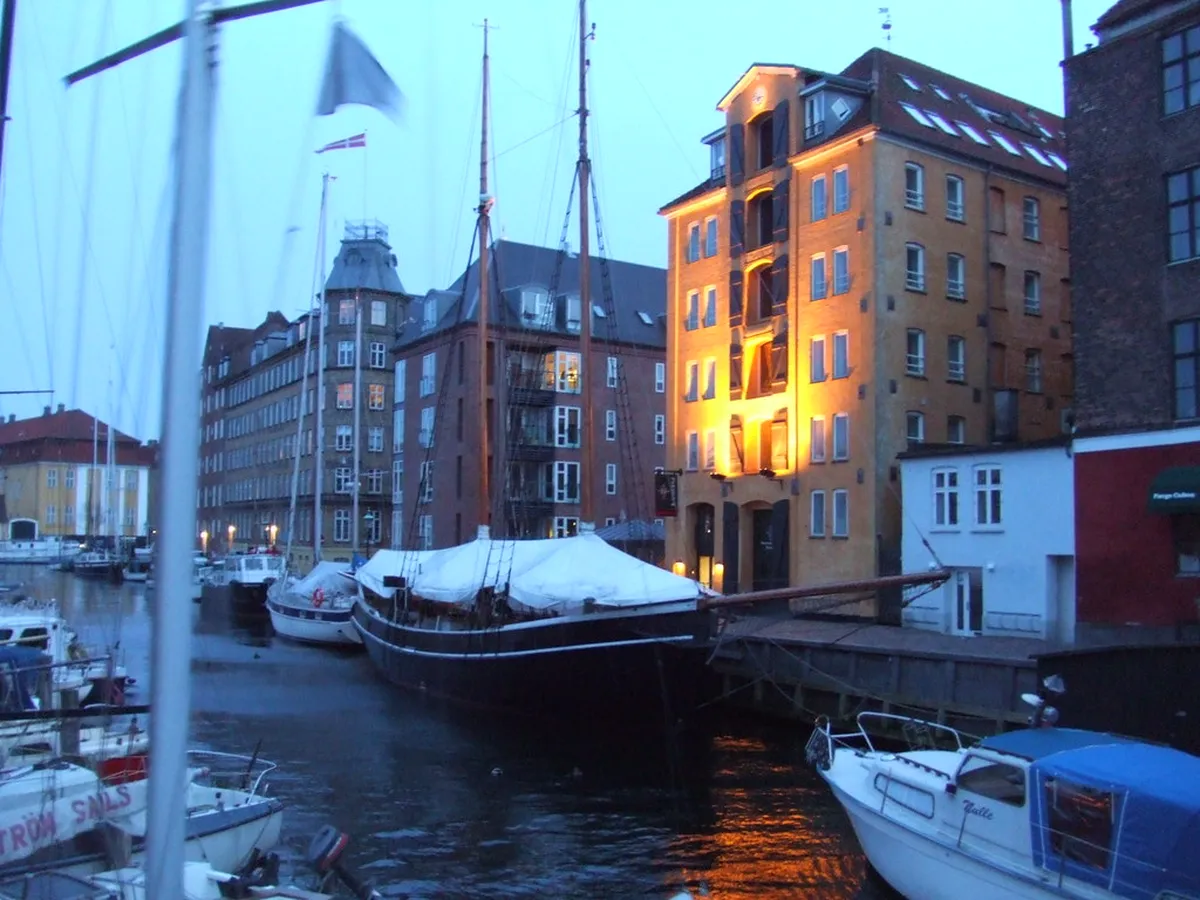
Copenhagen's neighborhoods each carry a distinct mood once you step past the main shopping streets. Christianshavn stands out for its narrow canals, houseboats, and a slower rhythm than the city center. Cobbled paths along Christianshavns Kanal make for an easy self-guided walk with no ticket needed. The Christianshavn neighborhood guide breaks down the best streets and canal-side cafes to try.
North of the city center, Nyboder holds rows of ochre-yellow houses built for naval sailors in the 1600s. The small scale and uniform color make it feel like a village tucked inside a capital city. Nearby Østerbro extends that residential calm with leafy streets and neighborhood bakeries rather than souvenir shops. Locals often walk dogs and push strollers along these streets rather than sightsee.
| Neighborhood | Character | Best For |
|---|---|---|
| Christianshavn | Narrow canals, houseboats, slower rhythm | Quiet walks, canal-side cafes |
| Nyboder | Ochre-yellow houses, 1600s naval sailor origins | Historic architecture, photography |
| Østerbro | Leafy streets, neighborhood bakeries, residential calm | Local atmosphere, peaceful walks |
| Frederiksberg | Palace gardens, hilltop views, zoo connection | Families, parks, local cafes |
| Vesterbro | Former meatpacking district with design studios, bars, markets | Evening scene, shopping, food |
Frederiksberg suits travelers who want green space without leaving the city, thanks to its palace gardens and hilltop views. Frederiksberg Have wraps around a small palace and connects directly to the zoo, making it an easy stop with children. Cafes along Frederiksberg Allé stay busy with locals rather than tour groups, even on weekends. The wide, tree-lined streets make the area comfortable for a slow morning walk.
Vesterbro fits differently, since its old meatpacking district now runs on design studios, bars, and weekend markets. Choose Christianshavn for canals and quiet, Frederiksberg for parks and families, and Vesterbro for a livelier evening scene. Each neighborhood sits within twenty to thirty minutes of the center by bike or metro. Matching the neighborhood to your travel style saves more time than trying to see all four in one visit.

Secret Spots Along Copenhagen's Canals and Views
Copenhagen's harbor offers more than the standard photo stop at Nyhavn's colorful houses. Reffen, a former shipyard on Refshaleøen, now mixes street food stalls with open harbor views away from downtown crowds. Getting there takes a short harbor bus ride or a bike ride along the waterfront path. The Reffen guide covers opening months and how to reach the site by water or bike.
For a quieter perspective on the water, consider skipping the group canal tour and steering your own route instead. You can rent your own boat and explore Copenhagen's waterways without a license, following marked routes at your own pace. Rentals typically run in blocks of one, two, or three hours, and booking ahead secures a spot in peak summer weeks. This option suits travelers who want to linger near quiet inlets that a scheduled cruise would just pass by.
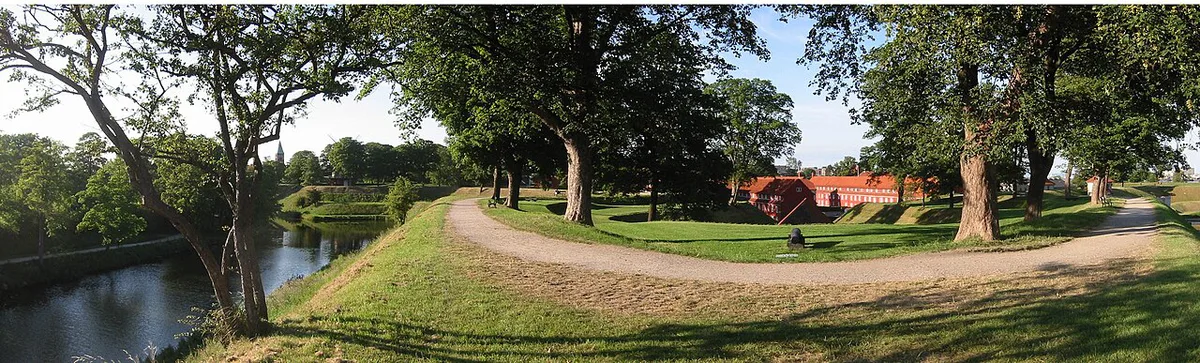
Classic one-hour canal cruises still run daily and are worth boarding early in the morning or later in the evening. Arrive at least fifteen minutes before departure, since boats tend to leave right on schedule without waiting. For a green, quiet detour near the harbor mouth, the star-shaped Kastellet fortress offers grassy ramparts and a windmill open to walk any time. Locals often jog its paths in the early morning before the tour buses arrive downtown.
Frederiksholms Kanal, on the western edge of the city center, sees far fewer boats than the main harbor loop. Along its bank sits the Stable Boy's House, a small building once used to house royal stable staff. The canal path runs quiet even at midday, making it a good stop between the National Museum and Slotsholmen. Photographers favor this stretch for reflections of the old townhouses lining the water.
Museums and Culture Off the Tourist Trail
Copenhagen's contemporary art scene includes venues that rarely appear on a first-time visitor's list. Copenhagen Contemporary occupies a former welding hall on Refshaleøen and shows large-scale installation art. The industrial setting alone makes the visit feel different from a traditional museum hall. Pair a stop here with the Reffen food stalls next door for a full afternoon on the peninsula.
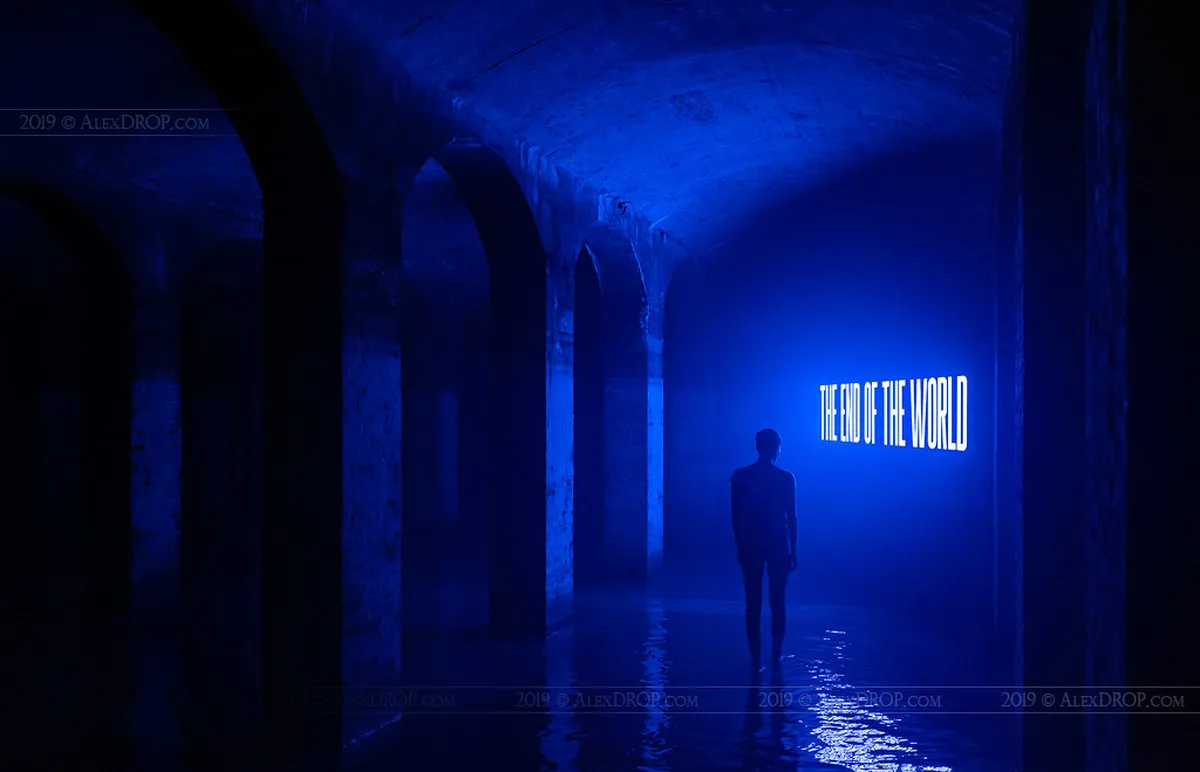
Below ground near Frederiksberg, Cisternerne turns a decommissioned Victorian water reservoir into a dim, echoing art space. Exhibitions rotate through the underground chambers, and the cool, damp air adds to the atmosphere. The Cisternerne guide covers current exhibitions and what to expect on the walk down. Bring a light jacket even in summer, since the tunnels stay cool year-round.
The Design Museum Danmark focuses on Danish furniture and industrial design inside a former royal hospital building. Rotating exhibits mix historic chairs with newer product design, giving context most visitors skip in a rush to Tivoli. Nearby, the Museum of Copenhagen traces the city's growth from a fishing village to a modern capital. Both museums sit close enough to combine into one culture-focused afternoon downtown.
Deciding between these three depends on how much time and walking feels comfortable in one day. Cisternerne and Copenhagen Contemporary sit near each other on the southern edge of the city, so pairing them saves travel time. The Design Museum and Museum of Copenhagen sit closer to the city center, fitting well into a downtown-focused day. Travelers with only half a day should pick one cluster rather than crossing the city twice.
Planning Tips for a Smooth Copenhagen Day
Shoulder-season months bring fewer crowds to both famous sights and the quieter spots on this list. Early mornings work well for outdoor spots like Kastellet or Reffen, before tour groups start arriving. The Best Time to Visit Copenhagen Without Crowds Guide guide breaks down month-by-month crowd patterns. Weekday visits generally beat weekends at popular indoor spots like the Round Tower and Design Museum.
Visit Copenhagen during shoulder-season months for fewer crowds at famous sights and quiet spots alike. Early mornings work best for outdoor locations like Kastellet and Reffen before tour groups arrive.
Biking remains the fastest way to string together several secret spots in one day. Most points in this guide sit within about thirty minutes of each other by bike. Bike rentals run by the hour or by the day, and most hotels can point you to the nearest rental stand. For longer stays, the Copenhagen Card bundles public transport with entry to dozens of attractions.
A few well-known free experiences pair naturally with the quieter picks above. The guard change at Amalienborg Palace happens around midday most days and costs nothing to watch. Exact timing can shift, so confirm the schedule locally before building a route around it. Combining one free landmark with two or three hidden spots makes for a balanced, unhurried day.
Travelers staying three days or longer can pair a secret-spots day with a half-day trip outside the city. Frederiksborg Castle and its gardens make an easy train day trip, with noticeably fewer crowds than downtown in summer. Build this in as a rest day between busier city walks rather than rushing back the same afternoon.
Christiansborg Palace and the Ruins Beneath Slotsholmen
Christiansborg Palace on the island of Slotsholmen is a working seat of government, not just a museum stop — it houses the Danish Parliament (Folketinget), the Supreme Court, and the Prime Minister's Office, so parts of the complex operate as active government buildings even as visitors tour others.
Below the palace, the Ruins under Christiansborg preserve foundation walls from the two earlier castles that stood on this site starting in the 1160s, reached via a small staircase entrance separate from the main palace doors. The Royal Reception Rooms display tapestries commissioned for Queen Margrethe II, hung alongside older royal furnishings.
- Climb the Palace Tower (Christiansborg Tårn), Copenhagen's tallest public tower, free to enter, for harbor and rooftop views without booking a paid viewpoint
- Check seasonal opening hours and closing days before visiting, since the ruins, reception rooms, and tower keep separate schedules
- Pair with a Slotsholmen walk past the Royal Library's Black Diamond building
Frequently Asked Questions
What are the best secret spots in Copenhagen for a short visit?
Reffen, Christianshavn's canals, and the lesser-known statues along Langelinie work well for a short visit. Each sits close to public transport and takes under an hour to explore. Pair one with a quick stop at Assistens Cemetery for a varied, low-key afternoon.
How much time should you plan for secret spots in Copenhagen?
Plan for at least half a day to cover three or four spots without rushing. Biking helps, since most points on this list sit within about thirty minutes of each other. A full day lets you add a museum stop like Cisternerne or the Design Museum.
Is it worth visiting secret spots in Copenhagen with kids?
Yes, several picks work well for families, including Frederiksberg's gardens and zoo and the free guard change at Amalienborg Palace. Assistens Cemetery also functions as a park where local families walk and picnic. Avoid packing too many stops into one day with young children.
What should travelers avoid when planning secret spots in Copenhagen?
Avoid trying to fit too many neighborhoods into one day, since travel time between them adds up fast. Skip peak midday hours at popular indoor spots like the Round Tower if you want fewer crowds. Confirm hours and seasonal closures before heading out, since small museums often keep limited schedules.
Are Copenhagen's hidden gems free to visit?
Many are free, including Assistens Cemetery, the Langelinie statues, and the Amalienborg guard change. Museums like Cisternerne, Copenhagen Contemporary, and the Design Museum charge an entrance fee. A 10 Free Things to Do in Copenhagen (2026 Guide) guide lists more no-cost options to combine with this list.
Secret spots in Copenhagen reward travelers willing to trade a few checklist stops for slower exploration. A hidden statue, an underground art space, or a quiet neighborhood canal can end up being the highlight of a trip. None of these picks require special access or a big budget, just a bit of extra time.
Start with one or two spots near wherever you are already staying, then build outward by bike or metro. Pairing a free landmark with one paid museum keeps a day balanced without feeling rushed. Save the rest of this list for a return trip, since Copenhagen keeps revealing more the longer you look.
Copenhagen's compact layout means even a packed itinerary leaves room for one or two of these detours. Keep this list handy, and let curiosity, not just the map, decide the next turn. A slower pace often reveals more about the city than checking off the biggest names ever could.
Continue exploring
More guides you'll find useful