10 Best Local Restaurants in Munich (2026)
Discover the 10 best local restaurants in Munich for 2026, from historic beer halls to hidden wine bars — plan your table with real prices and hours.
On this page
10 Best Local Restaurants in Munich to Try Now
Finding the best local restaurants in Munich means looking past the tourist-trap beer halls near Marienplatz. Munich's food scene splits into postcard classics and the quieter spots regulars actually return to. This guide covers both categories, since most visits need a table from each at some point. Every listing below reflects current 2026 price ranges and hours, checked against official and editorial sources.
Last updated July 2026, this roundup blends beer-hall staples with wine bars, markets, and one standout cocktail spot. We weighted picks toward places with a genuine local following, not just high tourist footfall. A few overhyped names got cut for that reason, and the reasoning appears near the end of this guide.
Expect hearty Bavarian classics like pork roast, dumplings, and pretzels alongside newer wine bars and one internationally ranked cocktail bar. Reservations matter most for Friday and Saturday dinners, especially at the smaller Gasthaus-style spots. Most restaurants on this list sit within a short walk or tram ride of Marienplatz, Munich's central square.
10 Best Local Restaurants in Munich for 2026
The ten picks below span beer halls, a historic wine tavern, a market food stroll, and one ranked cocktail bar. Prices range from an eight-euro currywurst plate to a thirty-euro sit-down dinner with wine. Neighborhoods matter here, so each entry names the district and the closest tram or U-Bahn stop. AFAR's guide to eating like a local in Munich flags a similar mix of old and new.
Cash still rules at several traditional Gasthaus-style restaurants throughout Munich. Carrying twenty to forty euros in cash helps avoid card-machine waits at these classic dining spots.
| Restaurant | Type | Main Price Range | Best For |
|---|---|---|---|
| Hofbräuhaus München | Beer Hall | €14–22 | Historic atmosphere, live oompah band |
| Viktualienmarkt | Food Market | €6–12 | Quick lunch, sausage and cheese |
| Chinesischer Turm | Beer Garden | €11–13 per liter | Slow visit under wooden pagoda |
| Augustiner Bräustuben | Brewery Tavern | €12–18 | Munich's oldest brewery, beer from wooden kegs |
| Gasthaus Isarthor | Traditional Inn | €14–18 | Local favorite, fewer tourists |
| Weinhaus Neuner | Wine Tavern | €18–28 | Multi-course dinner in historic building |
| Bar Centrale | Aperitivo Bar | €10–12 | Milanese-style aperitivo, mixed crowd |
| Schumann's Bar | Cocktail Bar | €14–18 | Internationally ranked, classic precise style |
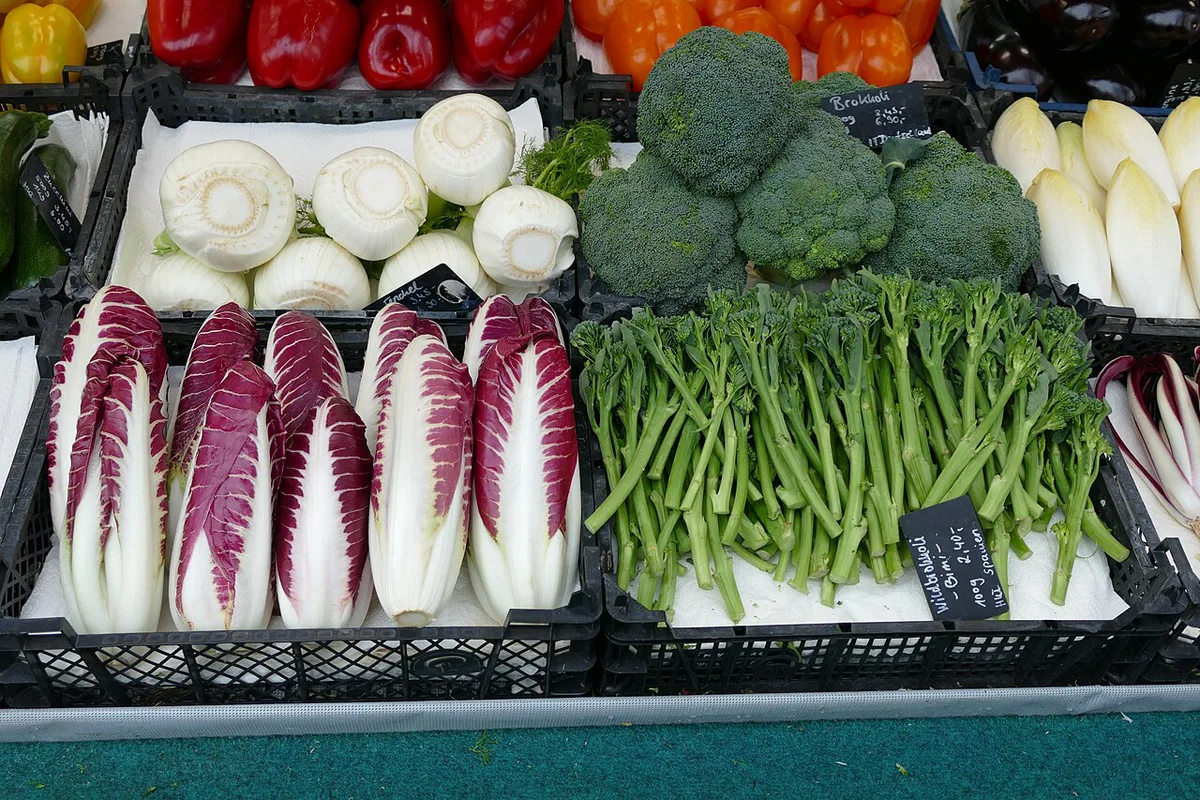
| Steinheil 16 | Salad and Produce | €9–14 | Vegetable-forward after pork and dumplings |
| Grapes Weinbar | Wine Bar | €6–9 | Weekend breakfast, wine by the glass |
None of these require a reservation weeks out, but Friday and Saturday evenings fill fast at the smaller spots. Lunch service tends to be calmer and cheaper, often fifteen to twenty percent below dinner menu prices. If beer gardens matter more than sit-down dinners, the guide to Munich's best beer gardens covers more ground.
Cash still rules at several traditional Gasthaus-style restaurants, so carrying twenty to forty euros in cash helps avoid a card-machine wait. Opening hours below reflect standard weekday patterns; holidays and Oktoberfest weeks often shift them. Check official listings before a special-occasion visit, since hours can change with little notice.
- Hofbräuhaus München, the original royal brewhouse
- This three-story beer hall has poured Hofbräu beer since 1589, drawing crowds with its live oompah band.
- It sits just off Marienplatz, about a five-minute walk from the Marienplatz U-Bahn and S-Bahn station.
- Budget at least ninety minutes for a full sit-down meal, longer once the band starts playing.
- A half-liter beer costs five to six euros, and mains run fourteen to twenty-two euros.
- The hall serves food daily until midnight, so arrive before 6pm on weekends to snag a table.
- Viktualienmarkt food stalls near Marienplatz
- This open-air market has anchored Munich's food scene for generations, according to the city's official tourism site.
- It sits a few steps from Marienplatz, right at the edge of the Altstadt-Lehel district.
- Plan on an hour to browse the stalls, easily reached on foot from Marienplatz.
- A market lunch of sausage or cheese and bread typically costs six to twelve euros.
- Stalls stay shut on Sundays, so arrive before 10am on Saturdays to beat the lunch crowd.
- Chinesischer Turm beer garden in the English Garden
- Munich's second-oldest beer garden sits beneath a wooden pagoda inside the English Garden park.
- Self-service tables let visitors bring picnic food, while a full-service section serves Bavarian classics.
- It's about a fifteen-minute walk or a short bus ride from the Odeonsplatz U-Bahn station.
- Plan on at least an hour, since the beer garden rewards a slow, unhurried visit.
- A liter of beer runs around eleven to thirteen euros, and the brass band starts around 6pm daily.
- Augustiner Bräustuben, Munich's oldest brewery tavern
- Augustiner has brewed beer in Munich since 1328, according to the brewery's own company history.
- The Bräustuben pours beer straight from wooden kegs, a rarer serving style in the city.
- It sits in the Westend district, about a ten-minute walk from the Hauptbahnhof train station.
- Plan on about two hours for a full dinner with a few rounds of beer.
- Mains average twelve to eighteen euros, and the tavern opens nightly from 5pm for dinner.
- Gasthaus Isarthor, a small traditional inn
- This compact Gasthaus near the Isartor gate serves roasted pork and bread dumplings in a quiet room.
- Locals favor it precisely because it draws far fewer tourists than the big beer halls nearby.
- It's a short walk from the Isartor S-Bahn stop, on the eastern edge of the Altstadt.
- Plan on about an hour for a sit-down lunch or an early dinner here.
- Mains run fourteen to eighteen euros, and the kitchen serves Saturday through Thursday, with shorter hours on Fridays.
- Weinhaus Neuner, a centuries-old wine tavern
- Housed in one of Munich's oldest surviving buildings, this tavern pairs a deep wine cellar with Bavarian-Italian dishes.
- The vaulted stone dining room feels closer to a small museum than a typical restaurant.
- It sits near the Altstadt core, an easy walk from Marienplatz and the Frauenkirche.
- Plan on close to two hours for a full multi-course dinner here.
- Mains generally run eighteen to twenty-eight euros, so book ahead for weekend dinner seating.
- Bar Centrale, a Milanese-style aperitivo bar
- This narrow bar brings Milanese aperitivo culture to Munich, with negronis and small plates after work.
- It draws a mixed crowd of locals and expats rather than a typical tourist trail.
- Find it near Gärtnerplatz, in the Glockenbachviertel district known for independent bars and cafés.
- Plan on an hour or two for aperitivo, longer if the terrace tables are free.
- A cocktail costs around ten to twelve euros, and the terrace fills within an hour of opening.
- Schumann's Bar, an internationally ranked cocktail bar
- This is one of the world's most awarded cocktail bars, according to the World's 50 Best Bars list.
- The house style leans classic and precise rather than trendy, with staff who rarely rush an order.
- It sits near the Hofgarten in the Lehel district, close to the Odeonsplatz U-Bahn stop.
- Plan on at least two hours, since a proper cocktail here is meant to be savored slowly.
- A classic cocktail typically costs fourteen to eighteen euros, and the bar opens evenings Monday through Saturday.
- Steinheil 16, a fresh salad and produce menu
- This casual spot built its menu around salads, grain bowls, and lighter dishes.
- It suits travelers who want a vegetable-forward meal after a few days of pork and dumplings.
- The restaurant sits near the university area, a short walk from Theresienstraße U-Bahn station.
- Plan on about forty-five minutes for a quick, casual lunch or early dinner.
- A main dish typically costs nine to fourteen euros, and the kitchen opens daily from 11am.
- Grapes Weinbar for wine and weekend breakfast
- This wine bar pairs a rotating by-the-glass list with small plates and a weekend breakfast menu.
- It's a favorite for a slower start to the day, not just an evening wine stop.
- Find it in the Glockenbachviertel, a short tram ride from Sendlinger Tor.
- Plan on about an hour for breakfast, longer for a relaxed evening wine flight.
- A glass of wine runs about six to nine euros, and weekend breakfast starts around 9am.
Munich Neighborhoods for Great Local Food
Munich's best restaurants cluster in a handful of walkable districts rather than spreading evenly across the city. The Altstadt around Marienplatz holds the big-name beer halls, while quieter neighborhoods hold the wine bars and bistros. A broader neighborhood guide to Munich breaks down which district suits which kind of trip.
Glockenbachviertel, just south of the Altstadt, has become the city's go-to district for independent bars and modern bistros. Bar Centrale and Grapes Weinbar both sit inside this neighborhood, within a few minutes' walk of each other. A dedicated Glockenbachviertel guide covers more of the area's cafés and shops beyond dinner.
Haidhausen, across the river from the Altstadt, keeps a more residential, less touristy feel. It works well as a base for travelers who want local restaurants without a five-minute walk to every tour bus stop. The Haidhausen neighborhood guide has more detail on where to stay and eat in the district.
Westend, home to the Augustiner Bräustuben, sits close to the main train station but feels distinctly local. It's a good stop for travelers arriving by train who want dinner before checking into a hotel elsewhere.
Is Munich Worth a Food-First Trip in 2026?
Munich's official tourism site highlights a dense mix of beer halls and modern kitchens packed into the historic center. A traveler can walk from a historic beer hall to a modern wine bar in under fifteen minutes almost anywhere in the Altstadt. That density means less time on transit and more time actually eating.
Two full days give enough time to try a beer hall, a market lunch, and one evening bar without feeling rushed. Three or four days allow room for a day trip out of the city and a slower Sunday, when the Viktualienmarkt is closed anyway. The 9 Best Day Trips from Munich in 2026 guide pairs well with a Sunday, since many city-center kitchens run reduced hours.
Crowd levels shift the experience more than the season does, especially around Oktoberfest in late September. Beer halls and gardens book up fastest then, and prices at some tourist-facing spots creep upward. For a calmer visit with easier tables, the guide to visiting Munich without crowds outlines the quieter months.
What to Skip: Overrated Picks and Local Food Mistakes
Not every famous name here deserves the hype, and a few consistently disappoint regulars. The generic beer-hall chains right on Marienplatz square often serve microwaved versions of dishes done far better elsewhere. Tourist-menu restaurants with laminated multilingual menus outside the door are a reliable signal to keep walking.
Munich's biggest beer halls serve full menus at lunch for noticeably lower prices than dinner service. Skipping lunch and arriving at dinner exhausted is the most common visitor mistake.
A second overrated pattern shows up at souvenir-district cafés that charge Altstadt prices for pre-made pastries. A fresh pretzel from a market stall or bakery chain usually costs half as much and tastes better. Rischart, a Munich bakery chain with several city locations, sells pretzels split and filled with cream cheese and chives.
The most common visitor mistake is skipping lunch entirely and arriving at dinner already exhausted from sightseeing. Munich's biggest beer halls serve full menus at lunch for noticeably lower prices than dinner service. Booking dinner without checking Sunday closures is the second common misstep, since several kitchens close that day.
Bonus: Where to Eat at Munich Airport Before You Fly
Munich Airport is unusual among European airports for having a genuine local dining scene, not just fast food chains. It houses around 60 restaurants and cafés, according to the Munich Airport website, many aimed at locals rather than transit passengers. That makes it a reasonable last stop for a Bavarian meal, not just an emergency backup option.
The ski-themed SportsAlm restaurant recreates an alpine lodge, complete with stonework and a small cable car booth for seating. It sits on two levels near the main concourse, with an outdoor deck under the terminal's glass roof. Mains lean Bavarian and moderately priced, similar to a city-center beer hall rather than typical airport pricing.
Right next door, Airbräu runs Europe's only airport brewery, brewing on-site rather than trucking in kegs. The attached biergarten serves the same hearty classics found across the city, plus its own house beer. It's a practical stop for a final Bavarian beer on the way to a gate, especially after security.
Getting into the city center from the airport takes about forty minutes by S-Bahn train, which runs every twenty minutes. An airport bus offers a non-stop alternative to the center, running roughly every fifteen minutes throughout the day. Either option beats renting a car just for a short food-focused stay near the Altstadt.
Haxnbauer, Munich's Spit-Roasted Pork Knuckle Institution
Munich's roast-pork tradition centers on Schweinshaxe, a whole pork knuckle roasted until the skin cracks into deep amber crackling, and Haxnbauer im Scholastikahaus is the address most locals name for it. The restaurant sits on Sparkassenstraße, a short walk from Marienplatz, and its open rotisserie near the entrance turns whole knuckles on a spit in full view of passersby — a visual signature that sets it apart from the general pork roast served at the beer halls covered above. The knuckle is typically sized to split between two diners, served with a bread or potato dumpling and a ladle of dark gravy, and pairs naturally with a dunkel or helles straight from the tap rather than a curated beer list. Compared with the quieter dining room at Gasthaus Isarthor, Haxnbauer runs a larger, more tourist-facing floor plan, so walk-in waits stack up fastest around 7pm on weekends. Travelers chasing the single most iconic pork dish in Munich, rather than a broader sampling of Bavarian classics, should plan it as a dedicated stop instead of folding it into a beer-hall crawl.
Frequently Asked Questions
Where do locals eat in Munich?
Locals tend to favor neighborhood spots over the big Marienplatz beer halls, especially in Glockenbachviertel and Haidhausen. Gasthaus Isarthor and Bar Centrale both draw more residents than tourists. Weekday lunch service is usually the quietest time to blend in with regulars.
What is a must-eat dish in Munich?
Roast pork with bread dumplings and a wheat beer is the classic order at almost any Bavarian restaurant. A fresh pretzel from a market stall or bakery chain like Rischart makes a good snack between meals. Currywurst is a cheaper, faster alternative at food stalls and the airport.
What is the best restaurant in Munich for traditional German food?
Hofbräuhaus München is the most iconic pick, though Gasthaus Isarthor and Augustiner Bräustuben feel more local. Each serves classic pork roast, dumplings, and beer straight from the tap. Choose Hofbräuhaus for atmosphere and the smaller spots for a quieter, more authentic meal.
Are there hidden gem restaurants in Munich beyond the beer halls?
Yes, wine bars and neighborhood bistros in districts like Glockenbachviertel offer a quieter, more local alternative. Grapes Weinbar and Bar Centrale both sit outside the typical tourist route. The Hidden Gems in Munich Travel Guide guide has more picks beyond restaurants alone.
How much should a meal in Munich cost?
A casual lunch typically runs nine to eighteen euros per person, while a sit-down dinner with beer lands closer to twenty to thirty euros. Cocktail bars and wine bars add another ten to eighteen euros per drink. Prices shift seasonally, so check menus directly during Oktoberfest weeks.
Munich's food scene rewards a bit of planning, from Sunday market closures to weekend reservation crunches at the smaller spots. The ten restaurants above cover the full range, from a 1589 beer hall to a globally ranked cocktail bar. Pair a beer hall lunch with a quieter wine bar dinner for the most balanced day of eating.
Check official hours before a special trip, since Bavarian kitchens shift schedules around holidays and festival weeks. With a little planning, a short Munich visit can easily include both the classics and the quieter local favorites.
Continue exploring
More guides you'll find useful