10 Best Day Trips from Budapest (2026)
Discover the 10 best day trips from Budapest in 2026. Get practical advice on costs, train routes, and hidden gems like Eger and Szentendre for your next trip.
On this page
10 Best Day Trips from Budapest
After living in Budapest for several seasons, I have realized that the city's true magic often lies just beyond its borders. While the capital offers endless excitement, the rolling hills of the Danube Bend and the vineyards of Eger provide a necessary contrast. I have personally tested these routes to ensure they are manageable for a single day of exploration.
Updated May 2026 after my latest rail journey across the Danube Bend to verify current ticket prices and schedules. Most of these destinations are reachable within two hours, making them perfect for those who want to return by dinner. Venturing into the countryside lets you experience authentic Hungarian hospitality away from the main tourist hubs.
Buy train tickets through the official MÁV app or at station ticket windows at least 30 minutes before departure. The app avoids queues and shows real-time platform changes — critical information on regional lines where delays are common.
The Best Day Trips from Budapest
Hungary is a compact country with an efficient rail network, which means almost the entire nation is reachable from Budapest within two to three hours. The destinations below divide naturally into two groups: the Danube Bend towns to the north that you can chain together in one excursion, and the standalone destinations like Eger and Lake Balaton that justify a full dedicated day.
For first-time visitors, Szentendre is the easiest win — low cost, high reward, and reachable in under an hour. Travelers with a second or third day to spare should push deeper toward Eger or Lake Balaton. Those on a tight budget will find that train fares across Hungary rarely top 3,000 HUF (roughly €8) even for two-hour journeys.
If you have already followed a Budapest 3-day itinerary, a day outside the capital is the logical next step. Most regional trains depart from three main stations: Keleti (East), Nyugati (West), and Déli (South). Always check the MÁV official app for real-time delays and platform changes before heading to the station.
- Szentendre — 40 min by suburban train, under €5 round-trip, best for art lovers and first-timers
- Eger — 2 hrs from Keleti, best for wine, castle history, and a full immersive day
- Danube Bend (Esztergom + Visegrád) — combo tour or train, ideal for history and river views
- Lake Balaton (Balatonfüred) — 2 hrs from Déli, best in summer, rent a bike on arrival
- Memento Park — half-day communist history west of Buda, no need to leave the city boundary
- Gödöllő — 50 min from Keleti on the H8 line, Empress Sisi's baroque summer palace
- Vác — 25-45 min from Nyugati, Baroque town with a remarkable mummy crypt
- Visegrád — best combined with Esztergom on a Danube Bend tour
- Bratislava — 2 hrs 15 min international train, a second European capital in one day
- Hollókő — UNESCO Palóc village, bus from Stadion, essential for Easter festival
An Easy Jaunt to Szentendre
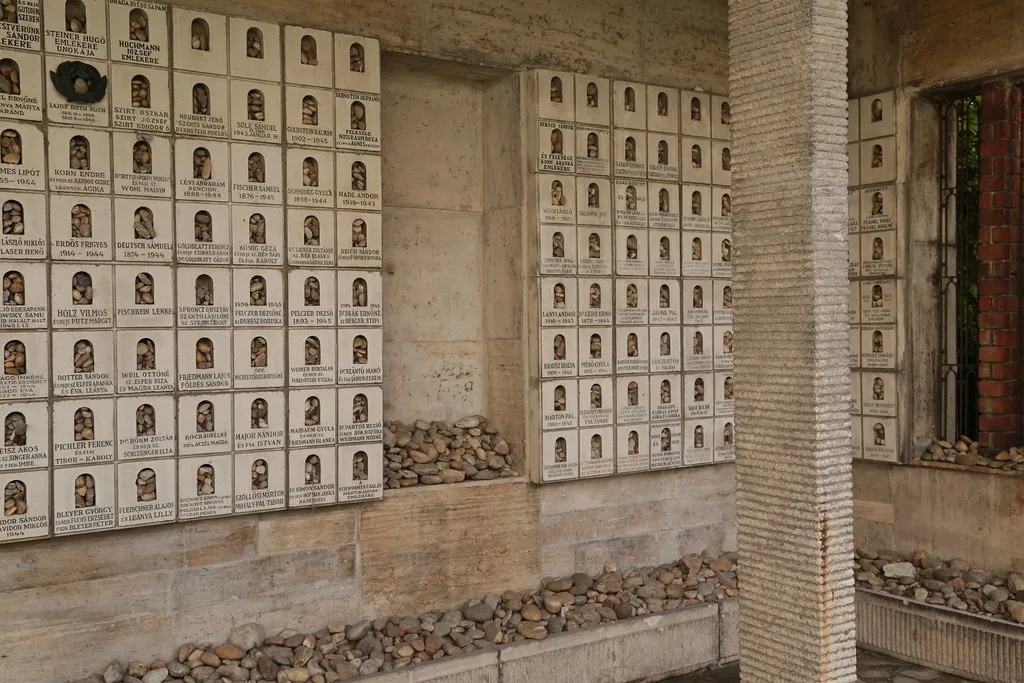
The H5 commuter train departs from Batthyány tér metro station (M2 red line). Buy a return ticket (single fare ~€2.50 each way) or hop on with a day pass. Validate your paper ticket immediately upon boarding — inspectors board frequently and fines are steep.
Szentendre is the most convenient day trip from Budapest and a reliable crowd-pleaser. The H5 commuter train departs every 10 to 20 minutes from Batthyány tér station, costs less than €5 round-trip, and deposits you in town in under 40 minutes. From the station it is a flat, easy ten-minute walk to the main square.
The town's character comes from its Serbian and Croatian heritage. When the Ottomans retreated in the late 17th century, South Slavic settlers rebuilt the town in a style that feels distinctly Mediterranean compared to anything else in Hungary. Artists arrived in the early 20th century and never really left, so galleries and ceramics workshops line every alley. The Marzipan Museum and the Serbian Ecclesiastical Art Collection are genuine highlights, not tourist traps.
One practical note that most articles get wrong: Szentendre sits on a parallel channel called the Szentendrei-Dunaág, not directly on the Danube. The waterfront views are beautiful regardless, and there is a solid vantage point from Castle Hill where you can look down over the terracotta rooftops toward the water. Plan for half a day at minimum, or combine it with a Danube Bend tour that also covers Visegrád and Esztergom if you want to see all three in one go.
The Wine and Fortress City of Eger
Eger demands a full day and repays it generously. The city sits two hours from Budapest's Keleti station, so leaving before 09:00 is essential if you want to fit in both the castle and the wine cellars before the last comfortable train home. Ticket prices are reasonable — trains cost around 2,800 to 3,500 HUF return (€7 to €9), and castle entry runs about 2,800 HUF (€7).
The castle itself earned its reputation in 1552 when a Hungarian garrison of roughly 2,000 soldiers held off an Ottoman army of more than 40,000. That story is woven into every corner of the site through exhibitions and reconstructed bastions. The town below is equally worth exploring: a 17th-century Turkish minaret that locals once tried to pull down with 400 oxen, a grand cathedral, and cobblestone streets lined with outdoor cafes.
The Valley of the Beautiful Women (Szépasszony-völgy) sits a 20-minute walk from the town center. Dozens of wine cellars are carved into the volcanic tuff hillside, each offering glasses of Egri Bikavér ("Bull's Blood") and other local varieties from around 400 HUF per glass. The atmosphere in the late afternoon, when tour groups have thinned out, is hard to replicate anywhere else in Hungary. If you prefer a guided experience with transport included, several Budapest tour operators run Eger day tours that pair the castle with a tasting session and save you the return-train logistics.
Eger is the one day trip where renting a private transfer makes a real case for itself. The train is slow and involves a change; a direct minivan lets you spend an extra hour in the valley rather than waiting on a platform.
Memento Park for Communist Relics
Memento Park is technically within the Budapest city limits, but reaching it from the center takes long enough — two buses or a metro plus a local bus — that it functions as a half-day excursion. The easiest route is the direct shuttle from Deák tér, which runs on weekends and in peak season. Alternatively, take bus 150 from Újbuda-központ. Admission is 3,500 HUF (around €9) and the park is open daily from 10:00 to sunset.
The park was designed in the 1990s as a considered response to what to do with the enormous statues of Lenin, Marx, and Hungarian communist leaders that lined city streets until 1989. The architect deliberately avoided creating an "anti-propaganda park." Instead, the statues are displayed with spatial respect, arranged in six circles that loop back on themselves — an intentional metaphor for an ideology that went nowhere. Standing beside a six-metre bronze Red Army soldier or the replica of Stalin's boots is a genuinely unnerving experience even decades removed from the regime.
Inside the small brick building near the entrance, a screen plays actual Hungarian secret-service training videos from the 1960s and 70s, showing how ordinary citizens were surveilled through tapped phones and intercepted mail. The gift shop sells the book In the Shadows of Stalin's Boots and the tongue-in-cheek "Stalin's Last Breath" tin cans — unusual souvenirs that travel well. Factor at least two hours for the park itself.
For context on what these statues meant to people who had to pass them daily, and how the current Hungarian government's relationship to that history has evolved, the external essay on manipulation of history is worth reading before you go. It sharpens what you see on the ground considerably.
The Danube Bend and Esztergom
The Danube Bend — where the river pivots sharply south before continuing to Budapest — contains three towns within 70 kilometres of the capital: Szentendre, Visegrád, and Esztergom. Most organized tours cover all three in a single day, which works well because none of them individually justifies a full standalone day trip on their own. You can Search Danube Bend tours and other trips from Budapest and book in advance during peak summer months.
Esztergom is the anchor. Its basilica — Hungary's largest church and tallest building — sits on a hill above the Danube, visible for miles. The 72-metre dome, an interior longer than a football field, and what the church claims is the largest painting on a single canvas behind the altar make it one of the most impressive religious structures in Central Europe. There is a direct train from Nyugati station that takes just under 90 minutes if you want to visit Esztergom alone; the round-trip fare is around 3,200 HUF (€8). Lunch beside the river, a walk along the promenade, and a look at the former royal palace museum fills a comfortable afternoon.
Visegrád is best added to an Esztergom day via tour rather than by train alone. The upper citadel perches on an almost vertical hillside above the Danube and offers the single best panoramic view of the entire river bend. Entrance costs about 3,200 HUF (€8). The hike from town to the citadel is steep — wear solid shoes — or take the local bus that runs in summer. Inside, historical re-enactments bring the 14th-century royal court to life during warmer months.
Exploring Lake Balaton
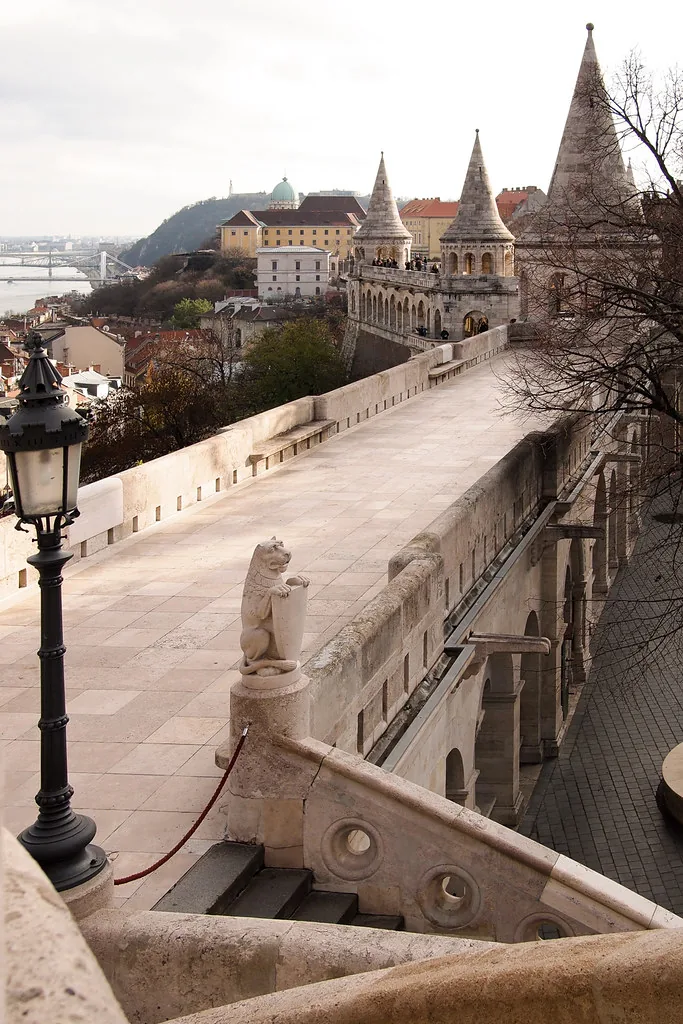
Lake Balaton is 78 kilometres long — more of an inland sea than a lake — and it has been Hungary's primary summer escape since Roman times. For a day trip, Balatonfüred on the northern shore is the most practical target. Direct trains from Déli station take about two hours and cost 4,500 to 5,500 HUF return (€11 to €14). Leave Déli before 08:30 to arrive in time for a full day by the water.
The northern shore is the wine shore. The volcanic basalt hills directly behind Balatonfüred and neighbouring Badacsony produce Hungary's best white wines — mineral-rich, high-acid bottles suited to summer drinking that are almost impossible to find outside the country. You can visit producer cellars directly, many of which open from 11:00 to 18:00 during summer. The nearby Tihany Peninsula juts into the lake and is worth the 15-minute bus ride: an 11th-century Benedictine abbey sits at the top, the lavender fields are in bloom from late June, and the ferry crossing back to the southern shore takes 10 minutes.
The southern shore town of Siófok is busier and more resort-style, with sandy beaches and a club scene that draws Budapest weekenders. If you have a rental car, Keszthely at the lake's western tip is worth a half-day for its Festetics Palace (open daily, around 3,200 HUF entry) and spa complex. For a single day trip on public transport, staying in Balatonfüred and renting a bicycle for the lakeside cycle path gives you the best balance of views and variety without the logistics of changing trains.
The Puszta Plains: A Side of Hungary Most Visitors Miss
The Hungarian Great Plain (Puszta) east of Budapest is the one destination on this list that no independent travel guide covers well, yet tourist information offices in Budapest consistently rank it among the most memorable day excursions for visitors who actually do it. The plain is the heartland of Magyar culture — the steppe landscape that the early Hungarian tribes rode through in the 9th century when they settled the Carpathian Basin. It has a mythic quality in the Hungarian national imagination that castles and wine regions do not quite carry.
The practical access point is a full-day tour to one of the traditional horse ranches (csárda) roughly 90 minutes southeast of Budapest, usually combined with a stop in Kecskemét. The horse show itself is the centerpiece: Hungarian csikós riders demonstrate astonishing bareback skill, including the famous "five-in-hand" feat where a single rider stands across two horses while controlling three others at full gallop. It is not performed for effect — this is a living skill tradition tied to the ranching economy that still functions here.
Kecskemét surprises almost everyone who passes through it. The city is famous for pálinka (fruit-distilled spirits) and apricot brandy, but architecturally it is one of the most ornate Art Nouveau cities in Hungary. The Town Hall facade and the Cifrapalota (Ornate Palace) are genuinely spectacular. The city also sits at the heart of Hungary's apricot-growing region, so summer visits coincide with local markets selling fresh fruit and preserves at prices you will not find in Budapest. Book any Puszta excursion through a Budapest-based operator at least a day ahead — independent access by public bus to the ranch areas is slow and requires precise timing.
How to Plan Your Excursion Beyond the City
| Destination | Travel Time | How to Get There | Best For |
|---|---|---|---|
| Szentendre | 40 min | H5 commuter train from Batthyány tér | First-timers, artists, galleries, romantic riverside walks |
| Eger | 2 hrs | Regional train from Keleti station | Wine tasting, castle history, Valley of the Beautiful Women |
| Danube Bend (Esztergom) | 90 min | Direct train from Nyugati to Esztergom | Religious architecture, panoramic river views, day-tour combo |
| Lake Balaton (Balatonfüred) | 2 hrs | Direct train from Déli station | Summer swimming, wine cellars, bicycle tours, Tihany Peninsula |
| Gödöllő | 50 min | H8 suburban line from Keleti | Empress Sisi's baroque palace, quick half-day escape |
| Puszta Plains (Kecskemét) | 90 min | Organized tour from central Budapest | Horse shows, Art Nouveau architecture, apricot markets |
For those who prefer a curated experience, guided tours often combine Szentendre, Visegrád, and Esztergom into a single efficient day of sightseeing. Travelers looking for maximum comfort on longer routes like Eger or Lake Balaton should consider private transfers — driving in Hungary is straightforward, but parking in historic town centers like Szentendre can be extremely difficult.
Public transport remains the most budget-friendly choice and gives you a more local perspective on the Hungarian landscape. Always validate your paper tickets before boarding the train or immediately after entering a bus or tram — inspectors are frequent on regional lines and show little leniency toward tourists. Digital tickets purchased through the MÁV app are easier to manage and do not require physical validation.
The Hungarian Forint (HUF) is the official currency. While Euros are sometimes accepted at tourist sites, the exchange rates are poor. Carry at least 5,000 to 10,000 HUF in cash for small purchases in rural areas. Most tourist information offices in Budapest provide updated regional maps and bus timetables at no cost.
What to Skip: Managing Your Travel Expectations
While many tour operators suggest Vienna as a day trip, the four-hour round-trip transit time leaves very little time to appreciate the Austrian capital. Save Vienna for a dedicated multi-day stay rather than rushing through it in a few hours.
Avoid trying to visit more than two towns in the Danube Bend independently using public buses or trains. The connections between Visegrád and Esztergom can be slow, especially during the off-season winter months. Focusing on one location allows you to enjoy a leisurely lunch and discover hidden gems in Budapest surroundings without stress.
Don't assume that every museum in smaller towns will have English signage or English-speaking staff. While major sites are well-equipped, smaller local collections may only offer descriptions in Hungarian or German. Downloading a translation app with offline capabilities will help you navigate these more authentic, less-touristy spots.
Is a Day Trip from Budapest Worth the Effort?
Leaving the city provides a break from the dense urban crowds of the Jewish Quarter and the heavily trafficked thermal baths. Prices for food and drinks drop significantly once you leave the capital's main tourist zones. A bowl of fish soup in Esztergom or a plate of lángos beside Lake Balaton costs half what you would pay in Budapest's central districts.
While some excursions require admission tickets, you can still find many places to visit in Budapest for free before you leave. The small investment in a train ticket to Eger or Vác pays off in unique memories and photographs. The architectural styles shift from Neo-Gothic grandeur to charming Baroque and traditional folk styles within an hour of departure.
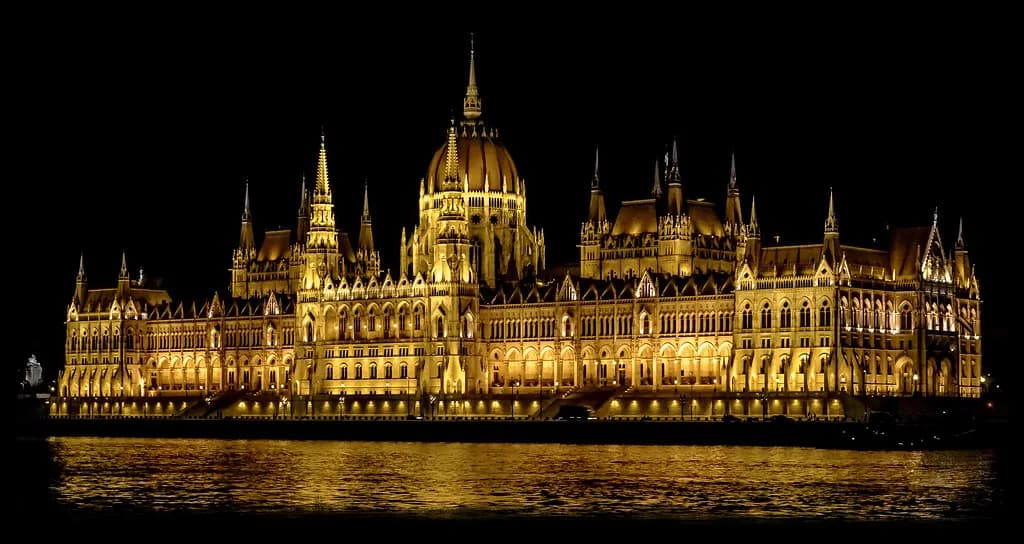
Families will especially appreciate the open spaces and interactive history at Visegrád Citadel or Memento Park. Couples often find the romantic riverside promenade of Szentendre to be a highlight of their entire Hungarian vacation. Ultimately, a day trip enriches your travel experience by revealing the diversity of the nation beyond its famous parliament building.
Frequently Asked Questions
What is the easiest day trip from Budapest by train?
Szentendre is the easiest day trip because the H5 commuter train runs every 10-20 minutes from Batthyány tér. The journey takes only 40 minutes and costs less than $5 round-trip.
Can you visit Lake Balaton in a single day?
Yes, you can visit Lake Balaton by taking a direct two-hour train to Balatonfüred or Siófok. It is best to leave early in the morning to maximize your time by the water.
Is Bratislava worth a day trip from Budapest?
Bratislava is very reachable by a direct two-hour train ride from Budapest. You can easily explore the compact Old Town and the castle within a single afternoon before returning.
Exploring the regions surrounding Budapest is the best way to see the heart of Hungary beyond the typical tourist path. Whether you choose the wine cellars of Eger, the artistic streets of Szentendre, or the communist statues of Memento Park, each destination offers a distinct story. This guide should give you the practical detail you need to choose wisely and arrive prepared.
Remember to check the latest train schedules and pack comfortable walking shoes for the cobblestone streets. Your journey outside the capital will likely be the most memorable part of your Central European adventure.
Continue exploring
More guides you'll find useful