12 Best Day Trips from Porto: A Local's Guide (2026)
Discover the 12 best day trips from Porto. From the Douro Valley to Braga and Aveiro, plan your perfect getaway with local transport tips and must-see spots.
On this page
12 Best Day Trips from Porto
Porto is a spectacular base for exploring Northern Portugal. Within two hours you can reach medieval hilltop sanctuaries, terraced wine valleys, Atlantic beaches, and one of the world's oldest universities. The region rewards travelers who step outside the city, and these 12 destinations cover every travel style.
For the smoothest logistics, study the Porto's neighborhoods before booking accommodation. Staying near São Bento or Campanhã stations shaves 20 to 30 minutes off every morning departure. This guide covers how to get to each spot by train or car, what to expect, and when to go in 2026.
São Bento vs. Campanhã: Which Station to Use
Two main stations serve day-trippers, and choosing the wrong one wastes time. São Bento is the central, azulejo-tiled station in the city core. It handles regional lines to Braga, Guimarães, Aveiro, and the scenic Douro line toward Pinhão. It is the starting point for the majority of trips on this list.
Campanhã sits about two kilometers east of São Bento and is Porto's main intercity hub. Alfa Pendular express trains to Coimbra and Lisbon depart from Campanhã, not São Bento. The two stations are connected by a two-minute urban train ride, so missing a São Bento connection rarely means a long walk.
For Braga, Guimarães, and Aveiro, São Bento is more convenient. For Coimbra, plan to leave from Campanhã to use the faster Alfa Pendular service, which cuts the journey to around one hour. Regional train tickets on the CP network cost between €3 and €14 for most routes covered in this guide.
Douro Valley: Port Wine and Terraced Vineyards
The Douro Valley is a UNESCO World Heritage Site and one of the most visually dramatic wine regions on earth. Terraced schist hillsides drop down to the Douro River for over 100 kilometers, with quintas offering tastings throughout the day. Pinhão is the best base for a day trip: it has a handful of walkable quintas, a famously tiled train station, and the starting point for rabelo boat rides.
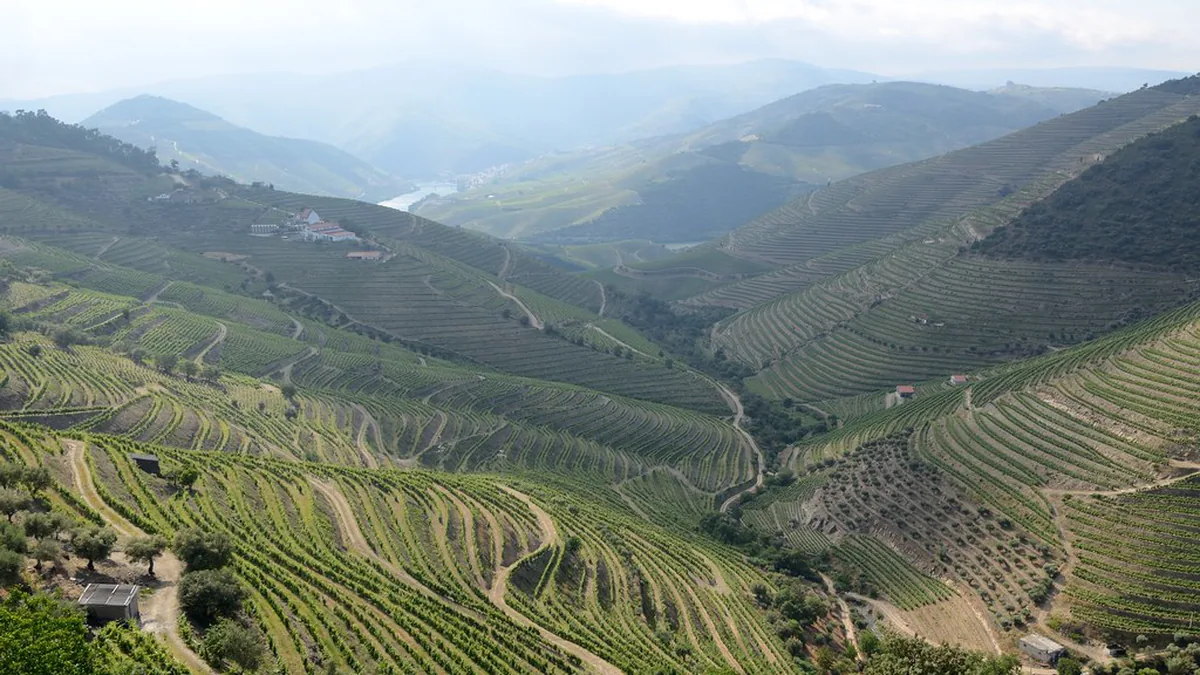
The scenic train from São Bento to Pinhão takes about two hours and hugs the riverbank for much of the journey. The journey itself is worth the trip. From Pinhão, a one-hour boat cruise on the Douro river costs around €12 to €18 per person. Most quintas near the station accept walk-ins for tastings between 10:00 and 17:00, charging €8 to €20 depending on the wines poured.
If you drive, parking near Pinhão's centre is free but fills early in summer. September is the best month to visit: the grape harvest (vindima) is underway, the light turns golden, and some estates invite visitors to tread grapes. Book any boat ride in advance during harvest season as boats sell out several days ahead. On return, check out the Porto's best restaurants for a well-earned dinner after the long journey back.
Which station to use: The scenic Douro train departs from São Bento, the central azulejo-tiled station in Porto's core. This is your starting point for the majority of day trips, including Pinhão. If you're arriving by Alfa Pendular from Coimbra or Lisbon, you'll land at Campanhã, about 2 kilometers east — a quick 2-minute urban train ride connects the two.
Train vs. tour: Regional trains on the CP network cost €3–€14 for most day-trip routes and give you flexibility. Group tours from Porto handle logistics but cost 3–5 times more and lock you into fixed timing. For solo travelers or those with flexible schedules, trains dominate.
Braga: The Rome of Portugal and Bom Jesus
Braga is one of Portugal's oldest cities and its ecclesiastical capital, with monuments spanning from Roman baths to ornate Baroque palaces. The compact city centre is walkable and lively, with a younger population than any other Portuguese city of its size. Direct trains from São Bento take 55 to 75 minutes and run frequently throughout the day.
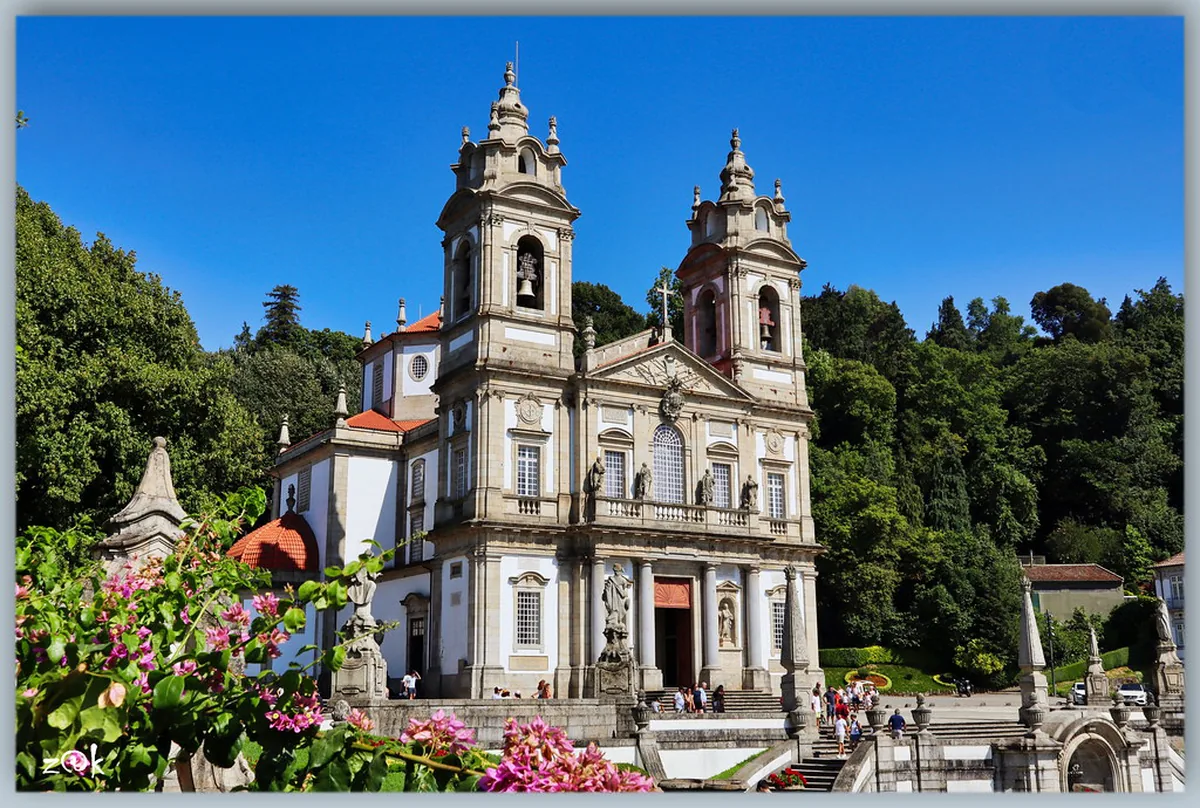
The must-see outside the city is Bom Jesus do Monte, a hilltop sanctuary reached by a zig-zagging Baroque staircase with 577 steps. The staircase is decorated with fountains representing the five senses and seven deadly sins. The funicular beside it costs around €2 per ride if your knees prefer the easier option. Entry to the sanctuary grounds is free; it opens from dawn to dusk daily.
Inside the city, the Sé Catedral de Braga is the oldest cathedral in Portugal, dating to 1070. The Jardins de Santa Bárbara behind the archbishop's palace make for a calming late-morning stroll. If you have a car, the Monastery of São Martinho de Tibães is 10 minutes outside town and showcases five distinct styles of Portuguese golden-leaf woodwork — an undervisited highlight that most day-trippers skip.
Guimarães: Exploring the Birthplace of the Nation
Guimarães holds a singular status in Portuguese history: King Afonso Henriques, the country's first monarch, is believed to have been born here in the 12th century. The city's medieval centre has been a UNESCO World Heritage Site since 2001. Its preserved streets, arched arcades, and stone towers feel genuinely medieval rather than restored-for-tourism.
Guimarães Castle costs around €2 to enter and is open from 10:00 to 18:00. The adjacent Palace of the Dukes of Bragança charges a similar fee and houses a collection of Flemish tapestries and period furniture. Around the castle, the Largo da Oliveira square is lined with medieval arcades and good cafes — a natural lunch stop before the afternoon back to Porto.
Trains from Campanhã run the route in about 70 minutes and cost around €3.50 each way. The station is a 20-minute walk from the historic centre, or a short taxi ride. If you combine Guimarães with Braga in one day — which works well given the proximity — a combined day tour from Porto covers both efficiently. Look for Tortinhas de Guimarães at any pastry shop: these egg-yolk sweets are a local speciality.
Aveiro & Costa Nova: Canals and Colorful Haystacks
Aveiro is built around a lagoon network and earned the label "Venice of Portugal" for its painted moliceiro boats drifting through central canals. The comparison is flattering but earned: the narrow waterways lined with Art Nouveau buildings have genuine charm. The city is compact enough to cover on foot in three to four hours.
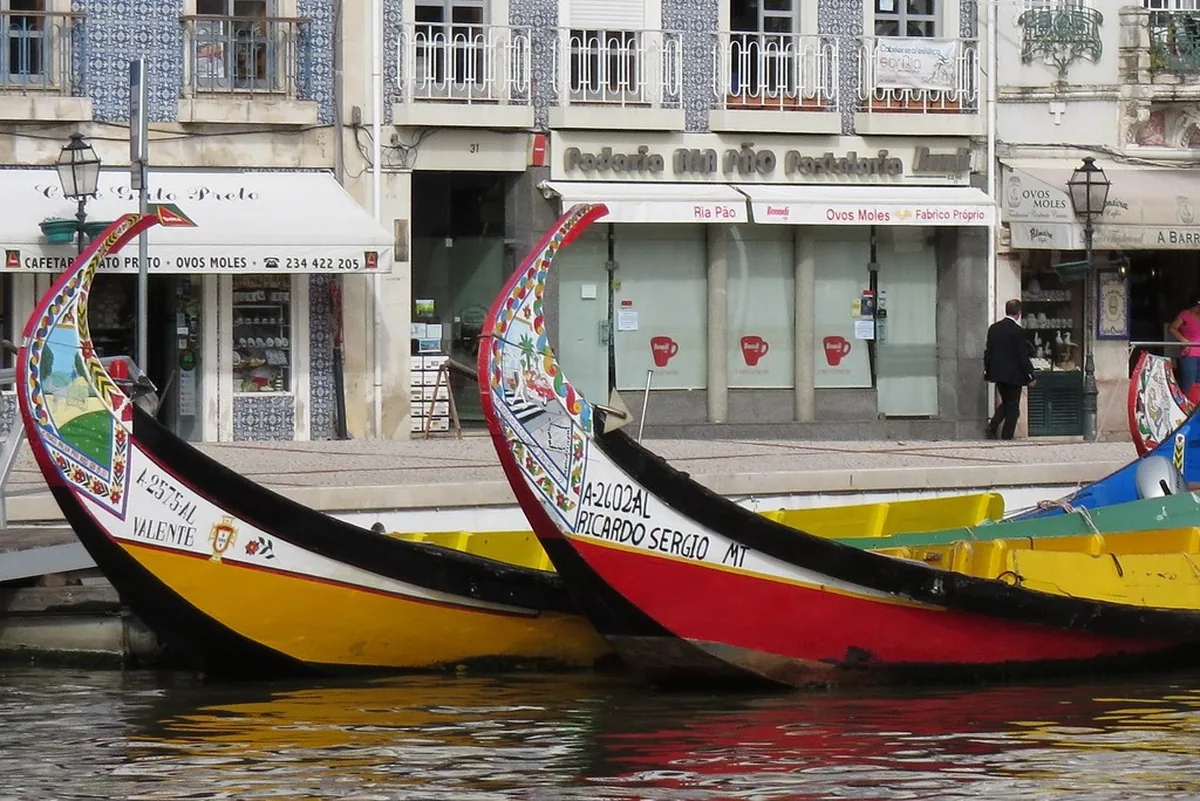
Canal boat rides depart from the central dock (Cais dos Botirões) and last 45 minutes, costing around €12 to €15 per person. Trains from São Bento or Campanhã take one hour and cost around €4. The station is a 20-minute walk from the canal area. Before leaving, buy ovos moles at any central pastelaria: these egg-yolk sweets wrapped in rice-wafer shells are a protected regional product you won't find elsewhere.
Costa Nova is 10 minutes by car from Aveiro's centre and worth the detour. The palheiros — candy-striped wooden houses — line the narrow dune strip between the Ria de Aveiro lagoon and an Atlantic beach. Without a car, a local bus runs from Aveiro centre on a reduced schedule. Combine Aveiro and Costa Nova with Coimbra on the same route if you have a rental car, as the two cities sit 60 kilometers apart on the A1.
Coimbra: Ancient University and Medieval Streets
Coimbra was Portugal's capital before Lisbon, and its 13th-century university — built on the grounds of a former royal palace — remains the city's defining feature. Founded in 1290, the University of Coimbra is one of the oldest continuously operating universities in the world and a UNESCO World Heritage Site. The Biblioteca Joanina inside the university complex is among the most ornate Baroque libraries in Europe, with frescoed ceilings and wood-paneled shelves stacked to the vaulted ceiling.
Entry to the full university complex including the Joanina Library costs around €13 to €15 per adult. Timed entry to the library is strict — arrive exactly at your scheduled slot or you will be turned away. Book tickets online at the university website before your visit, especially from June through August when slots fill days in advance.
The Sé Velha (Old Cathedral) and the Santa Cruz Church anchor the old town below the university hill. The Jardim Botânico is a calming 19th-century botanical garden ideal for a slow afternoon. Alfa Pendular trains from Campanhã reach Coimbra in around one hour; the regional service takes up to 2h40. Note that Coimbra's main train station (Coimbra B) is 40 minutes' walk from the university hill, so take a taxi or local bus on arrival. A guided full-day tour to Fátima and Coimbra removes all the logistics if you prefer not to navigate the station transfer.
Paiva Walkways and the Arouca 516 Bridge
The Paiva Walkways (Passadiços do Paiva) are an 8.7-kilometer wooden boardwalk trail cut into the walls of the Paiva River gorge, roughly 80 kilometers from Porto. The trail passes swimming holes, waterfalls, and dramatic river pools through a landscape that feels genuinely wild. It is consistently rated among the best hikes in Portugal by visitors and locals alike.
A detail no standard guide mentions: the Arouca 516 Suspension Bridge sits 500 meters from the Areinho trailhead and can be walked on the same visit. At 516 meters long and 175 meters above the Paiva River gorge, it is the world's longest pedestrian suspension bridge. The bridge ticket costs €15 per person and includes access to the trailhead viewing platform. Book bridge and walkway tickets separately at the Arouca Geopark website — combined visits sell out weeks in advance in July and August.
There is no practical public transport from Porto to Arouca. A car is essential and the drive takes about 75 minutes. Start at the Areinho entrance to walk the trail downhill toward Espiunca, which is significantly easier on the legs. The walkway is open 08:00 to 20:00 in summer and 09:00 to 17:00 in winter. Spring (April to June) and autumn (September to October) offer the best temperatures for the climb.
Peneda-Gerês National Park: Nature and Adventure
Peneda-Gerês is Portugal's only national park, covering 72,000 hectares of granite mountains, Roman roads, wild horses, and crystal-clear mountain rivers. The park has a genuinely remote feel despite being 90 minutes from Porto by car. It is the closest thing Portugal has to a wilderness experience, and it consistently surprises visitors who expected a tamed nature reserve.
Popular spots include the Cascata do Arado waterfall and its natural swimming pool, the ancient centennial forest at Mata da Albergaria, and the Miradouro da Pedra Bela viewpoint, which looks out over rolling forested hills on the Spanish border. Entry to the park is free; some dedicated parking areas charge €2 to €5. A 4x4 adventure tour with lunch is the best option if you don't have a car, as many of the park's best spots are on rough tracks inaccessible by standard vehicle.
There is no practical public transport from Porto into the park. Drive north on the A3 toward Braga, then follow signs for Gerês from the town of Braga or Ponte da Barca. Pack water shoes if you plan to swim in the lagoons, and bring a layer for the evenings even in summer — the elevation drops temperatures noticeably after sunset.
Amarante: Riverside Beauty and Local Pastries
Amarante sits where the Serra do Marão mountains meet the Tâmega River and consistently catches visitors off guard. It doesn't feature on most Portugal highlight reels, which is a large part of its appeal. The town has an artistic heritage — several major 20th-century Portuguese painters and writers were born here — and an easy, unhurried pace that makes it a strong choice for a half-day escape.
The São Gonçalo Bridge is the town's postcard image, framing the river and the 16th-century monastery behind it. Cross the bridge and walk left to reach Confeitaria da Ponte, where the terrace overlooks the water and the house specialty is a local pastry you will recognise the moment you see it: bolos de São Gonçalo are phallic-shaped fertility cakes with a centuries-old tradition. The monastery and its church are free to enter. The Amadeo de Souza Cardoso Museum charges around €5 and hosts rotating temporary exhibitions.
There is no direct train to Amarante. A bus from Porto's Campo 24 de Agosto station takes about 50 minutes; the schedule is limited, so check times before leaving. A car gives more flexibility and allows a stop at the Serra do Marão viewpoints on the way back. Allow a half-day minimum; combine with Guimarães or Lamego for a full circular road trip.
Ponte de Lima: Walking Portugal's Oldest Village
Ponte de Lima famously refused to be classified as a city despite its growth — it remains a village by civic pride. The Roman bridge, dating to the 1st century AD, is the town's anchor and frames the Lima River perfectly against a green hillside backdrop. The historic centre takes two to three hours to cover on foot, after which the riverbanks provide hiking, cycling, and kayaking routes largely unknown to non-Portuguese visitors.
Walking across the bridge and through the botanical gardens is free. Gardens are open from 10:00 to 19:00 in spring and summer. On Monday mornings, a large traditional market fills the riverside with agricultural produce, crafts, and livestock — an authentic experience that major guidebooks undersell. A car is the most practical way to reach Ponte de Lima, as bus connections from Porto take over two hours with a change.
Matosinhos: Fresh Seafood and Atlantic Surf
Matosinhos is Porto's neighbouring fishing port and the easiest trip on this list. Metro Line A from Trindade reaches it in 30 minutes for around €2. There is no long logistics puzzle: step off the metro and the seafood restaurants are two blocks away, with the Atlantic beach a short walk beyond them.
Rua Heróis de França is lined with charuma (grilled fish) restaurants that open for lunch and dinner daily. A fresh fish lunch for two with wine runs €35 to €60. In summer, order sardines — they come off the grill whole, on bread, in the traditional Portuguese style. The beach itself is wide and flat, backed by Parque da Cidade, Porto's largest urban park at 205 acres. Combine this with a walk along the coastline toward Foz do Douro for a full coastal afternoon.
Lamego: Baroque Stairs and Sparkling Wine
Lamego sits 12 kilometers from the Douro River and pairs naturally with a Douro Valley visit. The town is compact and walkable, anchored by a cathedral and a regional museum, but the standout is the Nossa Senhora dos Remédios Sanctuary: a Baroque hilltop church reached by a zigzagging staircase decorated with azulejo tiles. The 7th-century chapel at the site is believed to be one of the oldest in Europe.
Entry to the sanctuary and its grounds is free. The cathedral and museum are open from 10:00 to 18:00 with a midday break. The wine cellars around Lamego produce Raposeira, Portugal's best-known sparkling wine. Most cellars accept visits with advance booking and charge €5 to €12 for a tasting. A car is essential for Lamego; the drive from Porto takes around 90 minutes on the A4 and IC5.
Santiago de Compostela: A Spanish Pilgrimage
Santiago de Compostela is a long but achievable day trip — 150 kilometers north across the Spanish border in Galicia. The city is the endpoint of the Camino de Santiago pilgrimage routes and a UNESCO World Heritage Site in its own right. The medieval old town (Casco Histórico) around Praza do Obradoiro is one of the finest squares in Southern Europe, dominated by the Baroque facade of the cathedral.
Entry to the cathedral is free; the museum and the Portico of Glory cost around €12. The cathedral opens from 07:00 to 21:00. Buses from Porto's bus terminal take approximately 3.5 hours each way, making this a ten-hour day minimum. Carry your passport or national ID: you are crossing an international border, even within the Schengen Area. Spain is one hour ahead of Portugal, so adjust your watch on arrival to avoid missing your return bus. Try tarta de Santiago — an almond cake with the Cross of Saint James in powdered sugar — at any bakery in the old town.
Seasonal Guide: When to Take Each Trip
The best months for day trips from Porto are May, June, September, and October. Temperatures are comfortable, crowds are manageable, and the landscape is at its most vivid. July and August are popular but bring heat and long queues at sites like the Paiva Walkways, Pinhão quintas, and the Joanina Library in Coimbra.
For the Douro Valley, September is the single best month. The harvest begins in early September and the terraces turn amber and ochre through October. For Peneda-Gerês and Paiva Walkways, April to June and September offer the clearest water and most comfortable temperatures for hiking. Matosinhos and the Atlantic beach trips are best from late June through August, when the nortada (northern Atlantic wind) calms enough for comfortable sunbathing. Braga hosts the spectacular Semana Santa (Holy Week) processions in late March or April — if your dates overlap, this is one of the most atmospheric events in Northern Portugal.
Winter (November to February) is the quietest period. Prices drop, crowds disappear, and cities like Guimarães and Coimbra feel genuinely local. Rain is frequent but rarely constant, and most indoor sites remain open year-round. Finding the the best time to visit Porto matters most for accommodation prices, which rise sharply in July and August citywide.
Car vs. Train: Planning Your Day Trips
For Braga, Aveiro, Guimarães, Coimbra, and Matosinhos, a car is unnecessary. Train and metro connections from Porto are frequent, affordable, and drop you close to each city centre. Regional train tickets cost €3 to €14 and are available on the CP website. Always validate your ticket at the orange stamping machine on the platform before boarding — inspectors fine non-validated tickets heavily.
For Douro Valley, Lamego, Paiva Walkways, Peneda-Gerês, Ponte de Lima, and Amarante, a rental car unlocks the full experience. Without one, these destinations either require slow buses or remain partially inaccessible. If you're staying in Porto for a week, rent a car for two or three days to cover the nature and wine-country destinations, then use trains for the city trips. Parking in historic centres is difficult — Guimarães and Braga both restrict traffic in their old towns, so use designated peripheral lots signposted at the city entrances.
Bus operators Rede Expressos and FlixBus serve some destinations where trains don't reach, including connections toward Ponte de Lima and Amarante, but schedules are infrequent. Check the Rede Expressos website for the most current timetables. For Santiago de Compostela, cross-border coaches depart from Porto's main bus terminal (Terminal Rodoviário de Campanhã) and need to be booked a day ahead in peak summer.
| Destination | Travel Time | How to Get There | Cost per Person | Best For |
|---|---|---|---|---|
| Braga | 55–75 min | Train from São Bento | €3–€6 | City culture & Bom Jesus sanctuary |
| Guimarães | 70 min | Train from Campanhã | €3.50 | Medieval UNESCO site |
| Aveiro | 1 hour | Train from São Bento or Campanhã | €4 | Canal boats & Costa Nova beaches |
| Coimbra | 1 hour (Alfa Pendular) | Alfa Pendular from Campanhã | €10–€14 | Ancient university & Joanina Library |
| Douro Valley (Pinhão) | 2 hours train | Scenic train from São Bento | €6–€10 | Wine tastings & vineyard views |
| Matosinhos | 30 min | Metro Line A from Trindade | €2 | Seafood restaurants & Atlantic beach |
| Lamego | 90 min drive | Car rental required | €40–€60 (car rental daily) | Baroque sanctuary & sparkling wine |
| Peneda-Gerês National Park | 90 min drive | Car rental required | €40–€60 (car rental daily) | Hiking, waterfalls, wilderness |
Back in the city? Our Porto hidden gems guide covers the neighborhoods, food, and secret corners worth your time.
Frequently Asked Questions
What is the best day trip from Porto by train?
Braga and Guimarães are the best day trips by train because they offer direct, frequent, and affordable service from São Bento. The journey takes about an hour and costs under $10. Both cities have compact historic centers easily explored on foot.
Do I need a car for day trips from Porto?
A car is not necessary for major cities like Aveiro or Braga, but it is essential for nature spots like Peneda-Gerês. Driving allows you to visit remote viewpoints and smaller wine estates in the Douro. For city-to-city travel, the train is faster and cheaper.
Can you visit the Douro Valley in one day?
Yes, you can visit the Douro Valley in a day by taking an early train to Pinhão. This allows time for a two-hour boat ride and a vineyard tour before returning. It is a long day, typically lasting 10 to 12 hours total.
Northern Portugal is one of Europe's most underrated regions for day trips. From the granite wilderness of Gerês to the Baroque grandeur of Braga and the canal streets of Aveiro, the diversity within two hours of Porto is exceptional. Plan transport in advance, start early, and resist the urge to pack too many destinations into one day.
Pack comfortable walking shoes — cobblestone streets and hillside sanctuaries are the norm here, not the exception. Whether you choose the wine country, the coastline, or a medieval city center, these trips add genuine depth to any Porto stay.
Continue exploring
More guides you'll find useful