10 Best Food Categories and Restaurants in Porto
Discover where to eat in Porto with our guide to the 10 best dining categories, from traditional tascas and street food to Michelin-starred modern Portuguese cuisine.
On this page
10 Best Food Categories and Restaurants in Porto
Porto rewards hungry travelers in a way few European cities can match. The food here is rooted in the Atlantic — salt cod, charcoal-grilled fish, and briny shellfish — plus centuries of Northern Portuguese recipes built for cold winters and long workdays. Deciding where to eat in Porto in 2026 means choosing between centuries-old tascas that have barely changed since 1970, buzzy modern bistros reinterpreting grandmothers' recipes, and a surprisingly strong international dining scene. This guide covers every category worth knowing, with specific venues, what to order, and the practical details that save you from tourist-trap meals.
One thing to know before you start: portions in Porto are large. A standard "dose" is sized for two people. Order a "meia dose" (half portion) if you are eating alone or plan to keep moving. This single piece of local knowledge — sometimes called Portuguese Maths — will prevent you from over-ordering at every meal and will save a noticeable amount of money across a multi-day visit.
Best Traditional Portuguese Restaurants and Tascas
The best place to start eating in Porto is in its traditional tascas and adega-style restaurants, where paper tablecloths, handwritten menus, and €10 daily specials are still the norm. Adega São Nicolau (Rua de São Nicolau 1, Ribeira) stands out as the spot where Porto's own chefs come to eat on their days off. The bacalhau croquettes are consistently excellent, the polvo à lagareiro (octopus with roast potatoes and olive oil) appears on most visits, and the riverfront location in the Ribeira district stays genuinely local despite the tourist foot traffic nearby. Arrive fifteen minutes before the 12:00 opening to claim one of the few outdoor tables with a partial river view.
For a more neighborhood feel, O Buraco (Rua do Heroísmo area, downtown) has been feeding Porto workers since 1971 and serves some of the most reliable tripas à moda do Porto in the city. The menu lists the classics but the daily specials — duck rice, fried cow liver with caramelized onions — are often the better choice. Restaurante Antunes (Rua do Bonjardim 614, Trinidade) is worth a detour for the pernil assado no forno alone: a vast terracotta dish of slow-baked pork leg with the best gravy and potatoes you may eat in Northern Portugal. The locals pair it with espedal, a lightly sparkling rosé from the Vinho Verde region — order it by the glass and do the same.
Casa Expresso (Praça de Carlos Alberto 73, Cedofeita) is the definitive budget tasca: dishes between €5 and €6, a slate board menu that changes daily, and a legendary sandes de rojão (chunks of garlic-and-wine-marinated pork in a crusty roll). At most tascas, reservations are either impossible or handled by phone only. For lunch, showing up at noon or just before is the most reliable strategy.
Modern Portuguese Gastronomy in Porto
Modern Portuguese gastronomy in Porto has matured considerably. These are not fusion restaurants in the tourist sense — they are places where serious chefs take familiar Northern Portuguese ingredients and apply contemporary technique to create something genuinely new. Almeja (Rua de Fernandes Tomás 819) is one of the most distinctive: chef João Cura works from childhood food memories, producing dishes like roasted pig's head terrine with escabeche and apples, and baked rice with young goat and giblets. The 10-course tasting menu runs €80 but à la carte is available for those who prefer flexibility.
Mito, in the Rua da Picaria neighborhood, is chef Pedro Braga's answer to the idea that haute cuisine must be formal. The room is unfussy, the prices are reasonable ($$), and the food mixes traditional Portuguese recipes with global touches — the ravioli dishes and pickled sides sit comfortably next to locally sourced fish and meat. Cozinha das Flores (Largo São Domingos 62) leans further into artistic presentation, making it particularly well-suited for food-focused travelers who want something that looks as deliberate as it tastes. The menu changes with the season and emphasizes ingredients from small regional producers.
Apego (Rua de Santa Catarina 1198) brings a French-bistro sensibility to Portuguese ingredients — stone walls, soft lighting, a five-course tasting menu for €70 — and chef Aurora Goy's cooking is technically precise without feeling cold. Book well in advance for any of these spots, especially on Friday and Saturday evenings in summer.
Authentic Portuguese Snack Bars and Petiscos
The snack bar and petiscos culture in Porto is distinct from what you will find in Lisbon, and it is worth understanding the difference before you walk through the door. A tasca is a casual full-service restaurant. A snack bar is a narrower operation — often counter-only, cash only, and built around a handful of dishes done very well. Petiscos are small plates designed for sharing, the Northern Portuguese equivalent of tapas, though the ethos is less curated and more practical.
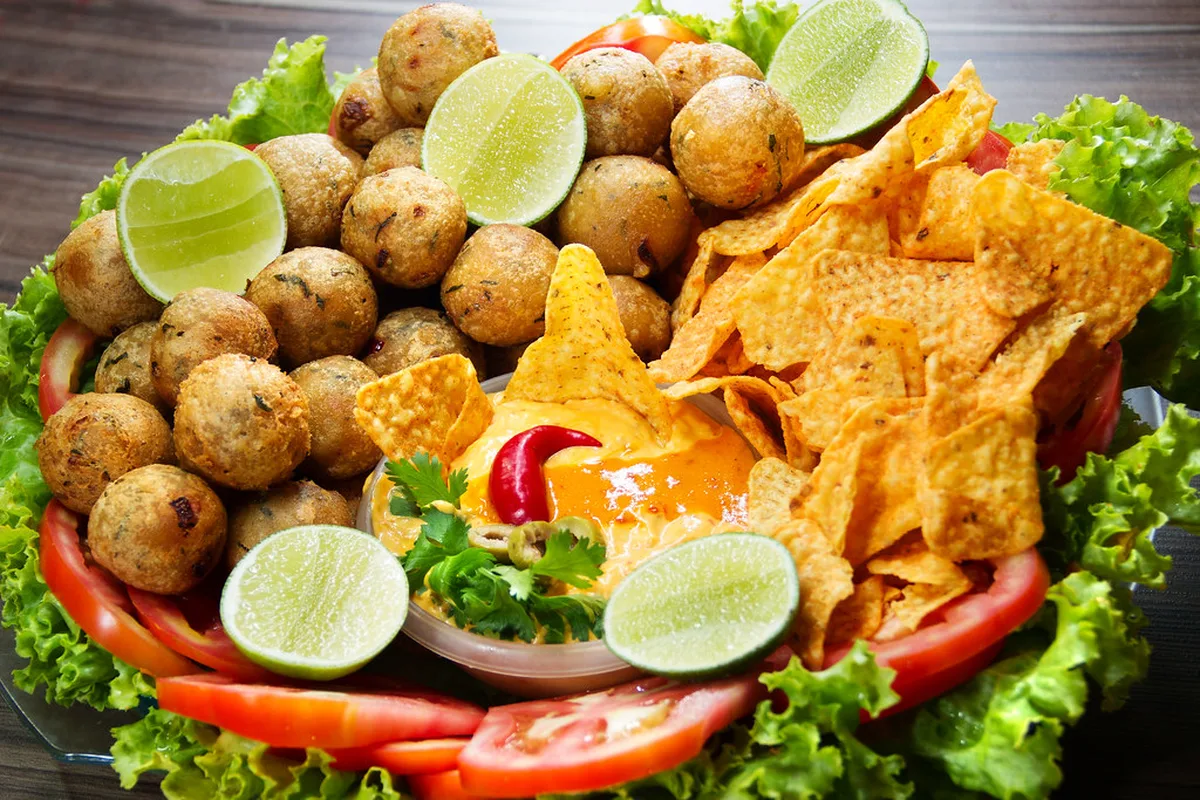
The balcão (counter) is central to the snack bar experience. Standing at the counter, rather than waiting for a table, is faster and gives you a direct view of what is coming out of the kitchen. Try the bolinhos de bacalhau (salt cod cakes) at almost any counter in the city — they are ubiquitous for a reason. O Xico dos Presuntos (Rua do Heroísmo 191, Heroísmo) is one of the best examples of the format: prosciutto sandwiches cut thick, a half-litre of vinho verde tinto novo, and antique hams hanging from the ceiling. The entire bill for two people rarely exceeds €10. Cash only.
Casa Guedes (Praça dos Poveiros 130, Coliseu) has been serving the sandes de pernil since 1987 — roasted pork on a roll, optionally topped with sheep's cheese, and one of the most satisfying sandwiches in the city. Oficina dos Rissóis (Passeio de São Lázaro 5A, Coliseu) elevates the humble rissol from bakery snack to a proper lunch: order two or three flavours with sides like salad and rice. No reservations at any of these — just arrive and find a spot.
Where to Eat International Food in Porto
After three or four days of heavy Northern Portuguese cooking, most travelers welcome a detour into international cuisine. The city has a genuinely strong international dining scene, concentrated in Cedofeita and the Batalha neighborhoods. Belos Aires Restaurante (Rua de José Falcão 115, Baixa) is the standout for meat: Argentine chef Mauricio Ghiglione grills over a parrilla and uses local Portuguese products — the sea bass with carrots and thyme is worth ordering alongside the rib-eye. The lemon-seasoned sweetbreads with crispy fried cassava are a must. Book ahead; this place fills quickly at weekends.
For Japanese food in a city that takes its seafood seriously, the eight-seat counter at Rino (Matosinhos) is an excellent choice. Chef Masaki Onishi serves sushi and sashimi made with local Atlantic catch alongside less familiar Japanese hot dishes like miso-marinated pork belly. The room is tiny and reservations are essential. Shiko (Rua do Sol 238, Batalha) takes a Japanese tasca approach, with small plates like slow-cooked miso eggplant and okonomiyaki that are built with genuine care.
Cedofeita is the neighborhood with the widest international variety. Thailander (Rua Das Oliveiras 45) is arguably the best Thai restaurant in Portugal, serving pad krapow and pad see ew from a menu that includes a drink and starter at lunch. Curb (Rua da Torrinha 134) handles American-style burgers at a quality level that keeps locals returning. Vegetarian and vegan diners will find more options in the international category than in traditional tascas, which tend to center meat and fish.
Street Food and Quick Bites Worth Seeking Out
Porto's street food scene is built on a small number of dishes executed with obsessive consistency. The bifana — thin slices of pork cooked in a spicy red sauce, served in a crusty roll — is the definitive quick meal. O Astro (Rua da Estação 16, Campanhã, opposite the train station) makes what many locals consider the finest bifana in Porto: the meat is tender, the sauce is properly spiced, and a cold beer is the correct pairing. Conga Casa das Bifanas (Rua do Bonjardim 318, Bolhão) is the downtown option — no less good and easier to access mid-sightseeing. Neither takes reservations; both are often busy by 12:30.
Cervejaria Gazela (Travessa do Cimo de Vila 4, Batalha) is famous internationally for the Anthony Bourdain visit that did not, remarkably, destroy the atmosphere. The cachorrinhos (small spicy hot dogs in a roll) are still made the same way and the counter still draws Porto's most entertaining regulars. Sit at the bar and order two — stopping at one is more difficult than it sounds. Pastelaria e Confeitaria Moura is the place to stop for pastries: bolas de berlim (a custard-filled doughnut-like pastry) and golden croissants that compete with anything in Lisbon.
For budget travelers, Porto's bakeries offer the best value in Western Europe. Most carry a combo of a sandwich, a coffee, and a pastel de nata for under €4. Look for a line of workers outside at 12:15 as the clearest signal of freshness and quality. Rissóis from a pastelaria (shrimp or meat filled, crumbed and fried) make an ideal mid-afternoon snack for €1–1.50 each.
Iconic Porto Staples: Francesinha and Tripas
The Francesinha is the dish that defines Porto to the outside world, and it earns that reputation. Layers of steak, ham, and sausage (mortadella and chouriço) are stacked between thick bread, covered in melted cheese, then drowned in a hot spiced beer-and-tomato sauce that every restaurant guards like a state secret. A fried egg on top is optional but recommended. Eat it with fries — the sauce soaks into them perfectly. You can find detailed rankings at the best Francesinha in Porto guide; below is a quick comparison of three reliable spots.
- Francesinha Café: price €12–14, sauce medium-spiced with subtle tomato and beef notes, steak served medium-rare, rarely on tourist shortlists so waits are shorter — usually 15–20 minutes at lunch
- Brasão Cervejaria (multiple locations, including Rua de Passos Manuel and Rua de Ramalho Ortigão): price €13–16, sauce milder, moody brick-wall interior, extremely popular — reserve online or expect a 30–45 minute wait
- Lado B (Rua de Passos Manuel 190, Coliseu): price €11–14, spicier sauce, casual and central, order extra sauce on the side
| Restaurant | Neighborhood | Best For | Price Range |
|---|---|---|---|
| Francesinha Café | Downtown | Francesinha, fewer tourists | €12–14 |
| Brasão Cervejaria | Passos Manuel | Francesinha, moody atmosphere | €13–16 |
| Lado B | Coliseu | Spicy Francesinha, central location | €11–14 |
| O Rápido | São Bento | Tripas à Moda do Porto (Thurs/Sat) | €10–15 |
Tripas à Moda do Porto is the other essential dish, one that dates to the Age of Discoveries when the city supplied its ships with beef and kept the offal for itself. The stew — tripe, white beans, chouriço, chicken, and vegetables in a deep broth — is best on Saturdays, when most traditional restaurants make it fresh. O Rapido (Rua da Madeira 194, São Bento) posts its special dishes by day of the week on its website: tripas appears on Thursdays and Saturdays, and the roasted goat on Sundays is exceptional. Book a table online for this one.
First-time visitors sometimes skip tripas because of the texture. That is a reasonable hesitation. The flavor of the broth, however, is genuinely unlike anything else in the city — rich, slow-cooked, with a depth that clarifies why Porto residents call themselves Tripeiros (tripe-eaters) with pride rather than embarrassment.
The Matosinhos Seafood Strip: Porto's Best-Kept Lunch Secret
No competitor guide adequately covers this, so it deserves its own section. Rua Heróis de França in Matosinhos — a short metro ride from central Porto on the A line to Matosinhos Sul — may be the highest concentration of charcoal-grilled fish restaurants per square meter in Portugal. The smoke from a dozen simultaneous grills drifts above the street from around 12:00 onwards, guiding you in. The fish arrives from the Matosinhos auction less than a mile away, so freshness is not a marketing claim here — it is the structural reality of the supply chain.
Restaurante Salta-Ó-Muro (charcoal-grilled cod, sea bass, and caldeirada fish stew) is one of the better-known names on the strip, run by the Moreira family who have been here for decades. Ask for the vinhão — a thick, rustic red wine — and request it served in a malga, the traditional white ceramic bowl that locals use. O Gaveto nearby specializes in mariscos (shellfish): percebes (barnacles), carabineiros (red shrimp from Algarve waters), clams in bulhão pato style with white wine, olive oil, and cilantro, and blue lobster rice that is simultaneously luxurious and comforting.
The routine that makes the most sense: start at Matosinhos Market in the morning (colorful stalls of vegetables, live poultry, and local produce), have lunch at Mafalda's (a rotating weekday menu built from market ingredients), then walk to the fish street for a late grilled fish lunch or early dinner. This is how Porto residents on the western side of the city actually spend a Saturday. Prices on the strip run €15–25 per person for a full meal with wine — more affordable than the equivalent quality level in the city center.
Fine Dining and Michelin-Starred Experiences
Fine dining in the Porto area reaches its peak at Casa de Chá da Boa Nova (Avenida da Liberdade 1681, Leça da Palmeira), a two-Michelin-starred restaurant inside a house designed by Pritzker Prize-winning architect Álvaro Siza. The building sits on the cliffs above the Atlantic, with waves crashing against the rocks outside the dining room windows. Chef Rui Paula's tasting menus focus on Portuguese seafood with the precision and restraint you expect at this level, alongside a vegetarian menu using local potatoes, fava beans, and greens. Book a window table; go for lunch if possible, when the ocean light is at its best. Reservations should be made weeks in advance.
Gruta (Rua de Santa Catarina, basement level) is hidden below Porto's main commercial street and rewards those who find it with excellent seafood — oysters from the Sado estuary, carabineiros from the Algarve — and attentive service in a stone-walled room. It appears on the Michelin Guide and represents better value than a starred restaurant while still delivering serious cooking. In Diferente also appears on the Michelin radar for its focused, ingredient-led approach.
The Yeatman hotel restaurant in Vila Nova de Gaia holds its own Michelin star and makes the most sense as a pairing with a Port wine cellar visit across the bridge. Many Porto restaurants at this level incorporate traditional elements into modern presentations — a refined fish soup, a deconstructed arroz doce — so the experience connects back to the city's culinary history even at the highest price point. Budget €80–150 per person for tasting menus; some fine dining restaurants include paired wine in that figure.
Porto Wine Experiences: Tasting and Decanting
Port wine is only part of the story. The lodges in Vila Nova de Gaia — accessed by crossing the Ponte Dom Luís I — offer guided tours through the aging warehouses with tastings of Ruby, Tawny, and White Port styles. The Vila Nova de Gaia guide covers the major cellars in detail. What most tours do not emphasize: ask specifically for a 20-year-old Tawny tasting if you want to understand what distinguishes aged Port from the cheaper styles. The difference in complexity is significant.
Decanting matters for vintage Port and for older Douro Valley reds. Vintage Port over ten years old has sediment that needs separating before serving — most good restaurants will do this tableside if you ask, which is worth watching. For still wines, the Douro Valley produces bold reds and increasingly respected whites that pair well with the seafood and grilled meat throughout the city. The Vinho Verde region, just north of Porto, produces the light, slightly sparkling wines that locals drink with shellfish and bifanas. The espedal rosé (lightly sparkling, inexpensive) is the unsung pairing choice for a pernil lunch.
Wine bars in Porto have grown considerably in quality over the past few years. Genuíno (Miguel Bombarda Street, near the gallery district) focuses on organic and natural Portuguese producers with a weekly changing food menu — veal tongue with celery jus, chayote tempura with amberjack crudo. The space is casual, the list is serious. Note that Genuíno operates on fixed seatings, so plan your arrival time and expect to leave when your slot ends.
Practical Tips for Dining in Porto
The couvert (table snacks) system is the most common source of confusion for first-time visitors. When you sit down at a restaurant, bread, olives, butter, and sometimes cheese or pâté will appear on your table without being ordered. You will be charged for whatever you consume — typically €1–3 per item. If you do not want them, simply tell the waiter "não queremos o couvert" or ask them to remove the items before you touch anything. This is not a scam; it is a standard practice across the country.
The couvert charge is automatic and applies to all bread, olives, butter, cheese, or pâté left on your table. Politely decline by saying "não queremos o couvert" before touching the items if you want to avoid the €1–3 per-item charge. Many travelers avoid this confusion entirely by clarifying their preference as soon as they sit down.
Dinner in Porto starts late. Most locals eat between 20:00 and 22:00. Arriving at 18:30 or 19:00 will get you a table almost anywhere, but you will be eating alone. By 20:30 the better tascas fill up, and popular modern restaurants are often fully booked by 21:00. Lunch runs from roughly 12:00 to 14:30 and is the best time to eat at traditional restaurants — you will pay less, portions are the same, and the daily specials are only available at midday.
Book well in advance for modern restaurants, Michelin-starred venues, and popular spots on Friday and Saturday evenings. Traditional tascas operate on first-come, first-served basis for lunch, so arrive by noon for a reliable table. Always call ahead for large groups to confirm availability.
Tipping is not mandatory but is appreciated. Leaving €2–3 on a €25 lunch bill is appropriate at a tasca. At modern restaurants, 10% is a reasonable gesture if service was good. Always check whether service has already been added to the bill before tipping — a few higher-end restaurants in Porto include it automatically. Many small tascas and snack bars remain cash only, so carry at least €20 in cash at all times. The best time to visit Porto for food is May to June and September to October, when queues at popular spots are shorter and the terraces are open without summer crowds.
Frequently Asked Questions
Which Porto restaurants are best for first-time visitors?
First-time visitors should prioritize traditional tascas in the Ribeira district and the famous Francesinha spots downtown. These locations provide an essential introduction to the city's flavors. You can explore more about traveling in Portugal to plan your full itinerary beyond the dining table.
Do I need to book restaurants in advance in Porto?
Yes, booking is highly recommended for popular modern bistros and Michelin-starred venues, especially on weekends. Traditional tascas often operate on a first-come, first-served basis for lunch. Always call ahead if you are traveling with a large group to ensure they can accommodate you comfortably.
What is the best area in Porto for a variety of food?
The downtown area near Rua das Flores and the Cedofeita neighborhood offer the greatest variety of international and modern options. For traditional seafood, head toward the coast or the historic riverfront. These areas are easily walkable and provide plenty of choices for every budget and taste preference.
What should I avoid when dining in Porto?
Avoid eating at restaurants with large picture menus directly on the main tourist thoroughfares, as these are often overpriced. Be careful with the 'couvert' snacks if you are on a strict budget. Also, try not to arrive too early for dinner if you want to experience the local atmosphere.
Porto rewards methodical eaters. Spend a morning at Matosinhos Market, a lunch at Adega São Nicolau, an afternoon snack at Casa Guedes, and a late dinner at a modern bistro like Mito and you will cover most of what the city's food scene does best in a single day. The tascas and snack bars remain the soul of the dining culture here — cheap, unpretentious, built on good ingredients cooked simply. Everything else, from Michelin-starred cliffside dining to charcoal-grilled fish by the docks, builds on that foundation.
Check out our guide on unique things to do in Porto to fill the time between your meals. Planning your culinary journey in advance will help you see the very best that this Northern Portuguese city has to offer. Enjoy your time exploring Porto's streets and savor every bite of your authentic Portuguese gastronomic adventure in 2026.
Continue exploring
More guides you'll find useful