Porto Neighborhoods Guide: 10 Best Areas and Local Tips (2026)
Plan your trip with our Porto neighborhoods guide. Discover the 10 best areas to stay, from Ribeira to Bonfim, with local tips for 2026.
On this page
10 Best Porto Neighborhoods: A Local Guide (2026)
Porto is divided into sharply different districts — some medieval and tourist-heavy, others residential and quietly cool. Choosing the right one as your base changes your entire trip. This guide covers ten neighborhoods with honest trade-offs on crowds, hills, prices, and atmosphere so you can match the area to your travel style.
The city is compact but steep. You can walk from Ribeira to Cedofeita in under twenty minutes, but that walk involves a serious climb. Before you book accommodation, understanding the city's topography and the character of each district matters as much as knowing which sights are nearby. This guide was fully reviewed in June 2026 with updated crowd patterns and pricing.
We cover the historic center districts first, then the creative hubs, then the coast and the Gaia side. Each section includes what competitors and generic listicles tend to skip: the genuine drawbacks of staying there. Use the planning cheatsheet below to find your match, then jump to the full section for details.
Porto Neighborhoods Summary: A Quick Planning Cheatsheet
If you have two to three days in Porto, the vast majority of your time will be spent in or near the historic center — which is where most of the main sights, restaurants, and transport connections are. Choosing a base that requires a long commute to these sights costs you time you probably do not have. The table below gives you the one-line verdict for each area.
- Clérigos — Best for first-timers; central, walkable, expensive, lively at night. Hilly but manageable.
- Ribeira — Most scenic; flat along the waterfront, very touristy, cruise-ship crowds noon–15:00 in summer.
- Aliados & Bolhão — Grand architecture, upscale hotels, quiets down by evening. Good for business travelers.
- Miragaia — Same medieval charm as Ribeira with far fewer crowds. Hilly, limited dining options, better prices.
- Bairro da Sé — Oldest and grittiest district, authentic atmosphere, very steep streets, few hotels.
- Cais de Gaia — Best sunset views of Porto, port wine cellars on your doorstep, slightly removed from central sights.
- Bonfim — Coolest local neighborhood; specialty coffee, vintage shops, no tourist traps, 15 min walk to center.
- Cedofeita — Trendy art and design district, gallery street, vegetarian-friendly dining, calm at night.
- Foz do Douro — Upscale and coastal, great for longer stays, expensive and far from historic sights.
- Vila Nova de Gaia (upper) — Free views, the WOW district, cable car access, relaxed pace away from the crowds.
Budget travelers and those doing Porto in two days should anchor in Clérigos or Miragaia. Families who struggle with hills will find the flat Ribeira waterfront or Gaia's lower promenade far easier going. Repeat visitors or longer stays suit Bonfim and Cedofeita best — both reward exploration over several days.
| Neighborhood | Vibe | Best For | Terrain | Price Range |
|---|---|---|---|---|
| Clérigos | Central, lively, touristy | First-timers, short stays | Moderate hills | €120–€250 |
| Ribeira | Scenic, historic, crowded | Families, romantic getaways | Flat waterfront | €150–€300 |
| Aliados & Bolhão | Grand, upscale, quiets down | Business travelers | Mid-level plateau | €130–€280 |
| Miragaia | Medieval, authentic, quiet | Adventurous travelers | Steep hills | €80–€150 |
| Bairro da Sé | Ancient, gritty, residential | History enthusiasts | Very steep stone steps | €70–€120 |
| Cais de Gaia | Scenic, wine-focused, upscale | Wine lovers, sunset seekers | Flat promenade | €140–€260 |
| Bonfim | Hip, creative, local | Longer stays 3+ days | Flat-to-mild incline | €90–€160 |
| Cedofeita | Artistic, calm, design-focused | Cultural explorers | Moderate hills | €110–€190 |
Ribeira's waterfront is flooded with cruise ship passengers between 12:00–15:00 from May through October. Plan riverside walks for before 10:00 or after 17:00, and avoid promenade restaurants at lunch — you'll save 40–60% by eating two streets uphill.
Clérigos: The Quintessential and Touristy Heart
Clérigos is Porto's most central neighborhood and the smartest base for a short visit. The Clérigos Tower, Lello Bookstore, and Igreja do Carmo are all within a five-minute walk. You can reach the Ribeira downhill in ten minutes and São Bento station in eight. Almost nothing you want to see in Porto requires a metro ride from here.
The streets are narrow and tiled, lined with azulejo-covered buildings and ground-floor restaurants. It is lively until midnight most nights, which means it can be noisy if your hotel is on a busy street. Ask for a room facing an interior courtyard if sound is a concern. Prices for mid-range hotels typically run €120–€250 per night in 2026, rising sharply in July and August.
The main downside is cost and crowds. The central streets around Rua Galeria de Paris are packed with tourist menus and overpriced drinks. Two or three blocks away, the vibe shifts quickly toward residential Cedofeita. Do not eat dinner on the main bar strip — walk five minutes north and prices drop by a third while quality improves.
Ribeira: Iconic Riverfront Beauty and UNESCO History
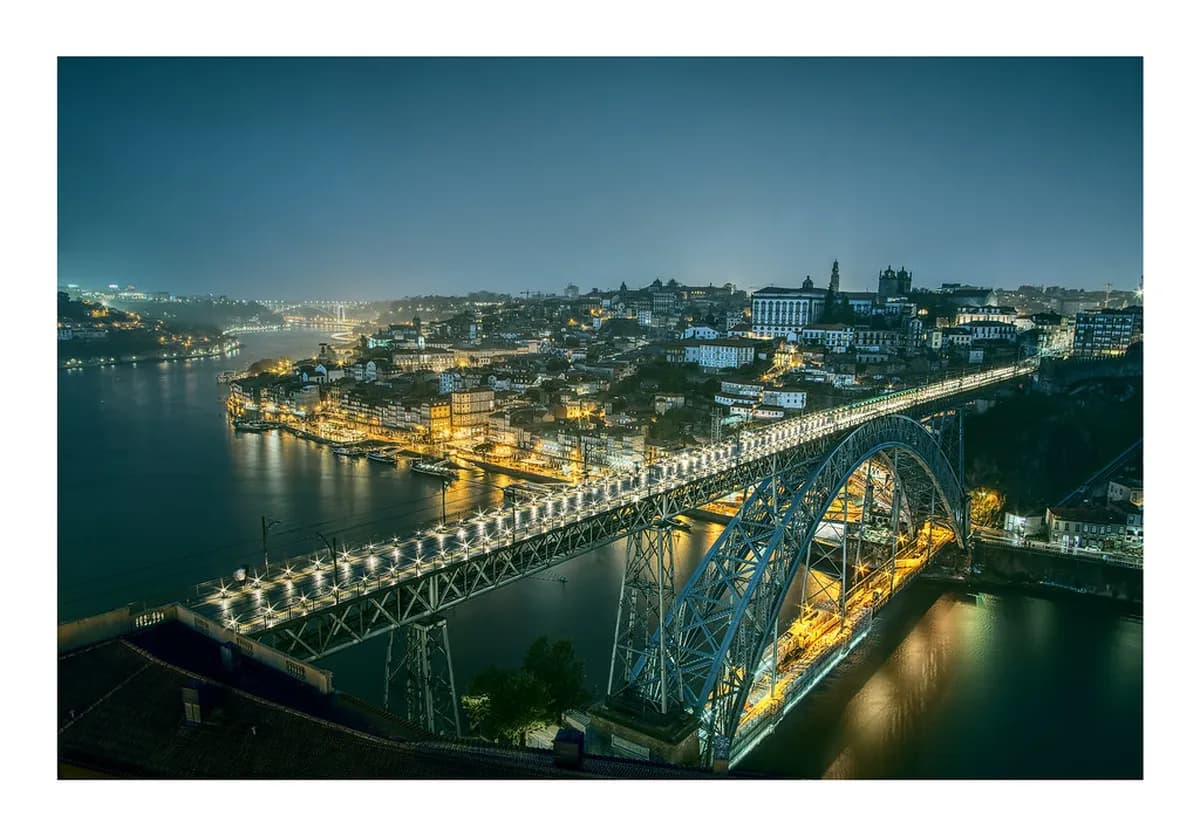
Ribeira is the neighborhood everyone pictures when they imagine Porto: colorful medieval houses stacked above the Douro River, the Dom Luís I Bridge arching overhead, and tiled facades reflecting in the water at dusk. It has been a UNESCO World Heritage site since 1996 and is genuinely one of the most beautiful urban waterfronts in Europe. The official Visit Porto attractions guide provides detailed information on the riverside landmarks.
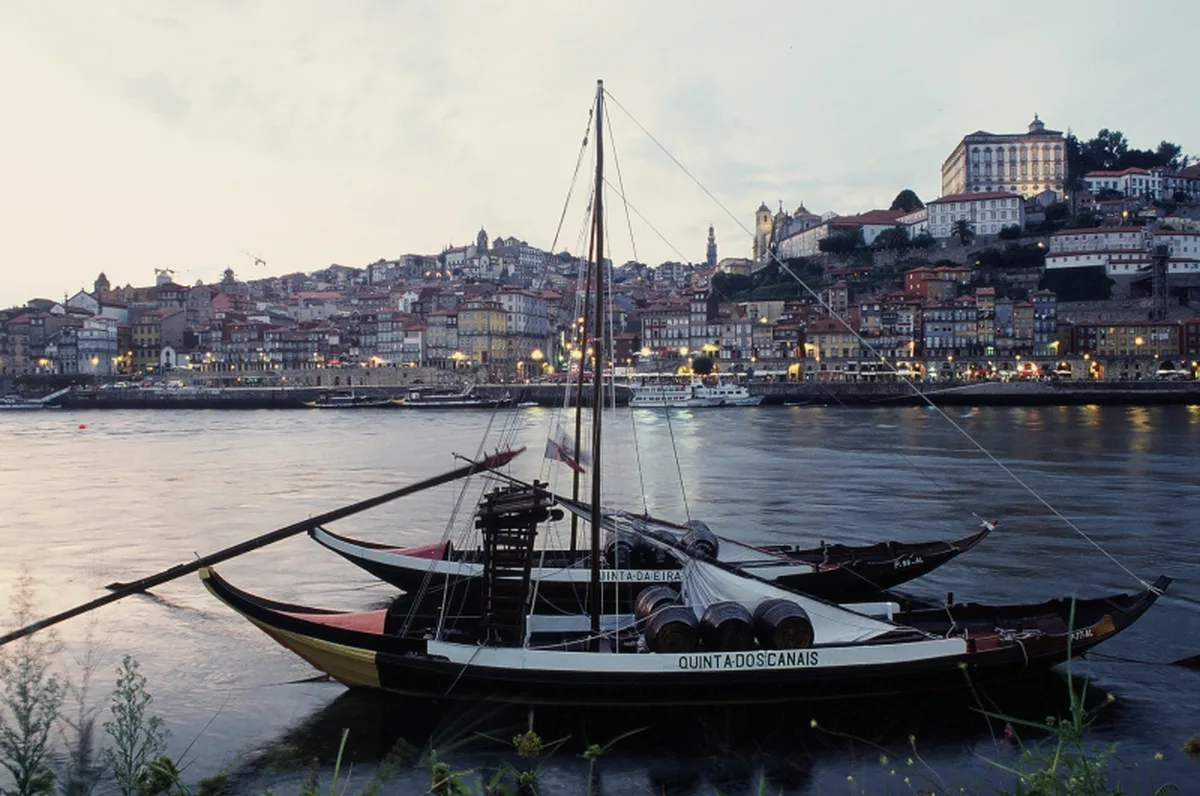
The practical upside over other central districts is that Ribeira is largely flat along the promenade. This makes it the best base for anyone traveling with young children or those who struggle with Porto's steep hills. Hotels here lean expensive — expect €150–€300 for a mid-range room — but the views justify the price for many travelers.
The honest drawback is overcrowding. The Ribeira waterfront is flooded with cruise ship passengers between roughly 12:00 and 15:00 from May through October. Restaurants along the esplanade charge tourist-menu prices that are 40–60% above what locals pay two streets uphill. If you stay in Ribeira, plan your riverside walks for before 10:00 or after 17:00 and avoid the promenade restaurants entirely at lunch. The backstreets immediately above the waterfront are quieter, cheaper, and more interesting.
Aliados & Bolhão: Grand Architecture and Upscale Vibes
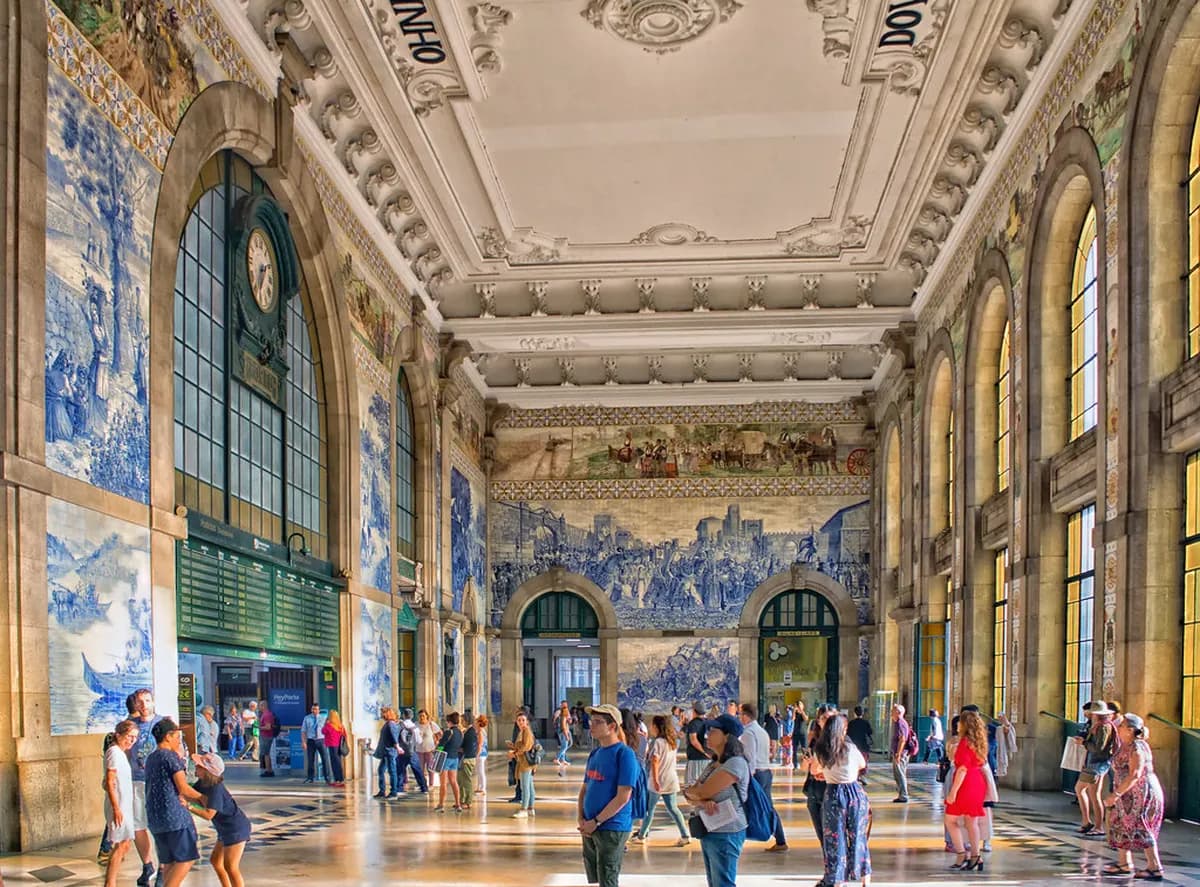
Aliados is Porto's formal downtown — wide boulevards, neoclassical granite buildings, and Praça da Liberdade at its southern anchor. It feels different from the medieval tangle of Clérigos and Ribeira: bigger, more elegant, and more commercial. The São Bento train station at the southern end is worth a visit purely for its 20,000 blue-and-white azulejo panels depicting Portuguese history.
The Bolhão Market, fully renovated and reopened in 2022, is the neighborhood's standout daily attraction. The renovated iron-and-glass structure now hosts fresh produce, cheese, wine, and specialty food stalls on two floors. It runs Monday to Friday 08:00–20:00 and Saturday 08:00–18:00. This is the best place in Porto to buy good-quality local food at reasonable prices. The famous ornate McDonald's on Rua Santa Catarina is genuinely worth a look for its chandelier and stained glass.
Aliados quiets down in the evenings once the office workers leave, which makes it less vibrant after dark than Clérigos. It is the right choice for travelers who want excellent hotel infrastructure (large chains and boutique properties both exist here), walkability to the sights, and a slightly more sophisticated atmosphere. It is not the area for those seeking a romantic, medieval feel.
Miragaia: A Colorful and Less-Touristy Alternative
Miragaia sits just west of Ribeira and climbs steeply from the Douro riverbank. It shares the same medieval character — narrow cobbled lanes, azulejo facades, laundry-draped balconies — but receives a fraction of Ribeira's tourist traffic. People actually live here, which is instantly apparent from the mix of local grocers, fado houses, and the daily rhythm of the streets. Miragaia's history traces back centuries as a vital commercial district.
The two green spaces nearby, Jardim do Palácio de Cristal and the terrace gardens of Parque das Virtudes, are among the best viewpoints in Porto and almost entirely absent from tourist itineraries. Parque das Virtudes at sunset is one of the genuinely magical free experiences the city offers. Check our Miragaia guide for the best hidden viewpoints overlooking the river.
The trade-offs are real. The hills are serious — steeper than in Clérigos — and the restaurant selection within the neighborhood is limited. You will need to walk fifteen to twenty minutes into the center for most dining options. Public transport is sparse. But accommodation prices run noticeably lower than Ribeira, and the quiet, residential atmosphere suits travelers who want authenticity over convenience. Budget €80–€150 per night for solid mid-range options here.
Miragaia's steep hills and limited dining are genuine drawbacks — the neighborhood isn't for families with strollers or those uncomfortable with 15–20% street gradients. Best suited for travelers with 3+ days who prefer exploring on foot and can handle climbing for authenticity. Parque das Virtudes at sunset is worth the effort.
Bairro da Sé: Ancient Roots and Old World Atmosphere
Bairro da Sé is the oldest district in Porto, clustered around the 12th-century cathedral that has stood on its granite bluff since the Romanesque era. The alleys here are the narrowest in the city, and many end in sudden staircases or tiny squares where neighbors gather in the evenings. It is the district that most closely resembles what Porto looked like before mass tourism arrived.
Cathedral entry costs around €3 per person and includes access to the Gothic cloister with its 18th-century azulejo panels. Opening hours run approximately 09:00–18:30 daily, closing slightly earlier on Sundays. The views from the cathedral terrace over the Douro are among the best in the center and far less crowded than the popular miradouros. The Museu de Arte Contemporânea at the nearby Serralves Foundation is a short ride away for modern art enthusiasts.
The practical warnings are significant. The streets are steep and the stone steps become genuinely slippery when wet — Porto receives significant rainfall from October through March. Hotels are few and tend to be small and characterful rather than modern. This neighborhood rewards the traveler who wants to feel Porto's medieval soul, not the one who wants amenities and flat walking routes. It is not a good base for families with strollers or anyone with limited mobility.
Cais de Gaia: Port Wine Cellars and Sunset Views
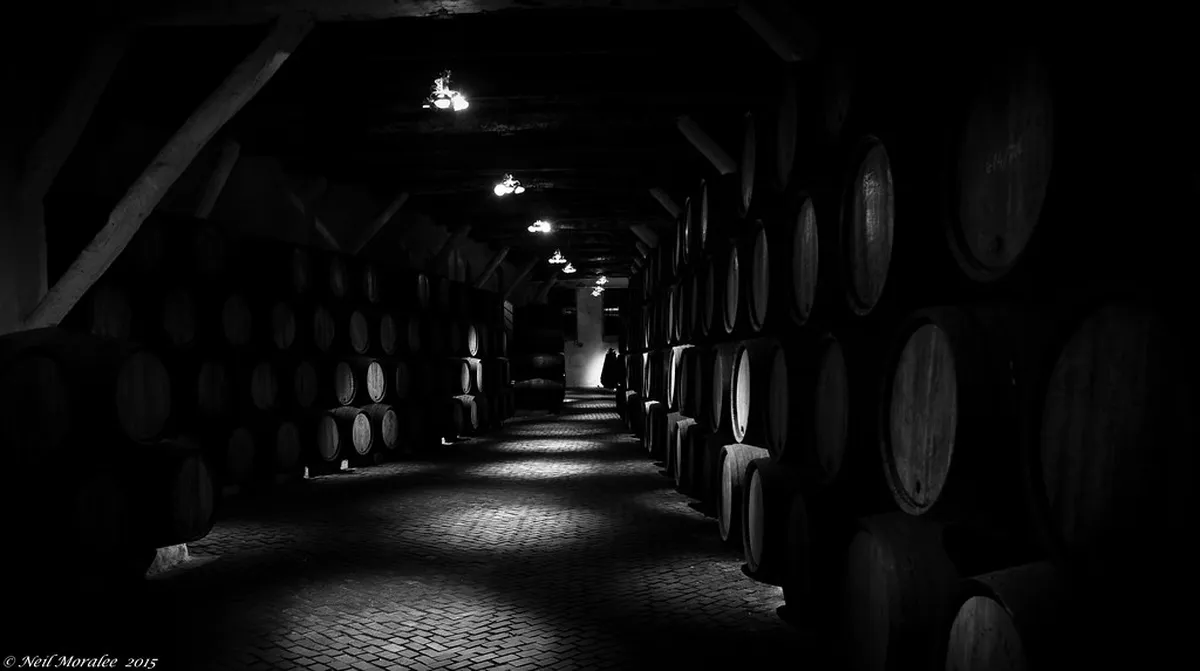
Cais de Gaia sits directly across the Douro River in the city of Vila Nova de Gaia, connected to Porto by the Dom Luís I Bridge. The lower promenade is flat and lined with the famous lodges of Taylor's, Graham's, Sandeman, and a dozen other historic port wine producers. Tastings run €15–€30 per person and most lodges require advance booking; they typically close by 18:00. The views from this side looking back across the river at Porto's stacked hillside facades are arguably the best in the entire region.
One thing most guides do not mention: Gaia's waterfront restaurant scene has shifted significantly since the WOW (World of Wine) cultural district opened in 2022. WOW added seven museums, multiple restaurants, and a wine school to the upper ridge of Gaia, which has driven up prices and tourist volume across the whole area. The promenade restaurants now charge similar prices to Ribeira — Gaia is no longer the budget alternative it once was. For a genuine meal at local prices, walk one or two streets back from the waterfront into the residential upper town.
Sunset from the Gaia promenade looking at Ribeira across the water is genuinely spectacular and is the one time the tourist density actually enhances the atmosphere — everyone around you is equally captivated. Take the upper deck of the Dom Luís I Bridge on foot for the most dramatic elevated perspective. Our Gaia guide explains how to combine the cable car with the WOW district in a half-day loop.
Bonfim: The Hipster Hub for Art and Local Life
Bonfim is the neighborhood Porto's creative class moved into over the past decade as central rents climbed. It was traditionally a working-class residential district east of the historic center. What remains from that era — family-run tascas, neoclassical architecture, the iconic Igreja Matriz do Bonfim church on its hill — now coexists with specialty coffee shops, natural wine bars, and concept stores.
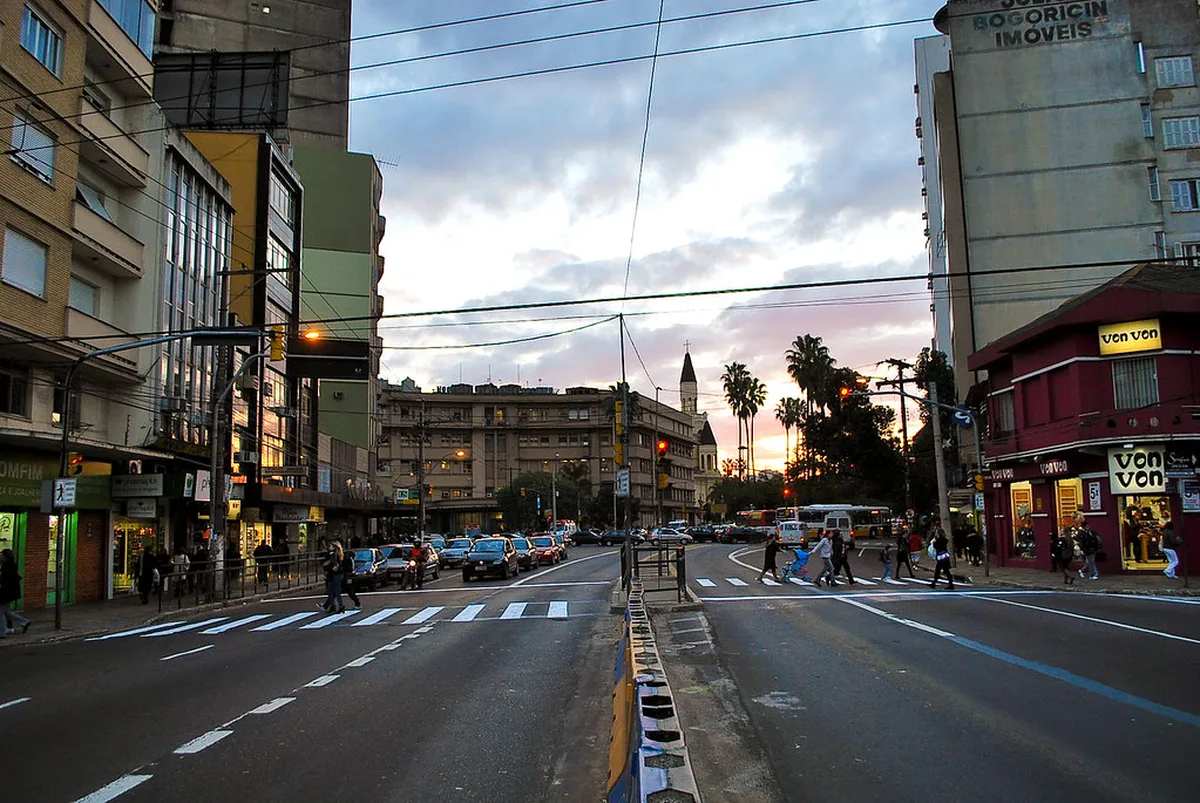
Vintage Laranja on Rua de Passos Manuel is the area's defining shop: a multi-floor vintage furniture and clothing store that pulls in local designers and collectors on weekends. Fiasco cocktail bar is the evening anchor — good drinks, local crowd, none of the tourist-menu pricing you find in the center. The Fontaínhas Viewpoint, tucked behind painted tenements, gives a panoramic view of the Douro bridges that almost no tourist map points to. You can find many more Porto's hidden gems by using Bonfim as your base.
The practical case for staying here is strong if you have three or more days. It is a fifteen-minute flat-to-mild-incline walk to São Bento station. Food prices are 30–40% lower than in Ribeira. The district has enough to occupy a full day of exploration on its own, and you are well-placed for the Campanhã train station connections to Lisbon, the Douro Valley, and the rest of Portugal. The main downside is a thinner hotel market — short-stay apartments dominate, and the mid-range hotel options are fewer than in the center.
Cedofeita: Porto's Trendy Art and Design District
Cedofeita sits immediately north of Clérigos and shares its grid of tiled buildings, but has a distinct creative identity rooted in galleries and independent design. Rua de Miguel Bombarda is the spine of the district: on the first Saturday of alternate months, galleries along this street hold simultaneous openings that draw a mix of artists, students, and curious visitors. Entry to most openings is free. Outside of opening days, the galleries run normal Tuesday-to-Saturday hours.
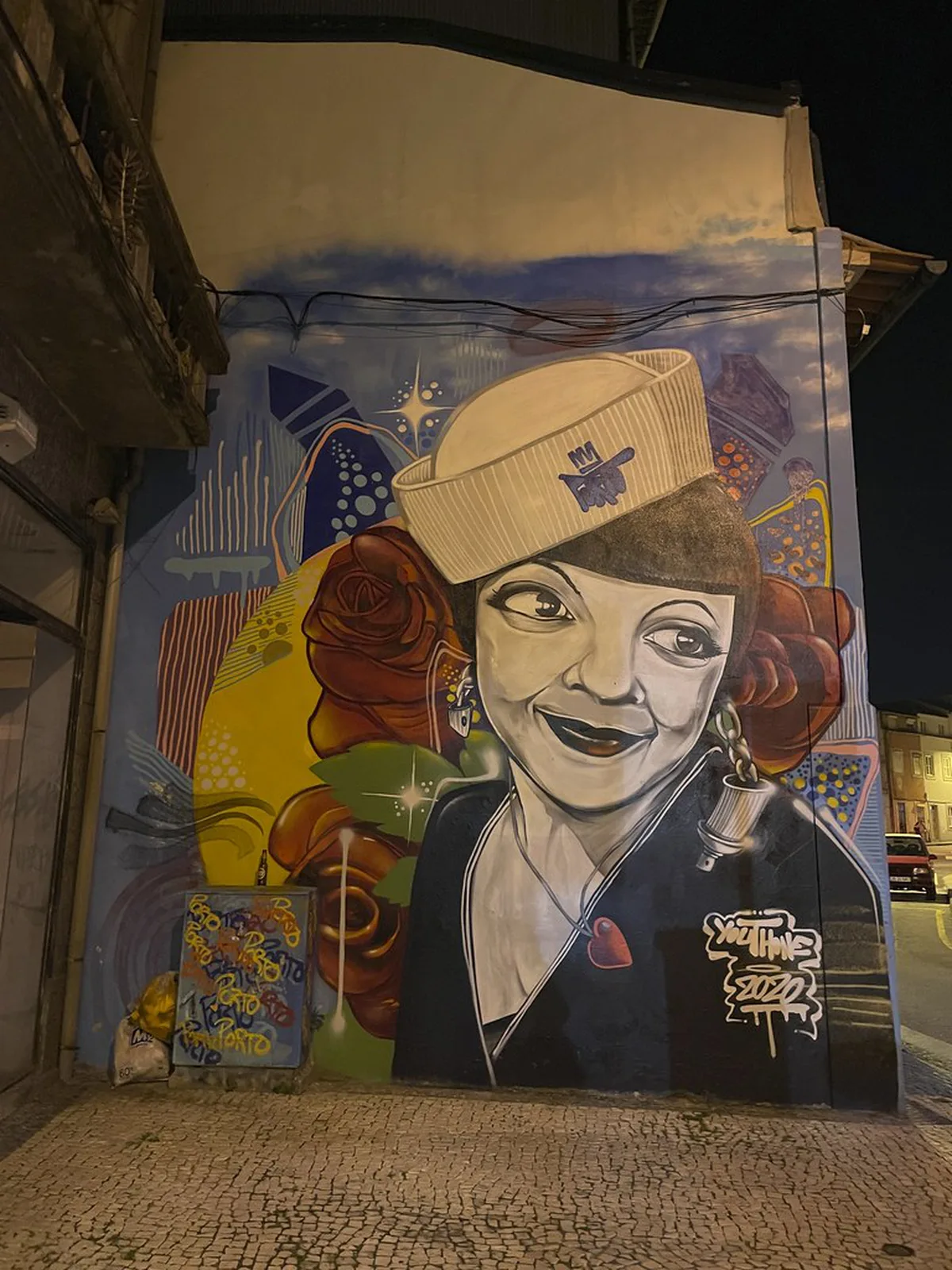
The neighborhood has the best concentration of vegetarian and vegan restaurants in Porto, reflecting the younger, design-oriented population. Rosebud, the city's only all-English bookstore, is located here and is worth a visit for its curated selection of Portuguese literature in translation alongside international titles. The street-level shops lean toward independent Portuguese designers — ceramics, textiles, jewellery — rather than the souvenir stores that dominate the center.
At night, Cedofeita settles into a calm that makes it genuinely restful compared to Clérigos. You are close enough to walk to the nightlife without being kept awake by it. It is a strong base for visitors who want to be central but find the relentless tourist energy of Clérigos tiring after a day or two. Read our Cedofeita guide for the best galleries and where to eat on and around Rua de Miguel Bombarda.
Foz do Douro: The Sophisticated Coastal Escape
Foz do Douro is where the Douro River meets the Atlantic, at Porto's western edge. The neighborhood is noticeably wealthier than the rest of the city — villas with bougainvillea-draped walls, a long cycling promenade, upscale restaurants, and the Felgueiras Lighthouse at the end of a basalt pier. In summer it catches a consistent Atlantic breeze that makes the heat bearable in a way the inland center does not.
Getting there from the center takes around twenty-five minutes by Uber or the historic Tram 1 (approximately €6 one way from Infante). The tram journey itself is worth doing once for the views along the riverside, but it runs infrequently and fills quickly in summer. Foz is realistically a day-trip destination or a base for travelers staying five or more days in Porto — it is too far from the historic sights to be a practical base for a short visit.
Prices here are among the highest in the city. Beachfront café coffees run €3–€4, and the fish restaurants along the promenade charge city-center tourist prices. The area's appeal is lifestyle rather than sightseeing: long walks, salt air, good seafood, and an escape from the cobblestone intensity of the historic center. Check our Foz do Douro guide for where to walk and where to eat without overpaying.
Practical Porto Planning: Transport, Hills, and Timing
Porto's metro is efficient for crossing the river or reaching the airport (Line E, €2.00–€2.50 from the center), but most of the historic sightseeing happens on foot across short but steep distances. Download the Andante card app before you arrive — it covers metro, bus, and tram on a single contactless card and saves the queuing at ticket machines. The Porto City Council maintains official transport and municipal information. Uber and Bolt both operate reliably across the city and are often the fastest option between distant neighborhoods.
The hill question matters more than most guides admit. Ribeira's waterfront is flat. Clérigos, Aliados, and Cedofeita sit on a mid-level plateau and involve moderate climbs from the river. Miragaia, Sé, and parts of Bonfim have genuinely steep stretches — 15–20% gradients on some streets. If you are traveling with heavy luggage, small children, or have mobility limitations, factor this seriously into your accommodation choice. Many guesthouses in the historic core have no elevator and three to four floors of stairs.
For timing, aim to visit the best time to visit Porto to dodge the worst of the cruise ship crowds. The summer season (June–September) brings the most visitors, but even in peak months, the early morning hours before 09:00 and the late afternoon after 17:00 give you the historic center largely to yourself. September is the sweet spot: warm weather, harvest festival atmosphere, and noticeably fewer crowds than July or August. The rainy season (November–February) brings dramatic skies, near-empty streets, and hotels at 40–60% off peak rates — a genuine trade worth considering for flexible travelers.
Frequently Asked Questions
Is it better to stay in Ribeira or Gaia?
Ribeira is better for those who want to be in the historic heart of the city near major landmarks. Gaia is a superior choice for wine lovers and those seeking the best sunset views of the Porto skyline. Both areas are easily connected by the Luis I Bridge.
What is the coolest neighborhood in Porto right now?
Bonfim is currently considered the coolest neighborhood due to its thriving arts scene and local atmosphere. It offers a mix of specialty coffee shops and traditional architecture without the heavy tourist crowds. You can find many Porto's hidden gems within its borders.
How many days do you need to explore Porto's neighborhoods?
Three days is the ideal amount of time to explore the main districts at a comfortable pace. This allows one day for the historic center, one for the wine cellars in Gaia, and one for the coast. Longer stays allow for deeper dives into local hubs like Cedofeita.
Porto is a city that rewards those who are willing to climb its hills and explore its diverse neighborhoods. Whether you choose the historic charm of Ribeira or the modern energy of Bonfim, you will find a city full of character. The evolving identity of each district ensures that every visit offers something new to discover.
We hope this guide helps you choose the perfect base for your 2026 trip to this beautiful coastal city. Remember to take your time and soak in the local atmosphere that makes Porto so special. Safe travels as you navigate the winding, tiled streets of Portugal's northern gem.
Continue exploring
More guides you'll find useful