18 Best Free Things To Do In Porto: A Local's Guide (2026)
Discover the best free things to do in Porto, from hidden viewpoints and historic stations to local markets and beach boardwalks. Save money with our expert local tips for 2026.
On this page
18 Best Free Things To Do In Porto
After spending three months living in the Ribeira district, I realized that the best parts of this city do not cost a cent. Porto offers a rare mix of grand architecture and gritty charm that you can experience entirely on foot. Whether you are watching the sunset over the Douro or exploring tiled churches, budget travel here feels like a luxury. This guide focuses on high-value experiences that keep your wallet closed while opening your eyes to local culture.
Updated for 2026, this list reflects the most current opening hours and access rules for the year ahead. Many visitors make the mistake of paying for every viewpoint, but there are several less-known spots that offer better vistas for free. Planning a trip through Portugal often requires balancing expensive tours with local, authentic moments. By following these tips, you can see the city's highlights without the heavy price tag of organized excursions.
Walking remains the primary way to get around, so prepare for steep hills and uneven cobblestones during your explorations. Most of these activities are accessible via the city's extensive metro system if you prefer to save your energy for the sights. Keep an eye out for the 'Prato do Dia' signs at lunch for the most affordable dining options between your free stops.
Top Landmarks You Must See for Free
Porto's most iconic landmarks are accessible without paying a single euro. The city's grand architecture, historic train station, and famous bridges are all free to explore as long as you plan around mass times and metro schedules. These are the anchors of any Porto itinerary and the spots that will define your first impressions of the city.
Dom Luís I Bridge is the city's most recognizable landmark. This double-decker iron bridge connects Porto to Vila Nova de Gaia and the pedestrian walkway on the upper deck is free 24 hours a day. Walk one way on the top level and return on the lower one to see the city from both angles — the lower deck puts you level with the water and gives a more intimate feel of the Ribeira rising above you. Watch out for the metro trains that share the upper deck, as they pass very close to the walking path.
São Bento Railway Station is one of the most beautiful train stations in Europe and entry to the main hall is entirely free. The lobby is covered in over 20,000 blue and white azulejo tiles depicting significant moments in Portuguese history, including battles, royal scenes, and rural life. It is open daily from 05:00 until 01:00. Look upward at the colorful frieze near the ceiling, which most visitors miss entirely while staring at the lower panels.
Porto City Hall (Câmara Municipal) stands at the top of Avenida dos Aliados with its impressive 70-meter tower. While interior tours are limited, the exterior architecture and the surrounding plaza are free to explore anytime. The 'Porto' letters sign in front of the building makes for an easy photo stop between São Bento and the Clérigos Tower area. The entire avenue is pedestrianized and lined with ornate buildings that reward slow walkers.
Best Free Viewpoints (Miradouros) in Porto
Porto is a city built on hills, and that geography works entirely in the budget traveler's favor. Several of the best panoramic views in the country are available from public terraces and parks that charge no entry fee at all. The key is knowing which viewpoints locals actually use versus the ones that fill up with tour groups.
Serra do Pilar on the Gaia side of the river provides the most iconic postcard view of Porto's skyline and the Dom Luís I Bridge. The outdoor monastery terrace is free and open all day. It becomes very crowded during golden hour, so arrive fifteen minutes before sunset to secure a good position along the railing. Walk up the small side stairs from the bridge rather than the main road to save both time and effort on the steep climb.
Jardim do Morro in Gaia is the most popular spot for locals to gather for sunset with snacks and drinks. This hilltop park is free and open 24 hours, often featuring live street musicians during summer weekend evenings. Bring a blanket and some local cheese from a nearby supermarket for a budget-friendly dinner with a million-dollar view. The atmosphere here is more festive and communal than the terrace at Serra do Pilar, which is worth knowing if you prefer a livelier crowd.
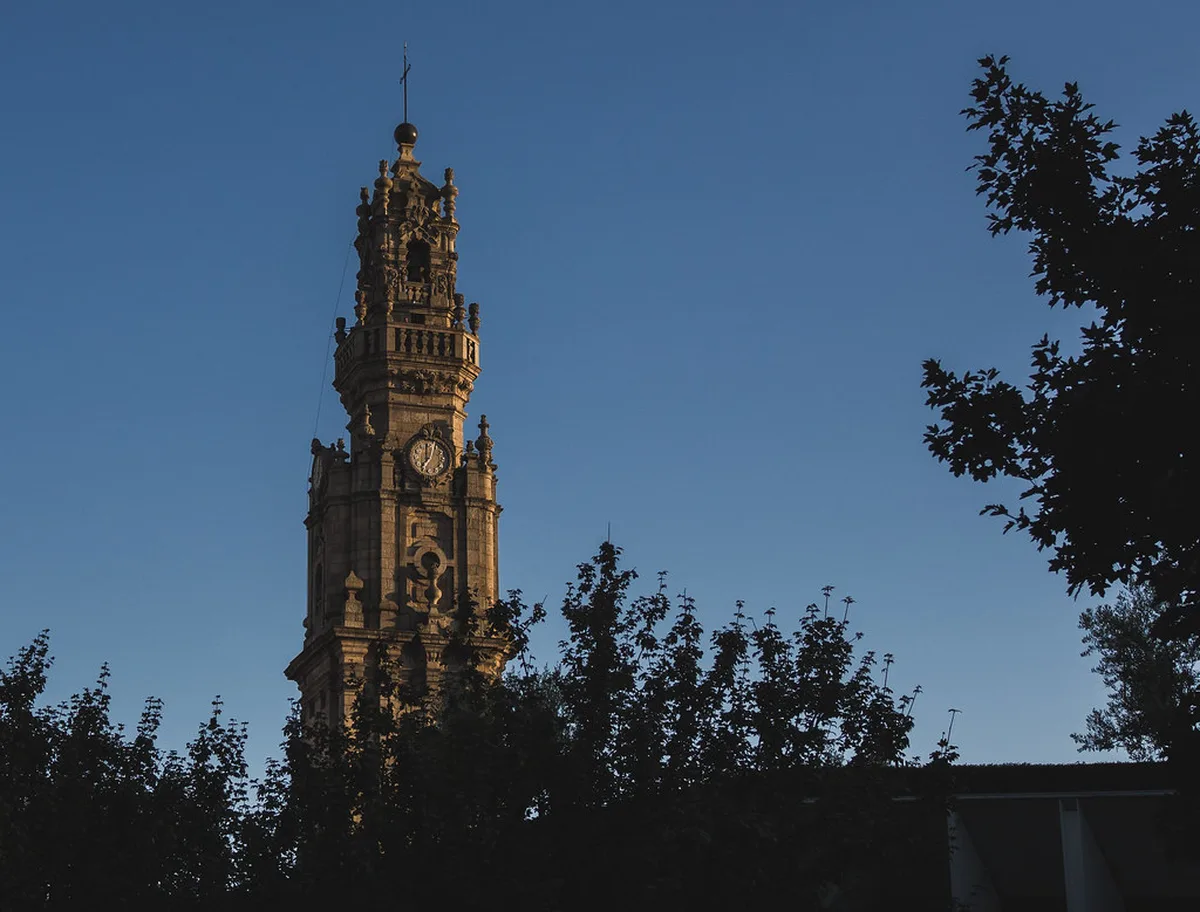
Miradouro da Vitória near the University of Porto is the quietest of the main viewpoints and usually uncrowded even during peak season. From here you can see the Clérigos Tower, the Sé Cathedral, and the rooftops cascading down to the Douro. It is especially peaceful at sunrise when the morning light hits the church facades directly. Jardim das Virtudes offers a more laid-back alternative a short walk west — it is a terraced garden where locals sit with wine and guitars on warm evenings, with river and Arrábida Bridge views that most tourists completely overlook. The entrance is tucked behind a stone wall; look for the small gate near the courthouse.
Serra do Pilar viewpoint becomes crowded during golden hour; arrive 15 minutes before sunset to secure a good vantage point along the railing. Alternatively, escape the crowds at Miradouro da Vitória, which offers equally stunning views with a fraction of the visitors even during peak season.
Free Churches and Azulejos to Admire
Porto is effectively an open-air gallery of ceramic tile art. You do not need to enter any building to spend hours admiring azulejos — the city's most famous tile facades are on the outside of its churches and public buildings. Note that São Francisco Church (€9) and the Porto Cathedral cloister (€3) both charge entry fees, but the exteriors and surrounding plazas are always free.
Capela das Almas on Rua de Santa Catarina is completely covered in striking blue and white azulejos depicting the lives of Saint Francis of Assisi and Saint Catherine of Alexandria. The exterior artwork is free to admire at any time of day. The best lighting for photos is mid-morning when the sun hits the southern wall directly. Combine this with a slow walk along the entire length of Rua de Santa Catarina, Porto's pedestrian commercial avenue, where you can browse Belle Époque storefronts without spending a cent.
The Igreja do Carmo side wall on Rua do Carmo is another azulejo highlight — a vast tiled panel covering the full height of the building's exterior that is often overlooked because visitors are focused on the interior. The Igreja de Santo Ildefonso near São Bento station has a similarly striking tiled facade and is worth a ten-minute detour. Both are free to photograph from the street and neither requires a ticket to appreciate.
For a genuine interior experience at no cost, the Centro Português de Fotografia (Antiga Cadeia da Relação) is Porto's most-overlooked free museum. This former prison has been converted into a photography museum with rotating exhibits and original prison cells still visible throughout the building. Entry is free Tuesday through Friday from 10:00 to 18:00 and weekends from 10:00 to 19:00. Go to the top floor where large windows frame a direct view of the Clérigos Tower across the street — one of the most unusual vantage points in the city.
The Portuguese Center of Photography is open free of charge Tuesday–Friday (10:00–18:00) and weekends (10:00–19:00), but closed Mondays. Plan your visit accordingly to experience this converted 19th-century prison and its rotating photography exhibits without missing the opening hours.
Green Spaces and Gardens Worth Your Time
Porto's gardens are genuinely beautiful and genuinely free, which makes them easy to overlook when drawing up an itinerary. They also tend to be less crowded than the main landmarks, making them the best option for a quiet morning or a relaxed afternoon between sightseeing stops.
The Crystal Palace Gardens (Jardins do Palácio de Cristal) are free to enter and open daily from 08:00 to 21:00. The grounds are landscaped with fountains, exotic trees, and peacocks that roam freely between visitors. Head to the far western corner for a secluded stone terrace that looks directly down to the Arrábida Bridge at sunset. There is a small cafe on site, and the garden is large enough that you can find a quiet bench even on a busy Saturday afternoon.
The Agramonte Cemetery is free to enter daily from 08:30 to 17:30 and is one of the most architecturally interesting spaces in the city. Its elaborate romantic sculptures and ornate family chapels make it more of an open-air museum than a conventional burial ground. Look for the monument to the victims of the Baquet Theatre fire for its impressive stone carvings. This is a popular spot with locals who come to walk, photograph, and simply sit in the quiet that is hard to find elsewhere in the tourist center.
The Botanical Garden near the university is a less-visited alternative to the Crystal Palace Gardens, with a small cafe at its entrance that locals use for a morning coffee. It is considerably quieter than the main parks and offers a genuinely peaceful hour away from the tourist circuit. Entry is free and the garden is a short walk from the Miradouro da Vitória viewpoint, making them a natural pairing for an afternoon loop.
The Ribeira Waterfront and Historic Districts
Walking is the best and cheapest way to experience Porto's most atmospheric neighborhoods. The Ribeira district and its surrounding alleys form the historic heart of the city and require nothing more than comfortable shoes and a willingness to get lost.
The Ribeira waterfront promenade runs along the Porto side of the Douro with views of the traditional rabelo boats and the Gaia wine lodges on the opposite bank. Walk it in the early morning before 09:00 to see it without the tourist crowds. Street performers and local vendors set up by mid-morning, and the energy shifts from quiet and photogenic to lively and commercial. The promenade is open and free 24 hours.
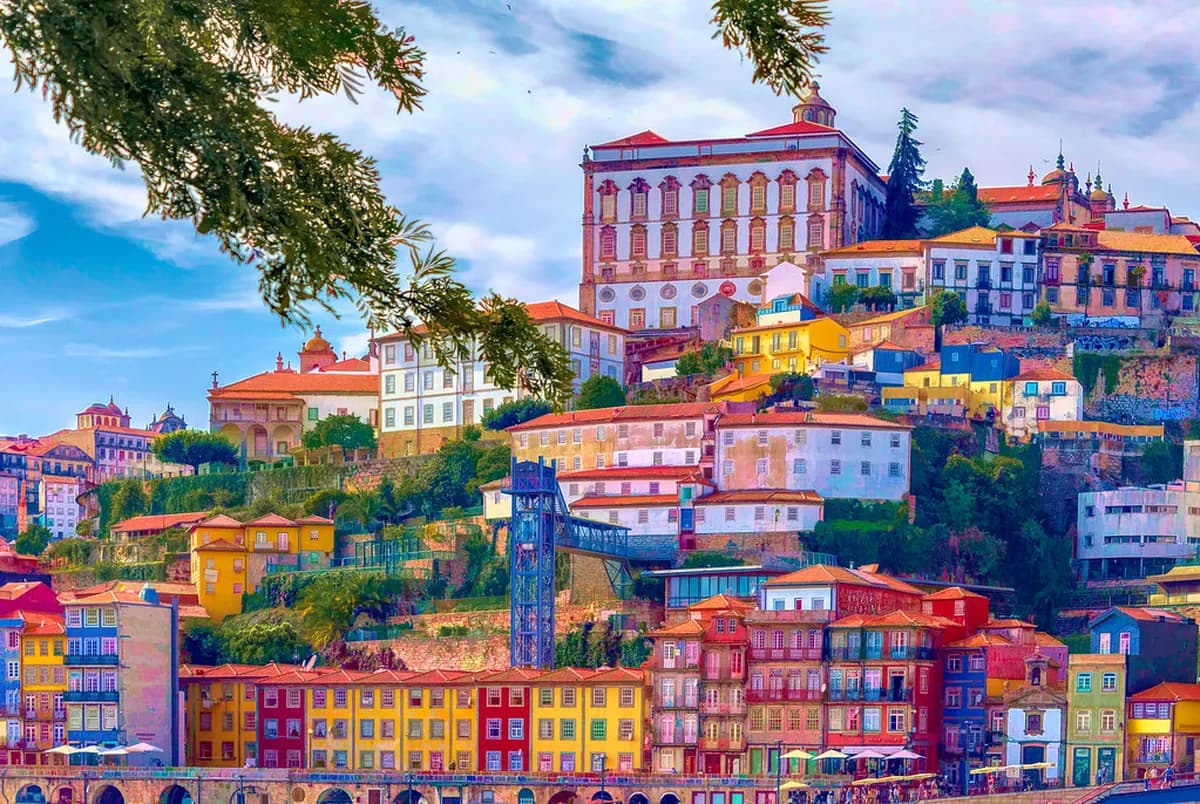
The Miragaia district immediately west of the Ribeira is largely missed by first-time visitors. This former Jewish and Armenian quarter is filled with colorful houses, laundry hanging from wrought-iron balconies, and narrow alleys that climb steeply away from the river. Exploring the Miragaia district costs nothing and reveals a side of Porto that feels unchanged from thirty years ago. Follow the old city walls up the hill to find small hidden courtyards where locals sit outside in the evenings.
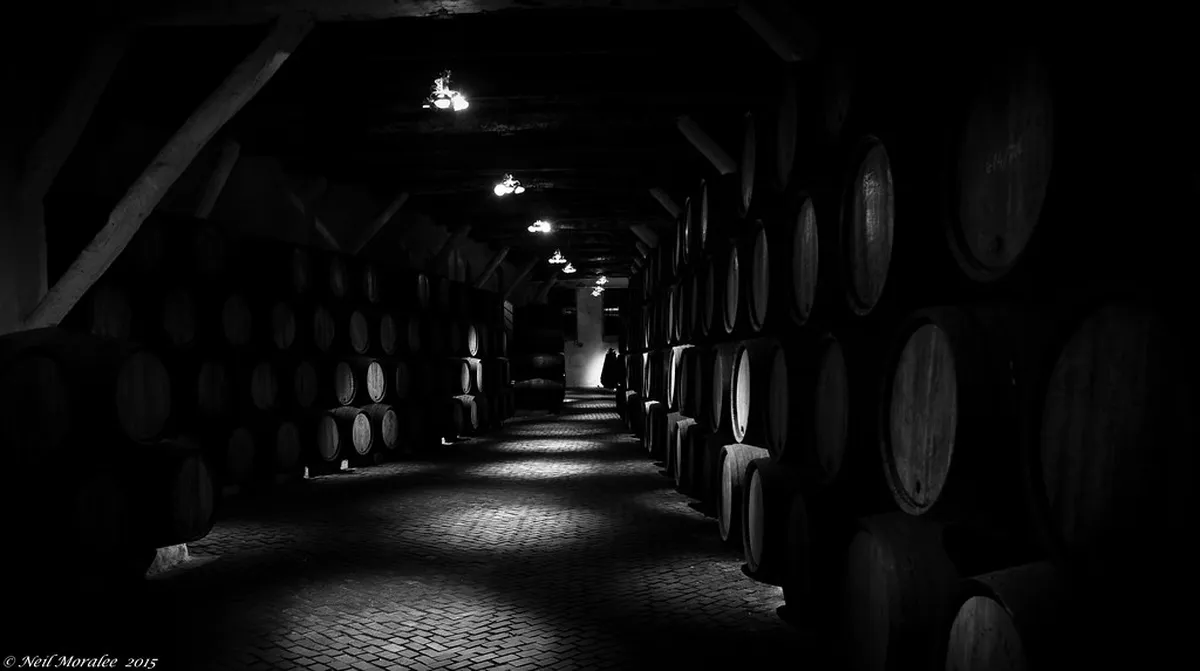
The Escada do Codeçal stairs lead from the Sé Cathedral down to the Ribeira waterfront through a local residential neighborhood. The walk is free and passes segments of the 14th-century Fernandina Wall along with vibrant street art that changes regularly. Going down is much easier than going up, so start at the Cathedral and work your way down toward the river. The Vila Nova de Gaia waterfront, accessible via the lower deck of the Dom Luís I Bridge, runs in the opposite direction past historic Port wine lodge facades — see our Vila Nova de Gaia for the full route details.
The Bolhão Market and Rua de Santa Catarina
The historic Bolhão Market completed its major renovation in late 2022 and has since returned to something close to its original form. Admission is free and the market is open Monday to Friday from 08:00 to 20:00 and Saturdays until 18:00. The renovation restored the original iron-and-granite structure and brought back permanent vendors selling fresh produce, flowers, and regional food products.
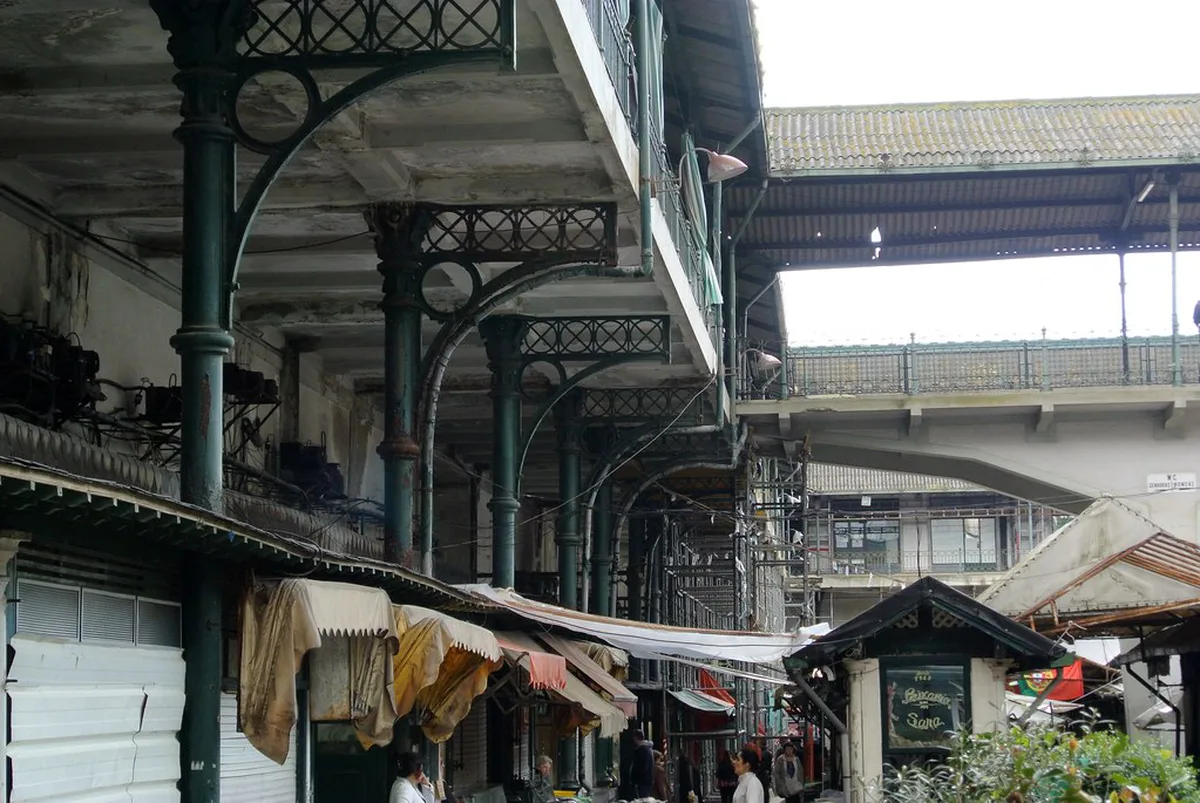
Visit on a weekday morning for the most authentic experience. By late morning the tourist ratio shifts significantly and the market takes on a more performance-like quality. The lower ground level still has working fishmongers and the shouting price calls that have been part of the market for generations. If you want to buy something, the flower stalls on the upper level are genuinely good value and carry varieties you will not find in supermarkets.
Rua de Santa Catarina connects the Bolhão Market area to the wider city center and is worth a full slow walk. The street itself is free and lined with architectural detail including the stunning tiled facade of the Majestic Café Imperial, whose ornate Art Nouveau interior can be seen through the windows without paying. Stop by Antiguidades Porto Velho on the nearby Rua dos Mártires da Liberdade to browse vintage Portuguese items from the pavement.
Free Coastal Escape: Foz do Douro and the Leça Pools
The western edge of Porto, where the Douro River meets the Atlantic Ocean, offers a completely different kind of free day. The Foz do Douro district is reachable on foot from the Ribeira in about 45 minutes along the river, or quickly via the 500 bus. The Farolim de Felgueiras lighthouse sits at the very tip of the estuary jetty — walking out to it is free, but avoid the path during high tide when Atlantic waves wash over the concrete without warning.
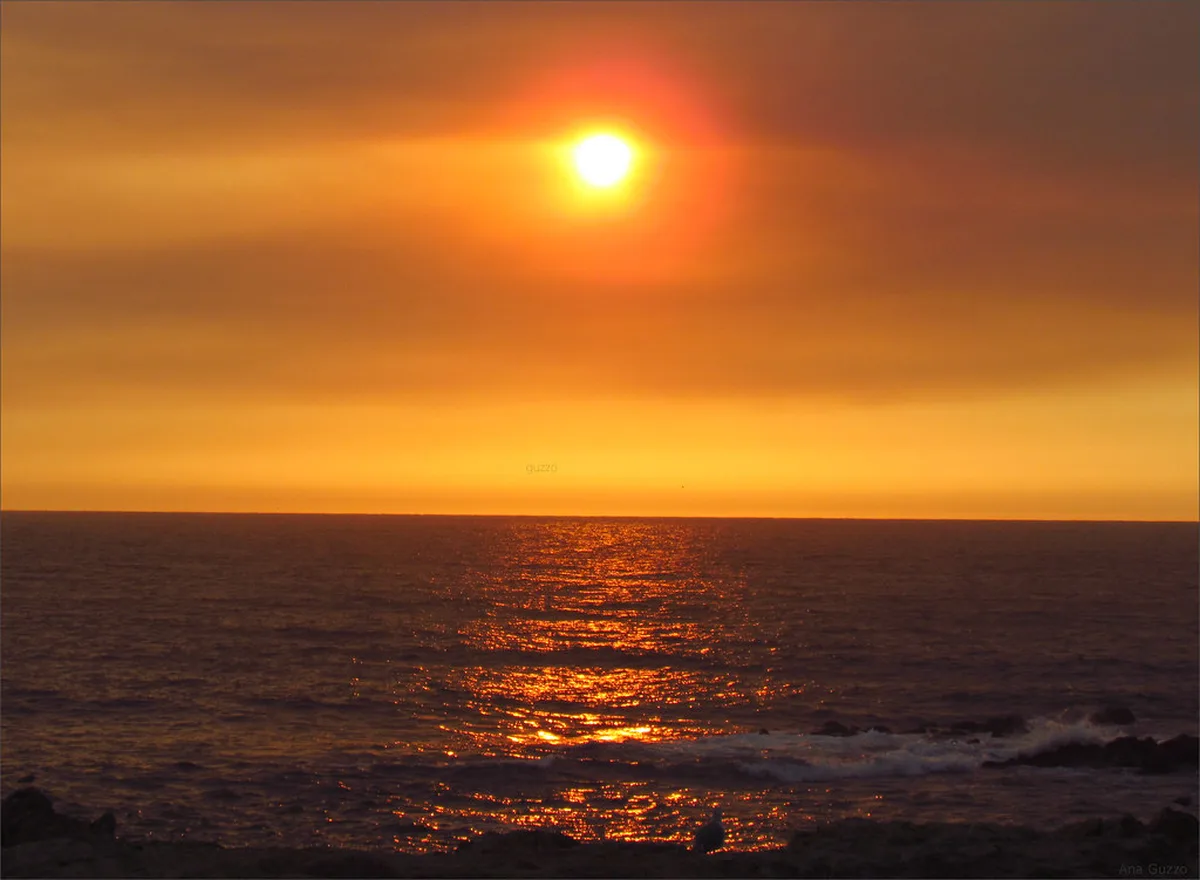
What most Porto guides skip entirely is the Piscinas de Marés de Leça da Palmeira, about 10 kilometres north along the coast. These are natural ocean-fed rock pools built into the existing geology of the shoreline, designed by Portuguese architect Álvaro Siza Vieira in 1966 and now considered a landmark of 20th-century architecture. Entry is free outside of the formal summer bathing season (roughly October to May), and during summer months the admission is minimal. The pools hold seawater that refreshes with each tide, protected from the open Atlantic swell by low concrete walls that follow the rock contours almost invisibly. This is where Porto families and architecture students both come, often on the same afternoon.
To reach Leça da Palmeira, take the A metro line to the end of the line (Senhor de Matosinhos) and walk north along the coast for about 20 minutes, or take bus 507 from Matosinhos Sul. Combine the trip with a walk through Matosinhos itself, where the local fish market on Rua Heróis de França runs until mid-afternoon and the beach promenade is free and wide. This coastal loop from Foz to Leça and back through Matosinhos is one of the best free half-days in the Porto area and barely appears on standard tourist itineraries.
WOW Porto Terraces: What You Can Access for Free
The World of Wine (WOW) cultural district in Vila Nova de Gaia is frequently described as a paid attraction, which puts budget travelers off visiting entirely. In reality, the main courtyard and exterior terraces are publicly accessible without a museum ticket. You can walk through the central square, sit at the outdoor tables, and look out over the Dom Luís I Bridge and the Ribeira rooftops without paying anything.
The main draw for free visitors is the view. The terrace looks directly across the river at Porto's skyline and is particularly good in the evening when the city lights come on and the bridge illuminates. The Coffee House cafe inside the complex sells coffee and pastries at normal Porto prices — around €1.50 for an espresso — and you can take your order outside to the courtyard. This combination of free terrace, good views, and affordable coffee makes it one of the better sunset alternatives to the more crowded Jardim do Morro a few minutes' walk away.
WOW also hosts free outdoor events and pop-up markets periodically throughout the year. Check the schedule on their website before your visit, as the courtyard events are genuinely free and can be a good reason to spend an evening in Gaia rather than returning immediately to the Porto side of the river.
Eat Like a Local: Budget Food Tips
Eating well in Porto does not require a large budget if you follow the local rhythm of the day. Most traditional taverns offer a 'Prato do Dia' during lunch hours which typically costs between €8 and €12. This set menu usually includes a soup, a main dish of meat or fish, a drink, and a coffee. Look for handwritten menus posted in the windows of backstreet restaurants rather than the polished laminated signs on the Ribeira — those backstreet spots are where the local prices actually live. The Porto's local food has specific addresses for the best-value lunch spots by neighborhood.
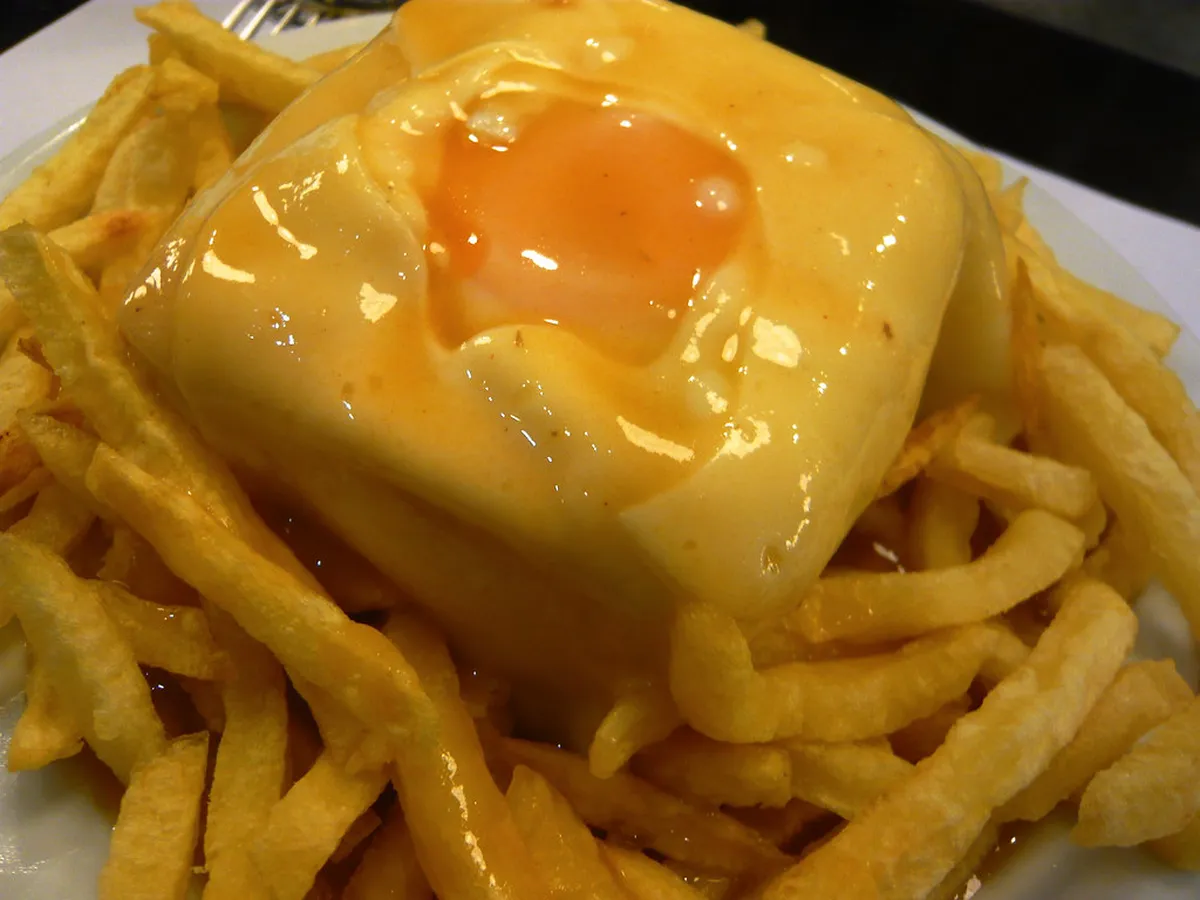
Bakeries are another excellent resource for budget travelers looking for a quick and filling snack. You can grab a 'Salgado' pastry filled with ham, cheese, or bacalhau for under €2 at almost any corner Pastelaria in the city. Avoid cafes directly on the Ribeira waterfront and around São Bento if you want to find these local prices — move one block inland and the price drops noticeably. The Francesinha, Porto's famous layered meat sandwich in a spicy beer sauce, runs €12 to €16 at most traditional spots; Café Santiago on Rua Passos Manuel is the standard local recommendation.
For a truly cheap dinner, visit a local supermarket like Pingo Doce or Continente for picnic supplies. You can buy fresh bread, Portuguese ham, and a bottle of local wine for less than the price of one restaurant entree. Take your supplies to Jardim do Morro or the Crystal Palace Gardens for a scenic and affordable meal. This approach lets you enjoy the city's best views without paying the premium for a restaurant table.
Day Trip Ideas from Porto on a Budget
Matosinhos is the easiest coastal escape and is accessible via the blue A line of the Porto metro. The beach is free and the wide promenade is good for cycling or walking along the Atlantic. You can watch local fishermen near the port area in the early morning hours. Check our guide to the day trips from Porto for more detailed regional options with transport costs and timings.
Espinho is reached by suburban train from São Bento station on the Linha de Aveiro — the journey takes about 30 minutes and costs roughly €2 each way. The town has an 8-kilometre wooden boardwalk stretching along the coast that is entirely free to use. Espinho is also famous for its Monday market, one of the largest outdoor markets in Portugal, where admission is free and you can see rural Portuguese commerce operating much as it has for decades. The competitor guides mention the boardwalk but do not note that continuing one stop south by train takes you to Praia de Granja, where the tiny Chapel of Senhor da Pedra sits directly on the beach rocks — one of the most photographed small buildings in the country and completely free to visit.
Afurada is a small fishing village accessible by a short and cheap ferry from Gaia. The village is known for its communal laundry house where local women still wash clothes by hand. Walking through the narrow streets lined with tiled houses feels like stepping back in time. Visit in the late afternoon to see the outdoor charcoal grills being prepared for the evening's fresh fish catch.
Is the Porto Card Worth It?
The Porto Card offers unlimited public transport and free or discounted entry to various museums, but its value depends entirely on your itinerary. If you are spending most of your time at the free sights listed in this guide, the card will not save you money. The standard Andante transport card, which you load with credit as you travel, is usually the better deal for visitors who only need occasional metro rides.
The 24-hour card with transport costs around €15 in 2026. It includes free entry to the Casa do Infante and the Romantic Museum, plus a 25% discount at the Clérigos Tower (normally €8) and Palácio da Bolsa (normally €14). To break even on the card in a single day, you would need to visit at least two or three paid museums on top of using public transport frequently. Many visitors find that day two of a longer trip — when fatigue sets in and they are heading to Matosinhos or the airport — is when the unlimited transport becomes genuinely useful.
A practical rule: if your Porto visit is two days or more and you plan to visit more than three paid attractions in total, the two-day card (around €25) will likely pay for itself. If you are following the free-activities-focused itinerary in this guide for a long weekend, skip the card and load an Andante Z3 card for around €1.60 per journey instead. Porto is compact enough that most major sights are within a twenty-minute walk of each other, and the best parts of the city are seen on foot rather than underground.
For more local favorites beyond the free spots, see our guide to Porto's hidden gems.
Frequently Asked Questions
What is the best free viewpoint in Porto?
The terrace at Serra do Pilar offers the most iconic view of the Dom Luís I Bridge and the Ribeira district. It is completely free to access and is particularly stunning during the sunset hours. You can reach it by walking across the upper deck of the bridge from Porto.
Are churches in Porto free to enter?
Many smaller churches are free, but major landmarks like the São Francisco Church and the Cathedral require a paid ticket. You can always admire the stunning azulejo exteriors of the Capela das Almas and Igreja do Carmo for free. Always be respectful of ongoing services when entering.
How can I see the Douro River for free?
The best way is to walk along the Ribeira or Gaia waterfronts, which offer miles of pedestrian paths. You can also cross the Dom Luís I Bridge on foot for an elevated view. These areas are open 24/7 and provide the city's most beautiful natural scenery.
Is there a free museum in Porto?
Yes, the Portuguese Center of Photography is located in a historic former prison and offers free entry to all visitors. It features excellent rotating exhibits and unique views of the city center. The museum is closed on Mondays, so plan your visit for later in the week.
Porto is a city that rewards those who take the time to explore its hilly streets and hidden corners. By focusing on these free attractions — from the tiled walls of São Bento to the Álvaro Siza pools at Leça — you can experience the best of the city's culture and history without overspending. The most memorable moments here are consistently the ones that cost nothing.
Remember to balance your itinerary with local food experiences like the 'Prato do Dia' to keep your total costs low. Whether you are a solo backpacker or a family on a budget, Porto remains one of the most accessible cities in Western Europe for 2026. Enjoy your journey through the winding alleys and grand plazas of this stunning riverside destination.
Continue exploring
More guides you'll find useful