Ribeira Porto Travel Guide
Plan your visit to Ribeira Porto with top picks, neighborhood context, timing tips, and practical booking advice for a smoother trip to this UNESCO site.
On this page
Ribeira Porto
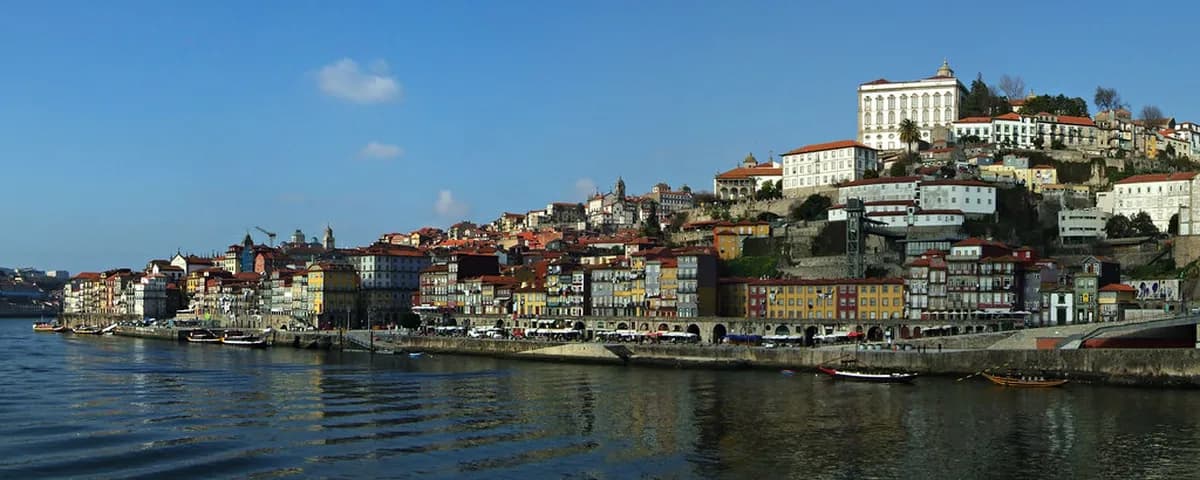
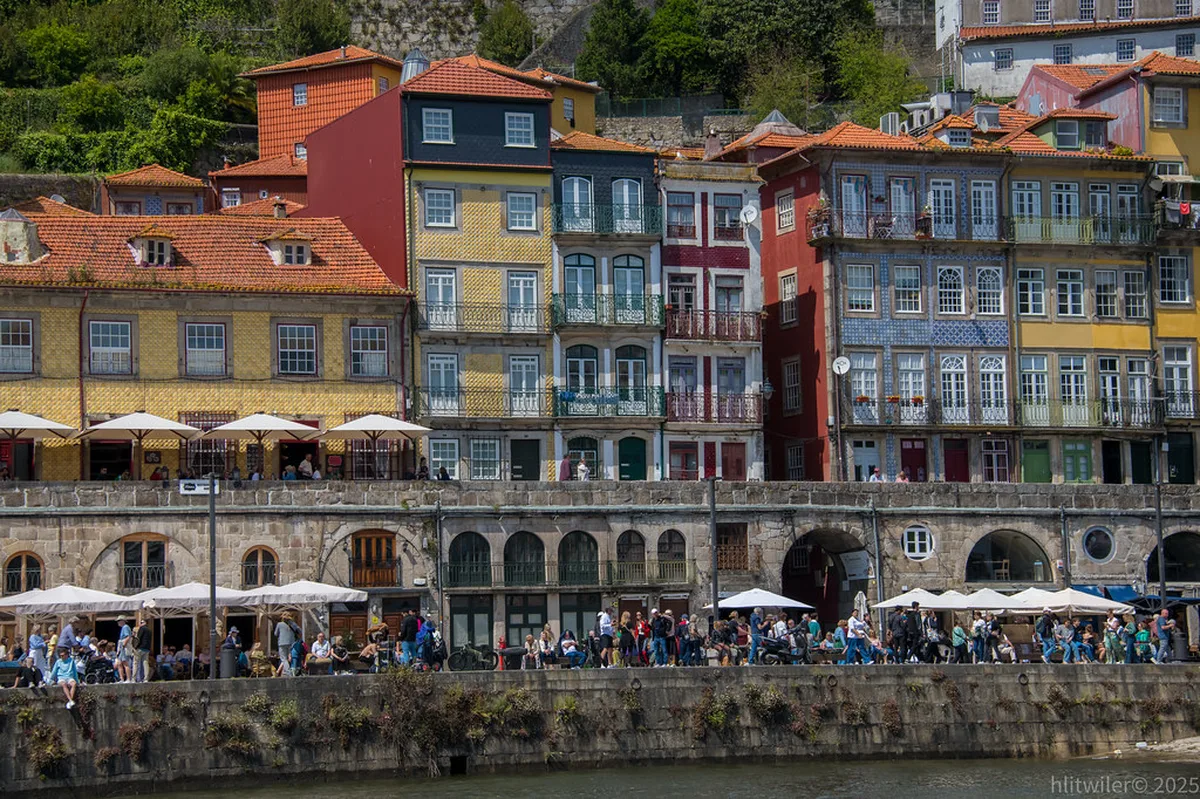
Ribeira Porto stands as the most iconic and colorful neighborhood in the city. This UNESCO World Heritage site features narrow cobblestone streets and vibrant houses along the Douro River. Visitors often find themselves captivated by the historic charm and lively atmosphere of the waterfront. Exploring this district is an essential part of any trip to northern Portugal.
The area serves as a gateway to the city's rich maritime history and architectural beauty. You will find a mix of traditional taverns and modern cafes tucked into ancient alleyways. Planning your visit requires understanding the local rhythm and the best times to avoid heavy crowds. This guide provides the practical details needed for a memorable experience in the heart of Porto.
Must-See Ribeira Attractions
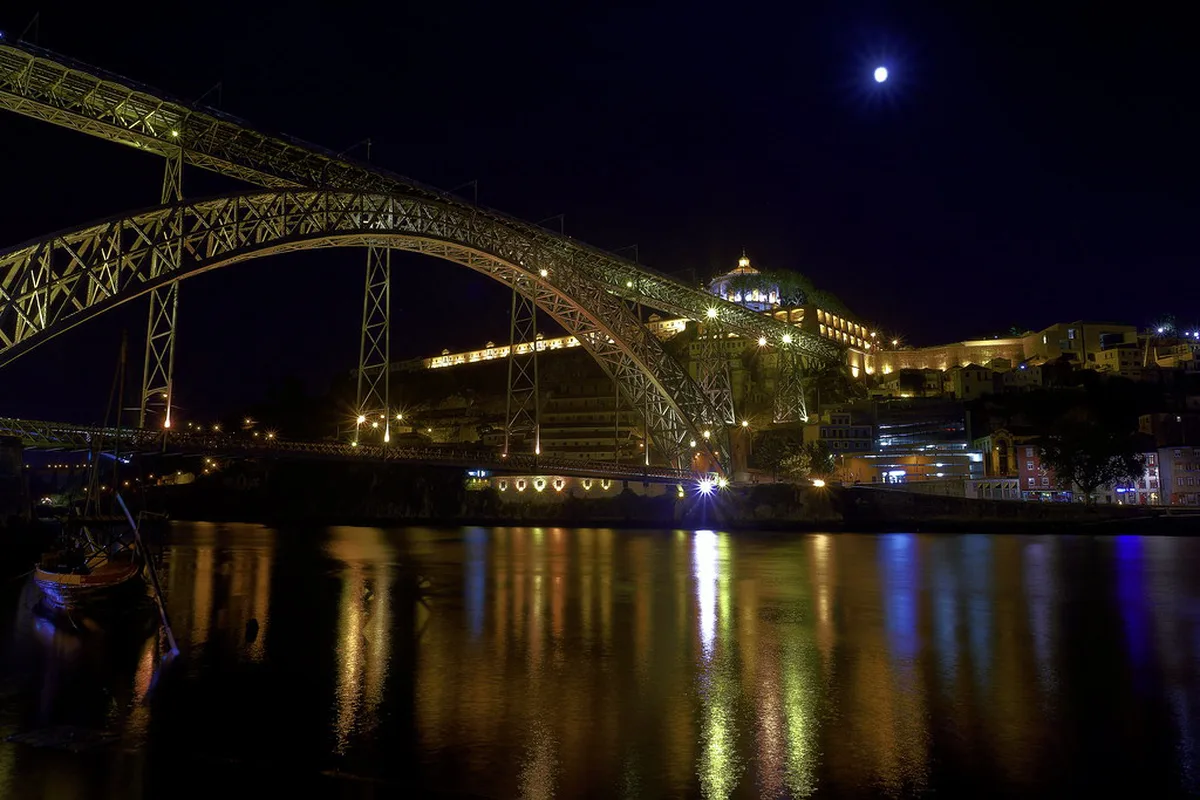
The Dom Luís I Bridge is the most recognizable landmark in the district. It was built by Théophile Seyrig, business partner of Gustave Eiffel, and opened in 1886 as the longest arch bridge in the world at 172 metres. Walking across the lower level puts you at eye level with the river and the colorful buildings stacked above the waterline. Photography enthusiasts should arrive at sunrise when the golden light reflects off the water and the crowds have not yet gathered.
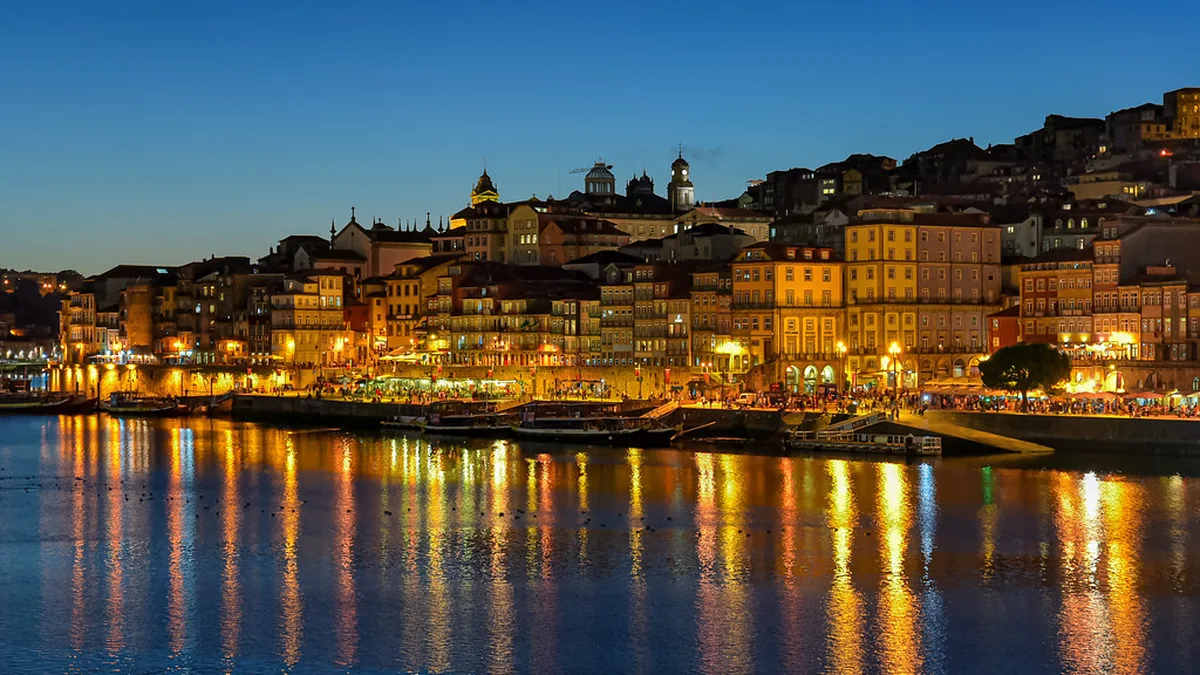
Praça da Ribeira serves as the main square and the social heart of the neighborhood. The square is surrounded by tall narrow buildings covered in azulejo tiles glazed in shades of red, yellow, green and blue. Locals and tourists gather here to enjoy the river views and watch street performers. Many visitors use this spot as a base for exploring the nearby Porto neighborhoods guide for further context on the surrounding districts.
Taking a Six Bridges river cruise is a popular way to see the district from the water. These tours depart frequently from the main pier and last roughly 50 minutes. Tickets cost around 15 to 18 euros per person in 2026. For current schedules and availability, check Visit Porto, the official tourism site, or book online in advance to skip long ticket lines during peak afternoon hours.
The Ribeira of Porto
Beyond the waterfront, the district holds some of Porto's most spectacular buildings. Palácio da Bolsa is a grand Neoclassical stock exchange built in the nineteenth century. Its famous Arabian Hall features intricate gilded plasterwork and is considered one of the finest rooms in Portugal. Guided tours run regularly and cost around 12 euros per person.
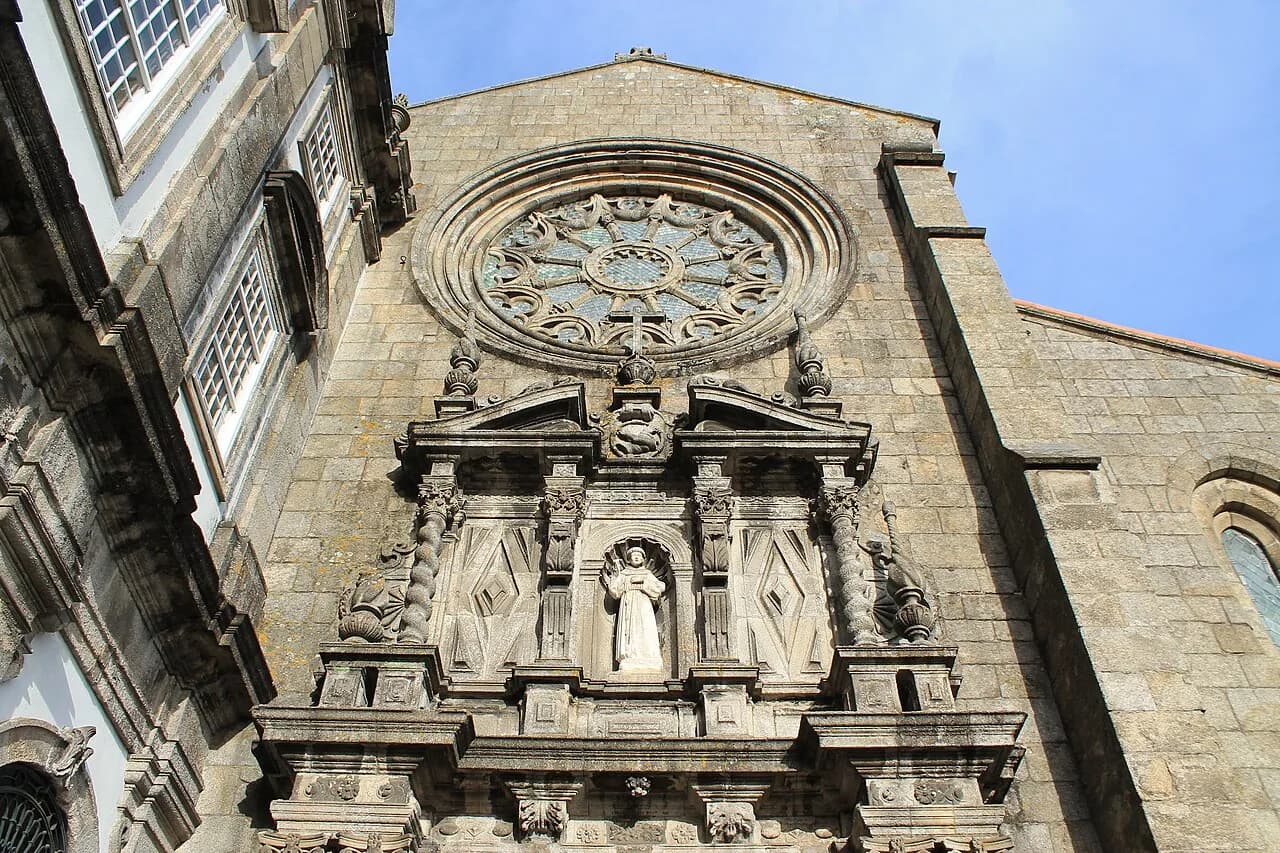
Right beside it stands Igreja de São Francisco, one of the most ornate churches in Portugal. The interior is covered in an estimated 100 kilograms of gold leaf, making it a genuinely shocking sight for first-time visitors. The church also has a network of catacombs below the floor, where the remains of thousands of former parishioners rest. Combining both buildings makes for a logical two-hour cultural block on any visit.
São Bento train station sits just uphill from the riverfront and is worth visiting even if you are not catching a train. More than 20,000 hand-painted azulejo tiles cover the walls of its main hall, depicting major scenes from Portuguese history. The tiles were painted by Jorge Colaço between 1905 and 1916. Historically, this area was the commercial center of Porto since the Roman period, and that layered energy is still visible in every street.
Discovering Porto old town
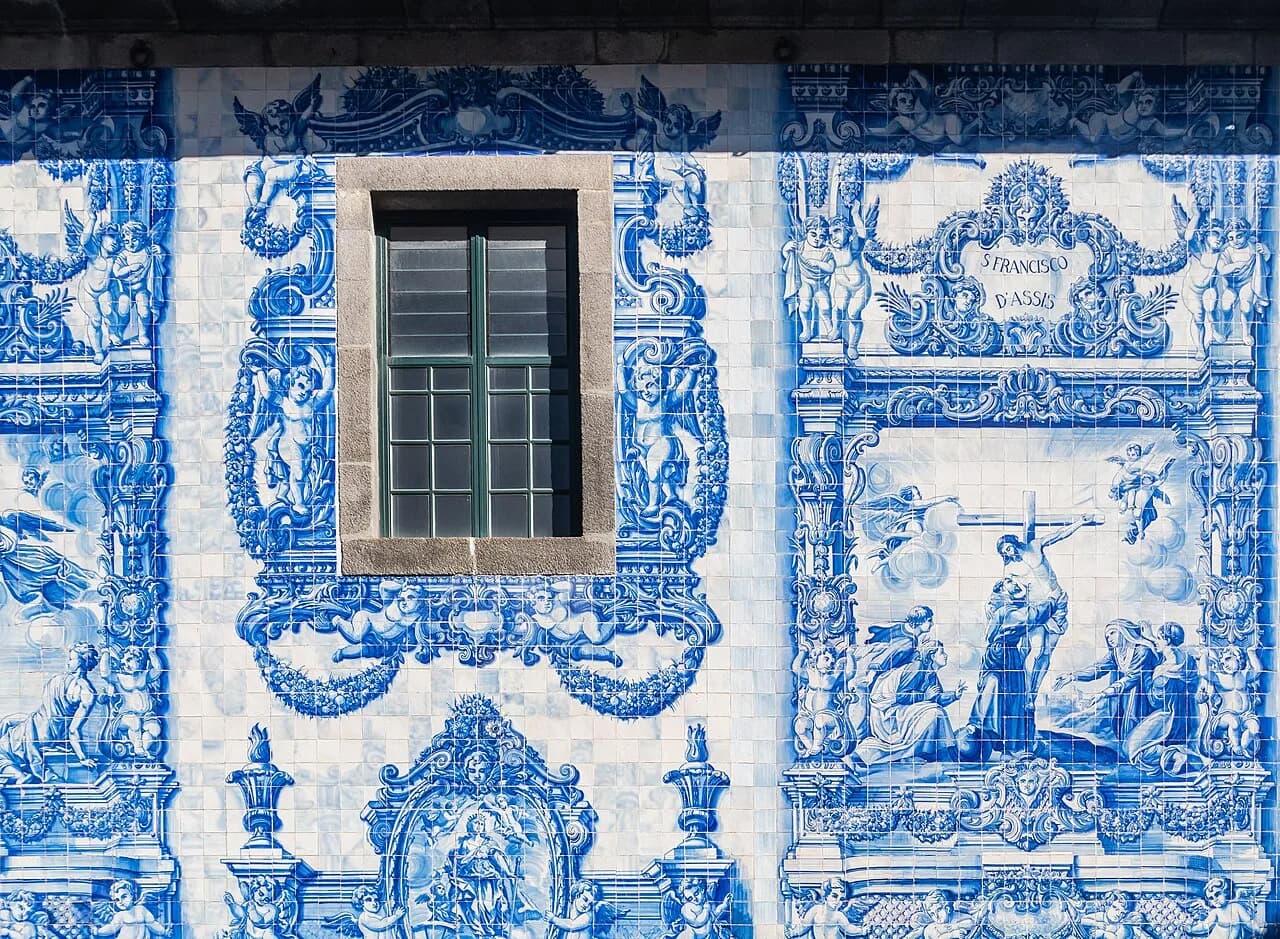
Getting lost in the labyrinth of the old town is the best way to find authentic charm. Narrow alleys often lead to tiny chapels or local grocery stores unchanged for decades. Look up to see intricate tile work and historic carvings on the ancient granite buildings. The district feels like a living museum where history is present in every corner.
Near the base of the Dom Luís bridge stands a small shrine called the Alminhas da Ponte. It commemorates one of Porto's darkest moments: on 29 March 1809, while the city was under attack during the Peninsular Wars, thousands of people fled across the Ponte das Barcas, a makeshift pontoon of 20 boats lashed together. The boats sank under the weight and up to 4,000 people drowned in the Douro. Most visitors walk straight past the shrine without noticing it, but understanding this event gives the bridge an entirely different weight.
Rua da Reboleira is one of the oldest streets and runs parallel to the river, offering a quieter alternative to the main promenade. The steep staircases, known locally as escadas, connect the different levels of the neighborhood. Climbing them reveals viewpoints over the red-tiled rooftops that most tourists miss entirely. Take your time and stop frequently — each turn offers a new perspective of the river below.
If you visit on 24 June, you will encounter the Festa de São João, Porto's biggest annual celebration. As part of the festivities, traditional Rabelo barges race on the Douro. These flat-bottomed wooden boats once carried port wine barrels from the Douro Valley to the cellars in Vila Nova de Gaia. Today they serve as a reminder of the district's commercial origins and make for spectacular viewing from the riverbank.
Museums, Art, and Culture in Ribeira
Casa do Infante is a significant historical site on Rua da Alfândega where Prince Henry the Navigator was reportedly born in 1394. The building once served as the city's customs house and royal mint during the Middle Ages. Inside, you can explore archaeological remains from Roman-era Porto and learn about the district's role in the Age of Discovery. Entry costs around 4 euros, making it an excellent choice for history enthusiasts on a tight budget.
The district also holds several small art galleries showcasing contemporary Portuguese talent. Walking through the backstreets reveals hidden studios and creative spaces tucked between residential buildings. Traditional Fado music drifts from several intimate venues in the evening, providing deep insight into the local culture and heritage. Many venues require reservations, especially during the busy summer months, and often expect a dinner order or cover charge alongside the performance.
Parks, Gardens, and Outdoor Spots in Ribeira
While the district is densely built, the riverbank itself acts as a sprawling outdoor space. Stone benches and low walls provide plenty of room for people-watching and relaxing. The breeze from the Douro keeps the area cool even on warm summer days. Many travelers enjoy a simple picnic while watching the traditional Rabelo boats float past.
Small plazas like Largo do Terreiro offer shaded spots away from the main tourist path. These areas are perfect for a quick break between visits to different landmarks. You might find elderly locals playing cards or chatting on the benches here. These quiet corners are often considered hidden gems in Porto by more discerning travelers.
Walking toward the western edge of the district leads to wider promenades that connect seamlessly with the Miragaia area, which offers more open green spaces. This transition offers beautiful sunset views across the river. Wear comfortable walking shoes with good grip — the terrain involves both flat riverside paths and steep cobblestone stairs that can be slippery when wet.
Cruise ship arrivals peak between 10:00 and 14:00, particularly in summer months. Visit the riverfront and main square either before 09:30 or after 16:00 to avoid the heaviest crowds and enjoy a quieter Ribeira experience.
The best restaurants in Ribeira are
Dining in this area rewards those willing to look past the waterfront. Taberna dos Mercadores is a tiny gem with only six indoor and two outdoor tables. It is known for its salt-crusted sea bass and stuffed partridge, and a meal runs around 40 euros per person before wine. Booking several days ahead is essential — this place fills up fast. Adega de São Nicolau is owned by the same family and serves similar traditional Portuguese cooking; try the bacalhau à Narcisa at 17.50 euros or the Arouca veal steak at 16.50 euros. Seasonal specials such as rabbit in red wine or partridge with chestnuts are worth asking about when you book.
DOP, run by chef Rui Paula, earned its first Michelin star in 2026. Tasting menus run from 100 euros for six dishes to 170 euros for fourteen, with wine pairing from 65 euros. It is one of the most refined dining options within walking distance of the river. For a more casual evening, Vinhas d'Alho has a terrace with direct views of the Douro and the Port wine cellars across the water. The cod with dry tomato crust and the duck confit at 18 euros each are consistently strong. Wine Quay, right next door, is technically a bar but serves a well-curated tapas menu of Portuguese cheeses, sausages and preserved goods — arrive early to claim a seat on the terrace.
For a genuinely local experience, Escondidinho do Barredo is a family-run tasca where the welcome is as important as the food. Their codfish cakes are consistently praised as the best in this part of Porto. Prices remain reasonable despite the popular location. Check out the best local restaurants in Porto for a broader dining guide across the city.
Family-Friendly and Budget-Friendly Options in Ribeira
Walking the narrow streets of the old town is a free activity that works for all ages. Children often enjoy spotting the colorful laundry hanging from wrought-iron balconies and the street performers near the river. The lack of heavy car traffic in the lower streets makes it safer for families to wander. Keep an eye on the ground, as the cobblestones can be slippery and uneven.
For a budget-friendly meal, look for small snack bars serving bifanas — traditional pork sandwiches — for just a few euros. Avoid the restaurants directly on the main promenade if you are watching costs. Walking just one block inland can reduce your food bill significantly, and the food quality often improves as well. Street performers near Praça da Ribeira provide free entertainment throughout the day; small tips are appreciated by the artists.
What to See in Ribeira
The Dom Luís I Bridge lower level is free to cross and gives the best ground-level view of the river and the colorful facades rising above it. Praça da Ribeira is the natural gathering point and costs nothing to sit in. Casa do Infante on Rua da Alfândega charges 4 euros and covers the medieval customs house with Roman excavations below. The Rabelo boats moored along the riverbank are free to photograph and serve as a ready visual summary of the district's port wine history.
Palácio da Bolsa runs guided tours for around 12 euros and the Arabian Hall alone justifies the ticket. Igreja de São Francisco sits directly next to the palace and charges a combined entry fee of around 8 euros including the catacombs. São Bento station is entirely free to enter and its azulejo hall takes no more than 20 minutes to appreciate. Plan to spend at least half a day linking these sites — most are within five minutes' walk of each other.
How to Plan a Smooth Ribeira Attractions Day
Arriving before 09:00 allows you to see the district before the tour groups arrive. The morning light is ideal for photography and the air is much fresher. Most shops and museums open around 10:00, giving you time for a quiet coffee first. Check the best time to visit Porto without crowds for more seasonal advice.
Wear sturdy shoes with good grip to handle the steep and uneven terrain. Those with limited mobility should note that many of the staircase shortcuts are not accessible; the Funicular dos Guindais provides a mechanical link between the riverfront and the upper city for around 2.50 euros. Plan your indoor museum visits for the hottest part of the afternoon to avoid intense sun while still seeing the major sights. Stay hydrated — public fountains in some squares provide clean drinking water for free.
The district transforms after sunset. The golden light on the buildings creates excellent conditions for photography, and bars near the bridge fill up with a mix of locals and visitors. Bar da Ponte Pênsil, right on the water's edge near the bridge, is undeniably popular with tourists but the position is hard to beat. Budget four to six hours for a full visit that includes a river cruise, the key monuments, and dinner at one of the inland tascas.
The Funicular dos Guindais single ride costs 2.50 euros (round trip 4 euros). Operating hours are 08:00–21:00 daily, making it an accessible alternative to climbing steep medieval staircases, especially for visitors with limited mobility or heavy backpacks.
For the bigger picture, see our guide to Porto's hidden gems and plan the rest of your visit.
Frequently Asked Questions
Which ribeira porto options fit first-time visitors?
First-time visitors should prioritize walking across the Dom Luís I Bridge and exploring Praça da Ribeira. These spots offer the most iconic views and a great introduction to the city's atmosphere. You can find more tips in our hidden gems in Porto guide for a complete experience.
How much time should you plan for ribeira porto?
Plan for at least four to six hours to see the main sights and enjoy a meal. This allows enough time for a river cruise and a slow walk through the backstreets. If you enjoy photography, consider staying until sunset for the best lighting conditions.
What should travelers avoid when planning ribeira porto?
Avoid eating at restaurants with large picture menus directly on the main promenade, as they are often overpriced. Steer clear of the area during the peak heat of the afternoon in summer. It is also wise to avoid wearing high heels on the steep, uneven cobblestone streets.
Ribeira Porto remains the soul of the city and a highlight for every traveler. The combination of historic architecture and riverfront energy creates an unforgettable setting. By planning your visit early and exploring the backstreets, you can find the true heart of the district. Enjoy the unique charm and timeless beauty of this remarkable Portuguese neighborhood.
Continue exploring
More guides you'll find useful