Best Time to Visit Porto: Weather, Seasons, and Events
Discover the best time to visit Porto. Our guide covers monthly weather, seasonal highlights, the São João festival, and tips for avoiding crowds and rain.
On this page
Best Time to Visit Porto
The best time to visit Porto is during late spring — mid-May through mid-June. Temperatures sit between 20–25°C, the city is dressed in sunshine, and the peak summer crush has not yet arrived. September runs a close second, combining warm weather with the start of the Douro Valley wine harvest and noticeably quieter streets.
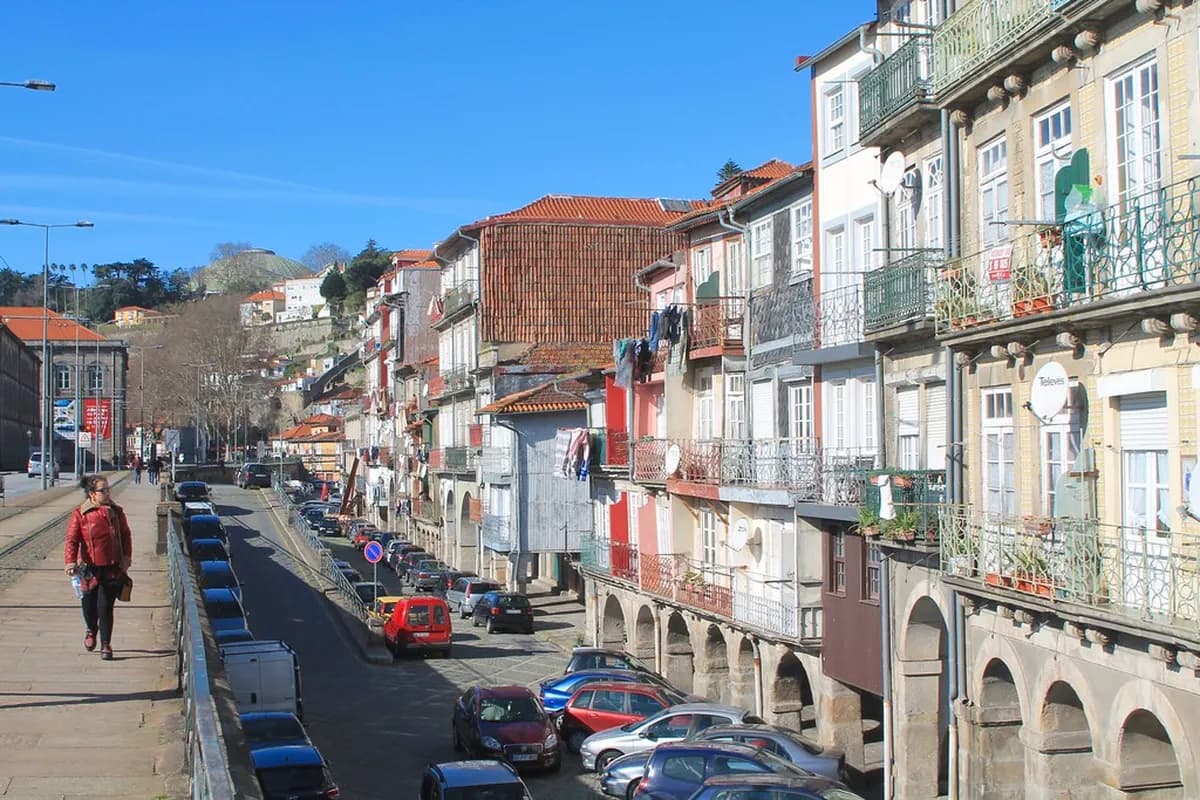
Porto sits on the Atlantic coast in northern Portugal, which means its weather behaves differently from Lisbon or the Algarve. The Nortada — a persistent northerly wind — keeps summer afternoons comfortable but also makes a 25°C day feel closer to 20°C. Layers matter here even in July. Exploring the stepped alleys of Cedofeita or the riverside in Ribeira is a very different experience depending on which month you arrive.
This guide breaks down every season, the month-by-month climate data, the key festivals, and the practical details — hotel pricing, booking lead times, cold-water warnings — that most planning resources skip.
The Best Time of Year to Visit Porto
For most visitors, June is the single best month to be in Porto. The weather is reliably warm and dry, sightseeing is comfortable, and the city is still at a human scale before the July and August peak. Most importantly, June 23rd brings the Festa de São João — the biggest street party in northern Portugal — which alone justifies a June visit for anyone who can plan around it.

September is the other standout window. Summer warmth lingers, but hotel occupancy drops and prices ease. Wine harvest tours in the Douro Valley operate at full intensity, making September the clear winner for wine-focused travelers. The Atlantic water is also at its seasonal peak temperature of around 18–19°C, which is as warm as it ever gets along this coastline.
If budget matters more than weather, January and February offer the lowest prices of the year — often 40% below peak — and nearly empty queues at Livraria Lello and the Clérigos Tower. You accept the rain and short daylight hours in exchange for an authentically local experience and significant savings.
The Festa de São João falls on June 23–24 each year and is the biggest street party in northern Portugal. The city centre, Ribeira, and the waterfront fill from 22:00 through dawn with music, food, and celebrations. Book accommodation 5–6 months in advance if you plan to visit during the festival.
Porto Weather and Climate by Month
Porto has a temperate Atlantic climate with four distinct seasons. Rainfall is concentrated between October and March, while summer is reliably dry. The city receives about 1,200mm of annual rain — most of it in winter — making it one of the wetter cities in southern Europe. For detailed monthly forecasts and climate data, consult the official Visit Portugal resource. Summer sunshine averages nearly 10 hours per day.
| Month | Avg High (°C) | Avg Low (°C) | Rain Days | Crowds |
|---|---|---|---|---|
| January | 13 | 6 | 15 | Very Low |
| February | 14 | 7 | 13 | Very Low |
| March | 16 | 8 | 13 | Low |
| April | 18 | 10 | 14 | Low–Medium |
| May | 20 | 12 | 9 | Medium |
| June | 24 | 15 | 5 | High |
| July | 27 | 17 | 2 | Peak |
| August | 28 | 17 | 2 | Peak |
| September | 25 | 15 | 5 | High |
| October | 20 | 12 | 11 | Medium |
| November | 16 | 9 | 13 | Low |
| December | 13 | 7 | 15 | Low |
One figure the standard charts miss: December averages around 180mm of rainfall, making it the rainiest month overall. April is a trap month — it looks like spring on paper but receives nearly as many rain days as January. If you are visiting in April, expect two or three proper soaking days per week. Delaying until mid-May dramatically improves your odds of dry weather.
The Nortada wind is active mainly from June through September. It blows in from the northwest most afternoons and is one reason Porto stays comfortable even when the thermometer reads 28°C. It also means the sea at Praia de Matosinhos never feels as warm as the air temperature suggests — a detail that matters if you are planning beach days.
A Season-by-Season Guide to Porto
Spring (March to May) is the transition period. March and April still carry genuine winter rain risk, especially in the north. From mid-May, the city shifts into its best walking weather. Gardens bloom, the Douro River sits at an attractive level for cruises, and tour groups have not yet arrived en masse. Accommodation prices are in the medium tier — typically 20–30% below summer peak. The main Easter processions in April are worth catching if your dates align.
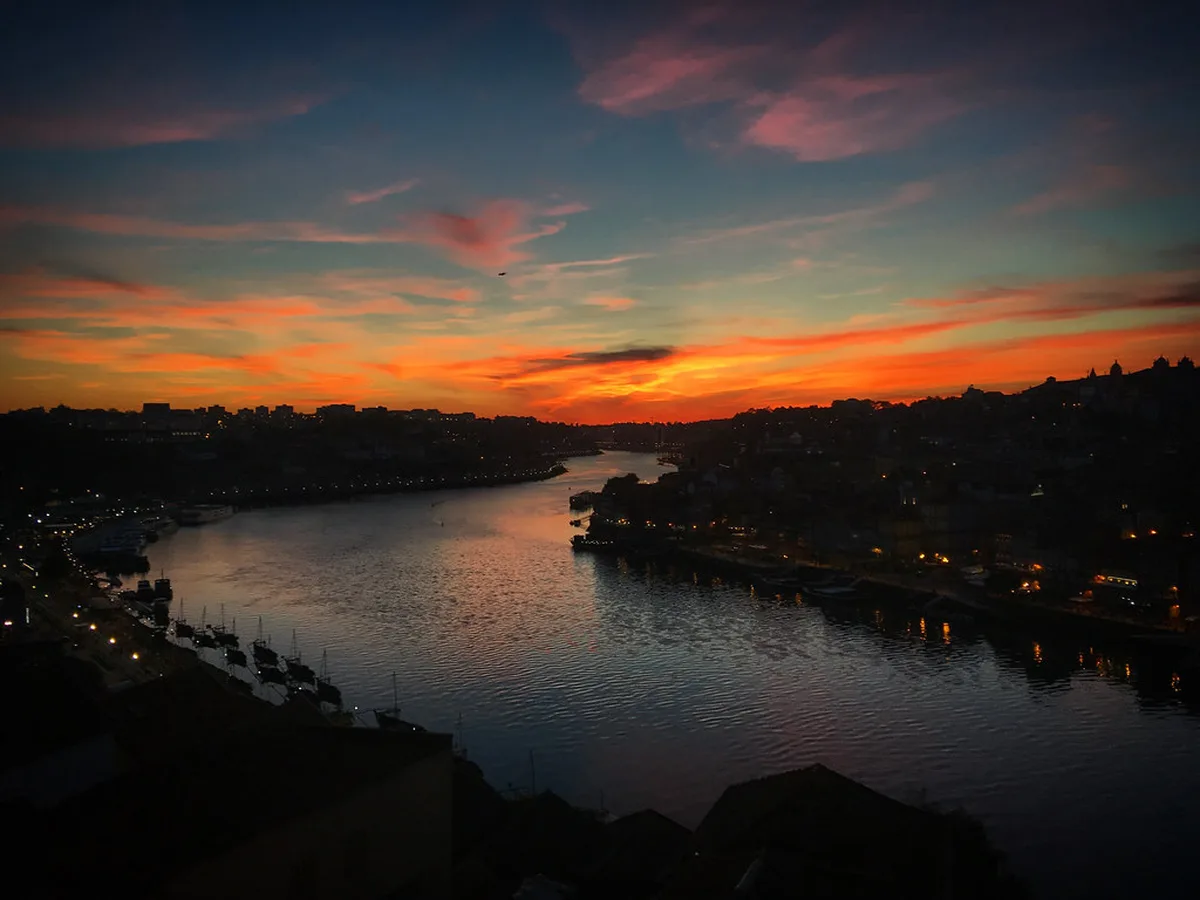
Summer (June to August) is Porto at its most alive. The São João festival on June 23–24 transforms the city completely: streets fill from dusk to dawn, grilled sardines appear on every corner, and locals chase each other with plastic hammers and garlic flowers. July and August are reliable and hot, but the Nortada keeps humidity low. The downside is demand. A well-located guesthouse in Ribeira will cost €120–200 per night in August; book at least four months out. Day-trip lines for the Douro cruise leave by 09:30 and fill quickly.
Autumn (September to October) is the insider's choice. September inherits all the summer warmth with a quieter, more local feel. The Douro Valley grape harvest runs from mid-September through mid-October, and joining a harvest tour — either independently via the Douro train line from São Bento station or on an organised day trip — is one of the best experiences Portugal offers. Note that October splits in two: the first half can be beautiful, the second half often sees the winter rains return. Book early-to-mid October if you go.
Winter (November to early March) is wet but not unpleasant for the right traveler. Temperatures rarely drop below 5°C at night, and frosts are essentially unknown. The city's port wine cellars in Vila Nova de Gaia are ideal rainy-day destinations. Christmas markets and a lively New Year's Eve along the Douro waterfront give December a festive energy. January is objectively the hardest month — fewest sunshine hours, most rain days — but hotel rates hit their annual floor and major attractions are crowd-free.
May is a deceptive trap month on the calendar — while April looks like spring on paper, it receives nearly as many rain days as January. Plan to visit by mid-May at the earliest to dramatically improve your odds of dry weather. Delay from May onward and you'll see a noticeable jump in reliable sunshine.
Major Events and Festivals by Month
Porto's festival calendar shapes its crowd patterns more than the weather does. Planning around — or deliberately for — these events makes a significant difference to your experience.
- February / March — Carnaval brings street parades and masks, modest by Lisbon standards but fun in the Bonfim neighbourhood.
- March / April — Semana Santa (Holy Week) processions are solemn and well-attended. Good Friday mass at the Sé Cathedral draws locals and tourists alike.
- June 23–24 — Festa de São João (São João Festival). The peak event of the year. The city centre, Ribeira, and the waterfront at Vila Nova de Gaia are packed from 22:00 through dawn. Book accommodation 5–6 months in advance for this date.
- July — NOS Primavera Sound typically runs in late June or early July at Parque da Cidade. One of the best music festivals in southern Europe, drawing 40,000+ per day.
- September — Douro Valley Harvest Season. Most quintas open their terraces to visitors. The train from Porto's São Bento station to Pinhão (2h 40min, from €12) passes through the terraced vineyards at their most photogenic.
- December — Christmas markets in Aliados and Gaia. The riverside illuminations are some of the best in Portugal.
Choosing the Right Portuguese Region for the Season
Portugal's climate changes substantially as you move south. Porto in the north is cooler and much wetter than Lisbon or the Algarve. As a rule: the further south, the warmer and drier — but also the more tourist-dependent and less authentically Portuguese the experience becomes.
In summer, Porto actually wins the comparison against Lisbon. Porto's Nortada wind keeps the city 3–4°C cooler than Lisbon, where urban heat builds significantly. The Costa Verde beaches north of Porto (Matosinhos, Leça, Vila do Conde) are far less crowded than Algarve resorts and have better surf. Learn more about summer events and festivals at Visit Porto's official calendar. If you want a beach holiday with culture attached, Porto in July or August is a stronger bet than Lisbon.
In winter, the Algarve is clearly warmer — Faro averages 16°C in January versus Porto's 13°C, and the Algarve gets twice the sunshine hours. If winter sun is your priority, go south. If you want museums, port wine, azulejo architecture, and a UNESCO-listed riverside at a quiet pace, Porto delivers that regardless of the season.
For a longer Portugal trip, the standard pairing is Porto in shoulder season (May or September) combined with Lisbon and the Algarve in the same swing. Porto handles the culture and wine; the south handles the beach and sun. Learn more about structuring a multi-city trip in our guide to day trips from Porto, which includes routes to Braga, Guimarães, and the Douro Valley.
The Atlantic Factor: What Weather Charts Miss
Standard temperature averages do not capture two things that actually define a Porto visit: the Nortada wind and the Canary Current. Both are direct consequences of Porto's position on the open Atlantic and both shape traveler decisions in ways that a simple °C figure cannot.
The Nortada is a strong northwesterly wind that funnels down the coast from June to September. On an 80% of summer afternoons it arrives by 14:00 and drops the perceived temperature by 4–5°C. For sightseers climbing to the Clérigos Tower or walking the Dom Luís I bridge, this is welcome. For beach-goers at Matosinhos, it means the windward side of the beach becomes unpleasant by mid-afternoon. Local surfers at Praia de Espinho and Praia da Aguda actively seek out these afternoon conditions — the swells build from November through March and early spring is considered prime surf season.
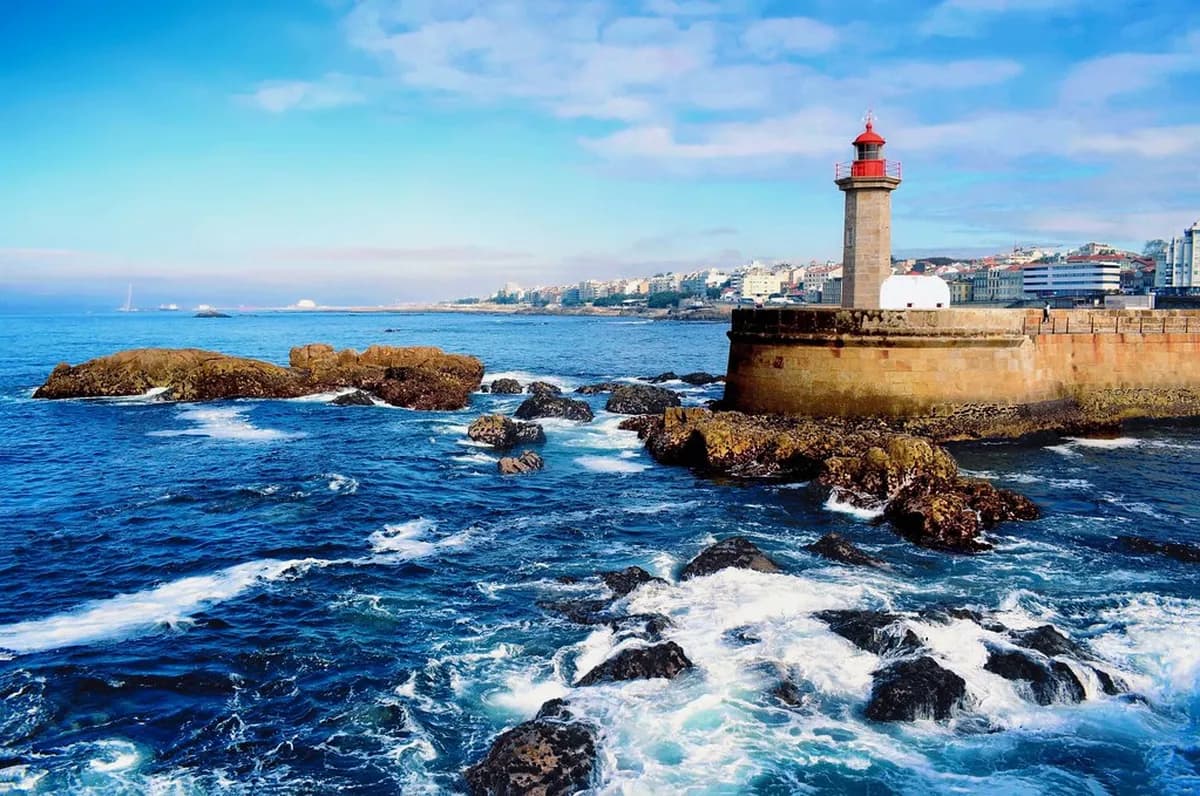
The Canary Current — a cold oceanic current flowing southward along the Portuguese coast — keeps sea temperatures at just 14°C in winter and only 18°C at the height of August. Every year, first-time visitors are surprised that the sea feels cold on a 28°C summer day. If swimming in the sea is central to your trip, manage expectations: this is refreshing, not Mediterranean-warm. The ocean here is better suited to surfing and coastal walks than prolonged bathing.
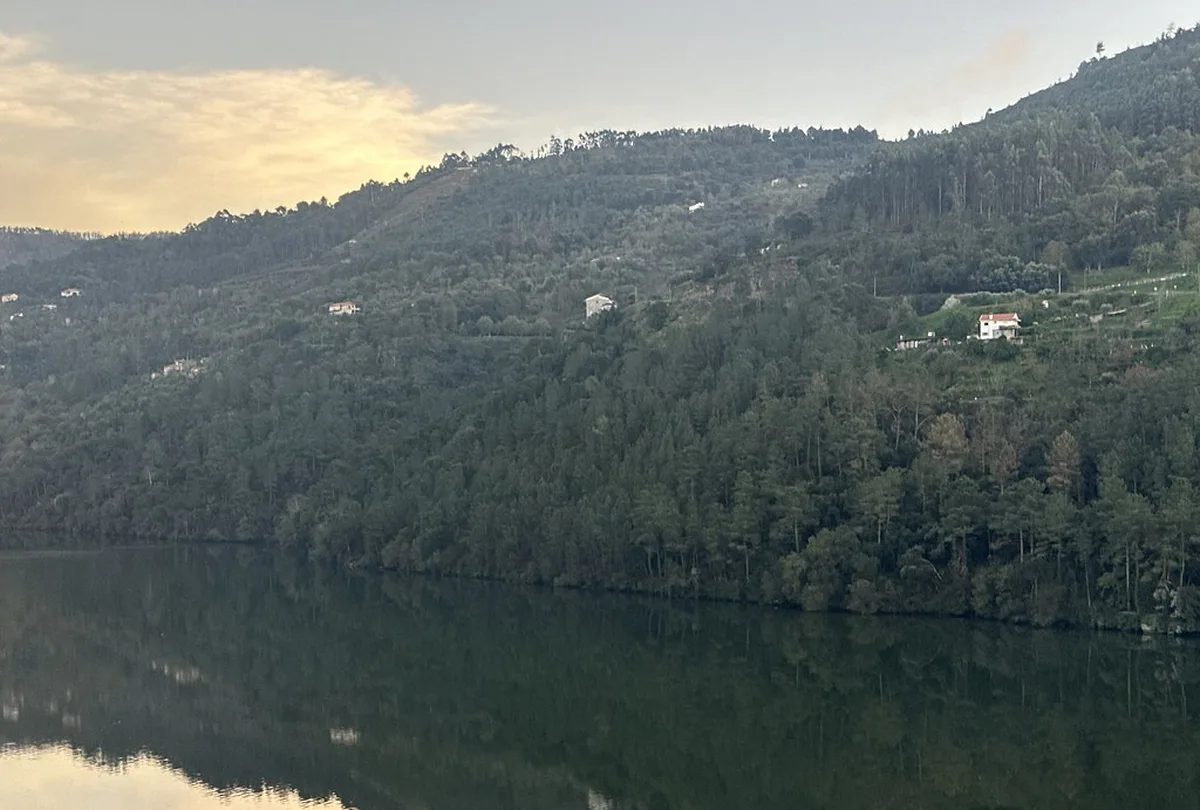
For wine travelers, the relevant distinction is between coastal Porto and the inland Douro Valley. Just 100km east of the city, the Douro sits in a rain shadow behind the mountains. Summer temperatures in the valley routinely hit 35–40°C, and harvest timing (mid-September to mid-October) depends on heat accumulation over the summer. A day trip from Porto in September means leaving a 24°C Atlantic breeze and arriving in 30°C dry valley heat — bring a different set of clothes for that day.
Is Porto a Year-Round Destination?
Porto functions year-round in a way that purely beach-resort cities cannot. Unlike the Algarve, where winter closures are widespread, Porto is a living working city. Museums, port cellars, restaurants, the Livraria Lello, and all major monuments stay open 12 months a year. Douro River cruises run a reduced schedule from November to March but do not stop entirely.
The honest answer on winter is this: Porto rewards flexible visitors. Check the 7-day forecast before booking a non-refundable ticket, and go when a dry window appears. You will pay rock-bottom prices, have Ribeira almost to yourself, and discover the Porto's hidden gems that disappear under summer crowds. What you will not get is reliable sunshine or beach weather.
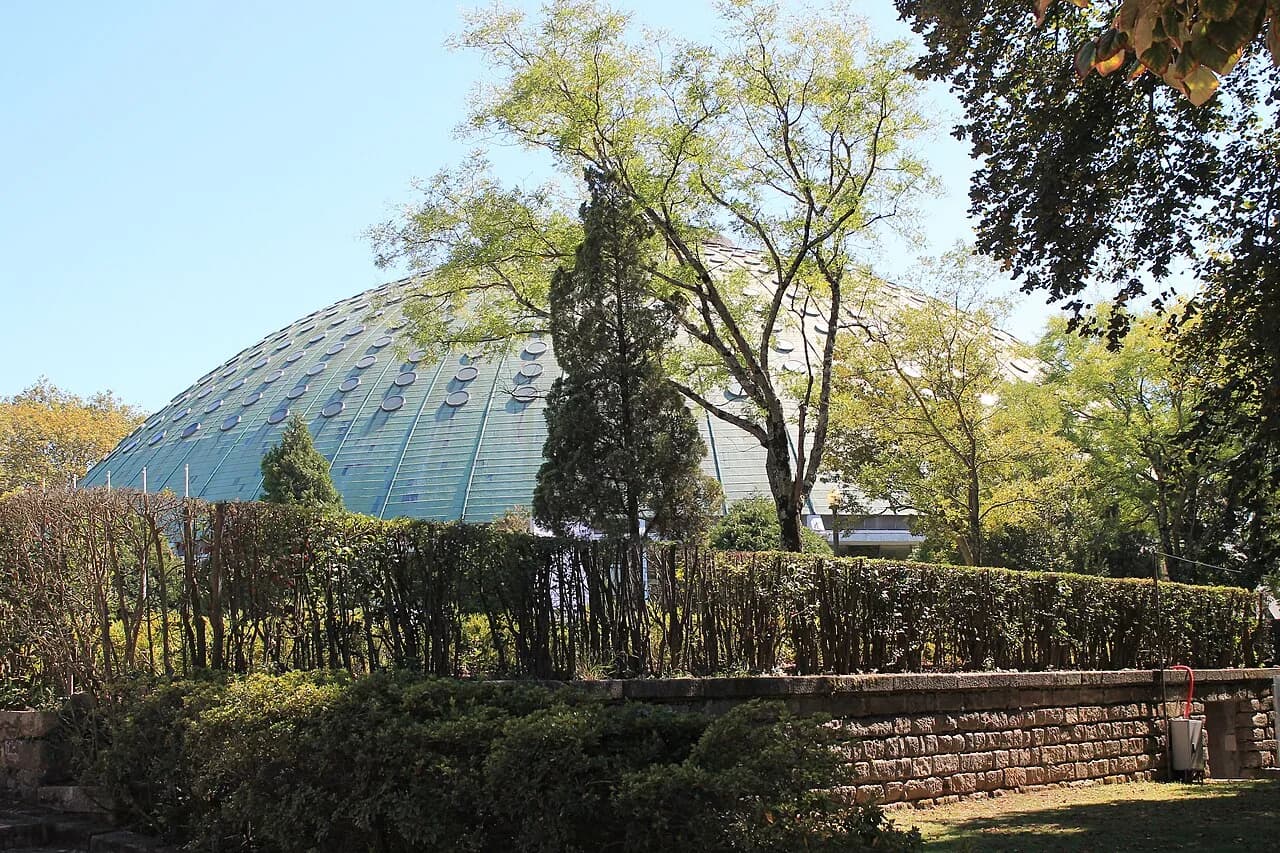
Winter visitors should anchor their days around indoor experiences: a morning in the Fundação de Serralves contemporary art museum, a tasting session at one of the historic Gaia cellars (Graham's, Taylor's, Ramos Pinto — all accept walk-ins), and lunch in the covered Mercado do Bolhão. A rainy afternoon in a port wine cellar followed by dinner at a tasca in the Bonfim neighbourhood is one of the best possible Porto days, full stop.
Practical Booking and Timing Tips
Hotel demand in Porto has outpaced supply in recent years. The best-located properties — anything in Ribeira, on the Douro waterfront, or within walking distance of the Clérigos Tower — sell out months in advance for summer. These are the lead times that matter in 2026.
- São João festival (June 23–24): Book 5–6 months ahead minimum. Prices spike 60–80% above surrounding weeks.
- July and August peak: Book 3–4 months ahead. Refundable rates disappear first.
- September shoulder: 6–8 weeks ahead is usually sufficient, though good Ribeira options go earlier.
- May and October: 3–4 weeks ahead is workable for most budgets.
- November to March: Book a week before if flexible. Rates are negotiable.
Flights to Porto follow the same pattern. The cheapest fares to Francisco Sá Carneiro Airport (OPO) land in January and February. Summer fares from northern European cities — London, Amsterdam, Paris — peak in late July and August. If you can shift a summer trip one week either side of the school holiday peak (typically starting around July 10 and ending late August), you can save meaningfully on both flights and hotels.
For day trips and regional planning, check our day trips from Porto guide for transport times and booking logistics to Braga, Guimarães, and the Douro Valley. The Douro train departs São Bento station — seat reservations are required in summer and should be made at least two weeks ahead online through the CP website.
Frequently Asked Questions
What is the rainiest month in Porto?
December is typically the rainiest month in Porto. It receives about 180mm of rainfall on average. Expect frequent showers and misty conditions during this time.
Is Porto warmer than Lisbon?
Porto is generally cooler than Lisbon by a few degrees. The Atlantic influence brings more wind and moisture to the north. Summer days are much fresher in Porto.
When is the São João festival in Porto?
The festival takes place on the night of June 23rd. It is the biggest celebration of the year. Locals celebrate with food, music, and tradition.
Porto is a city that rewards those who time their visit with the weather. While May and September are the best months, every season offers something unique. Check out our Portugal guides for more planning tips.
Remember to pack for the Atlantic breeze and wear comfortable walking shoes. The beauty of the Douro River awaits you regardless of when you arrive. Enjoy your journey through one of Europe's most historic and soulful cities.
Continue exploring
More guides you'll find useful