Palácio da Bolsa (Stock Exchange Palace) Visitor Guide & Tour Tips
Plan your Palácio da Bolsa visit with our comprehensive guide. Discover history, must-see highlights, practical tips, and booking advice for a memorable.
On this page
Palácio da Bolsa (Stock Exchange Palace) Visitor Guide
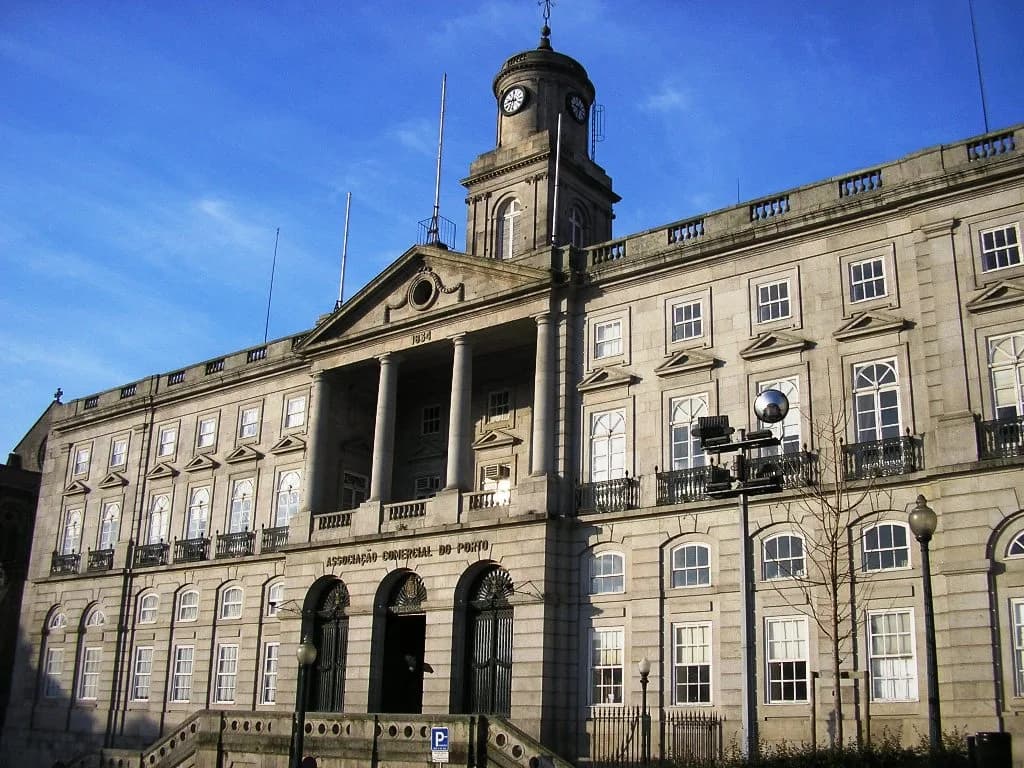
Porto rewards visitors who look past its famous bridges and wine cellars. The Palácio da Bolsa — known in English as the Stock Exchange Palace — stands in the heart of the historic centre as one of Portugal's most elaborately decorated national monuments.
Built over more than four decades by the city's Commercial Association, it remains a working institution today, hosting state receptions and private events alongside its daily tourist programme. This guide covers everything you need to plan your 2026 visit: tickets, guided-tour logistics, the rooms you must not miss, and how to fit the palace into a broader Porto itinerary.
Introduction to Palácio da Bolsa: History, Architecture, and Significance
Construction of the Palácio da Bolsa began in 1842, on the ruins of the Franciscan Convent of São Francisco, which burned down during the Liberal Wars of 1832. The Commercial Association of Porto commissioned the project to build a landmark that would signal the city's commercial ambitions to European trading partners.
The exterior reflects a British Neoclassical and Palladian style — all symmetry and restrained stonework. Inside, the decorative scheme grew richer over decades as successive artists added their mark. Prominent names in 19th- and early 20th-century Portuguese art contributed: Soares dos Reis, Marques da Silva, António Ramalho, and Henrique Medina all worked on the interiors.
The building was officially inaugurated in 1891, though finishing work on its most celebrated space continued into the early 20th century. Today the palace sits within Porto's historic centre, a UNESCO World Heritage Site, and continues to operate as the Commercial Association's headquarters — meaning it occasionally closes to tourists for official business, a practical detail that catches visitors off guard.
Planning Your Visit: Tickets, Opening Hours, and Guided Tours
All visits to the Palácio da Bolsa are by guided tour only — independent walk-through visits are not permitted. Tours depart frequently throughout the day and last approximately 30 minutes. They are conducted in Portuguese, English, Spanish, and French; the language of each departure depends on which groups are waiting, so arriving a few minutes before the hour improves your chances of joining your preferred language.
Tickets can be purchased at the on-site ticket office or booked in advance through the official Palaciodabolsa.com website or the Visit Porto and North booking platform. The palace generally opens at 9:30 AM and runs tours until 6:30 PM, with shorter hours in winter months. Always check the official website for current 2026 seasonal schedules before travelling, as hours shift between summer and winter.
Adult tickets are €14. Students, seniors, and school groups pay €9.50. Children under 12 accompanied by an adult enter free, except in organized groups. Budget roughly 45 to 60 minutes total — the tour runs about 30 minutes, but you may wait for the next departure in your language, particularly during busy summer afternoons.
Budget 45 to 60 minutes for your entire visit—the guided tour itself takes about 30 minutes, but factor in time for ticketing and waiting for your language departure, especially during peak season.
What to See Inside: Highlights of the Palácio da Bolsa
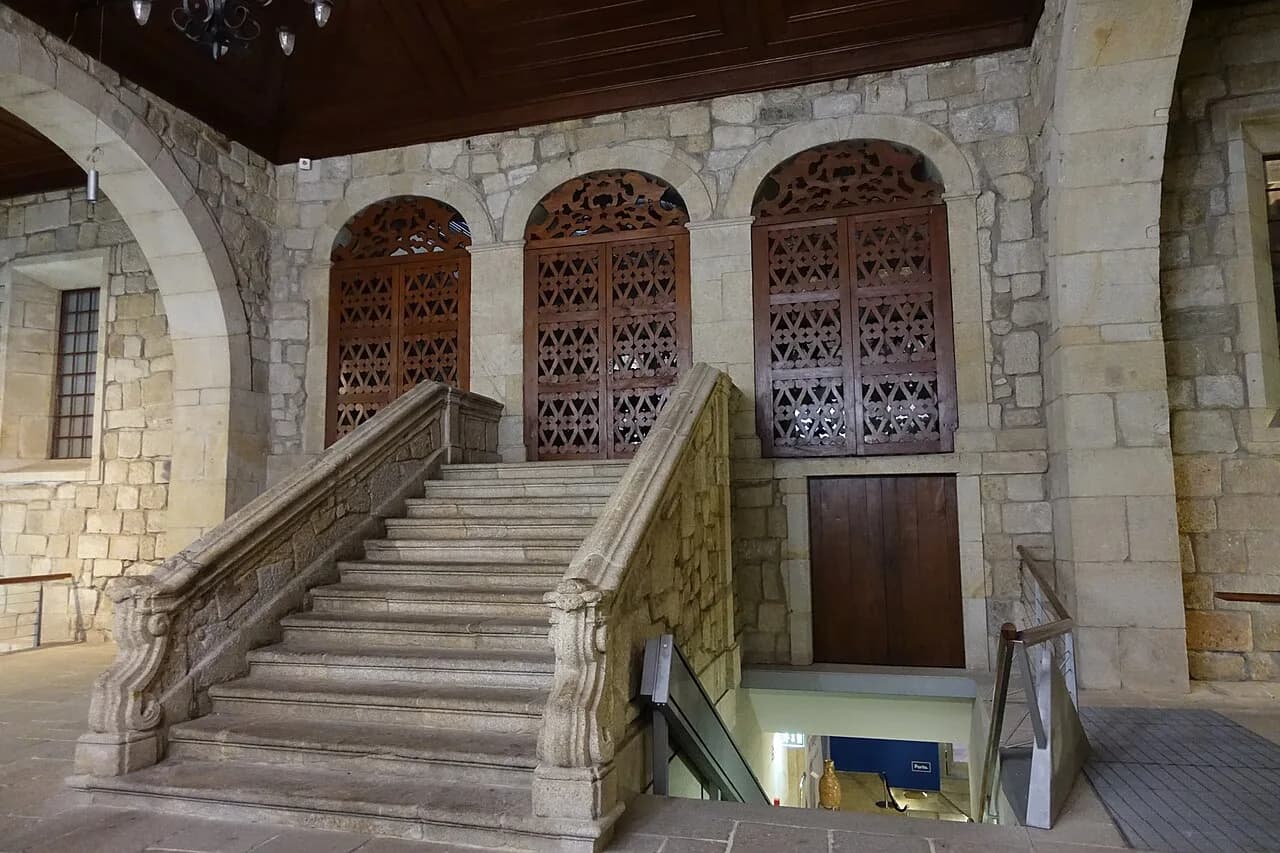
The guided tour moves through a sequence of rooms that escalate in opulence. The Grand Staircase greets you first: a sweeping marble and granite construction topped by an ornate ironwork railing and a large skylight that floods the space with natural light. It sets the tone for what follows.
The tour then typically enters the Hall of Nations (Pátio das Nações) — the palace's central courtyard, roofed by a spectacular iron-and-glass dome. This was the actual trading floor where Porto's merchants once gathered. The names of trading nations are still inscribed around the perimeter of the dome. It is one of the most photogenic spaces in the building and frequently passed through quickly in favour of the more famous rooms further in.
The Golden Room (Salão Dourado), lined in gold leaf and elaborate stucco, served as a formal reception hall for distinguished guests. The Court Room, formerly the Tribunal Room, features rich wood panelling and a coffered ceiling that reflect its original role in commercial arbitration.
The Arabian Room (Salão Árabe) is the undisputed centrepiece. Designed by architect Gustavo Adolfo Gonçalves de Sousa and completed over roughly 18 years between 1862 and 1880, it draws on the Alhambra in Granada as its primary reference. Every surface — ceiling, walls, arched niches — is covered in gilded stucco and geometric ornament in Moorish Revival style. The room was built to receive dignitaries and occasionally hosts private concerts today. It is the reason most visitors come, and it does not disappoint.
Practical Tips for a Smooth Visit
Summer months (June through August) bring the highest visitor volumes. Tours can sell out by early afternoon and queues at the ticket window stretch outside on busy days. Weekday mornings before 11:00 are consistently the quietest window. If your schedule allows flexibility, September and October offer pleasant weather with noticeably shorter waits.
One risk many visitors overlook: the palace occasionally closes for the day — or for several hours — due to official events, state receptions, or Association meetings, sometimes with little advance public notice. If you have travelled specifically to see the Palácio da Bolsa, email or call the palace 48 hours before to confirm it will be open. This step takes two minutes and can save a wasted trip.
Photography is permitted throughout, including in the Arabian Room. Flash is generally acceptable but use discretion near gilded surfaces. The palace has good accessibility: wheelchair ramps, elevators to all floors, and adapted restrooms are available. Contact staff in advance if you need specific arrangements, as tour group pacing is set by the guide.
The palace occasionally closes for official events or state receptions with little public notice. Contact the palace 48 hours before your visit to confirm it will be open.
Nearby Attractions and How to Combine Your Visit
The Palácio da Bolsa sits at Rua Ferreira Borges on Praça do Infante D. Henrique, putting several of Porto's most significant landmarks within a five-minute walk. A half-day loop from here covers more history per metre than almost anywhere else in the city.
Immediately next door stands the Igreja de São Francisco, Porto's most ornate Gothic church. Its Baroque interior contains an estimated 400 kg of gilded woodwork — a startling contrast to the palace's secular grandeur. Allow 30 to 40 minutes and buy your ticket separately at the church entrance.
Walking east from Praça do Infante reaches the Ribeira waterfront in under five minutes. From there, the Dom Luís I Bridge is a 10-minute walk; crossing its upper deck (on foot or by Metro line D) takes you into the Vila Nova de Gaia wine lodge district. São Bento station, famous for its azulejo tile panels depicting Portuguese history, is an 8-minute walk northeast — worth a detour even if you are not catching a train.
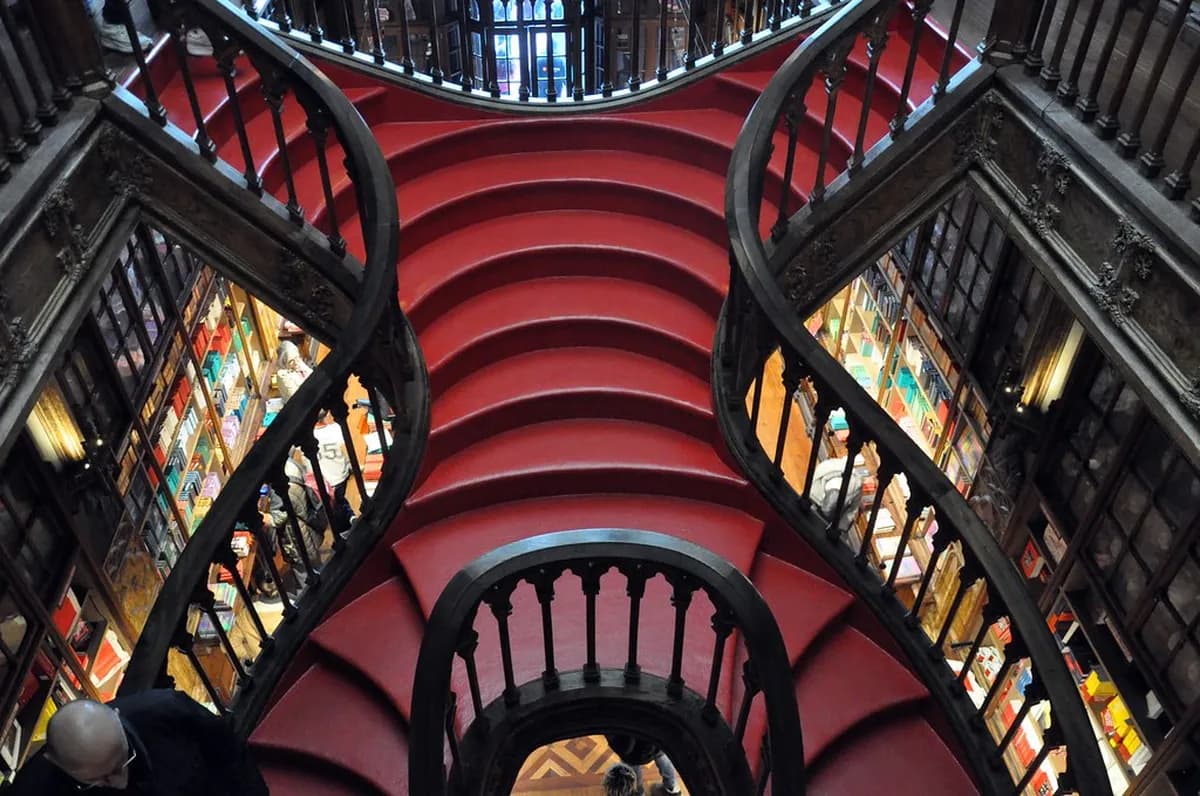
Heading northwest for 10 to 12 minutes brings you to Clérigos Tower and Lello Bookstore. Some third-party operators sell COMBO tickets that bundle Lello with a Palácio da Bolsa guided visit at a modest saving. The Casa do Infante, believed to be the birthplace of Henry the Navigator, is a five-minute walk south and covers Porto's maritime archives in a compact museum format. Browse the full list of Porto attractions to build your itinerary.
Booking Your Tour: Essential Information and Cancellation Policies
You have three practical routes for securing a tour. Buying on-site at the ticket office is the simplest option but carries the highest risk of sold-out language slots in peak season. Booking directly through the official Palaciodabolsa.com website reserves your preferred language departure and is the most reliable channel for first-time visitors. Third-party operators listed on booking.Visitportoandnorth.travel also sell tickets and may bundle the palace with other Porto experiences.
One important caveat for third-party bookings: most are not skip-the-line tickets. Purchasing through a reseller still requires you to queue at the palace reception, present a voucher (printed or on your phone), and then join the next available tour in your language. On busy summer days, the wait from arrival to tour entry can be 30 to 45 minutes even with a pre-purchased ticket. Factor this into your schedule.
Cancellation policies differ by channel. Direct bookings through the official website typically allow free cancellation up to 24 to 48 hours before your tour. Third-party providers vary — some charge 100% for cancellations within 48 hours or no-shows. Read the terms before purchasing, particularly if your itinerary is time-sensitive or weather-dependent.
Beyond the Palace: Related Experiences in Porto
Porto's historic centre offers several museums that pair naturally with a palace visit. The Museu Soares dos Reis is Portugal's first national museum and holds a strong collection of 19th-century Portuguese painting and sculpture — including work by Soares dos Reis himself, one of the artists who contributed to the Palácio da Bolsa interiors. It is a 20-minute walk west of the palace.
For a change of pace, the Jardins do Palácio de Cristal offer open green space, elevated river views, and a peacock population that surprises most visitors. The gardens are free to enter and about 25 minutes on foot from the palace — a good option after a dense morning of historical interiors.
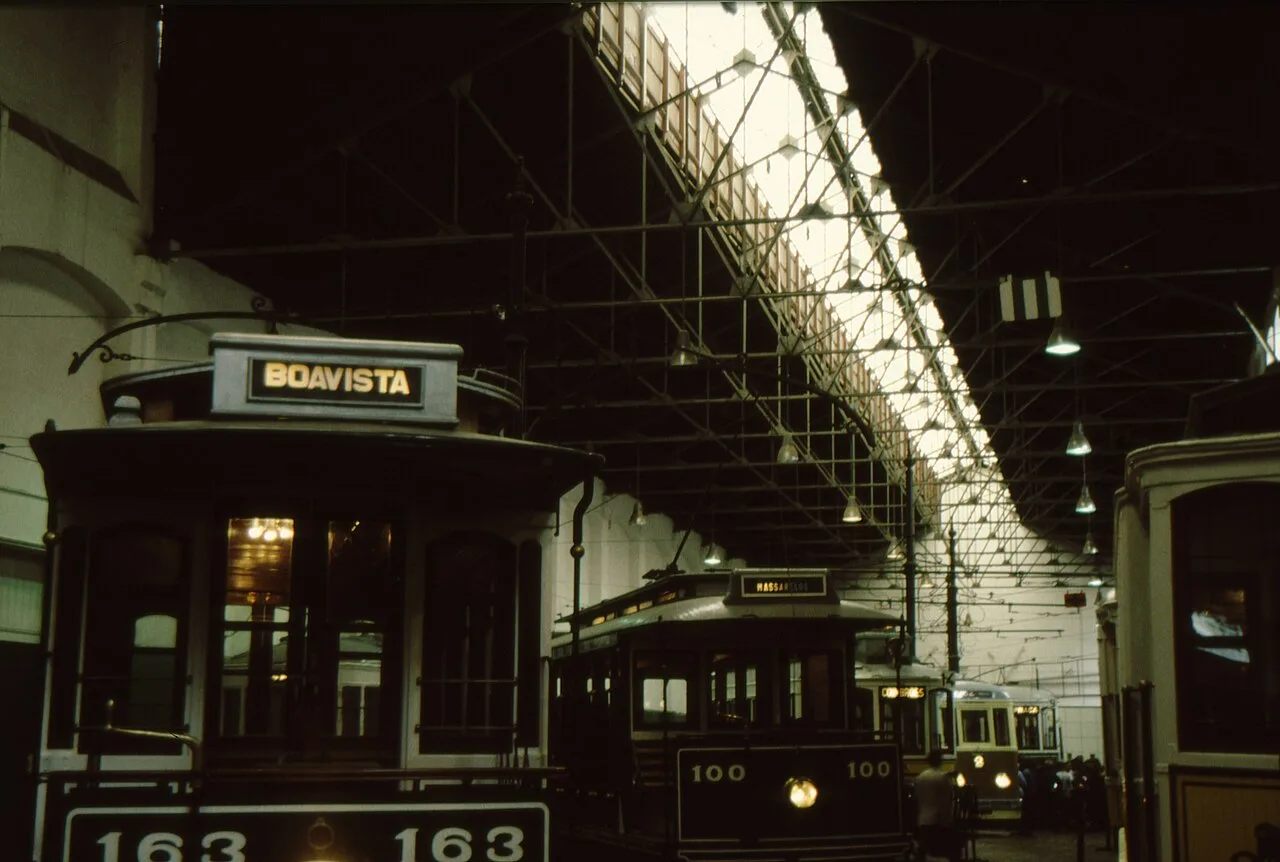
If you are interested in the city's streetcar history, the Museu do Carro Eléctrico (Tram Museum) runs along the Douro riverfront and is 10 to 15 minutes by tram or taxi from the historic centre. More suggestions across all neighbourhoods are in our Porto travel guide.
Frequently Asked Questions
Which Palácio da Bolsa visitor guide options fit first-time visitors?
First-time visitors should choose the standard guided tour offered directly by the palace. These tours provide a comprehensive overview of its history and key rooms. They are available in several languages for international guests.
How much time should you plan for a Palácio da Bolsa visit?
Plan to spend approximately 1 to 1.5 hours for your Palácio da Bolsa visit. This includes time for purchasing tickets, waiting for your tour, and the 30-45 minute guided experience. Allow extra time for browsing the gift shop.
What are the must-see highlights inside Palácio da Bolsa?
The absolute must-see highlight inside Palácio da Bolsa is the breathtaking Arabian Room, known for its intricate Moorish-inspired design. Other key areas include the opulent Grand Staircase and the Golden Room. Each offers unique architectural beauty.
Where can I buy tickets for Palácio da Bolsa?
You can purchase tickets for Palácio da Bolsa directly at the palace's ticket office or online through its official website. Booking in advance is highly recommended, especially during peak season. Some third-party tour operators also offer tickets.
What other attractions are near Palácio da Bolsa?
Several key attractions are very close to Palácio da Bolsa, including the Igreja de São Francisco and the Casa do Infante. The Ribeira district and Dom Luís I Bridge are also within easy walking distance. These sites make for a perfect combined itinerary.
Other Rooms Built Purely to Impress Visitors
The Arabian Hall took eighteen years and a great deal of gold leaf, and it was always meant as a negotiating advantage. Barcelona's Palau de la Música Catalana used stained glass and daylight to the same competitive end. Budapest's Miksa Róth Memorial House preserves the workshop that supplied Hungary's equivalent interiors.
The Palácio da Bolsa stands as a testament to Porto's rich history and architectural grandeur.
This palácio da bolsa (stock exchange palace) visitor guide has provided practical tips and insights for your journey. You can now confidently plan your visit to this UNESCO World Heritage site.
From its opulent Arabian Room to its significant historical narrative, the palace offers a captivating experience. It is truly a highlight of any trip to Porto.
Make sure to include this extraordinary landmark in your Porto itinerary for a truly memorable adventure.
For the latest official information, see the Palácio da Bolsa (Stock Exchange Palace) on Wikipedia.
For more Porto planning, see our hidden gems in Porto and Porto neighborhoods guide.
Continue exploring
More guides you'll find useful