10 Best Off the Beaten Path Porto Spots (2026)
Plan your off the beaten path Porto trip with top picks, local context, timing tips, and practical booking advice for a smoother 2026 adventure.

On this page
10 Best Off the Beaten Path Porto Experiences
After four visits to northern Portugal, I have realized that the real soul of the city hides in the shadows. While the Ribeira waterfront is undeniably beautiful, the constant crowds can often mask the authentic local rhythm. Exploring Porto off the beaten path allows you to find quiet gardens and family-run taverns that most tourists miss. This guide was refreshed in June 2026 to ensure all pricing and hours reflect the current season.
Finding these spots requires a willingness to climb steep hills and wander into residential Porto neighborhoods. You will discover that the most memorable moments happen when you step away from the primary landmarks. From secret viewpoints to traditional fishing villages, these experiences offer a deeper connection to the city's heritage. Pack comfortable walking shoes because the cobblestones are unforgiving but lead to incredible rewards.
Is Porto Worth Visiting Off the Beaten Path?
Seeking out alternative sights is the best way to avoid the increasing commercialization of the city center. Many travelers stick to a small radius, leaving the rest of the city surprisingly peaceful and affordable. You can find authentic experiences that cost a fraction of the price found in the main tourist hubs. Visiting these areas also supports local businesses that do not always benefit from mass tourism.
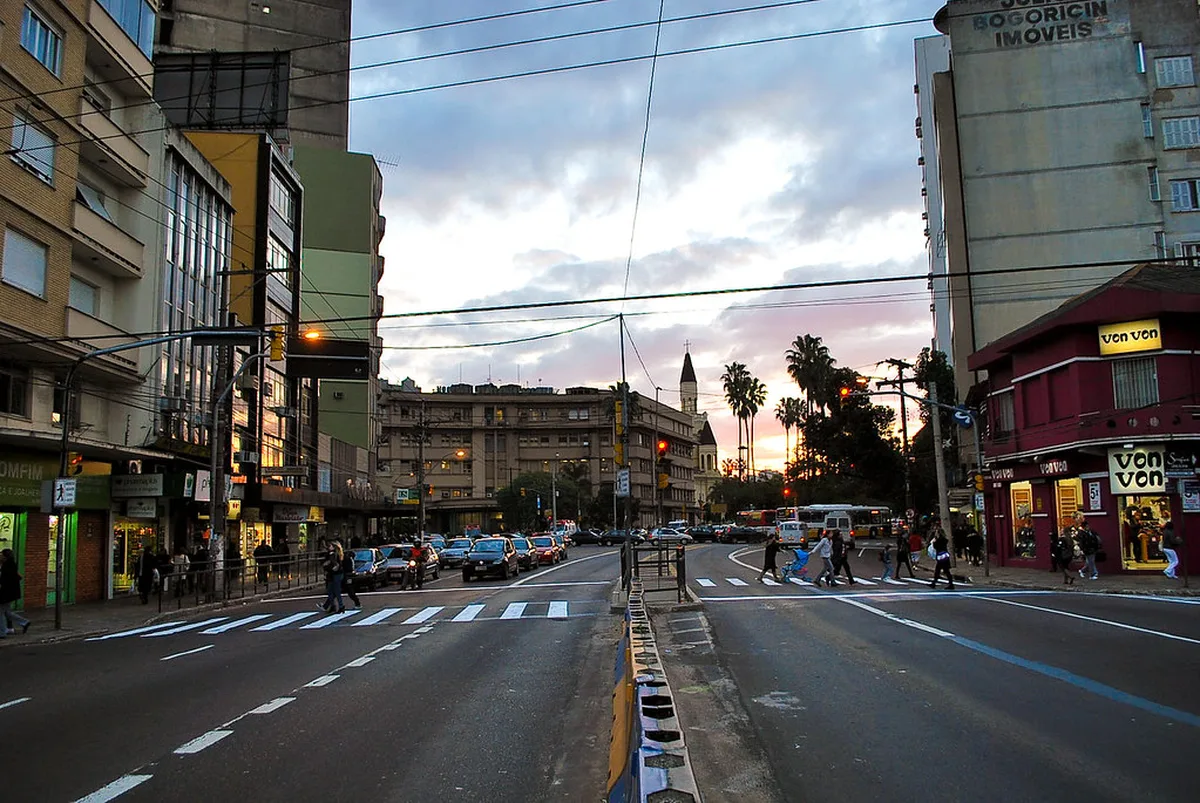
The city's unique topography creates many natural barriers that keep the casual crowds at bay. Steep staircases and narrow alleys often lead to secret viewpoints with better vistas than the famous towers. I once spent an entire afternoon in a terraced garden without hearing a single English word. These quiet pockets are where you will truly feel the famous Portuguese 'saudade' or nostalgic longing.
Planning a trip that focuses on Porto's hidden gems requires a bit more research and patience. Public transport is reliable, but some of the best spots are only accessible by walking or local buses. The effort is worthwhile for anyone who values authenticity over a checked-off bucket list. You will leave with a much more nuanced understanding of what makes this city so special.
The Top 10 Things to Do in Porto Off the Beaten Path
The following list represents the best alternative experiences available in the city right now. Each selection focuses on places that offer a high degree of local character and manageable crowds. These items range from peaceful nature escapes to unique culinary adventures in the suburbs.
- Jardim das Virtudes Terraced Garden
- This unique terraced park offers a stunning alternative to the crowded Jardim do Morro for sunset views.
- Entry is entirely free and the gates generally remain open daily from 9am until 7pm.
- It is located in the Cedofeita area and provides a peaceful spot for a local picnic.
- Bring your own bottle of wine to enjoy the Douro River vista without the high bar prices.
- Mercado de Matosinhos Fish Market
- This bustling market is the heart of the city's seafood culture and sits near the coast.
- Entrance is free and the best action happens between 6am and 2pm from Monday to Saturday.
- Take the blue metro line to Matosinhos Sul and walk five minutes to reach the main hall.
- Visit on a Tuesday morning to see the freshest catches before the weekend rush begins.
- Cemitério de Agramonte Monumental Grounds
- This peaceful cemetery features incredible 19th-century funerary architecture and quiet, tree-lined paths for walking.
- The grounds are open daily from 8:30am to 5pm and admission is free for all visitors.
- It is situated near the Boavista neighborhood and is easily reached by several local bus lines.
- Look for the elaborate sculptures that tell the stories of Porto's most influential historical families.
- Capela Incomum Wine Bar Experience
- This atmospheric wine bar is housed inside a restored 19th-century chapel for a truly unique evening.
- Glasses of local wine typically cost between €5 and €12 depending on the vintage and region.
- They are open Tuesday through Sunday from 4pm until midnight in the vibrant Cedofeita district.
- Book a table in advance for Friday nights when the candlelit ambiance is at its peak.
- Museu Romântico da Quinta da Macieirinha
- This elegant museum recreates the atmosphere of a 19th-century aristocratic home with beautiful period furniture.
- Standard adult tickets cost about €4 and the house is open Tuesday to Sunday from 10am.
- The museum sits within the Crystal Palace Gardens and offers sweeping views of the river below.
- Check the official city museum website for occasional free entry days on the first Sunday monthly.
- Escadas do Codeçal Ancient Staircase
- These historic stairs wind down from the Cathedral to the river through a maze of local houses.
- Walking the stairs is free and they are accessible 24 hours a day for adventurous explorers.
- The path starts near the Sé Cathedral and ends right at the edge of the Ribeira.
- Stop halfway down to see the laundry hanging over the narrow alleys for a classic photo.
- Miradouro da Vitória Hidden Viewpoint
- This rugged viewpoint offers a panoramic look at the city's rooftops and the Gaia wine cellars.
- The site is free to enter and remains open to the public at all hours daily.
- It is located in the old Jewish Quarter and is best reached by walking from Clérigos.
- Visit at dusk when the city lights begin to flicker on across the Douro River valley.
- Rua de Miguel Bombarda Art District
- This street serves as the hub for contemporary art galleries and independent boutique shops in Porto.
- Browsing the galleries is free though individual shop hours usually run from noon until 8pm.
- The neighborhood is a short walk from the city center and hosts special 'Simultaneous Openings' events.
- Visit the Tea Center of Porto located on this street for a quiet break between gallery hops.
- Parque da Cidade City Park
- This is the largest urban park in Portugal and stretches all the way to the Atlantic Ocean.
- Admission is free and the park is open daily from 8am until 10pm for outdoor recreation.
- Take bus 500 from the center for a scenic ride that drops you at the park entrance.
- Walk the entire length of the park to transition from green lawns to the sandy beach.
- São Pedro da Afurada Fishing Village
- This traditional village across the river is famous for its communal laundry and grilled fish restaurants.
- The area is free to explore and is best visited during lunch hours for the freshest food.
- Take the small 'Flor do Gás' ferry from Lordelo do Ouro for a quick and cheap crossing.
- Look for the outdoor charcoal grills where locals cook sardines right on the narrow sidewalks.
Museums, Art, and Culture in Porto's Secret Corners
The art scene in Porto extends far beyond the famous Serralves Museum and its minimalist galleries. Small, artist-run spaces are popping up in former warehouses and renovated townhouses across the city. These venues offer a more intimate look at the local creative community and their current projects. You can often meet the artists themselves during small exhibition openings or weekend workshops.
The Miguel Bombarda district is the epicenter of this movement and deserves a dedicated afternoon. Every few months, the galleries coordinate their opening hours for a festive neighborhood street party. These events are free and provide a great opportunity to mingle with Porto's younger, creative crowd. Start at the top of the street and work your way down toward Cedofeita for a natural flow.
For a more traditional cultural experience, look for Fado performances in smaller, local taverns. While many tourists head to the big shows, the most soulful music is found in tiny backrooms. These venues often require a small cover charge or the purchase of a simple local meal. The raw emotion of the music is much more powerful in these cramped, authentic settings.
Foz do Douro: Where Porto Locals Actually Go
On weekends, the residents of Porto head west to Foz do Douro, the neighborhood where the Douro River meets the Atlantic. Most tourists never make it here, which means you will share the esplanade with dog-walkers and families rather than tour groups. The coastal promenade runs from Castelo do Queijo all the way to Praia do Ourigo, a sea pool carved into the rocks that costs just €1 to enter. Swimming here feels nothing like the commercial beaches — the water is cold, the crowd is local, and the horizon is open Atlantic.
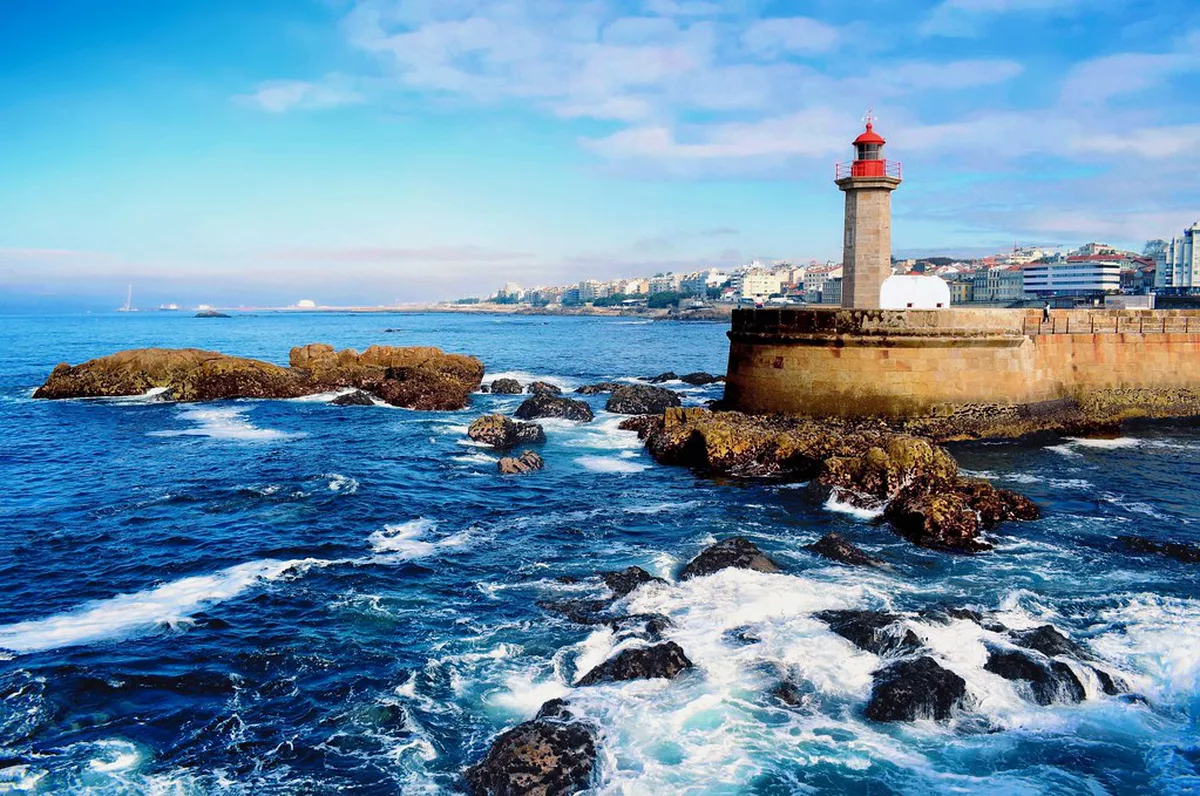
The Jardins do Passeio Alegre at the river mouth is a small park with benches that face directly toward the sunset. No entrance fee, no queue, and no one selling overpriced drinks at the gate. Arrive around 19:00 in summer and you will find local families setting up picnics as the light turns golden over the water. This is the sunset spot that Porto residents actually use — far quieter than Jardim do Morro across the bridge.
For food in Foz, skip the seafront restaurants on the main avenue and walk one block back. Smaller tasca-style places on Rua do Padrão and the side streets off Avenida do Brasil serve lunch menus (prato do dia) for €8–10 including bread, wine, and coffee. The neighborhood also has some of Porto's best pastelarias — look for Confeitaria Foz on Rua do Padrão for genuinely excellent pasteis de nata that cost around €1.20 each. No queues, no social media hype, just good pastry.
Getting here from the center takes about 20 minutes on the 500 bus from Avenida dos Aliados, or 30 minutes on the historic tram line 1 (Elétrico), which runs along the river from Ribeira for €4 each way. The tram route itself is one of the most scenic short rides in the country and serves as its own attraction.
Confeitaria Foz on Rua do Padrão in the Foz neighborhood serves excellent pasteis de nata for around €1.20 each with no tourist queues. Open daily during standard business hours, it's the local pastry spot residents actually visit.
Porto Food Experiences Off the Tourist Circuit
Eating typical Porto foods is one of the most rewarding off-the-beaten-path activities, and the best versions rarely appear on the main tourist trail. The francesinha sandwich at Café Santiago on Rua Passos Manuel is well known, but the version at Brasão in Cedofeita draws more local regulars and shorter queues. Order it with the beer-based molho sauce rather than asking for modifications — that is how it is meant to be eaten.
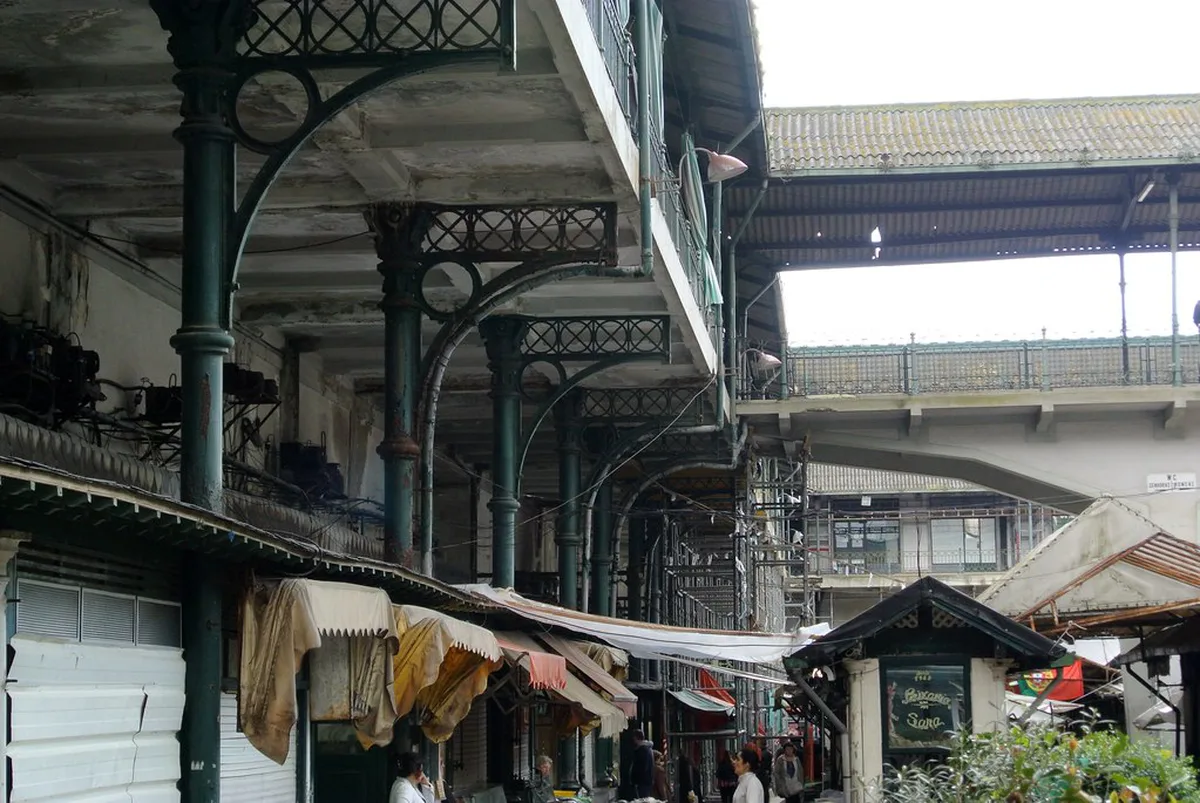
One spot that almost no travel guide covers is Leitaria da Quinta do Paço on Praça da Batalha. This dairy café has been operating since the early 20th century and is known among Porto residents for its éclairs, which use a pastry cream made from the house's own milk recipe. The éclairs cost about €1.80 each and sell out before noon on weekends. Arrive by 10:00 if you want to guarantee one. The interior retains its original wooden counters and marble tables, unchanged since the mid-century.
For a structured food tour that goes beyond the obvious, Porto Alities runs small-group walking tours of Bonfim and Campanhã — neighborhoods where the food tour industry has not yet arrived. These tours cost around €65 per person and last three hours, covering producers and local restaurants that operate entirely outside the tourist economy. Alternatively, join a Pastel de Nata cooking class if you want to learn how to recreate Portuguese pastry at home. Several operators run these for €40–50 per person in the Cedofeita area.
Leitaria da Quinta do Paço on Praça da Batalha is famous for its house-made éclairs (€1.80 each), which sell out before noon on weekends. Arrive by 10:00 AM to secure your pastry from this 20th-century dairy café.
Parks, Gardens, and Outdoor Spots in Porto
Beyond the Crystal Palace Gardens, which now appear on most itineraries, Porto has several green spaces that remain genuinely overlooked. The Jardim das Virtudes in Cedofeita is the best example — a terraced park on a steep hillside with river views that rival the famous miradouros. Visit mid-morning on a weekday and you may share it only with a few pensioners and their dogs.
Parque da Cidade is the largest urban park in Portugal and one of the best free attractions in the north of the country. It extends from residential Ramalde all the way to the Atlantic coast at Praia de Matosinhos, a walk of roughly 4 kilometers on flat paths. The park has a large pond, cycling paths, and areas of semi-wild Atlantic scrub that feel nothing like a manicured city garden. Enter from the Avenida da Boavista side and walk directly to the ocean for a two-hour route that costs nothing.
For birdwatchers and quieter nature, the Reserva Natural Local do Estuário do Douro at the river mouth is almost unknown to visitors. This protected estuary zone has walking paths along the riverbank where you can see herons, egrets, and passing migratory birds from September through March. Access is free and the paths begin near the Afurada village ferry landing.
What to Skip: Overrated Porto Attractions
Not every popular attraction in Porto justifies the long wait times or the high ticket prices. The 'Six Bridges' boat cruise is a prime example of a tourist activity that often under-delivers. While the views are decent, the boats are usually packed and the commentary can be quite generic. You can get better views for free by simply walking across the top deck of the Dom Luís I Bridge.
The Livraria Lello is another spot that has become a victim of its own social media fame. Unless you are a die-hard architecture fan, the hour-long queues can ruin the experience entirely. J. K. Rowling herself confirmed in 2020 that she had actually never been inside the bookshop, deflating the Harry Potter connection entirely. Consider visiting the many other beautiful bookshops in the city that do not require a ticket.
Avoid the restaurants directly on the Ribeira waterfront for dinner. These establishments often charge double the price for food that is significantly lower in quality. Walk just three blocks uphill to find authentic spots serving a better Porto's local food experience. Your wallet and your taste buds will thank you for making the extra effort to explore.
How to Plan Your Porto Off the Beaten Path Itinerary
Navigating the city's secret spots requires a mix of public transport and old-fashioned legwork. The metro system is excellent for reaching outlying areas like Matosinhos or the Boavista district. However, the historic center is best explored on foot to catch the small details in the alleys. Be prepared for very steep inclines and uneven surfaces throughout the older parts of town.
Timing is everything when you want to avoid the crowds at these alternative locations. Start your day early to visit the markets and gardens before the midday heat. Many local shops and smaller museums close for a long lunch break between 1pm and 3pm. Use this time to enjoy a slow meal at a traditional 'tasca' away from the tourist path.
Booking local experiences like wine tastings or guided walks should be done a few days ahead. Even off the beaten path spots can fill up quickly if they have limited capacity or hours. Check the official websites of smaller venues as they often have the most accurate holiday schedules. Always carry a small amount of cash as many local taverns do not accept international cards.
Spring (April–June) and early autumn (September–October) are the ideal windows for this type of travel in Porto. Crowds at the main sites thin noticeably and the weather stays mild enough for long afternoon walks. Summer in 2026 is projected to be hot and busy — if you are visiting in July or August, shift most of your outdoor exploration to early morning before 09:00 and late evening after 18:00.
Frequently Asked Questions
What is the best way to get around Porto's hidden spots?
Walking is the best way to discover hidden gems in the historic center. For further spots like Matosinhos, use the efficient metro system or local STCP buses. Always wear comfortable shoes due to the steep, cobbled streets.
Are off the beaten path spots in Porto safe for solo travelers?
Porto is generally very safe for solo travelers even in less touristy neighborhoods. Exercise standard urban caution when exploring quiet alleys at night. Stick to well-lit main streets when walking back to your accommodation late in the evening.
Can I find vegetarian food in traditional Porto neighborhoods?
Traditional taverns focus heavily on meat and fish, but modern vegetarian cafes are increasing in areas like Cedofeita. Look for 'sopa de legumes' in local spots for a reliable meat-free option. Many newer restaurants now offer creative plant-based versions of local classics.
Embracing the alternative side of Porto reveals a city that is far more complex than its postcards suggest. By stepping away from the main tourist trail, you gain access to the genuine warmth of the local people. Whether you are watching the sunset from a quiet garden in Foz or eating fresh fish in Afurada, these moments linger longest. I hope this guide helps you find the secret magic that makes Porto one of Europe's most captivating cities.
Remember that travel is most rewarding when you remain curious and open to unexpected discoveries. The best 'hidden gems' are often the ones you find yourself while wandering without a strict map. Enjoy your journey through the winding streets and quiet corners of this incredible northern Portuguese treasure.
Continue exploring
More guides you'll find useful