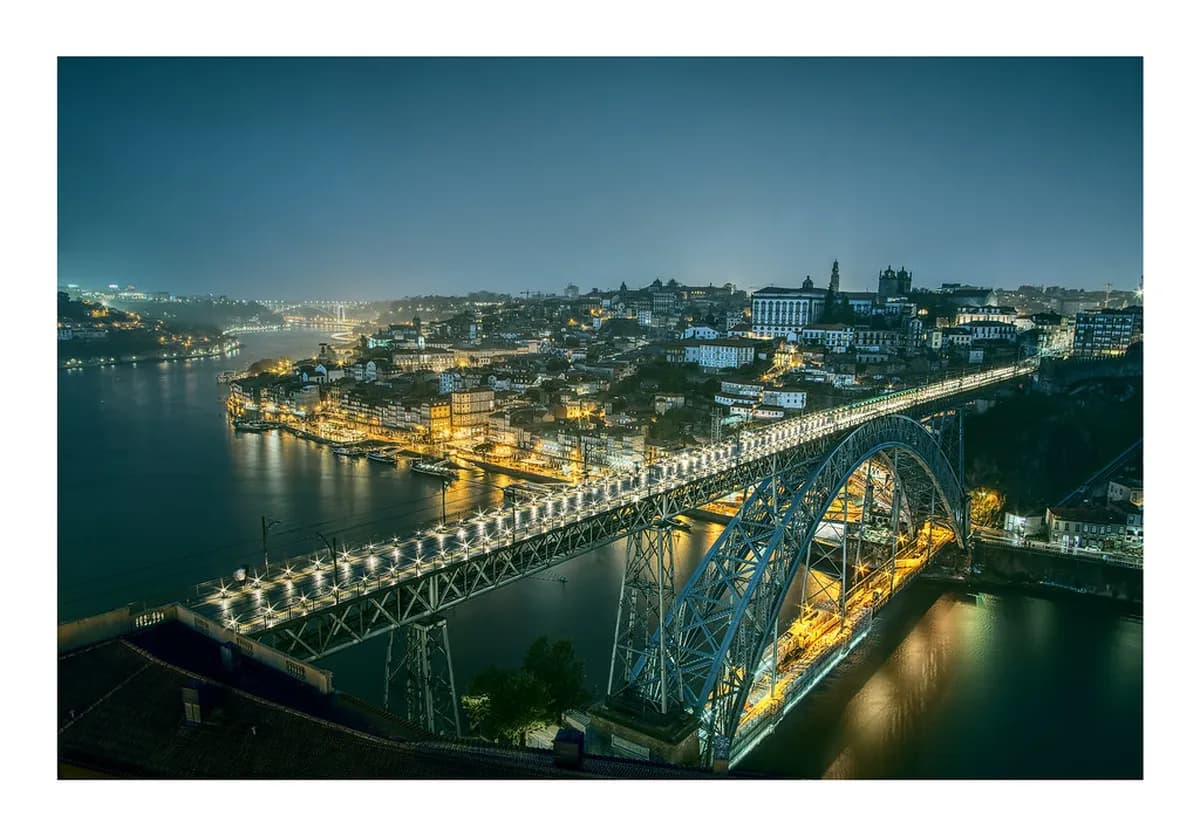
Porto Local Food Guide: 10 Essential Experiences (2026)
Discover the best of Porto's culinary scene with our local food guide. From traditional tascas and Francesinhas to modern dining and market tours.
On this page
10 Essential Experiences in Our Porto Local Food Guide (2026)
Porto's food is a contact sport. The city's culinary identity is built on heavy sauces, slow-cooked tripe, salt cod that tastes like the Atlantic, and sandwiches that qualify as architecture. Unlike the lighter flavors of the south, northern Portuguese cuisine is unapologetically hearty — rooted in an industrial past where high-calorie meals kept the city's dockworkers going. This guide covers the essential dishes, the best tascas, the pastry shops worth queuing for, and the cultural rules that separate tourists from people who actually know how to eat here.
Nearly every traditional meal in Porto involves bread, potatoes, or rice. Portions are enormous by European standards. Prices at authentic spots are among the lowest in Western Europe. This guide reflects dining across multiple visits through 2025 and 2026 and focuses on the specific spots where Porto residents actually eat. For a broader look at the city beyond food, a self-guided walking tour with GPSmyCity connects these food stops into a logical route.
A Note on Portuense Gastronomy and Local Flavors
Porto locals are called Tripeiros — "tripe eaters" — and they wear the nickname with pride. The story goes that in the 15th century, Porto residents sacrificed their own meat stocks to feed a fleet bound for Ceuta, leaving only offal for themselves. The tripe-and-white-bean stew that followed, tripas à moda do Porto, became the city's defining dish. Understanding this history matters because Porto's food scene is still shaped by that same resourceful, no-waste ethos.
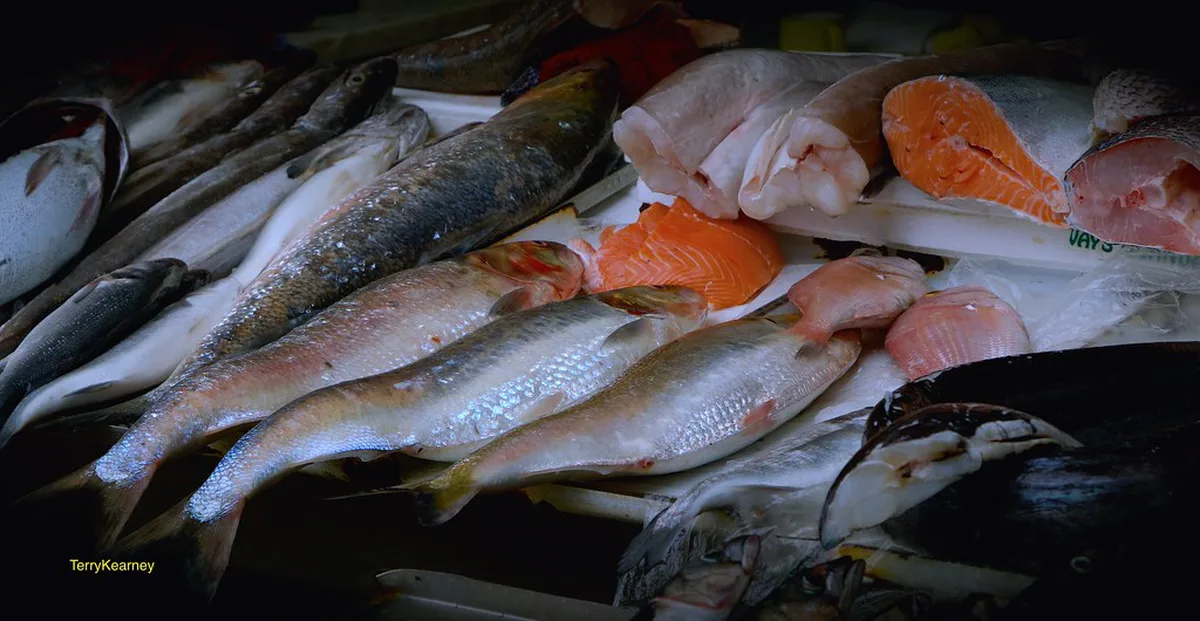
The flavors here are bold and specific. Pork appears in dozens of forms: roasted, cured, sliced thin, sandwiched, stewed with clams. Salt cod (bacalhau) is prepared in over 365 ways according to local legend, though the most honest locals will tell you about twenty of those are genuinely excellent. The defining seasoning notes are garlic, bay leaf, olive oil, and a background heat from piri piri that never quite dominates the dish.
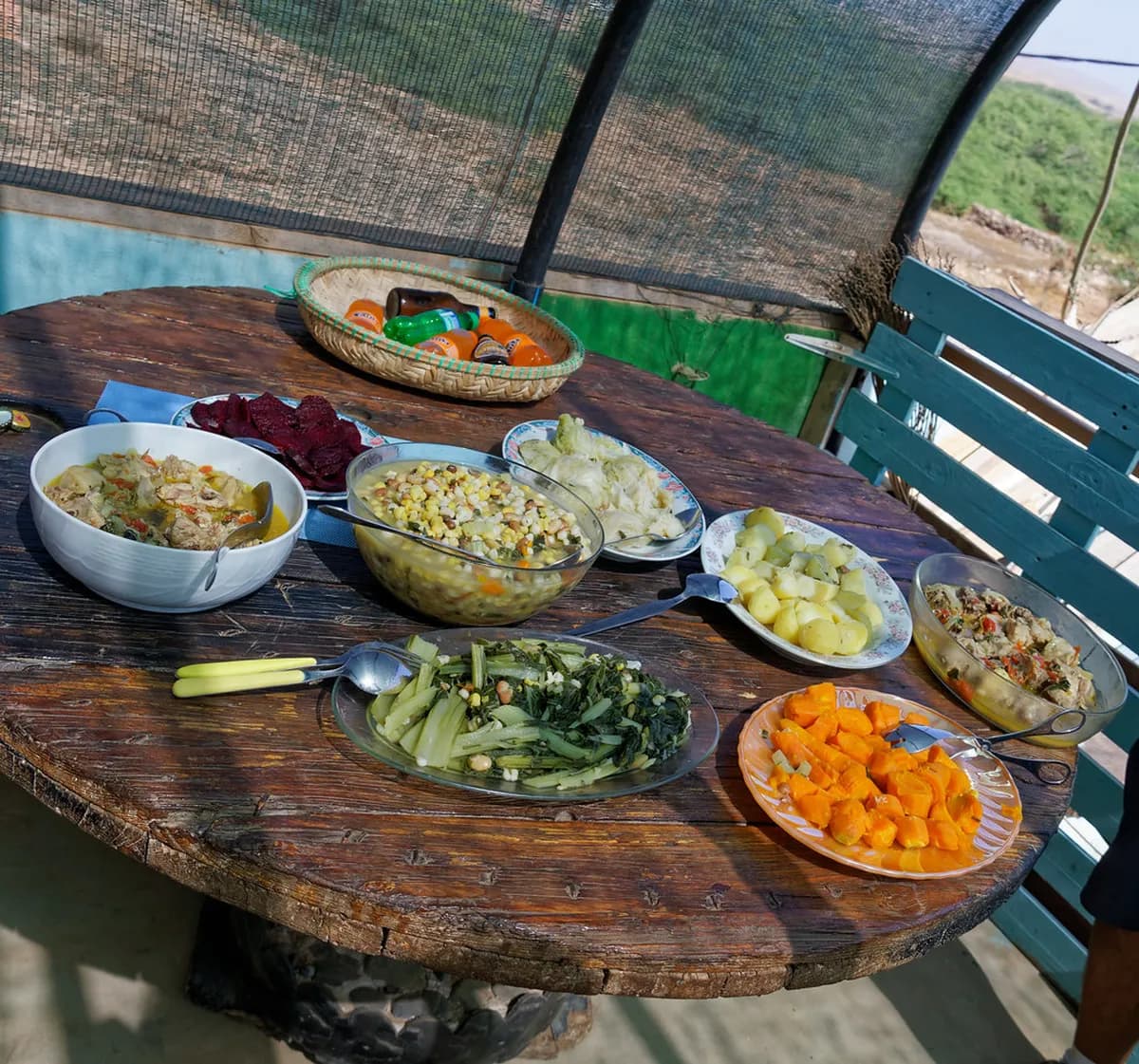
Dining in Porto is almost always a communal experience. Family-run tascas — small, unfussy bistros with paper tablecloths and handwritten menus — prioritize flavor over decor. You will share long tables with strangers, hear the kitchen through the wall, and leave spending about a third of what the same meal would cost in Lisbon. That gap is not a myth. It is the real reason food travelers keep coming back.
Porto's Sandwich Hierarchy: Francesinha, Bifana, and Prego
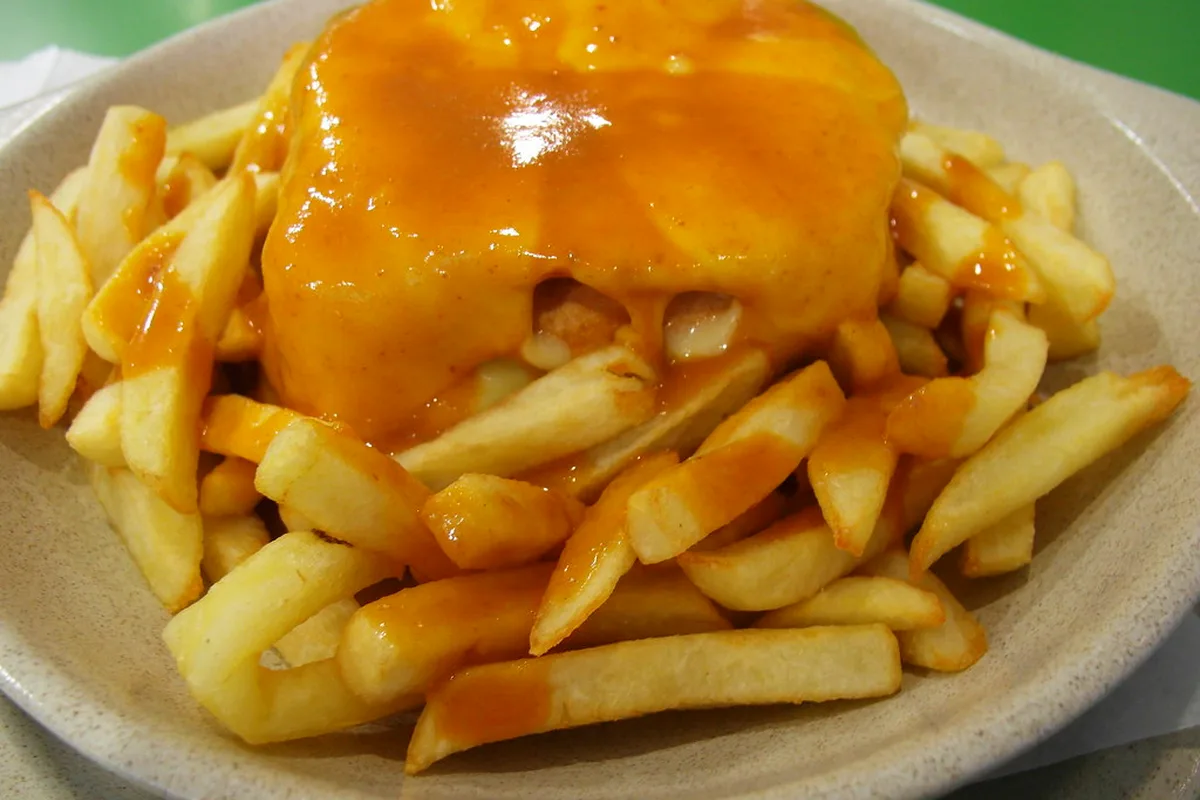
No city in Portugal takes its sandwiches as seriously as Porto, and the three pillars of the tradition each deserve a dedicated visit. The francesinha is the most theatrical: layers of steak, cured ham, and linguiça sausage sealed under melted cheese and drowned in a spiced beer-and-tomato sauce. It is typically served with a fried egg on top and a side of french fries designed specifically to soak up the extra sauce. The sauce recipe is a point of intense local pride — every restaurant that makes a good one guards the formula. Head to Lado B (R. de Passos Manuel 190) or Brasão (multiple locations) for the most consistently excellent versions in 2026. Check our guide to the Porto's best francesinha for a full comparison of the top spots.
The bifana is Porto's everyday sandwich and its genius lies in simplicity: thin slices of pork simmered in a vat of spiced, garlicky sauce, then piled into a crusty roll. The northern Porto version is spicier than what you find in Lisbon. Conga on Rua do Bonjardim 318 serves arguably the city's most addictive version, open daily from 11:00 to 22:00 and cash-only. O Astro, near Campanhã station, is favored by locals who know that the best bifana in the city should not be in the center.
The prego is a garlic-centric grilled beef sandwich served in a papa seco roll. The word means "nail" in Portuguese — chopped garlic is literally pounded into the beef with a tenderizing mallet before it hits the grill. At Lareira (R. das Oliveiras 8, open Monday to Saturday 12:00–23:00) you can order it plain or with a fried egg. At Casa Guedes (Praça dos Poveiros 130) the signature is the sande de pernil: slow-roasted pork leg stuffed in warm bread with gooey Serra da Estrela sheep's milk cheese melted on top. Go hungry and expect a queue at the weekend.
The francesinha is Porto's defining sandwich — steak, ham, and linguiça sealed under melted cheese and drowned in a spiced beer-and-tomato sauce. Every Porto restaurant guards its sauce recipe jealously.
Must-Try Porto Staples: Beyond the Francesinha
Tripas à moda do Porto is the dish every serious visitor should eat at least once. It is a slow-cooked stew of tripe, white beans, chouriço, cured ham, and chicken, thickened with a rich stock that takes hours to develop. It is heavy, deeply savory, and best eaten on a cold or rainy afternoon. Restaurante Abadia do Porto on Rua do Ateneu Comercial do Porto 22 is the traditional benchmark, open daily 12:00–23:00. According to their TripAdvisor listing, a generous portion runs €14–18 and is realistically enough for two.
Bacalhau deserves its own encounter outside the tourist circuit. The best preparation in the city is often the most restrained: bacalhau à lagareiro — salt cod roasted in olive oil with smashed potatoes and plenty of garlic. Adega São Nicolau in Ribeira is one of the few places in the touristy riverfront zone that still serves this dish honestly, while O Rápido near São Bento station (R. da Madeira 194) posts daily specials on their website and is worth checking before you go. For a lighter take, salt cod croquettes (pataniscas or bolinhos de bacalhau) appear on nearly every tasca menu as a starter and cost €1–3 each.
Cachorrinhos at Gazela (Tv. Cimo de Vila 4, open Monday–Saturday 12:00–22:30) are a cult item: thin hot dogs in a buttery, crispy roll brushed with a spiced butter that Anthony Bourdain immortalized on Parts Unknown. The queue is almost always out the door. Counter seating only, no reservations. Read the TimeOut Porto guide to cachorrinhos if you want to compare the different styles across the city — some are served dry like Gazela's, others are drenched in sauce.
| Dish | What It Is | Where to Try | Price Range |
|---|---|---|---|
| Tripas à moda do Porto | Slow-cooked stew of tripe, white beans, chouriço, cured ham, chicken | Restaurante Abadia do Porto | €14–18 |
| Bacalhau à lagareiro | Salt cod roasted in olive oil with smashed potatoes and garlic | Adega São Nicolau (Ribeira) | €12–16 |
| Bolinhos de bacalhau | Salt cod croquettes (lighter starter version) | Most tascas | €1–3 |
| Cachorrinhos | Thin hot dogs in buttery roll with spiced butter | Gazela | €2–4 |
| Francesinha | Steak, ham, linguiça sealed under cheese and beer-tomato sauce | Lado B, Brasão | €8–12 |
| Bifana | Thin pork slices in spiced sauce, piled in crusty roll | Conga | €2–3 |
| Alheira | Smoked bird sausage | Casa Expresso | €5–6 |
Best Traditional Tascas and Portuguese Snack Bars
A good tasca is identified by a few consistent signs: menus written on a board or handed to you on a laminated sheet, specials that change with the season and what the market had that morning, tables close enough together that you will hear your neighbor's conversation, and a bill that leaves you wondering if they forgot a dish. These are not aspirational restaurants. They are the places that Porto residents eat on a Tuesday.
Casa Expresso on Praça de Carlos Alberto 73 (Cedofeita) is a model example: all dishes between €5 and €6, the menu scrawled on the window in marker, and an alheira (a smoked bird sausage with a long, fascinating history) that is among the best in the city. No reservations. O Rápido near São Bento station cooks a different special each day of the week — tripas à moda do Porto appears on Thursdays and Saturdays, roasted goat on Fridays. Book online if you want a table at lunch. Adega Vila Mea on Rua do Heroísmo is a family-run spot favored by locals in the Heroísmo neighborhood, strong on pork and seafood dishes with Minho-style preparations.
For snack bars, the distinction from a tasca is mostly architectural: these are counter-only or high-stool spots where meals are fast and cheap. Casa dos Presuntos "Xico" (R. do Heroísmo 191) is a cash-only legend where inch-thick presunto sandwiches and a half-litre of vinho verde will cost you under €10 total. A canary chirps from a cage near the door. Hams hang from the ceiling. It is exactly what it looks like.
Where to Find the Best Pastéis de Nata and Porto Pastries
The pastel de nata is a Portuguese egg custard tart with a flaky, lightly salted shell — invented by monks at Jerónimos Monastery in Lisbon in the 18th century, but now eaten everywhere in Portugal with near-religious frequency. Porto has strong contenders for the best version in the country. The four most serious options in the city are within easy walking distance of each other along the Bolhão–Santa Catarina corridor.
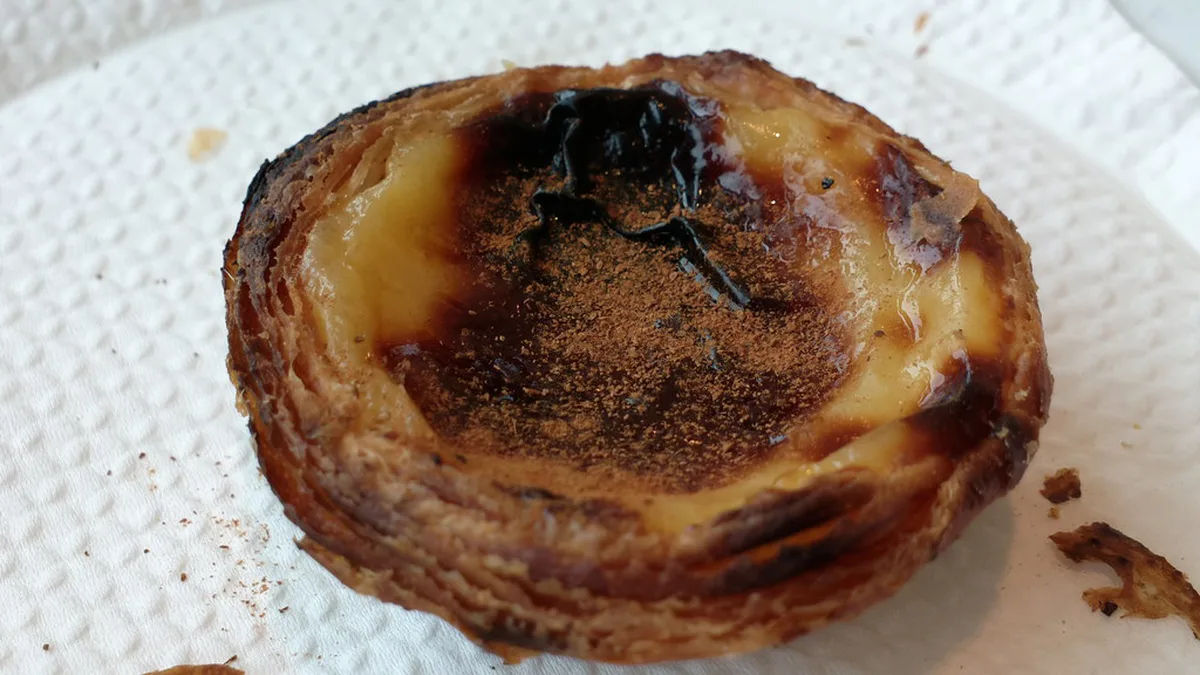
Manteigaria (R. de Alexandre Braga 24, open 08:00–21:00 daily) is the spot most Porto residents name first. The tarts here have a silkier custard and a more pronounced cinnamon character than most competitors. Go before 10:00 on weekdays to watch the bakers hand-fold pastry through the glass window without any queue. Fabrica da Nata (R. de Santa Catarina 331, open 08:00–23:00 daily) produces tarts that lean slightly crisper and browner. Both are excellent and the differences are genuinely subtle. Natas D'Ouro (R. de Sá da Bandeira 115) is worth visiting specifically for their port wine and chocolate variations on the classic tart.
Porto's pastry scene extends well beyond the nata. Leitaria da Quinta do Paço (Praça Guilherme Gomes Fernandes 47, open 09:00–21:00) is a former milk producer now famous for eclairs filled with an artisanal whipped cream rather than the French crème pâtissière. The classic dark chocolate version is the most popular. If you want to go further, ask at any traditional pastelaria for bola de Berlim (a fried dough ball filled with egg cream), which is Porto's most common beach-and-street pastry and costs about €1.50.
Porto's Modern Portuguese Dining Scene
Porto has developed a credible modern dining scene over the last decade, and the best of it is distinguished by chefs who use traditional ingredients and preparations as a starting point rather than a constraint. This is not fusion in the tourist-menu sense. It is closer to what happens when a generation of Porto cooks who trained abroad come home and apply that technique to the bacalhau and pork they grew up eating.
The riverfront at Ribeira still contains tourist traps, but it also has Adega São Nicolau (R. de São Nicolau 1), which has somehow maintained both quality and value despite the surrounding pressure. The bacalhau croquettes and the octopus with roast potatoes (polvo à lagareiro) are the dishes to order. Arrive 15 minutes before opening if you want the outdoor table with partial river views. The same owners run Terreiro next door with a larger terrace and usually easier seating. For a more polished and explicitly contemporary experience, Solar Moinho do Vento (R. de Sá de Noronha 81, Clérigos) offers white tablecloths and bow-tied waiters alongside genuinely local sourcing, particularly for their arroz de costelinha — a savory pork rib rice with spinach that does not appear on standard tourist menus.
For seafood without the Porto center markup, the short stretch of Rua Heróis de França in Matosinhos (a 20-minute metro ride on the A line from Trindade) is lined with fish grill restaurants cooking over open barbecues. The smoke above the street is the landmark. Grilled sardines in summer, grilled squid year-round, and leite creme (a Portuguese crème brûlée flamed tableside) are the sequence to follow. Reservations by phone are recommended at weekends.
Exploring Porto's Historic Food Markets
Mercado do Bolhão is the spiritual center of Porto's food culture. After a lengthy renovation completed in 2023, the 19th-century iron-and-tile structure now holds a combination of traditional vendors — vegetable sellers, butchers, fishmongers — alongside oyster counters, wine bars, and specialty food stalls. The renovated version has attracted criticism from locals who feel it has become curated rather than working, but the core vendors remain and the quality of tinned fish, local cheese, and cured meats is genuinely excellent. Bolhão is open Monday to Friday 08:00–20:00 and Saturday 08:00–18:00. For tinned sardines and mackerel as souvenirs, look for small-batch Portuguese brands rather than the mass-market names you will find at any airport.
Across the river in Vila Nova de Gaia, the Mercado Beira-Rio offers a different proposition: a more contemporary food hall format with multiple stalls serving both local and international dishes. It is an excellent option for groups with different appetites or for anyone who wants access to the Port wine cellars and a meal in the same afternoon. The atmosphere is livelier and louder than Bolhão; the prices are slightly higher but still reasonable.
The practical difference between the two markets is best understood as follows: Bolhão is for buying ingredients and eating a simple lunch at a market counter; Mercado Beira-Rio is for a social meal with a view. Both are worth visiting if you have more than two days in the city. For a guided introduction to Bolhão with tasting stops included, the top-rated small-group food tour listed on the site covers both the market and the historic eating spots nearby.
The Etiquette of the Balcão — and the Couvert You Didn't Order
In most Porto snack bars and many tascas, the price of your coffee or sandwich changes based on where you consume it. Standing at the balcão (counter) is cheaper than sitting at a mesa (table). This is displayed on the menu as two separate price columns. The practice is not a tourist surcharge — it is the normal Portuguese pricing structure and applies equally to locals. For a quick morning espresso and a pastel de nata, the counter is always the correct choice. It is also where you interact directly with staff, hear the kitchen, and observe the morning rhythm that defines daily Porto life.
The more expensive mistake that catches first-time visitors is the couvert. When you sit down at almost any traditional restaurant in Porto, bread, olives, butter, and sometimes a small dish of cheese or pâté will appear on your table without anyone asking. These are not free. They are a standard part of Portuguese restaurant service and will appear on your bill at €1.50–4.00 per person. If you do not want them, say so immediately — "não obrigado, pode levar" — and the server will remove them without issue. Most locals decline the couvert at lunch and accept it at dinner. No one will be offended either way. What will cause friction is accepting the basket, eating half the bread, and then arguing about the charge at the end.
The couvert (bread basket, olives, cheese) is not free and will be charged at €1.50–4.00 per person. Decline it upfront by saying "não obrigado, pode levar" if you don't want it — the server will remove it without offense.
Tipping in Porto is genuinely optional at snack bars and small tascas. At sit-down restaurants, rounding up the bill or leaving 5–10% for good service is common practice among locals. The tap water (água da torneira) is safe and high-quality everywhere in Porto — you can ask for a jarra de água without embarrassment, and most modern restaurants now offer filtered tap water as a default.
Dose vs. Meia Dose: Understanding Portuguese Math
Ordering a dose in a Porto tasca is reliably disorienting for first-time visitors. A full dose is almost always sized for two people to share comfortably. If you are dining solo or have a normal appetite, order a meia dose (half-portion) instead. Despite the name, a meia dose is typically enough food for one hungry adult. This portioning logic applies to fish dishes, grilled meats, and stews equally — it is not a special option reserved for small appetites, it is how the system is designed to work.
The practical benefit is significant. Two people sharing a dose of grilled fish plus a dose of potatoes and salad can eat a full restaurant meal for under €20 total in a mid-range tasca. The Porto's hidden gems guide covers several neighborhood tascas where this combination represents the best-value lunch in the city. Always check the size before ordering multiple main courses — the mistake of ordering two full doses for two people and receiving food for four is extremely common and difficult to explain afterward.
Port Wine and Local Craft Beer: What to Drink in Porto
Port wine is made from grapes grown in the Douro Valley, fortified with grape spirit during fermentation to retain natural sugar, and then aged in the lodges of Vila Nova de Gaia directly across the river from Porto. The main styles divide into three categories that are genuinely different drinks: Ruby Port is the most common — young, dark, and fruit-forward, best served slightly cool as a dessert wine. Tawny Port is aged in small barrels and takes on nutty, caramel, and dried-fruit characteristics over time; a 10-year Tawny is the most versatile style for pairing with cheese. White Port is made from white grapes and is best drunk chilled with tonic water and a slice of lemon — this is the way locals drink it on a warm afternoon, and it is lighter and more refreshing than most visitors expect. Tasting flights at Espaço Porto Cruz in Gaia run €10–40 depending on the age of the wines. Consult our Vila Nova de Gaia for a full comparison of the wine cellars.
The beer question in Porto is not academic. Northern Portugal has an intense regional loyalty to Superbock that newcomers frequently underestimate. Porto considers Superbock its beer. Ordering Sagres — the Lisbon-associated lager — in a traditional Porto tasca will not get you thrown out, but it will earn you a look. The preference is cultural before it is about flavor. Both are light, cold, well-made lagers, but in Porto you order Superbock unless you have a reason not to. Draft Superbock at a counter bar costs about €1.20–1.80 for a small glass (imperial).
The craft beer scene that emerged in Porto over the last decade is centered on the Cedofeita neighborhood. Catraio, one of the city's first dedicated craft beer shops, carries a rotating selection of Portuguese microbrews. A flight of four small pours costs €10–15. Visit our the Cedofeita district for more on the neighborhood's eating and drinking spots. For context: the craft scene here is genuine and growing, but it runs parallel to the Superbock culture rather than replacing it. Most locals drink both depending on the context.
Porto Food Quick Links: Tours and Practical Tips
Most traditional Porto tascas close on Sundays or Mondays — this is not a universal rule but it catches many first-time visitors who plan a market-and-tasca day on Sunday and find half their list shuttered. Carry cash. Many smaller snack bars and neighborhood tascas do not accept international cards, and the ones that do often have a card minimum. Prices in this guide are accurate for 2026 but traditional restaurants in Porto are not static — menus change with seasons and markets, and a beloved tasca can double its prices within two years of a positive review in an international publication.
For organized introductions to the food scene, a small-group food tour that combines Bolhão Market with historic eating spots is worth the cost for first-time visitors. The market context alone — knowing which stall for which product, understanding what "reserve" means on a tinned fish label — is difficult to acquire quickly on your own. Porto cooking classes are available for those who want to replicate specific dishes; most focus on the francesinha sauce, bacalhau preparations, and pasteis de nata.
For eating near the wine cellars, Gaia has improved significantly as a food destination in 2025 and 2026 and is no longer just a Port wine excursion. The Beira-Rio market and several serious seafood restaurants on the waterfront side of Gaia make it viable as a half-day food and wine itinerary without returning to Porto city center for dinner.
Frequently Asked Questions
What is the etiquette for tipping in Porto restaurants?
Tipping is not mandatory in Porto, but rounding up the bill is appreciated. For excellent service in a sit-down restaurant, a 5-10% tip is standard. Most locals do not tip at small snack bars or coffee shops.
What does 'meia dose' mean on a Portuguese menu?
A 'meia dose' translates to a half-portion, though it is usually enough for one person. In traditional tascas, a full 'dose' is meant for two people to share. Always ask the waiter about the size before ordering.
Is the tap water in Porto safe to drink at restaurants?
Tap water in Porto is perfectly safe and high-quality. You can ask for a 'copo de água' or a 'jarra de água' at most restaurants. Many modern spots will serve filtered tap water as a sustainable alternative to bottled.
Eating in Porto is an adventure that requires an open mind and a very healthy appetite. From the spicy kick of a bifana to the rich complexity of a vintage Tawny Port, the city offers endless rewards for anyone willing to walk a few blocks off the waterfront and sit down at a paper-tablecloth table. The food here is not designed for photographs. It is designed to be eaten, preferably standing at a counter with a very cold beer.
Remember to pace yourself and embrace the local rhythm of dining. For more inspiration on planning your visit, the Porto's hidden gems guide covers neighborhood-level recommendations that connect naturally with the eating spots listed here. Porto reveals its true character through its food — do not be afraid to order the tripe.
Continue exploring
More guides you'll find useful